
How to Cycle the Fuel Pump on a 1998.5 Dodge 3500

Quick Summary: To cycle the fuel pump on a 1998.5 Dodge 3500, turn the ignition key to the “on” position without starting the engine. Leave it in this position for about 30 seconds to allow the pump to prime. Repeat this process a few times, especially after fuel filter changes or when troubleshooting starting issues. This ensures the fuel system is properly pressurized, making it easier to start the engine.
Having trouble starting your 1998.5 Dodge 3500? A common culprit can be the fuel system, particularly after changing the fuel filter or if the truck has been sitting for a while. Cycling the fuel pump primes the system, ensuring the engine gets the fuel it needs. This simple process can save you time and frustration. In this guide, I’ll walk you through the steps to cycle your fuel pump like a pro, so you can get back on the road quickly. We’ll cover everything from why it’s important to the specific steps, potential problems, and helpful tips.
Why Cycle the Fuel Pump?
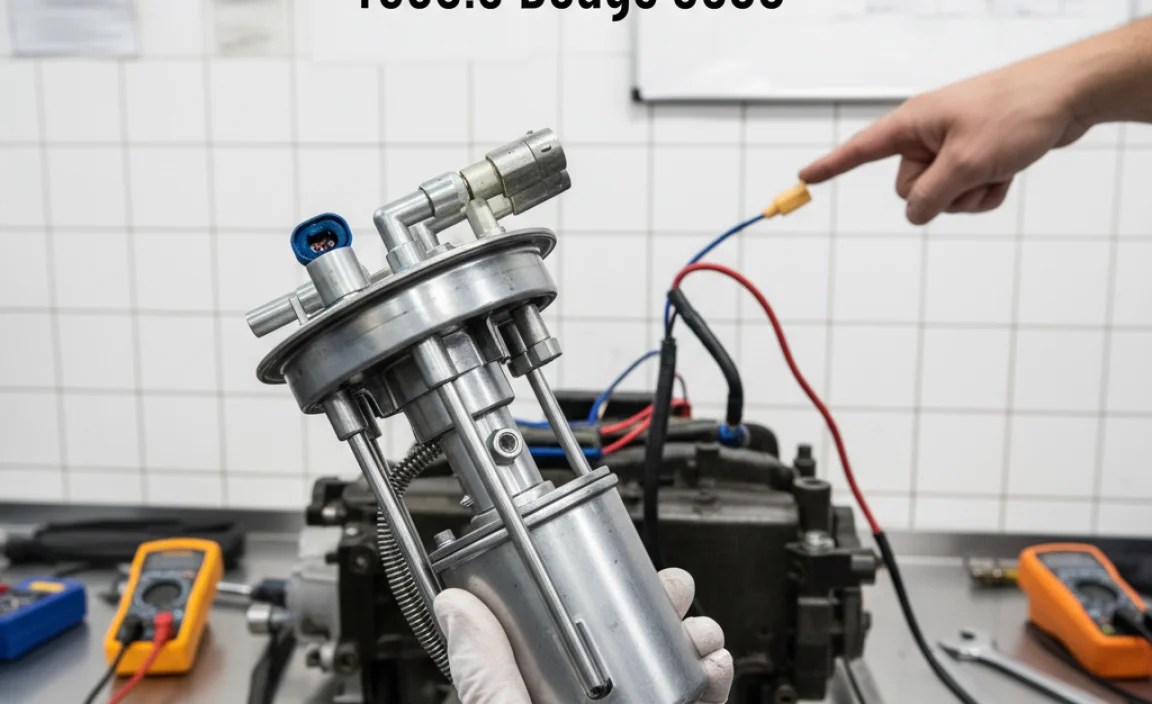
Cycling the fuel pump is essential for several reasons:
- Priming the Fuel System: When you change the fuel filter or run the tank low, air can enter the fuel lines. Cycling the pump helps remove this air and ensures fuel is ready for the engine.
- Ensuring Proper Pressure: The fuel pump needs to build up pressure to deliver fuel effectively. Cycling helps achieve the correct pressure before starting the engine.
- Preventing Hard Starts: By priming the system, you reduce the strain on the starter and prevent prolonged cranking, which can damage the starter motor and drain the battery.
- Troubleshooting: Cycling the fuel pump can help diagnose fuel system issues. If the truck starts after cycling, it indicates a fuel delivery problem.
Tools and Materials Needed
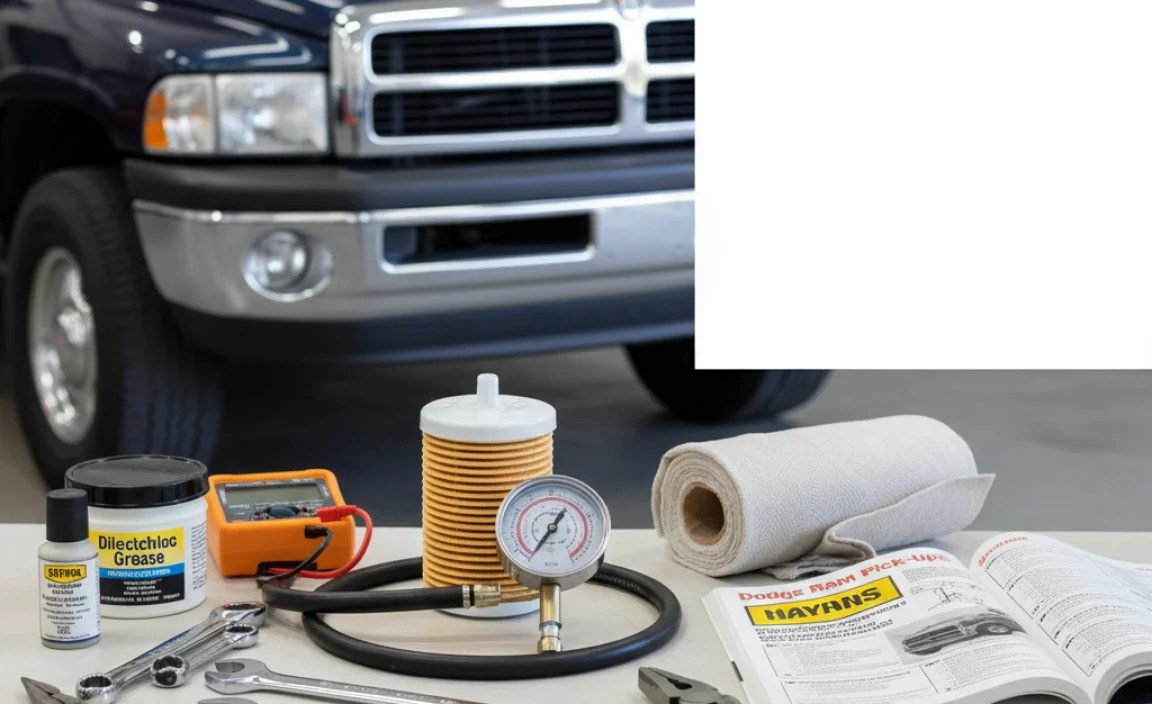
Luckily, you don’t need many tools for this simple procedure. Here’s what you’ll need:
- Your 1998.5 Dodge 3500
- The key to your truck
- Optional: A helper to listen for the fuel pump
Step-by-Step Guide to Cycling the Fuel Pump

Here’s how to cycle the fuel pump on your 1998.5 Dodge 3500:
- Insert the Key: Put the ignition key into the ignition switch.
- Turn to the “On” Position: Turn the key to the “on” position without starting the engine. You should see the dashboard lights illuminate.
- Listen for the Pump: Listen carefully near the fuel tank (or have a helper listen). You should hear a buzzing or whirring sound. This is the fuel pump running. It will usually run for about 20-30 seconds and then stop.
- Wait for the Pump to Stop: Allow the fuel pump to run until it stops. This indicates that it has primed the fuel system.
- Turn the Key Off: Turn the ignition key back to the “off” position.
- Repeat the Process: Repeat steps 2-5 a few times (2-3 times should be sufficient). This ensures the fuel system is fully primed.
- Start the Engine: After cycling the pump, try starting the engine. It should start more easily.
Troubleshooting Tips
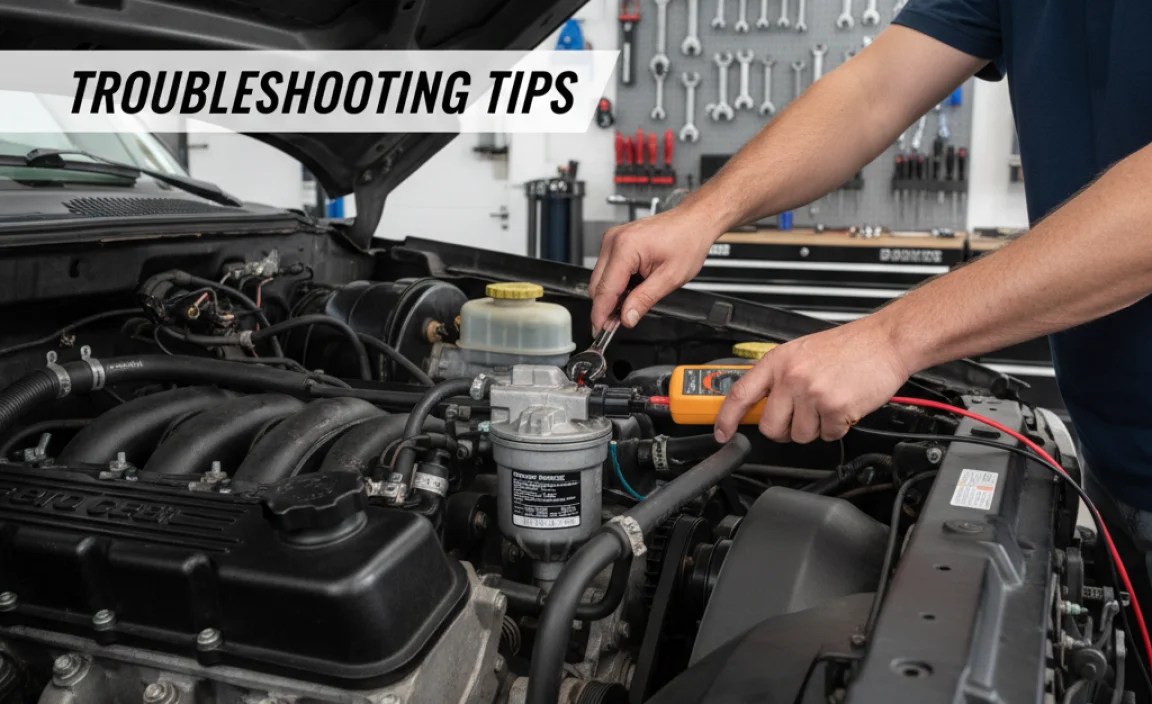
Sometimes, cycling the fuel pump doesn’t solve the problem. Here are some troubleshooting tips:
- Check the Fuel Filter: A clogged fuel filter can prevent the pump from priming the system properly. Replace the fuel filter if it’s old or dirty.
- Inspect Fuel Lines: Look for any visible damage or leaks in the fuel lines. Damaged lines can prevent the fuel system from building pressure.
- Check the Fuel Pump Relay: The fuel pump relay could be faulty. Locate the relay (check your owner’s manual for the location) and test it with a multimeter, or swap it with a known good relay to see if that resolves the issue.
- Inspect the Fuel Pump: The fuel pump itself might be failing. If you suspect this, you may need to have it professionally tested or replaced.
- Check the Fuel Level: Ensure you have enough fuel in the tank. The fuel pump needs fuel to prime the system.
Common Issues and Solutions
Let’s look at some common issues you might encounter and how to address them:
| Issue | Possible Cause | Solution |
|---|---|---|
| Engine won’t start after cycling the pump | Clogged fuel filter | Replace the fuel filter |
| Fuel pump not priming | Faulty fuel pump relay | Check and replace the relay |
| Weak fuel pressure | Failing fuel pump | Test and potentially replace the fuel pump |
| Air in the fuel lines | Recent fuel filter change or running the tank low | Cycle the fuel pump multiple times |
| Engine starts but runs rough | Dirty fuel injectors | Use a fuel injector cleaner or have them professionally cleaned |
Fuel System Components: A Closer Look
Understanding the components of your fuel system can help you diagnose and fix problems more effectively. Here’s a brief overview:
- Fuel Tank: Stores the fuel.
- Fuel Pump: Pumps fuel from the tank to the engine.
- Fuel Filter: Filters out contaminants from the fuel.
- Fuel Lines: Carry fuel from the tank to the engine.
- Fuel Rail: Distributes fuel to the injectors.
- Fuel Injectors: Spray fuel into the engine cylinders.
- Fuel Pressure Regulator: Maintains the correct fuel pressure.
Maintaining Your Fuel System
Regular maintenance can prevent many fuel system problems. Here are some tips:
- Regular Fuel Filter Replacement: Replace the fuel filter according to the manufacturer’s recommendations (usually every 25,000 to 50,000 miles) [reference: your truck’s service manual].
- Use Quality Fuel: Avoid using low-quality fuel, which can contain contaminants that clog the fuel filter and damage the fuel pump.
- Keep the Fuel Tank Full: Running the fuel tank low can cause the fuel pump to suck up sediment from the bottom of the tank, leading to clogs and damage.
- Inspect Fuel Lines Regularly: Check for cracks, leaks, or damage to the fuel lines. Replace them if necessary.
- Use Fuel Additives: Consider using fuel additives periodically to clean the fuel injectors and prevent deposits from forming.
Safety Precautions
Working with fuel systems requires caution. Here are some safety precautions to keep in mind:
- Work in a Well-Ventilated Area: Fuel vapors are flammable and can be harmful if inhaled.
- Disconnect the Battery: Disconnecting the negative battery terminal prevents accidental sparks.
- No Smoking or Open Flames: Keep all sources of ignition away from the work area.
- Wear Safety Glasses: Protect your eyes from fuel splashes.
- Use Proper Tools: Use tools that are in good condition and designed for automotive work.
- Clean Up Spills Immediately: Wipe up any fuel spills with a clean rag.
- Dispose of Fuel Properly: Dispose of used fuel and rags in accordance with local regulations.
Understanding Fuel Pump Relays
The fuel pump relay is a crucial component that controls the power supply to the fuel pump. Here’s what you need to know:
- Function: The relay acts as a switch, allowing power to flow to the fuel pump when the ignition is turned on.
- Location: The location of the fuel pump relay varies, but it’s typically found in the fuse box under the hood or inside the cabin. Check your owner’s manual for the exact location.
- Testing: You can test the relay using a multimeter to check for continuity and voltage. You can also swap it with a known good relay to see if that resolves the issue.
- Replacement: If the relay is faulty, replace it with a new one that matches the specifications of the original relay.
Upgrading Your Fuel Pump
If you’re experiencing frequent fuel delivery issues or upgrading your engine for more power, you might consider upgrading your fuel pump. Here are some reasons to upgrade:
- Increased Fuel Flow: Upgraded fuel pumps provide more fuel flow, which is necessary for high-performance engines.
- Improved Reliability: Aftermarket fuel pumps are often more durable and reliable than the stock pump.
- Better Performance: An upgraded fuel pump can improve engine performance by ensuring a consistent fuel supply.
When choosing an upgraded fuel pump, consider the following:
- Fuel Flow Rate: Choose a pump with a flow rate that matches your engine’s requirements.
- Pressure Rating: Ensure the pump can deliver the required fuel pressure.
- Compatibility: Make sure the pump is compatible with your vehicle and fuel system.
The Role of Fuel Injectors
Fuel injectors play a critical role in delivering fuel to the engine. Here’s what you need to know:
- Function: Fuel injectors spray fuel into the engine cylinders in a precise pattern and quantity.
- Maintenance: Over time, fuel injectors can become clogged with deposits, affecting their performance.
- Cleaning: You can clean fuel injectors using fuel injector cleaner additives or by having them professionally cleaned.
- Replacement: If the injectors are severely clogged or damaged, they may need to be replaced.
Symptoms of clogged or faulty fuel injectors include:
- Rough idling
- Poor acceleration
- Reduced fuel economy
- Misfiring
Fuel Pressure Testing
Testing fuel pressure is a valuable diagnostic tool. Here’s how you can do it:
- Gather Your Tools: You’ll need a fuel pressure gauge and the appropriate adapters for your vehicle.
- Locate the Test Port: Find the fuel pressure test port on the fuel rail.
- Connect the Gauge: Attach the fuel pressure gauge to the test port.
- Start the Engine: Start the engine and observe the fuel pressure reading.
- Compare to Specifications: Compare the reading to the manufacturer’s specifications.
If the fuel pressure is too low, it could indicate a problem with the fuel pump, fuel filter, or fuel pressure regulator. If it’s too high, it could point to a faulty fuel pressure regulator.
Tips for Cold Weather Starting
Starting your 1998.5 Dodge 3500 in cold weather can be challenging. Here are some tips to improve cold weather starting:
- Use a Block Heater: A block heater warms the engine, making it easier to start in cold temperatures.
- Use a Fuel Additive: Add a fuel additive designed for cold weather to prevent fuel gelling.
- Check the Glow Plugs: Ensure the glow plugs are functioning properly. They help heat the combustion chambers for easier starting. [Reference: Diesel engine repair guides]
- Keep the Battery Charged: Cold weather reduces battery performance, so keep the battery fully charged.
- Cycle the Fuel Pump: Cycle the fuel pump a few extra times to ensure the fuel system is fully primed.
FAQ: Cycling the Fuel Pump on a 1998.5 Dodge 3500
1. How often should I cycle the fuel pump?
You should cycle the fuel pump whenever you change the fuel filter, run the fuel tank low, or if your truck has been sitting for an extended period. It’s also a good practice when troubleshooting starting issues.
2. What does cycling the fuel pump actually do?
Cycling the fuel pump primes the fuel system by removing air and ensuring the fuel lines are filled with fuel. This helps the engine start more easily.
3. How long should I leave the key in the “on” position when cycling the pump?
Leave the key in the “on” position for about 20-30 seconds each time to allow the fuel pump to run and prime the system fully.
4. What if I don’t hear the fuel pump running?
If you don’t hear the fuel pump, check the fuel pump relay and fuse. If those are okay, the fuel pump itself may be faulty and need to be replaced.
5. Can cycling the fuel pump fix a bad fuel pump?
No, cycling the fuel pump won’t fix a bad fuel pump. It only helps prime the system. If the fuel pump is failing, it will eventually need to be replaced.
6. Is there a risk of damaging anything by cycling the fuel pump too many times?
Cycling the fuel pump a few extra times is generally safe. However, excessive cycling without allowing the pump to cool down could potentially shorten its lifespan. Just a few cycles are usually enough.
7. Will cycling the fuel pump help with poor fuel economy?
Cycling the fuel pump primarily addresses starting issues. Poor fuel economy is usually related to other factors like a dirty air filter, faulty oxygen sensor, or issues with the fuel injectors.
Conclusion
Cycling the fuel pump on your 1998.5 Dodge 3500 is a simple but crucial step for maintaining its performance and preventing starting problems. By following this guide, you can ensure your fuel system is properly primed and ready to go. Remember to address any underlying issues, such as a clogged fuel filter or a failing fuel pump, to keep your truck running smoothly. Keep your fuel system in good shape, and you’ll enjoy many more miles on the road.
“`


