
How Long Should a Sump Pump Cycle Last? A Beginner’s Guide

Quick Summary: A typical sump pump cycle should last about 1-3 minutes. If your pump runs constantly or cycles very frequently (every few minutes), it indicates a problem. Issues like a stuck float switch, incorrect pump size, or excessive water inflow could be the cause. Regular inspection and maintenance are key to ensuring your sump pump operates efficiently and prevents flooding.
Is your sump pump running too often or not often enough? Figuring out the ideal sump pump cycle time can be tricky. A sump pump that runs constantly can drive up your energy bill and burn out quickly. On the other hand, a pump that doesn’t cycle enough might leave your basement vulnerable to flooding. Don’t worry! This guide will walk you through how to determine the correct cycle length, troubleshoot common issues, and keep your basement dry.
We’ll cover everything from understanding the basics of sump pump operation to diagnosing and fixing problems with your pump’s cycle. Let’s dive in and get your sump pump working like a pro!
Understanding Sump Pump Basics
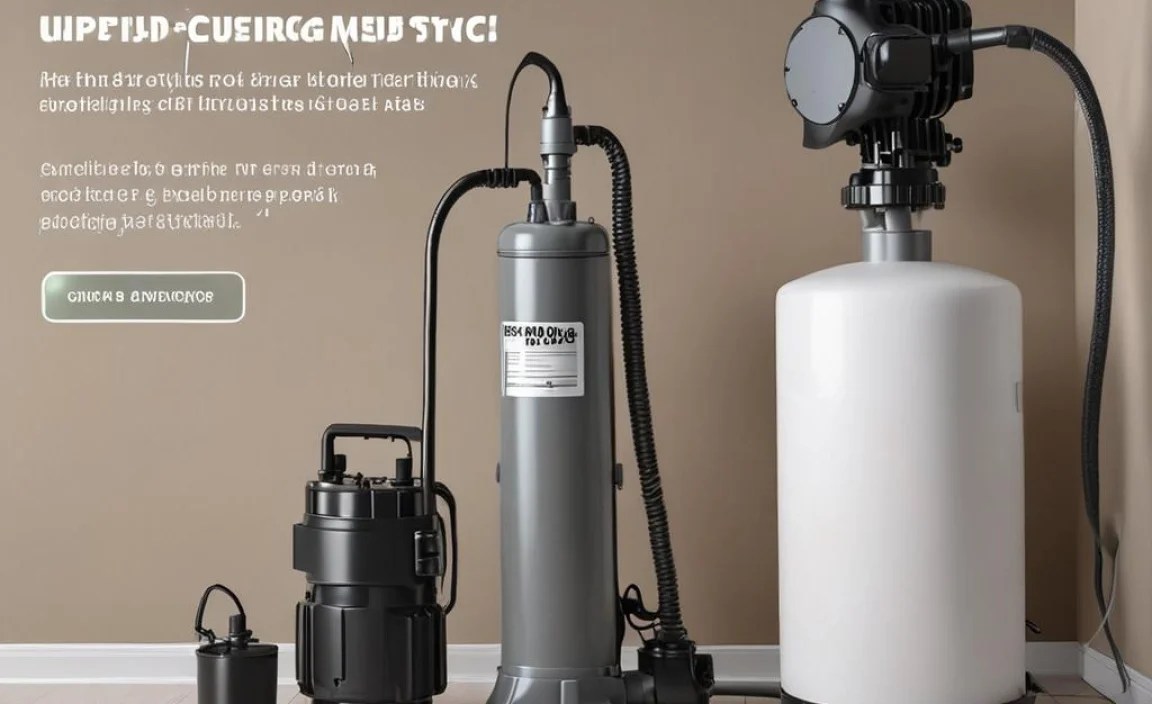
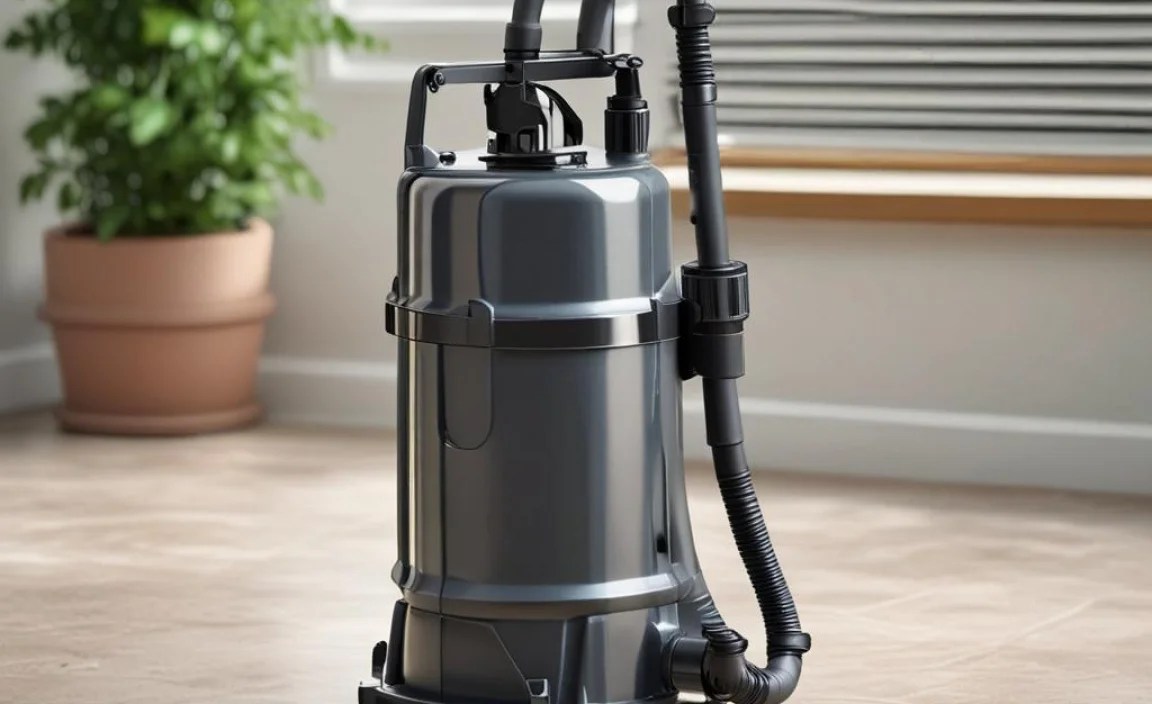
Before we dive into cycle times, let’s cover the basics. A sump pump is your first line of defense against basement flooding. It sits in a sump pit, a hole dug in the lowest part of your basement or crawlspace. When water accumulates, the pump kicks in and removes it, directing it away from your home’s foundation.
Key Components of a Sump Pump
- Sump Pit: The basin where water collects.
- Pump: The motor that pushes water out.
- Float Switch: Activates the pump when the water level rises.
- Discharge Pipe: Carries water away from your home. This pipe is crucial for preventing water from flowing back into the sump pit.
How a Sump Pump Works
Here’s the process, broken down step-by-step:
- Water seeps into the sump pit through the soil around your foundation.
- As the water level rises, it lifts the float switch.
- When the float reaches a certain height, it triggers the pump to turn on.
- The pump removes water from the pit through the discharge pipe.
- Once the water level drops and the float lowers, the pump shuts off.
What’s Considered a Normal Sump Pump Cycle Time?


So, how long should all this take?
A typical sump pump cycle should last between 1 and 3 minutes. The frequency depends on how quickly water is entering the pit. During heavy rain, it might cycle every few minutes. In drier periods, it could be much less frequent.
Factors Affecting Cycle Time
Several factors influence how often your sump pump runs:
- Rainfall: Heavy rain increases water inflow, leading to more frequent cycles.
- Groundwater Level: High groundwater levels mean more constant pumping.
- Pump Size: An undersized pump will run longer and more often. An oversized pump will cycle too quickly.
- Sump Pit Size: A smaller pit fills faster, causing more frequent cycles.
- Discharge Pipe Issues: A clogged or frozen discharge pipe can cause the pump to work harder and cycle abnormally.
Recognizing Abnormal Sump Pump Cycles
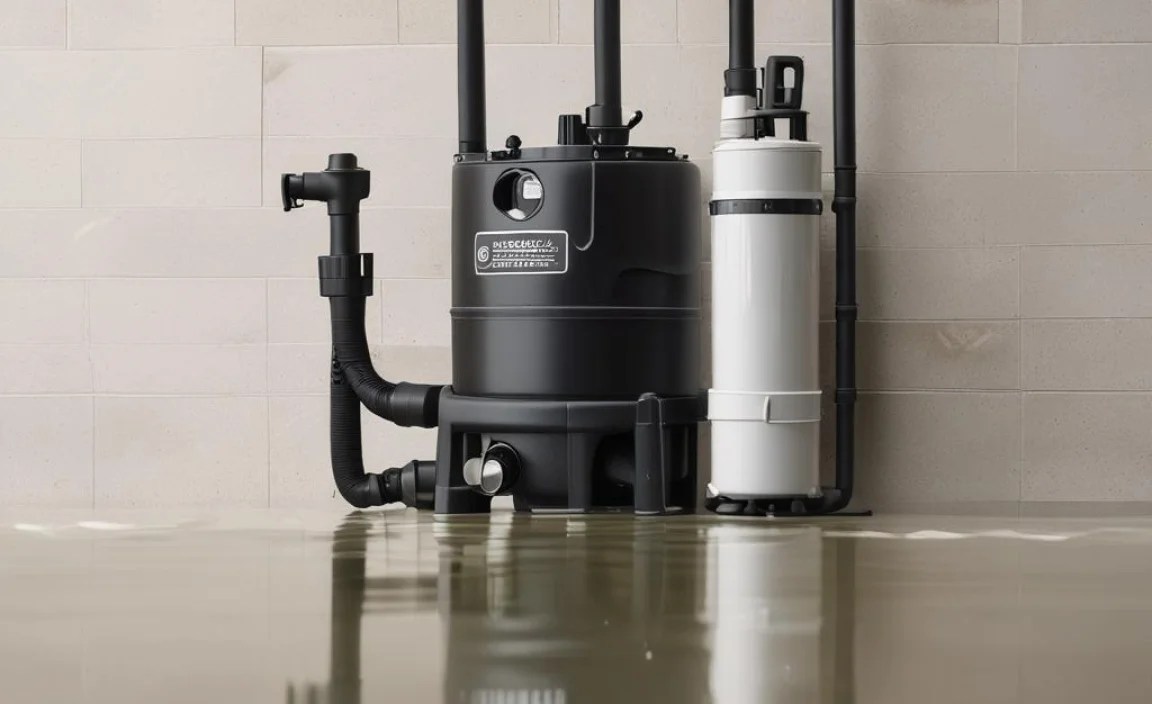
It’s crucial to recognize when your sump pump isn’t behaving normally. Here’s what to look out for:
Symptom 1: Constant Running
If your sump pump runs non-stop, even when there’s little rain, something is wrong. This could be due to:
- Stuck Float Switch: The float might be obstructed or damaged.
- Incorrect Pump Size: The pump might be too small to handle the water inflow.
- Check Valve Issues: A faulty check valve allows water to flow back into the pit.
- High Water Table: Constantly high groundwater levels might require a more powerful pump.
Symptom 2: Frequent Cycling (Short Cycles)
If your pump turns on and off every few minutes, it’s cycling too frequently. Potential causes include:
- Small Sump Pit: The pit fills quickly, triggering frequent cycles.
- Incorrect Pump Size: An oversized pump empties the pit too quickly.
- Check Valve Issues: Water flows back into the pit, causing it to refill rapidly.
Symptom 3: Infrequent or No Cycling
If your sump pump rarely runs, even during heavy rain, it might not be working correctly. Possible reasons:
- Float Switch Problems: The float might be stuck in the down position.
- Power Issues: The pump might not be receiving power.
- Clogged Intake: Debris might be blocking the pump’s intake.
- Pump Failure: The pump motor might have failed.
Troubleshooting Abnormal Sump Pump Cycles: A Step-by-Step Guide

Now, let’s get our hands dirty and troubleshoot some of these issues!
Step 1: Inspect the Float Switch
The float switch is often the culprit. Here’s how to check it:
- Visual Inspection: Look for any obstructions preventing the float from moving freely. Debris, rocks, or even the pump itself can block it.
- Manual Test: Gently lift the float. The pump should turn on. Release the float, and the pump should turn off. If it doesn’t, the switch is likely faulty.
- Cleaning: Clean the float and the area around it to remove any debris.
Step 2: Check the Discharge Pipe
A blocked discharge pipe can cause major problems:
- Visual Inspection: Check for any visible obstructions or damage to the pipe.
- Clog Check: Disconnect the pipe (if possible) and check for clogs. Use a garden hose to flush out any debris.
- Freezing: In cold weather, ensure the pipe isn’t frozen. Insulate the pipe to prevent freezing.
Step 3: Examine the Check Valve
The check valve prevents water from flowing back into the sump pit. If it fails, the pump will cycle more frequently:
- Location: The check valve is usually located on the discharge pipe, near the pump.
- Testing: With the pump off, listen for water flowing back into the pit. If you hear water, the check valve might be faulty.
- Replacement: If the check valve is faulty, replace it. This is a relatively simple DIY task.
Step 4: Assess the Sump Pit
The size and condition of the sump pit can affect pump performance:
- Size: Ensure the pit is appropriately sized for your pump. A too-small pit will cause frequent cycling.
- Debris: Remove any debris from the pit. This can interfere with the float switch and pump operation.
- Installation: Make sure the pump is sitting level in the pit. A tilted pump can cause uneven cycling.
Step 5: Evaluate the Pump Size
Using the wrong size pump is a common issue:
- Capacity: Determine the appropriate pump capacity (gallons per minute, or GPM) for your needs. Consider the size of your basement and the typical water inflow.
- Undersized Pump: An undersized pump will run constantly and may not be able to keep up with heavy water inflow. Upgrade to a larger pump.
- Oversized Pump: An oversized pump will cycle too quickly, potentially shortening its lifespan. Consider a smaller pump or a pump with a variable speed motor.
Choosing the Right Sump Pump Size

Selecting the correct sump pump size is crucial for efficient operation and preventing water damage. Here’s a guide to help you determine the appropriate pump capacity for your home:
- Measure the Sump Pit: Determine the diameter and depth of your sump pit. This will help you understand the volume of water it can hold.
- Assess Water Inflow: Observe how quickly water accumulates in the pit during heavy rain. This will give you an idea of the pump capacity you need.
- Consider Your Home’s Size: Larger homes with more extensive foundations may require a more powerful pump.
Here’s a table to help guide your decision. Remember to consult with a professional if you’re unsure!
| Basement Size | Typical Water Inflow | Recommended Pump Capacity (GPM) |
|---|---|---|
| Small (up to 500 sq ft) | Low | 25-30 GPM |
| Medium (500-1000 sq ft) | Moderate | 30-40 GPM |
| Large (over 1000 sq ft) | High | 40-50+ GPM |
Extending the Life of Your Sump Pump
Proper maintenance is key to ensuring your sump pump lasts as long as possible. Here are some tips:
- Regular Inspections: Check your sump pump at least twice a year (spring and fall) to ensure it’s working correctly.
- Cleaning: Remove debris from the sump pit regularly to prevent clogs.
- Testing: Periodically test the pump by manually lifting the float switch.
- Battery Backup: Consider installing a battery backup system to keep your pump running during power outages.
- Professional Maintenance: Have a professional inspect your sump pump every few years to catch any potential problems early.
The Importance of a Backup Sump Pump
Even with regular maintenance, sump pumps can fail. A backup sump pump provides an extra layer of protection against flooding. There are two main types:
- Battery-Powered Backup: These pumps run on battery power when the main pump fails due to a power outage. They’re ideal for areas prone to storms and power disruptions.
- Water-Powered Backup: These pumps use your home’s water pressure to operate. They don’t require electricity, but they do use water, which can increase your water bill.
Having a backup sump pump can provide peace of mind, especially during heavy rain or power outages. It ensures that your basement remains protected even when the primary pump fails. According to the U.S. Federal Emergency Management Agency (FEMA), even an inch of water can cause significant damage, costing upwards of $25,000. Investing in a backup system can save you from costly repairs and protect your valuable belongings.
Advanced Sump Pump Technologies
As technology advances, so do sump pump systems. Here are a couple of advanced options you might consider:
- Smart Sump Pumps: These pumps connect to your home’s Wi-Fi and provide real-time monitoring and alerts. You can track pump performance, water levels, and receive notifications of potential problems on your smartphone.
- Variable Speed Sump Pumps: Unlike traditional pumps that operate at a single speed, variable speed pumps adjust their pumping rate based on the amount of water entering the sump pit. This can lead to more efficient operation, reduced energy consumption, and quieter performance. They also tend to last longer since they don’t start and stop as abruptly as single-speed pumps.
Common Mistakes to Avoid
To ensure your sump pump system works efficiently and reliably, avoid these common mistakes:
- Neglecting Maintenance: Failing to inspect and clean your sump pump regularly can lead to clogs, float switch problems, and pump failure.
- Improper Installation: Incorrectly installing the pump or discharge pipe can cause performance issues and reduce the pump’s lifespan.
- Using Extension Cords: Connecting your sump pump to an extension cord can be a fire hazard and reduce the pump’s power. Always plug the pump directly into a grounded outlet.
- Discharging Water Too Close to the Foundation: If the discharge pipe releases water too close to your home’s foundation, it can seep back into the basement. Ensure the water is directed away from the house.
Sump Pump Cycle Time: Common Questions Answered (FAQ)
Let’s tackle some frequently asked questions about sump pump cycles:
What is a normal cycle time for a sump pump?
A normal sump pump cycle lasts about 1-3 minutes, depending on water inflow.
Why is my sump pump running constantly?
Possible causes include a stuck float switch, incorrect pump size, or a faulty check valve.
How often should my sump pump cycle during heavy rain?
During heavy rain, your sump pump might cycle every few minutes.
What does it mean if my sump pump cycles too frequently?
Frequent cycling could indicate a small sump pit, an oversized pump, or a check valve problem.
Can a frozen discharge pipe affect sump pump cycle time?
Yes, a frozen discharge pipe can cause the pump to work harder and cycle abnormally.
How can I extend the life of my sump pump?
Regular inspections, cleaning, and professional maintenance can extend the life of your sump pump.
Is it worth it to get a battery backup for my sump pump?
Yes, a battery backup can protect your basement during power outages.
Conclusion
Understanding how long your sump pump should cycle and recognizing abnormal patterns is crucial for maintaining a dry and safe basement. By following the troubleshooting steps outlined in this guide, you can diagnose and fix common issues, ensuring your sump pump operates efficiently and reliably. Regular maintenance, proper pump sizing, and a backup system can provide added protection and peace of mind. Don’t wait for the next heavy rain – take action now to keep your basement dry and your home safe from water damage!


