
How Long Does a Heat Pump Defrost Cycle Last?

Quick Summary: A heat pump defrost cycle typically lasts between 5 to 15 minutes. The frequency and duration depend on factors like outdoor temperature, humidity, and the heat pump’s efficiency. Regular defrosting is crucial for maintaining your heat pump’s performance and preventing ice buildup that can cause damage.
Is your heat pump making strange noises and puffing out steam in the winter? Don’t worry, it’s probably just defrosting! Heat pumps are fantastic for energy-efficient heating, but when temperatures drop, they can ice up. Knowing how long a defrost cycle lasts and what to expect can save you from unnecessary worry and keep your system running smoothly. We’ll break down everything you need to know about heat pump defrost cycles, so you can stay warm and informed this winter.
Understanding the Heat Pump Defrost Cycle

Heat pumps work by transferring heat from one place to another. In the winter, they extract heat from the outside air and pump it inside your home. When the outdoor temperature drops below freezing (32°F or 0°C), moisture in the air can freeze on the outdoor coil. This ice buildup reduces the heat pump’s ability to extract heat, making it less efficient. The defrost cycle is designed to melt this ice and keep your heat pump operating effectively.
Why Defrosting is Necessary
Without regular defrosting, ice can accumulate and cause several problems:
- Reduced Efficiency: Ice acts as an insulator, preventing the coil from absorbing heat.
- Increased Energy Consumption: The heat pump has to work harder to provide the same amount of heat.
- Potential Damage: Excessive ice buildup can damage the coil and other components.
How the Defrost Cycle Works
The defrost cycle essentially reverses the heating process. Here’s a simplified explanation:
- Refrigerant Flow Reversal: The heat pump temporarily switches to cooling mode.
- Hot Gas Circulation: Hot refrigerant gas is directed to the outdoor coil, melting the ice.
- Fan Shutdown: The outdoor fan shuts off to help raise the coil temperature quickly.
- Defrost Termination: Once the ice is melted, the system switches back to heating mode.
Factors Affecting Defrost Cycle Duration

Several factors influence how long a heat pump’s defrost cycle lasts. Understanding these can help you troubleshoot potential issues and optimize your system’s performance.
Outdoor Temperature
The colder it is outside, the more frequently your heat pump will need to defrost. Lower temperatures mean more moisture freezes on the coil, requiring more frequent and potentially longer defrost cycles.
Humidity Levels
High humidity increases the amount of moisture in the air, leading to faster ice buildup. If you live in a humid climate, expect your heat pump to defrost more often than in drier regions.
Heat Pump Efficiency
More efficient heat pumps are designed to minimize ice buildup. They often have advanced controls and coil designs that reduce the need for frequent defrosting. Look for models with a high Heating Seasonal Performance Factor (HSPF) for better efficiency.
System Age and Maintenance
An older or poorly maintained heat pump may experience longer or more frequent defrost cycles. Regular maintenance, such as cleaning the coils and checking refrigerant levels, can improve its performance and reduce defrosting frequency.
Defrost Control Settings
Some heat pumps allow you to adjust the defrost control settings. These settings determine how often and for how long the system defrosts. Consult your owner’s manual or a qualified technician to optimize these settings for your specific climate and needs.
Typical Defrost Cycle Duration
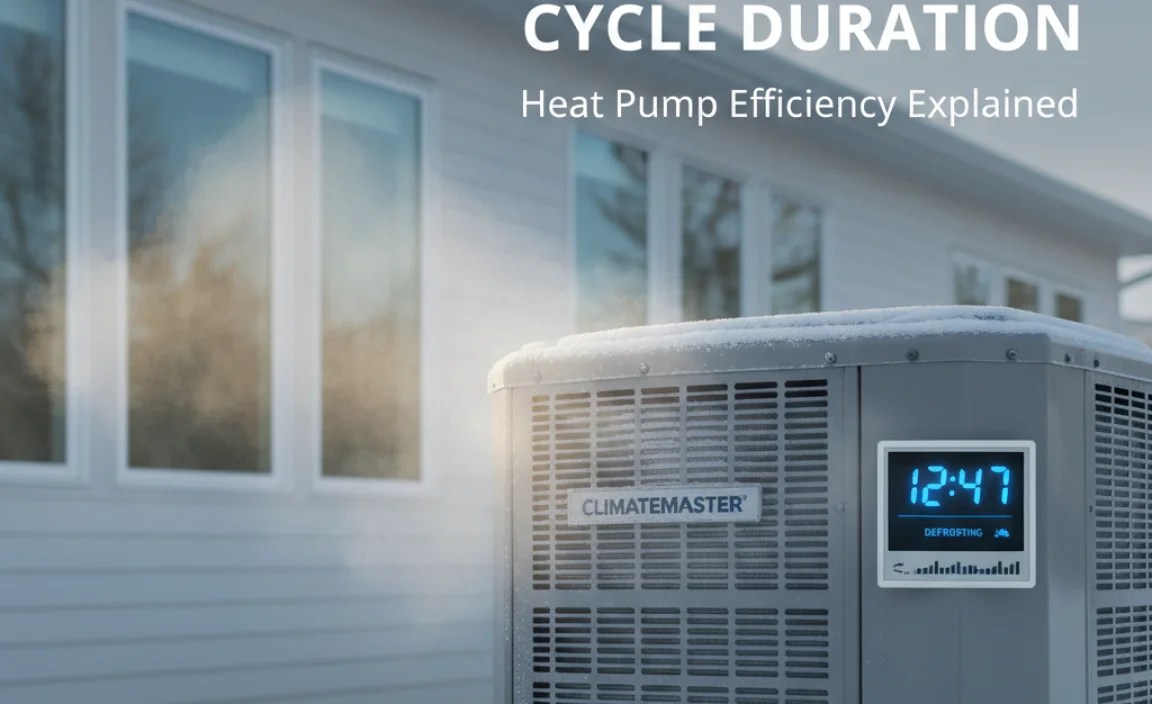
As mentioned earlier, a typical defrost cycle lasts between 5 to 15 minutes. However, this can vary depending on the factors discussed above.
Here’s a table summarizing typical defrost cycle durations based on different conditions:
| Condition | Typical Duration |
|---|---|
| Mildly Cold (30-35°F, Low Humidity) | 5-8 minutes |
| Moderately Cold (25-30°F, Moderate Humidity) | 8-12 minutes |
| Very Cold (Below 25°F, High Humidity) | 12-15 minutes |
| Older, Less Efficient System | Up to 20 minutes |
Signs of a Normal Defrost Cycle

Knowing what to expect during a normal defrost cycle can prevent unnecessary worry. Here are some common signs:
- Steam or Fog: As the ice melts, it turns into steam or fog, which you may see coming from the outdoor unit.
- Fan Stops: The outdoor fan typically shuts off during the defrost cycle.
- Noises: You may hear gurgling, hissing, or bubbling sounds as the refrigerant flows through the system.
- Temporary Cool Air: Because the system briefly switches to cooling mode, you might feel a temporary burst of cool air from your indoor vents.
Troubleshooting Defrost Cycle Issues
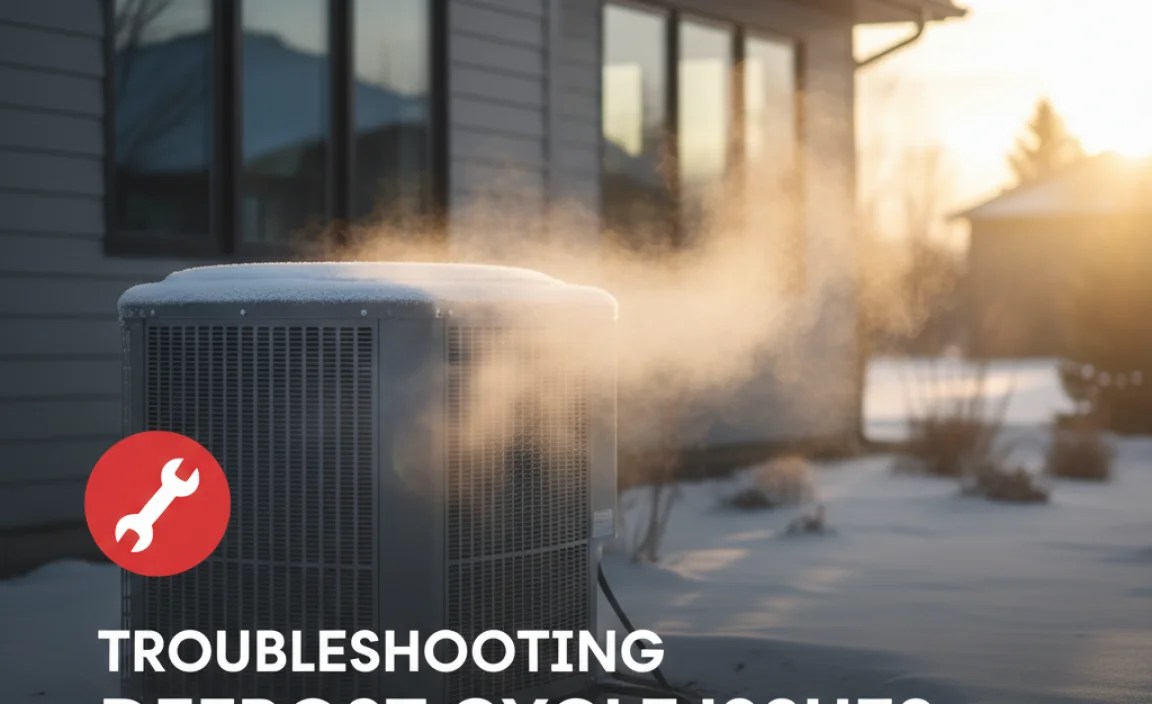
Sometimes, the defrost cycle may not function correctly. Here are some common issues and how to troubleshoot them.
Excessive Defrosting
If your heat pump is defrosting too frequently (e.g., more than once an hour), there might be a problem. Here are some potential causes:
- Dirty Coils: Dirty outdoor coils can restrict airflow and cause ice to form more quickly. Clean the coils with a garden hose or a specialized coil cleaner.
- Refrigerant Leaks: Low refrigerant levels can affect the system’s ability to regulate temperature and trigger more frequent defrost cycles. Contact a qualified technician to check for leaks and recharge the refrigerant.
- Faulty Defrost Sensor: The defrost sensor tells the system when to initiate a defrost cycle. If it’s faulty, it may trigger defrosting prematurely. A technician can test and replace the sensor.
Lack of Defrosting
If your heat pump isn’t defrosting at all, ice can build up and cause significant problems. Here’s what to check:
- Defrost Timer: The defrost timer controls the frequency of defrost cycles. If it’s malfunctioning, the system may not defrost automatically. A technician can test and replace the timer.
- Defrost Heater: The defrost heater melts the ice on the coil. If it’s burned out, the system won’t be able to defrost. A technician can test the heater and replace it if necessary.
- Reversing Valve Issues: The reversing valve switches the refrigerant flow between heating and cooling modes. If it’s stuck or malfunctioning, it can prevent the system from entering the defrost cycle. A technician can diagnose and repair or replace the valve.
Ice Buildup
If you notice excessive ice buildup on the outdoor unit, even when the system is defrosting, there might be an underlying issue.
- Poor Airflow: Make sure the outdoor unit is clear of obstructions like snow, leaves, and debris. Good airflow is essential for efficient operation.
- Drainage Issues: Check that the drain holes at the bottom of the unit are clear. If they’re blocked, water can accumulate and freeze.
Maintaining Your Heat Pump for Optimal Performance
Regular maintenance is key to keeping your heat pump running efficiently and minimizing defrost cycle issues. Here are some essential maintenance tasks:
Clean the Outdoor Coils
Dirty coils reduce airflow and efficiency. Clean them at least once a year, preferably in the spring before the cooling season and again in the fall before the heating season. Use a garden hose with a gentle spray nozzle or a specialized coil cleaner.
Change Air Filters Regularly
Dirty air filters restrict airflow and can cause the system to work harder. Replace the air filter every 1-3 months, depending on usage and air quality.
Inspect the Fan
Check the outdoor fan for any damage or obstructions. Make sure it’s spinning freely and not making any unusual noises.
Check Refrigerant Levels
Low refrigerant levels can affect the system’s performance and efficiency. Have a qualified technician check the refrigerant levels annually.
Clear Debris
Keep the area around the outdoor unit clear of snow, leaves, and other debris. This ensures proper airflow and prevents ice buildup.
Schedule Professional Maintenance
Schedule a professional maintenance check at least once a year. A qualified technician can inspect the system, identify potential problems, and perform necessary repairs.
Here’s a table summarizing heat pump maintenance tasks and their frequency:
| Maintenance Task | Frequency |
|---|---|
| Clean Outdoor Coils | Twice a year (spring and fall) |
| Change Air Filters | Every 1-3 months |
| Inspect Fan | Annually |
| Check Refrigerant Levels | Annually |
| Clear Debris | As needed |
| Professional Maintenance | Annually |
Tips for Minimizing Defrost Cycles
While defrost cycles are a normal part of heat pump operation, you can take steps to minimize their frequency and duration.
- Keep the Outdoor Unit Clear: Regularly remove snow, leaves, and debris from around the outdoor unit.
- Improve Insulation: Proper insulation helps keep your home warm, reducing the workload on the heat pump and minimizing the need for defrosting.
- Use Supplemental Heating: On extremely cold days, consider using a supplemental heating source, such as a fireplace or space heater, to reduce the demand on the heat pump.
- Optimize Defrost Settings: If your heat pump allows, adjust the defrost control settings to optimize performance for your specific climate and needs. Consult your owner’s manual or a qualified technician for guidance.
Benefits of a Properly Functioning Defrost Cycle
Ensuring that your heat pump’s defrost cycle is functioning correctly offers several benefits:
- Energy Efficiency: A properly functioning defrost cycle helps maintain the heat pump’s efficiency, reducing energy consumption and lowering your utility bills.
- Consistent Heating: Regular defrosting prevents ice buildup, ensuring consistent and reliable heating performance.
- Extended Lifespan: By preventing excessive ice buildup and strain on the system, a properly functioning defrost cycle can extend the lifespan of your heat pump.
- Reduced Repair Costs: Regular maintenance and timely repairs can prevent minor issues from escalating into costly problems.
FAQ About Heat Pump Defrost Cycles
Here are some frequently asked questions about heat pump defrost cycles:
- Why does my heat pump puff out steam during the winter?
- The steam is a normal part of the defrost cycle. It’s caused by the melting ice turning into vapor as the hot refrigerant heats the outdoor coil.
- Is it normal for my heat pump to make noises during the defrost cycle?
- Yes, it’s common to hear gurgling, hissing, or bubbling sounds as the refrigerant flows through the system during defrosting.
- Why does my heat pump blow cool air during the defrost cycle?
- The system briefly switches to cooling mode to defrost the outdoor coil, which can cause a temporary burst of cool air from your indoor vents.
- How often should my heat pump defrost?
- The frequency depends on the outdoor temperature and humidity. It can range from every 30 minutes to every few hours.
- Can I manually defrost my heat pump?
- Some heat pumps have a manual defrost setting. However, it’s generally best to let the system defrost automatically. If you’re concerned about ice buildup, contact a qualified technician.
- What should I do if my heat pump is constantly defrosting?
- If your heat pump is defrosting too frequently, check for dirty coils, refrigerant leaks, or a faulty defrost sensor. Contact a qualified technician for assistance.
How Does the Heat Pump Defrost Cycle Work? | HVAC Training

- How do I know if my heat pump is not defrosting properly?
- Signs of improper defrosting include excessive ice buildup on the outdoor unit, reduced heating performance, and increased energy consumption. Contact a qualified technician for inspection and repairs.
Conclusion
Understanding how long a heat pump defrost cycle lasts and what to expect during the process is crucial for maintaining your system’s performance and efficiency. By knowing the factors that affect defrosting, recognizing the signs of a normal cycle, and troubleshooting common issues, you can keep your heat pump running smoothly and efficiently for years to come. Regular maintenance, such as cleaning the coils and changing air filters, can further optimize performance and minimize the need for frequent defrosting. If you encounter any persistent problems or are unsure about any aspect of your heat pump’s operation, don’t hesitate to consult a qualified HVAC technician. They can provide expert advice and ensure your system is functioning at its best.
“`


