
How a Reversible Heat Pump Cycle Operates: A Beginner’s Guide

Quick Summary: A reversible heat pump works by using a refrigerant to absorb and release heat. In heating mode, it pulls heat from the outside air and transfers it inside. In cooling mode, it reverses the process, extracting heat from inside and releasing it outside. A reversing valve makes this switch possible, changing the refrigerant’s flow direction.
Heat pumps are a fantastic way to both heat and cool your home. But how can one device do both? It all comes down to a clever, reversible cycle. Understanding how this cycle operates can seem a bit daunting at first, but don’t worry! We’ll break it down into simple steps, so you can understand the magic behind these energy-efficient systems. You’ll discover the components involved and how they work together to keep your home comfortable year-round. Get ready to demystify the reversible heat pump cycle!
Understanding the Basic Heat Pump Cycle
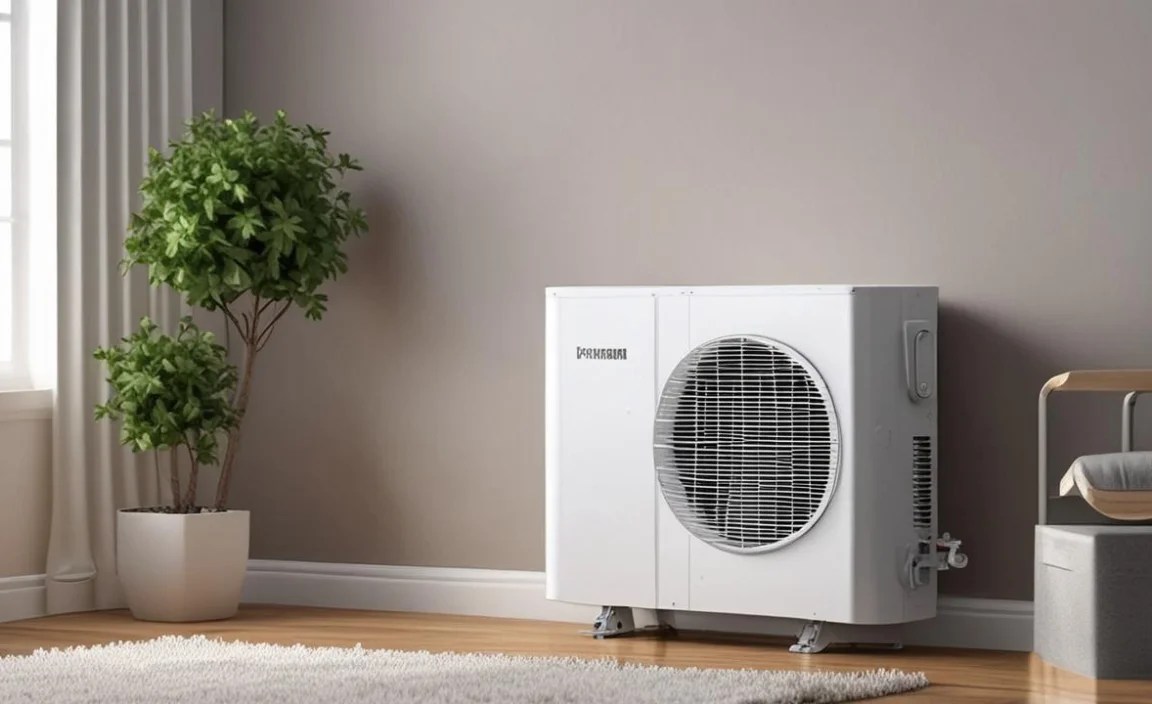
Before diving into the reversible part, let’s grasp the fundamentals of a standard heat pump cycle. This will make understanding the reversible cycle much easier. The basic cycle involves four key components and a refrigerant that circulates through them.
Key Components
- Evaporator: This is where the refrigerant absorbs heat from the surroundings and evaporates from a liquid to a gas.
- Condenser: Here, the refrigerant releases heat and condenses from a gas back into a liquid.
- Compressor: This increases the pressure and temperature of the refrigerant gas, helping it move through the cycle.
- Expansion Valve (or Metering Device): This reduces the pressure of the refrigerant, preparing it to absorb heat in the evaporator.
The Refrigerant
The refrigerant is the working fluid that carries heat throughout the system. It has a low boiling point, allowing it to easily evaporate and condense at the temperatures relevant to heating and cooling. Common refrigerants include R-410A and R-32, although newer, more environmentally friendly options are being developed. You can learn more about refrigerants and their environmental impact from the EPA website.
The Cycle in Action (Heating Mode)
- Evaporation: The low-pressure, low-temperature liquid refrigerant enters the outdoor evaporator coil. It absorbs heat from the outside air (even when it’s cold!), causing it to evaporate into a gas.
- Compression: The refrigerant gas then flows to the compressor, which increases its pressure and temperature significantly.
- Condensation: The high-pressure, high-temperature refrigerant gas enters the indoor condenser coil. Here, it releases heat into the indoor air, warming your home. As it releases heat, the refrigerant condenses back into a liquid.
- Expansion: Finally, the high-pressure, liquid refrigerant passes through the expansion valve, which reduces its pressure and temperature. This prepares it to absorb heat again in the evaporator, restarting the cycle.
Reversing the Cycle: The Magic of Cooling

Now, here’s where the “reversible” part comes in. A reversible heat pump can essentially run the heating cycle in reverse to provide cooling. This is achieved through a component called a reversing valve.
The Reversing Valve
The reversing valve is a key component that allows the heat pump to switch between heating and cooling modes. It’s essentially a valve that redirects the flow of refrigerant. When the valve switches, the roles of the indoor and outdoor coils are reversed. You can think of it as a traffic controller for the refrigerant.
How the Reversing Valve Works
The reversing valve is typically a four-way valve, meaning it has four connections to the refrigerant lines. Inside the valve is a sliding component that changes position to connect different lines, thus changing the flow path of the refrigerant. This switch is usually controlled by a solenoid, an electrically controlled switch.
The Cycle in Action (Cooling Mode)
When the heat pump is in cooling mode, the reversing valve changes the direction of refrigerant flow. Let’s see how the cycle works now:
- Evaporation: The low-pressure, low-temperature liquid refrigerant enters the indoor evaporator coil. It absorbs heat from the inside air, cooling your home. The refrigerant evaporates into a gas.
- Compression: The refrigerant gas flows to the compressor, which increases its pressure and temperature.
- Condensation: The high-pressure, high-temperature refrigerant gas enters the outdoor condenser coil. Here, it releases heat into the outside air. The refrigerant condenses back into a liquid.
- Expansion: The high-pressure liquid refrigerant passes through the expansion valve, reducing its pressure and temperature, preparing it to absorb heat again in the indoor evaporator coil.
Notice how the roles of the indoor and outdoor coils have switched compared to the heating mode. The indoor coil is now cooling the air, and the outdoor coil is releasing heat.
Detailed Comparison: Heating vs. Cooling Mode

To solidify your understanding, let’s compare the heating and cooling modes side-by-side. The table below shows how the components function in each mode.
| Component | Heating Mode | Cooling Mode |
|---|---|---|
| Evaporator | Outdoor Coil (absorbs heat from outside) | Indoor Coil (absorbs heat from inside) |
| Condenser | Indoor Coil (releases heat inside) | Outdoor Coil (releases heat outside) |
| Compressor | Increases pressure and temperature of refrigerant gas | Increases pressure and temperature of refrigerant gas |
| Expansion Valve | Reduces pressure of liquid refrigerant | Reduces pressure of liquid refrigerant |
| Reversing Valve | Directs refrigerant flow for heating | Directs refrigerant flow for cooling |
Factors Affecting Heat Pump Performance
Several factors can influence the efficiency and effectiveness of a reversible heat pump. Understanding these factors can help you optimize your system’s performance and save energy.
Outdoor Temperature
Heat pumps are most efficient when the temperature difference between the inside and outside is small. In heating mode, as the outdoor temperature drops, the heat pump has to work harder to extract heat from the air. At very low temperatures, the heat pump’s heating capacity decreases significantly. Many heat pumps have auxiliary heating elements (like electric resistance heaters) to supplement the heat pump when it can’t keep up.
Refrigerant Charge
The correct refrigerant charge is crucial for optimal performance. If the refrigerant level is too low or too high, the heat pump’s efficiency will decrease. A properly charged system ensures that the refrigerant can effectively absorb and release heat.
Coil Cleanliness
Dirty coils can significantly reduce heat pump performance. Dust, dirt, and debris on the coils act as insulation, hindering heat transfer. Regular cleaning of both the indoor and outdoor coils is essential for maintaining efficiency. You can use a fin comb to straighten bent fins, improving airflow. You can also use a commercial coil cleaner, or a gentle mixture of soap and water, ensuring that the power is turned off to the unit.
Airflow
Proper airflow is essential for efficient heat transfer. Blocked or restricted airflow can reduce the amount of heat that the heat pump can absorb or release. Ensure that air vents are not blocked by furniture or other obstructions. Regularly replace air filters to maintain good airflow. A dirty air filter restricts airflow and forces the system to work harder, reducing its lifespan and efficiency.
Defrost Cycle
In heating mode, frost can accumulate on the outdoor coil, especially in cold and humid conditions. Frost acts as an insulator, reducing the coil’s ability to absorb heat. Heat pumps have a defrost cycle that temporarily reverses the cycle to melt the frost. During the defrost cycle, you may notice a temporary decrease in heating performance, and the outdoor unit will emit steam. The defrost cycle is a normal part of heat pump operation.
Tips for Maintaining Your Reversible Heat Pump

Regular maintenance is key to keeping your heat pump running efficiently and reliably. Here are some tips to help you maintain your system:
- Change Air Filters Regularly: Replace your air filters every 1-3 months, or more often if you have pets or allergies. This helps maintain good airflow and prevents dust from accumulating on the coils.
- Clean the Coils: Clean the outdoor coil at least once a year, and more often if it’s located in a dusty or debris-prone area. You can use a garden hose with a gentle spray nozzle to remove dirt and debris. Be careful not to damage the fins. Consider a commercial coil cleaner for tougher grime.
- Keep the Area Around the Outdoor Unit Clear: Remove any vegetation, snow, or other obstructions that could block airflow to the outdoor unit. Ensure that there is at least 2-3 feet of clearance around the unit.
- Schedule Professional Maintenance: Have your heat pump professionally inspected and serviced at least once a year. A qualified technician can check the refrigerant charge, inspect the components, and identify any potential problems before they become major issues.
- Monitor Performance: Pay attention to how your heat pump is performing. If you notice any unusual noises, reduced heating or cooling capacity, or increased energy bills, contact a qualified technician for assistance.
Troubleshooting Common Issues
Even with regular maintenance, heat pumps can sometimes experience problems. Here are some common issues and how to troubleshoot them:
| Issue | Possible Causes | Troubleshooting Steps |
|---|---|---|
| Heat pump not heating or cooling | Thermostat settings, power issues, tripped breaker, dirty air filter | Check thermostat settings, ensure power is on, reset breaker, replace air filter |
| Reduced heating or cooling capacity | Dirty coils, restricted airflow, low refrigerant charge | Clean coils, ensure proper airflow, contact a technician to check refrigerant |
| Unusual noises | Loose components, fan issues, compressor problems | Inspect for loose parts, contact a technician for further diagnosis |
| Ice buildup on outdoor coil | Defrost cycle malfunction, low refrigerant charge | Monitor defrost cycle, contact a technician to check refrigerant |
| High energy bills | Dirty filters, inefficient operation, duct leaks | Replace filters, schedule maintenance, inspect and seal ducts |
If you’re not comfortable performing these troubleshooting steps yourself, it’s always best to contact a qualified HVAC technician. They have the expertise and equipment to diagnose and repair more complex issues.
FAQ: Reversible Heat Pump Operation
- Q: What is the most important part of a reversible heat pump?
- The reversing valve is the key component that allows a heat pump to switch between heating and cooling modes by redirecting the flow of refrigerant.
- Q: Can a heat pump work when it’s freezing outside?
- Yes, heat pumps can extract heat from the air even when it’s freezing, but their efficiency decreases as the temperature drops. Many have auxiliary heating for very cold days.
- Q: How often should I change the air filter in my heat pump?
- Generally, you should replace the air filter every 1-3 months, or more often if you have pets or allergies, to maintain good airflow and efficiency.
- Q: What does the defrost cycle do?
- The defrost cycle melts frost that can accumulate on the outdoor coil in heating mode, ensuring the heat pump can continue to absorb heat efficiently.
- Q: Is it normal for my heat pump to make noise?
- Some noise is normal, especially during startup or defrost cycles. However, loud or unusual noises could indicate a problem that requires professional attention.
- Q: How can I improve my heat pump’s efficiency?
- Regular maintenance, such as changing air filters, cleaning coils, and ensuring proper airflow, can significantly improve your heat pump’s efficiency.
- Q: Can I install a heat pump myself?
- While some minor maintenance tasks can be done yourself, heat pump installation requires specialized knowledge and tools. It’s best to hire a qualified HVAC professional for installation to ensure proper operation and safety.
Conclusion
Understanding how a reversible heat pump cycle operates empowers you to better maintain and troubleshoot your system. By knowing the role of each component and the factors that affect performance, you can optimize your heat pump’s efficiency and ensure its longevity. Remember to perform regular maintenance, address any issues promptly, and consult a qualified technician when needed. With proper care, your reversible heat pump will keep your home comfortable year-round, saving you energy and money!


