
Smart Pump Gauge Integrated Display: Easy Guide

A pump gauge integrated display shows your bike tire pressure clearly as you pump. To use it, connect the pump head to your tire valve, read the initial pressure, and pump until the gauge reaches your target PSI. Check the reading one last time after removing the pump head.
Ever struggled to get your bike tires just right? It’s a common problem. Overinflating can make for a rough ride, and underinflating can lead to flats. That’s where a pump with an integrated gauge comes in handy. It takes the guesswork out of inflating your tires, giving you precise control and a more enjoyable ride.
In this guide, I’ll walk you through how to use a pump gauge integrated display like a pro. We’ll cover everything from understanding the gauge to troubleshooting common issues. Let’s dive in and make sure your tires are always at the perfect pressure!
Understanding Your Pump Gauge Integrated Display

A pump gauge integrated display is a pressure gauge built right into your bike pump. It shows you the current pressure in your tire as you inflate it. These gauges can be analog (with a needle) or digital (with a numerical display). Both types do the same job, but they present the information a bit differently.
Analog vs. Digital Gauges
Analog gauges have a needle that moves along a scale to show the pressure. They are generally reliable and don’t require batteries. Digital gauges, on the other hand, show the pressure as a number on a screen. They often have extra features like backlights and the ability to switch between different units of pressure.
| Feature | Analog Gauge | Digital Gauge |
|---|---|---|
| Readability | Can be harder to read precisely | Easy to read exact numbers |
| Power Source | None required | Battery required |
| Durability | Very durable | More sensitive to impacts and moisture |
| Additional Features | Usually none | Backlight, multiple units (PSI, Bar) |
Key Components of the Display
Here are the key parts you’ll find on most pump gauge integrated displays:
- Scale/Screen: This is where the pressure readings are shown.
- Needle (Analog): Moves to indicate the current pressure.
- Units (PSI/Bar): Shows the units of pressure being measured (Pounds per Square Inch or Bar).
- Buttons (Digital): Used to turn on the display, change units, or reset the gauge.
Step-by-Step Guide to Using a Pump Gauge Integrated Display

Using a pump gauge integrated display is straightforward. Here’s how to do it:
Step 1: Gather Your Tools
Before you start, make sure you have these items:
- Bike pump with an integrated gauge
- Your bike
- A rag (to wipe off any dirt)
Step 2: Identify Your Tire Valve Type
There are two main types of bike tire valves: Schrader and Presta. Schrader valves are wider and look like car tire valves. Presta valves are narrower and have a small nut at the tip.
BikeRadar offers a helpful guide to identifying different valve types if you’re unsure.
Step 3: Connect the Pump Head to the Valve
This step depends on your valve type:
- Schrader: Simply push the pump head onto the valve. Make sure it’s snug.
- Presta: Unscrew the nut at the tip of the valve. Then, push the pump head onto the valve.
Most pump heads have two openings – one for each valve type. Select the correct one.
Step 4: Read the Initial Tire Pressure
Once the pump head is connected, look at the gauge. It will show the current pressure in your tire. This is your starting point.
Step 5: Determine Your Target PSI
Your target PSI (Pounds per Square Inch) is usually printed on the sidewall of your tire. Look for a range, like “50-70 PSI.” This is the recommended pressure range for your tire.
Consider these factors when choosing your target PSI:
- Rider Weight: Heavier riders may need higher pressure.
- Terrain: Rougher terrain may benefit from slightly lower pressure.
- Tire Width: Wider tires can run at lower pressures.
Step 6: Begin Pumping
Start pumping in a smooth, steady motion. Watch the gauge as you pump. The needle (on an analog gauge) or the numbers (on a digital gauge) will rise.
Step 7: Monitor the Pressure
Keep an eye on the gauge as you pump. Stop when you reach your target PSI. It’s better to slightly underinflate than overinflate.
Step 8: Fine-Tune the Pressure (If Necessary)
If you go over your target PSI, you can release a little air by pressing the pressure release valve (if your pump has one) or by carefully pressing the valve core on a Presta valve. Release small bursts of air and check the gauge until you reach the desired pressure.
Step 9: Disconnect the Pump Head
Carefully remove the pump head from the valve. For Presta valves, remember to tighten the nut at the tip.
Step 10: Double-Check the Pressure
After removing the pump head, check the gauge one last time. Sometimes the pressure drops slightly when you disconnect the pump. If it’s significantly lower than your target, repeat the process.
Troubleshooting Common Issues
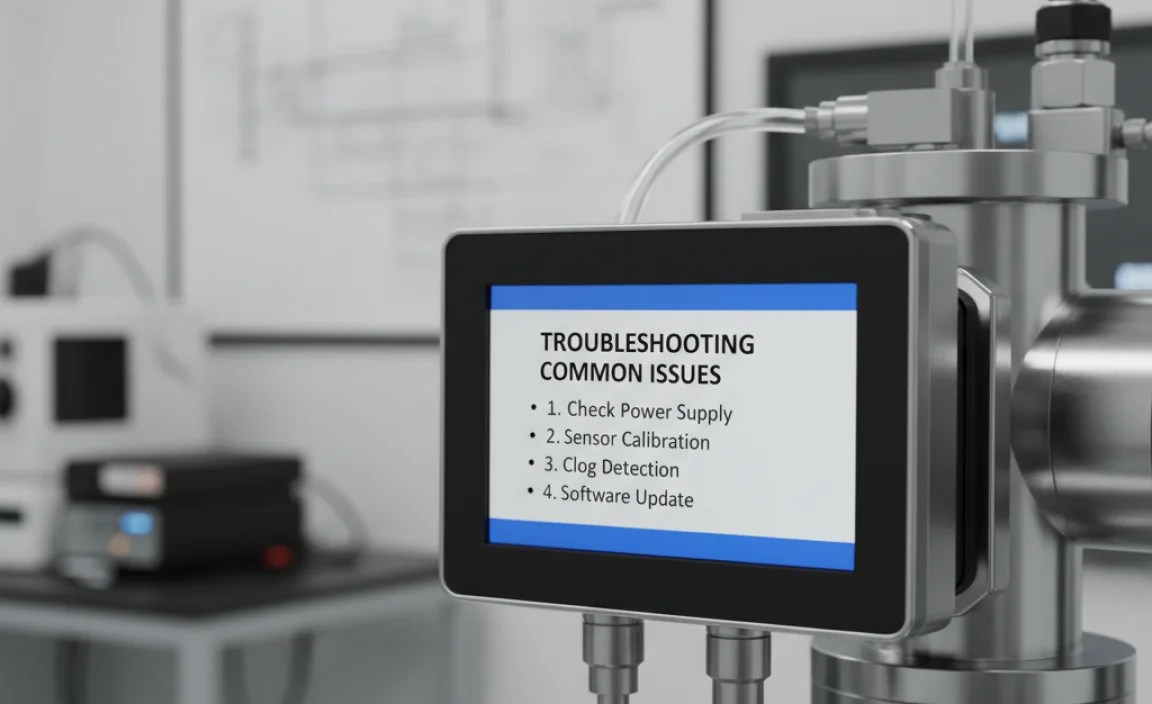
Even with a good pump, you might run into some issues. Here’s how to troubleshoot them:
Problem: The Gauge Isn’t Showing a Reading
- Check the Connection: Make sure the pump head is securely attached to the valve.
- Valve Core: Ensure the valve core is not stuck or damaged.
- Digital Gauge Battery: If you have a digital gauge, check the battery.
Problem: The Gauge Shows the Wrong Pressure
- Gauge Calibration: The gauge might be out of calibration. Compare it to another gauge to check.
- Pump Head Seal: The seal in the pump head might be worn. Replace the pump head if needed.
Problem: Air Leaks When Pumping
- Pump Head Position: Adjust the pump head position on the valve for a tighter seal.
- Valve Condition: Inspect the valve for damage or debris. Clean or replace the valve if necessary.
Problem: Difficulty Pumping
- Pump Maintenance: Ensure the pump is clean and lubricated. Use a silicone-based lubricant on the piston.
- Valve Obstruction: Check for any obstructions in the valve. Use a valve core tool to remove and clean the valve core.
Maintaining Your Pump Gauge Integrated Display

Proper maintenance will keep your pump working smoothly and your gauge accurate. Here are some tips:
- Clean Regularly: Wipe down the pump and gauge with a damp cloth to remove dirt and grime.
- Lubricate the Piston: Apply a few drops of silicone-based lubricant to the piston every few months. This will keep the pump action smooth.
- Store Properly: Store the pump in a dry place to prevent rust and corrosion.
- Check the Gauge Calibration: Periodically compare your pump gauge to another gauge to ensure accuracy. If it’s off, consider replacing the pump or gauge.
Choosing the Right Pump with Integrated Gauge

When buying a pump with an integrated gauge, consider these factors:
- Gauge Type: Do you prefer analog or digital?
- Maximum Pressure: Make sure the pump can reach the maximum pressure you need for your tires. Road bike tires often require higher pressures than mountain bike tires.
- Pump Head: Look for a pump head that’s easy to use and compatible with both Schrader and Presta valves. Some pumps have automatic head adjustment.
- Build Quality: Choose a pump made from durable materials like steel or aluminum.
Recommended Pumps
Here are a few popular pumps with integrated gauges:
| Pump Model | Gauge Type | Max Pressure | Features |
|---|---|---|---|
| Lezyne Floor Drive | Analog | 220 PSI | High-quality construction, durable |
| Topeak JoeBlow Sport III | Analog | 160 PSI | Easy-to-read gauge, comfortable handle |
| Serfas E-Lume E-Pump | Digital | 160 PSI | Accurate digital display, auto shut-off |
Remember to read reviews and compare features before making a purchase. Your local bike shop can also provide valuable recommendations.
Advanced Tips and Tricks
Want to take your tire inflation skills to the next level? Here are some advanced tips:
- Use a Pressure Chart: Some tire manufacturers provide pressure charts based on rider weight and tire size. These charts can help you dial in the perfect pressure.
- Experiment with Pressure: Don’t be afraid to experiment with different pressures to find what works best for you. A few PSI can make a big difference in ride quality.
- Check Pressure Regularly: Tire pressure decreases over time. Check your pressure before each ride, especially if you haven’t ridden in a while.
Safety Considerations
Always follow these safety precautions when inflating your tires:
- Never Exceed Maximum Pressure: Exceeding the maximum pressure can cause the tire to explode, which can be dangerous.
- Inspect Tires Regularly: Check your tires for cuts, bulges, or other damage. Replace damaged tires immediately.
- Use Eye Protection: Wear safety glasses or goggles to protect your eyes from debris or a potential tire explosion.
FAQ About Pump Gauge Integrated Displays
Here are some frequently asked questions about using pump gauge integrated displays:
What does PSI mean?
PSI stands for Pounds per Square Inch. It’s a unit of pressure used to measure the amount of air in your tires.
How do I know what PSI to use for my tires?
The recommended PSI range is usually printed on the sidewall of your tire. Start within that range and adjust based on your weight and riding conditions.
What’s the difference between Schrader and Presta valves?
Schrader valves are wider and look like car tire valves. Presta valves are narrower and have a small nut at the tip. Most pumps can handle both with a dual-head design.
Why is my pump gauge not showing a reading?
Check the connection between the pump head and the valve. Also, make sure the valve core is not stuck. If it’s a digital gauge, check the battery.
How often should I check my tire pressure?
Ideally, check your tire pressure before each ride. Tires lose air over time, so regular checks are important.
Can I use a car tire pump for my bike?
While you *can* use a car tire pump in a pinch if it has the correct attachment, it’s not ideal. Bike pumps are designed for the higher pressures and smaller volumes of bike tires.
My digital gauge is showing strange numbers. What should I do?
Try replacing the battery. If that doesn’t work, the gauge may be faulty and need replacement.
Conclusion
Using a pump gauge integrated display might seem complex at first, but with a little practice, it becomes second nature. By following these steps and tips, you’ll be able to keep your tires properly inflated, ensuring a safe and enjoyable ride every time. Remember to choose the right pump, maintain it well, and always prioritize safety. Happy cycling!


