
Best Pump for Schrader Type: Find Yours Now!

Using a pump for a Schrader valve is easy! Just make sure your pump head is compatible, press it firmly onto the valve, and start pumping. Watch the pressure gauge to avoid over inflation. You’ll be back on the road in no time.
Ever wrestled with a bike pump, wondering if you’re doing it right? Especially when dealing with Schrader valves, it’s a common frustration. You’re not alone! Many cyclists, especially beginners, find inflating tires a bit tricky at first. But don’t worry, it’s simpler than you think.
This guide will walk you through everything you need to know about using a pump for Schrader valves. We’ll cover the types of pumps, how to connect them properly, and even some troubleshooting tips. Let’s get started and keep those tires inflated!
Understanding Schrader Valves
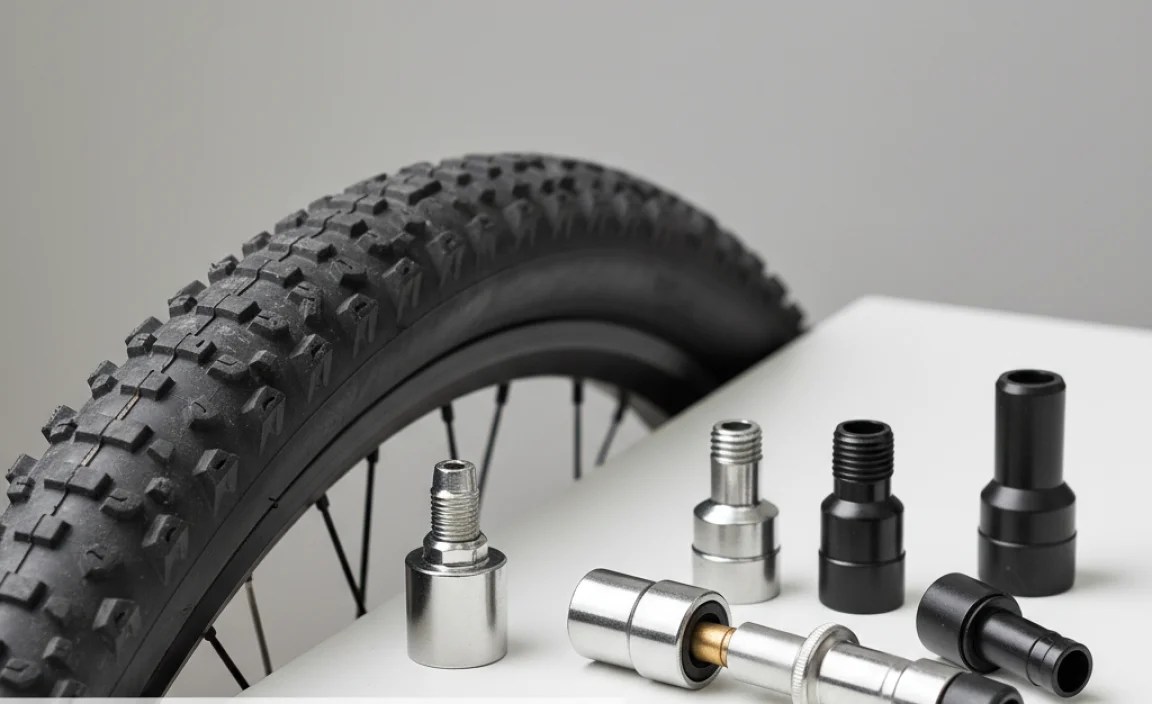
Schrader valves are common on car tires and many bicycle tires. They are robust and simple to use. Knowing the basics helps ensure proper inflation every time.
What is a Schrader Valve?
A Schrader valve is a type of tire valve named after August Schrader. It features a spring-loaded valve core that allows air to be added or released. This design makes it durable and able to withstand higher pressures. Schrader valves are commonly found on:
- Car tires
- Motorcycle tires
- Many bicycle tires (especially mountain bikes and hybrid bikes)
- Some inner tubes for scooters and other applications
Identifying a Schrader Valve
Schrader valves are easy to identify. Look for these features:
- A short, stout metal stem
- A threaded exterior
- A small pin in the center of the valve opening
The threaded exterior allows you to screw on a valve cap, which protects the valve from dirt and damage. The central pin is depressed to allow airflow.
Types of Pumps for Schrader Valves

Choosing the right pump makes inflating your tires much easier. Here’s an overview of the most common types of pumps compatible with Schrader valves.
Floor Pumps
Floor pumps are the most common type for home use. They provide a stable base and a long handle for efficient inflation.
- Pros: High volume output, easy to use, often includes a pressure gauge.
- Cons: Not portable, takes up storage space.
Floor pumps typically have a pump head that can be switched between Schrader and Presta valves. Look for a pump with a clear, accurate gauge for best results.
Hand Pumps
Hand pumps are compact and portable, making them ideal for carrying on rides.
- Pros: Portable, lightweight, great for emergency inflation.
- Cons: Lower volume output, requires more effort, gauges can be less accurate.
When choosing a hand pump, consider one with a dual-action feature, which inflates on both the push and pull strokes.
CO2 Inflators
CO2 inflators use compressed carbon dioxide cartridges to quickly inflate tires. They are popular among racers and those needing fast inflation on the go.
- Pros: Extremely fast inflation, very compact and lightweight.
- Cons: Requires CO2 cartridges (single use), can be wasteful, difficult to control pressure.
Always carry extra CO2 cartridges and practice using the inflator before you need it on the road. Use short bursts to avoid over-inflation.
Electric Pumps
Electric pumps offer a convenient, hands-free way to inflate tires. They are powered by batteries or can be plugged into a wall outlet or car adapter.
- Pros: Easy to use, automatic shut-off, can inflate multiple tires quickly.
- Cons: Can be bulky, requires a power source or charged battery, may be more expensive.
Electric pumps are great for those who have multiple bikes or who struggle with manual pumps.
| Pump Type | Pros | Cons | Best Use |
|---|---|---|---|
| Floor Pump | High volume, easy to use, pressure gauge | Not portable, takes up space | Home use, general maintenance |
| Hand Pump | Portable, lightweight | Lower volume, more effort required | Emergency inflation on rides |
| CO2 Inflator | Fast inflation, compact | Single-use cartridges, hard to control pressure | Racing, quick repairs on the go |
| Electric Pump | Easy to use, automatic shut-off | Bulky, requires power, more expensive | Multiple bikes, users with limited strength |
Step-by-Step Guide: Using a Pump with a Schrader Valve

Follow these steps for easy and effective tire inflation using a pump with a Schrader valve.
Step 1: Prepare the Valve
Start by removing the valve cap from the Schrader valve. Inspect the valve for any dirt or damage. A clean valve ensures a good seal with the pump head.
Step 2: Attach the Pump Head
Most pump heads have a lever or locking mechanism. Open the lever or adjust the head to the Schrader valve setting. Then, firmly press the pump head onto the valve.
- Make sure the pump head is fully seated on the valve.
- Listen for a hissing sound, which indicates a poor seal. Readjust if necessary.
Step 3: Lock the Pump Head (If Applicable)
If your pump has a lever, flip it to lock the pump head onto the valve. This creates an airtight seal, allowing you to inflate the tire efficiently.
Step 4: Inflate the Tire
Begin pumping in a smooth, steady motion. Watch the pressure gauge on the pump to monitor the inflation level. Inflate to the recommended pressure indicated on the tire sidewall.
- Use even strokes to avoid overheating the pump.
- Check the pressure frequently to prevent over-inflation.
Step 5: Remove the Pump Head
Once the tire is inflated to the correct pressure, unlock the pump head lever (if applicable). Carefully remove the pump head from the valve. Some air loss is normal, but it should be minimal.
Step 6: Replace the Valve Cap
Replace the valve cap to protect the valve from dirt and debris. Tighten the cap by hand to ensure it stays in place.
Troubleshooting Common Issues
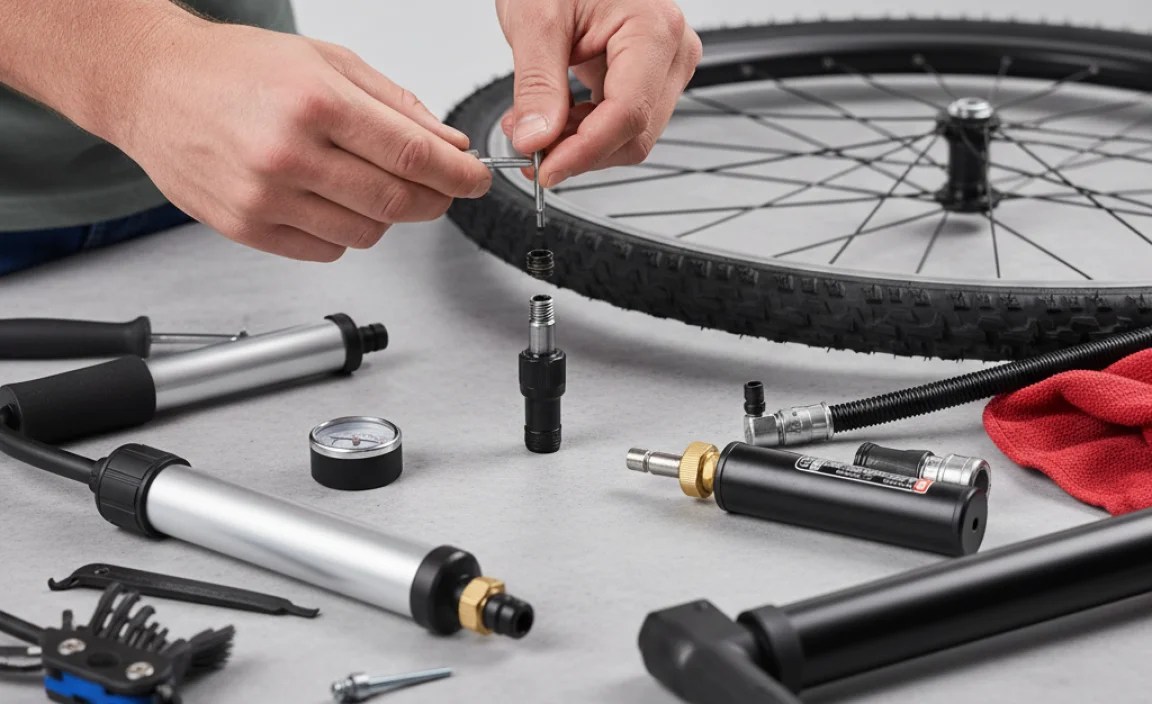
Even with the best equipment, you might encounter some issues while inflating tires. Here are some common problems and how to fix them.
Pump Not Sealing Properly
Problem: The pump head won’t stay on the valve, or air leaks out during inflation.
Solution:
- Ensure the pump head is fully compatible with Schrader valves.
- Check the rubber seal inside the pump head for wear or damage. Replace if necessary.
- Make sure the valve is clean and free of debris.
- Apply more pressure when attaching the pump head.
Tire Not Inflating
Problem: You’re pumping, but the tire isn’t inflating.
Solution:
- Check that the pump head is properly locked onto the valve.
- Ensure the valve core is not stuck. Gently depress the valve core with a small tool to free it.
- Inspect the tire for punctures or leaks.
Over-Inflation
Problem: The tire is inflated beyond the recommended pressure.
Solution:
- Use a pressure gauge to check the tire pressure.
- Gently depress the valve core to release excess air.
- Avoid over-inflating by checking the pressure frequently during inflation.
Valve Core Issues
Problem: The valve core is damaged or leaking.
Solution:
- Use a valve core tool to remove the old core.
- Install a new Schrader valve core.
- Tighten the new core securely.
Maintaining Your Pump
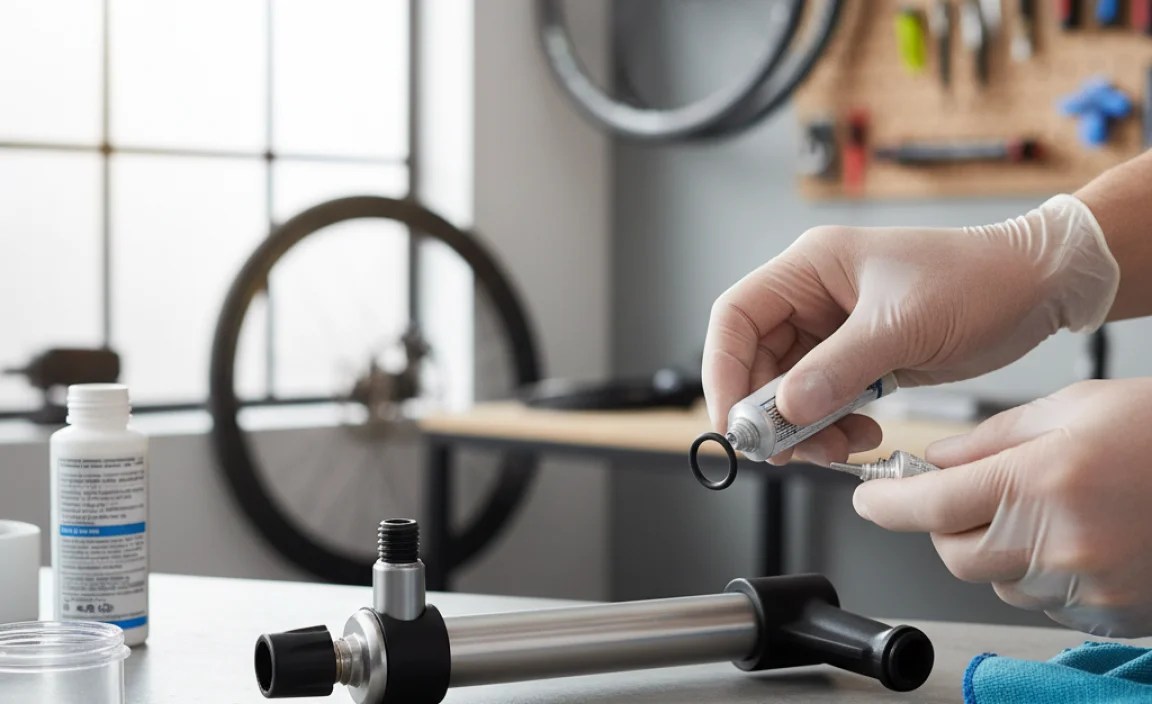
Proper maintenance extends the life of your pump and ensures reliable performance. Here are some tips to keep your pump in top condition.
Cleaning
Keep your pump clean by wiping it down with a damp cloth regularly. Pay special attention to the pump head, removing any dirt or debris that could interfere with the seal.
Lubrication
Periodically lubricate the moving parts of your pump with a silicone-based lubricant. This helps maintain smooth operation and prevents wear.
Seal Replacement
Inspect the rubber seals in the pump head regularly. Replace them if they show signs of wear or damage. Replacement seals are typically available from the pump manufacturer or bike shops.
Hose Inspection
Check the hose for cracks or leaks. Replace the hose if necessary to maintain efficient inflation.
Recommended Tire Pressure
Maintaining the correct tire pressure is crucial for performance, comfort, and safety. Here’s how to find and maintain the right pressure for your tires.
Finding the Recommended Pressure
The recommended tire pressure is usually printed on the sidewall of the tire. It is typically given as a range, such as “35-65 PSI” (pounds per square inch). This range indicates the minimum and maximum pressures for the tire.
Factors Affecting Tire Pressure
Several factors can influence the ideal tire pressure for your ride:
- Rider Weight: Heavier riders need higher pressures.
- Terrain: Rougher terrain may benefit from slightly lower pressures for better traction and comfort.
- Tire Width: Wider tires can run at lower pressures than narrower tires.
- Riding Style: Aggressive riders may prefer higher pressures for better rolling resistance.
Using a Pressure Gauge
Always use a reliable pressure gauge to check your tire pressure. Digital gauges are more accurate than analog gauges, but both can provide useful information. Check your pressure before each ride to ensure optimal performance.
| Rider Weight | Tire Width (Road Bike) | Recommended Pressure (PSI) |
|---|---|---|
| Under 150 lbs | 23mm | 90-100 |
| 150-180 lbs | 23mm | 100-110 |
| Over 180 lbs | 23mm | 110-120 |
| Under 150 lbs | 25mm | 80-90 |
| 150-180 lbs | 25mm | 90-100 |
| Over 180 lbs | 25mm | 100-110 |
Safety Tips
When inflating tires, always prioritize safety. Here are some essential safety tips to keep in mind.
- Wear Eye Protection: Protect your eyes from potential debris or blowouts.
- Stay Within Pressure Limits: Never exceed the maximum pressure listed on the tire sidewall.
- Inspect Tires Regularly: Check for cuts, bulges, or wear before each ride.
- Use a Stable Base: When using a floor pump, ensure it is on a stable, level surface.
- Be Aware of Heat: Avoid inflating tires in direct sunlight, as heat can increase pressure.
FAQ
What is the difference between Schrader and Presta valves?
Schrader valves are wider and have a spring-loaded pin in the center, similar to car tires. Presta valves are narrower and have a locking nut at the tip.
Can I use the same pump for both Schrader and Presta valves?
Yes, many pumps come with dual heads or adapters that allow you to switch between Schrader and Presta valves.
How do I know what pressure to inflate my tires to?
The recommended pressure range is usually printed on the sidewall of your tire. Start within this range and adjust based on your weight and riding conditions.
What do I do if my tire keeps losing air?
Check for punctures, leaks around the valve, or a faulty valve core. Replace the tube or valve core if necessary.
How often should I check my tire pressure?
Ideally, you should check your tire pressure before each ride to ensure optimal performance and safety.
What tools do I need to change a Schrader valve core?
You’ll need a valve core tool, which is a small, inexpensive tool designed to remove and install valve cores.
Why is my pump head leaking when I try to inflate my tire?
Make sure the pump head is securely attached to the valve and that the rubber seal inside the pump head is in good condition. Replace the seal if it’s worn or damaged.
Conclusion
Inflating tires with a Schrader valve is a simple yet essential skill for any cyclist. By understanding the types of pumps available, following the correct steps, and troubleshooting common issues, you can keep your tires properly inflated and enjoy a smooth, safe ride. Remember to maintain your pump and check your tire pressure regularly to ensure optimal performance and longevity. Now you’re equipped to handle your tire inflation needs with confidence!


