
Ultimate Pump for Folding Bikes: Ride Worry-Free

Quick Summary:
Finding the right pump for your folding bike is key for easy inflation on the go. Look for compact, lightweight pumps with high pressure capabilities (at least 80-100 PSI). Mini pumps, frame-mounted pumps, or even CO2 inflators are great choices. Make sure the pump head is compatible with your bike’s valve type (Presta or Schrader) for hassle-free rides!
Folding bikes are awesome for saving space and taking your ride anywhere. But when a tire goes flat, you need a pump that’s just as portable and efficient as your bike. It can be frustrating trying to find a pump that’s small enough to carry but powerful enough to inflate your tires properly. Don’t worry! This guide will walk you through choosing the perfect pump for your folding bike, so you can keep rolling without any headaches.
We’ll cover different types of pumps, what to look for in terms of size and pressure, and even how to use CO2 inflators. Let’s get started and make sure you’re always prepared for a quick inflation!
Choosing the Right Pump for Your Folding Bike

When it comes to folding bikes, space and weight are critical. You need a pump that’s easy to carry but still gets the job done. Here are some key factors to consider:
1. Pump Type
There are several types of pumps that work well with folding bikes:
- Mini Pumps: These are small, lightweight, and easy to carry in a bag or mount on your frame.
- Frame-Mounted Pumps: Designed to attach directly to your bike frame, these are always ready when you need them.
- CO2 Inflators: These use compressed CO2 cartridges for rapid inflation. They’re super compact but require purchasing cartridges.
- Floor Pumps: While not portable, a good floor pump is essential for inflating tires at home before you head out.
2. Size and Weight
The smaller and lighter the pump, the better. Look for mini pumps that are under 10 inches long and weigh less than 6 ounces. Frame-mounted pumps should also be lightweight to avoid adding unnecessary bulk to your bike. CO2 inflators are the smallest and lightest option, but remember you need to carry extra cartridges.
3. Pressure (PSI)
Folding bike tires often require higher pressure than mountain bike tires. Aim for a pump that can reach at least 80-100 PSI (pounds per square inch). Check your tire sidewall for the recommended pressure range.
4. Valve Compatibility
Make sure the pump head is compatible with your bike’s valve type. There are two main types:
- Presta: These have a small, delicate pin that you need to unscrew before inflating.
- Schrader: These are the same as car tire valves and are more robust.
Some pumps have dual heads that work with both valve types, while others are specific to one type. Choose a pump that matches your bike’s valves or get one with a universal head.
5. Features
Consider these additional features when choosing a pump:
- Gauge: A built-in pressure gauge helps you inflate your tires to the correct PSI.
- Mounting Bracket: If you choose a frame-mounted pump, make sure it comes with a secure mounting bracket.
- Hose: A flexible hose makes it easier to connect the pump to the valve, especially in tight spaces.
- Durability: Look for pumps made from high-quality materials like aluminum alloy for long-lasting performance.
Recommended Pumps for Folding Bikes

Here are a few pumps that are popular among folding bike riders:
1. Mini Pumps
Mini pumps are great for their portability. They easily fit into a small bag or attach to your bike frame.
- Lezyne Micro Floor Drive HP: A mini pump with a foot peg and hose, making it easier to inflate tires to high pressure.
- Topeak Mini Dual DXG: This pump has a dual-action design, inflating tires on both the push and pull strokes.
- Crankbrothers Sterling LG: A lightweight and compact pump with a high-volume/high-pressure switch.
2. Frame-Mounted Pumps
Frame-mounted pumps are convenient because they’re always with your bike.
- Topeak Road Morph G: A mini pump with a fold-out foot pad and gauge, providing floor pump-like performance.
- Blackburn Mammoth 2FL: This pump has a large volume for quickly inflating tires and a secure frame mount.
3. CO2 Inflators
CO2 inflators are the fastest way to inflate a tire, but they require CO2 cartridges.
- Genuine Innovations Ultraflate: A simple and reliable CO2 inflator with a controlled release valve.
- Lezyne Control Drive: This inflator has a CNC-machined aluminum body and is compatible with both Presta and Schrader valves.
4. Floor Pumps
While not for carrying with you, a floor pump is crucial for home use.
- Topeak Joe Blow Sport III: A reliable floor pump with a gauge and dual head for Presta and Schrader valves.
- Park Tool PFP-8: This pump is known for its durability and smooth inflation.
How to Use a Mini Pump
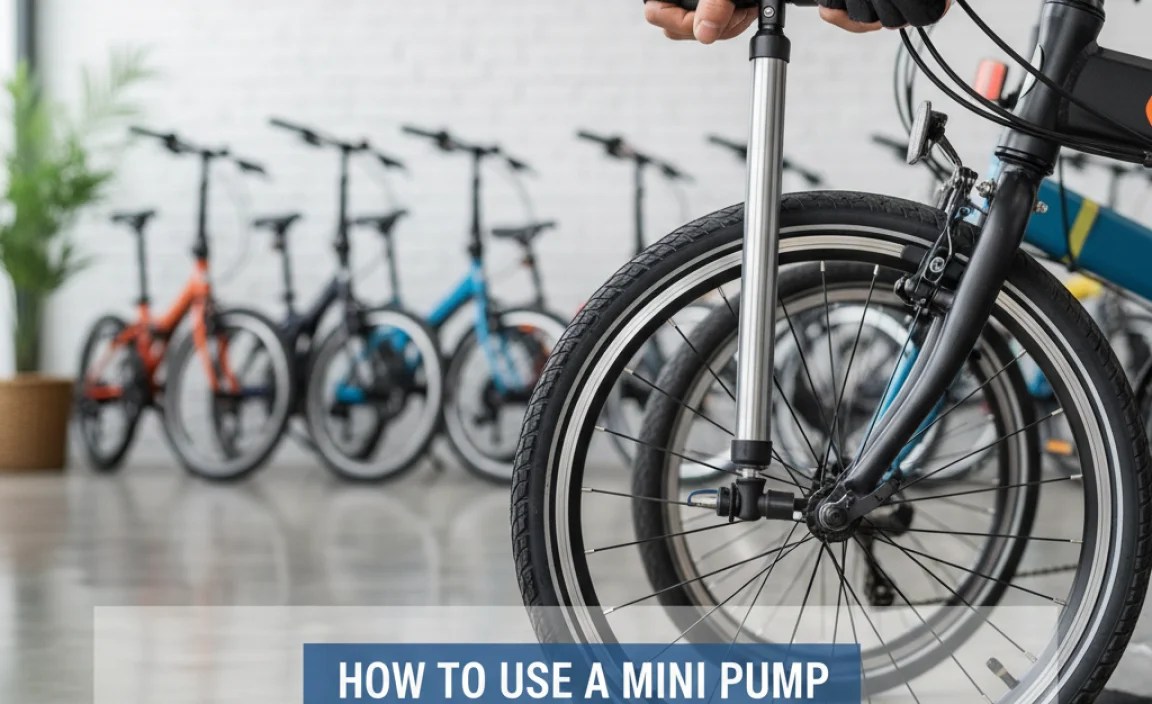
Using a mini pump can be a bit tricky, but with the right technique, you can inflate your tires effectively.
Step 1: Prepare the Valve
For Presta valves, unscrew the valve nut at the top and gently push it in to make sure it’s not stuck. For Schrader valves, simply remove the valve cap.
Step 2: Attach the Pump Head
Firmly attach the pump head to the valve. Make sure it’s securely connected to prevent air leaks. Some pumps have a lever that you need to flip to lock the head in place.
Step 3: Inflate the Tire
Place the pump on the ground and use your body weight to stabilize it. Begin pumping, using smooth and consistent strokes. It may take some effort to reach the desired pressure.
Step 4: Check the Pressure
If your pump has a gauge, monitor the pressure as you inflate. If not, you can use a separate pressure gauge to check the tire pressure. Squeeze the tire; it should feel firm but not rock hard.
Step 5: Detach the Pump Head
Carefully detach the pump head from the valve. For Presta valves, screw the valve nut back down. Replace the valve cap on Schrader valves.
How to Use a CO2 Inflator

CO2 inflators are quick and easy to use, but it’s important to follow the instructions carefully.
Step 1: Prepare the Valve
For Presta valves, unscrew the valve nut. For Schrader valves, remove the valve cap.
Step 2: Attach the Inflator Head
Screw the CO2 cartridge into the inflator head. Some inflators have a control valve to regulate the flow of CO2. Attach the inflator head to the valve.
Step 3: Inflate the Tire
Press the inflator head to release the CO2. If your inflator has a control valve, use it to control the flow of CO2. Inflate the tire until it’s firm.
Step 4: Detach the Inflator Head
Carefully detach the inflator head from the valve. For Presta valves, screw the valve nut back down. Replace the valve cap on Schrader valves.
Step 5: Dispose of the Cartridge
CO2 cartridges get very cold when used, so handle them with care. Dispose of the empty cartridge properly.
Pump Comparison Table
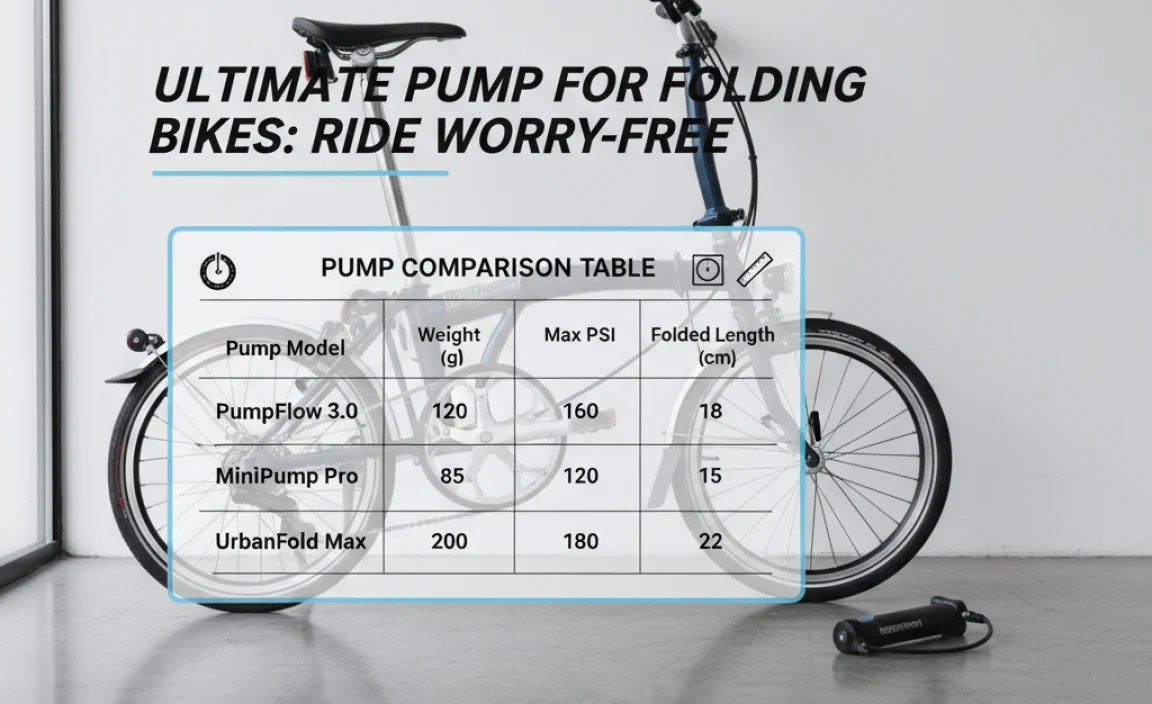
Here’s a comparison table to help you choose the right pump:
| Pump Type | Pros | Cons | Best For |
|---|---|---|---|
| Mini Pump | Compact, lightweight, portable | Requires more effort, may not reach high pressure easily | Everyday carry, short rides |
| Frame-Mounted Pump | Always available, convenient | Can add weight to the bike, may not be as efficient as a floor pump | Commuting, touring |
| CO2 Inflator | Fast inflation, very compact | Requires cartridges, can be wasteful, no pressure gauge | Emergency repairs, racing |
| Floor Pump | Efficient, easy to use, accurate pressure gauge | Not portable | Home use, pre-ride inflation |
Maintaining Your Pump
To keep your pump in good working condition, follow these tips:
- Clean the Pump Head: Regularly clean the pump head to remove dirt and debris that can cause leaks.
- Lubricate Moving Parts: Apply a small amount of lubricant to the pump’s moving parts to keep them working smoothly.
- Store Properly: Store your pump in a dry place to prevent rust and corrosion.
- Check for Leaks: Periodically check the pump for leaks and replace any worn-out seals or O-rings.
Troubleshooting Common Pump Problems
Here are some common problems you might encounter with your pump and how to fix them:
- Air Leak at the Valve: Make sure the pump head is securely attached to the valve. Check the valve for damage and replace if necessary.
- Pump Not Building Pressure: Check the pump’s piston and seals for wear and tear. Lubricate the piston to improve its performance.
- Stuck Valve: If the valve is stuck, try gently pushing it in with a small tool. You may need to replace the valve if it’s severely damaged.
The Importance of Tire Pressure
Maintaining the correct tire pressure is crucial for a comfortable and efficient ride. Here’s why:
- Rolling Resistance: Proper tire pressure reduces rolling resistance, making it easier to pedal.
- Handling: Correct tire pressure improves handling and cornering.
- Puncture Resistance: Properly inflated tires are less likely to get pinch flats.
- Tire Life: Maintaining the correct pressure can extend the life of your tires.
Always check your tire sidewall for the recommended pressure range and use a pressure gauge to ensure accurate inflation. Remember, temperature can affect tire pressure, so check it regularly, especially on hot or cold days. Learn more about how temperature affects tire pressure from resources like the Continental Tires website.
Alternative Inflation Methods
Besides traditional pumps, there are a few other methods you can use to inflate your tires:
- Air Compressors: Small portable air compressors can be used to inflate tires quickly and easily.
- Bicycle Air Stations: Some cities have public bicycle air stations that provide free air for cyclists.
- Borrowing from Others: Don’t be afraid to ask another cyclist or a gas station if you can borrow their pump.
Essential Tools for Tire Maintenance
Having the right tools can make tire maintenance much easier. Here are a few essentials:
- Tire Levers: These help you remove the tire from the rim without damaging it.
- Patch Kit: A patch kit allows you to repair small punctures on the road.
- Multi-Tool: A multi-tool with various Allen wrenches and screwdrivers is essential for making adjustments on the go.
- Pressure Gauge: A pressure gauge ensures accurate tire inflation.
Folding Bike Maintenance Tips
Besides tire maintenance, here are some general tips for keeping your folding bike in top condition:
- Regular Cleaning: Keep your bike clean to prevent rust and corrosion.
- Lubrication: Lubricate the chain, cables, and hinges regularly.
- Check Brakes: Inspect your brakes regularly and adjust or replace them as needed.
- Tighten Bolts: Check all bolts and fasteners to make sure they’re tight.
- Folding Mechanism: Keep the folding mechanism clean and lubricated for smooth operation.
FAQ Section
1. What PSI should I inflate my folding bike tires to?
Check the sidewall of your tire for the recommended pressure range. Most folding bike tires require between 80-100 PSI.
2. Can I use a regular bike pump for my folding bike?
Yes, you can. But a mini pump or frame-mounted pump is more convenient for carrying with you on rides. A floor pump is great for home use.
3. What’s the difference between Presta and Schrader valves?
Presta valves are narrow with a small pin you need to unscrew. Schrader valves are wider and the same as car tire valves.
4. How do I know if my pump is compatible with my bike’s valves?
Check the pump head. Some pumps have dual heads that work with both Presta and Schrader valves. Others are specific to one type.
5. Are CO2 inflators better than mini pumps?
CO2 inflators are faster, but they require cartridges. Mini pumps are reusable but take more effort. It depends on your preference and riding style.
6. How often should I check my tire pressure?
It’s a good idea to check your tire pressure before every ride, especially if you haven’t ridden in a while. Temperature changes can also affect tire pressure.
7. What should I do if my tire keeps losing air?
Check for punctures or damage to the tire. You may need to patch the tire or replace it if the damage is severe.
Conclusion
Choosing the right pump for your folding bike doesn’t have to be a chore. By considering factors like pump type, size, pressure, and valve compatibility, you can find a pump that fits your needs perfectly. Whether you prefer the portability of a mini pump, the convenience of a frame-mounted pump, or the speed of a CO2 inflator, there’s a pump out there that will keep you rolling smoothly. Remember to maintain your pump and check your tire pressure regularly for a safe and enjoyable ride. Happy cycling!


