Pump Gauge Heads: Find the Perfect Fit!

Quick Summary: Need to fix or replace your bike pump gauge head? It’s easier than you think! This guide walks you through identifying different head types (Presta, Schrader, Dual), troubleshooting common issues like leaks or inaccurate readings, and step-by-step instructions for replacing the head. Get your pump back in action and your tires properly inflated in no time!
A faulty pump gauge head can be incredibly frustrating. You’re ready to ride, but your tire won’t inflate properly, or the gauge gives you a reading that seems way off. It’s a common problem, but don’t worry, it’s usually a simple fix! Replacing or repairing your pump gauge head is often much easier and cheaper than buying a whole new pump. This guide will show you how to identify your pump head type, troubleshoot common problems, and replace it like a pro. Let’s get pumping!
Understanding Pump Gauge Heads
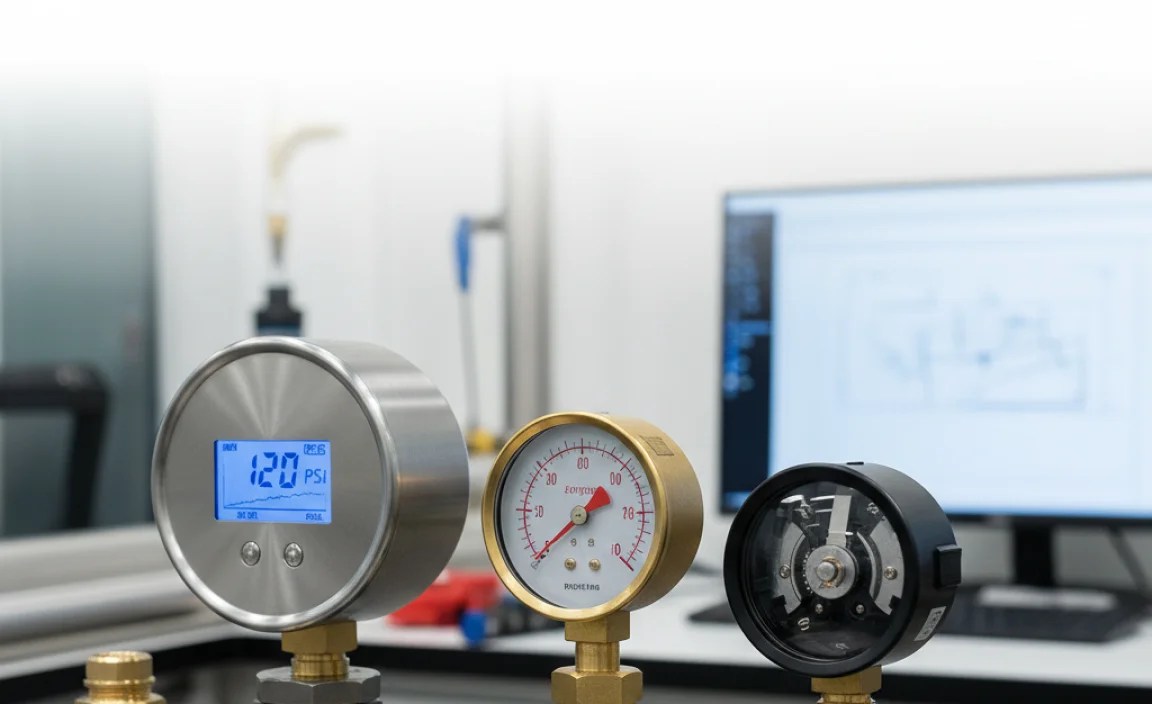
The pump gauge head is the part of your bike pump that connects to the valve on your inner tube. There are several types, each designed for specific valve types or offering different features. Knowing the type you have is the first step to fixing any issues.
Types of Pump Gauge Heads
Let’s break down the most common types:
- Presta: These are narrow valves with a small locking nut at the tip. Presta valves are common on road bikes and some mountain bikes. The pump head needs a small opening to fit snugly around the valve.
- Schrader: These are wider valves, similar to those found on car tires. Schrader valves are common on mountain bikes, hybrid bikes, and kids’ bikes. The pump head needs a wider opening to fit over the valve.
- Dual Head: These pump heads can accommodate both Presta and Schrader valves. They often have two separate openings or a reversible internal mechanism.
- Thread-On: These heads screw onto the valve stem. They can be more secure but are also slower to use.
- Lever-Lock: These heads use a lever to create a tight seal around the valve. They are quick and easy to use.
Identifying Your Pump Gauge Head Type
Take a close look at your pump head. Does it have one opening or two? Is there a lever to lock it onto the valve? Consider these points:
- Single Opening: If it has a single opening, try it on both a Presta and Schrader valve. If it fits one but not the other, you know which type it is.
- Dual Opening: If it has two openings, one will be smaller (Presta) and one will be larger (Schrader).
- Lever vs. Thread-On: A lever-lock head will have a lever that you flip to secure it. A thread-on head will have threads inside the opening.
Common Pump Gauge Head Problems
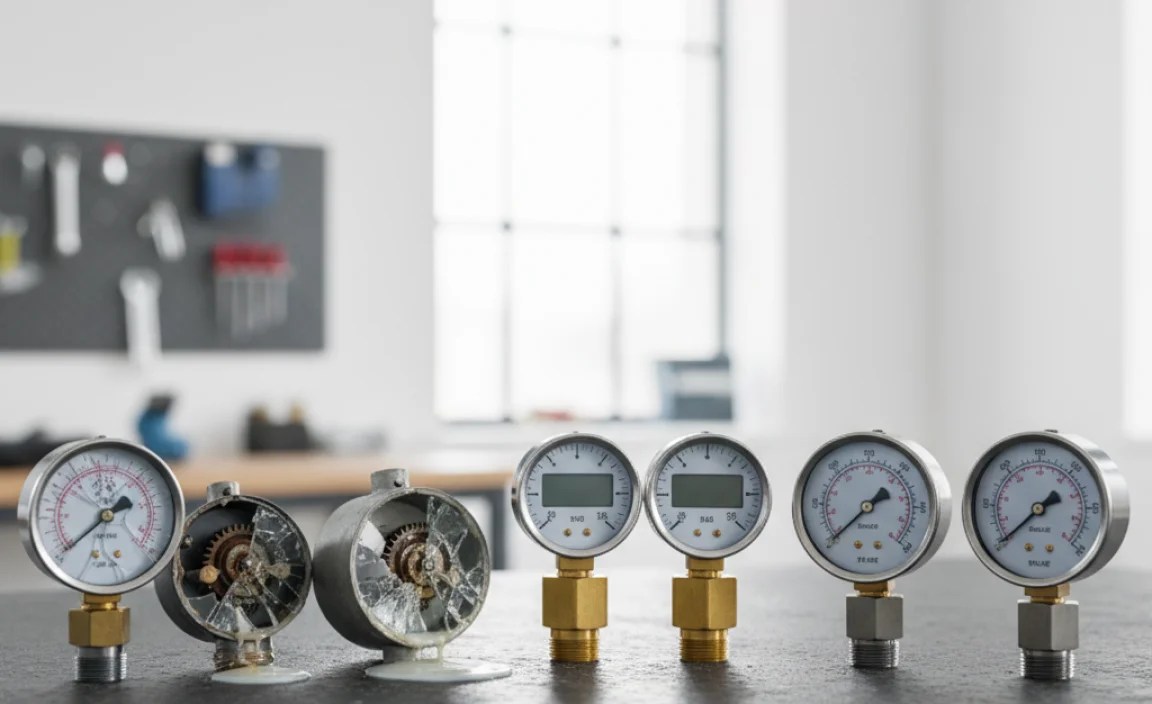
Pump gauge heads can develop several issues over time. Here are some of the most common:
- Leaks: Air leaks around the valve connection are a frequent problem. This can be due to a worn-out rubber seal or a loose connection.
- Inaccurate Readings: The gauge may show incorrect pressure, making it difficult to inflate your tires to the correct PSI. This could be a gauge issue, or a problem with the head itself not sealing properly.
- Difficulty Connecting: The head may be difficult to attach or detach from the valve. This can be due to dirt, corrosion, or a damaged internal mechanism.
- Broken Lever: On lever-lock heads, the lever can break, rendering the head unusable.
- Worn Seals: The rubber or plastic seals inside the head can wear out over time, causing leaks and reducing pumping efficiency.
Troubleshooting Your Pump Gauge Head

Before you replace your pump head, try these troubleshooting steps:
- Check for Debris: Inspect the head for dirt, grit, or other debris that could be interfering with the seal. Clean it with a clean rag.
- Tighten Connections: If the head has any screws or bolts, make sure they are tight.
- Inspect the Seal: Look for cracks, tears, or wear on the rubber seal. If it’s damaged, you may be able to replace just the seal (more on that later).
- Try a Different Valve: Sometimes the problem is with the valve on your inner tube, not the pump head. Try inflating a different tire to see if the problem persists.
- Listen for Leaks: When you attach the head to the valve, listen carefully for air leaks. This can help you pinpoint the source of the problem.
When to Replace vs. Repair
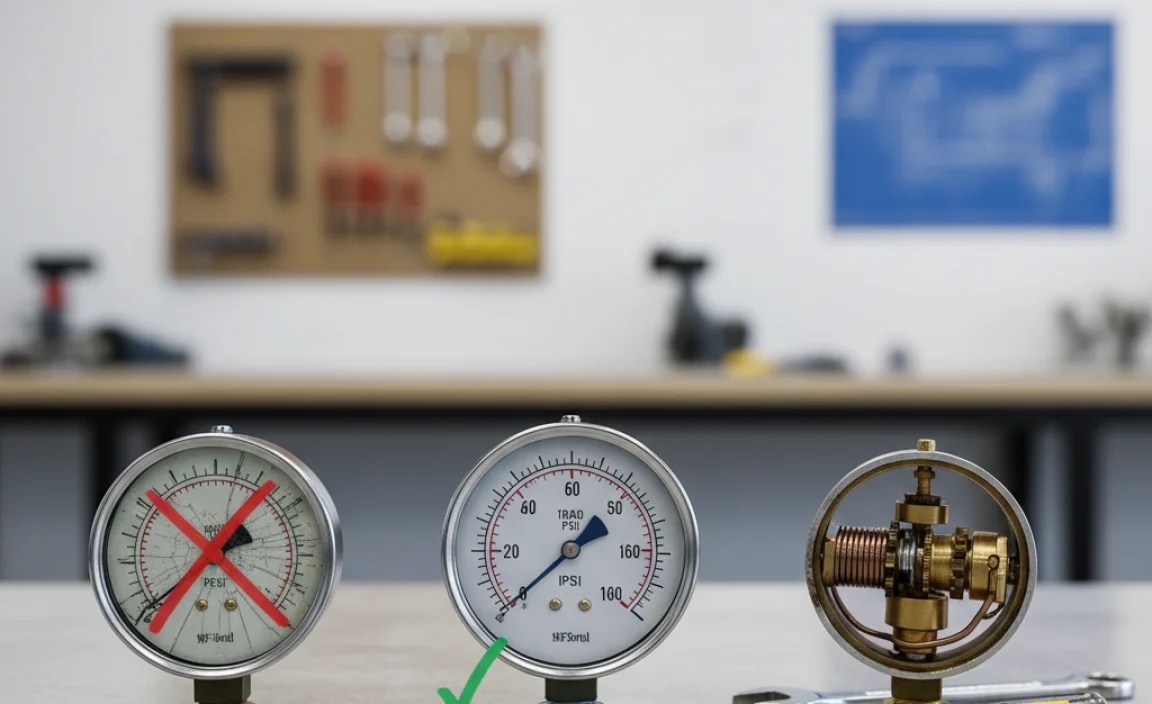
Sometimes a simple repair is all you need. Other times, replacement is the best option. Here’s a guide:
| Problem | Likely Solution |
|---|---|
| Minor Leak | Clean the head, tighten connections, or replace the seal. |
| Inaccurate Readings | Check the gauge itself. If the head seals well, the gauge may be faulty. |
| Difficulty Connecting | Clean the head, lubricate the seal with silicone grease, or replace the head. |
| Broken Lever | Replace the head. |
| Major Damage | Replace the head. |
| Worn Seals | Replace the seals or the entire head. |
Tools and Materials You’ll Need

Before you start, gather these tools and materials:
- New Pump Gauge Head: Make sure it’s compatible with your pump and valve types.
- Screwdrivers: You may need a Phillips or flathead screwdriver to remove the old head.
- Pliers: Pliers can be helpful for gripping and twisting stubborn parts.
- Silicone Grease: This can help lubricate the seal and improve performance.
- Wrench: Some pump heads are attached with a nut that requires a wrench.
- Rag: For cleaning.
Step-by-Step Guide to Replacing Your Pump Gauge Head
Ready to replace your pump gauge head? Follow these steps:
Step 1: Disconnect the Old Head
First, you need to remove the old pump gauge head. This usually involves unscrewing it or detaching it from a hose.
- Identify the Connection: Look at how the head is attached to the pump hose. It might be threaded, clamped, or secured with screws.
- Unscrew or Unclamp: If it’s threaded, unscrew it counterclockwise. If it’s clamped, use pliers to loosen the clamp and pull the head off. If it’s secured with screws, remove the screws and detach the head.
- Remove any Remaining Parts: Take off any O-rings, washers, or other small parts that come loose during removal. Keep these aside, as you may need to reuse them.
Step 2: Prepare the New Head
Before installing the new head, inspect it and prepare it for installation.
- Inspect the New Head: Check for any defects or damage. Make sure all parts are present.
- Apply Silicone Grease: Apply a small amount of silicone grease to the seal on the new head. This will help it create a good seal and prevent leaks.
- Gather Necessary Parts: Make sure you have all the necessary O-rings, washers, or other parts that came with the new head.
Step 3: Install the New Head
Now, it’s time to install the new pump gauge head.
- Attach the Head: Connect the new head to the pump hose in the same way the old head was attached. This might involve screwing it on, clamping it, or securing it with screws.
- Tighten the Connection: Make sure the connection is tight, but don’t overtighten it. Overtightening can damage the head or the hose.
- Reinstall any Remaining Parts: Reinstall any O-rings, washers, or other small parts that you removed earlier.
Step 4: Test the New Head
After installing the new head, test it to make sure it’s working properly.
- Attach to Valve: Attach the head to a tire valve.
- Inflate Tire: Pump up the tire and check for leaks around the head.
- Check Gauge Reading: Make sure the gauge is giving an accurate reading. Compare it to a known accurate gauge if possible.
- Adjust as Needed: If you find any leaks, tighten the connection or adjust the head as needed.
Maintaining Your Pump Gauge Head
Proper maintenance can extend the life of your pump gauge head and keep it working properly.
- Clean Regularly: Clean the head regularly with a clean rag to remove dirt and debris.
- Lubricate the Seal: Lubricate the seal with silicone grease periodically to keep it pliable and prevent leaks.
- Store Properly: Store your pump in a clean, dry place to prevent corrosion and damage.
- Replace Worn Parts: Replace worn seals or other parts as needed.
Upgrading Your Pump Gauge Head
Sometimes, instead of just replacing a broken head, you might want to upgrade to a better one. Here are some factors to consider:
- Dual Head: If you often switch between Presta and Schrader valves, a dual head can be a convenient upgrade.
- Lever-Lock: If you want a faster and easier connection, a lever-lock head can be a good choice.
- Higher Quality: A higher-quality head may be more durable and provide a better seal.
- Gauge Accuracy: Some upgraded heads come with more accurate gauges.
Where to Buy Pump Gauge Heads
You can buy pump gauge heads at most bike shops or online retailers. Here are some places to look:
- Local Bike Shops: Your local bike shop is a great place to find pump gauge heads and get expert advice.
- Online Retailers: Amazon, REI, and other online retailers offer a wide selection of pump gauge heads.
- Pump Manufacturers: Some pump manufacturers sell replacement heads directly on their websites.
Cost Considerations
The cost of a pump gauge head can vary depending on the type, quality, and brand. Here’s a general idea:
- Basic Heads: Basic replacement heads can cost as little as $5 to $10.
- Mid-Range Heads: Mid-range heads with better features and durability can cost $15 to $30.
- High-End Heads: High-end heads with advanced features and very accurate gauges can cost $30 or more.
FAQ: Pump Gauge Heads
Q: Why is my pump leaking air around the valve?
A: This is often due to a worn or damaged seal in the pump head. Try cleaning the head and lubricating the seal with silicone grease. If that doesn’t work, you may need to replace the seal or the entire head.
Q: How do I know if my pump gauge is accurate?
A: The best way to check is to compare it to a known accurate gauge. You can also take your bike to a bike shop and have them check it for you.
Q: Can I use a Presta pump head on a Schrader valve?
A: No, Presta and Schrader valves have different sizes and shapes. You need to use the correct type of pump head for each valve.
Q: What is the difference between a lever-lock and a thread-on pump head?
A: A lever-lock head uses a lever to create a tight seal around the valve, while a thread-on head screws onto the valve stem. Lever-lock heads are generally faster and easier to use, while thread-on heads can be more secure.
Q: How often should I replace my pump gauge head?
A: It depends on how often you use your pump and the quality of the head. Inspect the head regularly and replace it when you notice leaks, difficulty connecting, or other problems. A good quality head can last for several years with proper care.
Q: Can I just replace the rubber seal in the pump head?
A: Yes, in many cases you can replace just the rubber seal. This is a cheaper option than replacing the entire head. However, make sure you get the correct size and type of seal for your pump head. Many online retailers and bike shops carry replacement seals.
Q: What is silicone grease, and why should I use it?
A: Silicone grease is a type of lubricant that is safe to use on rubber and plastic parts. It helps to keep the seal pliable and prevents it from drying out and cracking. This is crucial for maintaining a good seal and preventing leaks. Apply a small amount of silicone grease to the seal every few months, or whenever you notice it’s drying out.
Conclusion
Replacing your pump gauge head is a simple task that can save you money and keep your tires properly inflated. By understanding the different types of heads, troubleshooting common problems, and following these step-by-step instructions, you can get your pump back in working order in no time. Remember to maintain your pump head properly to extend its life and ensure accurate readings. Now get out there and enjoy the ride!