
Best Pump for Scooter Tires: Ride Easy!

Quick Summary: Need to inflate your scooter tires? You’ll need a pump with the correct valve adapter (usually Schrader). Connect the pump, ensure a tight seal, and inflate to the recommended PSI (printed on the tire sidewall). Check the pressure regularly for a smooth, safe ride!
Flat or low scooter tires are a common headache. It makes riding harder, slower, and even unsafe. But don’t worry! Getting your tires properly inflated is simple and only takes a few minutes. This guide will walk you through choosing the right pump and inflating your scooter tires like a pro. Let’s get rolling!
Choosing the Right Pump
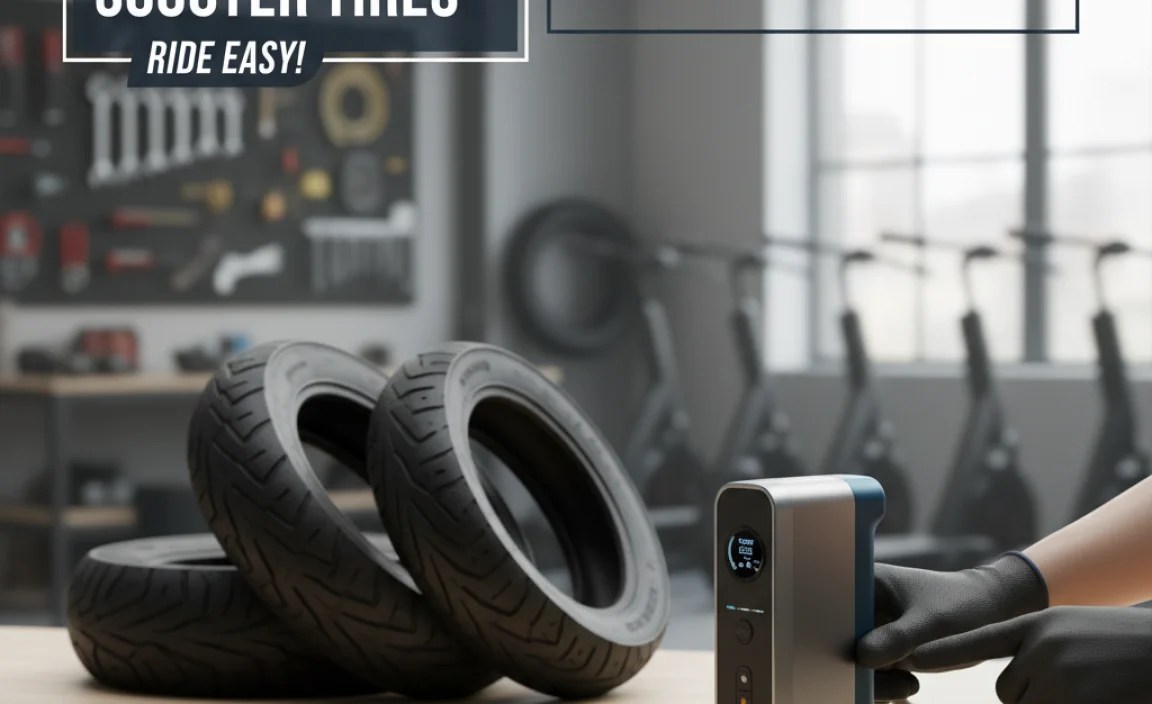
Not all pumps are created equal. Picking the right one makes inflating your scooter tires much easier. Here’s what to look for:
Valve Compatibility
Scooter tires almost always use Schrader valves, the same as car tires. Make sure the pump you choose has a Schrader valve adapter. Some pumps have dual heads that work with both Schrader and Presta valves (the latter are common on bicycles).
Pump Types
There are a few types of pumps to consider:
- Hand Pumps: Compact and portable, great for on-the-go top-ups. They require more effort to reach higher pressures.
- Floor Pumps: These provide more leverage and make it easier to inflate tires to higher pressures. They’re ideal for home use.
- Electric Pumps: Battery-powered pumps that inflate tires quickly and effortlessly. Some models are small enough to carry in a backpack.
- CO2 Inflators: Use compressed CO2 cartridges for rapid inflation. Best for emergencies, as they don’t allow precise pressure control.
Pressure Gauge
A built-in pressure gauge is essential for accurate inflation. Look for a gauge that’s easy to read and measures in PSI (pounds per square inch), the standard unit for tire pressure.
Recommended Pumps
Here are a few pump recommendations to get you started:
- For portability: A mini hand pump with a built-in gauge, like the Topeak Pocket Rocket.
- For home use: A floor pump with a large, easy-to-read gauge, like the Serfas TCPG.
- For convenience: A portable electric pump, like the Xiaomi Portable Electric Air Compressor 1S.
Step-by-Step Guide to Inflating Scooter Tires

Now that you have the right pump, let’s get those tires inflated!
Step 1: Find the Recommended Tire Pressure
The recommended tire pressure (PSI) is usually printed on the sidewall of the tire. Look for a range, like “30-36 PSI.” Stay within this range for optimal performance and safety. Never exceed the maximum PSI.
Step 2: Prepare the Valve
Remove the valve cap from the tire valve. Keep it in a safe place, so you don’t lose it. Check the valve for any dirt or debris. Clean it if necessary.
Step 3: Connect the Pump
Attach the pump head to the valve. Make sure it’s securely connected to avoid air leaks. Some pump heads have a lever that you need to flip to lock the head onto the valve.
Step 4: Inflate the Tire
Begin pumping. If you’re using a hand pump, use smooth, consistent strokes. With a floor pump, use your body weight to push down on the handle. Keep an eye on the pressure gauge as you inflate.
Step 5: Check the Pressure
Once you reach the desired PSI, stop pumping. Remove the pump head from the valve. Check the pressure again to make sure it’s accurate. Some air might escape when you remove the pump head, so inflate slightly above the target PSI to compensate.
Step 6: Replace the Valve Cap
Screw the valve cap back onto the valve. This helps keep dirt and debris out of the valve and prevents slow leaks.
Step 7: Repeat for the Other Tire
Repeat the process for the other tire. It’s important to keep both tires inflated to the same pressure for balanced handling.
Troubleshooting Common Issues
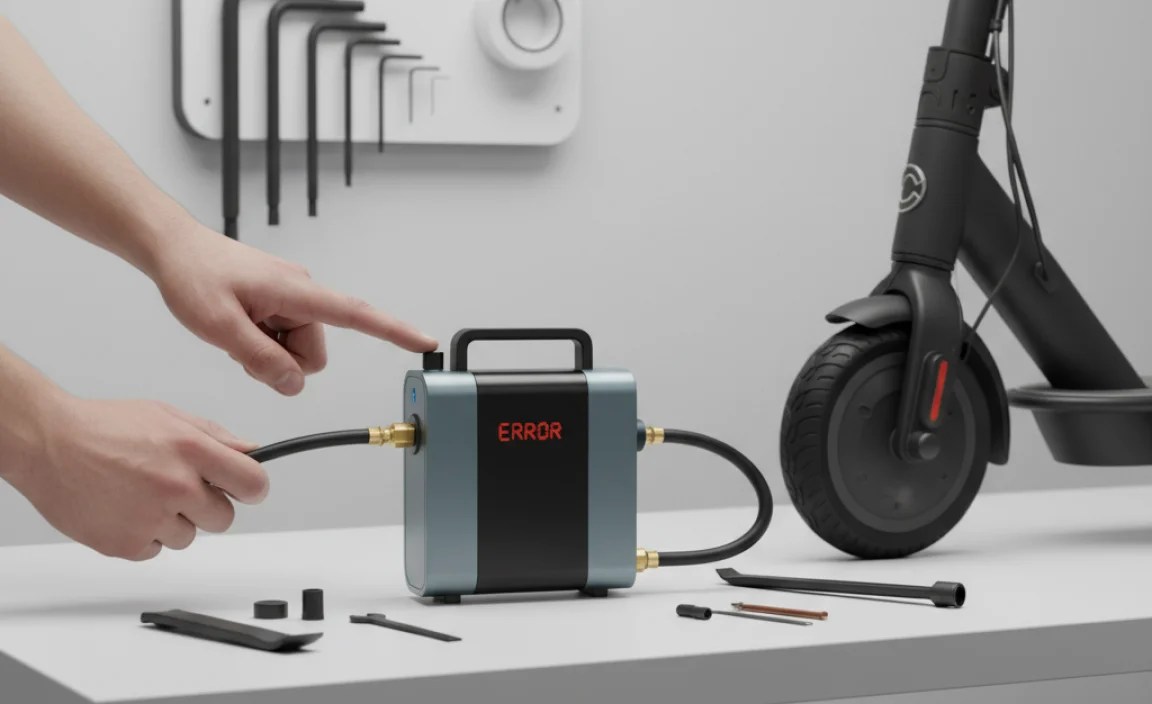
Sometimes, things don’t go as planned. Here are some common issues and how to fix them:
- Air Leak: If you hear air leaking while pumping, make sure the pump head is securely attached to the valve. Try repositioning the pump head or tightening the connection. If the valve itself is leaking, you may need to replace the inner tube.
- Pump Not Connecting: Ensure the pump head is compatible with the valve type (Schrader). Check for any damage or debris in the pump head or valve.
- Difficulty Pumping: If it’s hard to pump, make sure the pump is properly lubricated. Check the tire pressure – if it’s already high, it will be harder to pump.
Maintaining Your Scooter Tires

Proper tire maintenance extends the life of your tires and ensures a safe, enjoyable ride.
Check Tire Pressure Regularly
Check your tire pressure at least once a week, or before each ride. Tire pressure can decrease over time due to slow leaks and temperature changes.
Inspect for Damage
Regularly inspect your tires for cuts, bulges, or embedded objects. Remove any debris and replace damaged tires immediately.
Proper Storage
Store your scooter in a cool, dry place away from direct sunlight and extreme temperatures. This helps prevent tire degradation.
Tire Rotation
While not as critical as on a car, rotating your scooter tires (if possible) can help them wear more evenly. Consult your scooter’s manual for recommendations.
Understanding Tire Pressure

Tire pressure plays a crucial role in scooter performance and safety.
Underinflation
Riding with underinflated tires can lead to:
- Reduced battery range
- Increased rolling resistance, making it harder to accelerate and climb hills
- Poor handling and stability
- Increased risk of punctures and damage to the tire and rim
Overinflation
Overinflated tires can result in:
- Harsh ride quality
- Reduced traction, especially on wet or uneven surfaces
- Increased risk of tire blowout
Ideal Tire Pressure
The ideal tire pressure depends on several factors, including:
- Rider weight
- Road conditions
- Tire type
Start with the recommended PSI on the tire sidewall and adjust slightly based on your experience and preferences. A slightly lower pressure can provide a more comfortable ride, while a slightly higher pressure can improve efficiency.
Essential Tools for Scooter Tire Maintenance
Besides a pump, here are some other tools that can be helpful for scooter tire maintenance:
- Tire Levers: Used to remove and install tires on the rim.
- Patch Kit: For repairing punctures in inner tubes.
- Multi-Tool: A compact tool with various wrenches and screwdrivers for basic repairs.
- Valve Core Tool: For tightening or replacing valve cores.
Choosing the Right Tires
When it’s time to replace your scooter tires, consider these factors:
- Tire Size: Make sure the replacement tires are the correct size for your scooter. Check the tire sidewall for the size markings.
- Tire Type: Different tire types offer different performance characteristics. Consider factors like tread pattern, puncture resistance, and rolling resistance.
- Solid Tires: These are puncture-proof but offer a harsher ride and less grip than pneumatic (air-filled) tires.
Table: Comparing Scooter Tire Types
| Tire Type | Pros | Cons |
|---|---|---|
| Pneumatic (Air-Filled) | Comfortable ride, good grip | Prone to punctures, requires inflation |
| Solid | Puncture-proof, no maintenance | Harsh ride, less grip, heavier |
| Tubeless | Reduced risk of pinch flats, better rolling resistance | More difficult to install, requires sealant |
Table: Recommended Tire Pressure Ranges Based on Rider Weight
| Rider Weight (lbs) | Recommended Tire Pressure (PSI) |
|---|---|
| Under 150 | 30-32 |
| 150-200 | 32-34 |
| 200-250 | 34-36 |
| Over 250 | 36-38 (or maximum PSI on tire) |
Safety First
Always prioritize safety when working on your scooter:
- Wear safety glasses to protect your eyes.
- Work in a well-lit area.
- If you’re not comfortable performing a repair, take your scooter to a qualified mechanic.
FAQ: Pumping Up Scooter Tires
Here are some frequently asked questions about scooter tire inflation:
What type of pump do I need for my scooter tires?
You’ll need a pump with a Schrader valve adapter, the same type used for car tires. Hand pumps, floor pumps, and electric pumps all work, as long as they have the correct adapter.
How often should I inflate my scooter tires?
Check your tire pressure at least once a week, or before each ride. Tires lose pressure over time, so regular checks are important.
What happens if my scooter tires are underinflated?
Underinflated tires can reduce battery range, make it harder to ride, and increase the risk of punctures. They also negatively affect handling and stability.
What happens if my scooter tires are overinflated?
Overinflated tires can result in a harsh ride, reduced traction, and an increased risk of tire blowout.
Where can I find the recommended tire pressure for my scooter tires?
The recommended tire pressure (PSI) is usually printed on the sidewall of the tire.
Can I use a car tire pump to inflate my scooter tires?
Yes, you can use a car tire pump as long as it has a Schrader valve adapter and you can accurately control the pressure. Be careful not to overinflate the tires, as scooter tires typically require much lower pressure than car tires.
Is it okay to use a CO2 inflator for scooter tires?
CO2 inflators are convenient for emergencies but don’t offer precise pressure control. It’s best to use a pump with a gauge for regular inflation.
Conclusion
Keeping your scooter tires properly inflated is essential for a safe, comfortable, and efficient ride. By choosing the right pump, following the steps outlined in this guide, and maintaining your tires regularly, you can enjoy worry-free scooting. So, grab your pump, check those tires, and get ready to roll!


