
Ultimate Pump for 27.5 Inch Tires: Ride Worry-Free!

Quick Summary: To properly inflate 27.5-inch tires, you’ll need a pump that can deliver sufficient pressure (typically 30-65 PSI for mountain bikes, higher for road-oriented tires). A floor pump with a gauge is ideal for home use, offering accuracy and ease. For on-the-go adjustments, a mini-pump or CO2 inflator will do the trick. Make sure the pump head is compatible with your valve type (Presta or Schrader).
Are you struggling to find the right pump for your 27.5-inch tires? It’s a common problem! Many cyclists get frustrated with pumps that don’t quite fit, can’t reach the right pressure, or are just plain awkward to use. Getting the right pump makes a huge difference in your riding experience. Don’t worry, we’ll walk you through everything step by step. We’ll cover the best types of pumps, how to choose the right one, and even some handy tips for using them. Let’s get started so you can enjoy smooth and confident rides!
Understanding 27.5-Inch Tires and Inflation Needs

Before diving into pump selection, let’s clarify why 27.5-inch tires have specific inflation needs. These tires, popular on mountain bikes and some hybrid models, strike a balance between the agility of smaller wheels and the rolling efficiency of larger ones. The ideal pressure depends on several factors:
- Riding Style: Aggressive trail riding requires lower pressure for better grip.
- Terrain: Smooth pavement needs higher pressure for speed.
- Rider Weight: Heavier riders need more pressure to avoid pinch flats.
- Tire Type: Tubeless tires can be run at lower pressures than tubed tires.
Generally, 27.5-inch mountain bike tires are inflated to between 30 and 65 PSI. Always check the recommended pressure range printed on the sidewall of your tire. This range provides a safe and optimal guideline for inflation.
Types of Bike Pumps for 27.5-Inch Tires

Choosing the right pump depends on where and how you plan to use it. Here’s a breakdown of the most common types:
Floor Pumps
Floor pumps, also known as track pumps, are designed for home use. They offer the best combination of power, accuracy, and ease of use.
- Pros:
- High volume and pressure for quick inflation.
- Built-in pressure gauge for accurate inflation.
- Stable base and comfortable handle.
- Durable construction for long-term use.
- Cons:
- Not portable for on-the-road repairs.
- Can be more expensive than other types of pumps.
Mini-Pumps
Mini-pumps are compact and lightweight, making them ideal for carrying on rides.
- Pros:
- Highly portable and easy to store in a backpack or mount on your bike frame.
- Lightweight design won’t weigh you down.
- Relatively inexpensive.
- Cons:
- Requires more effort to inflate tires.
- May not have a pressure gauge for accurate inflation.
- Lower volume output, meaning more pumping.
CO2 Inflators
CO2 inflators use compressed carbon dioxide cartridges to quickly inflate tires. They are a favorite among racers and riders who prioritize speed.
- Pros:
- Extremely fast inflation.
- Compact and lightweight.
- Great for emergency repairs on the trail.
- Cons:
- Requires purchasing CO2 cartridges.
- Can be wasteful if you make a mistake.
- Provides a one-time use, so you need to carry extra cartridges.
Frame-Mounted Pumps
These pumps attach directly to your bike frame, offering a convenient and always-available inflation solution.
- Pros:
- Always available and ready to use.
- Eliminates the need to carry a pump in your backpack.
- Typically more durable than mini-pumps.
- Cons:
- Can add extra weight to your bike.
- May be less efficient than floor pumps.
- Can sometimes interfere with other accessories.
Key Features to Look for in a 27.5-Inch Tire Pump

When selecting a pump, consider these essential features:
- Pressure Gauge: A gauge is crucial for accurate inflation, especially for tubeless tires where precise pressure is important. Look for a gauge that is easy to read and has clear markings.
- Valve Compatibility: Ensure the pump head is compatible with both Presta and Schrader valves. Some pumps have dual heads, while others require switching internal parts.
- Volume and Pressure Output: For 27.5-inch tires, a pump that can deliver at least 80 PSI is recommended. High-volume pumps are great for quickly filling tires, while high-pressure pumps are better for fine-tuning.
- Durability: Look for pumps made from high-quality materials like aluminum or steel. A sturdy base and handle are also important for long-term use.
- Ergonomics: A comfortable handle and stable base make pumping easier and more efficient. Test the pump’s ergonomics if possible before purchasing.
Step-by-Step Guide to Inflating 27.5-Inch Tires

Here’s a detailed guide on how to inflate your 27.5-inch tires using different types of pumps:
Using a Floor Pump
- Prepare the Valve: For Presta valves, unscrew the valve nut. For Schrader valves, remove the valve cap.
- Attach the Pump Head: Firmly press the pump head onto the valve. Make sure it’s securely attached to prevent air leaks.
- Lock the Pump Head: If your pump has a locking lever, engage it to create an airtight seal.
- Inflate the Tire: Use a steady, rhythmic motion to pump air into the tire. Watch the pressure gauge to monitor the inflation level.
- Reach the Desired Pressure: Inflate the tire to the recommended pressure range printed on the tire sidewall.
- Remove the Pump Head: Disengage the locking lever (if applicable) and carefully remove the pump head from the valve.
- Secure the Valve: For Presta valves, tighten the valve nut. For Schrader valves, replace the valve cap.
Using a Mini-Pump
- Prepare the Valve: For Presta valves, unscrew the valve nut. For Schrader valves, remove the valve cap.
- Attach the Pump Head: Firmly press the pump head onto the valve. Some mini-pumps have a reversible head for Presta and Schrader valves.
- Inflate the Tire: Hold the pump firmly and use a rapid, consistent motion to inflate the tire. This will require more effort than a floor pump.
- Check the Pressure: Since most mini-pumps don’t have a gauge, use a separate pressure gauge or estimate based on feel.
- Reach a Rideable Pressure: Inflate the tire until it feels firm but not overly hard. It’s better to slightly over-inflate than under-inflate in this situation.
- Remove the Pump Head: Carefully remove the pump head from the valve.
- Secure the Valve: For Presta valves, tighten the valve nut. For Schrader valves, replace the valve cap.
Using a CO2 Inflator
- Prepare the Valve: For Presta valves, unscrew the valve nut. For Schrader valves, remove the valve cap.
- Attach the Inflator Head: Screw the CO2 cartridge into the inflator head, piercing the seal. Be careful, as the cartridge will get very cold.
- Attach to the Valve: Quickly press the inflator head onto the valve.
- Inflate the Tire: Control the flow of CO2 by pressing the inflator head. Inflate the tire to the desired pressure.
- Remove the Inflator Head: Carefully remove the inflator head from the valve.
- Secure the Valve: For Presta valves, tighten the valve nut. For Schrader valves, replace the valve cap.
Troubleshooting Common Inflation Problems
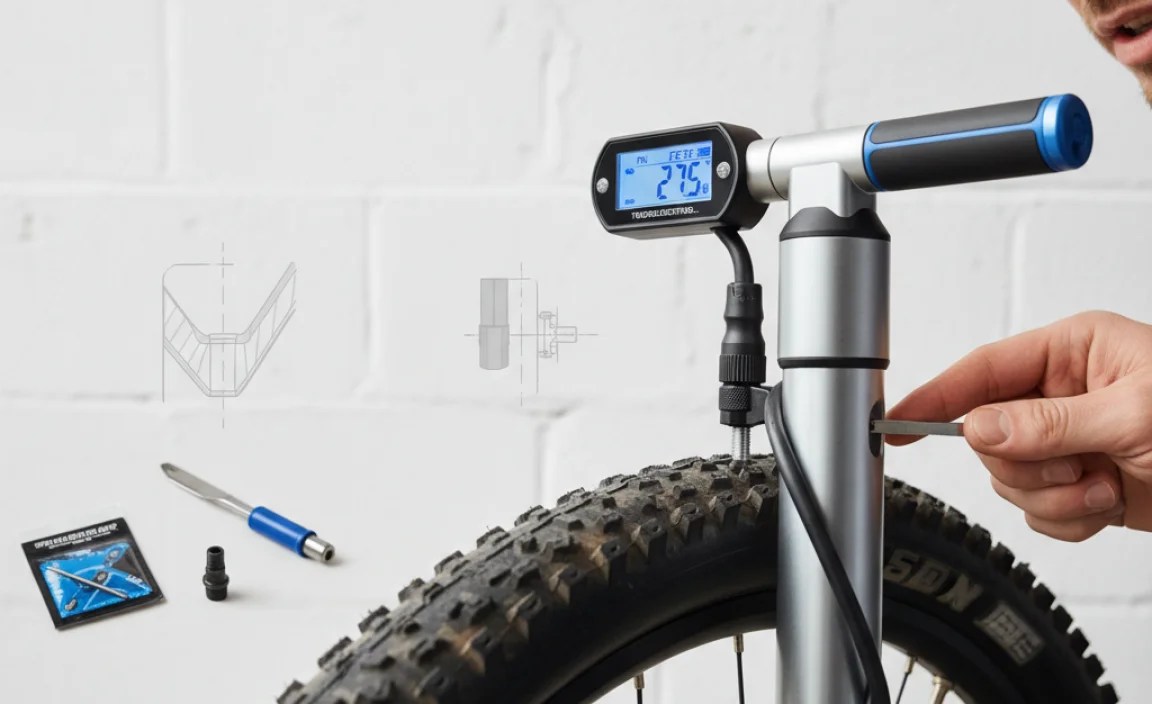
Even with the right pump, you might encounter some issues. Here’s how to troubleshoot them:
- Air Leaks: Ensure the pump head is securely attached to the valve. Check for wear or damage on the pump head and valve.
- Difficulty Pumping: Make sure the pump is properly lubricated. Check for obstructions in the pump hose or valve.
- Incorrect Pressure Readings: Calibrate your pump’s pressure gauge. Compare readings with another gauge to verify accuracy.
- Valve Issues: Clean or replace the valve core if it’s clogged or damaged. Ensure the valve nut is properly tightened.
Recommended Pumps for 27.5-Inch Tires
Here are a few top-rated pumps for 27.5-inch tires, catering to different needs and budgets:
| Pump Type | Recommended Model | Key Features | Price Range |
|---|---|---|---|
| Floor Pump | Topeak Joe Blow Sport III | Durable construction, easy-to-read gauge, comfortable handle | $40 – $60 |
| Mini-Pump | Lezyne Micro Floor Drive HP | Compact size, high pressure output, integrated foot peg | $50 – $70 |
| CO2 Inflator | Genuine Innovations Ultraflate CO2 Inflator | Lightweight, easy to use, compatible with Presta and Schrader valves | $20 – $30 |
| Frame-Mounted Pump | Topeak Road Morph G Mini Pump | Converts to floor pump with fold out foot pad, integrated gauge | $45 – $55 |
Maintaining Your Bike Pump
Proper maintenance ensures your pump remains reliable and efficient. Here are some tips:
- Clean the Pump Head: Regularly clean the pump head to remove dirt and debris that can cause air leaks.
- Lubricate Moving Parts: Apply a small amount of lubricant to the pump’s moving parts, such as the piston and seals, to keep them operating smoothly.
- Check for Wear and Tear: Inspect the pump hose, valve connectors, and handle for signs of wear or damage. Replace any worn parts promptly.
- Store Properly: Store your pump in a dry, protected area to prevent rust and corrosion.
Tips for Efficient Inflation
Maximize your pumping efficiency with these helpful tips:
- Use Your Body Weight: When using a floor pump, lean into the handle to use your body weight for leverage.
- Maintain a Steady Rhythm: Pump with a consistent, rhythmic motion to maintain a smooth airflow.
- Avoid Over-Inflation: Always stay within the recommended pressure range to prevent tire damage or blowouts.
- Check Pressure Regularly: Use a pressure gauge to check your tire pressure before each ride, especially if you’re using tubeless tires.
FAQ About Pumps for 27.5-Inch Tires
Here are some frequently asked questions about pumps for 27.5-inch tires:
What PSI should I inflate my 27.5-inch tires to?
The ideal PSI for 27.5-inch tires typically ranges from 30 to 65 PSI for mountain bikes. Always check the recommended pressure range printed on the tire sidewall.
Can I use the same pump for both Presta and Schrader valves?
Yes, many pumps come with dual heads or adapters that are compatible with both Presta and Schrader valves. Check the pump’s specifications to ensure compatibility.
Is a floor pump necessary for 27.5-inch tires?
While not strictly necessary, a floor pump is highly recommended for its ease of use, accuracy, and efficiency. It makes inflating tires much quicker and easier than a mini-pump.
How often should I check my tire pressure?
It’s best to check your tire pressure before each ride, especially if you’re using tubeless tires. Tire pressure can decrease over time due to natural air loss.
What’s the difference between a high-volume and a high-pressure pump?
High-volume pumps deliver a large amount of air with each stroke, making them ideal for quickly filling tires. High-pressure pumps deliver less air but can reach higher pressures, making them better for fine-tuning tire pressure.
Can I use a CO2 inflator for regular tire inflation?
While CO2 inflators are great for emergency repairs, they are not ideal for regular tire inflation. CO2 cartridges are single-use and can be wasteful. It’s better to use a floor pump or mini-pump for everyday inflation.
How do I know if my pump is compatible with tubeless tires?
Most modern pumps are compatible with tubeless tires. Look for pumps that have a secure valve connection and can deliver accurate pressure readings, as precise pressure is crucial for tubeless setups.
Conclusion
Choosing the right {pump for 27.5 inch tires} doesn’t have to be a chore. By understanding your needs and the types of pumps available, you can make an informed decision. A floor pump is excellent for home use, providing accuracy and power, while a mini-pump or CO2 inflator is perfect for on-the-go repairs. Remember to consider valve compatibility, pressure output, and durability when making your selection. With the right pump and a little practice, you’ll be able to keep your 27.5-inch tires properly inflated and enjoy smooth, confident rides every time. Happy cycling!


