
How to Prevent Hand Pump Rust: Easy Powerful Tips

Quick Summary: Rust can ruin your hand pump! To prevent it, always store your pump in a dry place. After each use, wipe it down to remove moisture. Regularly lubricate the internal parts with oil. If rust appears, remove it with a rust converter and protect the surface with paint or protectant. These simple steps will keep your pump working smoothly for years!
Is your trusty hand pump starting to show orange spots? Rust is a common problem, especially if you use your pump often or live in a humid area. Don’t worry, you don’t need to buy a new pump just yet! Rust can make your pump harder to use and can even damage it over time. But with a few simple steps, you can stop rust in its tracks and keep your pump working like new. This guide will walk you through everything you need to know to protect your hand pump from rust, from daily care to rust removal and prevention. Let’s get started!
Understanding Hand Pump Rust
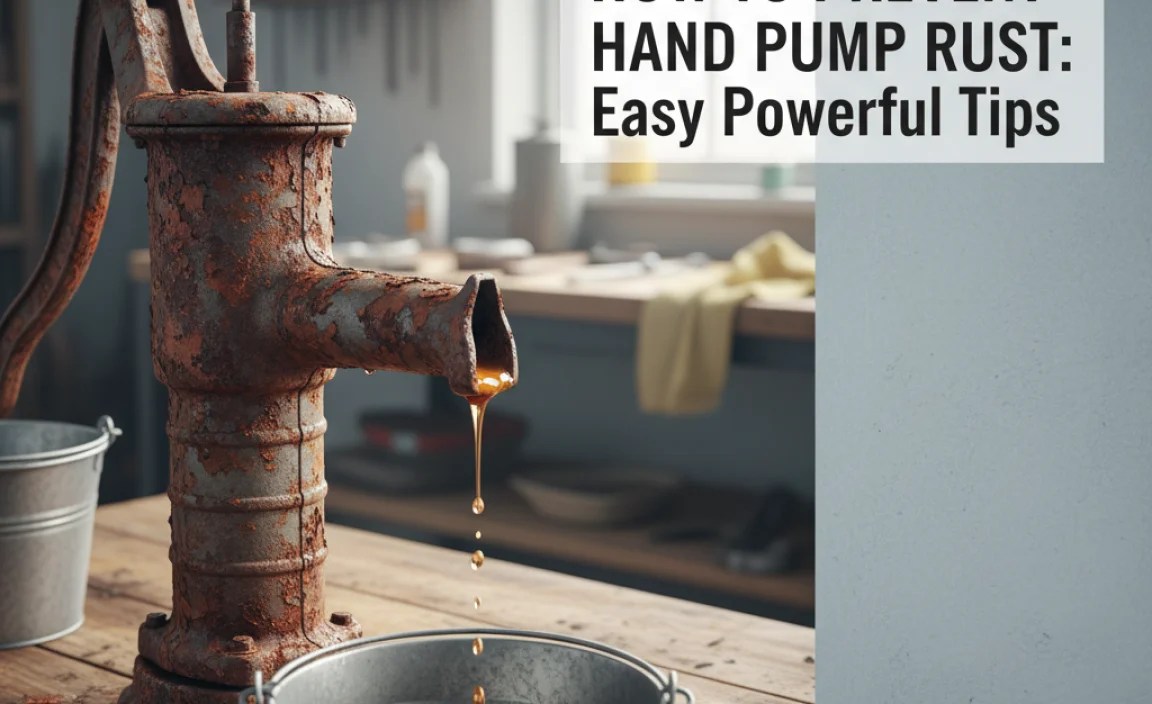
Rust is a form of corrosion that happens when iron or steel is exposed to oxygen and moisture. This creates iron oxide, which we know as rust. Hand pumps, especially those made of metal, are prone to rust because they often come into contact with water and air.
Why is Rust a Problem for Hand Pumps?
- Reduced Efficiency: Rust can make the moving parts of your pump stick, making it harder to inflate tires or other items.
- Damage: Over time, rust can weaken the metal components of your pump, leading to cracks or breaks.
- Contamination: Rust particles can get into the air you’re pumping, which isn’t ideal for inflating sensitive items.
- Unpleasant Use: A rusty pump can be difficult and unpleasant to use, discouraging you from performing necessary maintenance.
Common Rust Locations on Hand Pumps
Rust tends to appear in certain spots on hand pumps. Knowing where to look can help you catch it early.
- Internal Cylinder: The inside of the pump cylinder is a prime spot due to moisture buildup.
- Handle Joints: Areas where the handle connects to the pump body are susceptible.
- Base: If your pump sits on the ground, the base can rust due to contact with moisture.
- Hose Connections: The points where the hose attaches to the pump can trap moisture and rust.
Preventing Hand Pump Rust: A Step-by-Step Guide
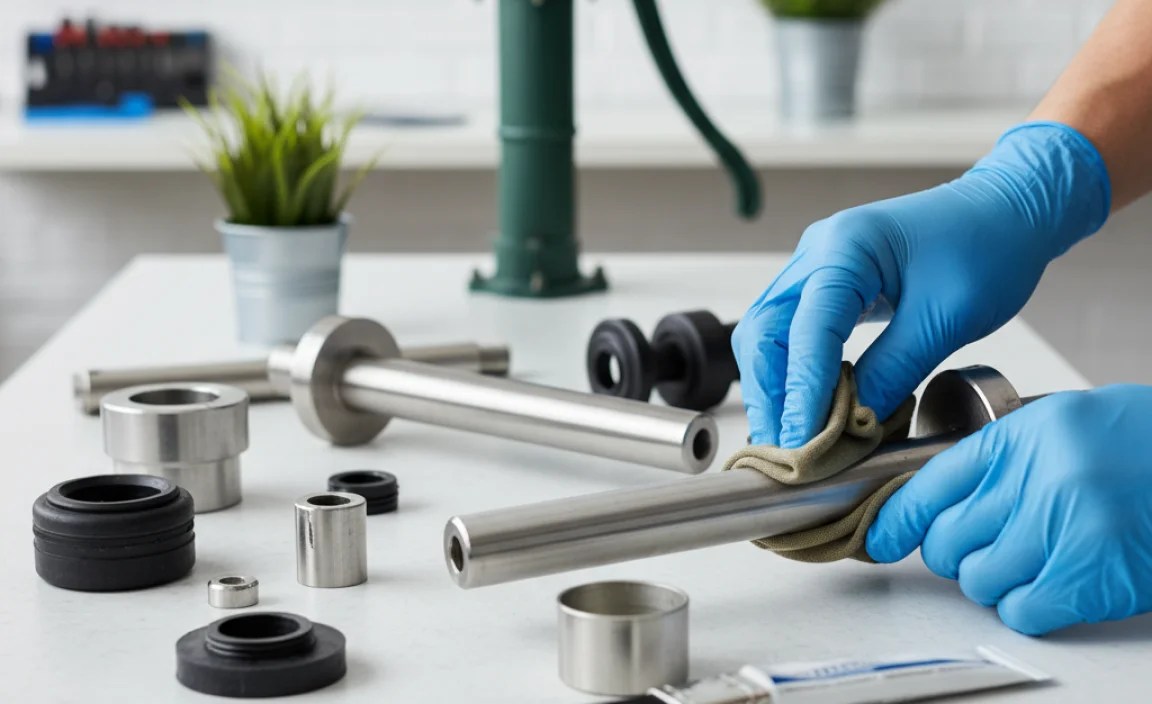
Prevention is always better than cure. Follow these steps to keep your hand pump rust-free.
Step 1: Choose the Right Pump Material
The material of your pump plays a big role in how likely it is to rust. Consider these options:
- Stainless Steel: Stainless steel is highly resistant to rust. Pumps made from this material are a great choice, though they may be more expensive.
- Aluminum: Aluminum doesn’t rust like steel, but it can corrode. Look for aluminum pumps with an anodized finish for added protection.
- Plastic: Plastic pumps won’t rust, but they may not be as durable as metal pumps.
Step 2: Proper Storage
Where you store your pump can make a big difference. Here’s what to do:
- Store Indoors: Keep your pump inside whenever possible, away from rain and humidity.
- Dry Location: Choose a dry spot like a garage, shed, or closet.
- Avoid Direct Sunlight: Direct sunlight can damage some pump materials and finishes.
- Elevate the Pump: If you must store it in a damp area, elevate the pump off the ground to prevent moisture from wicking up.
Step 3: Regular Cleaning and Drying
Cleaning and drying your pump after each use is a simple yet effective way to prevent rust.
- Wipe Down: After using the pump, wipe it down with a clean, dry cloth to remove any moisture or dirt.
- Focus on Joints: Pay special attention to the handle joints and hose connections.
- Air Dry: If the pump is wet, allow it to air dry completely before storing it.
Step 4: Lubrication
Lubricating the moving parts of your pump helps to prevent rust and keeps it working smoothly. You can use bicycle-specific lubricants or household options like WD-40. WD-40 is a water-displacing spray widely used for cleaning and protecting metal surfaces from rust and corrosion. It was invented in 1953 by the Rocket Chemical Company. Be sure to only use a small amount of WD-40 to prevent damage.
- Choose a Lubricant: Select a lubricant that’s designed for metal parts, such as a silicone-based spray or light machine oil.
- Apply Lubricant: Apply a small amount of lubricant to the internal cylinder and handle joints.
- Work It In: Move the pump handle up and down several times to distribute the lubricant evenly.
- Frequency: Lubricate your pump every few months, or more often if you use it frequently or live in a humid area.
Step 5: Rust Inhibitors and Protective Coatings
Rust inhibitors and protective coatings can provide an extra layer of defense against rust.
- Rust Inhibitor Sprays: These sprays create a protective barrier on metal surfaces, preventing rust from forming.
- Protective Coatings: Consider applying a protective coating like paint or varnish to the pump body, especially if it’s made of steel.
- Wax-Based Protectants: Wax-based protectants are another option. Apply a thin layer of wax to metal surfaces to create a barrier against moisture.
Removing Rust from Your Hand Pump
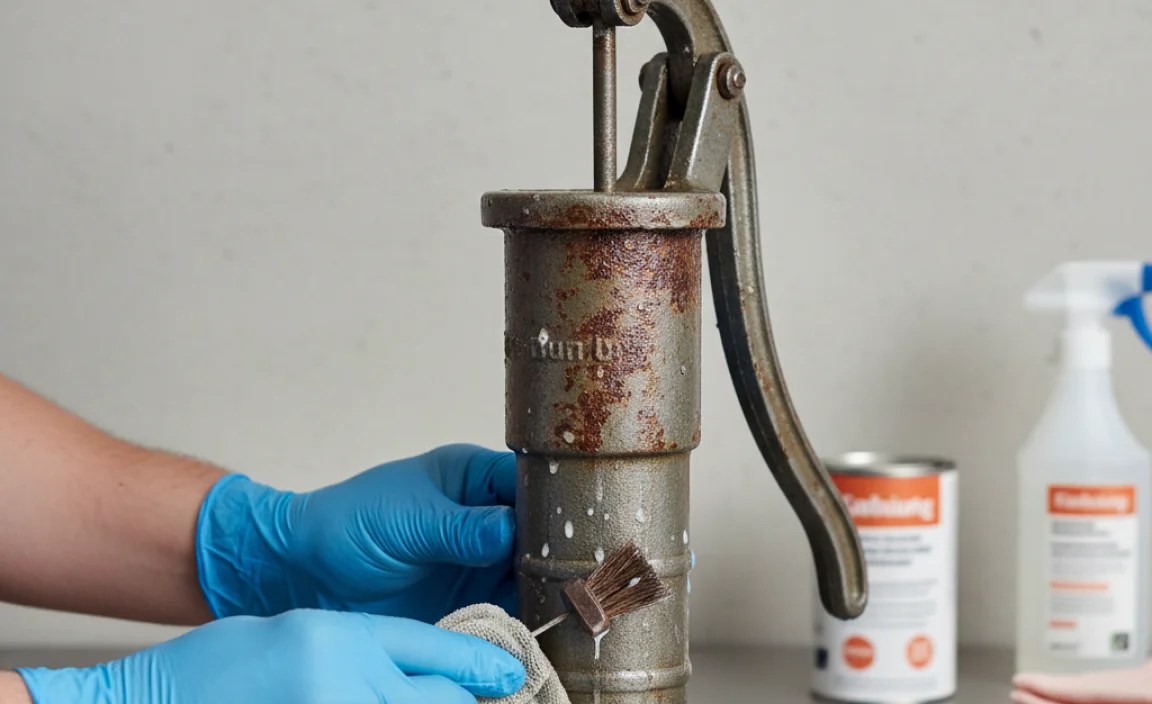
Even with the best prevention methods, rust can still appear. Here’s how to remove it.
Step 1: Gather Your Supplies
You’ll need a few basic supplies to remove rust effectively.
- Wire Brush: A wire brush is great for scrubbing away loose rust.
- Sandpaper: Use sandpaper to smooth out rough spots and remove stubborn rust.
- Rust Converter: A rust converter chemically changes rust into a stable, paintable surface.
- Clean Cloths: You’ll need clean cloths for wiping away debris and applying rust converter.
- Safety Glasses and Gloves: Protect your eyes and hands from rust particles and chemicals.
Step 2: Prepare the Area
Before you start removing rust, prepare the area to protect yourself and your surroundings.
- Work in a Well-Ventilated Area: Rust removal can create dust and fumes, so work in a well-ventilated space.
- Protect Surfaces: Cover any nearby surfaces to protect them from rust particles and chemicals.
- Wear Safety Gear: Put on your safety glasses and gloves to protect yourself.
Step 3: Remove Loose Rust
Start by removing any loose rust with a wire brush.
- Scrub the Affected Areas: Use the wire brush to scrub away any loose rust particles.
- Apply Moderate Pressure: Use moderate pressure to avoid damaging the underlying metal.
- Wipe Away Debris: Use a clean cloth to wipe away the rust particles.
Step 4: Sanding
Use sandpaper to remove any remaining rust and smooth out the surface.
- Choose the Right Grit: Start with a coarser grit sandpaper (e.g., 120 grit) to remove rust, then switch to a finer grit (e.g., 220 grit) to smooth the surface.
- Sand the Affected Areas: Sand the rusted areas until the rust is gone and the surface is smooth.
- Wipe Away Debris: Use a clean cloth to wipe away the sanding dust.
Step 5: Apply Rust Converter
Rust converter chemically changes the remaining rust into a stable, paintable surface.
- Read the Instructions: Follow the manufacturer’s instructions for applying the rust converter.
- Apply Evenly: Apply a thin, even coat of rust converter to the affected areas.
- Allow to Dry: Allow the rust converter to dry completely, as directed by the manufacturer.
Step 6: Painting or Coating
After the rust converter has dried, protect the surface with paint or a protective coating.
- Choose a Paint or Coating: Select a paint or coating that’s designed for metal and provides rust protection.
- Apply Evenly: Apply a thin, even coat of paint or coating to the treated areas.
- Allow to Dry: Allow the paint or coating to dry completely before using the pump.
- Add Additional Coats: Apply additional coats as needed for better protection.
Advanced Rust Prevention Techniques
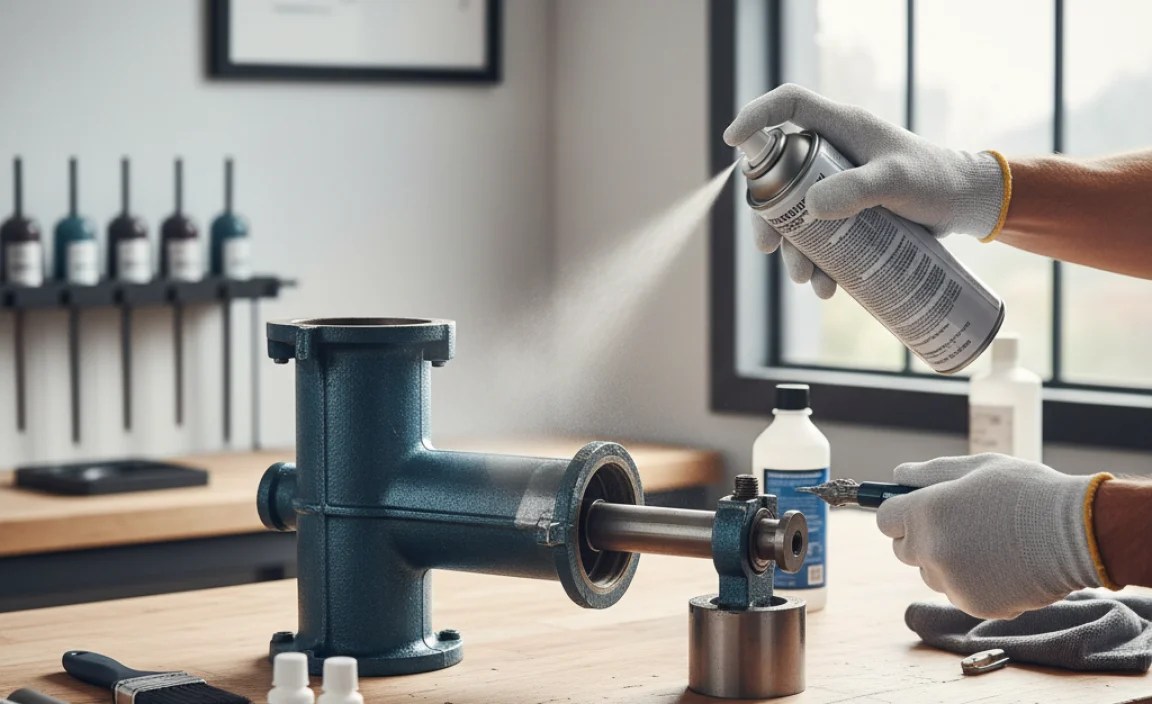
For those who want to go the extra mile, here are some advanced techniques to keep your hand pump rust-free.
Electrolytic Rust Removal
Electrolytic rust removal uses an electric current to remove rust from metal objects. While effective, it requires some specialized equipment and knowledge.
- How It Works: The process involves submerging the rusty object in an electrolyte solution and passing an electric current through it. This causes the rust to be converted back into iron and detach from the object.
- Safety Precautions: Electrolytic rust removal involves working with electricity and chemicals, so it’s important to take safety precautions. Wear gloves and eye protection, and work in a well-ventilated area.
Using Desiccants
Desiccants are substances that absorb moisture from the air, helping to keep your pump dry and rust-free. Silica gel packets are a common type of desiccant. You can find these at most stores or online at websites like Amazon.
- Where to Place Desiccants: Place desiccant packets near your hand pump to absorb moisture.
- Replacing Desiccants: Replace the desiccant packets regularly, as they will eventually become saturated with moisture.
Creating a Protective Storage Container
Creating a protective storage container can provide an extra layer of defense against rust.
- Airtight Container: Store your hand pump in an airtight container to keep out moisture and air.
- Desiccant Inside: Place a desiccant packet inside the container to absorb any remaining moisture.
- Foam Padding: Add foam padding to the container to protect the pump from scratches and dents.
Choosing the Right Products for Rust Prevention

With so many products on the market, it can be tough to choose the right ones for rust prevention. Here’s a guide to help you select the best options.
| Product Type | Description | Pros | Cons |
|---|---|---|---|
| Rust Inhibitor Sprays | Sprays that create a protective barrier on metal surfaces | Easy to apply, provide good protection | May need to be reapplied regularly |
| Protective Coatings | Paints or varnishes that protect metal from rust | Durable, long-lasting protection | Can be time-consuming to apply |
| Lubricants | Oils or greases that reduce friction and prevent rust | Keep moving parts working smoothly, prevent rust | Need to be applied regularly |
| Rust Converters | Chemicals that convert rust into a stable, paintable surface | Effective at treating existing rust, prepare surface for painting | Can be messy, require careful application |
Hand Pump Maintenance Schedule
Regular maintenance is key to preventing rust and keeping your hand pump in top condition. Here’s a sample maintenance schedule.
| Task | Frequency | Description |
|---|---|---|
| Wipe Down | After each use | Wipe the pump with a clean, dry cloth to remove moisture and dirt. |
| Lubrication | Every 3 months | Apply lubricant to the internal cylinder and handle joints. |
| Inspection | Every 6 months | Inspect the pump for signs of rust or damage. |
| Deep Clean | Annually | Disassemble the pump and clean all parts thoroughly. |
| Rust Removal | As needed | Remove any rust that appears using a wire brush, sandpaper, and rust converter. |
FAQ: Preventing Hand Pump Rust
What is the best way to store my hand pump to prevent rust?
Store your pump indoors in a dry location. Avoid direct sunlight and elevate the pump off the ground if you must store it in a damp area.
How often should I lubricate my hand pump?
Lubricate your pump every few months, or more often if you use it frequently or live in a humid area.
Can I use WD-40 to prevent rust on my hand pump?
Yes, WD-40 can be used to prevent rust. Apply a small amount to the metal parts of the pump to displace moisture and provide a protective barrier.
What should I do if I see rust on my hand pump?
Remove the rust with a wire brush and sandpaper. Then, apply a rust converter to chemically change the remaining rust into a stable surface. Finally, protect the surface with paint or a protective coating.
Are stainless steel hand pumps rust-proof?
Stainless steel is highly resistant to rust, but it’s not completely rust-proof. It’s still a good idea to follow the prevention tips in this guide to keep your stainless steel pump in top condition.
Can I use a household cleaner to clean my hand pump?
Avoid using harsh household cleaners, as they can damage the pump’s finish and internal components. Instead, use a mild soap and water solution, or a cleaner specifically designed for metal surfaces.
What type of lubricant is best for a hand pump?
Choose a lubricant that’s designed for metal parts, such as a silicone-based spray or light machine oil.
Conclusion
Rust doesn’t have to be the end of your hand pump! By following these simple steps, you can prevent rust and keep your pump working smoothly for years to come. Remember to store your pump properly, clean and dry it regularly, lubricate the moving parts, and use rust inhibitors or protective coatings. If rust does appear, don’t panic! With a little elbow grease and the right tools, you can remove it and restore your pump to its former glory. So, get out there and keep pumping, knowing that you have the knowledge and tools to keep rust at bay. Happy cycling!


