
How to Choose CO2 Inflator Size (16g vs 25g)? Smart Guide

Do you need to fill a bike tire fast? A CO2 inflator can help you. But how do you pick the right size? Should you use a 16g or 25g CO2 cartridge? Knowing how to choose CO2 inflator size (16 g vs 25 g) is important. It helps you get back on your bike quickly and safely.
Picking the right size can seem hard. Don’t worry! We will help you learn how. This guide will make it easy to choose the best size for your needs. Let’s get started and learn all about CO2 inflators!
Key Takeaways
- Choosing the correct CO2 inflator size ensures proper tire inflation.
- How to choose CO2 inflator size (16 g vs 25 g) depends on tire volume.
- A 16g cartridge is good for road bikes, while 25g is for larger tires.
- Always check your tire’s recommended pressure before inflating.
- Practice using your CO2 inflator before you need it on the road.
Understanding CO2 Inflator Cartridge Sizes

CO2 inflators are handy tools for quickly filling bike tires. They use small cartridges filled with carbon dioxide gas. These cartridges come in different sizes, mostly 16g and 25g. Knowing the difference is key. The 16g cartridge is smaller and lighter. It’s often used for road bikes with thinner tires. These tires don’t need as much air to reach the right pressure. A 25g cartridge holds more CO2. It’s better for mountain bikes or larger tires. These tires need more air to inflate fully. Using the wrong size can lead to problems. Too little CO2, and your tire won’t be firm enough. Too much, and you risk overinflating and damaging the tire. So, understanding the sizes helps you choose the right one for your bike and tires.
- 16g cartridges are smaller and lighter.
- 25g cartridges hold more CO2.
- Road bikes often use 16g cartridges.
- Mountain bikes often use 25g cartridges.
- Correct size prevents under or over inflation.
Think of it like this: a small water bottle (16g) is good for a quick drink. A larger bottle (25g) is better when you are really thirsty. The same idea applies to CO2 inflators. Smaller tires need less CO2, just like a quick drink. Bigger tires need more, like when you are very thirsty! Choosing the right size helps you get back to riding faster. It also keeps your tires safe. Always check what size your tires need before you ride. This way, you will be ready if you get a flat tire. Carry the right size CO2 cartridge for your bike. This will make your rides safer and more fun.
What is CO2 and How Does it Work?
Have you ever wondered what CO2 is? CO2 stands for carbon dioxide. It is a gas that we breathe out. Plants use it to grow. In a CO2 inflator, the CO2 is packed tightly into a small cartridge. When you use the inflator, the CO2 rushes out very quickly. This fast rush of gas fills your tire. It’s like opening a soda bottle and seeing the fizz come out. But, instead of fizz, you get air for your tire. CO2 works because it can be stored in a small space as a liquid. When released, it turns back into a gas and expands. This expansion is what inflates your tire. This is why CO2 inflators are so small and powerful. They let you carry a lot of air in a tiny package.
Why are CO2 Inflators Useful for Bikes?
Imagine you are riding your bike and get a flat tire. What do you do? With a regular pump, it can take a long time to fill the tire. A CO2 inflator can fill it in seconds! This is why CO2 inflators are so useful. They are fast and easy to use. They are also small and light, so you can carry them easily. Many riders keep one in their bike bag. This way, they are always ready for a flat tire. CO2 inflators are great for races. They help racers get back to the race quickly. But they are also good for everyday riding. They make fixing a flat tire much faster and easier. This means you can spend more time riding and less time fixing.
Are There Any Downsides to Using CO2?
CO2 inflators are super useful, but they have some downsides. One problem is that CO2 leaks out of tires faster than regular air. This means you might need to refill your tire sooner. Another issue is that CO2 cartridges can get very cold when used. This can hurt your hands. Some inflators have a cover to protect your hands. Also, you can only use a CO2 cartridge once. After it’s empty, you need a new one. This can cost more than using a regular pump. Finally, CO2 is a greenhouse gas. Using many cartridges can be bad for the environment. So, while CO2 inflators are fast and easy, they are not perfect. It is important to know these things before you use one.
Fun Fact or Stat: CO2 inflators can fill a tire in under 30 seconds, while a hand pump can take several minutes!
Factors to Consider When Choosing Size

Choosing the right CO2 inflator size depends on a few things. First, think about your tire size. Bigger tires need more CO2. Road bikes with thin tires often work well with 16g cartridges. Mountain bikes with wider tires may need 25g cartridges. Next, think about the tire pressure you need. Road bikes usually need higher pressure than mountain bikes. Check your tire’s sidewall. It will tell you the recommended pressure. Also, consider how often you ride. If you ride a lot, you might want to carry extra cartridges. This way, you are ready for more than one flat tire. Finally, think about your comfort level. Some people find it easier to use a larger cartridge. It can fill the tire faster. But smaller cartridges are lighter to carry. Knowing these factors helps you pick the best CO2 inflator for your needs.
- Consider your tire size and type.
- Check your tire’s recommended pressure.
- Think about how often you ride.
- Consider carrying extra cartridges.
- Choose a size you are comfortable using.
Imagine you are baking a cake. You need the right amount of each ingredient. Too much or too little, and the cake won’t be good. Choosing a CO2 inflator is similar. You need the right amount of CO2 for your tire. A 16g cartridge might be perfect for a road bike tire. But it might not be enough for a mountain bike tire. Always check your tire size and pressure needs. This will help you choose the best cartridge size. Think about your riding style too. If you ride far from home, carry extra cartridges. This way, you will always be prepared. Picking the right size makes fixing a flat tire easier and faster.
What is Your Tire Size?
Do you know your tire size? It’s important for picking the right CO2 inflator. Tire size is usually shown on the side of your tire. It looks like this: 700x25c or 26×2.1. The first number is the diameter of the tire. The second number is the width. Road bike tires are usually narrow. They might be 23mm to 28mm wide. Mountain bike tires are wider. They can be 2.0 inches to 2.5 inches wide. Wider tires need more air. So, a 25g cartridge is often better for them. Knowing your tire size helps you choose the right CO2 inflator. It makes sure you have enough CO2 to fill your tire properly.
What is Your Ideal Tire Pressure?
Tire pressure is how much air is in your tire. It’s measured in PSI (pounds per square inch). Your tire’s ideal pressure is also on the tire sidewall. Road bike tires often need high pressure. This can be 80 to 120 PSI. Mountain bike tires need lower pressure. This might be 25 to 35 PSI. The right pressure makes your ride smoother and faster. It also helps prevent flat tires. A 16g cartridge might be enough for a road bike tire at high pressure. But a mountain bike tire might need a 25g cartridge to reach the right pressure. Always check your tire pressure before you ride. This helps you have a safe and fun ride.
How Often Do You Ride?
How often do you ride your bike? If you ride every day, you are more likely to get a flat tire. This means you should be prepared. Carry extra CO2 cartridges with you. If you only ride once in a while, one cartridge might be enough. Think about where you ride too. If you ride far from home, bring more cartridges. You don’t want to be stuck with a flat tire and no way to fix it. Also, practice using your CO2 inflator at home. This way, you will know how to use it when you need it. Being prepared makes riding more fun and less stressful.
Fun Fact or Stat: Road bike tires usually need 80-120 PSI, while mountain bike tires often need only 25-35 PSI!
16g Cartridges: When Are They Best?

16g CO2 cartridges are small and light. They are best for road bikes with thinner tires. These tires don’t need as much air to inflate. A 16g cartridge can usually fill a road bike tire to the right pressure. They are also good for riders who want to save weight. If you are racing, every gram counts. A smaller cartridge can make a difference. However, 16g cartridges might not be enough for larger tires. If you have a mountain bike or a hybrid bike, you might need a bigger size. Always check your tire size and pressure needs. This will help you decide if a 16g cartridge is the right choice. They are a great option for road bike riders who want a light and easy solution.
- Best for road bikes with thin tires.
- Good for saving weight during races.
- Can fill a road bike tire to the right pressure.
- Might not be enough for larger tires.
- Check your tire size before choosing.
Imagine you are going on a long run. You want to carry as little as possible. A small water bottle would be perfect. It gives you enough water without weighing you down. A 16g CO2 cartridge is like that small water bottle. It’s light and compact. It gives you enough CO2 to fill a road bike tire. If you are a road bike rider, a 16g cartridge is a great choice. It will help you fix a flat tire quickly and easily. Just remember to check your tire pressure. Make sure the 16g cartridge can fill it to the right level. This will keep you riding smoothly and safely.
Are 16g Cartridges Enough for Road Bikes?
Yes, 16g cartridges are often enough for road bikes. Road bike tires are usually smaller. They don’t need as much air as mountain bike tires. A 16g cartridge can typically fill a road bike tire to 100-120 PSI. This is the pressure that most road bike tires need. But, it’s always a good idea to check your tire’s recommended pressure. Some wider road bike tires might need a bit more CO2. If you are not sure, try using a 25g cartridge. It’s better to have too much CO2 than not enough. However, for most road bike riders, a 16g cartridge is a good choice. It’s light, compact, and effective.
How Many Tires Can a 16g Cartridge Fill?
A 16g CO2 cartridge can usually fill one road bike tire. It’s designed for a single use. Once you use it, the cartridge is empty. You will need a new one to fill another tire. This is why it’s a good idea to carry extra cartridges. If you get two flat tires on a ride, you will be prepared. Some people try to use a 16g cartridge for two tires. But this usually doesn’t work well. The tire won’t be filled to the right pressure. It’s better to use one cartridge per tire. This ensures that your tire is properly inflated. Always carry enough cartridges for your ride.
What are the Benefits of 16g Cartridges?
There are many benefits to using 16g CO2 cartridges. They are small and light. This makes them easy to carry on your bike. They are also quick and easy to use. You can fill a tire in seconds. This is much faster than using a hand pump. 16g cartridges are also affordable. You can buy them in packs at most bike shops. They are a great option for road bike riders who want a simple and effective solution. They help you fix a flat tire quickly and get back to riding. Just remember to use them safely and carry extra cartridges.
Fun Fact or Stat: A 16g CO2 cartridge weighs about the same as two tablespoons of water!
25g Cartridges: When Are They Needed?

25g CO2 cartridges are larger than 16g ones. They are needed for bigger tires that require more air. Mountain bikes and some hybrid bikes often use these. If your tire is wide, a 25g cartridge is a better choice. It can fill the tire to the right pressure. These cartridges are also useful for tubeless tires. Tubeless tires need a quick burst of air to seal properly. A 25g cartridge provides that extra power. However, they are heavier than 16g cartridges. Road bike riders might find them too bulky. Always check your tire size and pressure needs. This will help you decide if a 25g cartridge is necessary. They are a great option for riders with larger tires.
| Feature | 16g Cartridge | 25g Cartridge |
|---|---|---|
| Tire Type | Road Bike | Mountain Bike |
| Tire Size | Narrow | Wide |
| Weight | Lighter | Heavier |
| Best For | Speed and Efficiency | Volume and Tubeless |
Imagine you are blowing up a big balloon. You need a lot of air to fill it. A 25g CO2 cartridge is like a big breath of air. It gives you the extra power you need to fill a large tire. If you have a mountain bike, a 25g cartridge is a good choice. It will help you fix a flat tire quickly and easily. Just remember that it’s heavier than a 16g cartridge. So, if you are trying to save weight, it might not be the best option. Always check your tire size and pressure. This will help you decide if you need the extra power of a 25g cartridge. This will keep you riding safely on the trails.
Are 25g Cartridges Good for Mountain Bikes?
Yes, 25g cartridges are often good for mountain bikes. Mountain bike tires are usually larger. They need more air to inflate properly. A 25g cartridge can typically fill a mountain bike tire to 25-35 PSI. This is the pressure that most mountain bike tires need. This extra volume is essential for the wider tires. If you are not sure, it’s always better to use a larger cartridge. It ensures that your tire is fully inflated. This gives you better control and traction on the trails. So, if you are a mountain bike rider, a 25g cartridge is a great choice.
Can 25g Cartridges Overinflate a Road Bike Tire?
Yes, 25g cartridges can overinflate a road bike tire. Road bike tires need less air than mountain bike tires. Using a 25g cartridge on a road bike tire can put too much pressure in the tire. This can cause the tire to explode. Always be careful when using a CO2 inflator. Check your tire pressure as you inflate it. If you are using a 25g cartridge on a road bike tire, use short bursts. This will help you avoid overinflation. It’s also a good idea to use an inflator with a pressure gauge. This will help you monitor the pressure as you inflate the tire.
What are the Drawbacks of 25g Cartridges?
There are a few drawbacks to using 25g CO2 cartridges. They are heavier and bulkier than 16g cartridges. This can make them less convenient to carry on your bike. They are also more expensive than 16g cartridges. If you are on a budget, this might be a concern. Also, they can overinflate a road bike tire. This can be dangerous. However, for mountain bike riders, the benefits often outweigh the drawbacks. The extra power and volume are essential for filling larger tires. Just be aware of the potential drawbacks before you choose a 25g cartridge.
Fun Fact or Stat: A 25g CO2 cartridge can fill a mountain bike tire almost twice as fast as a hand pump!
Using CO2 Inflators Safely
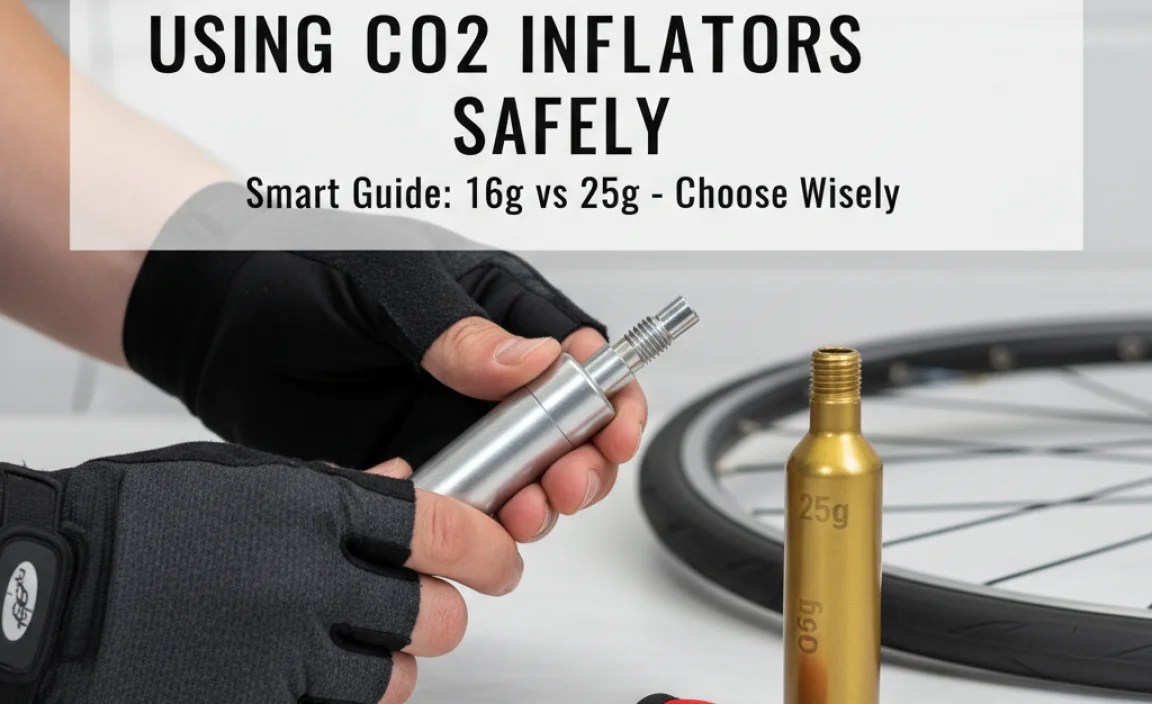
Using CO2 inflators safely is very important. CO2 cartridges get very cold when used. This can cause frostbite if you touch them directly. Always wear gloves or use a sleeve when using a CO2 inflator. Point the inflator away from your face and body. This prevents injury if the cartridge leaks. Do not overinflate your tire. Check the pressure regularly as you inflate it. Overinflating can cause the tire to explode. Also, be careful when removing the inflator from the valve. The remaining CO2 can be very cold. Finally, dispose of used cartridges properly. Do not leave them on the trail. Recycle them if possible. Following these safety tips will help you use CO2 inflators safely.
- Wear gloves to protect your hands.
- Point the inflator away from your body.
- Do not overinflate your tire.
- Check the pressure regularly.
- Dispose of used cartridges properly.
Imagine you are cooking with hot oil. You need to be careful not to burn yourself. Using a CO2 inflator is similar. You need to take precautions to avoid injury. Always wear gloves to protect your hands from the cold. Point the inflator away from your face to avoid any leaks. Check your tire pressure often to avoid overinflation. These simple steps will help you use a CO2 inflator safely. Remember, safety is always the most important thing. By following these tips, you can fix a flat tire quickly and safely. This will keep you riding smoothly and confidently.
What Happens if You Touch a Cold Cartridge?
If you touch a cold CO2 cartridge, you can get frostbite. Frostbite is when your skin freezes. It can be very painful. The cold from the CO2 cartridge can freeze your skin in seconds. This is why it’s important to wear gloves. Gloves protect your hands from the cold. If you don’t have gloves, use a sleeve or a cloth. Anything that creates a barrier between your skin and the cartridge. If you do get frostbite, run warm water over the affected area. Do not use hot water. Hot water can damage your skin. Seek medical attention if the frostbite is severe. Always protect your hands when using a CO2 inflator.
How Do You Avoid Overinflating Your Tire?
Overinflating your tire can be dangerous. It can cause the tire to explode. This can lead to a crash. To avoid overinflating your tire, check the pressure often. Use an inflator with a pressure gauge. This will help you monitor the pressure as you inflate the tire. Also, use short bursts of CO2. This prevents the tire from inflating too quickly. Check the recommended pressure on your tire’s sidewall. Do not exceed this pressure. If you are not sure, it’s better to underinflate the tire slightly. This is safer than overinflating it. Always be careful when using a CO2 inflator.
How Should You Dispose of Used Cartridges?
It’s important to dispose of used CO2 cartridges properly. Do not leave them on the trail. This is bad for the environment. Recycle them if possible. Some bike shops have recycling programs for CO2 cartridges. Check with your local bike shop. If you can’t recycle them, dispose of them in the trash. Make sure they are completely empty before you throw them away. Also, be careful when handling used cartridges. They can still be cold. Following these steps will help you dispose of used cartridges responsibly.
Fun Fact or Stat: CO2 cartridges can reach temperatures as low as -76 degrees Fahrenheit when used!
Practice Before You Need It
Practicing with your CO2 inflator is a great idea. This way, you will know how to use it when you need it. Don’t wait until you have a flat tire on the road. Practice at home in a safe place. Read the instructions carefully. Make sure you understand how the inflator works. Try inflating an old tire. This will give you a feel for how much CO2 to use. Also, practice removing the inflator from the valve. Be careful, as the remaining CO2 can be cold. By practicing, you will be more confident and prepared. This will make fixing a flat tire much easier and faster. You will be able to get back to riding quickly and safely.
- Read the instructions carefully.
- Practice at home in a safe place.
- Try inflating an old tire.
- Practice removing the inflator.
- Be confident and prepared.
Imagine you are learning to ride a bike. You wouldn’t just jump on and start riding. You would practice in a safe place first. You would get a feel for how the bike handles. Practicing with a CO2 inflator is similar. You want to learn how to use it before you need it. This will help you avoid mistakes and frustration. Practice inflating an old tire. This will teach you how much CO2 to use. Practice removing the inflator. This will help you avoid getting frostbite. By practicing, you will be ready for anything. You will be able to fix a flat tire quickly and confidently. This will make your rides more enjoyable.
Why is Practice Important?
Practice is important because it builds confidence. It helps you learn how to use the inflator correctly. You don’t want to be fumbling with it on the side of the road. Practice also helps you avoid mistakes. You might accidentally overinflate the tire. Or you might not connect the inflator properly. These mistakes can be frustrating. By practicing, you can learn from your mistakes in a safe environment. This will make you more prepared for a real flat tire. It will also make you feel more confident and in control.
What Should You Practice?
You should practice all the steps involved in using a CO2 inflator. Start by reading the instructions. Then, practice connecting the inflator to the cartridge. Make sure it’s secure. Next, practice connecting the inflator to the tire valve. Make sure it’s also secure. Then, practice inflating the tire. Use short bursts of CO2. Check the pressure often. Finally, practice removing the inflator from the valve. Be careful of the cold CO2. By practicing all these steps, you will be fully prepared.
Where Should You Practice?
You should practice in a safe and comfortable place. Your garage or backyard is a good option. Choose a place where you have plenty of space. Also, choose a place where you won’t be disturbed. You want to be able to focus on what you are doing. Have all your tools ready. This includes the inflator, cartridges, gloves, and an old tire. By practicing in a good location, you will be more relaxed and focused. This will help you learn how to use the CO2 inflator effectively.
Fun Fact or Stat: Practicing can reduce the time it takes to fix a flat tire by up to 50%!
Alternatives to CO2 Inflators
CO2 inflators are great, but there are other options too. Hand pumps are a popular choice. They are reliable and don’t require cartridges. You can use them over and over again. However, they take longer to fill a tire. Electric pumps are another option. They are fast and easy to use. But they need batteries or a power source. Some riders carry both a CO2 inflator and a hand pump. This gives them a backup option. Tubeless tire repair kits are also useful. They can seal small punctures without needing to inflate the tire. Consider your needs and preferences when choosing an alternative. There are many ways to fix a flat tire. Find the one that works best for you.
- Hand pumps are reliable and reusable.
- Electric pumps are fast but need power.
- Carry both a CO2 and hand pump for backup.
- Tubeless repair kits seal small punctures.
- Consider your needs and preferences.
Imagine you are going on a camping trip. You need to decide how to cook your food. You could use a gas stove, a campfire, or a portable grill. Each option has its own pros and cons. Choosing an alternative to a CO2 inflator is similar. You need to consider the advantages and disadvantages of each option. A hand pump is like a campfire. It’s reliable but takes effort. An electric pump is like a gas stove. It’s fast but needs fuel. Consider your needs and preferences. Choose the option that works best for you. This will help you fix a flat tire easily and efficiently.
What are the Benefits of Hand Pumps?
Hand pumps have many benefits. They are reliable and reusable. You don’t need to buy cartridges. They are also environmentally friendly. They don’t produce any waste. Hand pumps are also affordable. You can buy a good hand pump for a reasonable price. They are a great option for riders who want a simple and sustainable solution. They help you fix a flat tire without relying on cartridges. Just be prepared to put in some effort. It takes longer to fill a tire with a hand pump.
When Should You Use an Electric Pump?
Electric pumps are useful in certain situations. They are great for inflating tires at home. You can quickly fill your tires to the right pressure. They are also useful for people with limited strength. They don’t require much effort. However, they are not as portable as hand pumps or CO2 inflators. They need batteries or a power source. This can be inconvenient on the road. Electric pumps are a good option for home use. But they might not be the best choice for every situation.
What About Tubeless Tire Repair Kits?
Tubeless tire repair kits are a great option for tubeless tires. They can seal small punctures without needing to inflate the tire. This can save you time and effort. They are also lightweight and easy to carry. However, they only work for small punctures. They won’t work for larger cuts or tears. Tubeless tire repair kits are a good addition to your repair kit. But they might not be enough for every flat tire. It’s a good idea to carry a CO2 inflator or hand pump as a backup.
Fun Fact or Stat: A good hand pump can inflate a tire to 100 PSI, but it can take several minutes!
Summary
Choosing the right CO2 inflator size is important for fixing flat tires quickly. A 16g cartridge is best for road bikes with smaller tires. It provides enough air to reach the needed pressure. A 25g cartridge is better for mountain bikes and larger tires. These tires need more air to inflate properly. Always check your tire size and recommended pressure before choosing a cartridge. Practice using your CO2 inflator at home. This will help you be prepared on the road. Remember to use CO2 inflators safely. Wear gloves and avoid overinflating your tires. Knowing how to choose CO2 inflator size (16 g vs 25 g) helps you ride with confidence.
Conclusion
Knowing how to choose CO2 inflator size (16 g vs 25 g) helps you fix flat tires faster. Consider your tire size and pressure needs. A 16g cartridge works for road bikes. Use a 25g cartridge for mountain bikes. Practice using your inflator before you need it. This makes fixing flats easier. Ride safe and have fun!
Frequently Asked Questions
Question No 1: What size CO2 cartridge should I use for my road bike?
Answer: For most road bikes, a 16g CO2 cartridge is usually sufficient. Road bike tires are typically narrower and require less volume to reach the recommended pressure. A 16g cartridge can often inflate a road bike tire to around 100-120 PSI, which is ideal for most road tires. However, it’s always a good idea to check your tire’s sidewall for the recommended pressure and ensure that the 16g cartridge can meet those needs. If you have wider road bike tires, you might consider a 25g cartridge for a bit more inflation power. Remember to practice using your CO2 inflator before you need it on the road!
Question No 2: Can I use a 25g cartridge on my road bike tires?
Answer: Yes, you can use a 25g CO2 cartridge on road bike tires, but you need to be very careful. A 25g cartridge can easily overinflate a road bike tire, potentially causing it to burst. If you choose to use a 25g cartridge, use it in short bursts and constantly check the tire pressure. It’s best to use an inflator with a pressure gauge to monitor the inflation. For road bikes, a 16g cartridge is generally a safer and more appropriate choice. If you’re unsure, it’s better to err on the side of caution and use the smaller cartridge to avoid the risk of overinflation and tire damage. Be sure to know how to choose CO2 inflator size (16 g vs 25 g) before your ride.
Question No 3: How do I know if my tire is properly inflated after using a CO2 inflator?
Answer: The best way to ensure your tire is properly inflated is to use an inflator with a built-in pressure gauge. This allows you to monitor the pressure as you inflate the tire and stop when you reach the recommended PSI, which is usually printed on the tire’s sidewall. If your inflator doesn’t have a gauge, you can use a separate handheld pressure gauge to check the pressure after inflating. You can also do a “squeeze test.” The tire should feel firm and not overly soft or hard. However, this method is less accurate than using a gauge. Always aim for the recommended pressure to ensure optimal performance and safety.
Question No 4: What should I do if I don’t use all the CO2 in a cartridge?
Answer: Once you puncture a CO2 cartridge, you cannot save the remaining gas for later. CO2 cartridges are designed for single-use only. Once punctured, the gas will escape, even if you don’t use it all at once. Therefore, it’s important to be prepared to inflate your tire fully when you use a CO2 cartridge. If you accidentally release too much gas, you may need to use another cartridge to reach the correct pressure. This is another reason why practicing with your CO2 inflator is so important. You will get a feel for how much gas is released and how quickly it inflates the tire. Understanding how to choose CO2 inflator size (16 g vs 25 g) helps you avoid wasting CO2.
Question No 5: Can I reuse CO2 cartridges?
Answer: No, CO2 cartridges are not reusable. They are designed for single-use only. Once the cartridge is punctured and the gas is released, the cartridge is empty and cannot be refilled. Attempting to refill a CO2 cartridge can be dangerous and may cause the cartridge to rupture. Always dispose of used cartridges properly. Some bike shops offer recycling programs for CO2 cartridges. Check with your local shop to see if they participate. If not, dispose of the cartridges in the trash after ensuring they are completely empty. Always prioritize safety when dealing with CO2 cartridges.
Question No 6: How many CO2 cartridges should I carry with me on a ride?
Answer: The number of CO2 cartridges you should carry depends on the length and type of ride you are planning. For short rides, one or two cartridges may be sufficient. For longer rides, especially in areas with rough terrain or where you are more likely to encounter punctures, it’s a good idea to carry three or more cartridges. It’s always better to be overprepared than to be stranded with a flat tire and no way to fix it. Also, consider carrying a small hand pump as a backup. This can be a lifesaver if you run out of CO2 cartridges or encounter a puncture that is too large for a CO2 inflator to handle. How to choose CO2 inflator size (16 g vs 25 g) is important, but carrying enough cartridges is crucial too.


