
CO2 Inflator Compatibility with Tubeless Tyres: The Secret?

Do you know about tubeless tires? They are on some bikes. They don’t have inner tubes. What happens if they get flat? Can you use a CO2 inflator? Let’s learn about CO2 inflator compatibility with tubeless tires.
Key Takeaways
- Using a CO2 inflator is generally safe for inflating most tubeless tires quickly on the road.
- Always check your tire and rim maker’s advice about CO2 inflator compatibility with tubeless tyres.
- Some sealants may not work well with CO2, causing them to clump or dry out fast.
- Control the CO2 flow to avoid over-inflation; use short bursts instead of one long blast.
- After using CO2, switch to regular air as soon as you can for better long-term pressure.
Understanding Tubeless Tire Systems

Tubeless tires are cool. They don’t have an inner tube. This helps avoid flats. They seal right onto the wheel. But what if you get a flat anyway? That is where a CO2 inflator can help. It fills the tire fast. It gets you going again. But is it always a good idea? CO2 inflator compatibility with tubeless tyres is important. You need to know if it will work. You also need to know if it will hurt your tire or sealant. Some sealants don’t like CO2. It can make them stop working. So, do your homework before you use CO2. It will help you stay safe on your ride.
- Tubeless tires seal directly to the rim.
- They reduce the chance of pinch flats.
- Sealant fills small punctures automatically.
- CO2 inflators offer quick inflation.
- Not all sealants work well with CO2.
Imagine you are riding your bike. Suddenly, you hear a hissing sound. Your tubeless tire has a flat! You pull out your CO2 inflator. You screw it onto the valve. You push the button, and whoosh! The tire fills up fast. You are back on the road in minutes. This is why many riders use CO2 inflators. They are easy and fast. But remember, check your sealant first. Make sure it is okay with CO2. This will keep your tires working well for a long time. Always be prepared with the right tools and knowledge to handle flats on the go.
Fun Fact or Stat: About 70% of professional cyclists use tubeless tires for road races due to their lower rolling resistance and reduced risk of punctures!
What Makes Tubeless Tires Different?
Tubeless tires are special. They don’t need an inner tube. The tire seals right to the rim. This creates an airtight seal. Sealant inside the tire helps. It plugs small holes as they happen. Do you know why this is good? It means fewer flat tires! You can also run lower tire pressure. This gives you a smoother ride. But what happens when you get a bigger hole? The sealant might not fix it. That’s when you might need a CO2 inflator. It can quickly fill the tire. It gets you home or to a repair shop. Knowing how tubeless tires work helps you take care of them better.
Advantages of Tubeless Systems
Why do people like tubeless tires? They have many good things. One big plus is fewer flats. The sealant fixes small holes fast. You also get better grip. Lower tire pressure means more tire touches the ground. This helps you stay in control. Tubeless tires can also roll faster. No inner tube means less friction. This can save you energy on long rides. But remember, tubeless tires need special rims. You also need to add sealant sometimes. Are the benefits worth it? Many riders think so. They enjoy the better ride and fewer flats.
Potential Issues with Tubeless Setups
Tubeless tires are great, but they can have problems. Sometimes, they are hard to set up. Getting the tire to seal can be tricky. You might need a special pump. Sealant can also be messy. It can spray if you get a flat. Some sealants dry out over time. You need to add more every few months. Also, big cuts might not seal. You might need a tire plug. Knowing these issues helps you be ready. You can fix problems quickly. This keeps you riding smoothly. Even with these issues, many people love tubeless tires.
CO2 Inflator Basics and Usage
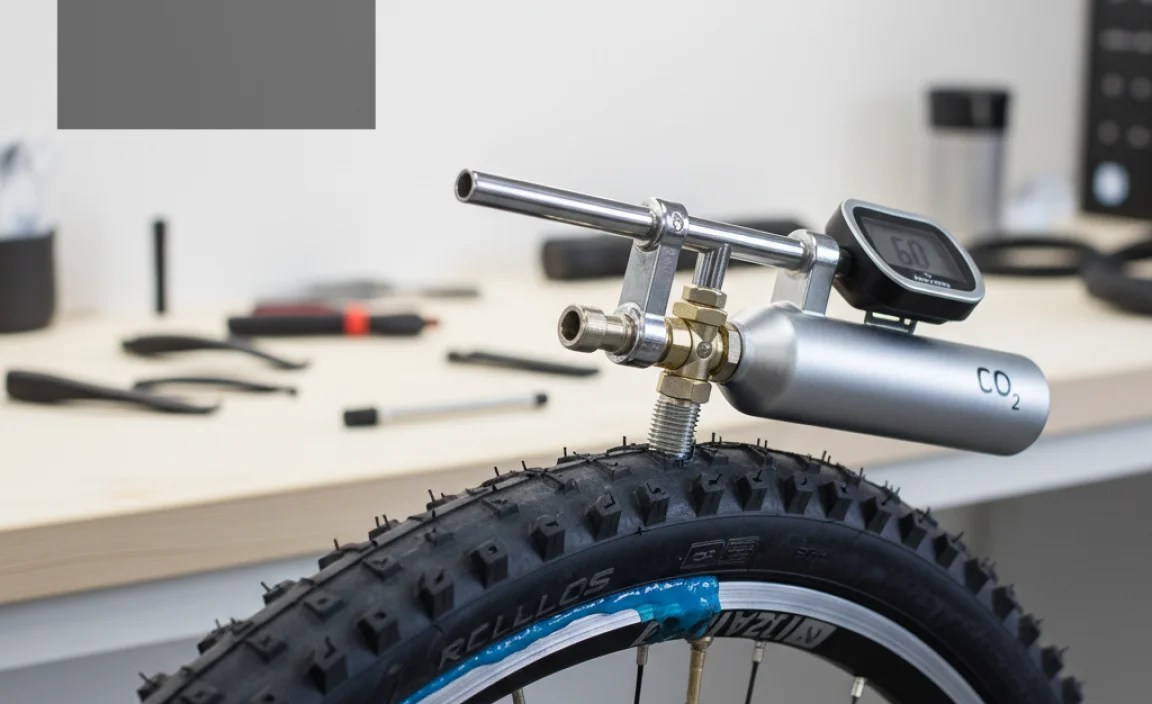
CO2 inflators are small and handy. They fill tires fast. They use CO2 gas in a cartridge. You screw the inflator onto the tire valve. Then, you release the CO2. The tire fills up quickly. CO2 inflator compatibility with tubeless tyres depends on the sealant. Some sealants don’t like CO2. It can make them clumpy or dry. Always check your sealant’s instructions. Use short bursts of CO2. This helps avoid over-inflation. It also gives the sealant time to work. After using CO2, refill with regular air later. CO2 leaks out of tires faster than air. Using regular air keeps your tires at the right pressure longer.
- CO2 inflators use gas cartridges.
- They inflate tires very quickly.
- Control the gas flow to prevent over-inflation.
- CO2 can affect some tire sealants.
- Refill with regular air after using CO2.
Imagine you are in a race. You get a flat tire. You don’t have much time. A CO2 inflator is your best friend. You can fix the flat in seconds. You are back in the race before you know it. This is why many racers use CO2 inflators. They are fast and easy. But always practice using one before a race. This way, you know how it works. You can fix a flat without any problems. CO2 inflators are great for emergencies. They help you keep riding without delay. Just remember to check your sealant and refill with air later.
Fun Fact or Stat: A 16-gram CO2 cartridge can inflate a road bike tire to about 120 PSI (pounds per square inch) in seconds!
How to Use a CO2 Inflator Safely
Using a CO2 inflator is easy. But you need to be careful. First, protect your hands. The CO2 cartridge gets very cold. Use gloves or a sleeve. Next, screw the inflator onto the valve. Make sure it is tight. Then, release the CO2 in short bursts. This helps you control the pressure. Check the tire often. Don’t over-inflate it. Over-inflation can cause a blowout. After inflating, check for leaks. Listen for hissing sounds. If you hear a leak, let some air out. Then, try to seal the hole. Always carry extra cartridges. You don’t want to run out of CO2 on a ride. Being careful keeps you safe.
Choosing the Right CO2 Inflator
There are many CO2 inflators to choose from. Some are small and simple. Others have gauges to show pressure. Some have controls to adjust the gas flow. Think about what you need. A simple inflator is good for quick fixes. An inflator with a gauge helps you be precise. Consider the size of the cartridges. Bigger cartridges fill tires faster. But they are also heavier. Read reviews before you buy. See what other riders say. Choose an inflator that is easy to use. It should also be reliable. The right inflator can save you time and trouble.
Potential Problems with CO2 Inflators
CO2 inflators are not perfect. They can have problems. The cartridge can freeze your hands. Always use gloves. The inflator can leak if it is not tight. Check the connection before you use it. CO2 can leak out of the tire quickly. Refill with air as soon as you can. Some inflators are hard to control. You might over-inflate the tire. Use short bursts of CO2. Practice using the inflator at home. This way, you know how it works. Being aware of these problems helps you avoid them. You can stay safe on your ride.
Sealant Types and CO2 Reactions

Tire sealant is important for tubeless tires. It plugs small holes. This keeps you riding without flats. But not all sealants are the same. Some work better with CO2 than others. Latex-based sealants can react badly. CO2 can make them clump up. This stops them from sealing holes. Ammonia-based sealants are better with CO2. They don’t clump as easily. Always check what kind of sealant you have. Read the instructions. They will tell you if it is okay to use with CO2. CO2 inflator compatibility with tubeless tyres depends on the sealant you choose. Using the right sealant keeps your tires working well.
- Latex-based sealants may clump with CO2.
- Ammonia-based sealants are more CO2-friendly.
- Always check sealant instructions.
- Some sealants dry out faster with CO2 use.
- Fresh sealant works best.
Imagine you just put new sealant in your tires. You get a flat on your first ride. You use a CO2 inflator. But the sealant doesn’t work! It clumps up and can’t seal the hole. You are stuck on the side of the road. This can happen if you don’t use the right sealant. Always check if your sealant is CO2-compatible. This will save you from trouble. It will keep you riding smoothly. Knowing your sealant helps you be prepared for anything. Always choose the right tools for the job. This makes your rides safer and more fun.
Fun Fact or Stat: Sealant was originally developed for industrial and agricultural tires before being adapted for bicycle use!
Latex-Based Sealants and CO2
Latex-based sealants are common. They seal small holes well. But they don’t like CO2. CO2 can make the latex clump. This makes the sealant stop working. The clump can block the valve. This makes it hard to add air later. If you use a latex sealant, be careful with CO2. Try to use regular air instead. If you must use CO2, refill with air soon after. This will help the sealant work better. Knowing how latex sealants react helps you care for your tires. You can keep them working their best.
Ammonia-Based Sealants and CO2
Ammonia-based sealants are different. They handle CO2 better. CO2 does not make them clump as easily. They keep sealing holes even after using CO2. This makes them a good choice for tubeless tires. But ammonia sealants can have a smell. Some people don’t like it. They can also dry out over time. You need to add more sealant every few months. Even with these issues, they are a good option. They work well with CO2. This can save you trouble on the road.
How to Choose the Right Sealant
Choosing the right sealant is important. Think about how you ride. Do you use CO2 often? If so, pick an ammonia-based sealant. Do you want a sealant that lasts a long time? A latex-based sealant might be better. Read reviews before you buy. See what other riders say. Ask your local bike shop for advice. They can help you pick the right sealant. Consider the size of the holes you get. Some sealants work better on small holes. Others can handle bigger holes. The right sealant keeps you riding smoothly.
Rim and Tire Compatibility Considerations

Not all rims and tires work together. Some tires fit some rims better. It is important to check if your rim and tire are compatible. Some rims are tubeless-ready. This means they are made for tubeless tires. They have a special shape. This helps the tire seal tightly. Some tires are also tubeless-ready. They have strong sidewalls. This helps them stay on the rim. Using incompatible rims and tires can be dangerous. The tire might come off the rim. Always check the maker’s advice. This will tell you if your rim and tire work together. CO2 inflator compatibility with tubeless tyres also depends on this.
- Check rim and tire compatibility.
- Use tubeless-ready rims and tires.
- Incompatible setups can be dangerous.
- Follow maker’s guidelines for safety.
- Proper fit ensures better sealing.
Imagine you are riding down a hill. Suddenly, your tire comes off the rim! You crash and get hurt. This can happen if your rim and tire don’t fit well. Always make sure they are compatible. This will keep you safe. Ask your bike shop for help. They can check your setup. They can tell you if it is safe. Using the right rims and tires makes riding more fun. You can enjoy your ride without worry. Always be careful and check your equipment. This helps you stay safe on the road.
Fun Fact or Stat: The International Organization for Standardization (ISO) sets standards for rim and tire dimensions to ensure compatibility!
Understanding Tubeless-Ready Standards
Tubeless-ready means something special. It means the rim and tire are made for tubeless use. The rim has a special shape. This helps the tire seal well. The tire has strong sidewalls. This keeps it on the rim. Tubeless-ready parts make setup easier. They also make riding safer. Look for the tubeless-ready symbol. This shows that the parts meet the standards. Using tubeless-ready parts helps you avoid problems. You can enjoy the benefits of tubeless tires. Always choose the right equipment for your bike.
Checking Rim Width and Tire Size
Rim width and tire size matter. They need to match. A tire that is too wide can be unstable. A tire that is too narrow can come off the rim. Check the maker’s charts. They show which tires fit which rims. Measure your rim width. Use a ruler or caliper. Then, check the tire size. It is printed on the sidewall. Compare the numbers to the chart. Make sure they match. If you are not sure, ask your bike shop. They can help you find the right fit. Getting the right size keeps you safe.
The Impact of Pressure on Compatibility
Tire pressure is important. Too much pressure can cause a blowout. Too little pressure can cause a flat. Check the tire’s pressure range. It is printed on the sidewall. Use a pump with a gauge. This helps you get the right pressure. Adjust the pressure for your weight. Heavier riders need more pressure. Lighter riders need less pressure. Check the pressure often. It can change with the weather. Keeping the right pressure helps your tires last longer. It also keeps you safe on the road.
Step-by-Step Guide to Using a CO2 Inflator

Using a CO2 inflator is simple. But you need to do it right. First, gather your tools. You need the inflator, a CO2 cartridge, and gloves. Protect your hands with the gloves. The cartridge gets very cold. Next, find the valve on your tire. Remove the cap. Screw the inflator onto the valve. Make sure it is tight. Then, release the CO2 in short bursts. Watch the tire pressure. Don’t over-inflate it. After inflating, check for leaks. Listen for hissing sounds. If you hear a leak, let some air out. Then, try to seal the hole. Finally, refill with regular air as soon as you can. CO2 leaks out faster than air. CO2 inflator compatibility with tubeless tyres depends on following these steps.
- Gather your tools: inflator, CO2, gloves.
- Screw the inflator onto the valve tightly.
- Release CO2 in short bursts.
- Check for leaks after inflating.
- Refill with regular air later.
Imagine you are helping a friend fix a flat. You show them how to use a CO2 inflator. You explain each step carefully. You watch them as they do it. They fill the tire perfectly. They are so happy! You feel good that you helped them. This is why it is important to know how to use a CO2 inflator. You can help yourself and others. Always be prepared with the right tools and knowledge. This makes riding safer and more fun. Sharing your knowledge helps others too.
Fun Fact or Stat: The first portable CO2 inflators for bicycles were developed in the late 1980s!
Preparing for Inflation
Before you start, get ready. Find a safe place to work. Make sure your bike is stable. Gather your tools. You need the inflator, a CO2 cartridge, and gloves. Check the tire for damage. Look for cuts or holes. If the tire is badly damaged, you might need a new one. Make sure the valve is clean. Remove any dirt or debris. This helps the inflator seal properly. Read the inflator’s instructions. Know how it works. Being prepared makes the job easier. It also keeps you safe.
The Inflation Process
Now it’s time to inflate. Put on your gloves. Screw the CO2 cartridge into the inflator. Make sure it is tight. Then, screw the inflator onto the tire valve. Again, make sure it is tight. Hold the inflator firmly. Release the CO2 in short bursts. Watch the tire pressure. Don’t over-inflate it. Check the pressure with your hand. The tire should feel firm but not hard. If you over-inflate, let some air out. Be careful not to freeze your fingers. The cartridge gets very cold.
Post-Inflation Checks and Maintenance
After inflating, check your work. Look for leaks. Listen for hissing sounds. If you hear a leak, let some air out. Then, try to seal the hole. Check the tire pressure again. Make sure it is right. Remove the inflator from the valve. Put the valve cap back on. Clean the inflator. Store it in a safe place. Refill the tire with regular air soon. CO2 leaks out quickly. Check the tire pressure often. Keep your tires properly inflated. This helps them last longer. It also keeps you safe on the road.
Alternatives to CO2 Inflators
CO2 inflators are handy, but they are not the only choice. You can also use a hand pump. Hand pumps take longer, but they don’t need cartridges. You can use them again and again. Another option is a mini pump. These are small and light. They fit in your pocket or bag. Some riders use electric pumps. These are fast and easy. But they need batteries. Each type has its good and bad points. Think about what you need. Choose the best option for you. CO2 inflator compatibility with tubeless tyres is just one thing to consider.
- Hand pumps are reusable and reliable.
- Mini pumps are portable and lightweight.
- Electric pumps are fast but need batteries.
- Consider your needs when choosing.
- Each option has pros and cons.
Imagine you are on a long ride. You get a flat tire. You have a hand pump. It takes a while, but you fill the tire. You are tired, but you did it! You are proud of yourself. This is why some riders like hand pumps. They are reliable. They don’t need anything else. You can always use them. Think about what is important to you. Do you want something fast? Or something reliable? Choose the best option for your rides. Always be prepared for flats. This will keep you riding smoothly.
| Method | Pros | Cons | Best For |
|---|---|---|---|
| CO2 Inflator | Fast, easy to use | Cartridges needed, may affect sealant | Quick repairs during races or group rides |
| Hand Pump | Reusable, no cartridges needed | Takes longer, requires more effort | Everyday riding, long tours |
| Mini Pump | Portable, lightweight | Can be difficult to use, takes longer | Backpacking, emergency use |
| Electric Pump | Fast, easy, less effort | Requires battery charge, heavier | Home use, car trips |
Fun Fact or Stat: Hand pumps have been used for inflating bicycle tires since the late 19th century!
Hand Pumps: The Reliable Option
Hand pumps are simple. They are also reliable. You don’t need cartridges or batteries. You just pump. It takes effort, but it always works. Hand pumps are good for long rides. You can fix flats anywhere. They are also good for the environment. You don’t throw away cartridges. Some hand pumps have gauges. This helps you get the right pressure. Hand pumps are a good choice for many riders. They are always ready when you need them. Think about getting a hand pump for your bike.
Mini Pumps: Portable and Lightweight
Mini pumps are small. They are also very light. They fit in your pocket or bag. You can take them anywhere. Mini pumps are good for emergencies. They don’t take up much space. Some mini pumps are hard to use. They take a long time to fill a tire. But they are better than nothing. If you want something small and light, get a mini pump. It is a good backup plan. Always be prepared for flats on your rides.
Electric Pumps: Fast and Convenient
Electric pumps are fast. They are also easy to use. You just push a button. The pump does the work. Electric pumps are good for home use. They are also good for car trips. But they need batteries. Make sure they are charged. Electric pumps can be heavy. They are not good for long rides. But they are convenient. If you want something fast and easy, get an electric pump. It can save you time and effort.
Summary
CO2 inflators are useful for quickly fixing flat tubeless tires. However, knowing about CO2 inflator compatibility with tubeless tyres is key. Some sealants don’t work well with CO2. They can clump up and stop sealing. Always check your sealant’s instructions. Use short bursts of CO2 to avoid over-inflation. Refill with regular air soon after using CO2. Also, make sure your rims and tires are compatible. Other options include hand pumps, mini pumps, and electric pumps. Each has its own good and bad points. Being prepared with the right tools and knowledge helps you stay safe on your rides.
Conclusion
Using a CO2 inflator can get you back on the road fast. But it is important to know how it affects your tubeless tires. Check your sealant first. Use short bursts of CO2. Refill with regular air later. Consider other options like hand pumps. Knowing about CO2 inflator compatibility with tubeless tyres helps you make the best choice. Being prepared keeps you riding smoothly and safely.
Frequently Asked Questions
Question No 1: What is a CO2 inflator and how does it work?
Answer: A CO2 inflator is a small tool. It uses a cartridge filled with CO2 gas. You screw the inflator onto your tire’s valve. When you push a button or twist a knob, the CO2 rushes into the tire. It fills the tire very quickly. This is much faster than using a hand pump. CO2 inflators are great for emergencies. They help you fix flats on the road fast. But remember to be careful. The CO2 cartridge can get very cold. Always wear gloves to protect your hands.
Question No 2: Are CO2 inflators compatible with all tubeless tire sealants?
Answer: No, CO2 inflators are not compatible with all tubeless tire sealants. Some sealants, especially those that are latex-based, can react badly to CO2. The CO2 can cause the sealant to clump up inside the tire. This makes the sealant unable to seal punctures. Always check the sealant maker’s advice. They will tell you if their sealant is okay to use with CO2. If you are not sure, it is better to use a hand pump or mini pump instead. This will avoid any problems with the sealant.
Question No 3: How do I know if my sealant is CO2-compatible?
Answer: The best way to know if your sealant is CO2-compatible is to check the label. The sealant bottle should say if it is safe to use with CO2 inflators. You can also look on the maker’s website. They often have information about their products. If you can’t find any information, contact the maker directly. They can tell you if their sealant is okay to use with CO2. If you are still not sure, it is best to avoid using CO2. Use a hand pump instead to be safe.
Question No 4: What are the risks of using a CO2 inflator with incompatible sealants?
Answer: The main risk of using a CO2 inflator with incompatible sealants is that the sealant will not work. The CO2 can cause the sealant to clump up. This means it will not be able to seal punctures in your tire. You could end up with a flat tire that you can’t fix. This can be very frustrating, especially if you are far from home. It is always better to use a sealant that is known to be CO2-compatible. This will help you avoid any problems on the road.
Question No 5: Can CO2 affect tire pressure over time?
Answer: Yes, CO2 can affect tire pressure over time. CO2 molecules are smaller than regular air molecules. This means that CO2 can leak out of your tire faster than air. Your tire pressure will drop more quickly if you fill it with CO2. That’s why it’s important to refill your tires with regular air as soon as you can after using a CO2 inflator. This will help keep your tires at the right pressure. It will also make your tires last longer.
Question No 6: Are there any special CO2 inflators designed for tubeless tires?
Answer: While there aren’t CO2 inflators made just for tubeless tires, some have features that help. Look for inflators with flow control. These let you release CO2 slowly. This helps avoid clumping with some sealants. Some inflators also have a gauge. This helps you avoid over-inflation. Some also have a sleeve to protect your hands from the cold. These features make using CO2 inflator compatibility with tubeless tyres easier and safer. Always read reviews before you buy. This helps you pick the best inflator for your needs.


