
CO2 Inflator Compatible with Inner Tube & Tubeless: Easy Fix!

Do you love riding your bike? Have you ever gotten a flat tire far from home? It can be a big problem. A CO2 inflator can help you fix it fast. But can you use the same one for all tires? Yes, you can! There is a CO2 inflator compatible with inner tube and tubeless both. Let’s learn all about it.
These little devices can save the day. They quickly fill your tire with air. This gets you back on the road or trail fast. Knowing how they work is important. Using the right one for your tire type is key.
Key Takeaways
- A CO2 inflator compatible with inner tube and tubeless both exists.
- Using a CO2 inflator is a fast way to fix flat tires.
- Make sure to read the instructions before using one.
- Always carry extra CO2 cartridges with you on rides.
- Practice using the inflator at home before you need it outside.
What is a CO2 Inflator Compatible With Both?
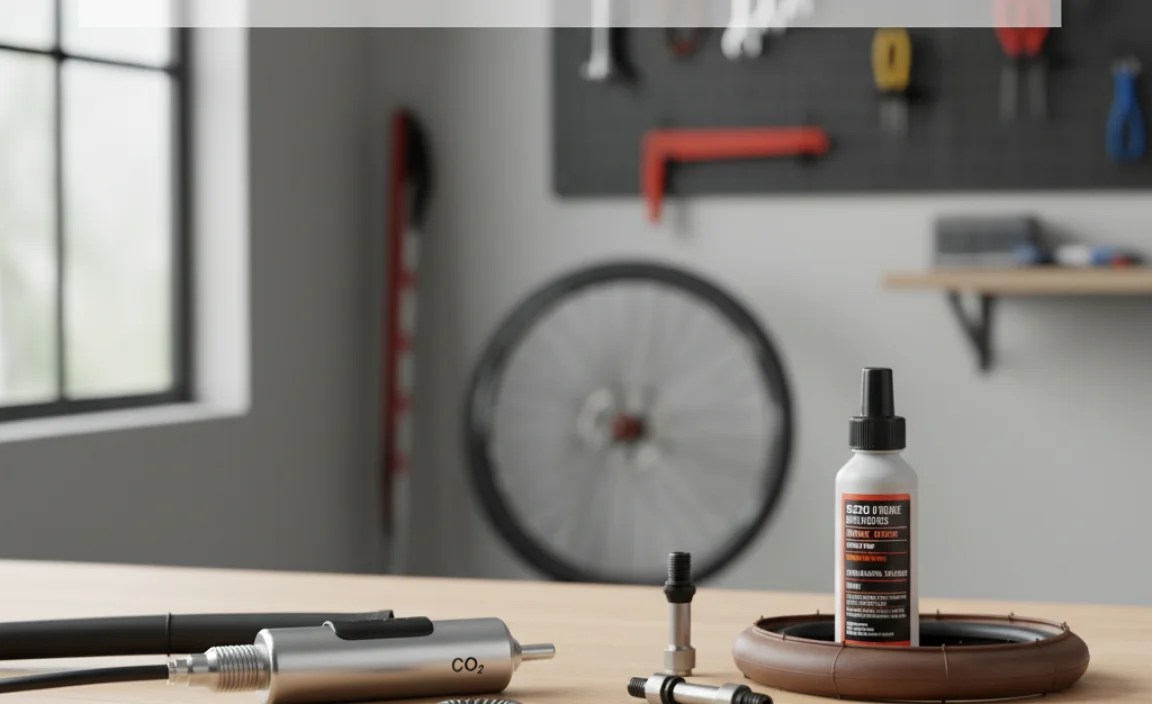
A CO2 inflator compatible with inner tube and tubeless both is a handy tool. It helps you quickly inflate your tires when you have a flat. These inflators use small cartridges filled with carbon dioxide (CO2). When you attach the inflator to your tire valve and release the CO2, the tire fills up almost instantly. This is much faster than using a hand pump. Many cyclists like them because they are small and easy to carry. You can keep one in your bike bag or even in a pocket. This way, you are always ready for a flat tire. These inflators are made to work with both inner tubes and tubeless tires. This makes them a great choice for any cyclist. It’s good to check that the inflator is compatible with the valve type of your bike. Some work best with Presta valves, while others are better for Schrader valves.
- CO2 inflators use small CO2 cartridges.
- They fill tires very quickly.
- They are small and easy to carry.
- Some are made for Presta valves.
- Others are made for Schrader valves.
Using a CO2 inflator is simple. First, make sure the inflator is properly attached to the valve. Then, twist or push the inflator to release the CO2. The tire will quickly inflate. Be careful not to over-inflate the tire. Check the pressure with a gauge if you have one. Once the tire is inflated, you can ride on. It’s always a good idea to carry a few extra CO2 cartridges. This way, you will be ready for more than one flat. Knowing how to use your inflator well will save you time and trouble on the road. Always practice at home first.
Fun Fact or Stat: The first CO2 inflators were developed in the late 1980s. They were designed to help racers quickly fix flats during competitions!
Why Choose a CO2 Inflator?
Why should you pick a CO2 inflator? Imagine you are racing in a bike race. You get a flat tire. Every second counts! A hand pump would take a long time. But with a CO2 inflator, you can fix the tire in seconds. This gets you back in the race quickly. For everyday riding, a CO2 inflator is also great. It is small and easy to carry. It saves you time and energy. You don’t have to stand on the side of the road pumping for many minutes. You can quickly inflate the tire and be on your way. This is why many cyclists choose CO2 inflators. They are fast, easy, and reliable.
How Fast Can It Inflate a Tire?
Have you ever wondered how fast a CO2 inflator can fill a tire? It’s super quick! Most CO2 inflators can fill a tire in just a few seconds. This is much faster than using a hand pump. With a hand pump, it can take several minutes to get enough air in the tire. This can be tiring and time-consuming. A CO2 inflator uses compressed gas. This gas rushes into the tire very quickly. The tire is filled almost instantly. This is very helpful when you are in a hurry. It is also great if you are tired or don’t want to spend a lot of time fixing a flat.
Is It Easy to Carry?
Is your backpack already full? One of the best things about a CO2 inflator is how small it is. They are designed to be easy to carry. Most inflators are about the size of your thumb. The CO2 cartridges are also small. You can easily fit one or two in your bike bag. Some cyclists even keep them in their pockets. Because they are so small and light, you won’t even notice you are carrying them. This is very important when you are riding. You don’t want to be weighed down by heavy gear. A CO2 inflator gives you peace of mind without adding extra weight. This makes it a great choice for any cyclist.
How to Use a CO2 Inflator With Inner Tubes

Using a CO2 inflator compatible with inner tube and tubeless both with inner tubes is easy. First, you need to take the wheel off your bike. Then, remove the flat inner tube. Put in a new inner tube. Make sure the tube is seated correctly in the tire. Next, attach the CO2 inflator to the valve on the inner tube. Twist or push the inflator to release the CO2. The tire will fill up quickly. Be careful not to over-inflate it. Check the pressure if you have a gauge. Once the tire is inflated, put the wheel back on your bike. Make sure it is secured tightly. Now you can ride on. It’s always a good idea to carry an extra inner tube and CO2 cartridge.
- Remove the flat inner tube from the tire.
- Put in a new inner tube carefully.
- Attach the CO2 inflator to the valve.
- Release the CO2 to inflate the tire.
- Check the tire pressure if you can.
- Put the wheel back on the bike.
Before you go on a ride, practice using your CO2 inflator at home. This will help you get used to it. It will also make sure you know how to use it correctly. Read the instructions that come with your inflator. This will help you understand how it works. Also, check the type of valve your bike has. Some bikes have Presta valves. Others have Schrader valves. Make sure your inflator is compatible with your valve type. This will make it easier to inflate your tires. Always be careful when using a CO2 inflator. The CO2 can make the inflator very cold. This can hurt your hands. You might want to wear gloves when you use it.
Fun Fact or Stat: Many professional cyclists use CO2 inflators during races. This helps them save time and get back to racing quickly after a flat tire!
What Kind of Inner Tube Do I Need?
When you get a flat, you need a new inner tube. But what kind should you get? First, make sure it is the right size. Look at the numbers on the side of your tire. These numbers tell you the size of the tube you need. Also, check the valve type. Some tubes have Presta valves. Others have Schrader valves. Make sure the tube you get matches your bike’s valve type. It’s also a good idea to carry a few spare tubes. This way, you will be ready for more than one flat. Getting the right inner tube will make fixing a flat much easier. Always check these things before you buy a new tube.
How Do I Remove the Old Tube?
Removing the old inner tube is an important step. First, let all the air out of the tire. Then, use tire levers to pry the tire off the rim. Start on one side of the tire. Insert the tire lever under the edge of the tire. Hook it onto a spoke. Then, use another tire lever to pry more of the tire off. Work your way around the tire until one side is completely off the rim. Now you can pull out the old inner tube. Check the tire for any sharp objects. These could cause another flat. Removing the old tube carefully will help you install the new tube correctly.
How Do I Install the New Tube?
Putting in the new inner tube is easy if you follow these steps. First, put a little bit of air into the new tube. This will help it keep its shape. Then, insert the valve into the hole in the rim. Now, carefully tuck the tube into the tire. Start at the valve and work your way around the tire. Make sure the tube isn’t twisted or pinched. Once the tube is all the way in, start putting the tire back onto the rim. Use your thumbs to push the tire over the rim. If it’s hard to do, use tire levers. Be careful not to pinch the tube. Once the tire is back on the rim, you can inflate it with your CO2 inflator.
How to Use a CO2 Inflator With Tubeless Tires

A CO2 inflator compatible with inner tube and tubeless both can also be used with tubeless tires. Tubeless tires don’t have an inner tube. Instead, they have sealant inside. This sealant fills small holes. To use a CO2 inflator with a tubeless tire, first, find the hole in the tire. If the sealant didn’t fix it, you might need to use a tire plug. Insert the plug into the hole. Then, attach the CO2 inflator to the valve. Release the CO2 to inflate the tire. The CO2 will help seal the tire against the rim. This will let you ride on. It’s a good idea to carry extra plugs and CO2 cartridges when you ride tubeless tires.
- Find the hole in the tubeless tire.
- Use a tire plug to seal the hole if needed.
- Attach the CO2 inflator to the valve.
- Release the CO2 to inflate the tire.
- Make sure the tire seals against the rim.
Using a CO2 inflator with tubeless tires is a little different than using it with inner tubes. Tubeless tires need to seal properly against the rim. The CO2 helps to push the tire against the rim. This creates a good seal. Sometimes, the tire might not seal right away. If this happens, try inflating the tire a little more. You can also try bouncing the wheel on the ground. This can help the tire seat properly. If you are still having trouble, you might need to add more sealant. Always check your sealant level before going on a ride. Tubeless tires can be great. They can help you avoid flats.
Fun Fact or Stat: Tubeless tires are becoming more popular. They allow you to ride with lower tire pressure. This can provide a smoother and faster ride!
What is Tire Sealant?
Tire sealant is a liquid that goes inside tubeless tires. It helps to seal small punctures. When you get a small hole in your tire, the sealant rushes to the hole. It then hardens and plugs the hole. This keeps air from leaking out. Tire sealant is very helpful. It can save you from getting a flat tire. There are many different brands of tire sealant. Some work better than others. It’s a good idea to read reviews. This will help you pick the best sealant for your tires. Always check the sealant level in your tires. You might need to add more sealant every few months.
How Do Tire Plugs Work?
Tire plugs are another way to fix tubeless tires. If you get a bigger hole, sealant might not be enough. That’s where tire plugs come in. A tire plug is a sticky piece of rubber. You use a special tool to push the plug into the hole. The plug fills the hole and stops the air from leaking out. Using a tire plug is easy. First, find the hole in the tire. Then, use the tool to insert the plug. Pull the tool out. The plug will stay in the tire. Trim off any extra plug that sticks out. Now you can inflate the tire with your CO2 inflator.
How Do I Know If My Tire is Sealing?
It’s important to know if your tubeless tire is sealing properly. After you inflate the tire, listen for air leaks. If you hear air leaking, look for bubbles. These bubbles show where the air is escaping. If the tire is leaking, try bouncing the wheel on the ground. This can help the tire seat properly. You can also try adding more air. If the tire still won’t seal, you might need to add more sealant or use a tire plug. A properly sealed tire is important for a safe ride. Always check your tires before you go riding.
Comparing CO2 Inflators to Hand Pumps
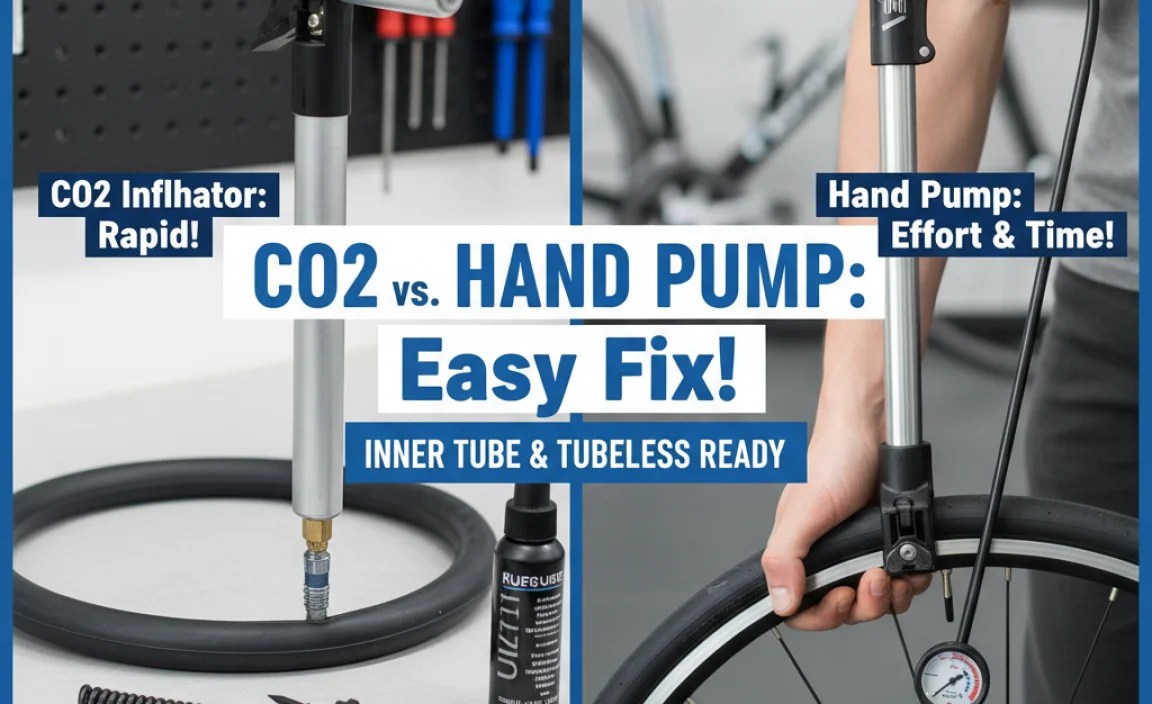
CO2 inflator compatible with inner tube and tubeless both and hand pumps both inflate tires. But they work differently. CO2 inflators are faster. They use compressed gas to fill the tire quickly. Hand pumps use muscle power. You have to pump the air into the tire. CO2 inflators are smaller and easier to carry. Hand pumps can be bulky. CO2 inflators need cartridges. Once the cartridge is used, it’s empty. Hand pumps don’t need cartridges. You can use them again and again. Some cyclists like CO2 inflators for their speed. Others like hand pumps for their reliability. It depends on what you like best.
| Feature | CO2 Inflator | Hand Pump |
|---|---|---|
| Speed | Very fast | Slower |
| Size | Small | Larger |
| Cartridges | Required | Not required |
| Reusability | Limited | Unlimited |
| Effort | Little effort | More effort |
Think about what is important to you. If you want speed, a CO2 inflator is great. If you want something you can use many times, a hand pump might be better. Some cyclists carry both. They use the CO2 inflator for quick fixes. They use the hand pump as a backup. No matter what you choose, it’s good to know how to fix a flat. A flat tire can happen anytime. Being ready will help you get back on the road quickly. Always practice using your tools before you need them. This will make it easier when you are out riding.
Fun Fact or Stat: Hand pumps have been used for over a century. They are a simple and reliable way to inflate tires!
Which is Lighter?
Weight matters when you are riding a bike. A lighter bike is easier to ride. So, which is lighter, a CO2 inflator or a hand pump? CO2 inflators are usually lighter. They are small and made of light materials. Hand pumps can be heavier. They have more parts. The weight difference might not seem like much. But it can add up. Especially if you are carrying other gear. If you want to save weight, a CO2 inflator is a good choice. Just remember to bring extra cartridges.
Which is More Reliable?
Reliability is very important when you are far from home. You want to know your tools will work. Which is more reliable, a CO2 inflator or a hand pump? Hand pumps are often seen as more reliable. They don’t need cartridges. As long as you can pump, they will work. CO2 inflators depend on having a full cartridge. If the cartridge is empty, the inflator won’t work. However, CO2 inflators are usually reliable if you have enough cartridges. Many cyclists carry extra cartridges. This makes them more reliable.
Which is Easier to Use?
Ease of use is important too. You want to be able to fix a flat quickly and easily. Which is easier to use, a CO2 inflator or a hand pump? CO2 inflators are often easier to use. You just attach it to the valve and release the CO2. The tire fills up quickly. Hand pumps take more effort. You have to pump for several minutes. This can be tiring. Especially if you are already tired from riding. For many cyclists, CO2 inflators are easier to use. But it depends on what you find comfortable.
Choosing the Right CO2 Inflator
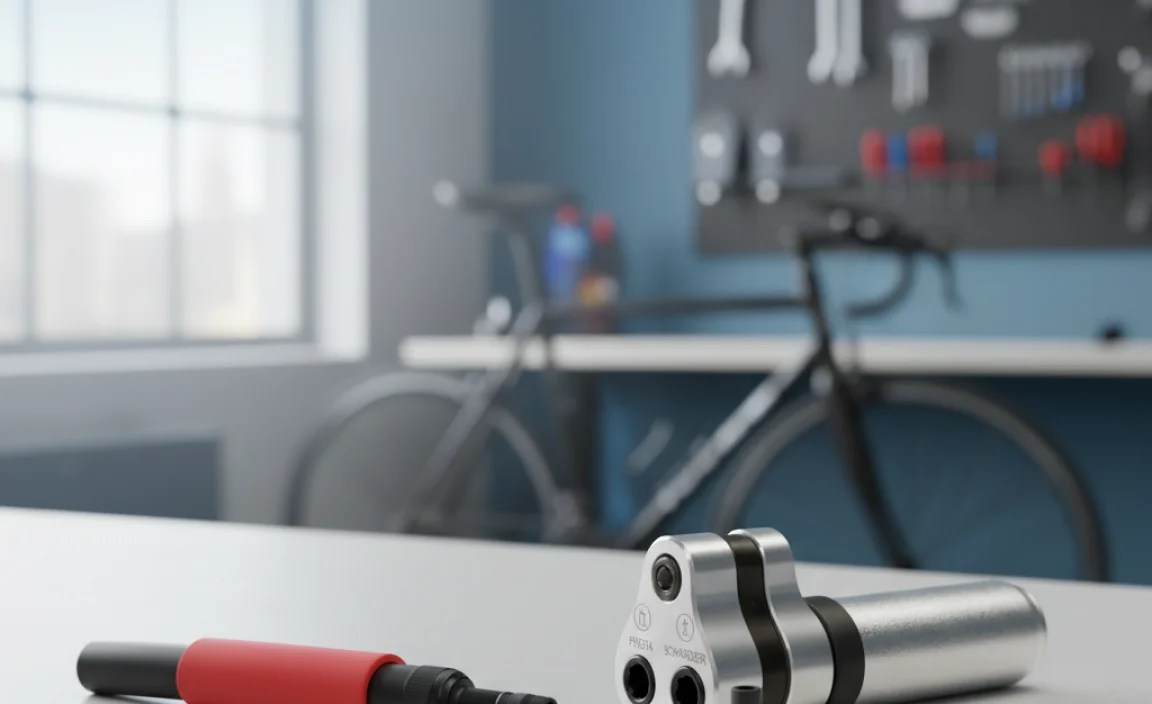
Choosing the right CO2 inflator compatible with inner tube and tubeless both is important. There are many different types. Some are simple and basic. Others have more features. Think about what you need. Do you want an inflator with a pressure gauge? This can help you avoid over-inflating your tires. Do you want one that is easy to hold? Some inflators have a rubber grip. This makes them easier to use when your hands are wet. Also, check the type of valve it uses. Some inflators only work with Presta valves. Others work with both Presta and Schrader valves. Read reviews before you buy. This will help you find an inflator that works well.
- Consider if you want a pressure gauge.
- Look for a comfortable grip.
- Check the valve compatibility.
- Read reviews before buying.
- Think about the size and weight.
Before you buy a CO2 inflator, do some research. Look at different brands. Compare their features. Read what other cyclists say about them. This can help you make a good choice. Also, think about how much you want to spend. Some inflators are more expensive than others. But the more expensive ones are not always better. Sometimes, a simple, less expensive inflator is all you need. What matters most is that it works well and is easy to use. Always be prepared for a flat tire. Having the right tools will make it much easier to fix.
Fun Fact or Stat: The price of CO2 inflators can range from $10 to $50. It depends on the features and brand!
What Size Cartridge Do I Need?
CO2 inflators use cartridges of different sizes. The size of the cartridge affects how much air it can put in your tire. Smaller cartridges are good for road bikes. They have thinner tires. Larger cartridges are better for mountain bikes. They have bigger tires. Check the recommendations for your tire size. This will help you pick the right cartridge. It’s always better to have a cartridge that is a little too big. This way, you can be sure you will have enough air. It’s better than a cartridge that is too small.
Does It Have a Pressure Gauge?
A pressure gauge can be very helpful. It tells you how much air is in your tire. This helps you avoid over-inflating it. Over-inflating can cause a blowout. This can be dangerous. Some CO2 inflators have a built-in pressure gauge. Others don’t. If your inflator doesn’t have a gauge, you can buy a separate one. It’s a good idea to check your tire pressure regularly. This will help you ride safely. Knowing your tire pressure will also help you ride more comfortably.
Is It Easy to Grip?
Having a good grip is important. When you are fixing a flat, your hands might be wet or dirty. A slippery inflator can be hard to use. Look for an inflator with a rubber grip. This will help you hold it securely. Some inflators have a textured surface. This also helps with grip. Think about the conditions you usually ride in. If you often ride in the rain, a good grip is even more important. An easy-to-grip CO2 inflator will make fixing a flat much easier.
Safety Tips for Using CO2 Inflators
Using a CO2 inflator compatible with inner tube and tubeless both is generally safe. But you should follow some safety tips. First, always read the instructions. This will help you understand how to use the inflator correctly. Second, be careful when releasing the CO2. The inflator can get very cold. This can hurt your hands. You might want to wear gloves. Third, don’t over-inflate your tires. This can cause them to explode. Check the recommended pressure on the side of your tire. Fourth, keep CO2 cartridges away from children. They can be dangerous if swallowed. Always be careful.
- Read the instructions carefully.
- Be careful of the cold inflator.
- Don’t over-inflate your tires.
- Keep cartridges away from children.
- Practice using it at home first.
- Dispose of used cartridges properly.
It is important to be prepared. Practice using your CO2 inflator at home. This way, you will know how to use it when you are out riding. Also, check your tires regularly. Look for any signs of wear or damage. Replace your tires if they are worn. Carry extra CO2 cartridges with you. This way, you will be ready for more than one flat. Tell someone where you are going when you go for a ride. This is especially important if you are riding alone. Stay safe.
Fun Fact or Stat: CO2 cartridges can reach temperatures as low as -78 degrees Celsius (-108 degrees Fahrenheit) when discharged!
Wear Gloves When Using
Why should you wear gloves? When CO2 is released, it gets very cold. This can freeze your skin. This can be painful. Wearing gloves protects your hands. Any type of gloves will help. Even thin gloves are better than nothing. Some cyclists carry special gloves just for fixing flats. These gloves are lightweight. They don’t take up much space. Wearing gloves is a simple way to stay safe. It will help you avoid getting hurt. Remember to pack gloves with your CO2 inflator.
Don’t Over-Inflate the Tire
Over-inflating your tire can be dangerous. It can cause the tire to explode. This can cause a crash. Always check the recommended tire pressure. This is printed on the side of the tire. Use a pressure gauge to check the pressure. If you don’t have a gauge, be careful. Inflate the tire until it feels firm. But don’t inflate it too much. It’s better to under-inflate the tire a little. This is safer than over-inflating it. Remember, safety first! A CO2 inflator fills tires quickly. Be careful.
Dispose of Cartridges Properly
What should you do with used CO2 cartridges? Don’t just throw them on the ground. This is bad for the environment. CO2 cartridges are made of metal. They can be recycled. Check with your local recycling center. See if they accept CO2 cartridges. Some bike shops also recycle them. If you can’t recycle them, dispose of them properly. Put them in the trash. Always be responsible. Taking care of the environment is important. Dispose of your CO2 inflator cartridges the right way.
Summary
A CO2 inflator compatible with inner tube and tubeless both is a great tool. It helps you fix flat tires quickly. These inflators use CO2 cartridges to fill your tires. They are small and easy to carry. You can use them with both inner tubes and tubeless tires. Using a CO2 inflator is simple. Attach it to the valve and release the CO2. Be careful not to over-inflate the tire. Always follow safety tips. Wear gloves to protect your hands. Dispose of used cartridges properly. Choosing the right CO2 inflator is important. Consider the size of the cartridge. Think about whether you want a pressure gauge. Read reviews before you buy.
CO2 inflators are faster than hand pumps. But hand pumps are more reliable. Some cyclists carry both. Remember to practice using your inflator at home. This way, you will be ready when you get a flat on the road. Always be prepared and stay safe while riding.
Conclusion
Fixing a flat tire can be frustrating. But a CO2 inflator compatible with inner tube and tubeless both makes it easier. It’s a quick and convenient way to get back on your bike. Remember to follow safety tips. Practice using the inflator before you need it. Choose the right inflator for your needs. Carry extra cartridges. With a little practice, you will be able to fix flats quickly. This will let you enjoy your ride without worrying about flat tires. Get out there and have fun!
Frequently Asked Questions
Question No 1: Can I use a CO2 inflator on any type of bike tire?
Answer: Yes, you can usually use a CO2 inflator compatible with inner tube and tubeless both on most bike tires. However, it’s important to check the valve type on your tire. Some bikes have Presta valves. Others have Schrader valves. Make sure your inflator is compatible with your valve type. Some inflators work with both types. Also, check the recommended tire pressure. Don’t over-inflate your tires. Over-inflation can cause a blowout. This is unsafe. Always be careful when using a CO2 inflator.
Question No 2: How many times can I use one CO2 cartridge?
Answer: You can usually only use a CO2 cartridge once. Once you release the CO2, the cartridge is empty. It cannot be refilled. That’s why it’s important to carry extra cartridges. This way, you will be ready for more than one flat. Some cyclists carry two or three extra cartridges. This gives them peace of mind. When you use a CO2 inflator, use the whole cartridge. Don’t try to save some for later. It won’t work. Dispose of the empty cartridge properly. Recycle it if you can.
Question No 3: Will a CO2 inflator damage my tires?
Answer: No, a CO2 inflator will not usually damage your tires. As long as you use it correctly. Be careful not to over-inflate your tires. Check the recommended pressure on the side of the tire. Over-inflation can cause a blowout. This can damage your tire. It can also be dangerous. A CO2 inflator compatible with inner tube and tubeless both is designed to be safe for tires. But always be careful. If you are not sure how much air to put in, start with a little. Then, check the pressure.
Question No 4: Can I travel with CO2 cartridges on an airplane?
Answer: Traveling with CO2 cartridges on an airplane can be tricky. Airlines have rules about compressed gases. You might be able to bring small cartridges in your checked baggage. But it depends on the airline. It’s best to check with the airline before you travel. Some airlines don’t allow CO2 cartridges at all. If you can’t bring them, you can buy them at your destination. Look for bike shops or sporting goods stores. They usually sell CO2 cartridges. Always follow the airline’s rules.
Question No 5: What if the CO2 inflator freezes up when I use it?
Answer: Sometimes, a CO2 inflator can freeze up when you use it. This is because the CO2 gets very cold when it is released. This can cause ice to form on the inflator. If this happens, stop using the inflator. Wait a few minutes for it to thaw. You can also try wearing gloves. This will protect your hands from the cold. A CO2 inflator compatible with inner tube and tubeless both can get very cold. Always be careful. If it freezes up, don’t force it. Wait for it to thaw.
Question No 6: Is a CO2 inflator better than a hand pump?
Answer: A CO2 inflator and a hand pump both have their pros and cons. A CO2 inflator is faster. It fills the tire quickly. A hand pump takes more time and effort. A hand pump is more reliable. It doesn’t need cartridges. A CO2 inflator needs cartridges. If you run out of cartridges, it won’t work. Some cyclists carry both. They use the CO2 inflator for quick fixes. They use the hand pump as a backup. It depends on what you like best. A CO2 inflator compatible with inner tube and tubeless both is great for speed. A hand pump is great for reliability.


