
Mountain Bike for Off Road Endurance: Ultimate Guide

Mountain Bike for Off-Road Endurance: A Complete Guide
Quick Summary: Choosing the right mountain bike for off-road endurance means prioritizing comfort, durability, and efficiency. Look for a full-suspension bike with a lightweight frame, reliable components, and tires suited to the terrain. Proper fit and regular maintenance are also crucial for long-lasting performance and enjoyment on challenging trails.
Thinking about tackling long, challenging off-road trails? A regular bike just won’t cut it. You need a mountain bike built for endurance. It’s not just about having any mountain bike; it’s about having one that can handle the distance, the bumps, and the varying terrain without wearing you out. Getting the right bike can make the difference between an epic adventure and a miserable slog. This guide will walk you through everything you need to consider when choosing a mountain bike for off-road endurance, so you can enjoy every mile of your ride. Let’s dive in!
Understanding Off-Road Endurance Mountain Biking

Off-road endurance mountain biking involves riding long distances over varied and challenging terrain. This could include anything from smooth gravel paths to rocky, root-filled singletrack trails. These rides often last for several hours, requiring both physical and mental stamina.
Key Considerations for Endurance Bikes
When choosing a mountain bike for off-road endurance, several factors come into play:
- Comfort: Long rides demand a comfortable bike.
- Durability: The bike must withstand rough terrain.
- Efficiency: The bike should transfer your effort into forward motion effectively.
- Weight: A lighter bike is easier to handle over long distances.
- Reliability: Components must be dependable to avoid breakdowns.
Types of Mountain Bikes for Endurance

There are several types of mountain bikes that can be suitable for off-road endurance, each with its own strengths and weaknesses.
Hardtail Mountain Bikes
Hardtails have suspension forks in the front but a rigid rear frame. They are generally lighter and more efficient than full-suspension bikes, making them a good choice for smoother trails and riders who prioritize pedaling efficiency.
Pros of Hardtail Bikes:
- Efficiency: Excellent power transfer.
- Weight: Lighter than full-suspension bikes.
- Cost: Generally more affordable.
- Maintenance: Simpler and easier to maintain.
Cons of Hardtail Bikes:
- Comfort: Less forgiving on rough terrain.
- Control: Can be less stable on technical trails.
Full-Suspension Mountain Bikes
Full-suspension bikes have both front and rear suspension, providing more comfort and control on rough terrain. They are a great choice for riders who want to tackle challenging trails and prioritize comfort over pure pedaling efficiency.
Pros of Full-Suspension Bikes:
- Comfort: Absorbs bumps and vibrations for a smoother ride.
- Control: Provides better traction and stability on technical trails.
- Reduced Fatigue: Less jarring translates to less rider fatigue.
Cons of Full-Suspension Bikes:
- Efficiency: Can be less efficient than hardtails on smooth surfaces.
- Weight: Generally heavier than hardtail bikes.
- Cost: Typically more expensive.
- Maintenance: More complex suspension systems require more maintenance.
Downcountry Bikes
Downcountry bikes blend cross-country efficiency with trail bike capability. They typically feature 100-120mm of travel, aggressive geometry, and lightweight components, making them ideal for riders who want a bike that can climb efficiently but still handle technical descents.
Pros of Downcountry Bikes:
- Versatility: Well-rounded performance for various terrains.
- Efficiency: Efficient pedaling with good climbing ability.
- Capability: Handles technical sections better than a pure cross-country bike.
Cons of Downcountry Bikes:
- Compromise: Not as efficient as a hardtail on smooth terrain, nor as capable as a longer-travel trail bike on very rough trails.
Key Components to Consider
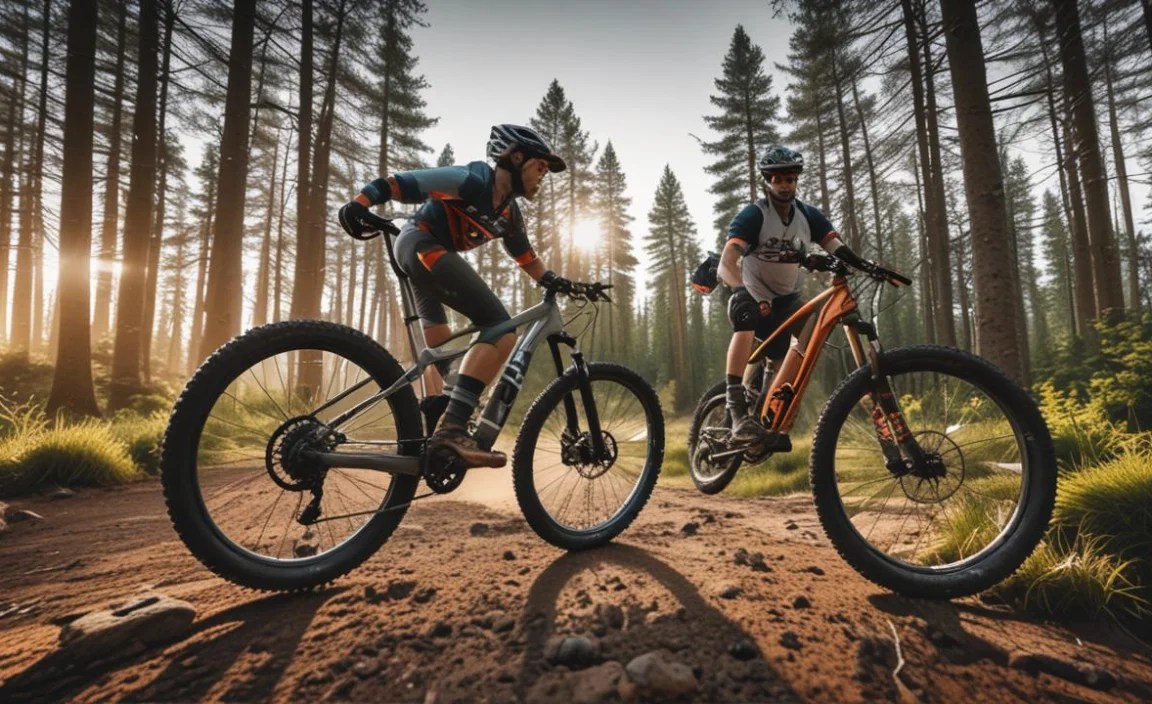
Beyond the frame and suspension, several other components play a crucial role in the performance and comfort of an endurance mountain bike.
Frame Material
The frame material affects the bike’s weight, stiffness, and ride quality.
- Aluminum: Affordable, durable, and relatively lightweight. A good choice for beginners.
- Carbon Fiber: Lighter and stiffer than aluminum, providing a more responsive ride. More expensive but offers performance benefits.
- Steel: Durable and comfortable, but heavier than aluminum or carbon fiber. Often used in more budget-friendly options.
- Titanium: Expensive but offers a great combination of strength, weight, and ride quality. Rarely seen on mainstream bikes.
Suspension
The suspension system is crucial for absorbing bumps and maintaining traction.
- Fork: Choose a fork with adjustable rebound and compression damping to fine-tune the ride. Travel should be appropriate for the terrain you’ll be riding.
- Rear Shock: On full-suspension bikes, look for a shock with adjustable rebound and compression. Air shocks are lighter and more adjustable than coil shocks.
Drivetrain
The drivetrain affects the bike’s shifting performance and range of gears.
- Gearing: Consider a wide-range cassette to tackle steep climbs. A 1x (single chainring) drivetrain simplifies shifting and reduces weight, while a 2x drivetrain offers a wider gear range.
- Components: Shimano and SRAM are the leading manufacturers of drivetrain components. Choose a groupset that balances performance and durability.
Brakes
Reliable brakes are essential for safety and control.
- Disc Brakes: Hydraulic disc brakes offer superior stopping power and modulation compared to mechanical disc brakes.
- Rotor Size: Larger rotors provide more stopping power, especially on long descents.
Wheels and Tires
Wheels and tires affect the bike’s rolling resistance, traction, and comfort.
- Wheels: Lightweight wheels improve acceleration and climbing ability. Tubeless-ready wheels allow you to run lower tire pressures for better traction and comfort.
- Tires: Choose tires with a tread pattern that matches the terrain you’ll be riding. Wider tires offer more traction and comfort.
Saddle and Contact Points
Comfortable contact points are crucial for long rides.
- Saddle: Choose a saddle that fits your anatomy and riding style. Consider a pressure mapping session at a bike shop to find the right fit.
- Grips: Ergonomic grips can reduce hand fatigue.
- Pedals: Clipless pedals offer more efficient power transfer, while flat pedals provide more freedom of movement.
Choosing the Right Size and Fit

Getting the right size and fit is essential for comfort and performance. A bike that is too big or too small can lead to discomfort, pain, and reduced efficiency.
Bike Sizing
Use the manufacturer’s size chart as a starting point, but it’s always best to try the bike in person. Consider factors such as your height, inseam, and arm length.
Professional Bike Fit
A professional bike fit can help you optimize your position on the bike for comfort and efficiency. A fitter will adjust the saddle height, handlebar position, and other components to ensure a proper fit.
Maintenance Tips for Endurance Mountain Bikes

Regular maintenance is crucial for keeping your endurance mountain bike in top condition. Here are some essential maintenance tasks:
- Cleaning: Clean your bike after every ride, especially in muddy conditions. Use a bike-specific cleaner and a soft brush.
- Lubrication: Lubricate the chain regularly with a bike-specific lubricant.
- Inspection: Inspect the bike for wear and tear, including the tires, brakes, and drivetrain.
- Suspension Service: Service the suspension fork and rear shock according to the manufacturer’s recommendations.
- Torque Checks: Regularly check the torque of bolts to ensure they are properly tightened.
Essential Gear for Off-Road Endurance Riding
In addition to the bike, you’ll need some essential gear for off-road endurance riding.
- Helmet: A properly fitted helmet is essential for safety.
- Cycling Shorts: Padded cycling shorts provide comfort on long rides.
- Cycling Jersey: A moisture-wicking jersey helps regulate body temperature.
- Gloves: Cycling gloves protect your hands and provide a better grip.
- Shoes and Pedals: Choose shoes and pedals that are compatible with your riding style.
- Hydration Pack: A hydration pack allows you to carry water and other essentials.
- Multi-Tool: A multi-tool is essential for making minor repairs on the trail.
- Tire Repair Kit: Carry a tire repair kit, including a pump, spare tube, and tire levers.
Training for Off-Road Endurance Events
Preparing your body for the demands of off-road endurance riding is just as important as choosing the right bike. Here are some training tips:
- Base Mileage: Build a solid base of aerobic fitness by riding regularly.
- Interval Training: Incorporate interval training to improve your cardiovascular fitness and power.
- Strength Training: Strength training can improve your muscular endurance and prevent injuries.
- Nutrition: Fuel your body with a balanced diet and stay hydrated during rides.
- Practice: Practice riding on the terrain you’ll be encountering in your endurance events.
Comparing Popular Mountain Bike Models
Here is a comparison of some popular mountain bike models suitable for off-road endurance:
| Model | Type | Frame Material | Suspension Travel (Front/Rear) | Drivetrain | Price Range |
|---|---|---|---|---|---|
| Trek Fuel EX | Full Suspension | Aluminum/Carbon | 140mm/130mm | Shimano/SRAM | $3,000 – $7,000 |
| Specialized Epic Hardtail | Hardtail | Carbon | 100mm | Shimano/SRAM | $2,500 – $6,000 |
| Santa Cruz Tallboy | Downcountry | Carbon | 130mm/120mm | Shimano/SRAM | $4,000 – $9,000 |
| Giant Trance X | Full Suspension | Aluminum/Carbon | 150mm/135mm | Shimano/SRAM | $3,200 – $6,500 |
| Cannondale Scalpel | Full Suspension | Carbon | 100mm/100mm | Shimano/SRAM | $4,500 – $8,000 |
Finding Local Trails and Events
Once you have your bike and gear, it’s time to hit the trails! Here are some resources for finding local trails and endurance events:
- Trailforks: A website and app with maps and information on mountain bike trails worldwide.
- MTB Project: Another website and app with trail maps and information.
- Local Bike Shops: Bike shops are a great resource for finding local trails and events.
- Cycling Clubs: Join a local cycling club to connect with other riders and learn about new trails and events.
- USA Cycling: The official governing body for cycling in the United States, with information on events and races.
Common Mistakes to Avoid
Choosing the right mountain bike for off-road endurance can be tricky. Here are some common mistakes to avoid:
- Buying the wrong size: Always get a proper bike fit.
- Neglecting maintenance: Regular maintenance is essential.
- Overlooking comfort: Prioritize comfort for long rides.
- Ignoring terrain: Choose a bike that is suited to the terrain you’ll be riding.
- Not training properly: Prepare your body for the demands of endurance riding.
FAQ: Mountain Bikes for Off-Road Endurance
Here are some frequently asked questions about choosing a mountain bike for off-road endurance:
- What is the best type of mountain bike for endurance riding?
- Full-suspension bikes are generally best for endurance riding due to their comfort and control on rough terrain. Downcountry bikes offer a good balance of efficiency and capability, while hardtails can be suitable for smoother trails.
- How much should I spend on an endurance mountain bike?
- The price depends on your budget and needs. A decent entry-level endurance mountain bike can cost around $2,000 – $3,000, while higher-end models can cost $5,000 or more.
- What size mountain bike do I need?
- Use the manufacturer’s size chart as a starting point, but it’s always best to try the bike in person. Consider your height, inseam, and arm length.
- What are the most important components to upgrade on a mountain bike for endurance?
- Key upgrades include the wheels, tires, and saddle. Lightweight wheels improve acceleration, while comfortable tires and a saddle can reduce fatigue on long rides.
- How often should I service my mountain bike?
- Service intervals depend on how often you ride and the conditions you ride in. As a general guideline, service your bike every 3-6 months or after every 50-100 hours of riding.
- Can I use an e-mountain bike for off-road endurance?
- Yes, e-mountain bikes can be a great option for endurance riding, especially if you want assistance on challenging climbs. However, battery range is a key consideration.
- What tire pressure should I use for off-road endurance riding?
- Tire pressure depends on your weight, tire width, and the terrain you’ll be riding. As a general guideline, start with around 20-25 PSI for tubeless tires and adjust as needed.
Conclusion
Choosing the right mountain bike for off-road endurance is a significant investment in your comfort, performance, and enjoyment. By considering factors such as frame material, suspension, components, and fit, you can find a bike that is perfectly suited to your needs and riding style. Remember to prioritize comfort, durability, and efficiency, and don’t be afraid to seek advice from experienced riders or bike shop professionals. With the right bike and proper preparation, you’ll be ready to tackle any off-road endurance challenge that comes your way. Happy trails!


