
Best Way to Patch a Bike Inner Tube: Easy Pro Fix

Quick Summary: The best way to patch a bike inner tube involves removing the wheel, finding the leak, and using a patch kit. Lightly roughen the tube around the hole, apply glue, let it dry until tacky, and firmly press on the patch. Make sure the patch has adhered properly before reinstalling the tube and inflating it. This gets you back on the road quickly and affordably!
Getting a flat tire is a cyclist’s least favorite surprise. But don’t let a puncture ruin your ride! Patching your bike’s inner tube is a simple, cost-effective skill that every cyclist should know. Instead of throwing away a perfectly good tube, you can easily repair it and get back on the road in no time.
This guide will walk you through each step, from finding the leak to properly applying the patch. We’ll cover the tools you need, the best techniques, and some helpful tips to ensure a long-lasting repair. Let’s get started and turn that flat into a fix!
Tools and Materials You’ll Need

Before you begin, gather these essential tools and materials. Having everything on hand will make the process smoother and more efficient.
- Bike tire levers: For removing the tire from the rim.
- Inner tube patch kit: Includes patches, glue, and sandpaper or a metal scuffer.
- Hand pump or CO2 inflator: To inflate the tube after patching.
- Bucket or bowl of water: To help locate the leak.
- Rag or paper towel: To clean the area around the puncture.
- Marker or pen: To mark the location of the leak.
Step-by-Step Guide to Patching a Bike Inner Tube

Follow these steps carefully to ensure a successful and durable patch.
Step 1: Remove the Wheel
The first step is to remove the wheel with the flat tire from your bike. Depending on your bike, this may involve:
- Releasing the brakes.
- Flipping the bike upside down (if you don’t have a bike stand).
- Using a quick-release lever or a wrench to loosen the wheel’s axle.
Once the axle is loose, carefully lift the wheel out of the frame or fork.
Step 2: Remove the Inner Tube
Now, you need to remove the inner tube from the wheel.
- Deflate the tire completely: If there’s any air left in the tube, release it by pressing the valve core.
- Use tire levers: Insert one tire lever under the edge of the tire bead and hook it onto a spoke. Insert a second lever a few inches away and pry that section of the tire off the rim. You can usually unseat one side of the tire completely with just two levers.
- Remove the tube: Once one side of the tire is off the rim, you can pull the inner tube out. Start at the valve and work your way around the tire.
Step 3: Find the Puncture
Locating the puncture is crucial. Here are a couple of methods:
- Visual Inspection: Inflate the tube slightly and look for any obvious holes, cuts, or embedded objects.
- Water Test: If you can’t find the hole visually, inflate the tube a bit more and submerge it in a bucket or bowl of water. Watch for bubbles, which indicate the location of the leak. Mark the spot with a pen or marker.
Step 4: Prepare the Area Around the Puncture
Proper preparation is key for a strong patch.
- Dry the Tube: If you used the water test, dry the area around the puncture thoroughly with a rag or paper towel.
- Roughen the Surface: Use the sandpaper or metal scuffer from your patch kit to lightly roughen the surface of the tube around the hole. This creates a better bonding surface for the glue.
- Clean the Area: Wipe away any debris or rubber particles with a clean rag.
Step 5: Apply the Glue
Applying the glue correctly is essential for a durable patch.
- Apply a Thin Layer: Squeeze a small amount of glue from the patch kit onto the roughened area around the puncture. Spread it into a thin, even layer that’s slightly larger than the patch.
- Let it Dry: This is the most important step. Allow the glue to dry completely until it’s tacky to the touch. This usually takes 3-5 minutes, but it can vary depending on the humidity and temperature. The glue should no longer be wet or shiny.
Step 6: Apply the Patch
Now it’s time to apply the patch.
- Remove the Backing: Carefully peel the backing off the patch, being careful not to touch the adhesive surface.
- Center the Patch: Center the patch over the glued area, making sure the hole is in the middle.
- Press Firmly: Press down firmly on the patch for at least 60 seconds. Apply even pressure across the entire patch to ensure a good bond. Some patch kits include a metal tool for this purpose.
Step 7: Check the Seal
Before reinstalling the tube, check the seal of the patch.
- Inspect the Edges: Make sure the edges of the patch are securely bonded to the tube.
- Inflate Slightly: Inflate the tube slightly and check for any air leaks around the patch. If you hear or feel any air escaping, remove the patch and start over.
Step 8: Reinstall the Inner Tube and Tire
Now that the tube is patched, it’s time to put everything back together.
- Insert the Valve: Start by inserting the valve into the valve hole in the rim.
- Tuck the Tube: Carefully tuck the rest of the inner tube into the tire, making sure it’s evenly distributed and not twisted.
- Seat the Tire: Use your thumbs to push the tire bead back onto the rim. Start opposite the valve and work your way around the tire. If you have trouble getting the last section of the tire onto the rim, use tire levers, being careful not to pinch the inner tube.
- Check the Tire Seating: Make sure the tire is evenly seated around the rim. Look for a consistent gap between the tire bead and the rim.
Step 9: Inflate the Tire
Inflate the tire to the recommended pressure, which is usually printed on the sidewall of the tire.
- Use a Hand Pump or CO2 Inflator: Inflate the tire gradually, checking the pressure with a gauge.
- Check for Leaks: After inflating the tire, check for any leaks around the valve and the patched area.
Step 10: Reinstall the Wheel
Finally, reinstall the wheel onto your bike.
- Align the Wheel: Make sure the wheel is properly aligned in the frame or fork.
- Tighten the Axle: Tighten the quick-release lever or axle nuts securely.
- Check the Brakes: Make sure the brakes are functioning properly before riding.
Tips for a Successful Patch
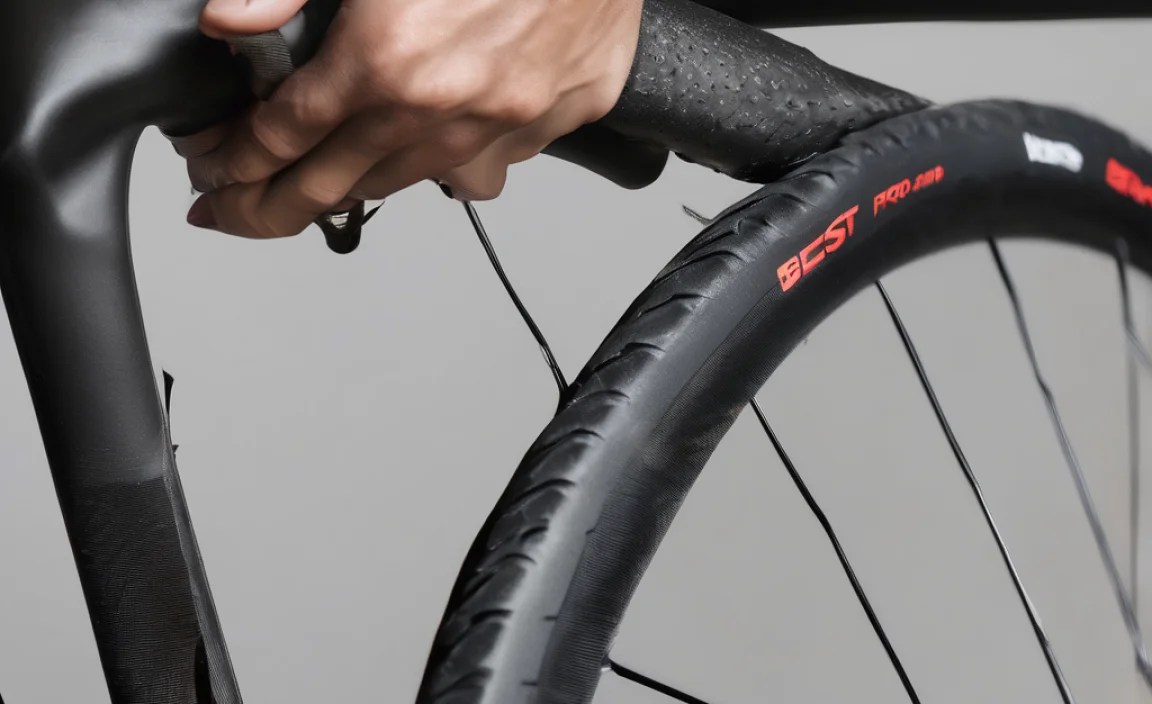
Here are some extra tips to ensure a long-lasting and reliable patch:
- Cleanliness is Key: Make sure the area around the puncture is clean and dry before applying the glue.
- Don’t Rush the Drying Time: Allow the glue to dry completely until it’s tacky to the touch. This is crucial for a strong bond.
- Apply Even Pressure: When applying the patch, press down firmly and evenly across the entire surface.
- Carry a Patch Kit: Always carry a patch kit with you on rides, along with tire levers and a pump or CO2 inflator.
- Inspect Your Tires Regularly: Check your tires for cuts, embedded objects, and wear. Replace them when necessary to prevent flats.
Types of Patches

There are several types of patches available, each with its own advantages and disadvantages.
Glueless Patches
Glueless patches are convenient and easy to use, making them a popular choice for quick repairs on the road. They have an adhesive backing that sticks directly to the inner tube, eliminating the need for glue. However, they may not be as durable as traditional patches.
Traditional Patches
Traditional patches require glue and are generally more durable than glueless patches. They create a stronger bond with the inner tube, making them a good choice for long-lasting repairs.
Pre-Glued Patches
Pre-glued patches offer a compromise between glueless and traditional patches. They have a layer of glue already applied to the patch, making them easier to use than traditional patches but potentially more durable than glueless patches.
Patch Kit Comparison Table
Here’s a comparison table of different patch types.
| Patch Type | Pros | Cons | Durability | Ease of Use |
|---|---|---|---|---|
| Glueless Patches | Quick and easy to apply, no glue needed. | May not be as durable as traditional patches. | Medium | High |
| Traditional Patches | Very durable, creates a strong bond. | Requires glue, more time-consuming to apply. | High | Medium |
| Pre-Glued Patches | Easier to use than traditional patches, potentially more durable than glueless patches. | May not be as durable as traditional patches. | Medium | Medium |
When to Replace vs. Patch
Knowing when to patch versus replace your inner tube is an important part of bike maintenance. While patching is a great way to extend the life of your tube, there are situations where replacement is the better option.
Factors to Consider
- Size and Location of the Puncture: Small punctures in the main body of the tube are generally easy to patch. However, large cuts or punctures near the valve stem may be difficult or impossible to repair effectively.
- Number of Previous Patches: If your inner tube already has several patches, it may be time to replace it. Multiple patches can weaken the tube and increase the risk of future flats.
- Age and Condition of the Tube: Over time, inner tubes can become brittle and less elastic. If your tube is old or shows signs of wear, it’s best to replace it rather than trying to patch it.
- Cost and Convenience: Inner tubes are relatively inexpensive, so if you’re unsure about the reliability of a patch, it may be more convenient and cost-effective to simply replace the tube.
Pros and Cons of Patching
| Aspect | Pros | Cons |
|---|---|---|
| Cost | Inexpensive, saves money compared to buying new tubes. | Minimal, patch kits are quite affordable. |
| Convenience | Can be done on the road with a patch kit. | Requires some skill and time to do properly. |
| Environmental Impact | Reduces waste by extending the life of the tube. | None significant. |
| Reliability | Good if done correctly. | Can fail if not applied properly, leading to another flat. |
Pros and Cons of Replacing
| Aspect | Pros | Cons |
|---|---|---|
| Cost | Low initial cost. | Higher long-term cost due to repeated purchases. |
| Convenience | Quick and easy, especially with experience. | Requires having a spare tube on hand. |
| Reliability | Guaranteed reliability with a new tube. | None, if the tube is good quality. |
| Environmental Impact | None, if old tubes are recycled. | Increases waste if old tubes are discarded. |
Safety Considerations
When patching a bike inner tube, safety should always be a priority.
- Work in a Safe Area: Choose a safe, well-lit area away from traffic to perform the repair.
- Use Caution with Tools: Be careful when using tire levers and other tools to avoid injury.
- Inspect the Tire: Before reinstalling the inner tube, inspect the tire for any sharp objects or debris that could cause another puncture.
- Inflate Properly: Inflate the tire to the recommended pressure to ensure safe handling and optimal performance.
- Check Brakes: Verify that your brakes are working effectively before riding.
Maintaining Your Tires to Prevent Flats
Preventing flats is always better than fixing them. Here are some tips for maintaining your tires and reducing the risk of punctures:
- Check Tire Pressure Regularly: Maintain the recommended tire pressure to prevent pinch flats and improve rolling resistance.
- Inspect Tires for Wear and Damage: Regularly check your tires for cuts, bulges, and embedded objects. Replace worn or damaged tires promptly.
- Avoid Road Hazards: Be mindful of road hazards such as potholes, glass, and debris. Steer clear of these obstacles whenever possible.
- Use Tire Liners or Sealant: Consider using tire liners or sealant to provide an extra layer of protection against punctures.
FAQ: Patching Bike Inner Tubes
What if the patch doesn’t stick?
Make sure you’ve roughened the tube surface adequately and that the glue is completely dry before applying the patch. Press firmly and hold for at least 60 seconds.
Can I use any type of glue for patching?
No, you should only use the glue that comes with your patch kit. Other glues may not bond properly and could damage the tube.
How long should I let the glue dry?
Let the glue dry until it’s tacky to the touch, usually around 3-5 minutes. It should no longer be wet or shiny.
Can I patch a tube multiple times?
Yes, but it’s best to replace the tube if it already has several patches, as multiple patches can weaken the tube.
What’s the difference between glueless and traditional patches?
Glueless patches are easier to apply but may not be as durable as traditional patches, which require glue.
How do I find a very small puncture?
Inflate the tube and submerge it in water. Look for tiny bubbles coming from the puncture.
Is it better to replace the tube instead of patching it?
It depends on the size and location of the puncture, as well as the age and condition of the tube. For small punctures in good tubes, patching is fine. For larger punctures or older tubes, replacement is better.
Conclusion
Patching a bike inner tube is a valuable skill that can save you time and money. By following these steps and tips, you can confidently repair your own flats and keep your bike rolling smoothly. Remember to take your time, be thorough, and always prioritize safety. With a little practice, you’ll be patching tubes like a pro in no time, and you can get back to enjoying your rides without worrying about every little bump in the road.


