
Easy Emergency Repair Methods Without a Kit

Quick Summary: Got a flat tire or a loose bolt and no repair kit? No sweat! Use everyday items like duct tape for tire boots, zip ties for broken spokes, or even a dollar bill as a tire patch. With a little creativity, you can get back on the road without a fully stocked kit.
Finding yourself miles from home with a busted bike and no repair kit is every cyclist’s nightmare. A flat tire, a broken cable, or a loose bolt can bring your ride to a screeching halt. But don’t panic! With a little ingenuity and some resourcefulness, you can often MacGyver your way out of a sticky situation. This guide will show you how to use everyday items to perform emergency repairs and get you rolling again. Let’s turn those roadside troubles into triumphs!
Emergency Bike Repair Methods Without a Kit

Even the most prepared cyclists can find themselves in a situation where their repair kit falls short, or they simply forgot it at home. Knowing how to improvise can be the difference between a long walk and a continued ride. Here are several emergency repair methods using items you might already have on hand or can easily find.
Tire Repairs
Flat tires are one of the most common cycling mishaps. Here’s how to handle them without a patch kit or spare tube.
Tire Booting with a Dollar Bill or Energy Gel Wrapper
A tire boot prevents the inner tube from bulging out through a cut in the tire. Here’s how to make one:
- Inspect the Tire: Find the cut or hole in the tire.
- Find Your Material: A dollar bill, energy gel wrapper, duct tape, or even a sturdy leaf can work.
- Fold and Insert: Fold the material to make it strong and stiff. Insert it between the tire and the tube, covering the cut from the inside. Make sure the material extends beyond the edges of the cut.
- Inflate Carefully: Inflate the tire slowly and check that the boot stays in place. Avoid over-inflation.
Using Grass or Debris to Fill a Large Tire Tear
For larger tears, you might need to fill the void to provide more support.
- Gather Material: Collect dry grass, leaves, or small pieces of cloth.
- Pack the Tire: Stuff the material into the tire through the tear, filling the gap.
- Boot the Tire: Use a dollar bill or wrapper as described above to keep the filling in place and protect the tube.
- Inflate Cautiously: Inflate the tire gently, checking the boot and filling. Ride slowly and carefully.
Riding on a Flat Tire (Last Resort)
If all else fails, you can try riding on a flat tire for a short distance. This is not ideal and can damage your rim, but it might get you to safety.
- Walk If Possible: If the distance is short and the terrain allows, walking is always the best option.
- Deflate Completely: Make sure the tire is completely flat to minimize friction and heat buildup.
- Ride Slowly: Ride at a very slow pace, avoiding sharp turns and obstacles. Stand up on the pedals to reduce weight on the rear wheel.
Brake Repairs
Brakes are essential for safety. Here’s how to address common brake issues without a repair kit.
Adjusting Brake Cable Tension with a Stick or Rock
If your brake cable is loose, you can use a small stick or rock to temporarily increase tension.
- Identify the Problem: Determine which brake cable is loose.
- Find a Small Object: Look for a small stick, rock, or even a thick leaf.
- Insert the Object: Insert the object between the brake lever and the brake cable housing, effectively shortening the cable length and increasing tension.
- Test the Brakes: Check that the brakes are working properly before riding. This is a temporary fix, so get it professionally repaired as soon as possible.
Using Zip Ties for a Broken Brake Cable
If your brake cable snaps, zip ties can provide a temporary solution.
- Assess the Damage: Examine the broken cable and determine where it snapped.
- Align the Cable Ends: Bring the broken ends of the cable as close together as possible.
- Secure with Zip Ties: Use several zip ties to tightly bind the cable ends together. Make sure the zip ties are very tight and secure.
- Test the Brakes: Gently test the brakes to ensure they are working. This is a temporary fix, so avoid hard braking and get the cable replaced promptly.
Chain Repairs
A broken chain can leave you stranded. Here’s how to handle it without a chain tool.
Shortening a Chain with a Rock or Hard Surface
If a chain link is damaged, you can remove it to shorten the chain.
- Identify the Damaged Link: Find the broken or bent link in the chain.
- Find a Rock or Hard Surface: You’ll need a solid surface to help break the chain.
- Position the Link: Place the damaged link on the rock or hard surface.
- Use Another Rock to Break the Link: Use a second rock to hammer the damaged link until it breaks apart. Be careful not to damage the surrounding links.
- Rejoin the Chain: Once the damaged link is removed, rejoin the chain by connecting the two ends. You may need to use your fingers or a small tool to push the pin back into place.
Using a Stick as a Chain Tensioner
If your chain is too loose after a repair, a stick can act as a temporary tensioner.
- Find a Sturdy Stick: Look for a strong, straight stick that is slightly longer than the distance between the chain and the frame.
- Position the Stick: Wedge the stick between the chain and the frame, applying tension to the chain.
- Secure the Stick: Use zip ties or tape to secure the stick in place.
- Test the Chain: Check that the chain is properly tensioned and doesn’t slip.
Derailleur Repairs
A malfunctioning derailleur can make shifting impossible. Here’s how to address common issues.
Straightening a Bent Derailleur Hanger
A bent derailleur hanger can prevent proper shifting. You can try to straighten it carefully.
- Assess the Damage: Determine which way the hanger is bent.
- Use Leverage: Use a small stick or multi-tool for leverage.
- Gently Bend: Carefully bend the hanger back into alignment. Avoid excessive force, as the hanger can break easily.
- Test Shifting: Check that the derailleur shifts smoothly through all gears. If it still doesn’t shift properly, seek professional repair.
Using Zip Ties to Secure a Damaged Derailleur Cable
If your derailleur cable is frayed or broken, zip ties can provide a temporary fix.
- Examine the Cable: Find the damaged section of the cable.
- Align the Cable Ends: Bring the cable ends together as closely as possible.
- Secure with Zip Ties: Use zip ties to tightly bind the cable ends together.
- Test Shifting: Gently test the shifting to ensure it is working. This is a temporary fix, so get the cable replaced as soon as possible.
Saddle and Handlebar Adjustments
A loose saddle or handlebars can make riding uncomfortable and unsafe. Here’s how to address these issues.
Tightening Bolts with a Rock or Improvised Tool
If your saddle or handlebars are loose, you can use a rock or other object to tighten the bolts.
- Identify the Loose Bolt: Find the bolt that needs tightening.
- Find a Suitable Object: Look for a rock, stick, or other object that can be used as a makeshift wrench.
- Tighten the Bolt: Use the object to tighten the bolt. Be careful not to overtighten, as this can damage the bolt or the component.
- Test the Component: Check that the saddle or handlebars are secure before riding.
Using Tape to Secure a Slipping Saddle Post
If your saddle post is slipping, tape can provide a temporary solution.
- Clean the Post and Frame: Wipe down the saddle post and the inside of the frame to remove any dirt or grease.
- Apply Tape: Wrap tape (electrical tape, duct tape, or even athletic tape) around the saddle post where it enters the frame.
- Reinsert the Post: Reinsert the saddle post into the frame and tighten the clamp.
- Test the Saddle: Check that the saddle post is secure and doesn’t slip while riding.
Other Emergency Fixes
Here are a few more emergency repair methods that can come in handy.
Using a Stick as a Splint for a Broken Frame (Very Temporary!)
A broken frame is a serious issue, but a stick can provide a temporary splint to get you home.
- Assess the Damage: Determine the location and severity of the break.
- Find a Sturdy Stick: Look for a strong, straight stick that is long enough to span the break.
- Position the Stick: Place the stick along the broken section of the frame.
- Secure with Tape or Zip Ties: Use tape or zip ties to tightly secure the stick to the frame.
- Ride Slowly and Carefully: Ride at a very slow pace, avoiding bumps and rough terrain. This is a very temporary fix, and the frame should be professionally repaired or replaced as soon as possible.
Using Shoe Laces as a Replacement for a Broken Spoke
A broken spoke can weaken your wheel, but a shoe lace can provide temporary support.
- Identify the Broken Spoke: Find the broken spoke.
- Remove the Broken Spoke: If possible, remove the broken spoke from the wheel.
- Thread the Shoe Lace: Thread the shoe lace through the spoke holes in the hub and rim, mimicking the path of the broken spoke.
- Tie the Ends: Tie the ends of the shoe lace tightly together.
- Test the Wheel: Check that the wheel is reasonably true and doesn’t wobble excessively. Ride slowly and carefully, as this is a temporary fix.
Essential Items to Carry (Besides a Kit)

While knowing how to improvise is valuable, carrying a few essential items can make emergency repairs much easier.
- Duct Tape: Incredibly versatile for tire boots, securing loose parts, and more.
- Zip Ties: Useful for securing cables, splinting broken parts, and countless other applications.
- Multi-Tool: A compact tool with various Allen wrenches, screwdrivers, and other useful implements.
- Spare Tube: The easiest solution for a flat tire.
- Tire Levers: Essential for removing and installing tires.
- Pump or CO2 Inflator: To inflate your tires after a repair.
Pros and Cons of Emergency Repairs
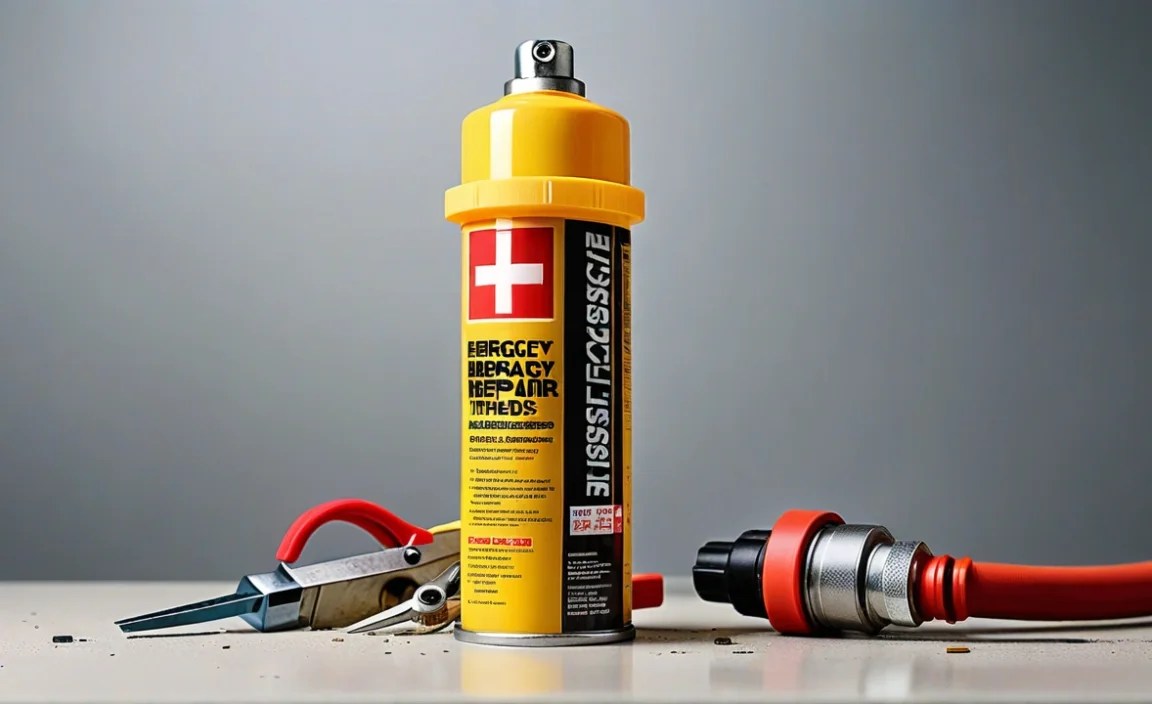
Emergency repairs can be a lifesaver, but it’s important to understand their limitations.
| Pros | Cons |
|---|---|
| Gets you home or to a repair shop. | May not be as reliable as a professional repair. |
| Saves time and money in a pinch. | Can potentially damage your bike if done incorrectly. |
| Teaches you valuable problem-solving skills. | May only be a temporary fix. |
Safety Considerations
When performing emergency repairs, safety should always be your top priority.
- Choose a Safe Location: Move your bike to a safe location away from traffic.
- Wear Gloves: Protect your hands from dirt, grease, and sharp objects.
- Be Aware of Your Surroundings: Pay attention to traffic and other hazards.
- Don’t Take Risks: If you’re not comfortable performing a repair, don’t attempt it. It’s better to walk or call for help.
FAQ: Emergency Bike Repair Methods
Here are some frequently asked questions about emergency bike repairs.
What’s the best item to use as a tire boot?
A dollar bill or an energy gel wrapper are excellent choices. They are durable, readily available, and can be folded to provide extra strength.
Can I really ride on a flat tire?
Yes, but only as a last resort and for a very short distance. Make sure the tire is completely flat to minimize damage to the rim, and ride slowly and carefully.
How can I prevent my saddle post from slipping?
Clean the post and frame, then wrap tape around the post where it enters the frame. This will increase friction and help keep the post in place.
Is it safe to straighten a bent derailleur hanger myself?
It can be done carefully, but be gentle. Derailleur hangers are made of soft aluminum and can break easily. If you’re not comfortable, it’s best to take it to a bike shop.
What if I break my chain and don’t have a chain tool?
You can try to remove the damaged link using a rock or hard surface to break it apart. Then, rejoin the chain by connecting the two ends.
How important is it to carry a multi-tool?
A multi-tool is one of the most valuable items you can carry. It includes various Allen wrenches, screwdrivers, and other tools that can be used for a wide range of repairs.
What should I do if I break a spoke and don’t have a replacement?
Use a shoe lace or strong string to temporarily replace the broken spoke. Thread it through the spoke holes in the hub and rim, mimicking the path of the broken spoke, and tie the ends tightly together.
Conclusion
Knowing how to perform emergency bike repairs without a kit can save the day when you’re miles from home. While these methods are not meant to be permanent solutions, they can get you back on the road and to a place where you can properly fix your bike. Remember to always prioritize safety and carry a few essential items like duct tape and zip ties to make these repairs easier. With a little resourcefulness and some basic knowledge, you can handle almost any roadside mishap and keep your cycling adventures rolling smoothly. Now get out there and ride with confidence!


