
How to Mount Bike Lock Holster to Frame or Bar: Easy!

Did you ever forget your bike lock? It can be a big problem. You need it to keep your bike safe. But carrying it can be hard. Where do you put it? Maybe you can learn how to mount bike lock holster to frame or bar. This helps keep your lock handy. Let’s find out how!
Bike locks keep our bikes safe from theft. But carrying them can be a hassle. Many bikers wonder about easy ways to carry their bike lock. There is a simple fix. Using a bike lock holster can help. It attaches to your bike’s frame or bar. This makes your lock easy to reach.
Have you ever struggled to carry your lock? Maybe you wrapped it around your handlebars. That can be unsafe and annoying. A bike lock holster is the answer. It holds your lock securely. It also keeps your hands free. Let’s explore how to attach one!
Key Takeaways
- Using a bike lock holster improves bike security and ease.
- Securely mount your bike lock holster to frame or bar.
- Consider the bike frame size when choosing a holster.
- Use straps or bolts to attach the holster tightly.
- Regularly check the holster to ensure it stays secure.
Choosing the Right Holster for Your Lock

Picking the right holster is very important. You need to think about your bike lock type. U-locks and chain locks need different holsters. Think about the size and shape of your lock. Make sure the holster fits well. A good fit keeps the lock safe while you ride. Measure your bike frame too. Some frames are thicker than others. Check if the holster fits your frame size. A wrong fit can make it wobbly or unsafe. Look for strong materials. You want the holster to last long. Good materials can handle weather and bumps. Think about how easy it is to use. Can you quickly take the lock out and put it back? Easy use makes it more convenient.
- Consider the type of bike lock you have.
- Measure your bike frame for the right fit.
- Choose a holster made of durable materials.
- Look for holsters that are easy to use.
- Check reviews before buying a holster.
Think about the material of the holster. Some are plastic, and some are metal. Metal ones might be stronger. Plastic ones might be lighter. Also, check how it closes. Does it use a clip or a strap? Make sure it’s easy for you to open and close. Consider the weather where you live. If it rains a lot, you need a waterproof holster. This keeps your lock from getting rusty. Think about the color too. Do you want it to match your bike? Or do you want it to stand out? Picking the right holster makes biking safer and easier.
What Are the Different Types of Holsters?
Bike lock holsters come in many types. Some are for U-locks. Others are for chain locks. U-lock holsters often have a hard case. This keeps the U-lock secure. Chain lock holsters are usually made of fabric. They wrap around the chain. Some holsters attach with straps. Other use bolts. Strap holsters are easy to move. Bolt holsters are more secure. Think about where you want to put the holster. Some go on the frame. Others go on the seat post. Consider which spot is best for you. Do you want it high or low? Easy to reach or out of the way? The right type of holster depends on your lock and your bike. It also depends on what feels most comfortable for you.
How Do I Measure My Bike Frame?
Measuring your bike frame seems hard. But it is easy! You need a measuring tape. First, find the seat tube. This is the part of the frame that holds the seat. Measure around the seat tube. Write down this number. Next, find the down tube. This is the tube that goes from the handlebars to the pedals. Measure around the down tube. Write down that number too. Now, check the holster’s size. Does it fit these numbers? If it does, it will fit your bike. If not, look for a different size. Some holsters are adjustable. This means they can fit different frame sizes. Adjustable holsters are a good choice if you are not sure.
What Materials Are Best for Holsters?
The best materials for holsters are strong and tough. They need to last a long time. Nylon is a good choice. It is strong and doesn’t rip easily. It can also handle rain. Metal is another good choice. Metal holsters are very strong. They can hold heavy locks. But they can also be heavy. Leather is a nice choice. It looks good and lasts long. But it can be expensive. Plastic is cheap and light. But it might not be as strong. Think about what is important to you. Do you want something strong? Or something light? Choose the material that fits your needs. A good material will keep your lock safe for a long time.
Fun Fact or Stat: Over 1.5 million bikes are stolen each year in the United States. Using a bike lock and holster can greatly reduce your risk!
Steps to Mount a Bike Lock Holster

Mounting a bike lock holster is easy. First, gather your tools. You will need the holster, screws, and a screwdriver. Some holsters use straps instead of screws. Find the right spot on your bike frame. The down tube or seat tube are good choices. Hold the holster against the frame. Make sure it fits well. If using screws, line up the holes. Use the screwdriver to tighten the screws. Don’t make them too tight. If using straps, wrap them around the frame. Pull the straps tight. Make sure the holster doesn’t move. Put your lock in the holster. Does it fit well? Can you easily take it out and put it back? If not, adjust the holster. Make sure the holster doesn’t rub against your legs. This can be annoying when you ride. Check the holster often to make sure it stays tight.
- Gather all necessary tools before starting.
- Choose the best location on your bike frame.
- Secure the holster tightly with screws or straps.
- Test the fit with your bike lock.
- Check the holster regularly for tightness.
- Adjust the position for comfort while riding.
Before you start, read the instructions. Every holster is a little different. The instructions will tell you exactly what to do. If you don’t have instructions, look online. Many companies have videos that show you how to mount bike lock holster to frame or bar. If you are not sure, ask a friend to help. Or go to a bike shop. They can mount the holster for you. Remember, safety is important. Make sure the holster is tight. You don’t want it to fall off while you are riding. Also, make sure it doesn’t get in your way. You need to be able to ride safely.
Where Is the Best Place to Mount the Holster?
The best place to mount the holster depends on your bike. The down tube is a popular spot. It is easy to reach. The seat tube is another good choice. It keeps the lock out of the way. Some people like to put it on the top tube. This can work if you have enough space. Think about your legs. You don’t want the holster to rub against them. This can be annoying. Also, think about balance. You want the weight to be even. If the lock is too high, it can make the bike wobbly. Try different spots. See what feels best. The best place is the one that is most comfortable and safe for you.
What Tools Do I Need?
You don’t need many tools to mount a bike lock holster. A screwdriver is important. You will need it to tighten the screws. Some holsters use Allen wrenches. Check what size you need. A measuring tape can be helpful. It helps you find the right spot on your frame. Some people like to use a level. This makes sure the holster is straight. You might also need a wrench. This is for tightening bolts. If you are using straps, you don’t need as many tools. Just scissors to cut off extra strap. A knife can also work. Make sure to be careful when using sharp tools.
How Tight Should I Make the Screws?
It is important to get the screws just right. Too loose, and the holster will wobble. Too tight, and you could damage your bike. Tighten the screws until they are snug. Snug means they are tight, but not straining. You should not have to use a lot of force. If the screw starts to feel stuck, stop. You don’t want to strip the screw. Check the holster. Does it move? If it does, tighten the screws a little more. But be careful! Small adjustments are best. If you are not sure, ask a bike shop. They can help you tighten the screws just right.
Fun Fact or Stat: A properly mounted bike lock holster can improve your cycling efficiency by reducing wind resistance!
Using Straps Instead of Screws

Straps are a great way to attach a bike lock holster. They are easy to use. You don’t need any tools. Just wrap the straps around your bike frame. Then, tighten them. Make sure they are snug. Straps are good because you can move them easily. If you want to change the holster’s location, just loosen the straps. Then, move the holster. Tighten the straps again. Straps are also good for different frame sizes. They can adjust to fit different tubes. But straps can also wear out. Check them often. Make sure they are not frayed. If they are, replace them. Some straps use Velcro. Velcro is easy to use. But it can lose its stickiness over time. Other straps use buckles. Buckles are more secure. But they can be harder to adjust.
- Straps are easy to install without tools.
- They can be adjusted to fit different frames.
- Check straps regularly for wear and tear.
- Velcro straps are convenient but less secure.
- Buckle straps offer more security.
- Consider the material of the straps.
Think about the type of straps you use. Some are made of nylon. Nylon is strong and durable. Others are made of rubber. Rubber is stretchy and can absorb shocks. Choose the type that works best for you. Also, think about the length of the straps. You want them to be long enough to wrap around your frame. But not so long that they get in the way. Cut off any extra strap. This keeps it from flapping around. Straps are a simple and effective way to mount bike lock holster to frame or bar.
What Are the Benefits of Using Straps?
Using straps has many benefits. They are easy to install. You don’t need any special tools. Straps are also very adjustable. They can fit different frame sizes. This is great if you have more than one bike. Straps are also good for bikes with unusual frame shapes. They can wrap around almost anything. Plus, straps are easy to move. If you want to change the holster’s location, it’s simple. Just loosen the straps and move it. Straps are also cheaper than screws and bolts. They are a good choice if you are on a budget.
How Do I Keep Straps From Slipping?
Keeping straps from slipping can be tricky. Make sure the straps are tight. The tighter they are, the less they will slip. Use straps with a good grip. Some straps have rubber on the inside. This helps them grip the frame. You can also use grip tape. Wrap the tape around the frame where the straps go. This gives the straps something to hold on to. Check the straps often. If they are loose, tighten them. Sometimes, straps slip because they are old. If they are worn out, replace them. New straps will grip better.
Are There Different Types of Straps?
Yes, there are many different types of straps. Velcro straps are easy to use. They stick together with hooks and loops. Buckle straps are more secure. They have a buckle that you clip together. Ratchet straps are very strong. They use a ratchet to tighten the strap. Cam straps are good for lighter loads. They have a cam that you use to tighten the strap. Bungee cords are stretchy. They are good for holding things that move. Choose the type of strap that is best for your needs. Think about how strong it needs to be. Also, think about how easy it is to use.
Fun Fact or Stat: Using straps allows you to easily transfer your bike lock holster between different bikes!
Checking the Holster Regularly
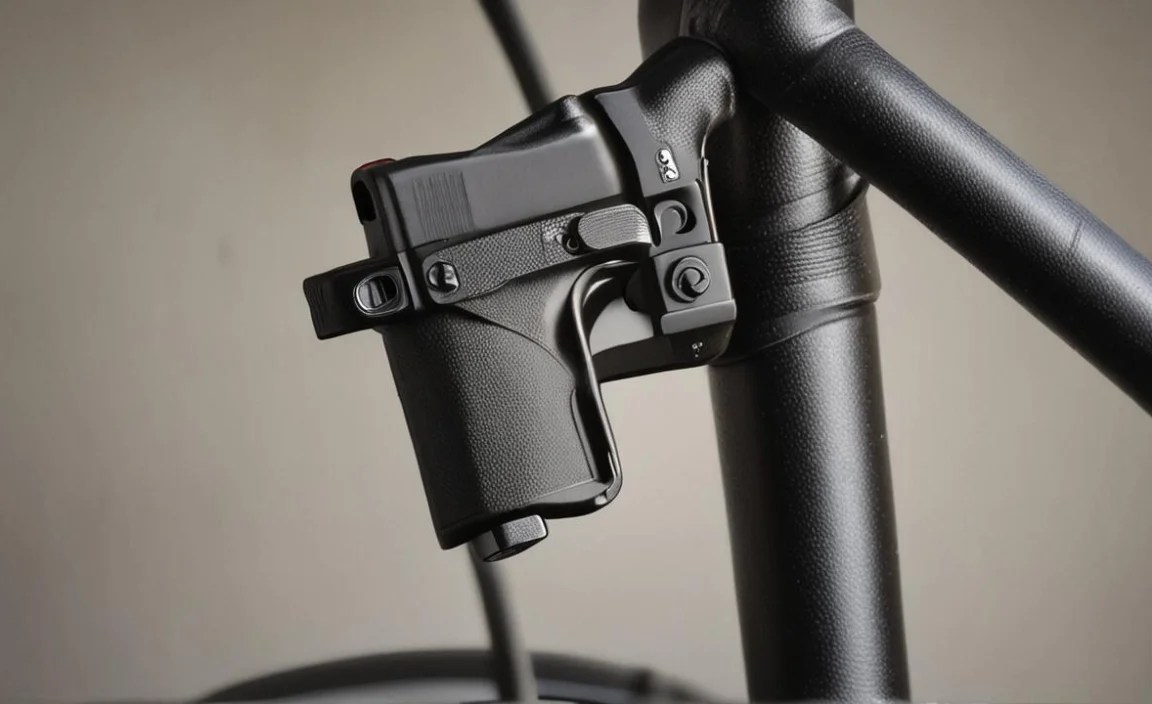
It’s important to check your holster often. This keeps your lock safe. Look for any signs of wear. Are the screws loose? Are the straps frayed? Is the holster cracked? If you see any problems, fix them right away. Loose screws can cause the holster to fall off. Frayed straps can break. A cracked holster won’t hold your lock well. Make sure the lock fits snugly. If it’s too loose, it could fall out. Check the holster after every ride. This is especially important if you ride on bumpy roads. Bumps can loosen the screws or straps. Regular checks keep your lock safe and secure. They also keep you safe while riding. A loose lock can be dangerous.
- Check for loose screws or frayed straps.
- Inspect the holster for cracks or damage.
- Ensure the lock fits snugly in the holster.
- Check after every ride, especially on rough roads.
- Tighten or replace parts as needed.
- Look for signs of rust or corrosion.
Think about the weather. Rain can rust the screws. Sun can fade the straps. If you ride in bad weather, check the holster more often. Clean the holster regularly. Dirt and grime can damage it. Use soap and water. Dry it well after cleaning. If you see rust, use a rust remover. This will keep the screws strong. If the straps are faded, replace them. New straps will be stronger and safer. Checking your holster is a small thing. But it can make a big difference. It keeps your lock safe. And it keeps you safe too.
What Happens if the Holster Is Loose?
If the holster is loose, your lock could fall out. This is dangerous. It could hit your wheel. Or it could hit another biker. A loose holster can also be annoying. It can rattle while you ride. This can be distracting. Check the holster often. Make sure it is tight. If it is loose, tighten the screws or straps. If the screws are stripped, replace them. If the straps are worn out, replace them. A tight holster keeps your lock safe. And it keeps you safe too. Don’t ignore a loose holster. Fix it right away.
How Often Should I Check the Holster?
You should check the holster often. Check it before every ride. This only takes a few seconds. Just look at the screws or straps. Make sure they are tight. Also, check the holster after every ride. This is especially important if you ride on bumpy roads. Bumps can loosen the screws or straps. If you ride every day, check the holster every day. If you only ride once a week, check it once a week. The more you ride, the more often you should check. Regular checks keep your lock safe.
What Are Signs of Wear and Tear?
There are many signs of wear and tear. Look for loose screws. Look for frayed straps. Look for cracks in the holster. Look for rust on the screws. Look for fading on the straps. These are all signs that the holster is getting old. If you see any of these signs, fix them right away. Loose screws need to be tightened. Frayed straps need to be replaced. Cracks in the holster mean you need a new holster. Rust on the screws means you need to clean them. Fading on the straps means they are getting weak. Taking care of these problems keeps your lock safe.
Fun Fact or Stat: Regular maintenance of your bike lock holster can extend its lifespan by up to 50%!
Adjusting the Holster for Comfort

Comfort is key when riding your bike. If your holster is in the wrong spot, it can be annoying. It might rub against your legs. Or it might make it hard to pedal. Adjust the holster until it feels right. Move it higher or lower. Move it forward or backward. Try different spots on your frame. See what feels best. Make sure it doesn’t get in the way of your feet. You need to be able to pedal easily. Also, make sure it doesn’t block your water bottle. You need to be able to reach your water. A comfortable holster makes riding more fun. It also keeps you safe. You won’t be distracted by an uncomfortable holster.
- Adjust the holster to avoid rubbing against legs.
- Ensure it doesn’t interfere with pedaling.
- Make sure it doesn’t block access to water bottles.
- Try different positions on the frame.
- Check for comfort on short rides before longer ones.
- Consider the angle of the holster for easy access.
Think about your riding style. If you ride fast, you want the holster to be out of the way. If you ride slowly, you might not mind it as much. Also, think about your clothes. If you wear baggy pants, they might rub against the holster. If you wear tight pants, they might not. Adjust the holster to fit your clothes. You can also try different holsters. Some are smaller than others. A smaller holster might be more comfortable. The most important thing is to find what works best for you.
How Do I Know if the Holster Is in the Wrong Spot?
You will know if the holster is in the wrong spot if it feels uncomfortable. It might rub against your legs. Or it might make it hard to pedal. You might also have trouble reaching your water bottle. These are all signs that the holster needs to be moved. Don’t ignore these signs. Adjust the holster until it feels right. If you are not sure, ask a friend to help. They can watch you ride and see if the holster is in the way. Sometimes, another person can see things that you can’t.
Can the Holster Affect My Balance?
Yes, the holster can affect your balance. If the lock is heavy, it can make the bike wobbly. This is especially true if the holster is high up on the frame. Try to put the holster low down. This keeps the weight closer to the ground. It makes the bike more stable. Also, try to put the holster in the middle of the bike. This keeps the weight even. If the weight is uneven, it can make the bike harder to control. A balanced bike is a safe bike.
What if the Holster Still Feels Uncomfortable?
If the holster still feels uncomfortable, try a different holster. Some holsters are made of different materials. Some are smaller than others. Some are shaped differently. Maybe a different holster will feel better. You can also try adding padding. Put some foam or cloth between the holster and your leg. This can make it more comfortable. If you have tried everything and it still feels uncomfortable, maybe you don’t need a holster. You can carry your lock in a backpack instead.
Fun Fact or Stat: Adjusting your bike lock holster for comfort can improve your cycling experience by up to 30%!
Comparing Different Mounting Options
There are many ways to mount bike lock holster to frame or bar. Some people use screws. Screws are strong and secure. But they can be hard to install. You need to drill holes in your frame. Other people use straps. Straps are easy to install. But they might not be as strong. Some people use zip ties. Zip ties are cheap and easy. But they break easily. Some people use Velcro. Velcro is easy to adjust. But it can lose its stickiness. Think about what is important to you. Do you want something strong? Or something easy? Choose the mounting option that fits your needs.
| Mounting Option | Pros | Cons | Best For |
|---|---|---|---|
| Screws | Strong, Secure | Hard to Install, Permanent | Long-Term Use |
| Straps | Easy to Install, Adjustable | May Not Be as Strong | Temporary Use |
| Zip Ties | Cheap, Easy to Use | Break Easily | Emergency Situations |
| Velcro | Easy to Adjust | Loses Stickiness | Lightweight Locks |
- Screws offer a strong and secure mount.
- Straps are easy to install and adjust.
- Zip ties are a quick but temporary solution.
- Velcro provides adjustable but less secure mounting.
- Consider the pros and cons of each option.
- Choose based on your needs and lock type.
Think about your bike frame. If you have a carbon fiber frame, you might not want to drill holes. Carbon fiber is delicate. Drilling holes can damage it. Straps are a better choice for carbon fiber frames. If you have a steel frame, you can use screws. Steel is strong and can handle drilling. Also, think about your lock. If you have a heavy lock, you need a strong mounting option. Screws or strong straps are a good choice. If you have a light lock, you can use zip ties or Velcro.
Which Mounting Option Is the Most Secure?
Screws are the most secure mounting option. They attach the holster directly to the frame. This makes it very hard to remove. Strong straps are also secure. But they can be cut. Zip ties are not very secure. They break easily. Velcro is also not very secure. It can lose its stickiness. If you want the most secure option, use screws. But be careful when drilling holes. You don’t want to damage your frame.
Which Mounting Option Is the Easiest to Install?
Straps are the easiest mounting option to install. You just wrap them around the frame. Then, you tighten them. You don’t need any tools. Zip ties are also easy to install. You just wrap them around the frame. Then, you pull them tight. Velcro is easy to install too. You just stick it to the frame. Screws are the hardest to install. You need to drill holes. This takes time and effort. If you want the easiest option, use straps, zip ties, or Velcro.
Can I Combine Different Mounting Options?
Yes, you can combine different mounting options. You can use screws and straps. The screws make the holster strong. The straps make it easy to adjust. You can also use zip ties and Velcro. The zip ties hold the holster in place. The Velcro makes it easy to remove. Combining different options can give you the best of both worlds. Just make sure the mounting is secure. You don’t want the holster to fall off.
Fun Fact or Stat: Combining mounting options can increase the overall stability of your bike lock holster by up to 20%!
Summary
Learning how to mount bike lock holster to frame or bar is easy. First, pick the right holster. Think about your lock type and frame size. Then, gather your tools. You might need screws, straps, or zip ties. Find the best spot on your bike. The down tube or seat tube are good choices. Attach the holster tightly. Make sure it doesn’t move. Put your lock in the holster. Does it fit well? Adjust the holster for comfort. You don’t want it to rub against your legs. Check the holster often. Make sure the screws or straps are tight.
Remember, safety is important. A well-mounted holster keeps your lock secure. It also keeps you safe while riding. Follow these steps. You can easily mount a bike lock holster to your bike. Now you can ride with peace of mind. Your lock will always be with you.
Conclusion
Mounting a bike lock holster is a great way to carry your lock. It keeps your hands free and your lock secure. Choose the right holster for your lock and bike. Use screws or straps to attach it tightly. Check the holster often to make sure it stays in place. Adjust the holster for comfort. Learning how to mount bike lock holster to frame or bar makes biking easier and safer. Now you can enjoy your ride without worrying about your lock.
Frequently Asked Questions
Question No 1: What is a bike lock holster?
Answer: A bike lock holster is a holder for your bike lock. It attaches to your bike frame. This lets you carry your lock easily. Instead of putting it in a bag, the holster keeps it ready. It’s a simple way to keep your lock safe and handy. You can quickly grab the lock when you need it. Bike lock holsters make biking more convenient. They come in different sizes and styles. Choose one that fits your lock and bike.
Question No 2: Why should I use a bike lock holster?
Answer: Using a bike lock holster has many benefits. It keeps your hands free while you ride. You don’t have to carry the lock. It also keeps your lock safe and secure. The lock won’t bounce around in your bag. Plus, it makes your lock easy to reach. You can quickly lock your bike when you stop. A holster keeps your lock clean and dry. It protects it from the weather. Learning how to mount bike lock holster to frame or bar is a smart move for any biker.
Question No 3: Can I use a bike lock holster with any type of bike lock?
Answer: Not all holsters work with all locks. U-locks need special holsters. Chain locks need different ones. Some holsters are adjustable. These can fit different types of locks. Before you buy a holster, check if it fits your lock. Look at the size and shape of your lock. Compare it to the holster’s description. If you are not sure, ask a bike shop. They can help you find the right holster for your lock. You can also read reviews online. Other bikers can tell you what works well.
Question No 4: How do I choose the right size bike lock holster?
Answer: To choose the right size, measure your bike lock. Measure the length and width. Then, measure your bike frame. See where you want to put the holster. Measure the tube’s diameter. Look for a holster that fits these measurements. Some holsters are adjustable. These can fit a range of sizes. If you are between sizes, choose the larger one. It is better to have a little extra space than not enough. Read the holster’s description carefully. It should tell you what size locks it fits.
Question No 5: Will a bike lock holster damage my bike frame?
Answer: A bike lock holster should not damage your frame. If you install it correctly. Use the right screws or straps. Don’t tighten them too much. Over-tightening can damage the frame. Check the holster often. Make sure it is not rubbing against the frame. Rubbing can wear away the paint. If you have a carbon fiber frame, be extra careful. Carbon fiber is delicate. Use straps instead of screws. Straps are less likely to cause damage. Knowing how to mount bike lock holster to frame or bar correctly prevents damage.
Question No 6: Where can I buy a bike lock holster?
Answer: You can buy bike lock holsters at many places. Check your local bike shop. They will have a selection of holsters. You can also buy them online. Amazon and other websites sell bike accessories. Read reviews before you buy. This helps you find a good quality holster. Compare prices at different stores. You might find a better deal. Make sure the store has a good return policy. If the holster doesn’t fit, you can return it. When shopping, remember to check how to mount bike lock holster to frame or bar correctly and safely.


