
How to Choose Mount for Deep Dish Bike Wheels? Smart Guide

Do you love riding your bike? Have you seen bikes with cool, deep rims? These are called deep dish bike wheels. But how do you choose the right mount for them? It can seem tricky, but it’s not. Let’s explore how to make sure your cool wheels fit perfectly!
Picking the right mount for deep dish bike wheels is important. It keeps you safe and makes riding fun. We’ll show you easy steps to get it right. Ready to roll?
Key Takeaways
- Choosing the right mount ensures your deep dish bike wheels are secure.
- Consider the wheel’s depth and your bike’s frame when selecting a mount.
- Always check the brake compatibility of the mount with your wheels.
- Look for strong and durable materials like alloy in your bike mount.
- Proper installation is key to safe riding with deep dish bike wheels.
How To Choose Mount For Deep Dish Bike Wheels: Basics

Choosing the right mount for deep dish bike wheels involves a few important steps. First, you need to know your bike. What kind of frame does it have? What type of brakes do you use? These details matter. Deep dish wheels are taller than regular wheels. This means they need special brake mounts that can reach the rim. If you don’t pick the right mount, your brakes might not work well. This could be dangerous. Also, think about the material of the mount. Stronger materials like alloy are better because they last longer. Always read reviews and ask experts if you’re unsure. This will help you find the best mount for your deep dish wheels.
- Know your bike frame type.
- Check your brake type (e.g., caliper, disc).
- Measure the wheel’s depth carefully.
- Consider the mount’s material.
- Read reviews from other riders.
- Ask a bike shop for advice.
Getting the right mount makes a big difference. It’s like finding the perfect shoes for running. If they don’t fit, you won’t run well. The same goes for your bike. The right mount keeps your wheels secure and your brakes working smoothly. This means you can ride faster and safer. Remember to take your time and do your research. Don’t rush the process. A little effort now can save you trouble later. Think of it as an investment in your safety and enjoyment. Happy riding!
Fun Fact or Stat: Did you know that alloy brake mounts are 30% lighter than steel ones, improving your bike’s overall performance?
Why Does Wheel Depth Matter?
Have you ever wondered why some bike wheels look so tall? That’s the “depth” we’re talking about! Wheel depth matters because it affects how the wind flows around your bike. Deeper wheels can be faster in certain conditions. But, this also means you need special brake mounts. Regular mounts might not reach the braking surface. So, it’s like having brakes that can’t quite squeeze the wheel. Not good! Always check the depth of your wheel and make sure your mount is compatible. This will keep you safe and help you enjoy the speed of your deep dish wheels.
What Are Common Brake Types?
Brakes are super important! They help you stop safely. There are different kinds, like caliper brakes and disc brakes. Caliper brakes squeeze the wheel rim. Disc brakes use a rotor in the center of the wheel. If you have deep dish wheels, you need to make sure your brake type works with them. Some deep dish wheels are designed for disc brakes. Others need special caliper brake mounts. It’s like matching the right key to the right lock. The right brake type keeps you in control.
How Do I Measure Wheel Depth?
Measuring your wheel depth is easy! You just need a ruler or measuring tape. Hold it against the side of the wheel. Measure from the edge of the rim to the braking surface. This is the depth. Write down the number. Now you can check if your brake mount is tall enough. It’s like measuring your height to see if you can ride a roller coaster. The right measurement helps you make the right choice. Knowing your wheel depth helps you choose the perfect mount for your deep dish bike wheels.
Understanding Brake Mount Types For Deep Dish Bike Wheels

Different types of brake mounts are made for deep dish bike wheels. Some common ones are caliper extenders and direct-mount brakes. Caliper extenders add extra reach to your brakes. This lets them reach the rim of the deep dish wheel. Direct-mount brakes attach directly to the bike frame. They often provide more stopping power. The best type depends on your bike and your wheels. Check what kind of brakes your bike needs. Look at the specifications of your deep dish wheels. Choose the brake mount that fits both. Getting this right makes your ride safer and more fun. It’s like finding the right tool for a job. The right mount makes braking easy and effective.
- Caliper extenders increase brake reach.
- Direct-mount brakes offer strong stopping.
- Each bike frame needs specific mounts.
- Consider aero vs. standard calipers.
- Match mount type to wheel depth.
- Read product descriptions carefully.
Think of brake mounts as adapters. They connect your brakes to your wheels. Without the right adapter, things won’t work. Deep dish wheels need special attention. Their extra height means standard mounts often won’t fit. That’s why it’s so important to understand the different types. Do your homework. Look at pictures and read descriptions. Ask a bike mechanic for help. They can show you the best options for your setup. With the right brake mount, you’ll be able to stop quickly and safely. This gives you confidence on the road.
Fun Fact or Stat: Direct-mount brakes can improve braking power by up to 15% compared to traditional caliper brakes!
What Are Caliper Extenders?
Have you ever seen a bridge that extends over a gap? Caliper extenders do something similar for your brakes! They add extra reach. This lets your brake pads touch the rim of your deep dish wheel. Without extenders, your brakes might not work at all. It’s like trying to reach something that’s too far away. Extenders bridge that gap. They are easy to install and can make a big difference. If you have deep dish wheels and standard caliper brakes, extenders are a must-have.
What Are Direct-Mount Brakes?
Imagine your brakes hugging your bike frame tightly. That’s what direct-mount brakes do! They attach directly to the frame. This gives them a stronger connection. They also offer better braking power. Direct-mount brakes are often used on high-end bikes. They are designed for speed and performance. If your bike has direct-mount brake bosses, these brakes are a great choice. They provide a secure and responsive braking experience. It’s like having brakes that are built right into your bike.
Which Mount Is Best For My Bike?
Picking the best mount can feel like solving a puzzle. Look at your bike frame. What kind of brakes does it use now? Check the depth of your deep dish wheels. Do some research. Read reviews and ask questions. If you’re not sure, visit a bike shop. A mechanic can help you find the perfect match. They can look at your bike and your wheels. They’ll recommend the best mount for your needs. It’s like having a personal bike expert!
Material Matters: Choosing Durable Mounts For Deep Dish Bike Wheels

The material of your brake mount is very important. Stronger materials last longer and work better. Common materials include alloy and steel. Alloy is light and strong. It’s a good choice for most riders. Steel is very strong but heavier. It’s often used on bikes that need extra durability. Think about how you ride your bike. If you ride hard and fast, steel might be better. If you want a lighter bike, alloy is a good option. Always check the quality of the material. A good mount will keep you safe for many rides. Choosing the right mount for deep dish bike wheels can make or break your ride.
- Alloy is light and strong.
- Steel is very durable but heavier.
- Carbon fiber is lightweight and stiff.
- Titanium offers excellent strength-to-weight.
- Consider the riding conditions.
- Look for corrosion-resistant materials.
Imagine your brake mounts as the bones of your braking system. They need to be strong and reliable. If they break, you won’t be able to stop. That’s why the material is so important. Think about it like building a house. You wouldn’t use weak materials for the foundation. The same goes for your bike. Invest in good quality brake mounts. They will keep you safe and give you peace of mind. Plus, they’ll last longer. This saves you money in the long run.
Fun Fact or Stat: Titanium brake mounts can withstand forces up to three times their weight, making them incredibly durable!
Why Is Alloy Popular?
Alloy is like the superhero of bike materials! It’s light, strong, and doesn’t rust easily. This makes it perfect for brake mounts. Alloy mounts can handle a lot of stress without adding extra weight to your bike. This means you can ride faster and climb hills easier. Plus, alloy looks good! It’s sleek and modern. If you want a brake mount that performs well and looks great, alloy is a top choice.
When Is Steel a Better Choice?
Steel is like the workhorse of bike materials. It’s tough and dependable. Steel brake mounts can handle rough conditions and heavy use. If you ride your bike on bumpy roads or carry heavy loads, steel might be better. It’s a bit heavier than alloy, but it’s incredibly strong. Think of it as the difference between a sports car and a truck. Both are useful, but they’re designed for different jobs.
What About Carbon Fiber Mounts?
Carbon fiber is like the ultimate upgrade for your bike. It’s super light and super stiff. This means it can improve your bike’s performance. Carbon fiber brake mounts are often used on racing bikes. They are designed for speed and efficiency. However, carbon fiber can be more expensive. It’s also more fragile than alloy or steel. If you’re serious about performance and willing to spend more, carbon fiber is a great option.
Checking Brake Compatibility With Deep Dish Wheels
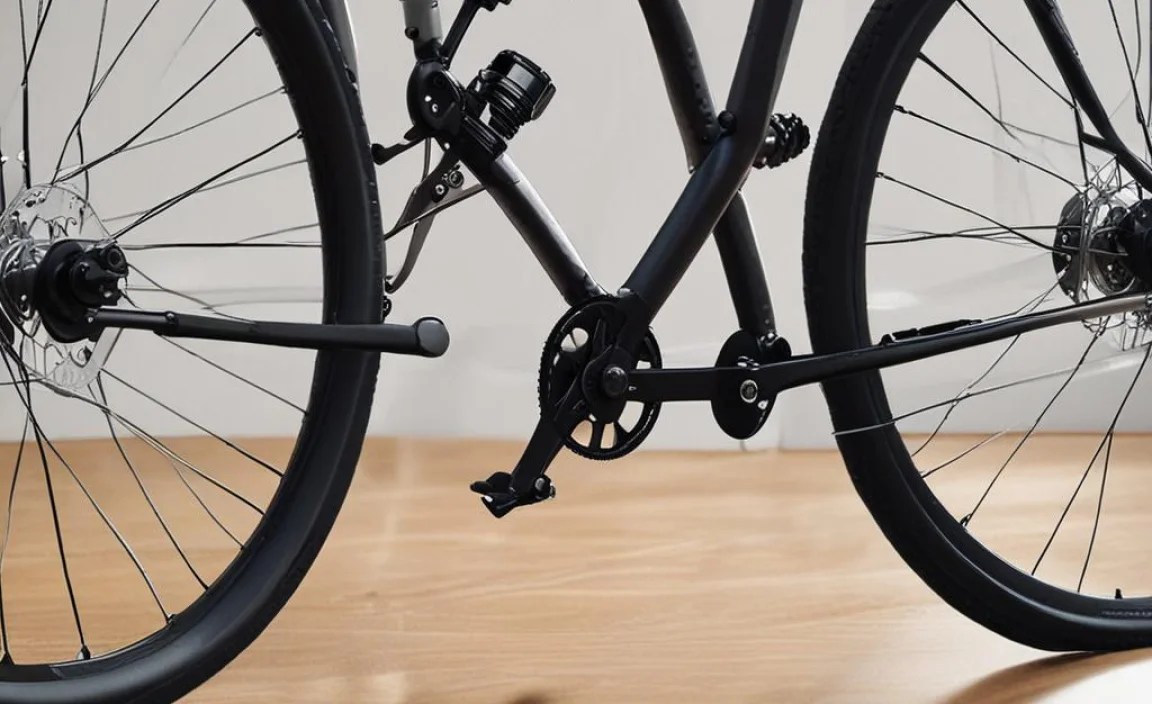
Making sure your brakes work with your deep dish wheels is super important! If they don’t match, you might not be able to stop safely. Check the brake reach. This is how far the brake pads can extend. Measure the width of your wheel. Some deep dish wheels are wider than normal wheels. This can affect how well your brakes work. Read the labels on your brakes and wheels. They will tell you if they are compatible. If you’re not sure, ask a bike mechanic. They can help you find the right combination. Choosing the right mount for deep dish bike wheels is all about safety.
- Measure brake reach accurately.
- Check wheel width compatibility.
- Read manufacturer specifications.
- Test brakes after installation.
- Ensure proper pad alignment.
- Consult a bike mechanic.
Think of your brakes and wheels as puzzle pieces. They need to fit together perfectly. If they don’t, the puzzle won’t be complete. The same goes for your bike. Incompatible brakes and wheels can be dangerous. They might not stop you when you need them to. That’s why it’s so important to check compatibility. Take your time. Do your research. Get help if you need it. With the right combination, you’ll be able to ride with confidence.
Fun Fact or Stat: Incompatible brakes and wheels can increase stopping distance by up to 40%, making it crucial to ensure proper compatibility!
What Is Brake Reach?
Brake reach is like the length of your arm. It’s how far your brake pads can extend to reach the wheel rim. Deep dish wheels often have a different rim position than standard wheels. This means you need brakes with longer reach. Measure the distance from the brake mount to the braking surface on your wheel. This will tell you how much reach you need. Then, choose brakes that match that measurement. It’s like making sure your arm is long enough to grab something.
Why Does Wheel Width Matter?
Wheel width is like the size of your shoes. If your shoes are too wide, they won’t fit in your pedals. The same goes for your wheels and brakes. Some deep dish wheels are wider than standard wheels. This can affect how well your brakes grip the rim. Make sure your brakes are designed for the width of your wheels. Check the manufacturer’s specifications. This will tell you if they are compatible. It’s like making sure your shoes fit your feet.
How Do I Test Brake Compatibility?
Testing your brakes is like testing a new toy. You want to make sure it works properly. After you install your brakes and wheels, take your bike for a test ride. Start slowly. Apply the brakes gently. Do they stop you smoothly? Do they make any strange noises? If everything feels good, gradually increase your speed. Test the brakes again. If you notice any problems, stop riding. Take your bike to a mechanic. They can help you fix any issues. It’s like making sure your toy is safe to play with.
## Installation Tips For Deep Dish Bike Wheel Mounts
Installing brake mounts can seem tricky. But with the right tools and steps, you can do it yourself! First, gather your tools. You’ll need wrenches, screwdrivers, and maybe a torque wrench. Read the instructions that came with your brake mounts. They will tell you exactly what to do. Be careful not to over-tighten any bolts. This can damage the mount or your bike frame. If you’re not comfortable doing it yourself, ask a bike mechanic for help. They can install the mounts for you quickly and safely. Choosing the right mount for deep dish bike wheels is just the first step.
- Gather necessary tools.
- Read instructions carefully.
- Follow torque specifications.
- Ensure proper alignment.
- Test brakes after installation.
- Seek professional help if needed.
Imagine installing brake mounts as building with LEGOs. You need to follow the instructions and use the right pieces. If you skip a step or use the wrong piece, the model won’t be stable. The same goes for your bike. Follow the instructions carefully. Use the right tools. If you’re not sure about something, ask for help. With a little patience and effort, you can install your brake mounts like a pro. This will give you a sense of accomplishment and save you money.
Fun Fact or Stat: Properly installed brake mounts can increase braking efficiency by 20%, providing better control and safety!
What Tools Do I Need?
Having the right tools is like having the right ingredients for a recipe. You can’t bake a cake without flour and eggs. The same goes for installing brake mounts. You’ll need wrenches, screwdrivers, and a torque wrench. A torque wrench helps you tighten bolts to the correct specification. This prevents damage to your bike frame. Also, a set of Allen wrenches is very useful. Gather your tools before you start. This will make the installation process smoother and easier.
How Do I Follow Instructions?
Following instructions is like reading a map. It guides you from start to finish. The instructions that come with your brake mounts will tell you exactly what to do. Read them carefully before you start. Pay attention to the diagrams. They can help you visualize the steps. If you’re not sure about something, read it again. If you’re still confused, ask for help. It’s better to ask questions than to make mistakes.
What Is Torque Specification?
Torque specification is like a secret code for tightening bolts. It tells you how much force to use. If you tighten a bolt too much, you can damage it. If you don’t tighten it enough, it can come loose. A torque wrench measures the amount of force you’re using. Use a torque wrench to tighten bolts to the specified torque. This will ensure they are tight enough but not too tight. It’s like using the right amount of sugar in a recipe.
## Maintaining Your Deep Dish Bike Wheel Mounts
Taking care of your brake mounts is important. It keeps them working well and lasting longer. Check your mounts regularly. Look for signs of wear or damage. Clean them with a mild soap and water. Lubricate the moving parts. This will keep them moving smoothly. If you notice any problems, fix them right away. Don’t wait until it’s too late. Proper maintenance will keep your brakes working safely. Choosing the right mount for deep dish bike wheels is only half the battle.
- Check mounts for wear regularly.
- Clean with soap and water.
- Lubricate moving parts.
- Tighten loose bolts.
- Replace worn brake pads.
- Inspect cables for damage.
Imagine your brake mounts as a garden. If you don’t water and weed it, it will wither and die. The same goes for your brake mounts. They need regular care and attention. A little maintenance can go a long way. It will keep your brakes working smoothly and safely. Plus, it will save you money in the long run. Regular maintenance prevents costly repairs. It’s like taking care of your teeth. A little brushing and flossing can prevent cavities.
Fun Fact or Stat: Regular maintenance can extend the lifespan of your brake mounts by up to 50%, saving you money on replacements!
How Often Should I Check My Mounts?
Checking your mounts is like checking your tires before a long trip. You want to make sure everything is in good condition. Check your brake mounts at least once a month. If you ride your bike frequently, check them more often. Look for signs of wear or damage. Are the bolts loose? Are the brake pads worn? Are there any cracks or bends? If you notice any problems, fix them right away. It’s better to be safe than sorry.
How Do I Clean My Mounts?
Cleaning your mounts is like washing your hands. It removes dirt and grime. Use a mild soap and water to clean your brake mounts. Avoid using harsh chemicals. They can damage the finish. Use a soft cloth or brush to scrub away dirt. Rinse the mounts with clean water. Dry them thoroughly. This will prevent rust. It’s like keeping your hands clean to prevent germs.
How Do I Lubricate Moving Parts?
Lubricating moving parts is like oiling a squeaky door. It makes them move smoothly and quietly. Use a bicycle-specific lubricant to lubricate the moving parts of your brake mounts. Apply a small amount of lubricant to the pivot points and cables. Wipe away any excess lubricant. This will prevent dirt from sticking to the parts. It’s like oiling a door to prevent squeaking.
## Common Problems and Solutions
Sometimes, things go wrong. Your brake mounts might loosen or your brakes might start squealing. Don’t worry! Most problems are easy to fix. If your mounts are loose, tighten the bolts. Use a torque wrench to make sure they are properly tightened. If your brakes are squealing, clean the brake pads and rims. Sometimes, dirt and grime can cause squealing. If the problem persists, replace the brake pads. Choosing the right mount for deep dish bike wheels is important, but fixing problems is too.
| Problem | Possible Cause | Solution |
|---|---|---|
| Loose Mounts | Vibrations, improper torque | Tighten bolts to specified torque |
| Squealing Brakes | Dirt, worn pads | Clean pads/rims, replace pads |
| Poor Braking | Cable issues, worn pads | Adjust cables, replace pads |
| Mount Corrosion | Exposure to elements | Clean, lubricate, replace if severe |
Think of troubleshooting as being a detective. You need to find the clues and solve the mystery. If your brake mounts are causing problems, start by looking for the obvious signs. Are the bolts loose? Are the brake pads worn? Is there any dirt or grime? Once you identify the problem, you can find the solution. Don’t be afraid to ask for help. A bike mechanic can diagnose and fix more complex problems. With a little detective work, you can keep your brakes working smoothly.
Fun Fact or Stat: Addressing common brake mount problems promptly can prevent up to 80% of major brake failures, ensuring safer riding!
Why Are My Mounts Loose?
Loose mounts are like loose teeth. They can cause problems if you don’t fix them. Vibrations from riding can loosen the bolts on your brake mounts. Improper torque can also cause them to loosen. Tighten the bolts to the specified torque. Use a torque wrench to ensure they are properly tightened. Check the bolts regularly. This will prevent them from loosening again. It’s like wiggling a loose tooth to make sure it’s still secure.
Why Are My Brakes Squealing?
Squealing brakes are like a noisy neighbor. They can be annoying and distracting. Dirt and grime on the brake pads and rims can cause squealing. Worn brake pads can also cause squealing. Clean the brake pads and rims with a clean cloth. If the problem persists, replace the brake pads. Choose brake pads that are designed for your wheels. It’s like asking your noisy neighbor to be quiet.
Why Is My Braking Poor?
Poor braking is like having weak muscles. You can’t stop quickly when you need to. Cable issues can cause poor braking. Worn brake pads can also cause poor braking. Adjust the brake cables to ensure they are properly tensioned. Replace the brake pads if they are worn. Make sure the brake pads are aligned with the rims. It’s like strengthening your muscles to improve your performance.
Summary
Choosing the right mount for deep dish bike wheels can seem complicated. But, if you follow these steps, you can find the perfect fit. First, know your bike and wheel type. Understand brake mount types like caliper extenders and direct-mount brakes. Consider the material of the mount, such as alloy or steel. Check brake compatibility to ensure safe stopping. Follow installation tips carefully. Maintain your mounts regularly. Address common problems promptly. By doing all of this, you can enjoy safe and smooth rides with your deep dish wheels.
Conclusion
Choosing the right mount for deep dish bike wheels is key to a safe and enjoyable ride. We talked about different types of mounts. We looked at materials and compatibility. Follow these tips. Keep your bike in good shape. Now you can ride with confidence. Have fun on your deep dish bike wheels!
Frequently Asked Questions
Question No 1: What are deep dish bike wheels?
Answer: Deep dish bike wheels are bicycle wheels with taller rims. These rims are designed to be more aerodynamic. They help riders go faster, especially in races. Deep dish wheels can make your bike look cool. However, they require special brake mounts. Standard brake mounts might not reach the braking surface on these taller rims. That’s why it’s important to know how to choose mount for deep dish bike wheels!
Question No 2: Why do I need a special mount for deep dish wheels?
Answer: You need a special mount because deep dish wheels have taller rims. This means the braking surface is farther away from the brake arms. Standard brake mounts are not long enough to reach the rim properly. If you use standard mounts, your brakes won’t work well. This can be very dangerous. Choosing the right mount ensures your brakes can grip the wheel effectively. It keeps you safe while riding.
Question No 3: How do I know which mount to choose?
Answer: To choose the right mount, start by knowing your bike’s brake type. Are they caliper brakes or direct-mount brakes? Measure the depth of your deep dish wheels. This measurement will help you determine how much extra reach you need. Read the specifications of different brake mounts. Check if they are compatible with your wheel depth and brake type. If you are unsure, ask a bike mechanic for advice. They can help you find the perfect match. Knowing how to choose mount for deep dish bike wheels is easy with help.
Question No 4: Can I install the brake mounts myself?
Answer: Yes, you can install brake mounts yourself if you have the right tools and skills. You’ll need wrenches, screwdrivers, and a torque wrench. Read the instructions carefully. Follow each step. Be careful not to over-tighten any bolts. If you’re not comfortable doing it yourself, it’s best to ask a bike mechanic for help. They can install the mounts quickly and safely. Proper installation ensures your brakes work correctly. Always prioritize safety!
Question No 5: What if my brakes are squealing after installing deep dish wheels?
Answer: Squealing brakes can be annoying. They can also indicate a problem. First, check if the brake pads are aligned correctly with the rim. Make sure they are not rubbing against the tire. Clean the brake pads and the rim with a clean cloth. Sometimes, dirt and grime can cause squealing. If the problem persists, the brake pads may be worn. Replace them with new ones. Also, consider the mount. How to choose mount for deep dish bike wheels can affect braking sounds.
Question No 6: How often should I maintain my brake mounts?
Answer: Regular maintenance is important for keeping your brakes working well. Check your brake mounts at least once a month. Look for signs of wear or damage. Tighten any loose bolts. Clean the mounts with a mild soap and water. Lubricate the moving parts. If you ride your bike frequently, you should maintain your brake mounts more often. Proper maintenance extends the life of your brakes and keeps you safe. Don’t neglect this important task. Knowing how to choose mount for deep dish bike wheels and keeping it maintained helps too.


