
Why Metal Chucks Are Better: Proven Long-Term Use

Quick Summary: Metal chucks are far more durable than plastic ones, especially on bike pumps. They withstand higher pressures without cracking or wearing out. Metal chucks create a more secure, airtight seal on valves, reducing leaks. Over time, a metal chuck is a cost-effective upgrade, saving you money on replacements and ensuring reliable performance for years.
Ever get frustrated when your bike pump can’t seem to fill your tires properly? You pump and pump, but the air just leaks out around the valve. Often, the culprit isn’t the pump itself, but the chuck – that little connector that attaches to your tire valve. Plastic chucks are common, but they often wear out quickly, leading to leaks and wasted effort. Upgrading to a metal chuck can make a world of difference, giving you a reliable and long-lasting solution. Let’s dive into why metal chucks are better for long-term use and how they can improve your cycling experience.
Why Upgrade to a Metal Chuck?

Plastic chucks might seem fine initially, but they have significant limitations when it comes to durability and performance. Metal chucks offer several advantages that make them a worthwhile investment for any cyclist.
Durability and Longevity
This is where metal chucks truly shine. Here’s a breakdown:
- Resistance to Wear and Tear: Metal, such as aluminum or brass, is much more resistant to wear and tear than plastic. Over time, plastic can become brittle and crack, especially with frequent use and exposure to the elements.
- Higher Pressure Tolerance: High-pressure tires, common on road bikes, can put a strain on the chuck. Metal chucks can handle these pressures without deforming or failing.
- Longer Lifespan: A metal chuck will simply last longer. You won’t need to replace it as often as a plastic one, saving you money in the long run.
Improved Performance
Beyond durability, metal chucks offer better performance:
- Secure Seal: Metal chucks provide a tighter, more secure seal on the valve. This reduces air leaks and ensures that more air goes into your tire with each pump.
- Ease of Use: The precision of metal construction often results in a chuck that’s easier to attach and detach from the valve.
- Consistent Inflation: Because of the improved seal, you’ll get more consistent and accurate inflation, which is crucial for optimal tire pressure and performance.
Cost-Effectiveness
While a metal chuck might have a higher upfront cost, consider the long-term savings:
- Fewer Replacements: You won’t be replacing your chuck every few months, which adds up over time.
- Reduced Waste: Less frequent replacements mean less plastic waste, making it a more environmentally friendly choice.
- Better Performance: Improved inflation efficiency means less wasted effort and potentially better tire performance, saving you money on tire wear.
Comparing Metal vs. Plastic Chucks: A Detailed Look

Let’s break down the key differences between metal and plastic chucks in a table format for easy comparison.
| Feature | Metal Chuck | Plastic Chuck |
|---|---|---|
| Durability | High – Resistant to wear, cracking, and deformation. | Low – Prone to cracking, wear, and becoming brittle. |
| Pressure Tolerance | Excellent – Handles high pressures without issues. | Poor – Can deform or fail under high pressure. |
| Seal Quality | Superior – Provides a tight, airtight seal. | Inferior – More likely to leak air. |
| Lifespan | Long – Lasts for years with proper care. | Short – Requires frequent replacement. |
| Cost | Higher upfront cost. | Lower upfront cost. |
| Environmental Impact | Lower due to less frequent replacement. | Higher due to frequent replacement. |
| Performance | Consistent and efficient inflation. | Inconsistent and less efficient inflation. |
Types of Metal Chucks

Not all metal chucks are created equal. Here are a few common types you might encounter:
- Brass Chucks: Known for their durability and corrosion resistance. Brass is a relatively soft metal, which helps create a good seal without damaging the valve.
- Aluminum Chucks: Lightweight and strong, aluminum chucks are a good option for those looking to save weight. They are also corrosion-resistant.
- Steel Chucks: Extremely durable and strong, but can be heavier and more prone to corrosion if not properly coated.
Choosing the Right Metal Chuck for Your Needs

Selecting the right metal chuck depends on your specific needs and the type of bike you ride.
Consider Your Bike Type
- Road Bikes: Require high-pressure inflation. Choose a metal chuck that’s specifically designed for high pressures, typically made of brass or high-grade aluminum.
- Mountain Bikes: Often use lower pressures, but durability is still important. An aluminum or steel chuck would be a good choice.
- Hybrid/Commuter Bikes: A brass or aluminum chuck will provide a good balance of durability and performance for everyday use.
Valve Compatibility
Ensure the chuck is compatible with your tire valves. The two main types are:
- Presta Valves: Narrower and typically found on road bikes.
- Schrader Valves: Wider and similar to those found on car tires.
Many metal chucks are designed to be compatible with both Presta and Schrader valves, either through a dual-head design or with adapters. Pay close attention to the product description to ensure compatibility.
Ease of Use
Look for a metal chuck that’s easy to attach and detach from the valve. Some chucks have lever-action mechanisms that provide a secure grip and easy release. Others have a simple push-on design.
Step-by-Step Guide: Replacing Your Chuck
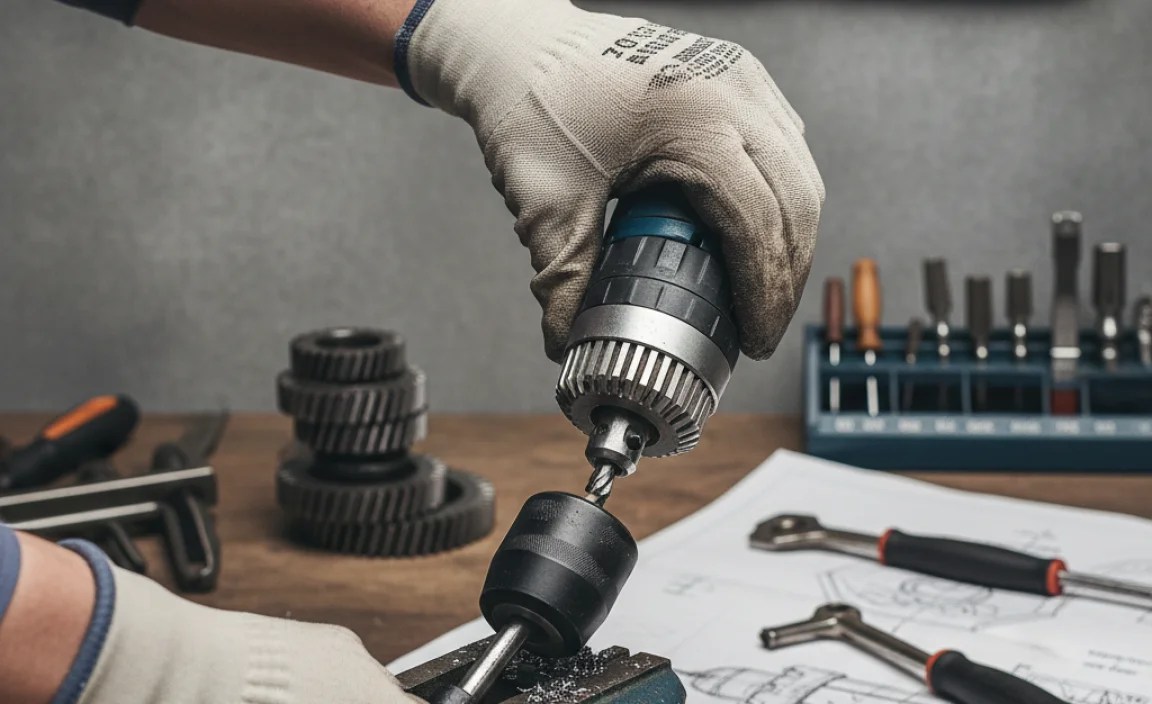
Replacing your bike pump’s chuck is a straightforward process. Here’s a step-by-step guide:
Tools You’ll Need
- New metal chuck
- Wrench or pliers (depending on the pump and chuck design)
- Possibly a screwdriver (if the chuck is held in place with screws)
- Optional: Teflon tape or thread sealant
Steps
- Disconnect the Old Chuck: Use a wrench or pliers to loosen the old chuck from the pump hose. Note the direction you need to turn to loosen it (usually counter-clockwise).
- Clean the Threads: Clean the threads on the pump hose where the chuck attaches. This will ensure a good seal with the new chuck.
- Apply Teflon Tape (Optional): Wrap Teflon tape around the threads of the pump hose. This will help create a tighter, more airtight seal. Alternatively, you can use a thread sealant.
- Attach the New Chuck: Screw the new metal chuck onto the pump hose. Tighten it securely with a wrench or pliers, but be careful not to overtighten and damage the threads.
- Test the Connection: Attach the chuck to a tire valve and test the pump to ensure there are no leaks. If you hear or feel air leaking, tighten the chuck further or reapply Teflon tape.
Maintaining Your Metal Chuck
To ensure your metal chuck lasts as long as possible, proper maintenance is key.
- Clean Regularly: Wipe down the chuck with a clean cloth after each use to remove dirt and debris.
- Lubricate Occasionally: Apply a small amount of lubricant (such as silicone grease) to the moving parts of the chuck to keep them working smoothly.
- Store Properly: Store your pump in a dry place to prevent corrosion of the metal chuck.
- Inspect Regularly: Check the chuck for any signs of damage, such as cracks or bent parts. Replace the chuck if you notice any damage.
Troubleshooting Common Issues
Even with a high-quality metal chuck, you might occasionally encounter problems. Here are some common issues and how to resolve them:
- Air Leaks: If you’re experiencing air leaks, check the connection between the chuck and the valve. Make sure the chuck is securely attached and that the valve is not damaged. Reapply Teflon tape to the chuck threads if necessary.
- Difficulty Attaching/Detaching: If the chuck is difficult to attach or detach, try lubricating the moving parts with silicone grease. Also, make sure you’re using the correct type of chuck for your valve (Presta or Schrader).
- Chuck Not Gripping Valve: If the chuck isn’t gripping the valve properly, the internal mechanism might be worn or damaged. In this case, you may need to replace the chuck.
Recommended Metal Chucks
Here are a few highly-rated metal chucks available on the market:
| Product Name | Features | Pros | Cons |
|---|---|---|---|
| Topeak SmartHead Upgrade Kit | Dual head for Presta and Schrader valves, durable aluminum construction. | Easy to use, reliable, and compatible with most pumps. | Can be slightly more expensive than other options. |
| Silca Hiro V.2 | High-end chuck with lever-lock mechanism, designed for high-pressure inflation. | Exceptional seal, precise control, and very durable. | Expensive, may be overkill for casual users. |
| Lezyne ABS Flip Thread Chuck | Thread-on design for secure connection, compatible with Presta and Schrader valves. | Compact, lightweight, and provides a good seal. | Requires threading onto the valve, which may take slightly longer. |
FAQ: Metal Chucks for Bike Pumps
Here are some frequently asked questions about metal chucks for bike pumps:
Are metal chucks worth the extra cost?
Yes, metal chucks are generally worth the extra cost due to their increased durability, better seal, and longer lifespan compared to plastic chucks. They offer better value in the long run by reducing the need for frequent replacements.
Can I use a metal chuck on any bike pump?
Most metal chucks are designed to be compatible with a wide range of bike pumps. However, it’s essential to check the product specifications to ensure compatibility with your specific pump model. Adapters are also available for some pumps.
How do I know if my chuck needs to be replaced?
Signs that your chuck needs replacing include air leaks, difficulty attaching or detaching from the valve, visible cracks or damage, and inconsistent inflation.
What type of metal is best for a bike pump chuck?
Brass and aluminum are commonly used and are excellent choices for bike pump chucks. Brass is known for its durability and corrosion resistance, while aluminum is lightweight and strong.
Do metal chucks work with both Presta and Schrader valves?
Yes, many metal chucks are designed to work with both Presta and Schrader valves. Some have a dual-head design, while others use adapters to switch between valve types. Check the product description to confirm compatibility.
How do I prevent my metal chuck from corroding?
To prevent corrosion, clean the chuck regularly with a dry cloth, store your pump in a dry place, and occasionally apply a small amount of lubricant to the moving parts.
Are metal chucks easy to install?
Yes, replacing a bike pump chuck is a relatively simple process. You’ll typically need a wrench or pliers to remove the old chuck and attach the new one. Teflon tape can be used to ensure a tight seal.
Conclusion
Investing in a metal chuck for your bike pump is a smart move for any cyclist. The increased durability, improved performance, and long-term cost savings make it a worthwhile upgrade. By choosing the right type of metal chuck for your needs and maintaining it properly, you can enjoy reliable and efficient tire inflation for years to come. Don’t let a worn-out plastic chuck ruin your ride – upgrade to metal and experience the difference!


