
How to Fit Chuck for Tubeless Seating: Easy Guide

Quick Summary
Fitting a chuck for tubeless seating ensures your tires inflate quickly and seal properly. First, remove the valve core. Then, firmly press the chuck onto the valve stem, making sure it’s airtight. Inflate with a high-volume pump or compressor. Once seated, quickly remove the chuck and reinstall the valve core. This method provides a reliable seal for successful tubeless setup.
Introduction
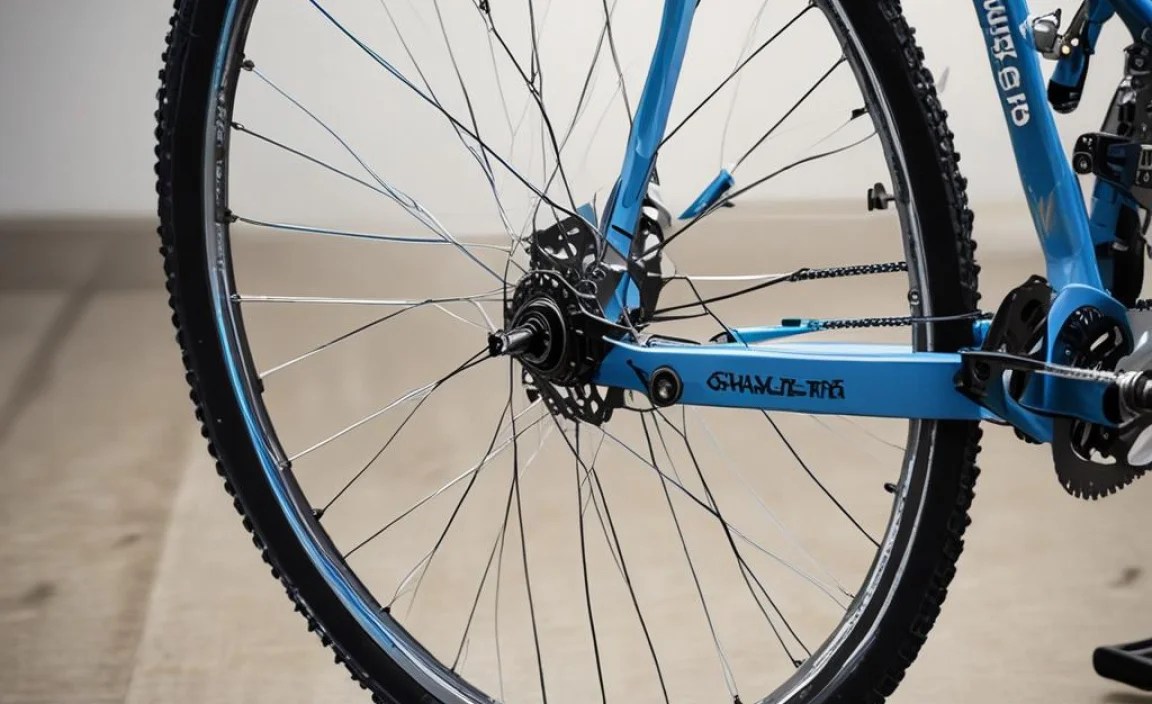
Setting up tubeless tires can sometimes feel like wrestling an alligator! The most frustrating part is getting the tire to seat properly on the rim. An essential tool for this task is a good chuck for your pump. A properly fitted chuck ensures an airtight seal, delivering the high volume of air needed to pop those beads into place. Without it, you might be stuck with a tire that just won’t cooperate.
But don’t worry! This guide will walk you through the exact steps to fit your chuck for tubeless seating. We’ll cover everything from choosing the right chuck to troubleshooting common issues. By the end, you’ll be seating tubeless tires like a pro, ready to enjoy the benefits of lower tire pressure and fewer flats. Let’s get started!
Why a Good Chuck Matters for Tubeless Seating

A high-quality chuck is more than just an accessory; it’s a critical component for successful tubeless tire installation. Here’s why:
- Airtight Seal: Tubeless setups require a rapid burst of air to seat the tire beads against the rim. A chuck that doesn’t seal properly leaks air, making seating difficult or impossible.
- Efficiency: A good chuck ensures all the air from your pump or compressor goes directly into the tire, maximizing inflation efficiency.
- Durability: A well-made chuck lasts longer and withstands the higher pressures often needed for tubeless tires.
- Ease of Use: A user-friendly chuck makes the seating process smoother and less frustrating.
Types of Chucks

There are two primary types of chucks you’ll encounter:
- Thread-On Chucks: These screw onto the valve stem, providing a secure, leak-free connection. They are excellent for high-pressure applications and offer a reliable seal.
- Press-On Chucks: These are pressed onto the valve stem and held in place by friction. They are quick to use but may not provide as secure a seal as thread-on chucks, especially at higher pressures.
Thread-On Chucks
Thread-on chucks are the champions of secure connections. They screw directly onto the valve stem, minimizing air leaks and ensuring that every puff of air goes where it needs to: inside the tire.
Pros of Thread-On Chucks
- Superior Seal: The threaded connection creates an airtight seal, crucial for tubeless setups.
- High-Pressure Capability: Excellent for tires requiring higher inflation pressures.
- Reliability: Less likely to slip off during inflation.
Cons of Thread-On Chucks
- Slower Attachment: Takes more time to attach and detach compared to press-on chucks.
- Potential for Damage: Overtightening can damage the valve stem.
Press-On Chucks
Press-on chucks are all about speed and convenience. They quickly attach to the valve stem, making them ideal for quick top-ups or when you need to inflate multiple tires in rapid succession.
Pros of Press-On Chucks
- Quick Attachment: Fast and easy to attach and detach.
- User-Friendly: Simple to use, especially for beginners.
Cons of Press-On Chucks
- Less Secure Seal: Prone to leaks, especially at higher pressures.
- Slippage: Can slip off the valve stem during inflation if not held firmly.
- Not Ideal for High Pressure: Less reliable for tires requiring high inflation pressures.
Tools You’ll Need

Before you start, gather these essential tools:
- Your Chosen Chuck: Thread-on or press-on, depending on your preference and needs.
- Tubeless-Ready Wheels and Tires: Make sure your rims and tires are designed for tubeless use.
- Tubeless Rim Tape: To seal the spoke holes in your rims.
- Tubeless Valves: Essential for maintaining an airtight seal.
- Tire Levers: For mounting and unmounting tires.
- Tubeless Tire Sealant: To seal small punctures.
- High-Volume Pump or Air Compressor: To provide the necessary burst of air.
- Valve Core Removal Tool: To remove the valve core for faster inflation.
- Soapy Water or Tire Lube: To help the tire beads slide onto the rim.
- Rag or Paper Towel: To clean up any sealant spills.
Step-by-Step Guide: Fitting a Chuck for Tubeless Seating
Follow these steps to ensure your chuck is properly fitted for seating tubeless tires:
Step 1: Prepare the Wheel and Tire
First, make sure your wheel is properly taped with tubeless rim tape. This creates an airtight seal over the spoke holes. Install the tubeless valve, tightening it snugly to the rim. Then, mount one side of the tire onto the rim.
Step 2: Add Sealant
Pour the recommended amount of tubeless tire sealant into the tire. This will seal any small punctures that occur while riding. Rotate the wheel to coat the inside of the tire with sealant.
Step 3: Mount the Second Tire Bead
Carefully mount the second tire bead onto the rim. Use tire levers if needed, but be cautious not to pinch the tube (if you’re using one) or damage the rim or tire.
Step 4: Remove the Valve Core
Use the valve core removal tool to remove the valve core. This allows for a higher volume of air to enter the tire more quickly, which is crucial for seating the beads.
Step 5: Attach the Chuck
Now it’s time to attach your chuck. Depending on the type of chuck you have, follow these instructions:
For Thread-On Chucks
- Carefully align the chuck with the valve stem.
- Begin threading the chuck onto the valve stem.
- Tighten the chuck until it is snug and airtight. Avoid overtightening, which can damage the valve stem.
For Press-On Chucks
- Align the chuck with the valve stem.
- Firmly press the chuck onto the valve stem, ensuring a tight seal.
- Hold the chuck in place to prevent it from slipping off during inflation.
Step 6: Inflate the Tire
Using a high-volume pump or air compressor, inflate the tire. You should hear the tire beads popping into place against the rim. Watch the pressure gauge to avoid over-inflation.
Step 7: Check the Seal
Once the tire is inflated, inspect the tire beads to ensure they are evenly seated around the rim. If you notice any gaps or bulges, deflate the tire and try again, making sure to apply soapy water or tire lube to the bead.
Step 8: Reinstall the Valve Core
After the tire is properly seated, remove the chuck and quickly reinstall the valve core using the valve core removal tool. Tighten it snugly to ensure an airtight seal.
Step 9: Final Inflation and Inspection
Inflate the tire to your desired pressure. Inspect the tire again to ensure the beads are still properly seated and that there are no leaks. If everything looks good, you’re ready to ride!
Troubleshooting Common Issues
Even with the right tools and techniques, you might encounter some challenges. Here are a few common issues and how to address them:
| Issue | Possible Cause | Solution |
|---|---|---|
| Tire won’t seat | Insufficient air volume | Use a high-volume pump or air compressor. Remove the valve core for faster inflation. |
| Air leaking from chuck | Poor seal | Ensure the chuck is properly tightened (for thread-on) or firmly pressed (for press-on). Check for worn or damaged chuck components. |
| Tire bead not evenly seated | Dry tire bead | Apply soapy water or tire lube to the tire bead to help it slide onto the rim. |
| Valve stem leaking | Loose valve core | Tighten the valve core with the valve core removal tool. Check for damaged valve core or valve stem. |
| Rim tape failing | Improper installation or worn tape | Reapply tubeless rim tape, ensuring it is properly aligned and covers all spoke holes. |
Tips for Success
Here are some additional tips to help you achieve tubeless seating success:
- Use Soapy Water: Applying soapy water or tire lube to the tire beads can make a huge difference in getting them to seat properly.
- Practice: Like any skill, seating tubeless tires gets easier with practice. Don’t be discouraged if you don’t get it right the first time.
- Check Rim Tape: Ensure your rim tape is in good condition and properly installed. This is crucial for maintaining an airtight seal.
- Use a High-Quality Pump: A high-volume pump or air compressor is essential for providing the necessary burst of air.
- Inspect Your Equipment: Regularly inspect your chuck, valve core, and other tools for wear and tear. Replace any damaged components.
Chuck Recommendations
Choosing the right chuck can make a big difference. Here are a few recommendations based on different needs and preferences:
| Chuck Type | Recommended Model | Features | Why It’s Great |
|---|---|---|---|
| Thread-On | Silca Hiro V.2 | Thread-on, high-pressure, durable | Provides an exceptional seal and is built to last. |
| Press-On | Topeak SmartHead DX3 | Press-on, auto-adjust, easy to use | Versatile and user-friendly, suitable for both Presta and Schrader valves. |
| Hybrid | Lezyne Dual Valve Head | Thread-on/Press-on, versatile, durable | Offers the security of a thread-on with the convenience of a press-on. |
FAQ: Fitting Chuck for Tubeless Seating
What is a chuck, and why is it important for tubeless tires?
A chuck is the part of your pump or compressor that attaches to the valve stem. It’s essential for creating an airtight seal, allowing you to inflate the tire quickly and efficiently to seat the beads on the rim.
Can I use a regular pump for tubeless tires?
While you can use a regular pump, a high-volume pump or air compressor is highly recommended. Tubeless tires often require a rapid burst of air to seat properly, which a standard pump may struggle to deliver.
Do I need to remove the valve core to seat tubeless tires?
Removing the valve core allows for a higher volume of air to enter the tire more quickly, which can make seating the beads easier. It’s a recommended step for stubborn tires.
What is the best type of chuck for tubeless tires?
Thread-on chucks generally provide a more secure seal, which is ideal for tubeless tires. However, press-on chucks can also work if they provide a tight fit and are held firmly in place during inflation.
How do I know if my tire is properly seated?
You should hear a popping sound as the tire beads seat against the rim. Visually inspect the tire to ensure the bead is evenly seated all the way around the rim. There should be no bulges or gaps.
What if my tire still won’t seat after following these steps?
Double-check that your rim tape is properly installed and airtight. Apply more soapy water or tire lube to the tire beads. You might also try using a tire seating tool or a strap around the circumference of the tire to help push the beads onto the rim.
How often should I replace my chuck?
The lifespan of a chuck depends on its quality and how frequently you use it. Inspect it regularly for wear and tear, such as cracks, leaks, or damaged threads. Replace it as needed to ensure a reliable seal.
Conclusion
Fitting a chuck for tubeless seating might seem tricky at first, but with the right tools and a little practice, you’ll be seating tires like a seasoned pro. Remember, a good chuck is your best friend in the battle against stubborn tire beads. By following these steps and troubleshooting tips, you’ll be able to enjoy the benefits of tubeless tires – lower pressure, better grip, and fewer flats – in no time. So grab your tools, get your hands a little soapy, and get ready to experience the joy of a perfectly seated tubeless tire. Happy riding!


