
CO₂ Inflator Chucks vs Hand Pump Chucks: Ultimate Guide

Quick Summary: CO₂ inflator chucks offer rapid tire inflation on the go, perfect for quick fixes during rides. Hand pump chucks, found on traditional pumps, provide reliable inflation at home and allow precise pressure adjustments. Choosing between them depends on whether you prioritize speed and portability (CO₂) or control and reusability (hand pump).
Ever been stuck on the roadside with a flat tire, debating whether to use a CO₂ inflator or a hand pump? It’s a common dilemma for cyclists. Both tools get the job done, but they have different strengths and weaknesses. This article breaks down the key differences between CO₂ inflator chucks and hand pump chucks, helping you choose the best option for your needs. We’ll explore their pros and cons, ease of use, and overall practicality. Get ready to make informed decisions and keep your tires properly inflated!
Understanding CO₂ Inflator Chucks

CO₂ inflator chucks are designed for rapid tire inflation using compressed carbon dioxide cartridges. They’re compact, lightweight, and perfect for cyclists who need to fix a flat quickly during a ride. Let’s dive deeper into what makes them unique.
How CO₂ Inflators Work
A CO₂ inflator chuck punctures a CO₂ cartridge, releasing the gas into your tire. The chuck controls the flow of CO₂, allowing you to inflate the tire to the desired pressure (or close to it). Here’s a step-by-step look:
- Attach the chuck to the valve stem (Presta or Schrader).
- Pierce the CO₂ cartridge by twisting or pressing it into the chuck.
- Control the gas flow with a valve or button on the chuck.
- Inflate the tire to the desired pressure.
- Detach the chuck.
Pros of CO₂ Inflator Chucks
- Speed: CO₂ inflators fill tires much faster than hand pumps.
- Portability: They are small and lightweight, easy to carry in a saddlebag or jersey pocket.
- Convenience: Ideal for quick roadside repairs.
Cons of CO₂ Inflator Chucks
- One-Time Use: Each cartridge can only inflate one tire (sometimes not even fully).
- Cost: CO₂ cartridges need to be replaced, adding to the overall cost.
- Waste: Empty cartridges contribute to waste.
- Cold: The cartridge gets very cold during use, potentially causing frostbite if handled improperly.
- Less Control: Difficult to achieve precise pressure.
Types of CO₂ Inflator Chucks
CO₂ inflator chucks come in various designs, including:
- Threaded: The cartridge screws directly into the chuck.
- Push-Button: A button releases the CO₂.
- Regulated: Offers more control over the CO₂ flow.
Understanding Hand Pump Chucks
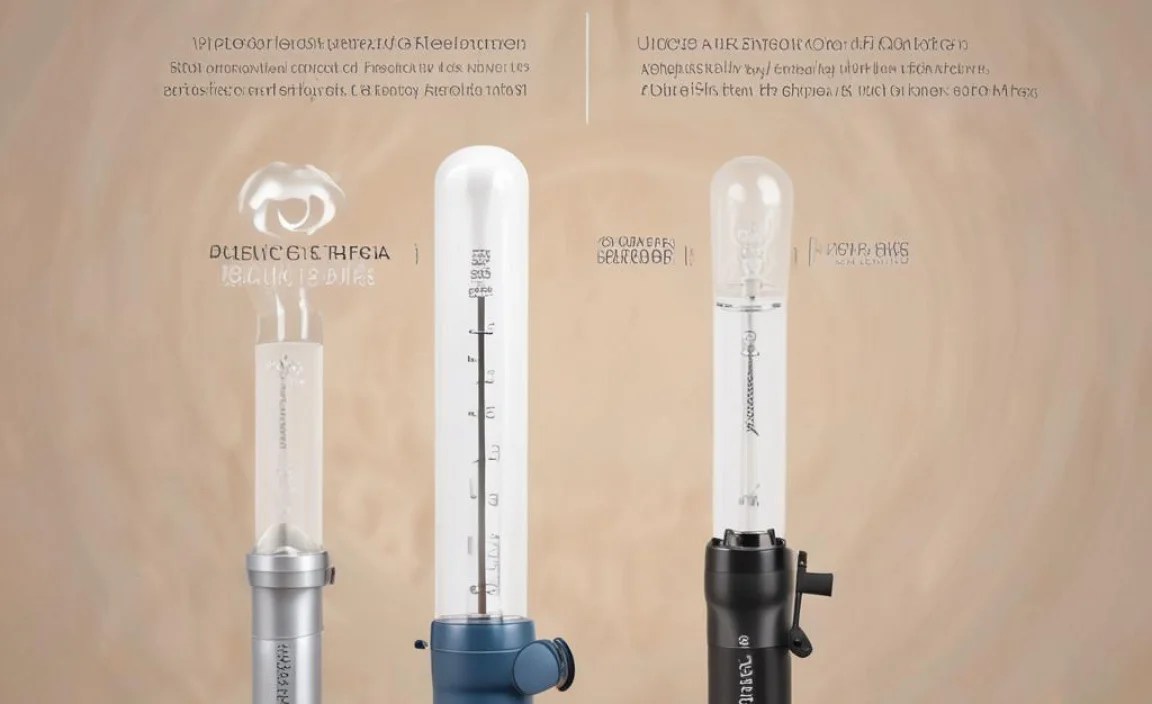
Hand pump chucks are the connection point between a hand pump and your tire’s valve. They provide a reliable way to inflate your tires at home or on the road. Let’s explore the details.
How Hand Pump Chucks Work
Hand pump chucks attach to either Presta or Schrader valves (or both, with dual-head designs). The pump forces air through the chuck into the tire. Here’s the process:
- Attach the chuck securely to the valve stem.
- Engage the lever or locking mechanism (if present).
- Pump air into the tire by hand.
- Monitor the pressure using the pump’s gauge.
- Detach the chuck.
Pros of Hand Pump Chucks
- Reusability: A hand pump can be used indefinitely.
- Cost-Effective: No need to buy replacement cartridges.
- Control: Easy to achieve precise tire pressure.
- Environmentally Friendly: No waste from cartridges.
- Reliability: Works in all conditions without the risk of running out of CO₂.
Cons of Hand Pump Chucks
- Slower Inflation: Takes more time and effort compared to CO₂ inflators.
- Bulkier: Hand pumps are larger and heavier than CO₂ inflators.
- Effort: Requires physical exertion.
Types of Hand Pump Chucks
Hand pump chucks come in several types:
- Presta-Only: Designed for Presta valves.
- Schrader-Only: Designed for Schrader valves.
- Dual-Head: Compatible with both Presta and Schrader valves.
- Thread-On: Screws onto the valve for a secure connection.
- Lever-Lock: Uses a lever to create a tight seal.
CO₂ Inflator Chucks vs. Hand Pump Chucks: A Detailed Comparison

Now, let’s compare these two options side-by-side to help you make the best choice.
Inflation Speed
CO₂ Inflator Chucks: Extremely fast. Tires can be inflated in seconds.
Hand Pump Chucks: Slower. It takes several minutes to inflate a tire.
Portability
CO₂ Inflator Chucks: Highly portable. Small and lightweight, easy to carry in a saddlebag or jersey pocket.
Hand Pump Chucks: Less portable. Hand pumps are bulkier and heavier.
Ease of Use
CO₂ Inflator Chucks: Simple to use, but requires some practice to avoid wasting CO₂.
Hand Pump Chucks: Straightforward. Easy to use with a bit of physical effort.
Cost
CO₂ Inflator Chucks: Higher long-term cost due to the need to replace cartridges.
Hand Pump Chucks: Lower long-term cost. The initial investment is usually higher, but there are no recurring costs.
Environmental Impact
CO₂ Inflator Chucks: Less environmentally friendly due to disposable cartridges. Some recycling programs exist, but aren’t universally available.
Hand Pump Chucks: More environmentally friendly. No disposable parts.
Control and Precision
CO₂ Inflator Chucks: Less control over the final pressure. It can be challenging to achieve the exact desired pressure.
Hand Pump Chucks: More control over the final pressure, especially with pumps that have integrated pressure gauges.
Durability and Reliability
CO₂ Inflator Chucks: Can fail if the cartridge is not punctured correctly or if the chuck malfunctions.
Hand Pump Chucks: More reliable in the long run, provided the pump is well-maintained. Learn more about maintaining your pump from resources like Park Tool’s website.
Table Comparison
| Feature | CO₂ Inflator Chucks | Hand Pump Chucks |
|---|---|---|
| Inflation Speed | Very Fast | Slow |
| Portability | High | Low |
| Ease of Use | Simple (with practice) | Straightforward |
| Cost | Higher (long-term) | Lower (long-term) |
| Environmental Impact | Less Environmentally Friendly | More Environmentally Friendly |
| Control | Less Control | More Control |
| Durability | Potentially Less Durable | More Durable |
How to Choose the Right Chuck for Your Needs

Selecting the right chuck depends on your cycling style, priorities, and typical riding conditions.
Consider Your Riding Style
- Road Cyclists: CO₂ inflators are popular for their speed and portability during races or fast-paced rides.
- Mountain Bikers: Hand pumps are often preferred for their reliability and control, especially in remote areas.
- Commuters: A combination of both can be useful – a hand pump at home and a CO₂ inflator for emergencies on the road.
- Gravel Riders: Similar to mountain bikers, gravel riders often prefer the reliability of hand pumps for longer, more remote rides.
- E-Bike Riders: E-bike tires often require higher pressures, making a robust hand pump with a gauge a good choice. CO₂ inflators can also work, but ensure the cartridge has enough capacity.
Assess Your Priorities
- Speed: If you prioritize speed above all else, a CO₂ inflator is the way to go.
- Cost: If you want to minimize long-term costs, a hand pump is the better option.
- Environmental Concerns: If you’re environmentally conscious, choose a hand pump.
- Control: If you need precise pressure adjustments, a hand pump with a gauge is essential.
- Reliability: For guaranteed performance in all conditions, a hand pump is more reliable.
Think About Your Typical Riding Conditions
- Short Rides: CO₂ inflators are convenient for quick fixes.
- Long Rides: A hand pump can be a lifesaver if you experience multiple flats.
- Remote Areas: Hand pumps are more reliable when you can’t easily find replacement CO₂ cartridges.
- Group Rides: Carrying a CO₂ inflator can help you quickly get back on the road and avoid holding up the group.
Tips for Using CO₂ Inflator Chucks
Using a CO₂ inflator effectively requires some practice. Here are a few tips to help you get it right:
- Practice: Before heading out on a ride, practice using the inflator at home.
- Read the Instructions: Follow the manufacturer’s instructions carefully.
- Wear Gloves: Protect your hands from the cold cartridge.
- Control the Flow: Use short bursts to avoid over-inflation.
- Check the Pressure: After inflating, check the pressure with a gauge if possible.
- Carry Extra Cartridges: Always bring more than one cartridge in case of a mistake or another flat.
Tips for Using Hand Pump Chucks
Hand pumps are generally easy to use, but these tips can help you get the most out of them:
- Secure the Chuck: Make sure the chuck is securely attached to the valve to prevent leaks.
- Use Your Body Weight: Lean on the pump to make inflation easier.
- Check the Pressure: Use the pump’s gauge to monitor the pressure.
- Lubricate the Piston: Periodically lubricate the pump’s piston to keep it working smoothly.
- Maintain the Hose: Check the hose for cracks or leaks.
Maintaining Your Chucks
Proper maintenance ensures that your chucks work reliably when you need them most.
CO₂ Inflator Chuck Maintenance
- Clean Regularly: Wipe the chuck clean after each use to remove dirt and debris.
- Check for Leaks: Inspect the chuck for leaks or damage.
- Replace O-Rings: Replace worn or damaged O-rings to maintain a good seal.
- Store Properly: Store the chuck in a dry place to prevent corrosion.
Hand Pump Chuck Maintenance
- Clean Regularly: Wipe the chuck clean after each use.
- Check for Wear: Inspect the chuck for wear or damage.
- Lubricate Moving Parts: Lubricate any moving parts to keep them working smoothly.
- Replace Worn Parts: Replace worn or damaged parts as needed.
Troubleshooting Common Issues
Even with proper maintenance, you might encounter some issues. Here’s how to troubleshoot them.
CO₂ Inflator Chuck Issues
- No Inflation: Ensure the cartridge is properly pierced and the valve is open.
- Leaking: Check the connection between the chuck and the valve. Replace O-rings if necessary.
- Freezing: Wear gloves to protect your hands.
Hand Pump Chuck Issues
- No Inflation: Make sure the chuck is securely attached to the valve. Check for leaks in the hose or pump.
- Difficult to Pump: Lubricate the piston. Check for obstructions in the hose.
- Gauge Not Working: Replace the gauge or the entire pump.
FAQ About CO₂ Inflator Chucks vs. Hand Pump Chucks
Here are some frequently asked questions to help you understand the differences between CO₂ inflator chucks and hand pump chucks.
Q: Can I use a CO₂ inflator on any type of valve?
A: Most CO₂ inflators are designed to work with both Presta and Schrader valves, but it’s essential to check the compatibility before use. Some may require an adapter.
Q: How many times can I use a hand pump?
A: A hand pump can be used indefinitely, as long as it’s properly maintained. Regular cleaning and lubrication will extend its lifespan.
Q: Are CO₂ cartridges recyclable?
A: Some CO₂ cartridges are recyclable, but it depends on your local recycling facilities. Check with your local waste management for guidelines.
Q: Can I carry a CO₂ inflator on an airplane?
A: CO₂ inflators and cartridges are generally not allowed in carry-on luggage, but they may be permitted in checked luggage. Check with your airline for specific regulations. According to the TSA, compressed gas cylinders are typically prohibited unless they meet specific requirements.
Q: How do I know what pressure to inflate my tires to?
A: The recommended tire pressure is usually printed on the sidewall of your tire. Use a pump with a gauge to achieve the correct pressure.
Q: What is the best type of hand pump for high-pressure tires?
A: A floor pump with a gauge is best for high-pressure tires, as it provides more leverage and accuracy. Mini-pumps can also work, but they require more effort.
Q: Can I use a CO₂ inflator to partially inflate a tire and then top it off with a hand pump?
A: Yes, this is a common practice. Use the CO₂ inflator for a quick initial fill, and then use a hand pump to fine-tune the pressure to your desired level.
Conclusion
Choosing between CO₂ inflator chucks and hand pump chucks depends on your specific needs and preferences. CO₂ inflators offer speed and convenience for quick roadside repairs, while hand pumps provide reliability, control, and cost-effectiveness. By understanding the pros and cons of each option, you can make an informed decision that keeps you rolling smoothly, whether you’re a road cyclist, mountain biker, commuter, or e-bike enthusiast. Consider your riding style, priorities, and typical riding conditions to select the best tool for your cycling adventures. Happy riding!


