
How to Manually Turn On Defrost Cycle on Heat Pump: A Step-by-Step Guide

Quick Summary: Want to get your heat pump out of a frosty situation? You can manually start the defrost cycle! Usually, it involves turning off the heat, switching to emergency heat mode, or using a test pin on the control board. Always check your owner’s manual first, and if you’re not comfortable, call a professional. It’s all about keeping your heat pump running smoothly!
Is your heat pump covered in ice? Don’t worry, it happens! Sometimes, the automatic defrost cycle doesn’t kick in when it should. This can be frustrating, especially when you need heat. But the good news is, you can often manually start the defrost cycle yourself. This guide will walk you through the steps to get your heat pump working like new again. We’ll cover the common methods and safety tips. Let’s get started and melt that ice away!
Understanding the Heat Pump Defrost Cycle

Before diving into the how-to, let’s understand why your heat pump needs defrosting in the first place. Heat pumps work by transferring heat from the outside air into your home. In the winter, the outdoor coil can get very cold. When the coil temperature drops below freezing and humidity is high, ice can form on it. This ice reduces the heat pump’s ability to absorb heat, making it less efficient. That’s where the defrost cycle comes in!
The defrost cycle is designed to melt the ice buildup. It essentially reverses the heat pump’s operation, briefly turning it into an air conditioner to warm the outdoor coil. The heat melts the ice, and the water drains away. Once the coil is clear, the heat pump returns to its normal heating mode. Usually, this process is automatic, triggered by a timer or sensors. But sometimes, you need to give it a little nudge!
Why Manually Initiate Defrost?
You might be wondering, why bother with manually starting the defrost cycle? Here are a few common reasons:
- Excessive Ice Buildup: If you see a thick layer of ice on your outdoor unit, the automatic defrost might not be working correctly.
- Inefficient Heating: If your home isn’t heating as well as it should, ice buildup could be the culprit.
- Defrost Cycle Not Engaging: You might notice that the defrost cycle isn’t running as frequently as it should, especially during cold, humid weather.
- Troubleshooting: Manually starting the defrost can help you diagnose whether the defrost system is functioning at all.
Safety First! Important Precautions
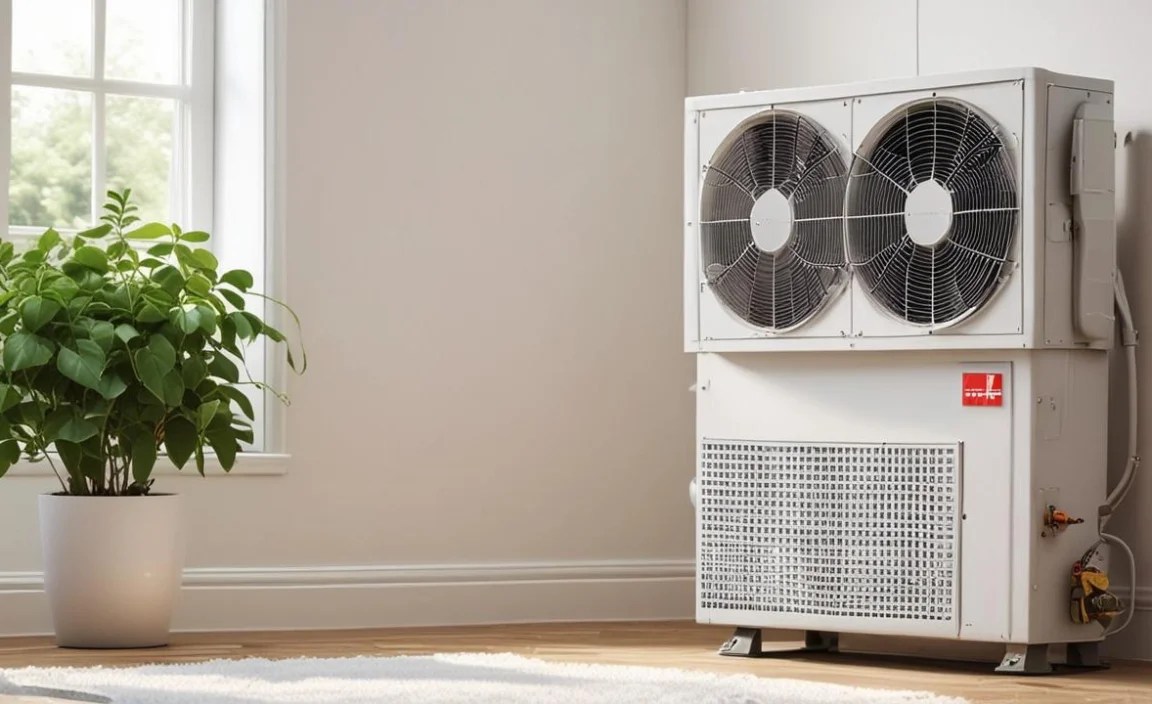
Before you start poking around your heat pump, let’s cover some essential safety precautions:
- Turn Off the Power: The most important step! Before touching any electrical components, turn off the power to the heat pump at the breaker box. This prevents electric shock.
- Read the Manual: Your heat pump’s owner’s manual is your best friend. It contains specific instructions and safety guidelines for your model. Always refer to it first!
- Wear Gloves: Protect your hands from sharp edges and cold metal parts by wearing gloves.
- Work in Daylight: Good visibility is essential for safety. If it’s dark, use a flashlight or work light.
- Don’t Force Anything: If something doesn’t seem right, don’t force it. Contact a qualified HVAC technician.
- Know Your Limits: If you’re not comfortable working with electrical components, it’s best to call a professional.
Methods to Manually Turn On Defrost Cycle

There are several ways to manually trigger the defrost cycle on a heat pump. The method you use will depend on your specific model. Here are the most common approaches:
Method 1: Thermostat Control
This is often the simplest method, as it doesn’t require you to touch the outdoor unit directly.
- Turn off the Heat: Set your thermostat to “Off” or “Cool.”
- Switch to Emergency Heat: Turn your thermostat to “Emergency Heat” or “Auxiliary Heat.” This setting bypasses the heat pump and uses a backup heating source, like electric resistance heaters.
- Wait: Leave the system in emergency heat mode for about 30 minutes to an hour. This will often trigger the defrost cycle on the outdoor unit.
- Return to Normal: After the ice has melted, switch the thermostat back to “Heat” and your desired temperature. The heat pump should now operate normally.
Method 2: Test Pin or Defrost Button (Control Board)
This method involves accessing the control board inside the outdoor unit. It’s a bit more technical, so proceed with caution!
- Turn Off the Power: Absolutely crucial! Turn off the power to the heat pump at the breaker box.
- Locate the Control Board: Open the access panel on the outdoor unit. The control board is usually a green circuit board inside a metal box. Your owner’s manual may have a diagram.
- Identify the Test Pin or Button: Look for a test pin labeled “Test,” “Defrost,” or something similar. Some models have a button instead of a pin. The label is sometimes on the inside of the access panel. Your owner’s manual should help you locate it.
- Use a Jumper Wire (for Test Pin): If it’s a test pin, use an insulated jumper wire to connect the test pin to the common (C) terminal on the control board. You might need pliers to bend the wire ends. Be careful not to touch any other components.
- Press the Defrost Button (if applicable): If there’s a defrost button, simply press it.
- Wait for Defrost: The defrost cycle should start within a few minutes. You’ll likely hear the unit change sounds and see the fan stop. Let the cycle run until the ice is melted.
- Remove Jumper Wire (if used): Once the defrost cycle is complete, remove the jumper wire from the test pin and common terminal.
- Replace Access Panel: Carefully replace the access panel and secure it properly.
- Restore Power: Turn the power back on at the breaker box.
Method 3: Disconnecting the Outdoor Fan Motor
This method is less common and generally not recommended unless you are comfortable working with electrical components. It involves temporarily disconnecting the outdoor fan motor to force the unit into defrost mode. However, this can potentially damage the system if not done correctly. Therefore, always consult your owner’s manual or a qualified HVAC technician before attempting this method.
- Turn Off the Power: As always, start by turning off the power to the heat pump at the breaker box.
- Access the Outdoor Unit: Open the access panel on the outdoor unit to expose the internal components.
- Locate the Fan Motor Wires: Identify the wires connected to the outdoor fan motor. There are usually two or three wires, depending on the motor type.
- Disconnect the Fan Motor Wires: Carefully disconnect the wires from the fan motor. Use wire connectors or electrical tape to insulate the exposed wire ends to prevent them from touching any metal parts or each other.
- Wait for Defrost: With the fan motor disconnected, the heat pump should enter defrost mode within a few minutes. Allow the defrost cycle to run until the ice is melted from the outdoor coil.
- Reconnect the Fan Motor Wires: Once the defrost cycle is complete, reconnect the fan motor wires exactly as they were before. Ensure the connections are secure and properly insulated.
- Replace Access Panel: Carefully replace the access panel and secure it properly.
- Restore Power: Turn the power back on at the breaker box.
Troubleshooting Defrost Issues
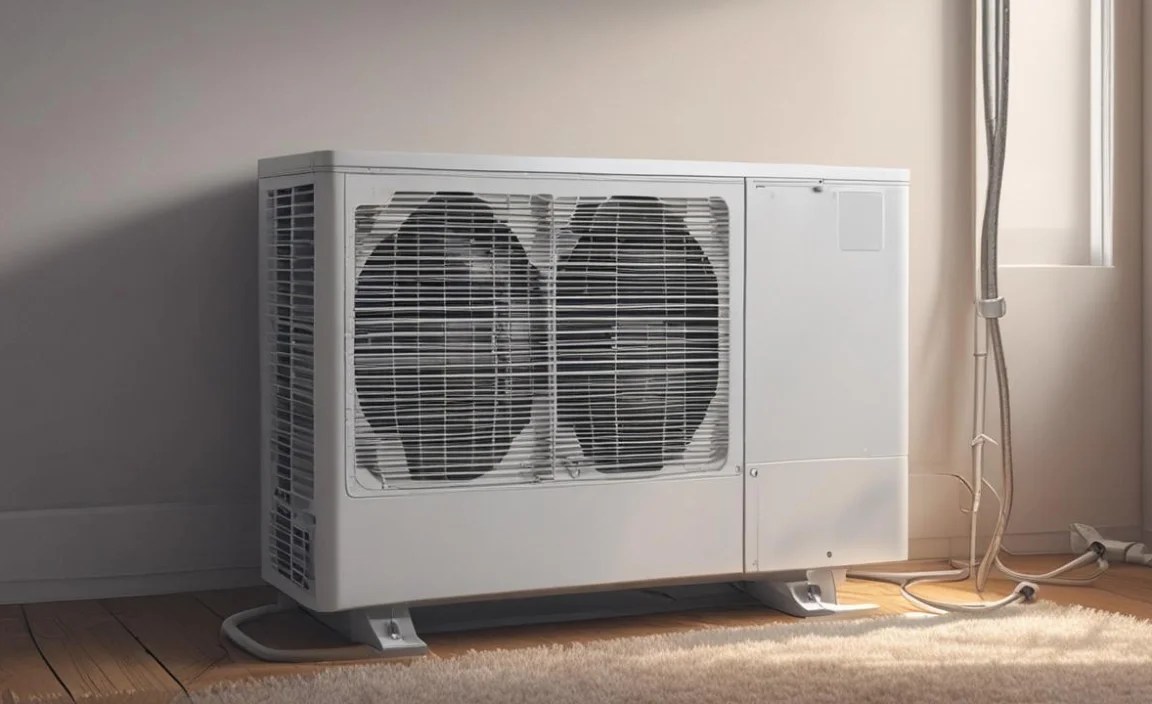
If you’ve tried manually starting the defrost cycle and your heat pump still isn’t defrosting properly, there might be a bigger issue. Here are some common problems and potential solutions:
- Dirty Outdoor Coil: A dirty coil reduces airflow and can cause ice to build up more quickly. Clean the coil with a garden hose (gentle spray) or a coil cleaner.
- Faulty Defrost Sensor: The defrost sensor tells the control board when to initiate the defrost cycle. If it’s faulty, the cycle might not start automatically. A technician can test and replace the sensor.
- Defective Defrost Timer or Control Board: The defrost timer or control board might be malfunctioning, preventing the defrost cycle from starting. These components usually require professional diagnosis and replacement.
- Reversing Valve Problems: The reversing valve switches the heat pump between heating and cooling modes, including the defrost cycle. If it’s stuck or faulty, the defrost cycle won’t work. This requires a technician to repair or replace.
- Refrigerant Leaks: Low refrigerant levels can cause the coil to get too cold, leading to excessive ice buildup. A technician can find and repair the leak and recharge the refrigerant.
Preventive Maintenance Tips
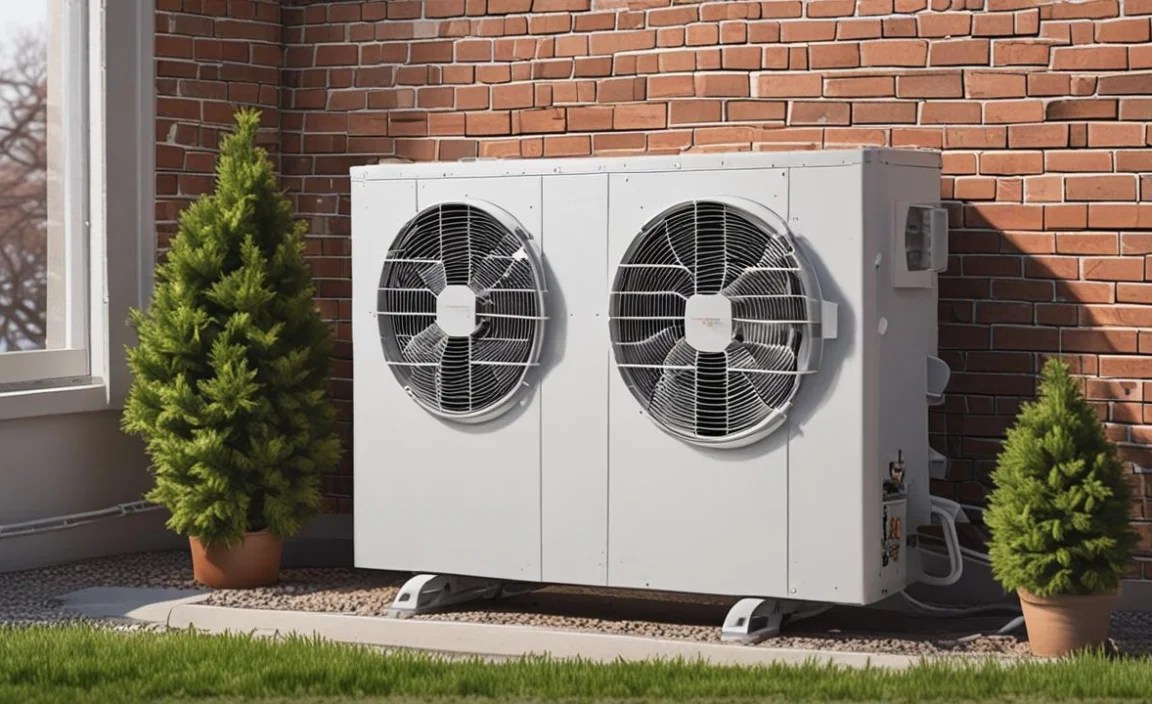
Regular maintenance can help prevent defrost problems and keep your heat pump running efficiently. Here are some tips:
- Clean the Outdoor Coil Regularly: Remove leaves, grass clippings, and other debris from the coil. Use a garden hose or coil cleaner to clean it thoroughly.
- Trim Vegetation: Keep bushes and shrubs trimmed back from the outdoor unit to ensure good airflow.
- Check the Base Pan Drain: Make sure the drain holes in the base pan are clear so that water from the defrost cycle can drain properly. Clear any blockage with a small tool.
- Schedule Professional Maintenance: Have your heat pump inspected and serviced by a qualified HVAC technician at least once a year. They can identify and fix potential problems before they become major issues.
Tools You Might Need
Depending on the method you use, you might need the following tools:
- Screwdrivers (Phillips and flathead)
- Pliers
- Insulated jumper wire
- Gloves
- Flashlight or work light
- Garden hose or coil cleaner
When to Call a Professional
While many defrost issues can be resolved with these methods, some situations require professional help. Call a qualified HVAC technician if:
- You’re not comfortable working with electrical components.
- You’ve tried the manual defrost methods, and the heat pump still isn’t defrosting.
- You suspect a refrigerant leak.
- You notice any unusual noises or smells coming from the heat pump.
- The heat pump is old or has a history of problems.
Heat Pump Defrost Cycle: Troubleshooting Table
| Problem | Possible Cause | Solution |
|---|---|---|
| Heat pump iced over | Defrost cycle not engaging | Manually initiate defrost cycle, check defrost sensor |
| Defrost cycle runs too often | Faulty defrost timer or sensor | Check timer settings, replace sensor if needed |
| Weak heating performance | Iced coil, low refrigerant | Defrost coil, call HVAC tech for refrigerant |
| Water pooling around unit | Blocked drain holes | Clear drain holes |
Pros and Cons of Manually Initiating Defrost
| Pros | Cons |
|---|---|
| Quickly resolves icing issues | May indicate underlying problem |
| Restores heating efficiency | Potential for electrical hazards |
| Saves on energy bills (in short term) | Possible system damage if done incorrectly |
| Helps diagnose defrost system problems | Inconvenience of manual intervention |
FAQ: Manually Turning On Defrost Cycle
Here are some frequently asked questions about manually turning on the defrost cycle on a heat pump:
1. How often should my heat pump go into defrost mode?
The frequency of defrost cycles depends on weather conditions. In cold, humid weather, it might defrost every 30-90 minutes. In milder conditions, it could be much less frequent.
2. Is it normal for my heat pump to make noise during the defrost cycle?
Yes, it’s normal. You might hear hissing, bubbling, or whooshing sounds as the refrigerant reverses and melts the ice. The fan might also stop during the cycle.
3. Why is my heat pump blowing cold air during the defrost cycle?
During defrost, the heat pump briefly switches to cooling mode to warm the outdoor coil. This can cause it to blow cool air for a few minutes. That’s why emergency or auxiliary heat kicks in to keep your home warm.
4. Can I use a garden hose to melt the ice on my heat pump?
While it might seem like a quick solution, using a garden hose can actually make the problem worse. The water can refreeze and create even more ice. It’s best to let the defrost cycle do its job.
5. What does “Emergency Heat” do?
“Emergency Heat” or “Auxiliary Heat” bypasses the heat pump and uses a backup heating source, like electric resistance heaters. It’s designed for use when the heat pump is malfunctioning or during extremely cold weather.
6. How do I know if my defrost sensor is bad?
A faulty defrost sensor can cause the defrost cycle to run too frequently or not at all. A technician can use a multimeter to test the sensor’s resistance and determine if it needs to be replaced.
7. Can a dirty air filter cause my heat pump to ice up?
Yes, a dirty air filter restricts airflow, which can reduce the heat pump’s efficiency and contribute to ice buildup on the outdoor coil. Replace your air filter regularly (every 1-3 months).
Conclusion
Manually turning on the defrost cycle on your heat pump can be a helpful way to address ice buildup and restore heating efficiency. By following these steps and taking the necessary precautions, you can often resolve minor defrost issues yourself. Remember to always prioritize safety by turning off the power and consulting your owner’s manual. Regular maintenance, such as cleaning the outdoor coil and replacing the air filter, can help prevent future problems. However, if you encounter persistent issues or are uncomfortable working with electrical components, don’t hesitate to call a qualified HVAC technician. Keeping your heat pump in good working order ensures a warm and comfortable home throughout the winter months!


