
Mountain Bike Suspension Fork Guide: Your Easy Setup

Mountain Bike Suspension Fork Guide: A Beginner’s Handbook
Quick Summary: A mountain bike suspension fork absorbs bumps for a smoother ride. This guide covers fork types, how they work, basic maintenance, and setup tips. Learn to adjust your fork for better control, comfort, and performance on the trails. We’ll break down the jargon and make it easy to understand, even if you’re new to mountain biking.
Ever feel like your hands are going to vibrate off your handlebars after a rough trail? That’s where a suspension fork comes in! It soaks up bumps, giving you more control and a comfier ride. But suspension forks can seem complicated. Don’t worry! This guide breaks down everything you need to know, from different types to basic maintenance. We’ll get you riding smoother in no time!
Understanding Mountain Bike Suspension Forks

A suspension fork is the front suspension system on a mountain bike. Its main job is to absorb impacts from the trail, keeping your front wheel in contact with the ground. This improves handling, control, and comfort. Think of it as a shock absorber for your bike.
Why Use a Suspension Fork?
- Improved Control: Keeps your front wheel planted for better steering and braking.
- Increased Comfort: Reduces vibrations and jarring, making long rides more enjoyable.
- Enhanced Performance: Allows you to ride faster and more confidently over rough terrain.
Types of Suspension Forks
There are a few main types of suspension forks, each with its own strengths:
- Coil Forks: Use a steel coil spring to absorb impacts. They are durable, reliable, and often more affordable.
- Air Forks: Use compressed air as the spring. They are lighter than coil forks and easily adjustable for different rider weights.
- Hybrid Forks: Combine a coil spring with an air assist for a balance of performance and adjustability.
How Suspension Forks Work
Suspension forks work by compressing when they encounter a bump. This compression is controlled by a damping system, which prevents the fork from bouncing back too quickly (rebound) or diving too rapidly under braking (compression). Let’s look closer:
- Spring: The spring (coil or air) absorbs the initial impact.
- Damper: The damper controls the speed at which the fork compresses and rebounds.
- Oil: Most forks use oil within the damper to create hydraulic resistance.
Essential Suspension Fork Components
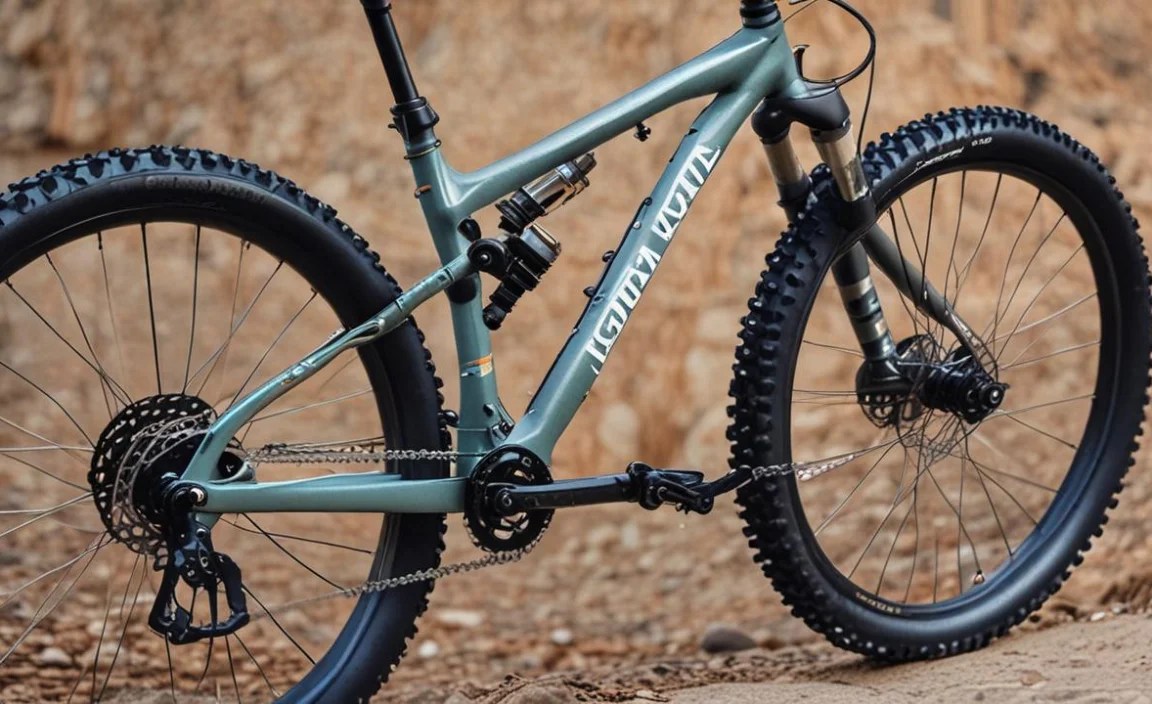
Let’s look at the main parts of a suspension fork:
- Stanchions: The upper tubes that slide into the lowers.
- Lowers: The lower part of the fork that holds the wheel axle.
- Crown: Connects the stanchions to the steerer tube.
- Steerer Tube: Inserts into the frame’s head tube and connects to the handlebars.
- Spring (Coil or Air): Provides the initial resistance to compression.
- Damper: Controls the compression and rebound of the fork.
Setting Up Your Suspension Fork
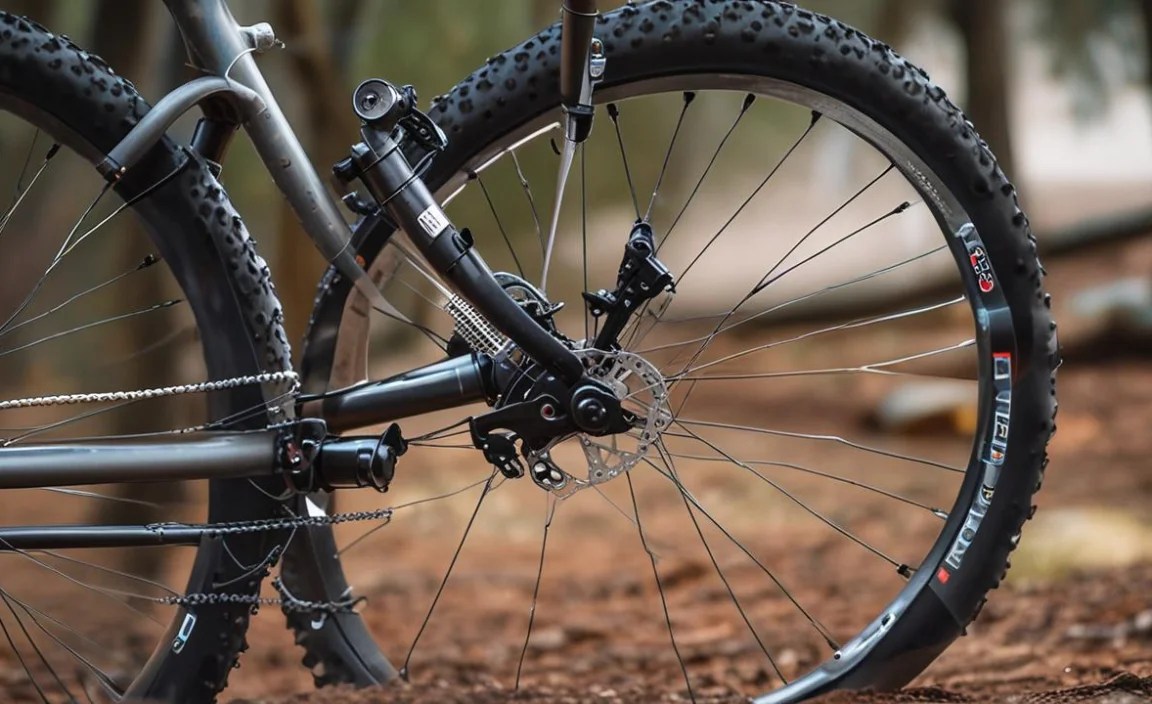
Setting up your suspension fork correctly is crucial for optimal performance. Here’s a step-by-step guide:
1. Determine Your Fork’s Travel
Fork travel refers to how much the fork can compress. This is usually measured in millimeters (mm). Check your fork’s specifications to find its travel.
2. Set the Sag
Sag is the amount the fork compresses when you are sitting on the bike in a normal riding position. Setting the sag correctly is the most important step in suspension setup.
- Gear Up: Wear your normal riding gear, including shoes and helmet.
- Find a Wall: Lean against a wall for support.
- Mount Up: Carefully get on your bike in a neutral riding position.
- Bounce Gently: Compress the fork a few times to settle the suspension.
- Measure Sag: Have a friend measure the distance between the dust wiper (where the stanchion enters the lower) and a point on the stanchion. Some forks have sag indicators for easier measurement.
Recommended Sag Values:
- Cross-Country (XC): 10-15% of travel
- Trail: 15-20% of travel
- Enduro/Downhill: 20-30% of travel
Adjusting Sag:
- Air Forks: Add or remove air using a shock pump to achieve the correct sag.
- Coil Forks: You may need to change the coil spring to a different spring rate to achieve the correct sag.
3. Adjust Rebound Damping
Rebound damping controls how quickly the fork returns to its extended position after compressing. If the rebound is too fast, the fork will feel bouncy. If it’s too slow, the fork will pack up on repeated bumps.
- Find the Rebound Adjuster: This is usually a knob on the bottom of the fork leg. It may be marked with a rabbit (fast) and a turtle (slow).
- Start in the Middle: Begin with the rebound adjuster in the middle of its range.
- Test Ride: Ride over a series of small bumps.
- Adjust:
- If the fork feels bouncy: Increase the rebound damping (turn the knob towards the turtle).
- If the fork feels harsh or packs up: Decrease the rebound damping (turn the knob towards the rabbit).
4. Adjust Compression Damping (If Applicable)
Compression damping controls how easily the fork compresses. Some forks have adjustable compression damping, while others have a fixed setting.
- Find the Compression Adjuster: This is usually a knob on the top of the fork leg.
- Start with Minimal Damping: Begin with the compression adjuster fully open (least damping).
- Test Ride: Ride over a variety of terrain.
- Adjust:
- If the fork dives too much under braking or feels too soft: Increase the compression damping.
- If the fork feels harsh or doesn’t absorb small bumps well: Decrease the compression damping.
Mountain Bike Suspension Fork Adjustments: Table Guide

Here’s a quick reference guide to common suspension fork adjustments:
| Adjustment | Purpose | Effect of Increasing | Effect of Decreasing |
|---|---|---|---|
| Sag | Setting the initial compression of the fork | Fork rides higher, less sensitive to small bumps | Fork rides lower, more sensitive to small bumps, may bottom out |
| Rebound Damping | Controlling how quickly the fork returns after compression | Slower rebound, can pack up on repeated bumps | Faster rebound, can feel bouncy or uncontrolled |
| Compression Damping | Controlling how easily the fork compresses | Harsher ride, resists bottoming out on big hits | Softer ride, more likely to bottom out |
Basic Mountain Bike Suspension Fork Maintenance
Regular maintenance is essential to keep your suspension fork working smoothly and extend its lifespan.
1. Cleaning
Keep your fork clean by wiping down the stanchions and seals after each ride. Use a clean, lint-free cloth. Avoid using harsh chemicals or solvents, as these can damage the seals.
2. Lubrication
Periodically lubricate the stanchions with a suspension-specific lubricant. This helps reduce friction and keeps the fork moving smoothly. Apply a small amount of lubricant to the stanchions and compress the fork several times to distribute it.
3. Inspect Seals
Regularly inspect the seals for cracks or damage. Damaged seals can allow dirt and water to enter the fork, leading to premature wear and tear. Replace damaged seals as soon as possible.
4. Lower Leg Service
A lower leg service involves removing the lower legs of the fork, cleaning the internals, and replacing the oil. This should be done every 50-100 hours of riding, or more frequently if you ride in muddy conditions. This procedure requires some mechanical skill, so consider taking your fork to a bike shop if you’re not comfortable doing it yourself.
5. Full Service
A full service involves disassembling the entire fork, cleaning all the parts, replacing the seals and oil, and reassembling it. This should be done every 100-200 hours of riding. A full service is best left to a professional bike mechanic.
Tools and Materials for Maintenance
Here’s a list of tools and materials you might need for basic suspension fork maintenance:
- Clean, lint-free cloths
- Suspension-specific lubricant
- Shock pump (for air forks)
- Seal driver (for replacing seals)
- Wrenches and sockets
- Pick set
- Suspension fluid
- Grease
- Torque wrench
Troubleshooting Common Issues
Here are some common issues you might encounter with your suspension fork and how to troubleshoot them:
- Fork feels harsh:
- Check sag. It may be too low.
- Reduce compression damping.
- Check for stiction (friction). Lubricate the stanchions.
- Fork feels bouncy:
- Increase rebound damping.
- Check for air leaks (air forks).
- Fork dives under braking:
- Increase compression damping.
- Check sag. It may be too high.
- Fork is leaking oil:
- Replace the seals.
- Check for damage to the stanchions.
Upgrading Your Suspension Fork
If you’re not happy with the performance of your current suspension fork, you may want to consider upgrading. Here are a few things to consider when choosing a new fork:
- Travel: Choose a fork with the appropriate travel for your riding style and terrain.
- Axle Type: Ensure the fork is compatible with your wheel’s axle type (e.g., quick release, thru-axle).
- Steerer Tube: Make sure the steerer tube is the correct diameter and length for your frame.
- Features: Consider features like adjustable damping, lockout, and air spring volume spacers.
- Budget: Suspension forks can range in price from a few hundred dollars to over a thousand. Set a budget and stick to it.
When to Seek Professional Help
While many suspension fork maintenance tasks can be done at home, some repairs are best left to a professional. Take your fork to a bike shop if you encounter any of the following:
- Major damage to the stanchions or lowers
- Stripped threads
- Difficulty disassembling the fork
- Uncertainty about any repair procedure
FAQ About Mountain Bike Suspension Forks
Here are some frequently asked questions about mountain bike suspension forks:
- What is fork travel?
- Fork travel is the amount the fork can compress, measured in millimeters (mm). More travel is generally better for rougher terrain.
- What is sag?
- Sag is the amount the fork compresses when you are sitting on the bike in a normal riding position. Setting the sag correctly is crucial for optimal performance.
- How often should I service my suspension fork?
- A lower leg service should be done every 50-100 hours of riding, and a full service every 100-200 hours.
- Can I use any type of oil in my suspension fork?
- No. Always use suspension-specific fluid that meets the manufacturer’s specifications.
- What is the difference between compression and rebound damping?
- Compression damping controls how easily the fork compresses, while rebound damping controls how quickly it returns to its extended position.
- How do I know if my suspension fork needs to be serviced?
- Signs that your fork needs servicing include excessive stiction, oil leaks, and a decrease in performance.
- What is a lockout?
- A lockout is a feature that prevents the fork from compressing, making it more efficient for climbing or riding on smooth surfaces.
Conclusion
Understanding and maintaining your mountain bike suspension fork might seem daunting at first, but it’s a rewarding process that can significantly improve your riding experience. By following this guide, you’ll be well-equipped to set up your fork correctly, perform basic maintenance, and troubleshoot common issues. Remember to consult your fork’s manual for specific instructions and don’t hesitate to seek professional help when needed. With a little knowledge and effort, you can keep your suspension fork working smoothly for years to come!


