How Often Should Your Shurflo Pump Cycle? A Simple Guide

Quick Summary: A Shurflo pump should ideally cycle only when water is being used. Frequent cycling when no water is being drawn indicates a potential problem like a leak in the plumbing, a faulty check valve within the pump, or low pressure in the system. Diagnosing and addressing the cause promptly will extend the life of your pump and prevent water waste.
Is your Shurflo pump cycling on and off more than it should? It’s a common frustration for RV owners and those with off-grid water systems. A pump that cycles too frequently can be noisy, waste energy, and signal a bigger problem brewing. But don’t worry! Understanding the ideal cycling frequency and identifying the root cause of any issues is simpler than you might think. This guide will walk you through everything you need to know to keep your Shurflo pump running smoothly, ensuring you have reliable water pressure without unnecessary wear and tear. Let’s dive in!
Understanding Shurflo Pump Cycling

Before we dive into troubleshooting, let’s clarify what “cycling” means and why it matters.
What is Pump Cycling?
Cycling refers to the pump turning on and off to maintain pressure in your water system. When you open a faucet, the pressure drops, and the pump kicks on to replenish it. Once the faucet is closed and the system reaches its set pressure, the pump shuts off. This on-and-off action is normal, but the *frequency* of cycling is what we’re concerned with.
Why Cycling Frequency Matters
Excessive cycling puts unnecessary strain on the pump motor and its components, shortening its lifespan. It also wastes energy and can be annoying due to the noise. More importantly, frequent cycling often indicates an underlying issue that needs to be addressed to prevent more serious problems down the road.
Ideal Cycling Frequency
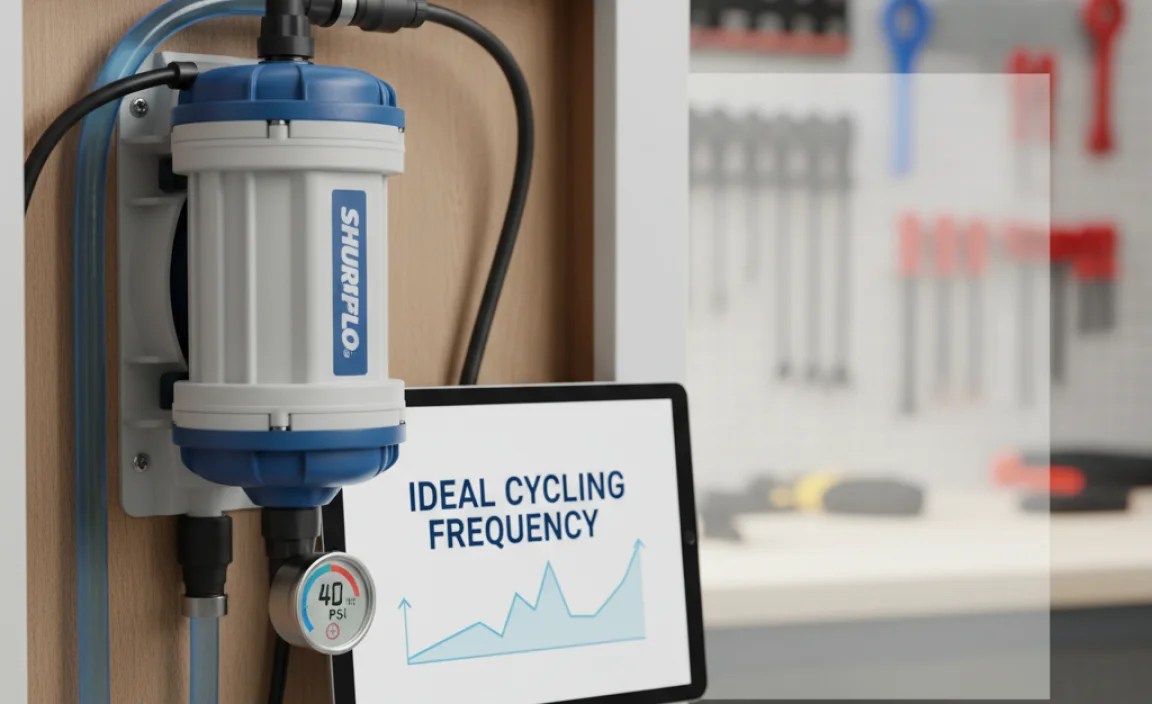
Ideally, your Shurflo pump should only cycle when you’re actively using water. Here’s a breakdown:
- Normal Operation: The pump runs smoothly while a faucet is open or a toilet is flushing, providing a consistent flow of water. It should stop shortly after the water is turned off.
- No Cycling When Idle: When all water outlets are closed, the pump should remain off. If it cycles on and off periodically without any apparent water use, there’s likely a problem.
Common Causes of Excessive Cycling

If your Shurflo pump is cycling too often, here’s what to investigate:
1. Leaks in the Plumbing
Even a small leak can cause a pressure drop, triggering the pump to cycle. Check all faucets, connections, and pipes for any signs of water. Pay close attention to:
- Faucet Drips: A dripping faucet is an obvious culprit.
- Loose Fittings: Tighten any loose connections on pipes and fixtures.
- Cracked Pipes: Inspect pipes for cracks, especially in areas exposed to freezing temperatures.
2. Faulty Check Valve
The check valve prevents water from flowing back into the pump from the plumbing system. If the check valve is failing, water can leak back, causing the pump to cycle to maintain pressure.
3. Low Pressure Setting
If the pressure switch is set too low, even a minor pressure drop can trigger the pump. Check the pressure switch settings and adjust if necessary. Refer to your Shurflo pump’s manual for the recommended pressure range. Typically, Shurflo pumps are pre-set to deliver water between 40 and 55 PSI, but it’s crucial to confirm this with your specific model’s documentation [Shurflo Manual](https://www.shurflo.com/service-support/resource-library/rv-recreational-vehicle/rv-recreational-vehicle-service-manuals).
4. Air in the System
Air trapped in the plumbing can compress and decompress, leading to pressure fluctuations and pump cycling. This is more common after winterizing or making repairs to the water system.
5. Accumulator Tank Issues
An accumulator tank helps maintain consistent water pressure and reduces pump cycling. If the tank is waterlogged (filled with water instead of air), or if the bladder is damaged, it won’t function properly, causing the pump to cycle more frequently.
6. Worn Pump Components
Over time, the pump’s internal components, such as the diaphragm or valves, can wear out. This can lead to reduced pumping efficiency and increased cycling.
Troubleshooting Steps: A Step-by-Step Guide
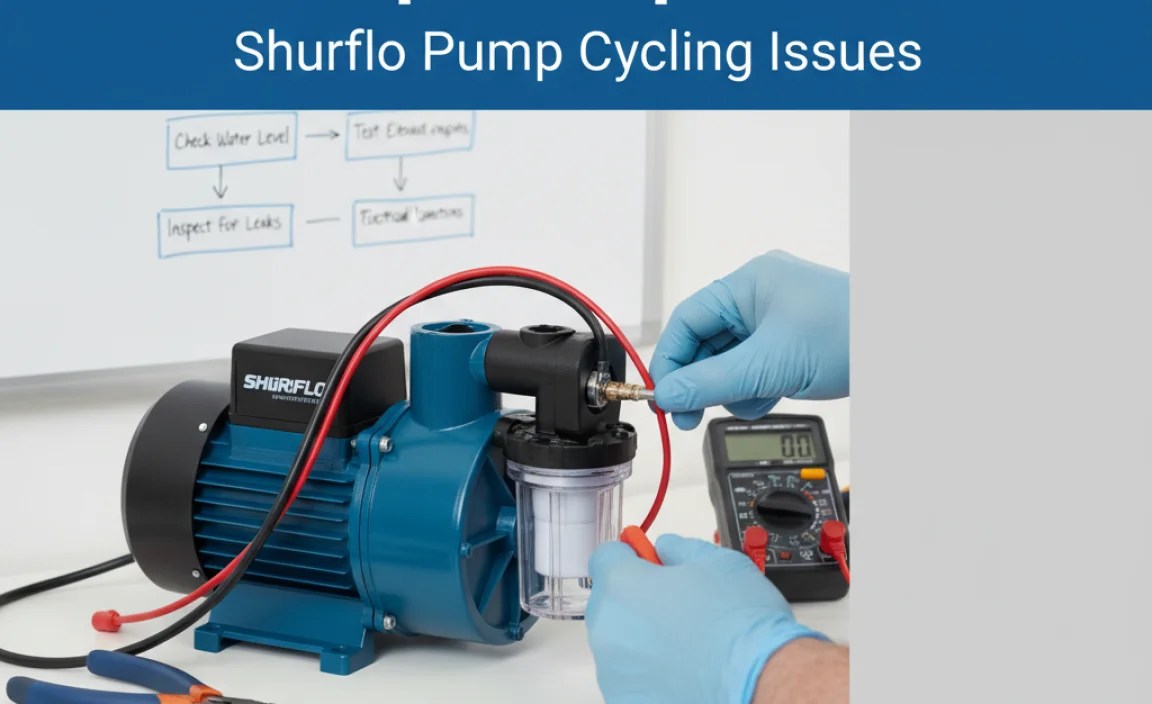
Now that you know the common causes, let’s go through a systematic troubleshooting process.
Step 1: Check for Leaks
This is the easiest and most common issue, so start here.
- Turn off the Pump: Locate the switch or breaker for your Shurflo pump and turn it off.
- Inspect Faucets and Fixtures: Carefully examine all faucets, showerheads, and toilets for drips or leaks. Even a slow drip can cause the pump to cycle.
- Check Plumbing Connections: Inspect all pipe connections, including those at the pump, water heater, and any other appliances. Tighten any loose fittings.
- Look for Visible Water: Check under sinks, around the toilet, and in any areas where plumbing is hidden. Look for signs of water damage or dampness.
Step 2: Examine the Check Valve
If you’ve ruled out leaks, the check valve is the next most likely culprit.
- Locate the Check Valve: The check valve is usually located at the pump’s inlet or outlet.
- Inspect for Debris: Sometimes, debris can get lodged in the check valve, preventing it from sealing properly. Clean the valve thoroughly.
- Test the Check Valve: You can test the check valve by disconnecting it and trying to blow air through it in both directions. It should only allow airflow in one direction. If it allows airflow in both directions, it needs to be replaced.
Step 3: Adjust the Pressure Switch
If the pressure switch is set too low, the pump will cycle frequently. Here’s how to adjust it:
- Locate the Pressure Switch: The pressure switch is usually located on the pump itself or nearby.
- Consult the Manual: Refer to your Shurflo pump’s manual for the recommended pressure range.
- Adjust the Switch: Use a screwdriver to adjust the pressure switch according to the manufacturer’s instructions. Start with small adjustments and monitor the pump’s behavior.
Step 4: Bleed the Air from the System
Air in the system can cause all sorts of problems. Here’s how to get rid of it:
- Turn on all Faucets: Open all faucets, both hot and cold, one at a time.
- Let the Water Run: Allow the water to run until the air is purged from the system and a steady stream of water flows from each faucet.
- Check for Air in the Water Heater: If you have a water heater, open the pressure relief valve to release any trapped air.
Step 5: Check the Accumulator Tank
A faulty accumulator tank can lead to frequent pump cycling. Here’s how to check it:
- Locate the Accumulator Tank: The accumulator tank is usually a small, pressurized tank located near the pump.
- Check the Air Pressure: Use a tire pressure gauge to check the air pressure in the tank. It should be set to the manufacturer’s recommended pressure (usually around 20-30 PSI).
- Test for Waterlogging: Tap on the tank. If it sounds full of water, it’s likely waterlogged.
- Recharge or Replace: If the tank is waterlogged, you may be able to recharge it by following the manufacturer’s instructions. If the bladder is damaged, the tank will need to be replaced.
Step 6: Inspect the Pump Components
If none of the above steps resolve the issue, the pump itself may be the problem.
- Inspect the Diaphragm: Check the diaphragm for cracks or damage. A damaged diaphragm can cause the pump to lose pressure and cycle frequently.
- Check the Valves: Inspect the valves for wear or debris. Clean or replace any worn or damaged valves.
- Consider a Repair Kit: Shurflo offers repair kits that include common replacement parts. This can be a cost-effective way to extend the life of your pump.
When to Call a Professional

If you’ve gone through all the troubleshooting steps and your Shurflo pump is still cycling excessively, it may be time to call a professional plumber or RV technician. They have the expertise and tools to diagnose and repair more complex issues.
Preventive Maintenance Tips
Here are some tips to help prevent excessive pump cycling and extend the life of your Shurflo pump:
- Regularly Inspect for Leaks: Make it a habit to check for leaks around faucets, connections, and pipes.
- Winterize Properly: If you live in an area with freezing temperatures, winterize your water system properly to prevent pipes from freezing and cracking.
- Use a Water Filter: A water filter can help prevent debris from entering the pump and causing damage to the check valve and other components.
- Maintain Proper Pressure: Check the pressure in your accumulator tank regularly and adjust as needed.
- Replace Worn Components: If you notice any signs of wear or damage to the pump’s components, replace them promptly.
Tools You Might Need
Here’s a list of tools that can come in handy when troubleshooting and maintaining your Shurflo pump:
- Screwdrivers: For adjusting the pressure switch and tightening connections.
- Wrenches: For tightening pipe fittings.
- Pliers: For gripping and manipulating small parts.
- Tire Pressure Gauge: For checking the pressure in the accumulator tank.
- Multimeter: For testing electrical components (if you’re comfortable working with electricity).
- Plumber’s Tape: For sealing pipe threads.
- Cleaning Supplies: For cleaning debris from the check valve and other components.
Shurflo Pump Cycling: Troubleshooting Table
Here’s a handy table summarizing the common causes of excessive cycling and their potential solutions:
| Problem | Possible Cause | Solution |
|---|---|---|
| Frequent Cycling | Leaks in Plumbing | Inspect and repair leaks in faucets, connections, and pipes. |
| Frequent Cycling | Faulty Check Valve | Clean or replace the check valve. |
| Frequent Cycling | Low Pressure Setting | Adjust the pressure switch to the recommended range. |
| Frequent Cycling | Air in the System | Bleed the air from the system by opening all faucets. |
| Frequent Cycling | Waterlogged Accumulator Tank | Check and recharge or replace the accumulator tank. |
| Frequent Cycling | Worn Pump Components | Inspect and replace worn pump components. |
Shurflo Pump Cycling: Pros and Cons
Here’s a quick look at the advantages of addressing frequent cycling and the disadvantages of ignoring it:
| Aspect | Pros (Addressing Cycling) | Cons (Ignoring Cycling) |
|---|---|---|
| Pump Lifespan | Extends pump lifespan by reducing wear and tear. | Shortens pump lifespan due to excessive strain. |
| Energy Efficiency | Reduces energy consumption. | Wastes energy. |
| Noise Level | Reduces annoying pump noise. | Constant noise can be disruptive. |
| Water Waste | Prevents water waste from leaks. | Increased water usage and potential for water damage. |
| System Reliability | Maintains consistent water pressure and system reliability. | Leads to inconsistent water pressure and potential system failure. |
FAQ: Shurflo Pump Cycling
Here are some frequently asked questions about Shurflo pump cycling:
Why is my Shurflo pump cycling on and off when no water is being used?
This usually indicates a leak in the plumbing, a faulty check valve, or low pressure in the system. Investigate each of these possibilities to identify the root cause.
How do I know if my Shurflo pump’s check valve is bad?
You can test the check valve by disconnecting it and trying to blow air through it in both directions. It should only allow airflow in one direction. If it allows airflow in both directions, it needs to be replaced.
What should the pressure be set at on my Shurflo pump?
Refer to your Shurflo pump’s manual for the recommended pressure range. Typically, Shurflo pumps are pre-set to deliver water between 40 and 55 PSI.
How do I bleed the air out of my RV water lines?
Open all faucets, both hot and cold, one at a time. Allow the water to run until the air is purged from the system and a steady stream of water flows from each faucet.
How do I check my accumulator tank?
Use a tire pressure gauge to check the air pressure in the tank. It should be set to the manufacturer’s recommended pressure (usually around 20-30 PSI). Tap on the tank. If it sounds full of water, it’s likely waterlogged.
Can I fix a waterlogged accumulator tank?
You may be able to recharge it by following the manufacturer’s instructions. If the bladder is damaged, the tank will need to be replaced.
Is it normal for my Shurflo pump to make noise?
Some noise is normal when the pump is running. However, excessive noise, especially when the pump is cycling frequently, can indicate a problem. Check for leaks, air in the system, or worn pump components.
Conclusion
Addressing excessive cycling in your Shurflo pump is crucial for maintaining a reliable and efficient water system. By understanding the common causes, following the troubleshooting steps outlined in this guide, and performing regular maintenance, you can extend the life of your pump and prevent costly repairs. Don’t let that cycling drive you crazy – take control, diagnose the issue, and enjoy consistent water pressure in your RV or off-grid setup!
“`