
Ultimate Pump for Small Wheels: Ride Easy!

Pumping up small wheels, like those on kids’ bikes or folding bikes, requires a pump that can deliver high pressure accurately. Look for pumps with a gauge, a dual-valve head to fit both Schrader and Presta valves, and a smaller barrel for efficient inflation. Mini-pumps or compact floor pumps are excellent choices for these tires.
Small wheels can be tricky to inflate! Whether you’re dealing with a kid’s bike, a folding bike, or even a mobility scooter, getting the right pressure is super important. Too little air, and the ride is sluggish and uncomfortable. Too much, and you risk a flat tire. It can be a real pain if you don’t have the right pump. But don’t worry! This guide will walk you through choosing the best pump and inflating those tires perfectly every time. We’ll cover everything you need to know, step by step, so you can keep those small wheels rolling smoothly.
Choosing the Right Pump for Small Wheels

Not all pumps are created equal, especially when it comes to small wheels. The key is to find a pump that can deliver the right pressure accurately and efficiently. Here’s what to look for:
Types of Pumps
There are several types of pumps you can use for small wheels, each with its own pros and cons:
- Floor Pumps: These are the most common type of pump and are great for home use. They provide a stable base and a long stroke, making it easier to inflate tires to higher pressures.
- Mini-Pumps: These are small and portable, making them ideal for carrying with you on rides. However, they require more effort to inflate tires, especially to higher pressures.
- CO2 Inflators: These use cartridges of compressed carbon dioxide to quickly inflate tires. They’re great for emergencies but can be wasteful and expensive in the long run.
- Electric Pumps: These pumps are battery-powered and can inflate tires quickly and easily. They’re a good option if you have difficulty using manual pumps.
Key Features to Look For
When choosing a pump for small wheels, keep these features in mind:
- Gauge: A gauge is essential for accurately inflating tires to the correct pressure. Look for a pump with a clear, easy-to-read gauge.
- Valve Compatibility: Most pumps come with a dual-valve head that can fit both Schrader and Presta valves. Make sure the pump you choose is compatible with the valves on your tires.
- Pressure Range: Small wheels often require higher pressures than standard bike tires. Make sure the pump you choose can reach the required pressure for your tires.
- Barrel Size: A smaller barrel can be more efficient for inflating small tires, as it requires less air to fill the tire.
- Portability: If you plan to carry the pump with you on rides, choose a mini-pump or a compact floor pump that’s easy to transport.
Recommended Pumps for Small Wheels
Here are a few highly-rated pumps that are well-suited for inflating small wheels:
| Pump | Type | Features | Pros | Cons |
|---|---|---|---|---|
| Lezyne Micro Floor Drive HP | Mini Floor Pump | Gauge, Presta/Schrader compatible, Compact | Easy to use, accurate, portable | Can be a bit pricey |
| Topeak Pocket Rocket | Mini-Pump | Lightweight, Presta/Schrader compatible | Very portable, affordable | Requires more effort at higher pressures |
| Park Tool PMP-4 | Micro Pump | Compact, durable, Presta/Schrader | Reliable, good for emergencies | Small size requires more pumping |
| Pro Bike Tool Mini Bike Pump | Mini Pump | High pressure, Presta/Schrader, Frame mount | Efficient, versatile mounting options | Some users find the gauge small |
Step-by-Step Guide to Inflating Small Wheels

Now that you’ve chosen the right pump, let’s get those tires inflated! Follow these steps for a perfect inflation every time:
1. Gather Your Tools
Before you start, make sure you have the following tools:
- Your chosen pump
- A tire pressure gauge (if your pump doesn’t have one)
- A valve adapter (if needed)
- A rag or cloth
2. Prepare the Valve
The first step is to prepare the valve on your tire. There are two main types of valves:
- Schrader Valve: This is the same type of valve you find on car tires. To prepare it, simply remove the valve cap.
- Presta Valve: This type of valve has a small nut that needs to be unscrewed before you can inflate the tire. Unscrew the nut and gently push the valve stem to make sure it’s not stuck.
3. Attach the Pump Head
Next, attach the pump head to the valve. Make sure the pump head is securely attached to the valve to prevent air from leaking out. The pump head should have a lever or locking mechanism to secure it in place.
- Schrader Valve: Press the pump head straight onto the valve.
- Presta Valve: Press the pump head onto the valve and flip the lever to lock it in place.
4. Inflate the Tire
Now it’s time to start pumping! Use a smooth, steady motion to inflate the tire. Keep an eye on the pressure gauge to make sure you’re not over-inflating the tire. Refer to the tire’s sidewall for the recommended pressure range.
- Floor Pump: Place your feet on the base of the pump and use your arms to push the handle down.
- Mini-Pump: Place the pump on the ground and use your body weight to push the handle down. This may require more effort and multiple attempts to reach the desired pressure.
5. Check the Pressure
Once you’ve reached the desired pressure, remove the pump head from the valve. If you’re using a Presta valve, remember to tighten the nut on the valve stem. Use a tire pressure gauge to double-check the pressure and make sure it’s within the recommended range.
6. Replace the Valve Cap
Finally, replace the valve cap to protect the valve from dirt and debris. This will also help prevent air from leaking out over time.
Tips and Tricks for Inflating Small Wheels
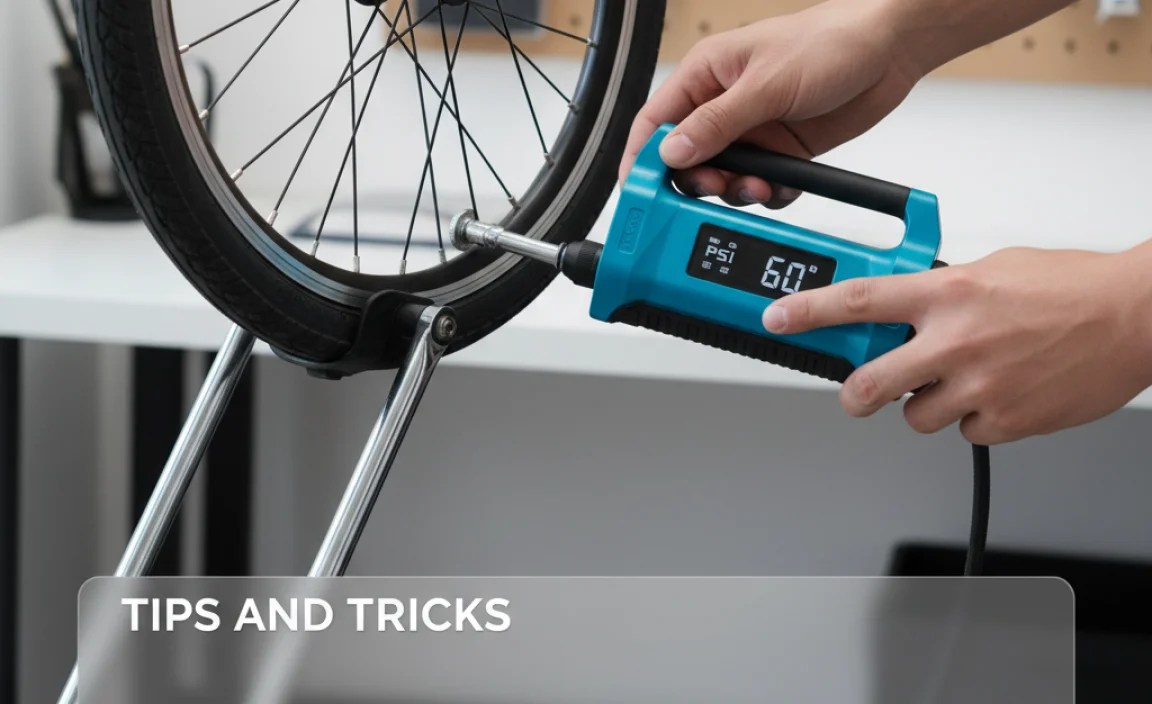
Here are some additional tips and tricks to help you inflate small wheels like a pro:
- Lubricate the Valve: If you’re having trouble attaching the pump head to the valve, try lubricating the valve with a small amount of silicone grease.
- Use a Valve Extender: If your wheels have deep rims, you may need to use a valve extender to make it easier to attach the pump head.
- Check for Leaks: After inflating the tire, check for leaks by listening for hissing sounds or by applying soapy water to the valve. If you find a leak, try tightening the valve core or replacing the tube.
- Store Your Pump Properly: To keep your pump in good condition, store it in a dry place away from direct sunlight.
Troubleshooting Common Issues
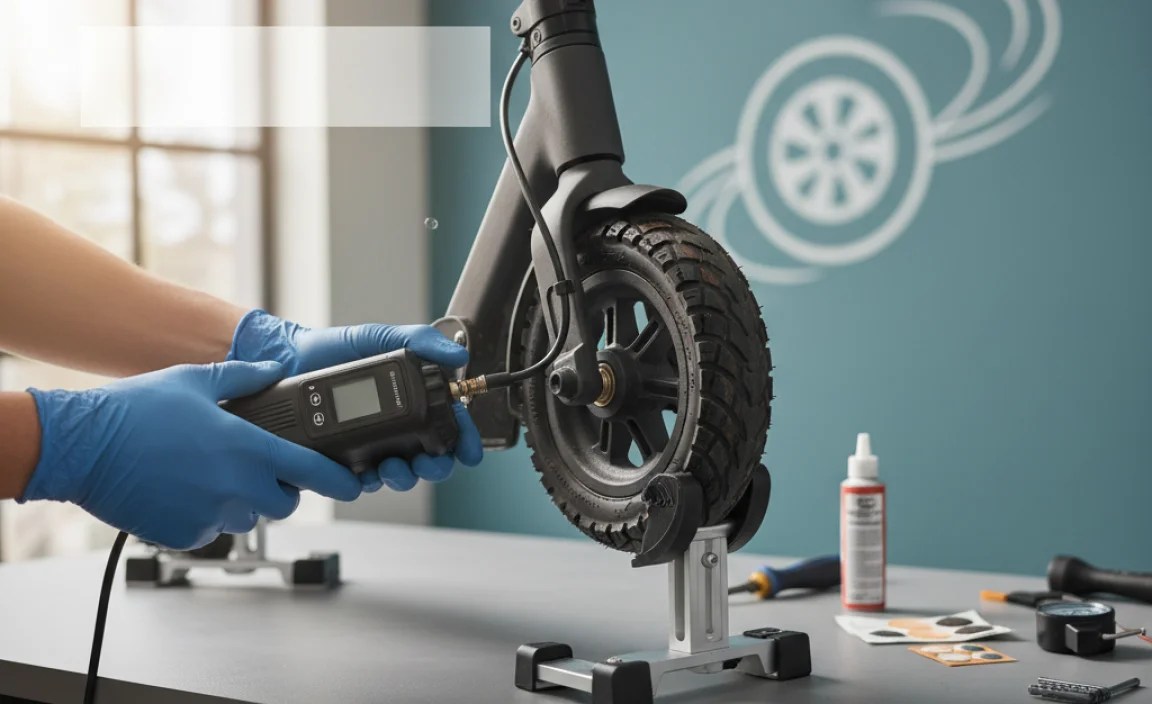
Sometimes, things don’t go as planned. Here are some common issues you might encounter when inflating small wheels, and how to fix them:
| Issue | Possible Cause | Solution |
|---|---|---|
| Pump won’t attach to valve | Incorrect pump head setting, dirty valve | Ensure pump head is set for the correct valve type (Schrader or Presta). Clean the valve. |
| Air leaking while pumping | Loose pump head, damaged valve | Check the pump head is securely attached. Inspect the valve for damage or debris. |
| Can’t reach desired pressure | Weak pump, leak in the tube | Try a more powerful pump. Check the tube for punctures. |
| Gauge is inaccurate | Faulty gauge | Use a separate, reliable pressure gauge to verify readings. |
Understanding Tire Pressure for Small Wheels

Getting the tire pressure right is crucial for performance, comfort, and safety. Here’s a quick guide:
Why Tire Pressure Matters
Proper tire pressure ensures:
- Optimal rolling resistance: The right pressure minimizes the effort needed to pedal.
- Comfortable ride: Correct inflation absorbs bumps and vibrations.
- Good grip: Proper pressure maximizes contact with the road.
- Reduced risk of flats: Over or under-inflated tires are more prone to punctures.
Finding the Right Pressure
Here’s how to determine the correct tire pressure:
- Check the tire sidewall: Look for the recommended pressure range printed on the tire. This is usually in PSI (pounds per square inch) and BAR (a metric unit).
- Consider rider weight: Heavier riders may need to inflate tires towards the higher end of the recommended range. Lighter riders can use lower pressures for better comfort.
- Adjust for riding conditions: For smooth roads, use higher pressures. For rough roads or trails, lower the pressure slightly for better grip and comfort.
Pressure Guidelines for Different Small Wheel Types
Here’s a general guide, but always refer to the tire sidewall for specific recommendations:
| Wheel Type | Typical Tire Pressure (PSI) | Notes |
|---|---|---|
| Kids’ Bikes (12-20 inch) | 30-50 PSI | Check the tire, as some may need even higher pressures. |
| Folding Bikes (16-20 inch) | 40-80 PSI | Higher pressures for better rolling efficiency. |
| Mobility Scooters | 25-50 PSI | Follow manufacturer’s guidelines. |
Maintaining Your Pump for Longevity
A well-maintained pump will last longer and perform better. Here are some tips to keep your pump in top condition:
- Clean Regularly: Wipe down your pump with a damp cloth to remove dirt and grime. Pay special attention to the pump head and valve attachments.
- Lubricate Moving Parts: Apply a small amount of silicone-based lubricant to the moving parts of the pump, such as the piston and handle. This will keep the pump working smoothly.
- Check for Wear and Tear: Regularly inspect your pump for signs of wear and tear, such as cracks, leaks, or damaged parts. Replace any worn or damaged parts as needed.
- Store Properly: Store your pump in a dry, clean place away from direct sunlight and extreme temperatures. This will help prevent damage and prolong the life of your pump.
FAQ About Pumps for Small Wheels
Here are some frequently asked questions about pumps for small wheels:
- What type of pump is best for small wheels?
- A mini floor pump or a high-pressure mini-pump with a gauge is ideal for small wheels. These pumps can deliver the higher pressures often required by small tires.
- Can I use a regular bike pump for small wheels?
- Yes, but ensure it has a gauge and can reach the required pressure. Some regular pumps may not be efficient for the higher pressures needed for small wheels.
- How do I know the correct tire pressure for my small wheels?
- Check the tire sidewall for the recommended pressure range. Adjust within this range based on rider weight and riding conditions.
- What’s the difference between Schrader and Presta valves?
- Schrader valves are similar to car tire valves, while Presta valves are narrower and often found on higher-end bikes. Make sure your pump is compatible with the valve type on your wheels.
- Why is it hard to pump up small tires with a mini-pump?
- Mini-pumps have smaller barrels, requiring more strokes to inflate tires. They can be challenging for higher pressures, so patience and a good technique are key.
- Should I use a CO2 inflator for small wheels?
- CO2 inflators are convenient for quick inflation but can be wasteful. They’re best for emergencies, but a manual pump is more economical for regular use.
- How often should I check the tire pressure on my small wheels?
- Check the tire pressure before each ride to ensure optimal performance and safety. Small tires can lose pressure more quickly than larger tires.
Conclusion
Inflating small wheels doesn’t have to be a hassle. By choosing the right pump, understanding tire pressure, and following these simple steps, you can keep your small-wheeled bikes and scooters rolling smoothly and safely. Remember to check your tire pressure regularly and maintain your pump to ensure it’s always ready when you need it. Happy riding!


