
Smart Compact Manual Pump Variants: Find Yours!

Quick Summary: Compact manual pumps come in various forms, each designed for specific needs. Mini pumps are super portable for quick fixes on the road. Frame-mounted pumps attach to your bike for easy access. Handheld floor pumps offer more power in a smaller package. Understanding these variants helps you choose the best pump for your cycling style and emergency needs, ensuring you’re always prepared on your rides.
Ever been miles from home with a flat tire and a useless pump? It’s a cyclist’s nightmare. Choosing the right compact manual pump can save your ride. There are so many options, it’s hard to know which one fits your needs. This guide breaks down the different types of compact manual pumps, so you can pick the perfect one and ride with confidence. We’ll cover mini pumps, frame-mounted options, and even handheld floor pumps, showing you how each can keep you rolling.
Understanding Compact Manual Pump Variants
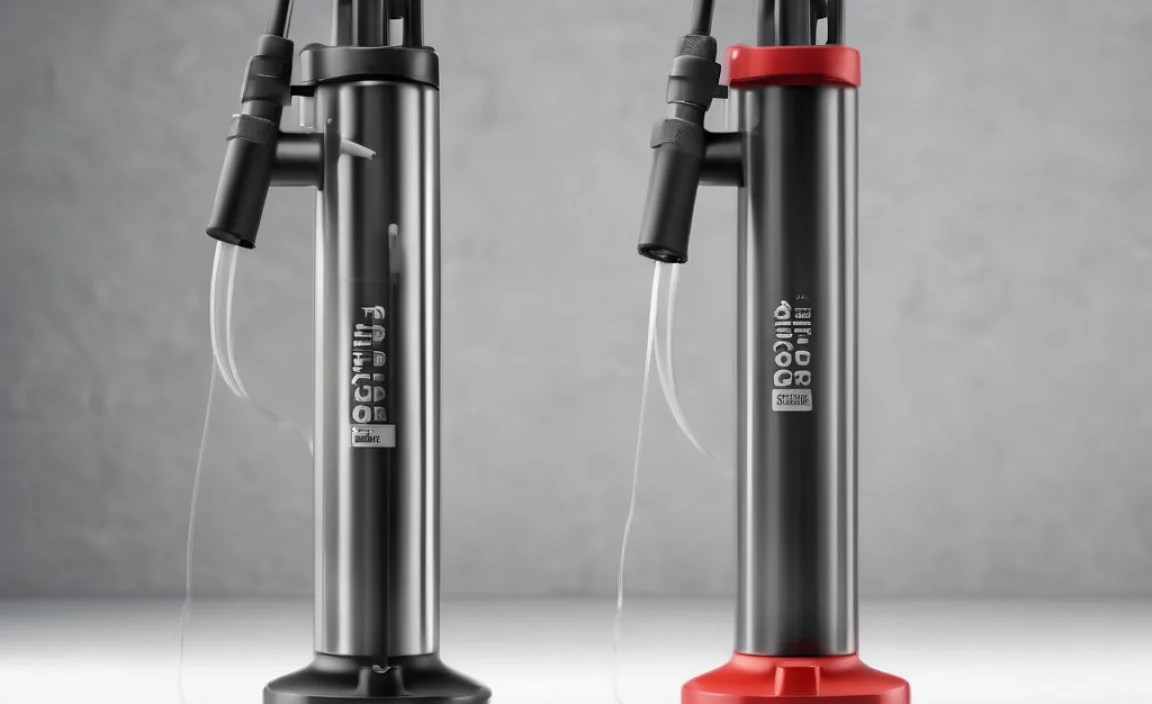
Compact manual pumps are essential for cyclists who value portability and reliability. These pumps come in several variants, each designed to cater to different needs and preferences. Let’s dive into the main types:
- Mini Pumps
- Frame-Mounted Pumps
- Handheld Floor Pumps
Mini Pumps: The Pocket-Sized Lifesavers
Mini pumps are the smallest and lightest option, designed for ultimate portability. They easily fit into a jersey pocket, saddlebag, or backpack, making them ideal for on-the-go repairs. However, their small size means they require more strokes to inflate a tire.
Key Features of Mini Pumps
- Portability: Extremely lightweight and compact, perfect for carrying on any ride.
- Size: Typically ranges from 6 to 9 inches in length.
- Weight: Usually weighs between 3 to 6 ounces.
- Inflation Efficiency: Requires more strokes to reach the desired pressure.
- Pressure Range: Generally suitable for lower pressure tires (road bikes may require more effort).
Pros and Cons of Mini Pumps
| Pros | Cons |
|---|---|
| Extremely portable and lightweight | Requires more effort to inflate tires |
| Affordable and easy to store | May not be suitable for high-pressure tires |
| Simple to use in emergency situations | Can be tiring for larger tires |
How to Use a Mini Pump
- Connect the Pump Head: Attach the pump head securely to the tire valve (Presta or Schrader).
- Secure the Pump: Stabilize the pump against the ground or your leg.
- Pump: Use a steady, consistent motion to inflate the tire.
- Check Pressure: Periodically check the tire pressure to avoid over-inflation.
Frame-Mounted Pumps: Always Ready to Go
Frame-mounted pumps attach directly to your bike frame, ensuring they are always available when you need them. These pumps are slightly larger than mini pumps, offering a better balance between portability and inflation efficiency.
Key Features of Frame-Mounted Pumps
- Attachment: Mounts directly to the bike frame using included brackets.
- Size: Slightly larger than mini pumps, typically 9 to 12 inches.
- Weight: A bit heavier than mini pumps, around 5 to 8 ounces.
- Inflation Efficiency: Provides a better balance between size and pumping power.
- Accessibility: Always readily available on your bike.
Pros and Cons of Frame-Mounted Pumps
| Pros | Cons |
|---|---|
| Always accessible and ready for use | Slightly heavier than mini pumps |
| More efficient inflation compared to mini pumps | Can affect the bike’s aesthetics |
| Securely attached to the frame | May require specific mounting points on the bike |
Installation and Usage Tips
- Mounting: Use the provided brackets to attach the pump to your bike frame.
- Placement: Choose a location that doesn’t interfere with pedaling or other components.
- Connection: Ensure the pump head is securely connected to the tire valve.
- Inflation: Use a smooth, consistent motion to inflate the tire to the desired pressure.
Handheld Floor Pumps: Power in Your Hands
Handheld floor pumps offer the efficiency of a traditional floor pump in a compact, portable design. They feature a foldable footplate and a longer barrel, allowing for more powerful and efficient inflation. These are great for cyclists who want a blend of portability and performance.
Key Features of Handheld Floor Pumps
- Design: Compact design with a foldable footplate for stability.
- Size: Typically 12 to 18 inches when folded.
- Weight: Heavier than mini and frame-mounted pumps, around 1 to 2 pounds.
- Inflation Efficiency: Provides efficient inflation similar to a floor pump.
- Stability: Footplate ensures stability during use.
Pros and Cons of Handheld Floor Pumps
| Pros | Cons |
|---|---|
| Efficient inflation with minimal effort | Heavier and bulkier than mini or frame-mounted pumps |
| Stable and easy to use | More expensive than other compact options |
| Suitable for high-pressure tires | Requires more storage space |
How to Use a Handheld Floor Pump
- Unfold the Footplate: Extend the footplate to provide a stable base.
- Connect the Pump Head: Securely attach the pump head to the tire valve.
- Stabilize: Place your foot on the footplate to stabilize the pump.
- Pump: Use a full range of motion to inflate the tire efficiently.
- Check Pressure: Monitor the tire pressure to avoid over-inflation.
Factors to Consider When Choosing a Compact Manual Pump

Selecting the right compact manual pump depends on several factors, including your cycling style, tire type, and personal preferences. Here’s a breakdown to help you make the best choice:
Tire Type and Pressure Requirements
Different bikes require different tire pressures. Road bikes typically need higher pressures (80-130 PSI), while mountain bikes and hybrid bikes use lower pressures (30-60 PSI). Ensure the pump you choose can reach the required pressure for your tires. High-pressure tires benefit from pumps with gauges for accurate inflation. For example, a road cyclist might prefer a mini-pump capable of reaching high PSI, whereas a mountain biker may focus on volume.
Check out resources like Bicycle Rolling Resistance for detailed tire pressure recommendations based on your tire size and riding conditions.
Portability vs. Efficiency
There’s a trade-off between portability and efficiency. Mini pumps are highly portable but require more effort to inflate tires. Frame-mounted pumps offer a balance, while handheld floor pumps provide the best efficiency but are less portable. Consider what matters most to you: ease of carrying or ease of use.
Valve Compatibility (Presta vs. Schrader)
Bicycle tires use either Presta or Schrader valves. Presta valves are common on road bikes and high-performance bikes, while Schrader valves are typically found on mountain bikes and hybrid bikes. Some pumps are designed to work with both valve types, while others require an adapter. Make sure the pump you choose is compatible with your bike’s valves.
Durability and Build Quality
A pump is only useful if it works when you need it. Look for pumps made from high-quality materials like aluminum alloy or durable plastics. Check reviews to see how well the pump holds up over time. A pump with a solid build will be more reliable and last longer.
Features and Accessories
Some pumps come with additional features that can enhance their usability. These include:
- Pressure Gauges: Allow for precise inflation.
- Flexible Hoses: Make it easier to connect to the tire valve.
- Mounting Brackets: Secure the pump to your bike frame.
- Dual-Action Pumps: Inflate on both the push and pull strokes, increasing efficiency.
Step-by-Step Guide to Using a Compact Manual Pump
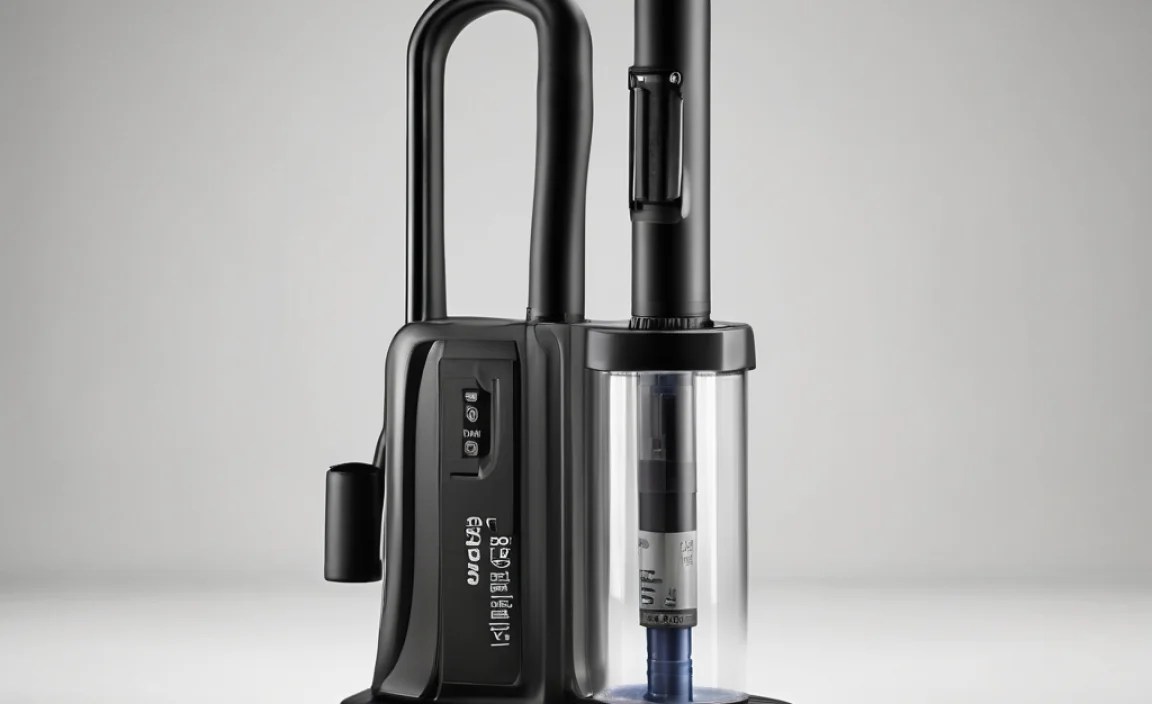
Knowing how to use your compact manual pump correctly is crucial for effective inflation and preventing damage to your tires or valves. Here’s a detailed guide:
Preparing the Pump and Tire
- Inspect the Tire: Check the tire for any punctures or damage before inflating.
- Locate the Valve: Identify whether you have a Presta or Schrader valve.
- Prepare the Valve:
- Presta Valve: Unscrew the valve nut and tap it gently to release any residual air.
- Schrader Valve: Remove the valve cap.
- Check the Pump Head: Ensure the pump head is set to the correct valve type (Presta or Schrader). Some pumps have a reversible head or require an adapter.
Connecting the Pump to the Valve
- Position the Pump Head: Align the pump head with the valve.
- Attach the Pump Head:
- Lever-Lock Pumps: Push the pump head onto the valve and engage the lever to create a secure seal.
- Threaded Pumps: Screw the pump head onto the valve until it’s snug.
- Ensure a Good Seal: Make sure there are no air leaks around the connection.
Inflating the Tire
- Stabilize the Pump: Hold the pump firmly with one hand while stabilizing the tire with the other.
- Begin Pumping: Use a smooth, consistent motion to inflate the tire. For mini pumps, you may need to use short, rapid strokes. For handheld floor pumps, use a full range of motion.
- Monitor Pressure: If your pump has a gauge, monitor the pressure as you inflate. If not, periodically check the tire pressure by squeezing the tire.
- Reach the Desired Pressure: Inflate the tire to the recommended pressure indicated on the tire sidewall.
Disconnecting the Pump and Finishing Up
- Disengage the Pump Head:
- Lever-Lock Pumps: Disengage the lever and gently pull the pump head off the valve.
- Threaded Pumps: Unscrew the pump head from the valve.
- Close the Valve:
- Presta Valve: Screw the valve nut back down until it’s snug.
- Schrader Valve: Replace the valve cap.
- Check the Tire: Ensure the tire is properly seated on the rim and that there are no bulges or deformities.
Maintenance Tips for Compact Manual Pumps

Proper maintenance can extend the life of your compact manual pump and ensure it’s always ready when you need it. Here are some essential maintenance tips:
Cleaning and Storage
- Regular Cleaning: Wipe down your pump after each use to remove dirt and grime.
- Lubrication: Periodically lubricate the pump’s moving parts with a silicone-based lubricant.
- Proper Storage: Store your pump in a dry place away from direct sunlight and extreme temperatures.
Checking for Wear and Tear
- Inspect the Pump Head: Check the pump head for cracks or damage. Replace it if necessary.
- Examine the Hose: Look for cracks or leaks in the hose. Replace the hose if needed.
- Test the Seal: Ensure the pump creates a tight seal with the tire valve. If not, check the O-rings and replace them if necessary.
Troubleshooting Common Issues
- Air Leaks: If you notice air leaking around the pump head, check the connection and ensure it’s properly seated.
- Difficulty Pumping: If the pump becomes difficult to use, lubricate the moving parts and check for any obstructions.
- Pump Not Inflating: Ensure the pump head is set to the correct valve type and that the valve is open.
Top Brands and Models of Compact Manual Pumps

Several brands offer high-quality compact manual pumps. Here are some of the top brands and models:
- Lezyne: Known for their durable and efficient mini pumps and handheld floor pumps.
- Topeak: Offers a wide range of pumps, including mini pumps, frame-mounted pumps, and handheld floor pumps.
- Park Tool: Renowned for their high-quality tools and pumps designed for professional mechanics and home users.
- Blackburn: Provides reliable and affordable pumps suitable for various cycling needs.
Here’s a comparison table of some popular models:
| Model | Type | Max Pressure | Weight | Key Features |
|---|---|---|---|---|
| Lezyne Micro Floor Drive HP | Handheld Floor Pump | 160 PSI | 220g | Foldable footplate, high-pressure design |
| Topeak RaceRocket HP | Mini Pump | 160 PSI | 82g | Lightweight, high-pressure |
| Park Tool PMP-4 | Mini Pump | 100 PSI | 113g | Durable, ergonomic handle |
| Blackburn Core Mini-Pump | Mini Pump | 100 PSI | 124g | Affordable, reliable |
FAQ: Compact Manual Pump Variants
What is the best type of compact manual pump for road bikes?
For road bikes, a mini pump or a handheld floor pump capable of reaching high pressures (100+ PSI) is ideal. Look for models with pressure gauges for accurate inflation.
Can I use a compact manual pump for tubeless tires?
Yes, but ensure the pump can deliver a sufficient volume of air quickly to seat the tire bead. Some handheld floor pumps are specifically designed for tubeless tires.
How do I know if my pump is compatible with Presta or Schrader valves?
Check the pump head. Some pumps have a reversible head that can be switched between Presta and Schrader valves. Others require an adapter.
How often should I maintain my compact manual pump?
Clean your pump after each use and lubricate the moving parts every few months. Regularly inspect for wear and tear.
What is the ideal pressure for my bike tires?
Check the tire sidewall for the recommended pressure range. Use a pump with a gauge to accurately inflate your tires to the correct pressure.
Are frame-mounted pumps secure?
Yes, frame-mounted pumps come with brackets that securely attach to your bike frame. Ensure the brackets are properly installed to prevent the pump from falling off.
What should I do if my pump isn’t inflating the tire?
Check the pump head connection, ensure the valve is open, and make sure the pump head is set to the correct valve type. If the pump is still not inflating, inspect the O-rings and replace them if necessary.
Conclusion
Choosing the right compact manual pump can make all the difference on your cycling adventures. Whether you prefer the ultra-portability of a mini pump, the convenience of a frame-mounted pump, or the efficiency of a handheld floor pump, understanding the different variants and their features will help you make an informed decision. Remember to consider your tire type, pressure requirements, and personal preferences. With the right pump and a little maintenance, you’ll be prepared for any flat tire situation and can enjoy your rides with confidence. Happy cycling!


