Ultimate Pump Track Cycle: Ride Like a Pro!

Have you ever seen someone zoom around a track without pedaling? It looks like magic, right? That’s probably a pump track cycle in action! These special tracks let you ride using your body’s motion. It is super fun and a great way to exercise.
Pump tracks are popping up everywhere. They are in parks and even backyards. You can use a bike, scooter, or even a skateboard. Are you ready to learn more about pump track cycle fun?
Key Takeaways
- A pump track cycle uses body motion to gain speed without pedaling.
- Pump tracks are great for bikes, scooters, and skateboards of all types.
- Riding a pump track improves balance and coordination skills significantly.
- Learning the proper pumping technique is key to mastering the pump track.
- Always wear a helmet and protective gear when riding a pump track cycle.
What is a Pump Track Cycle?


A pump track cycle is a continuous loop of rollers and banked turns. Riders use an up-and-down body motion, called “pumping”, to maintain speed. You don’t need to pedal! The track’s design turns your body movements into forward motion. It’s like surfing on land. Imagine going downhill, then pushing down with your arms and legs. This gives you a burst of speed. On a pump track, you repeat this motion over and over. The goal is to keep moving without ever pedaling. It’s a fun way to exercise and improve your bike skills. Pump track cycles teach you balance, coordination, and how to handle different terrains. Plus, it’s super fun for all ages and skill levels.
- Pump tracks have rollers and banked turns.
- Pumping is an up-and-down body motion.
- You gain speed without pedaling.
- It improves balance and coordination.
- Pump tracks are good for all ages.
Pump track cycles are becoming more popular. You can find them in parks, bike parks, and even some schools. They are a great way to get kids active and outside. Building a pump track can be a community project. It provides a safe place for people to ride and have fun. Pump tracks also help riders learn important bike skills. These skills can be used on trails, in bike parks, or even just riding around town. Learning to pump properly takes practice. Once you get the hang of it, you’ll be amazed at how fast you can go.
Fun Fact or Stat: The first pump track was built in the late 1970s, inspired by BMX racing!
How Does Pumping Work?
Have you ever been on a swing? You pump your legs to go higher, right? Pumping on a pump track cycle is similar. When you approach a roller (a small hill), you push down with your arms and legs as you go over the top. This gives you a little extra push. As you go down the backside of the roller, you pull up. This keeps your momentum going. It’s all about timing and using your body weight. The more you practice, the better you’ll get. Soon, you’ll be able to fly around the track without pedaling at all. It’s a great feeling when you master the pumping technique.
Why Are Pump Tracks So Popular?
Pump track cycles are popular for many reasons. They are fun for all ages and skill levels. Beginners can learn basic bike skills. Experienced riders can challenge themselves. Pump tracks are also a great workout. You use your whole body to pump and maintain speed. It improves your cardiovascular health and builds strength. Plus, pump tracks are often located in parks or public spaces. This makes them easily accessible to everyone. They provide a safe and fun place to ride bikes and be active. The community aspect of pump tracks is also a big draw. People come together to ride, share tips, and have fun.
What Bikes Are Best for Pump Tracks?
Almost any bike can be used on a pump track cycle. However, some bikes are better than others. BMX bikes are a popular choice because they are strong and durable. They also have a low center of gravity, which makes them easy to handle. Mountain bikes with suspension can also be used. The suspension helps absorb bumps and keep you in control. Some people even use dirt jumpers, which are designed for tricks and jumps. Ultimately, the best bike for you depends on your personal preference and riding style. Just make sure your bike is in good working condition and fits you properly.
Choosing the Right Pump Track Cycle Bike


Choosing the right bike can make your pump track cycle experience even better. A good starting point is considering a BMX bike. These are known for their durability and responsiveness. Their smaller frame and 20-inch wheels make them easy to maneuver. Mountain bikes are also suitable, especially hardtails (bikes with front suspension only). The front suspension helps absorb some of the bumps on the track. However, a full-suspension bike might absorb too much of your pumping energy. Consider the tire pressure too. Lower tire pressure provides more grip but can slow you down. Experiment to find what works best for you. The most important thing is to choose a bike that feels comfortable and inspires confidence.
- BMX bikes are durable and responsive.
- Mountain bikes with front suspension work well.
- Hardtails are often preferred over full suspension.
- Experiment with tire pressure for optimal grip.
- Choose a bike that feels comfortable for you.
When selecting a pump track cycle bike, consider the frame size. A frame that is too big or too small can make riding difficult. You should be able to comfortably reach the handlebars and pedals. The bike’s weight also matters. A lighter bike will be easier to pump and maneuver. Check the brakes to make sure they are working properly. You don’t want to rely on them too much on a pump track, but they are important for safety. Finally, don’t be afraid to ask for advice. Bike shop employees can help you choose the right bike for your needs and budget.
Fun Fact or Stat: BMX bikes were originally designed to imitate motocross bikes!
What Size Bike Do I Need?
Choosing the right size bike is important for comfort and control. If the bike is too big, you won’t be able to reach the handlebars comfortably. If it’s too small, you’ll feel cramped and uncomfortable. A good way to determine the right size is to stand over the bike. There should be a few inches of clearance between the top tube and your body. You should also be able to comfortably reach the handlebars without stretching too far. If you’re not sure, ask a bike shop employee for help. They can measure you and recommend the right size bike.
What About Gearing?
Gearing refers to the number of teeth on the front and rear sprockets of your bike. On a pump track cycle, you don’t need a lot of gears. In fact, many riders prefer a single-speed bike. This means the bike has only one gear. This simplifies things and makes it easier to focus on pumping. If you do have gears, you’ll want to choose a gear ratio that is easy to pedal. You don’t want a gear that is too hard to push, as you won’t be pedaling much anyway. Experiment with different gear ratios to see what works best for you.
Should I Use Clipless Pedals?
Clipless pedals are pedals that clip into your shoes. This allows you to transfer more power to the pedals. Some riders use clipless pedals on pump track cycles, but it’s not necessary. In fact, many riders prefer flat pedals. Flat pedals allow you to easily take your feet off the pedals if you need to. This can be helpful if you’re learning or if you need to bail out quickly. If you’re considering clipless pedals, make sure you’re comfortable using them. Practice in a safe area before hitting the pump track.
Essential Gear for Pump Track Cycling

Safety is key when enjoying a pump track cycle. The most important piece of gear is a helmet. Always wear a helmet that fits properly. It should cover your forehead and sit level on your head. Next, consider gloves. Gloves protect your hands if you fall. They also provide a better grip on the handlebars. Knee and elbow pads are also a good idea. These will protect your joints from scrapes and bruises. Finally, wear closed-toe shoes. Sandals or flip-flops are not safe for riding a bike. With the right gear, you can enjoy the pump track safely and confidently.
- Always wear a properly fitted helmet.
- Gloves protect your hands and improve grip.
- Knee and elbow pads prevent scrapes and bruises.
- Wear closed-toe shoes for safety.
- Consider eye protection, like sunglasses.
Investing in good quality gear is worth it for pump track cycle riders. A well-fitting helmet can save your life. Durable gloves will last longer and provide better protection. Comfortable knee and elbow pads will make you more likely to wear them. Don’t skimp on safety gear. It’s better to be safe than sorry. Also, make sure your gear is in good condition. Check your helmet for cracks or damage. Replace your gloves if they are worn out. Make sure your pads fit snugly and don’t slip. Regular maintenance will keep your gear working properly and protect you when you need it most.
Fun Fact or Stat: Some helmets are designed with MIPS technology to reduce rotational forces in a crash!
Why Is a Helmet So Important?
A helmet is the single most important piece of safety gear. It protects your head from serious injury in a crash. Even a minor fall can result in a concussion or other head injury. A helmet absorbs the impact of the fall and distributes the force over a wider area. This reduces the risk of serious injury. Always wear a helmet when riding a pump track cycle, no matter how short the ride. It’s not worth the risk to go without one. Make sure your helmet fits properly and is in good condition.
What Kind of Gloves Should I Use?
Gloves protect your hands from scrapes and bruises. They also provide a better grip on the handlebars. Look for gloves that are made of durable material, such as leather or synthetic leather. The gloves should fit snugly but not be too tight. You should be able to move your fingers freely. Some gloves have padding on the palms to absorb vibration. This can be helpful if you’re riding for long periods of time. Choose gloves that are comfortable and provide good protection.
Are Knee and Elbow Pads Necessary?
Knee and elbow pads are a good idea, especially if you’re a beginner. They protect your joints from scrapes and bruises. Falls are common when learning to ride a pump track cycle. Pads can help prevent injuries and give you more confidence. Look for pads that are comfortable and fit well. They should stay in place without restricting your movement. Some pads have hard shells for extra protection. Others have soft padding for comfort. Choose the type of pads that best suit your needs.
Pump Track Cycle Techniques for Beginners
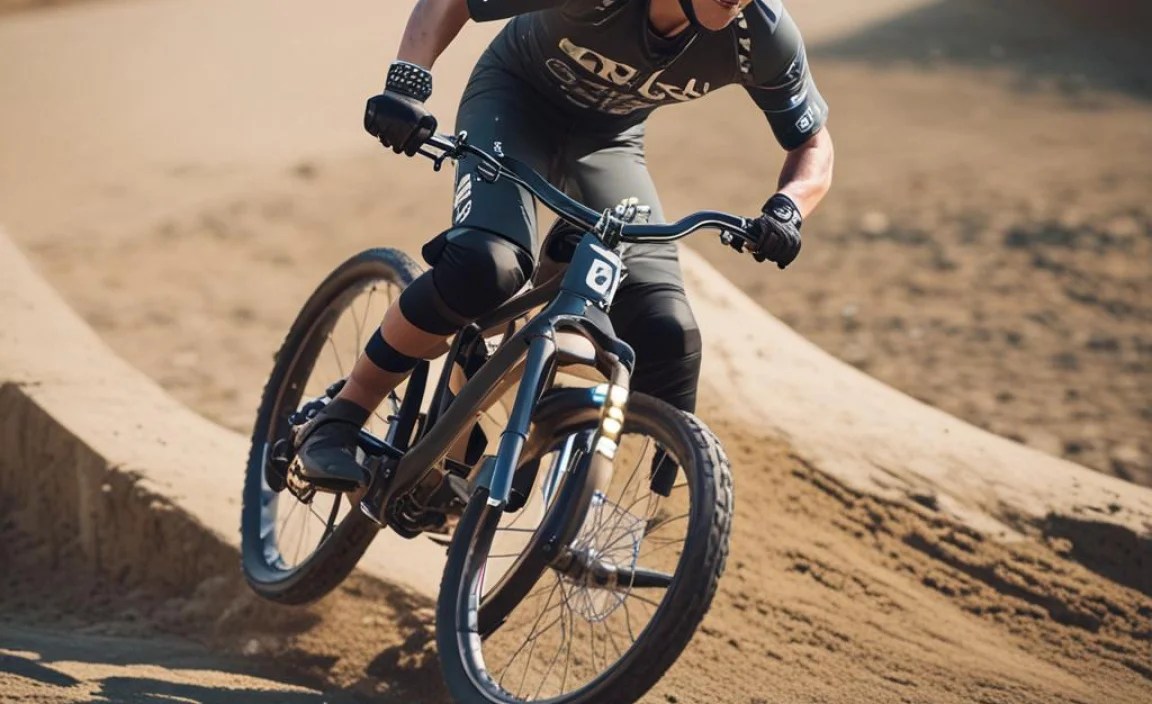
Learning the right techniques is essential for enjoying a pump track cycle. Start by finding a smooth, flat part of the track. Practice your balance and get comfortable on your bike. Then, start with small rollers. Focus on pushing down as you go over the top and pulling up as you go down the back side. Keep your arms and legs slightly bent. This will help you absorb the bumps. Look ahead to where you want to go. This will help you stay balanced. Don’t be afraid to start slow. As you get more comfortable, you can gradually increase your speed. Remember to have fun and enjoy the ride!
- Start with small rollers and flat sections.
- Focus on pushing down and pulling up.
- Keep your arms and legs slightly bent.
- Look ahead to where you want to go.
- Practice regularly to improve your skills.
Mastering the pump track cycle takes practice. Don’t get discouraged if you don’t get it right away. Everyone starts somewhere. Watch videos of experienced riders to learn new techniques. Ask for advice from other riders at the pump track. Pay attention to your body position. Are you leaning too far forward or backward? Are you using your arms and legs effectively? Experiment with different techniques to see what works best for you. The key is to keep practicing and having fun. With time and effort, you’ll be able to ride the pump track like a pro.
Fun Fact or Stat: Professional pump track riders can reach speeds of over 20 miles per hour!
How Do I Maintain My Balance?
Balance is key to riding a pump track cycle. To maintain your balance, keep your head up and look ahead. Use your arms to help you steer and keep your body centered over the bike. Bend your knees and elbows to lower your center of gravity. This will make you more stable. Practice riding in a straight line on a flat surface. Then, try riding around cones or other obstacles. The more you practice, the better your balance will become.
How Do I Generate Speed?
The key to generating speed on a pump track cycle is pumping. As you approach a roller, push down with your arms and legs as you go over the top. This will give you a burst of energy. As you go down the backside of the roller, pull up. This will keep your momentum going. The timing of your pumping is crucial. You need to push down and pull up at the right moment to maximize your speed. Practice makes perfect!
What Should I Do If I Start to Lose Control?
If you start to lose control on a pump track cycle, don’t panic. The first thing to do is to relax. Tensing up will only make things worse. Try to steer the bike in the direction you want to go. Use your brakes gently to slow down. If you’re about to crash, try to bail out safely. Jump off the bike and land on your feet. It’s better to fall on the ground than to crash into something. Wear protective gear to minimize the risk of injury.
Advanced Pump Track Cycle Skills

Once you’ve mastered the basics of pump track cycle riding, you can start learning more advanced skills. One popular skill is manualing. This involves lifting the front wheel of the bike off the ground and riding on the back wheel. Another skill is jumping. This involves launching off a jump and landing smoothly on the other side. You can also learn to do tricks, such as bar spins and tail whips. These tricks require a lot of practice and coordination. But they look really cool when you pull them off. Remember to always wear protective gear when practicing advanced skills.
- Learn to manual by lifting the front wheel.
- Practice jumping to launch off ramps.
- Try tricks like bar spins and tail whips.
- Use advanced pumping techniques for speed.
- Always wear protective gear when progressing.
Improving your pump track cycle skills takes dedication and practice. Set realistic goals for yourself. Don’t try to learn too many new skills at once. Focus on mastering one skill before moving on to the next. Watch videos of professional riders to get inspiration. Attend a pump track clinic or lesson. A qualified instructor can provide valuable feedback and help you improve your technique. Most importantly, have fun and enjoy the process. The more you ride, the better you’ll get.
Fun Fact or Stat: The world record for the longest manual on a bicycle is over 1,800 feet!
How Do I Manual?
Manualing is a fun and challenging skill to learn on a pump track cycle. To manual, start by riding at a moderate speed. Then, lean back and pull up on the handlebars. Shift your weight back to lift the front wheel off the ground. Use your body weight to maintain your balance. Keep your arms straight and your legs slightly bent. Practice in a safe area with a smooth surface. Start with short manuals and gradually increase the distance.
How Do I Jump?
Jumping is another exciting skill to learn on a pump track cycle. To jump, approach the jump at a moderate speed. As you reach the lip of the jump, push down with your arms and legs. This will help you launch into the air. While in the air, keep your body balanced and your eyes focused on the landing. As you come down, absorb the impact with your arms and legs. Start with small jumps and gradually increase the size.
How Do I Do Tricks?
Tricks like bar spins and tail whips require a lot of practice and coordination. Start by learning the basic movements. For a bar spin, practice spinning the handlebars while standing still. For a tail whip, practice kicking the back of the bike out to the side. Once you’re comfortable with the basic movements, try doing them while riding. Start with small tricks and gradually increase the difficulty. Always wear protective gear when practicing tricks. A pump track cycle is a great place to practice these skills.
Pump Track Cycle Maintenance Tips
Keeping your pump track cycle in good condition is important for safety and performance. Regularly check your tires for proper inflation. Under-inflated tires can make it harder to pump and can increase the risk of a flat tire. Check your brakes to make sure they are working properly. Adjust them if necessary. Lubricate your chain regularly to keep it running smoothly. Inspect your bike for any loose bolts or parts. Tighten them as needed. Clean your bike regularly to remove dirt and grime. This will help prevent wear and tear. With proper maintenance, your bike will last longer and perform better.
- Check tire pressure before each ride.
- Inspect and adjust brakes regularly.
- Lubricate the chain for smooth operation.
- Tighten any loose bolts or parts.
- Clean the bike to remove dirt and grime.
Proper maintenance of your pump track cycle is essential for safety and enjoyment. A well-maintained bike is less likely to break down and cause an accident. Regular maintenance can also improve your bike’s performance. A clean and lubricated bike will be easier to ride and more efficient. Take the time to inspect and maintain your bike regularly. It’s a small investment that can make a big difference. If you’re not comfortable doing the maintenance yourself, take your bike to a qualified mechanic.
Fun Fact or Stat: Regularly cleaning and maintaining your bike can extend its lifespan by several years!
How Often Should I Check My Tire Pressure?
You should check your tire pressure before every ride. Proper tire pressure is important for both performance and safety. Under-inflated tires can make it harder to pump and can increase the risk of a flat tire. Over-inflated tires can make the ride uncomfortable and can reduce traction. Use a tire gauge to check the pressure. Inflate or deflate your tires as needed to reach the recommended pressure. The recommended pressure is usually printed on the side of the tire.
How Do I Lubricate My Chain?
Lubricating your chain is important for keeping it running smoothly. A dry chain can cause friction and wear. To lubricate your chain, apply a small amount of chain lubricant to the inside of the chain. Then, pedal the bike backwards to distribute the lubricant. Wipe off any excess lubricant with a clean cloth. Do this regularly, especially after riding in wet or dirty conditions. A well-lubricated chain will shift smoothly and last longer.
How Do I Tighten Loose Bolts?
Loose bolts can be a safety hazard. Regularly inspect your bike for any loose bolts or parts. Use a wrench or Allen wrench to tighten them. Be careful not to over-tighten the bolts, as this can damage them. If you’re not sure how tight to make them, consult a bike mechanic. Pay special attention to the bolts on your handlebars, stem, seat post, and wheels. These are critical components that need to be securely fastened.
Finding Pump Tracks Near You
Pump track cycles are becoming more popular, so finding a pump track near you is easier than ever. Check your local parks and recreation department. Many parks now have pump tracks. Search online for “pump tracks near me.” Use websites and apps that list bike parks and trails. Ask other cyclists in your area. They may know of some hidden gems. You can even build your own pump track in your backyard. With a little research, you’re sure to find a pump track where you can ride and have fun.
- Check local parks and recreation listings.
- Search online for pump tracks near you.
- Use bike park and trail websites/apps.
- Ask local cyclists for recommendations.
- Consider building a pump track at home.
Once you find a pump track cycle location, be sure to check the rules and regulations. Some pump tracks may have specific hours of operation. Others may require you to wear a helmet or other safety gear. Be respectful of other riders and the track itself. Don’t litter or damage the track in any way. Follow the rules and guidelines to ensure everyone has a safe and enjoyable experience. Pump tracks are a great resource for the cycling community. Let’s work together to keep them clean and well-maintained.
Fun Fact or Stat: The number of public pump tracks has increased by over 50% in the last five years!
Are There Any Apps to Find Pump Tracks?
Yes, there are several apps that can help you find pump tracks near you. Some popular apps include Trailforks, MTB Project, and AllTrails. These apps allow you to search for bike parks and trails in your area. You can filter your search by difficulty, distance, and other factors. Many of these apps also include user reviews and ratings. This can help you find the best pump tracks in your area.
Can I Build My Own Pump Track?
Yes, you can build your own pump track. Building a pump track can be a fun and rewarding project. You’ll need some space, tools, and materials. You can find plans and instructions online. Start with a small, simple design. As you gain experience, you can build more complex features. Be sure to get permission from the landowner before building a pump track. You’ll also want to consider safety and liability issues.
Are Pump Tracks Free to Use?
Many pump tracks are free to use. Public pump tracks in parks and recreation areas are typically free. However, some private bike parks may charge an admission fee. Check the website or contact the park directly to find out about fees and hours of operation. Even if a pump track is free, you may still need to purchase a membership or day pass.
| Feature | BMX Bike | Mountain Bike | Dirt Jumper |
|---|---|---|---|
| Wheel Size | 20 inch | 26-29 inch | 26 inch |
| Suspension | None | Front or Full | Front |
| Gears | Single Speed | Multiple Gears | Single Speed |
| Durability | High | Medium | High |
Summary
Pump track cycles are a fun and exciting way to exercise and improve your bike skills. These tracks feature rollers and banked turns that allow riders to generate speed by pumping their bodies. You can use a variety of bikes on pump tracks, including BMX bikes, mountain bikes, and dirt jumpers. Essential gear includes a helmet, gloves, and knee/elbow pads. Learning the proper pumping technique is key to mastering the pump track. It takes practice, but with dedication, you can ride like a pro.
Remember to maintain your bike regularly and always wear safety gear. Finding a pump track near you is easier than ever. Check local parks, search online, or even build your own. Pump tracks are a great resource for the cycling community. They provide a safe and fun place to ride and be active. Whether you’re a beginner or an experienced rider, a pump track cycle offers a unique and rewarding experience.
Conclusion
Pump track cycles offer a fantastic way to enjoy biking. They are great for exercise, skill-building, and fun for all ages. Remember to wear your safety gear and maintain your bike. Find a local pump track and start practicing. With a little effort, you can master the art of pumping. Enjoy the thrill of riding without pedaling!
Frequently Asked Questions
Question No 1: What exactly is a pump track?
Answer: A pump track is a special type of track designed for bikes, scooters, and skateboards. It has a series of rollers (small hills) and banked turns. Riders use a pumping motion, similar to pumping on a swing, to generate speed and momentum without pedaling or pushing. The track’s design allows you to flow through the course using your body weight and movements. It’s a fun and challenging way to exercise and improve your riding skills. Pump track cycles provide a great workout.
Question No 2: What type of bike is best for a pump track cycle?
Answer: While almost any bike can be used on a pump track, some are better suited than others. BMX bikes are a popular choice due to their durability and maneuverability. Mountain bikes with front suspension can also work well. The suspension helps absorb bumps and maintain control. Single-speed bikes are often preferred because they simplify the riding experience. Ultimately, the best bike for you depends on your personal preference and riding style. Make sure your bike is in good working condition and fits you properly. You can use a pump track cycle on several types of bikes.
Question No 3: What safety gear do I need for a pump track?
Answer: Safety is paramount when riding a pump track. A helmet is the most important piece of gear. Always wear a properly fitted helmet to protect your head from injury. Gloves are also recommended to protect your hands and improve grip. Knee and elbow pads can provide additional protection from scrapes and bruises. Closed-toe shoes are a must to prevent foot injuries. Consider wearing eye protection, such as sunglasses or goggles. With the right gear, you can enjoy the pump track safely and confidently. A pump track cycle is even more fun when you’re safe.
Question No 4: How do I learn to pump properly on a pump track?
Answer: Learning to pump properly takes practice and patience. Start by finding a smooth, flat part of the track. Practice your balance and get comfortable on your bike. Then, start with small rollers. Focus on pushing down as you go over the top and pulling up as you go down the back side. Keep your arms and legs slightly bent to absorb the bumps. Look ahead to where you want to go. Watch videos of experienced riders and ask for advice from others. A pump track cycle is a great place to learn new skills.
Question No 5: Are pump tracks suitable for all ages and skill levels?
Answer: Yes, pump tracks are generally suitable for all ages and skill levels. Beginners can start on smaller tracks and focus on basic balance and pumping techniques. More experienced riders can challenge themselves on larger tracks with more complex features. Pump tracks provide a progressive learning environment. They allow riders to gradually improve their skills and confidence. Many pump tracks have separate areas for different skill levels. This makes them accessible to everyone. Even a pump track cycle for beginners is fun.
Question No 6: How do I find pump tracks near me?
Answer: Finding pump tracks near you is easier than ever. Check your local parks and recreation department. Many parks now have pump tracks. Search online for “pump tracks near me.” Use websites and apps that list bike parks and trails. Ask other cyclists in your area. They may know of some hidden gems. You can even build your own pump track in your backyard. With a little research, you’re sure to find a pump track where you can ride and have fun. A pump track cycle is a fun way to exercise near your home.