
CO2 Inflator Tutorial for Bikes: Easy, Powerful!

Have you ever gotten a flat tire while riding your bike? It can be a big problem! You might be far from home. Maybe you are late for school. A CO2 inflator can help. This CO2 inflator tutorial for bikes will show you how. It is a quick way to fill your tire with air. Let’s learn how to use one!
CO2 inflators are small and easy to carry. They use CO2 gas to fill your tire. This is much faster than a hand pump. You will be back on your bike in no time.
Some people find them tricky to use at first. That is why we made this guide. We want to help you learn. Soon, you will be a pro at using a CO2 inflator. You can fix your tire fast and get back to riding! This CO2 inflator tutorial for bikes will make it easy.
Key Takeaways
- Using a CO2 inflator is a quick and easy way to fix flat bike tires.
- Always wear gloves to protect your hands from the cold CO2 cartridge.
- Make sure the CO2 inflator is compatible with your bike’s valve type.
- Practice using your CO2 inflator at home before needing it on the road with our CO2 inflator tutorial for bikes.
- Carry extra CO2 cartridges and a small hand pump as a backup.
Understanding CO2 Inflator for Bikes

A CO2 inflator is a small device. It helps you fill your bike tire with air quickly. It uses a CO2 cartridge. This cartridge holds compressed carbon dioxide gas. When you use the inflator, the gas goes into your tire. This fills it up fast. CO2 inflators are great for emergencies. They are small and easy to carry with you. You can keep one in your bike bag or pocket. They are much faster than using a hand pump. Hand pumps can take a long time and a lot of effort. With a CO2 inflator, you can fix your tire in seconds. This gets you back on your bike quickly. They are very useful for races or long rides. You don’t want to waste time fixing a flat. CO2 inflators make it easy to keep riding. It’s important to learn how to use them properly. This ensures you can fix your tire safely and effectively. Many CO2 inflators come with instructions. Watching a CO2 inflator tutorial for bikes can also help.
- CO2 inflators are small and easy to carry.
- They fill tires much faster than hand pumps.
- They use compressed carbon dioxide gas.
- They are great for emergencies on the road.
- Practice using one before you need it.
Using a CO2 inflator has some important steps. First, you need to make sure your tire is properly seated on the rim. This means the edges of the tire are inside the wheel. If the tire isn’t seated right, it can cause problems. It might explode when you fill it with air. Next, you need to attach the inflator to your tire valve. There are two main types of valves: Presta and Schrader. Make sure your inflator is compatible with your valve type. Then, you twist or push the inflator to release the CO2 gas. The tire will fill up very quickly. Be careful not to overfill it. Overfilling can cause the tire to burst. After the tire is filled, remove the inflator. Check the tire pressure to make sure it’s right. If it’s too low, add more air. If it’s too high, let some out. Always be careful when using a CO2 inflator. The cartridge can get very cold. Use gloves to protect your hands. You can find many CO2 inflator tutorial for bikes online.
Fun Fact or Stat: The first CO2 cartridges were invented in the late 1800s for use in soda siphons!
What is a CO2 Cartridge?
Have you ever seen a small metal cylinder used to inflate bike tires? That’s a CO2 cartridge! These cartridges are filled with compressed carbon dioxide gas. This gas is what makes the tire inflate quickly. CO2 cartridges come in different sizes. The size you need depends on your tire size. Road bikes usually use smaller cartridges. Mountain bikes often need larger ones. It’s important to choose the right size. Otherwise, your tire might not fill up enough. CO2 cartridges are single-use items. Once you use one, it’s empty. You can’t refill it. That’s why it’s a good idea to carry extra cartridges with you. This way, you’ll be prepared for more than one flat tire. Always dispose of used cartridges properly. Don’t just throw them on the ground. Look for a recycling bin or take them home with you. Some bike shops also recycle CO2 cartridges. Using CO2 cartridges is a fast and easy way to inflate your tires. Just remember to use the right size and carry extras. There are many CO2 inflator tutorial for bikes which explain more about cartridges.
Why Use a CO2 Inflator?
Imagine you are racing your bike. Suddenly, you get a flat tire! What do you do? A hand pump would take a long time. You would lose the race! That’s where a CO2 inflator comes in handy. It fills your tire super fast. You can get back to racing quickly. CO2 inflators are also great for everyday rides. They are small and lightweight. You can easily carry one in your bike bag. If you get a flat, you can fix it in minutes. No more struggling with a hand pump! CO2 inflators are also very easy to use. Even kids can learn how to use them. Just follow the instructions carefully. Always wear gloves to protect your hands. The CO2 cartridge gets very cold. Using a CO2 inflator makes fixing a flat tire much easier. It saves you time and energy. This means you can spend more time riding your bike! You can find many CO2 inflator tutorial for bikes online to help you get started. Remember to practice at home first.
Different Types of CO2 Inflators
Did you know there are different kinds of CO2 inflators? Some are very simple. You just screw on the CO2 cartridge. Then, you push it onto the tire valve. Others are more advanced. They have a control valve. This lets you control how much CO2 goes into the tire. Some even have a gauge. This shows you the tire pressure. Simple inflators are usually cheaper. They are good for basic use. Inflators with control valves are more expensive. But they give you more control. This can help you avoid overfilling your tire. Some inflators are designed for Presta valves. Others are for Schrader valves. Make sure you get the right one for your bike. Some inflators can work with both types of valves. These are very versatile. No matter which type you choose, practice using it at home first. This way, you will be ready when you need it on the road. Always follow a CO2 inflator tutorial for bikes if you are unsure.
Fun Fact or Stat: CO2 gas is used in fire extinguishers because it doesn’t support combustion!
How to Choose the Right CO2 Inflator

Choosing the right CO2 inflator can seem tricky. But it’s easier than you think! First, consider your bike’s valve type. Does it use Presta or Schrader valves? Some inflators only work with one type. Others work with both. Next, think about how much control you want. Do you want a simple inflator or one with a control valve? Control valves let you control the CO2 flow. This helps prevent overfilling. Also, think about the size of CO2 cartridges you need. Road bikes often use smaller cartridges. Mountain bikes usually need larger ones. Make sure the inflator is compatible with the cartridge size. Consider the material of the inflator. Some are made of plastic. Others are made of metal. Metal inflators are usually more durable. But they can also be more expensive. Read reviews from other cyclists. See what they recommend. This can help you make a good choice. Finally, practice using the inflator before you need it. This will help you get comfortable with it. Check out a CO2 inflator tutorial for bikes to learn more.
- Check your bike’s valve type (Presta or Schrader).
- Decide if you want a simple or controlled inflator.
- Choose the right CO2 cartridge size for your tires.
- Consider the material and durability of the inflator.
- Read reviews from other cyclists for advice.
- Practice using the inflator before you need it.
When choosing a CO2 inflator, price is also a factor. Simple inflators are usually cheaper. More advanced inflators with control valves cost more. Think about your budget. Choose an inflator that fits your needs and your wallet. Also, consider the brand. Some brands are known for making high-quality products. These brands might be worth the extra money. Look for inflators that are easy to use. You don’t want to struggle with it when you have a flat tire. Some inflators have a simple twist-on design. Others have a more complicated attachment mechanism. Choose one that you find easy to operate. Think about where you will store the inflator. Some are small enough to fit in a pocket. Others are larger and need to be stored in a bike bag. Consider the overall size and weight of the inflator. You don’t want something that will weigh you down on your rides. Check if the inflator comes with any extra features. Some come with a protective sleeve for the CO2 cartridge. This can help protect your hands from the cold. Following a CO2 inflator tutorial for bikes can help you understand all these features better.
Fun Fact or Stat: The pressure in a CO2 cartridge can reach over 800 pounds per square inch!
Valve Compatibility
Do you know what kind of valve your bike tires have? There are two main types. One is called Presta. The other is called Schrader. Presta valves are thin and have a small nut on top. You need to unscrew the nut before inflating the tire. Schrader valves are wider. They look like the valves on car tires. Most CO2 inflators are designed for one type of valve or the other. Some can work with both. Make sure you choose an inflator that is compatible with your bike’s valves. If you have Presta valves, get an inflator that works with Presta. If you have Schrader valves, get an inflator that works with Schrader. If you are not sure, ask a bike shop for help. They can tell you what kind of valves you have. They can also recommend the right CO2 inflator for your bike. Using the wrong inflator can damage your valve. This can make it impossible to inflate your tire. Always double-check the compatibility before you buy. Watching a CO2 inflator tutorial for bikes can also help you identify your valve type.
Size of Cartridge
CO2 cartridges come in different sizes. The size you need depends on your tire size. Road bike tires are usually smaller. They need smaller cartridges. Mountain bike tires are bigger. They need larger cartridges. A 16-gram cartridge is common for road bikes. A 20 or 25-gram cartridge is better for mountain bikes. Using a cartridge that is too small might not fill your tire enough. Using a cartridge that is too big can overfill it. Overfilling can cause the tire to burst. Check your tire’s recommended pressure. This is usually printed on the side of the tire. Choose a cartridge that will fill your tire to the correct pressure. It’s always a good idea to carry extra cartridges with you. This way, you will be prepared for multiple flat tires. You can also use a smaller cartridge to add a little air. Then, use a hand pump to reach the correct pressure. Many CO2 inflator tutorial for bikes explain which cartridge size to use.
Inflator Material
What is your CO2 inflator made of? Some are made of plastic. Others are made of metal. Plastic inflators are usually cheaper. They are lightweight. But they might not be as durable. Metal inflators are usually more expensive. They are stronger and more durable. They can withstand more wear and tear. Metal inflators are a good choice if you ride a lot. They will last longer. Some inflators have a combination of plastic and metal parts. These can offer a good balance of weight and durability. Consider the climate where you ride. If you ride in wet conditions, a metal inflator might rust. Look for one made of rust-resistant materials. Always store your inflator in a dry place. This will help it last longer. No matter what material you choose, make sure the inflator is easy to use. It should fit comfortably in your hand. It should also attach securely to your tire valve. Following a CO2 inflator tutorial for bikes can help you decide which material is best for you.
Fun Fact or Stat: Some high-end CO2 inflators are made from titanium for maximum strength and minimal weight!
Step-by-Step CO2 Inflator Tutorial for Bikes
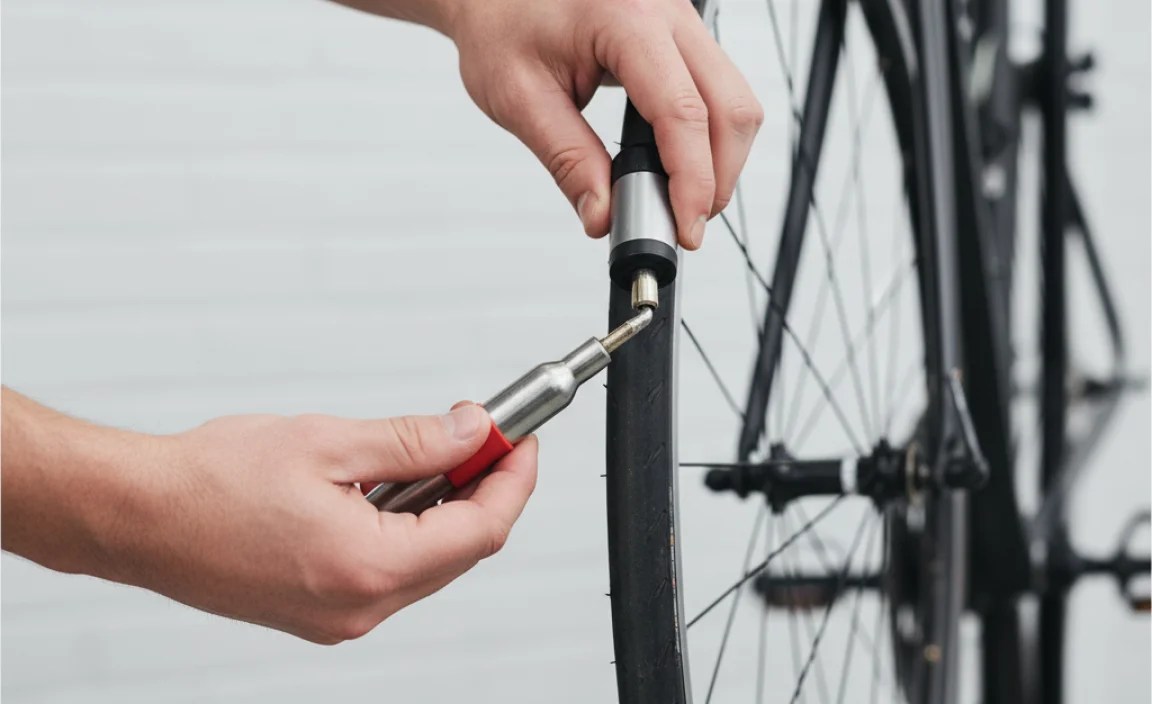
Are you ready to learn how to use a CO2 inflator? It’s not as hard as it looks! First, gather your supplies. You will need a CO2 inflator, a CO2 cartridge, and gloves. Gloves are important. The CO2 cartridge gets very cold when you use it. Next, remove the cap from your tire valve. If you have a Presta valve, unscrew the small nut on top. Now, attach the CO2 inflator to the valve. Make sure it’s on tight. Otherwise, the CO2 will leak out. Hold the inflator and cartridge firmly. Twist or push the inflator to release the CO2. The tire will fill up quickly. Be careful not to overfill it. Check the tire pressure with your hand. It should feel firm, but not rock hard. Remove the inflator from the valve. If you have a Presta valve, screw the nut back on. Dispose of the empty CO2 cartridge properly. Don’t just throw it on the ground. Practice this process at home before you need it on the road. This will help you become more comfortable with it. A CO2 inflator tutorial for bikes can be a great help when you are learning.
- Gather your CO2 inflator, cartridge, and gloves.
- Remove the cap from your tire valve.
- Attach the inflator to the valve securely.
- Release the CO2 to fill the tire quickly.
- Check the tire pressure to avoid overfilling.
Before you start, make sure your tire is properly seated on the rim. This means the edges of the tire are inside the wheel. If the tire isn’t seated right, it can cause a blowout. This is when the tire explodes. It can be dangerous. To seat the tire, push the edges into the rim with your thumbs. Go all the way around the tire. Make sure it’s even on both sides. If you can’t seat the tire by hand, use tire levers. These are small plastic tools that help you pry the tire onto the rim. Be careful not to pinch the inner tube with the levers. This can cause a flat tire. Once the tire is seated, you are ready to inflate it. Remember to wear gloves to protect your hands. The CO2 cartridge gets very cold. It can burn your skin. Always follow the instructions that come with your inflator. Each inflator is a little different. Following a CO2 inflator tutorial for bikes is also a good idea.
Fun Fact or Stat: The rapid expansion of CO2 gas can cause the inflator to reach temperatures as low as -78 degrees Celsius (-109 degrees Fahrenheit)!
Preparing Your Bike
Before you use a CO2 inflator, you need to check your bike. Make sure the tire is not damaged. Look for cuts or holes. If you see any damage, you might need a new tire. Also, check the rim. Make sure it’s not bent or broken. A damaged rim can cause problems. It can make it hard to seat the tire properly. It can also cause the tire to blow out. Spin the wheel to check for wobbles. If the wheel wobbles, it might need to be trued. This is when you adjust the spokes to make the wheel straight. If you are not sure how to do this, take your bike to a shop. They can true the wheel for you. Make sure your brakes are working properly. Squeeze the brake levers. The brakes should engage smoothly. If they don’t, you might need to adjust them. Check the brake pads. Make sure they are not worn out. Worn brake pads can make it hard to stop. Before you start, gather all your tools. You will need a CO2 inflator, a CO2 cartridge, gloves, and tire levers. Following a CO2 inflator tutorial for bikes is a good way to learn more.
Attaching the Inflator
Now it’s time to attach the CO2 inflator to your tire valve. This is an important step. You want to make sure it’s secure. Otherwise, the CO2 will leak out. Start by removing the cap from your tire valve. If you have a Presta valve, unscrew the small nut on top. Some inflators screw onto the valve. Others push on. Follow the instructions that come with your inflator. Make sure the inflator is aligned with the valve. Push it on or screw it on tightly. If it’s not tight enough, the CO2 will leak out. You will hear a hissing sound. If this happens, try tightening the inflator. Be careful not to cross-thread the inflator. This can damage the valve. Once the inflator is attached, double-check that it’s secure. Give it a little wiggle. It shouldn’t move around. If it does, tighten it more. Now you are ready to release the CO2. Remember to wear gloves to protect your hands. Watching a CO2 inflator tutorial for bikes can help with this step.
Inflating the Tire
You’ve attached the CO2 inflator. Now comes the fun part: inflating the tire! Hold the inflator and cartridge firmly. Twist or push the inflator to release the CO2. The tire will fill up very quickly. Be careful not to overfill it. This can cause the tire to burst. Keep an eye on the tire pressure. You can usually tell by feeling the tire. It should feel firm, but not rock hard. If you have an inflator with a control valve, you can control the CO2 flow. This makes it easier to avoid overfilling. Release the CO2 in short bursts. Check the tire pressure after each burst. If you don’t have a control valve, be very careful. Release the CO2 slowly. Stop as soon as the tire feels firm. Once the tire is inflated, remove the inflator from the valve. If you have a Presta valve, screw the nut back on. Dispose of the empty CO2 cartridge properly. Don’t just throw it on the ground. A CO2 inflator tutorial for bikes can show you how to inflate properly.
Fun Fact or Stat: Professional cyclists can change a tire and inflate it with a CO2 inflator in under 20 seconds!
Safety Tips for Using CO2 Inflators
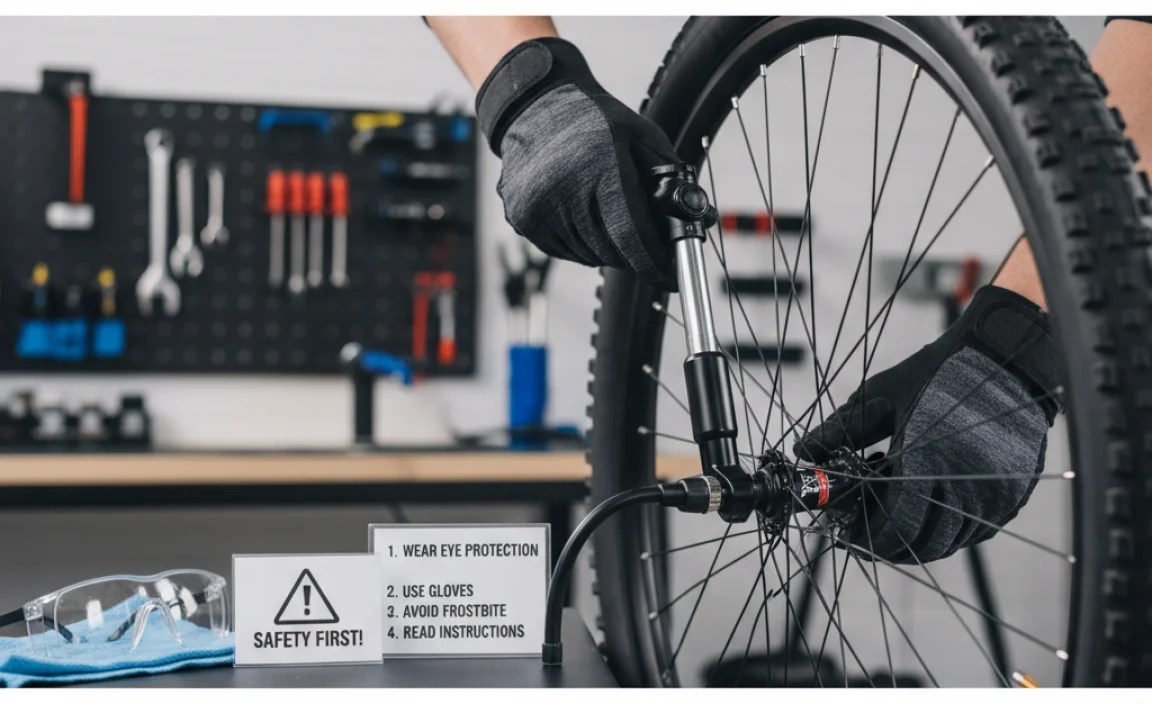
Using a CO2 inflator is usually safe. But it’s important to take some precautions. Always wear gloves. The CO2 cartridge gets very cold. It can burn your skin. Use gloves to protect your hands. Never point the inflator at yourself or others. The CO2 gas comes out very fast. It can cause injury. Be careful not to overfill the tire. Overfilling can cause it to burst. Check the tire pressure regularly. Dispose of empty CO2 cartridges properly. They are single-use items. Don’t try to refill them. Keep CO2 cartridges away from children. They are not toys. Store them in a safe place. Read the instructions that come with your inflator. Follow them carefully. If you are not sure how to use the inflator, ask for help. A bike shop can show you how. Practice using the inflator at home before you need it on the road. This will help you become more comfortable with it. Watching a CO2 inflator tutorial for bikes is a good way to learn.
| Safety Tip | Description |
|---|---|
| Wear Gloves | Protect your hands from the cold CO2 cartridge. |
| Don’t Point | Never point the inflator at yourself or others. |
| Avoid Overfilling | Be careful not to overfill the tire. |
| Proper Disposal | Dispose of empty cartridges properly. |
- Always wear gloves to protect your hands.
- Never point the inflator at anyone.
- Be careful not to overfill the tire.
- Dispose of used cartridges properly.
- Store cartridges safely away from children.
Remember, CO2 inflators are for emergencies. They are not meant to be used every day. For regular inflation, use a hand pump or floor pump. These are more efficient and cost-effective. CO2 inflators release CO2 gas into the atmosphere. This contributes to climate change. Use them sparingly. Consider using a rechargeable hand pump. These are better for the environment. Always check your tire pressure before each ride. This will help prevent flats. Proper tire pressure makes riding easier and safer. If you get a flat tire, try to find the cause. Look for sharp objects in the tire. Remove them before inflating the tire. This will help prevent another flat. Carry a small repair kit with you. This should include tire levers, a patch kit, and a multi-tool. Knowing how to fix a flat tire is a valuable skill. It can save you a lot of time and frustration. A CO2 inflator tutorial for bikes can teach you how to use your repair kit.
Fun Fact or Stat: Using a CO2 inflator releases the same amount of CO2 as driving a car for about 100 feet!
Protecting Your Hands
Why is it so important to wear gloves when using a CO2 inflator? It’s because the CO2 cartridge gets very cold. The rapid expansion of the gas causes the cartridge to freeze. This can burn your skin. It’s like touching ice for too long. The burn can be painful. It can also damage your skin. Gloves provide a barrier between your skin and the cold cartridge. They protect your hands from the burn. Any type of gloves will work. Leather gloves, work gloves, or even thick fabric gloves will do. Some CO2 inflators come with a protective sleeve. This is a small piece of foam or rubber that you put around the cartridge. This also helps protect your hands. If you don’t have gloves or a sleeve, be extra careful. Hold the cartridge as little as possible. Release the CO2 in short bursts. This will help prevent the cartridge from getting too cold. Always prioritize safety when using a CO2 inflator. Watching a CO2 inflator tutorial for bikes will show you the dangers of not wearing gloves.
Avoiding Overfilling
Overfilling your tire can be dangerous. It can cause the tire to burst. This can lead to a crash. It’s important to avoid overfilling. How can you do this? First, check your tire’s recommended pressure. This is usually printed on the side of the tire. It will tell you the maximum pressure the tire can handle. Use an inflator with a control valve. This allows you to control the CO2 flow. Release the CO2 in short bursts. Check the tire pressure after each burst. If you don’t have a control valve, be very careful. Release the CO2 slowly. Stop as soon as the tire feels firm. You can also use a tire pressure gauge. This is a small tool that measures the tire pressure. Attach it to the valve. It will give you a reading. If the pressure is too high, let some air out. You can do this by pressing the valve core. Be careful not to let out too much air. With practice, you will get a feel for how much CO2 to use. Watching a CO2 inflator tutorial for bikes can help you understand the correct pressure levels.
Proper Cartridge Disposal
What should you do with an empty CO2 cartridge? Don’t just throw it on the ground! This is littering. It’s bad for the environment. CO2 cartridges are made of metal. They can be recycled. Check with your local recycling program. See if they accept CO2 cartridges. Some bike shops also recycle them. Ask if they have a recycling program. If you can’t recycle the cartridge, dispose of it properly. Put it in the trash. Make sure it’s empty. You can puncture it with a nail. This will release any remaining gas. Be careful when doing this. Wear gloves to protect your hands. Store used cartridges in a safe place. Keep them away from children and pets. They are not toys. Teaching kids about proper disposal is important. It helps them learn to care for the environment. A CO2 inflator tutorial for bikes should always mention how to safely dispose of cartridges.
Troubleshooting Common Issues
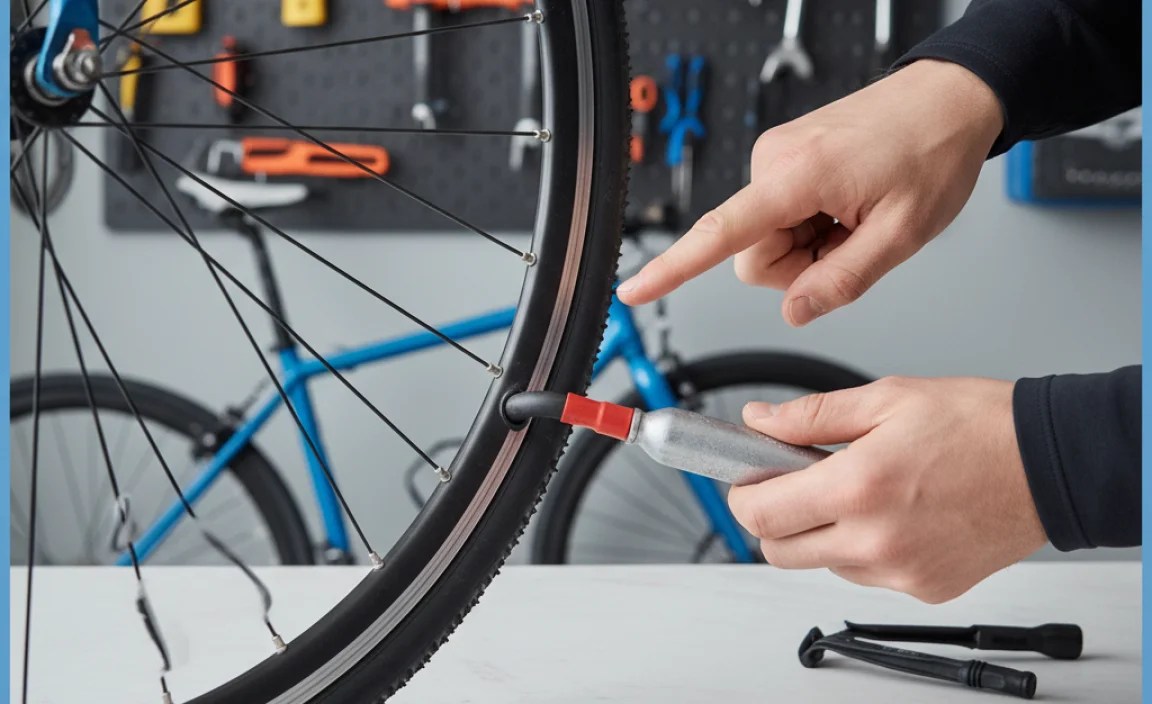
Sometimes, things don’t go as planned. What if your CO2 inflator isn’t working? Don’t panic! There are a few things you can check. First, make sure the CO2 cartridge is full. If it’s empty, replace it with a new one. Next, check the inflator. Make sure it’s not clogged. Sometimes, dirt or debris can block the valve. Use a small needle to clean it out. Make sure the inflator is attached to the valve securely. If it’s loose, the CO2 will leak out. Tighten it carefully. If the tire isn’t inflating, check the valve core. It might be stuck. Use a valve core tool to loosen it. Sometimes, the tire is not seated properly on the rim. This can prevent it from inflating. Deflate the tire completely. Then, re-seat it on the rim. Try again to inflate it. If you are still having trouble, ask a bike shop for help. They can diagnose the problem and fix it for you. A CO2 inflator tutorial for bikes may also help troubleshoot issues.
- Ensure the CO2 cartridge is full and not empty.
- Check the inflator for any clogs or blockages.
- Verify the inflator is securely attached to the valve.
- Examine the valve core for any sticking issues.
- Re-seat the tire on the rim if it’s not inflating.
What if you overfill the tire? Don’t worry, it happens. You can let some air out. Press the valve core with a small tool. Be careful not to let out too much air. Check the tire pressure with your hand. It should feel firm, but not rock hard. If you let out too much air, you can add more with a CO2 inflator. Or, you can use a hand pump. Always carry a hand pump with you. It’s a good backup in case your CO2 inflator fails. Practice using your CO2 inflator at home. This will help you become more comfortable with it. You will also learn how much CO2 to use. A CO2 inflator tutorial for bikes can provide helpful tips and tricks. Remember to stay calm and be patient. Fixing a flat tire can be frustrating. But with practice, you will become a pro. Always prioritize safety. Wear gloves and be careful not to overfill the tire.
Fun Fact or Stat: Some cyclists carry two CO2 inflators and cartridges for long rides, just in case they get multiple flats!
Inflator Not Releasing CO2
What if you attach the inflator, but no CO2 comes out? This can be frustrating. First, make sure the cartridge is screwed in tight enough. Some inflators need to be tightened a lot before they release the gas. Try tightening it more. If that doesn’t work, check the piercing mechanism. This is the part of the inflator that punctures the cartridge. It might be bent or broken. If it is, you will need a new inflator. Also, check the valve core. It might be stuck closed. Use a valve core tool to loosen it. Sometimes, the inflator is simply clogged. Use a small needle to clean it out. If you are still having trouble, try a different CO2 cartridge. The first one might be defective. Always carry extra cartridges with you. This way, you will be prepared for any problems. Watching a CO2 inflator tutorial for bikes can help you see how the inflator should work.
Tire Not Inflating Fully
Sometimes, the tire inflates a little, but not fully. What should you do? First, make sure you are using the right size CO2 cartridge. Road bike tires need smaller cartridges. Mountain bike tires need larger ones. If you are using a small cartridge on a large tire, it won’t fill up enough. Try using a larger cartridge. Also, check for leaks. Listen for a hissing sound. This indicates that air is escaping. Check the valve core. It might be loose. Tighten it with a valve core tool. Check the tire for punctures. If you see a hole, you will need to patch it. Or, you can replace the inner tube. If the tire is not seated properly on the rim, it will be hard to inflate. Deflate the tire completely. Then, re-seat it on the rim. Make sure the edges of the tire are inside the wheel. A CO2 inflator tutorial for bikes can show you how to find and fix leaks.
Inflator Freezing Up
Have you ever noticed your CO2 inflator getting icy cold? This is normal. The rapid expansion of the gas causes the inflator to freeze. But sometimes, it can freeze up completely. This can prevent it from working properly. To avoid this, wear gloves. This will protect your hands from the cold. Also, use short bursts of CO2. This will prevent the inflator from getting too cold. If the inflator does freeze up, stop using it. Let it warm up for a few minutes. Then, try again. Some inflators come with a protective sleeve. This helps insulate the inflator and prevent it from freezing. If you ride in cold weather, consider using an insulated inflator. This will help keep it working properly. Always be careful when using a CO2 inflator in cold conditions. A CO2 inflator tutorial for bikes should always mention this point.
Summary
CO2 inflators are a great way to quickly fix flat tires. They are small, lightweight, and easy to use. This CO2 inflator tutorial for bikes has shown you how to use them safely and effectively. Remember to choose the right inflator for your bike’s valve type. Also, select the correct CO2 cartridge size. Always wear gloves to protect your hands from the cold. Be careful not to overfill the tire. Dispose of used cartridges properly. Practice using your inflator at home before you need it on the road. This will help you become more comfortable with it. Carry extra CO2 cartridges with you. This way, you will be prepared for multiple flats. With a little practice, you will be a pro at using a CO2 inflator.
Conclusion
Learning how to use a CO2 inflator is a valuable skill for any cyclist. It allows you to quickly fix flat tires and get back on the road. This saves you time and frustration. Remember to follow the safety tips outlined in this CO2 inflator tutorial for bikes. Always wear gloves, avoid overfilling, and dispose of cartridges properly. With practice, you will become confident in your ability to use a CO2 inflator. This will give you peace of mind on your rides. So, go out there and enjoy your cycling adventures!
Frequently Asked Questions
Question No 1: What is a CO2 inflator and why should I use one?
Answer: A CO2 inflator is a small device. It uses compressed carbon dioxide gas to quickly fill your bike tire. You should use one because it’s faster than a hand pump. It’s also lightweight and easy to carry. This makes it great for emergencies on the road. With a CO2 inflator, you can get back to riding quickly. They are especially useful during races. You don’t want to waste time with a hand pump then. Remember to follow a CO2 inflator tutorial for bikes to use it safely. Always wear gloves to protect your hands from the cold cartridge.
Question No 2: How do I choose the right CO2 inflator for my bike?
Answer: To choose the right CO2 inflator, consider your bike’s valve type. Is it Presta or Schrader? Some inflators only work with one type. Others work with both. Also, think about the size of your tires. Road bikes need smaller cartridges. Mountain bikes need larger ones. Choose an inflator that is compatible with your valve type and tire size. Read reviews from other cyclists. This can help you make a good choice. A CO2 inflator tutorial for bikes can also help you understand the different features.
Question No 3: Is it safe to use a CO2 inflator?
Answer: Yes, it is safe to use a CO2 inflator. But you need to


