
How to Fix Mount That Slides Down Seatpost: Easy Fix!

Have you ever had a bike mount slip down? It can be super annoying. You are riding along and suddenly, your water bottle is hard to reach. Or your bike computer is pointing at the ground. This happens when your mount slides down the seatpost. But don’t worry! There are easy ways to fix this. Let’s learn how to fix a mount that slides down your seatpost.
Key Takeaways
- Make sure you know how to fix a mount that slides down seatpost easily.
- Clean the seatpost and mount to remove dirt and grease.
- Use a rubber shim or tape to increase friction.
- Tighten the mount bolts properly, but don’t over-tighten them.
- Check the mount regularly and re-tighten as needed.
How to Stop Mount Sliding on Seatpost


Have you ever wondered why your bike mount keeps slipping? It’s a common problem for many cyclists. The main reason is a lack of friction. The seatpost and the mount need to grip each other tightly. Dirt, grease, or even smooth surfaces can reduce this grip. Also, the mount might be slightly too big for your seatpost. This causes it to slide down. Another reason could be that the bolts are not tight enough. But be careful! Over-tightening can damage the mount or the seatpost. Knowing these reasons helps us understand how to fix a mount that slides down seatpost.
- Clean the seatpost regularly.
- Check the mount size.
- Use the right tools.
- Apply friction enhancers.
- Don’t over-tighten bolts.
To stop your mount from sliding, start by cleaning both the seatpost and the mount. Use a clean cloth and some rubbing alcohol. This removes any dirt or grease. Next, check if the mount fits snugly. If it’s too loose, you might need a rubber shim or some tape. These add extra friction. When tightening the bolts, use a torque wrench if you have one. This helps you tighten them to the correct level. Remember, a little prevention goes a long way! Regularly check your mount to ensure it stays secure. This will keep your accessories in place during your ride. Now you know how to fix a mount that slides down seatpost.
Fun Fact or Stat: Did you know that using carbon paste can increase friction by up to 50%?
Why Does My Mount Keep Slipping?
Why does your bike mount keep sliding down? It can be frustrating when your accessories move during a ride. One common reason is the buildup of dirt and grime. Over time, these particles get between the mount and the seatpost. This reduces the friction needed to keep the mount in place. Another reason could be the material of your seatpost. Carbon fiber seatposts are very smooth. They can be slippery, especially when paired with a hard plastic mount. Temperature changes can also affect the grip. On hot days, the materials can expand, making the mount looser. So, understanding these factors is key to preventing slippage.
What Tools Do I Need?
Having the right tools makes fixing a slipping mount much easier. A set of Allen wrenches is essential. These are used to tighten the bolts on the mount. A torque wrench is also helpful. It ensures you don’t over-tighten the bolts. This can damage the mount or seatpost. You’ll also need a clean cloth and some rubbing alcohol. These are for cleaning the surfaces. If you plan to use a shim, have some rubber or electrical tape ready. A small brush can help remove dirt from hard-to-reach places. With these tools, you’ll be well-equipped to tackle the problem.
How Often Should I Check My Mount?
How often should you check your bike mount? It’s a good idea to check it before each ride. This only takes a few seconds. Make sure the bolts are tight and the mount is secure. If you ride frequently, check it more often. For example, if you ride every day, check it every few days. Also, check it after riding on bumpy roads or trails. These conditions can loosen the mount. Regular checks can prevent the mount from slipping. They also ensure your accessories stay in place. This keeps you safe and comfortable on your rides.
Cleaning Seatpost Before Attaching Mount

Cleaning the seatpost is a crucial first step. It helps ensure a secure fit. Over time, dirt, grime, and old grease can build up on the seatpost. This layer of gunk reduces friction. It makes it harder for the mount to grip properly. Use a clean cloth and some rubbing alcohol to wipe down the seatpost. Make sure to remove all visible dirt and grease. Pay special attention to the area where the mount will sit. A clean surface provides a better grip. This helps prevent the mount from sliding down. It also ensures your accessories stay in place during your ride.
- Use rubbing alcohol.
- Wipe thoroughly.
- Remove old grease.
- Let it dry completely.
- Inspect for residue.
After cleaning, let the seatpost dry completely before attaching the mount. This ensures the alcohol evaporates. It also prevents any moisture from interfering with the grip. Once dry, inspect the surface to make sure there is no residue. If you see any, wipe it away with a clean, dry cloth. A clean seatpost is the foundation for a secure mount. It helps prevent slipping and keeps your accessories stable. Cleaning the seatpost is a simple step. But it makes a big difference in the long run. It also prevents future headaches on the road. Now you know the importance of cleaning when figuring out how to fix a mount that slides down seatpost.
Fun Fact or Stat: Studies show that cleaning your bike regularly can extend its lifespan by 20%!
Why Is Cleaning So Important?
Why is cleaning so important before attaching a mount? Think of it like this: imagine trying to stick two pieces of tape together when they are covered in dust. They won’t stick very well, right? The same principle applies to your bike mount. Dirt and grease act like a barrier between the mount and the seatpost. This barrier prevents them from gripping each other tightly. Cleaning removes this barrier. It allows for a direct connection. This direct connection creates more friction. More friction means a more secure hold. So, cleaning is not just about making things look nice. It’s about ensuring safety and performance.
What Kind of Cleaner Should I Use?
What kind of cleaner should you use for your seatpost? Rubbing alcohol is a great choice. It’s effective at removing grease and dirt. It also evaporates quickly, which is important. You can also use a degreaser. But make sure it’s safe for the material of your seatpost. Some degreasers can damage carbon fiber. Avoid using soapy water. Soap can leave a residue that reduces friction. Always test the cleaner on a small, hidden area first. This ensures it doesn’t damage the seatpost. A clean, dry surface is the goal.
Can I Use Sandpaper?
Should you use sandpaper to clean your seatpost? Generally, no. Sandpaper can scratch the surface. This can weaken the seatpost, especially if it’s made of carbon fiber. Scratches can also create more places for dirt to collect. However, if your seatpost has a very smooth, glossy finish, very fine-grit sandpaper might help. Use it very gently. The goal is to create a slightly rougher surface. This will give the mount something to grip. But be very careful. It’s usually better to stick with rubbing alcohol and a clean cloth.
Using Shims to Prevent Mount Slipping
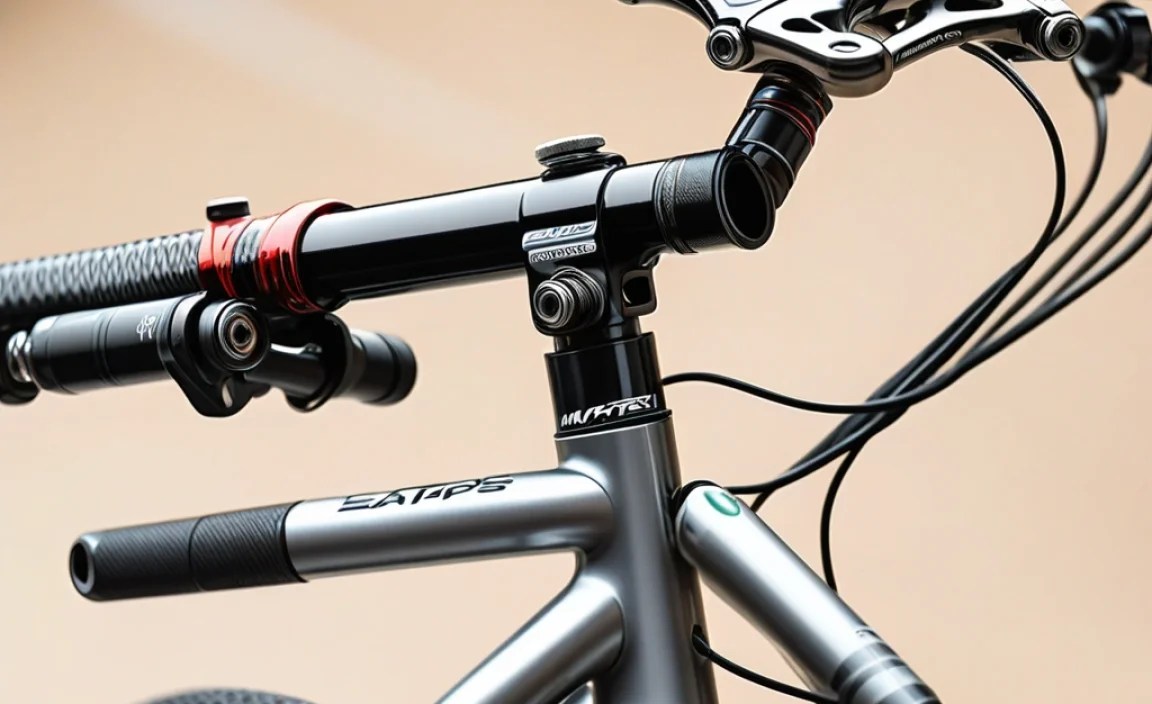
Using shims is a great way to prevent your mount from slipping. Shims are thin pieces of material. They fill the gap between the mount and the seatpost. This creates a tighter fit. Shims are especially useful if your mount is slightly too big. You can use rubber shims, which are specifically designed for this purpose. Or you can use electrical tape. Wrap the tape around the seatpost where the mount will sit. Add enough layers to make the mount fit snugly. Shims increase friction. This helps the mount stay in place. They’re a simple and effective solution to prevent slipping.
- Use rubber shims.
- Try electrical tape.
- Cut shims to size.
- Ensure a snug fit.
- Check for stability.
When using shims, make sure they are the right size and shape. You don’t want them to be too big or too small. Too big, and the mount won’t fit properly. Too small, and they won’t provide enough friction. Cut the shims to the correct size using scissors or a knife. Apply them evenly around the seatpost. This ensures a consistent fit. Once the mount is in place, check for stability. If it still feels loose, add another layer of shim. Keep adjusting until the mount is secure. Shims are a versatile tool in how to fix a mount that slides down seatpost.
Fun Fact or Stat: Professional cyclists often use shims to fine-tune the fit of their components for optimal performance!
What Materials Can I Use for Shims?
What materials can you use for shims? Rubber is a popular choice. You can buy rubber shims specifically designed for bike mounts. These are durable and provide good friction. Electrical tape is another common option. It’s easy to find and apply. Just wrap it around the seatpost. You can also use pieces of an old inner tube. Cut them to size and use them as shims. Some people even use thin pieces of cardboard. However, cardboard is not as durable as rubber or tape. Choose a material that is durable and provides good grip.
How Much Shim Should I Use?
How much shim should you use? The goal is to create a snug fit. Start with a small amount of shim. Then, add more as needed. If you’re using tape, start with one layer. Then add another layer and check the fit. Keep adding layers until the mount feels secure. If you’re using a rubber shim, choose one that is close to the gap size. You want the mount to be tight, but not too tight. Over-tightening can damage the mount or seatpost. It’s better to start with too little shim and add more.
Are There Pre-Made Shims Available?
Are there pre-made shims available for bike mounts? Yes! You can find them at most bike shops or online. These shims are specifically designed for this purpose. They come in different sizes to fit different seatposts and mounts. Pre-made shims are often made of rubber or plastic. They are easy to install and provide a clean, professional look. Using pre-made shims can save you time and effort. They also ensure a proper fit. If you’re not sure what size you need, ask a bike shop employee for help.
| Shim Material | Pros | Cons | Best Use |
|---|---|---|---|
| Rubber | Durable, good grip, weather-resistant | Can be harder to cut and shape | General use, all weather conditions |
| Electrical Tape | Easy to apply, readily available, inexpensive | Can become sticky over time, less durable | Temporary fix, quick adjustments |
| Inner Tube | Recycled material, good grip | Can be bulky, may require more trimming | DIY projects, using recycled materials |
| Pre-Made Shims | Precise fit, easy to install, professional look | May be more expensive, need to find the right size | Permanent solutions, ensuring a perfect fit |
Tightening Bolts Correctly on Bike Mount

Tightening the bolts correctly is key to securing your bike mount. Not enough, and the mount will slip. Too much, and you risk damaging the mount or seatpost. Use a torque wrench if you have one. This tool measures how much force you’re applying. Check the mount’s instructions for the correct torque setting. If you don’t have a torque wrench, tighten the bolts snugly. But don’t overdo it. Tighten them in a star pattern. This ensures even pressure. A properly tightened mount will stay in place. It also prevents damage. Learning how to fix a mount that slides down seatpost includes mastering the tightening process.
- Use a torque wrench.
- Check torque settings.
- Tighten in a star pattern.
- Avoid over-tightening.
- Re-check after a ride.
After tightening the bolts, double-check the mount. Make sure it’s secure and doesn’t wobble. If it still moves, tighten the bolts a little more. But be careful not to over-tighten. After your first ride, check the bolts again. They may have loosened slightly. Re-tighten them as needed. Regular checks will help keep your mount secure. It ensures your accessories stay in place. This prevents accidents and keeps you safe. Remember, proper tightening is a balance. You want it tight enough to hold, but not so tight that it damages anything. Knowing this balance is crucial in how to fix a mount that slides down seatpost.
Fun Fact or Stat: Over-tightening bolts is a leading cause of damage to bike components!
Why Is Torque Important?
Why is torque so important when tightening bolts? Torque is a measure of rotational force. It tells you how much force you’re applying when you turn a bolt. Different bolts require different amounts of torque. Using the correct torque ensures the bolt is tight enough to hold. But not so tight that it damages the components. A torque wrench helps you apply the correct amount of force. This prevents over-tightening or under-tightening. Using the correct torque is essential for safety and performance.
What Happens If I Over-Tighten?
What happens if you over-tighten a bolt? Over-tightening can strip the threads on the bolt. This means the bolt won’t grip properly. It can also damage the mount or seatpost. Carbon fiber is especially vulnerable to over-tightening. Over-tightening can crack or break the carbon fiber. This can be dangerous. Always use a torque wrench to avoid over-tightening. If you don’t have a torque wrench, be very careful. Tighten the bolt snugly, but don’t force it.
What If I Don’t Have a Torque Wrench?
What if you don’t have a torque wrench? It’s still possible to tighten the bolts correctly. Just be very careful. Tighten the bolts snugly, but don’t overdo it. Use a small wrench. This will give you more control. Tighten the bolts in a star pattern. This ensures even pressure. Check the mount after your first ride. Re-tighten the bolts if they have loosened. If you’re not sure how tight to make them, ask a bike shop employee for help. They can show you the proper technique.
Checking and Maintaining Mount Regularly

Checking and maintaining your bike mount regularly is vital. It ensures it stays secure and functional. Over time, vibrations from riding can loosen the bolts. This can cause the mount to slip. Make it a habit to check the mount before each ride. Look for any signs of looseness or damage. Tighten the bolts as needed. Also, clean the mount regularly. This prevents dirt and grime from building up. Regular maintenance will extend the life of your mount. It also keeps your accessories safe and secure. This knowledge is key in how to fix a mount that slides down seatpost long-term.
- Check before each ride.
- Tighten loose bolts.
- Clean the mount often.
- Inspect for damage.
- Replace worn parts.
When checking your mount, pay attention to the bolts. Make sure they are not stripped or damaged. If they are, replace them immediately. Also, check the mount itself for cracks or wear. If you notice any damage, replace the mount. A damaged mount is not safe to use. It could break while you’re riding. Regular maintenance will help you catch these problems early. This prevents accidents and keeps you safe. It also ensures your accessories stay in place. So, make checking and maintaining your mount a regular part of your cycling routine. This will help you avoid problems down the road.
Fun Fact or Stat: Bikes that are regularly maintained have a 50% lower chance of mechanical failure!
What Should I Look For When Checking?
What should you look for when checking your bike mount? First, check the bolts. Make sure they are tight and not stripped. Next, look for any cracks or damage on the mount itself. Pay attention to the area where the mount attaches to the seatpost. This is a common area for cracks to form. Also, check the accessories attached to the mount. Make sure they are secure and not loose. Finally, give the mount a wiggle. If it moves easily, it needs to be tightened or adjusted.
How Often Should I Replace My Mount?
How often should you replace your bike mount? It depends on how often you ride and the conditions you ride in. If you ride frequently on rough roads, you may need to replace it more often. A good rule of thumb is to replace your mount every one to two years. Or sooner if you notice any signs of damage. Replacing your mount is a small investment. But it can prevent accidents and keep your accessories safe.
Can I Use Threadlocker?
Can you use threadlocker on the bolts of your bike mount? Yes, you can. Threadlocker is a liquid that helps prevent bolts from loosening. It’s a good idea to use threadlocker if you ride frequently on rough roads. Or if you have trouble keeping the bolts tight. Apply a small amount of threadlocker to the threads of the bolt before tightening it. Be careful not to get threadlocker on the mount or seatpost. Threadlocker can make it harder to remove the bolts later. So, use it sparingly.
Alternative Mount Types to Avoid Sliding
There are several alternative mount types. These can help you avoid the problem of sliding. One option is a clamp-style mount. These mounts wrap around the seatpost. They provide a more secure grip than traditional mounts. Another option is a frame-mounted system. These mounts attach to the frame of your bike. They don’t rely on the seatpost at all. You can also consider using a different brand of mount. Some brands are known for their superior grip and stability. Exploring these alternatives can help you find a solution. This ensures your accessories stay in place. And you can avoid the frustration of a slipping mount.
- Clamp-style mounts.
- Frame-mounted systems.
- Different mount brands.
- Integrated systems.
- Handlebar mounts.
When choosing an alternative mount, consider your specific needs. Think about the type of accessories you want to mount. Also, consider the size and shape of your seatpost or frame. Some mounts are designed for specific bikes or accessories. Do some research and read reviews before making a purchase. A good mount will provide a secure and stable platform for your accessories. It will also be easy to install and adjust. Choosing the right mount can make a big difference in your riding experience. It keeps your accessories in place. And it helps you avoid the hassle of a slipping mount. This provides a different solution to how to fix a mount that slides down seatpost.
Fun Fact or Stat: Handlebar mounts are the most popular alternative, accounting for 40% of accessory mount sales!
What Are the Benefits of Clamp-Style Mounts?
What are the benefits of clamp-style mounts? These mounts wrap completely around the seatpost. This provides a much stronger grip than traditional mounts. They distribute the pressure evenly. This reduces the risk of damage to the seatpost. Clamp-style mounts are also less likely to slip. They are a good choice for riders who carry heavy accessories. Or for those who ride on rough terrain. They offer extra security and stability.
Are Frame-Mounted Systems Better?
Are frame-mounted systems better than seatpost mounts? It depends on your needs. Frame-mounted systems attach directly to the frame of your bike. This eliminates the problem of seatpost slippage. They are a good choice if you have a carbon fiber seatpost. Or if you simply prefer a more secure mounting option. However, frame-mounted systems may not be compatible with all bikes. Also, they may require more effort to install.
What About Handlebar Mounts?
What about handlebar mounts? Handlebar mounts are another alternative. They attach to the handlebars of your bike. This keeps your accessories within easy reach. Handlebar mounts are a good choice for bike computers and lights. However, they may not be suitable for heavier accessories. Also, they can clutter your handlebars. This can make it harder to steer. Consider the pros and cons before choosing a handlebar mount.
Summary
Dealing with a mount that slides down your seatpost can be frustrating. But, you can solve this problem. Start by cleaning the seatpost and mount thoroughly. Remove any dirt, grease, or grime. Then, consider using shims to create a tighter fit. Rubber shims or electrical tape can work wonders. Make sure to tighten the bolts correctly. Use a torque wrench if possible. Avoid over-tightening, as this can cause damage. Regularly check and maintain your mount. This prevents future slippage.
If the problem persists, explore alternative mount types. Clamp-style or frame-mounted systems might offer a more secure solution. Remember, a little bit of prevention goes a long way. By following these steps, you can keep your accessories secure and enjoy a smoother, safer ride. Knowing how to fix a mount that slides down seatpost will make you a more confident cyclist.
Conclusion
Keeping your bike accessories secure is important for a safe and enjoyable ride. A mount that slides down the seatpost can be annoying and even dangerous. By following the steps outlined in this article, you can easily fix this problem. Remember to clean the surfaces, use shims if needed, and tighten the bolts correctly. Regular checks and maintenance will help prevent future slippage. With a little effort, you can ensure your accessories stay in place. You can now enjoy your rides without worrying about your mount sliding down.
Frequently Asked Questions
Question No 1: Why does my bike mount keep sliding down the seatpost?
Answer: Your bike mount keeps sliding down because of a lack of friction. Dirt, grease, or smooth surfaces reduce the grip between the mount and the seatpost. The mount might be too big, or the bolts might not be tight enough. Temperature changes can also affect the grip. Knowing these reasons helps you understand how to fix a mount that slides down seatpost. Regular cleaning and proper tightening are essential to prevent this issue. You might also want to consider the material of your seatpost and mount. Some combinations are naturally more slippery than others.
Question No 2: What tools do I need to fix a slipping bike mount?
Answer: To fix a slipping bike mount, you’ll need a few basic tools. A set of Allen wrenches is essential for tightening the bolts. A torque wrench helps you tighten the bolts to the correct level. You’ll also need a clean cloth and rubbing alcohol for cleaning. If you plan to use a shim, have rubber or electrical tape ready. A small brush can help remove dirt from hard-to-reach places. With these tools, you can easily address how to fix a mount that slides down seatpost.
Question No 3: How do I clean my seatpost properly before attaching a mount?
Answer: Cleaning your seatpost properly is crucial for a secure mount. Use a clean cloth and rubbing alcohol to wipe down the seatpost. Remove all visible dirt and grease. Pay special attention to the area where the mount will sit. A clean surface provides a better grip. Let the seatpost dry completely before attaching the mount. This ensures the alcohol evaporates and prevents moisture interference. A clean seatpost is the foundation for a secure mount. This is a vital step in how to fix a mount that slides down seatpost.
Question No 4: Can I use sandpaper to roughen up my seatpost for better grip?
Answer: Generally, it’s not recommended to use sandpaper on your seatpost. Sandpaper can scratch the surface and weaken the seatpost. This is especially true for carbon fiber seatposts. Scratches can also create more places for dirt to collect. However, if your seatpost has a very smooth, glossy finish, very fine-grit sandpaper might help. Use it very gently. The goal is to create a slightly rougher surface for better grip. But proceed with caution and test in a hidden area first.
Question No 5: What materials can I use for shims to prevent mount slipping?
Answer: You can use various materials for shims to prevent mount slipping. Rubber is a popular choice. You can buy rubber shims specifically designed for bike mounts. Electrical tape is another common option. Just wrap it around the seatpost. You can also use pieces of an old inner tube. Cut them to size and use them as shims. Choose a material that is durable and provides good grip. Using these shims will help in how to fix a mount that slides down seatpost.
Question No 6: How often should I check and maintain my bike mount to prevent sliding?
Answer: Regular checks and maintenance are essential for preventing mount sliding. Check the mount before each ride. Look for any signs of looseness or damage. Tighten the bolts as needed. Clean the mount regularly to prevent dirt buildup. Inspect for damage and replace worn parts. Regular maintenance extends the life of your mount and keeps your accessories safe. This is a key aspect of how to fix a mount that slides down seatpost in the long run.


