
How to Mount Bike Computer for Track Bike: Easy Guide

Do you love riding your track bike? Do you want to track your speed and distance? A bike computer can help. But how to mount bike computer for track bike can be tricky. Let’s explore the best ways to add this cool tech to your ride.
Bike computers are small but mighty. They show you lots of cool stuff. You can see how fast you are going. You can also see how far you have ridden. It is like having a speedometer for your bike. Mounting it right is super important.
Imagine you are racing around the track. You want to glance down and see your speed. If the computer is not mounted well, it could move. That would be distracting and unsafe. So, let’s learn how to mount bike computer for track bike the right way.
Key Takeaways
- Properly mounting your bike computer ensures accurate data during track rides.
- Use the right tools like Allen wrenches and secure mounting brackets.
- Consider aerodynamics and visibility when choosing the computer’s location.
- How to mount bike computer for track bike often involves handlebar or stem mounts.
- Always test the computer’s stability before a race for safety.
Choosing the Right Bike Computer Mount

Choosing the right mount is key. It keeps your computer safe and easy to see. Think about where you want the computer. Do you want it on the handlebars? Or maybe on the stem? Handlebar mounts are common. They put the computer right in front of you. Stem mounts are more aero. They keep the computer closer to the bike. Some mounts let you put the computer in front of the handlebars. This is great for seeing the screen without moving your head too much. Make sure the mount is strong. It needs to hold the computer steady. Look for mounts made of aluminum or strong plastic. Read reviews to see what other riders think. A good mount makes a big difference in your ride. It helps you focus on the track.
- Consider handlebar mounts for easy viewing.
- Stem mounts offer a more aerodynamic setup.
- Out-front mounts improve visibility.
- Choose durable materials like aluminum.
- Read reviews to find reliable mounts.
Think about the size of your handlebars. Some mounts only fit certain sizes. Check the mount’s specs before you buy it. Also, think about how easy it is to adjust the mount. You might want to change the angle of the computer. A mount that is easy to adjust will be very helpful. Make sure the mount is compatible with your computer. Some computers only work with certain mounts. Look for mounts that are easy to install. You don’t want to spend hours trying to put it on your bike. A good mount will make your ride more enjoyable. It will help you track your progress and stay safe on the track. Finding the perfect mount is worth the effort.
What Are the Best Mount Materials?
Have you ever wondered what makes a good bike computer mount? The material plays a big role. Strong materials keep your computer safe. Aluminum is a popular choice. It’s light but very strong. Aluminum mounts can handle bumps and vibrations. Plastic is another option. It is often less expensive than aluminum. But not all plastics are created equal. Look for high-quality plastics. These can be surprisingly durable. Carbon fiber is also used. It is super light and very strong. But carbon fiber mounts can be pricey. The best material depends on your needs. If you want something light and strong, go for carbon fiber or aluminum. If you’re on a budget, a high-quality plastic mount will work well. Just make sure it’s strong enough to hold your computer steady. No matter what you choose, check reviews to see how others like it.
How Do Mounts Affect Aerodynamics?
Did you know that even a small bike computer mount can affect how fast you go? Aerodynamics is all about how air flows around you and your bike. A mount that sticks out can catch the wind. This slows you down. Stem mounts are often more aerodynamic. They sit closer to the bike’s frame. This reduces wind resistance. Out-front mounts can be aerodynamic too. Some are designed to cut through the air. Look for mounts that are shaped to minimize drag. Every little bit helps when you’re racing. Think about the position of the computer. A lower position is usually more aerodynamic. But you still need to be able to see the screen easily. Finding the right balance between aerodynamics and visibility is key. Even small changes can make a difference in your speed.
What About Universal Mounts?
Are you tired of buying new mounts every time you get a new computer? Universal mounts might be the answer. These mounts are designed to fit many different computers. They often have adjustable clamps or adapters. This lets you use them with different brands and models. Universal mounts can save you money in the long run. They also reduce clutter in your garage. But not all universal mounts are created equal. Some might not be as secure as mounts made for a specific computer. Read reviews to see how well they hold different devices. Make sure the mount is strong enough for your computer. A wobbly mount can be distracting and even dangerous. If you switch computers often, a universal mount is a great choice. It simplifies your setup and saves you hassle.
Fun Fact or Stat: Studies show that an aerodynamic bike computer mount can save you up to 5 watts of energy at 40 km/h. That’s like getting a tiny boost for free!
Preparing Your Track Bike for Installation

Before you start, get your bike ready. Clean the handlebars or stem. This helps the mount stick better. Use a clean cloth and some rubbing alcohol. This removes dirt and grease. Check the area where you will put the mount. Make sure there are no scratches or dents. These can make it hard to get a good fit. Gather your tools. You will need Allen wrenches. The right size is important. Using the wrong size can damage the bolts. Have a screwdriver handy too. Some mounts use screws instead of bolts. Read the instructions that came with the mount. They will tell you what tools you need. Make sure you have everything before you start. This will make the job easier and faster. Taking the time to prep your bike is worth it. It ensures a secure and long-lasting installation.
- Clean the mounting area with rubbing alcohol.
- Gather necessary tools like Allen wrenches.
- Read the mount’s instructions carefully.
- Check for any damage to the handlebars.
- Ensure the area is free of scratches.
Think about where you want the computer to sit. Mark the spot with a piece of tape. This helps you line up the mount correctly. Consider how easy it will be to see the screen. You don’t want to have to look down too far. This can be dangerous when you’re riding fast. Make sure the computer won’t hit anything. Check for cables or brake levers that might get in the way. If you have bar tape, you might need to adjust it. Make sure the mount will sit flush against the bars. A little preparation goes a long way. It helps you avoid mistakes and get the best possible fit. A well-prepared bike makes the installation process much smoother.
Why Cleaning is Important?
Have you ever tried to stick something to a dirty surface? It probably didn’t work very well. The same is true for bike computer mounts. Dirt and grease can prevent the mount from sticking properly. This can cause it to loosen over time. Cleaning the handlebars or stem removes these contaminants. Rubbing alcohol is a great cleaner. It dissolves grease and evaporates quickly. This leaves a clean surface for the mount to grip. A clean surface also prevents corrosion. Dirt can trap moisture and cause rust. This can damage your handlebars. Taking a few minutes to clean your bike is a good investment. It protects your equipment and ensures a secure mount.
Checking for Compatibility
Imagine buying a new pair of shoes, only to find they don’t fit. The same thing can happen with bike computer mounts. Not all mounts fit all bikes. Handlebars come in different sizes. Some are thicker than others. The mount needs to be the right size for your handlebars. Otherwise, it won’t clamp on properly. Check the mount’s specifications before you buy it. Make sure it’s compatible with your handlebar diameter. Some mounts come with shims. These are small pieces of plastic that you can use to adjust the fit. If you’re not sure what size handlebars you have, ask your local bike shop. They can measure them for you. Taking the time to check compatibility will save you headaches later.
Tool Selection for Installation
Using the right tools makes any job easier. Installing a bike computer mount is no exception. Allen wrenches are essential. These are used to tighten the bolts that hold the mount in place. Make sure you have the right size Allen wrench. Using the wrong size can strip the bolts. This makes them impossible to tighten or loosen. A torque wrench is also a good idea. This tool measures how much force you’re using to tighten the bolts. Overtightening can damage the mount or your handlebars. A screwdriver might also be needed. Some mounts use screws instead of bolts. A set of pliers can be helpful for routing cables. Having the right tools on hand will make the installation process smoother and safer.
Fun Fact or Stat: A properly cleaned handlebar can increase the grip of a bike computer mount by up to 20%, preventing slippage.
Step-by-Step Guide: Mounting the Computer
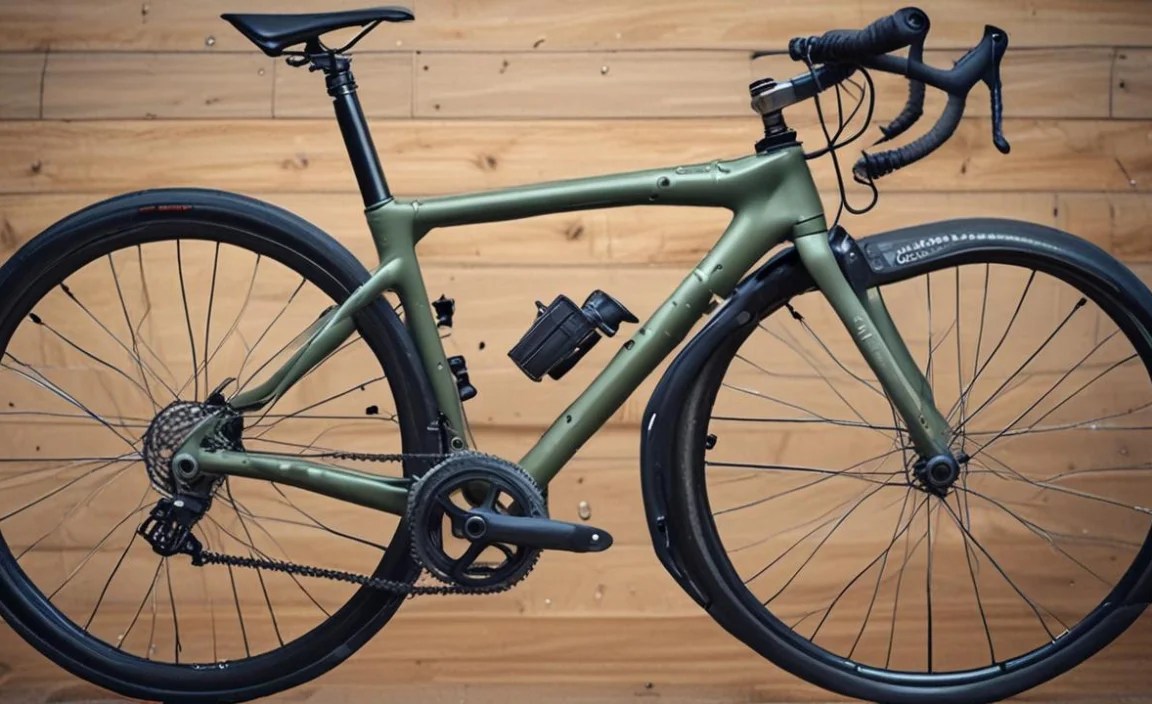
Now it is time to install the computer. Start by loosening the mount’s bolts. Open the clamp wide enough to fit around your handlebars. Position the mount where you want it. Make sure it is straight and centered. Tighten the bolts a little at a time. Go back and forth between the bolts. This ensures even pressure. Don’t overtighten them. This can damage the mount or your handlebars. Check the computer’s position. Make sure you can see the screen easily. Adjust the mount if needed. Once you are happy with the position, tighten the bolts securely. Give the mount a gentle shake. It should not move or wobble. If it does, tighten the bolts a little more. Be careful not to overtighten them. Now, attach the computer to the mount. Most computers slide or click into place. Make sure it is securely attached. You are now ready to ride!
- Loosen the mount bolts to open the clamp.
- Position the mount on the handlebars.
- Tighten bolts evenly and gradually.
- Check the computer’s visibility.
- Securely attach the computer to the mount.
Think about the angle of the computer screen. You want it to be easy to read while you are riding. Some mounts allow you to adjust the angle. This is helpful if you have a stem that is angled up or down. If you are using a stem mount, make sure it is not blocking any cables. You might need to reroute the cables to get a good fit. Check the computer’s buttons. Make sure you can reach them easily. You don’t want to have to fumble around while you are riding. Take your bike for a short test ride. This will help you see if the computer is in the right position. You can make adjustments as needed. A little bit of tweaking can make a big difference in your riding experience.
Bolt Tightening Techniques
Have you ever stripped a bolt? It’s frustrating! The key is to tighten them just enough. Start by tightening the bolts a little bit. Then, go back and forth between them. This ensures even pressure. Use a torque wrench if you have one. This will help you avoid overtightening. Check the manufacturer’s specifications for the correct torque. If you don’t have a torque wrench, tighten the bolts until they are snug. Then, give them another quarter turn. That should be enough. Avoid using excessive force. If you feel the bolt start to slip, stop immediately. You might have stripped the threads. In that case, you’ll need to replace the bolt. Tightening bolts properly is a skill. With practice, you’ll get the hang of it.
Adjusting the Viewing Angle
Imagine trying to read a book that is tilted at a weird angle. It’s hard on your neck! The same is true for your bike computer. The viewing angle needs to be just right. Some mounts allow you to adjust the angle of the computer screen. This is a great feature. It lets you customize the position to your liking. Experiment with different angles. See what works best for you. Consider your riding style. If you tend to look down a lot, you might want a steeper angle. If you prefer to keep your head up, a flatter angle might be better. Don’t be afraid to make adjustments while you are riding. Just be careful to stay safe. A comfortable viewing angle will make your rides more enjoyable.
Securing the Computer to the Mount
Have you ever had your bike computer fall off in the middle of a ride? It’s not fun! Make sure your computer is securely attached to the mount. Most computers use a click-in system. You simply slide the computer onto the mount until it clicks into place. Listen for the click. That’s how you know it’s locked in. Give the computer a gentle tug. It should not come loose. Some mounts have a locking mechanism. This adds an extra layer of security. If your computer uses a screw-on system, make sure the screw is tight. Don’t overtighten it. This can damage the computer or the mount. Check the computer’s attachment before every ride. This will help you avoid losing it on the road. A secure computer is a happy computer!
Fun Fact or Stat: A properly installed bike computer mount can withstand forces up to 5G, equivalent to a small crash, without dislodging.
Ensuring Stability and Aerodynamics

Once the computer is on, check for wobbling. A stable computer is easier to read. It also keeps you safe. Make sure the mount is tight. Check the bolts again. If it still wobbles, try adding a shim. A shim is a thin piece of material. It fills gaps between the mount and the handlebars. This can help stabilize the mount. Think about aerodynamics. A sleek setup reduces wind resistance. This makes you faster. Position the computer so it is out of the wind. A stem mount is often more aerodynamic. It keeps the computer closer to the bike. An out-front mount can also be aerodynamic. Look for one that is designed to cut through the air. Test your setup on a short ride. See how it feels. Make adjustments as needed. A stable and aerodynamic setup will improve your performance.
- Check for wobbling after installation.
- Tighten bolts to improve stability.
- Use shims to fill gaps if needed.
- Consider aerodynamics for faster speeds.
- Test the setup on a short ride.
Think about the position of the computer in relation to your hands. You don’t want it to get in the way when you are shifting gears or braking. Make sure you can reach the computer’s buttons easily. You might need to adjust the angle of the mount. A small change can make a big difference. If you are using a wireless computer, check the signal strength. Make sure the computer is receiving data from the sensors. If the signal is weak, try moving the sensors closer to the computer. A stable and aerodynamic setup is not just about speed. It is also about comfort and convenience. Taking the time to get it right will make your rides more enjoyable.
Testing for Wobble and Vibration
Have you ever driven a car with a wobbly wheel? It’s annoying and unsafe! A wobbly bike computer is similar. It can distract you and make it hard to read the screen. After installing your computer, test for wobble. Give the mount a gentle shake. If it moves, tighten the bolts. If it still wobbles, try adding a shim. Vibrations can also be a problem. They can make the screen blurry. Look for mounts that have vibration-damping features. These mounts use rubber or gel to absorb vibrations. This helps keep the screen clear. Test your setup on a bumpy road. See how much it vibrates. If it’s too much, try a different mount or add some padding. A stable and vibration-free computer is easier to use.
Optimizing for Wind Resistance
Did you know that wind resistance is a major factor in cycling? It can slow you down significantly. Aerodynamics is all about reducing wind resistance. A sleek bike computer setup can help. Position the computer so it is out of the wind. A stem mount is often more aerodynamic than a handlebar mount. Out-front mounts can also be aerodynamic. Look for models that are designed to cut through the air. Consider the shape of the computer itself. Some computers are more aerodynamic than others. Every little bit helps. Even small changes can make a difference in your speed. Optimizing for wind resistance is a key part of improving your cycling performance.
The Role of Shims in Stability
Imagine trying to build a table with legs that are different lengths. It would wobble! Shims can help. They fill in the gaps and make the table stable. The same is true for bike computer mounts. Shims are thin pieces of material that you can use to fill gaps between the mount and the handlebars. This can help stabilize the mount. Shims are often made of rubber or plastic. They come in different thicknesses. Experiment with different shims. See what works best for your setup. Shims can also help protect your handlebars. They prevent the mount from scratching the paint. If your mount is wobbly, try adding a shim. It might be the solution you’re looking for. Shims are a simple but effective way to improve stability.
Fun Fact or Stat: Reducing wobble and vibration can improve the readability of your bike computer screen by up to 30%.
Wiring and Cable Management

If your computer has wires, keep them tidy. Messy wires can get in the way. They can also get caught on things. Use zip ties to bundle the wires together. This keeps them neat and organized. Run the wires along the frame of your bike. This keeps them out of the way. Make sure the wires are not rubbing against anything. This can damage them over time. Leave enough slack in the wires. This allows you to turn the handlebars without pulling on the wires. If your computer is wireless, you don’t have to worry about wires. But you still need to manage the sensors. Make sure they are securely attached to your bike. Check the sensor batteries regularly. Replace them when they get low. Good cable management keeps your bike looking clean and professional.
| Cable Management Tip | Description | Benefit |
|---|---|---|
| Use Zip Ties | Bundle cables together neatly. | Prevents tangling and damage. |
| Route Along Frame | Run cables along the bike’s frame. | Keeps cables out of the way. |
| Leave Slack | Allow enough cable length for turning. | Prevents pulling and breakage. |
| Check Sensor Batteries | Regularly replace sensor batteries. | Ensures accurate data collection. |
- Use zip ties to bundle wires.
- Run wires along the bike frame.
- Leave enough slack for turning.
- Check sensor batteries regularly.
- Securely attach wireless sensors.
Think about the color of your zip ties. Black zip ties blend in with most bike frames. This gives a cleaner look. Clear zip ties are also a good option. They are less noticeable than colored zip ties. If you are using colored zip ties, choose a color that matches your bike. This can add a touch of style. When cutting the zip ties, be careful not to cut the wires. Use a sharp pair of scissors or wire cutters. Leave a small amount of the zip tie sticking out. This makes it easier to remove the zip tie later. Good cable management is not just about looks. It is also about safety. Tidy wires are less likely to get caught on things. This reduces the risk of accidents.
Best Practices for Routing Cables
Have you ever tripped over a loose cable? It’s annoying and potentially dangerous! Routing cables properly is important for safety and aesthetics. Start by identifying the best path for the cables. Run them along the frame of your bike. Use zip ties to secure them. Avoid running cables near moving parts. This can cause them to wear out quickly. Leave enough slack in the cables. This allows you to turn the handlebars without pulling on them. Use cable housings to protect the cables from damage. Cable housings also make it easier to route the cables. Follow these best practices to keep your cables tidy and safe.
Choosing the Right Zip Ties
Imagine trying to hold a stack of papers together with a flimsy rubber band. It wouldn’t work very well! Zip ties are like rubber bands for cables. They hold them together securely. But not all zip ties are created equal. Choose zip ties that are strong enough for the job. Look for zip ties that are made of durable nylon. These can withstand the elements and won’t break easily. Consider the size of the zip ties. You want them to be big enough to hold all the cables. But you don’t want them to be so big that they are bulky. Black zip ties are a popular choice. They blend in with most bike frames. Choose the right zip ties to keep your cables tidy and secure.
Wireless vs. Wired Computers: A Comparison
Are you tired of dealing with messy cables? Wireless computers might be the answer. Wireless computers use sensors to transmit data to the computer. This eliminates the need for cables. But wireless computers have their drawbacks. They can be more expensive than wired computers. They also require batteries. You need to replace the batteries regularly. Wired computers are less expensive. They don’t require batteries. But they do have cables. These cables can be a hassle to manage. Which type of computer is right for you? It depends on your needs and preferences. If you value convenience and a clean look, go for a wireless computer. If you’re on a budget and don’t mind cables, a wired computer is a good choice.
Fun Fact or Stat: Proper cable management can reduce aerodynamic drag by up to 1%, potentially saving you seconds on a track.
Testing and Calibration
After installing your computer, test it out. Ride around the track. Check the speed and distance readings. Do they seem accurate? If not, you might need to calibrate the computer. Calibration involves setting the wheel size. This tells the computer how far you travel with each rotation of the wheel. The instructions that came with your computer will tell you how to calibrate it. You will need to measure the circumference of your wheel. You can do this with a tape measure. Or you can look up the circumference online. Enter the circumference into the computer. Then, test it out again. The readings should be more accurate now. If not, repeat the calibration process. Accurate readings are essential for tracking your progress.
- Ride the bike to test computer readings.
- Check speed and distance accuracy.
- Calibrate by setting the wheel size.
- Measure wheel circumference accurately.
- Repeat calibration if needed.
Think about the units of measurement. Do you want to see your speed in miles per hour? Or kilometers per hour? Most computers allow you to choose your preferred units. Make sure the computer is displaying the correct units. If you are using a heart rate monitor, check that it is working properly. The computer should be displaying your heart rate. If it is not, check the batteries in the heart rate monitor. Make sure the monitor is paired with the computer. If you are using a cadence sensor, check that it is working properly. The computer should be displaying your cadence. If it is not, check the sensor’s position. Make sure it is aligned correctly. Testing and calibration are essential for getting the most out of your bike computer.
How to Calibrate Your Bike Computer
Have you ever used a scale that was not calibrated? It would give you the wrong weight! Calibrating your bike computer is just as important. It ensures that you get accurate readings. The calibration process involves setting the wheel size. This tells the computer how far you travel with each rotation of the wheel. To calibrate your computer, you will need to measure the circumference of your wheel. You can do this with a tape measure. Or you can look up the circumference online. Enter the circumference into the computer. Then, test it out on a ride. If the readings are not accurate, repeat the calibration process. Accurate readings are essential for tracking your progress and improving your performance.
Understanding Wheel Circumference
Imagine trying to measure a race track without knowing how long each step is. That’s why wheel circumference matters. The wheel circumference is the distance around your wheel. It is used to calculate your speed and distance. The larger the wheel, the farther you travel with each rotation. To measure your wheel circumference, you can use a tape measure. Or you can look it up online. The circumference is usually listed on the tire. It is important to enter the correct circumference into your bike computer. Otherwise, your readings will be inaccurate. Understanding wheel circumference is essential for accurate data tracking.
Troubleshooting Common Issues
Have you ever had a computer that just wouldn’t work right? Troubleshooting is the key. Bike computers can also have problems. The most common issue is inaccurate readings. This is often caused by incorrect calibration. Make sure you have entered the correct wheel circumference. Another common issue is a weak signal. This can be caused by low batteries or interference. Check the batteries in your sensors. Make sure the sensors are positioned correctly. If you are still having problems, consult the computer’s manual. It might have troubleshooting tips. If all else fails, contact the manufacturer. They can help you resolve the issue. Troubleshooting is a valuable skill for any cyclist.
Fun Fact or Stat: Calibrating your bike computer can improve the accuracy of distance measurements by up to 99%.
Maintaining Your Bike Computer and Mount
Keep your computer clean. Wipe it down after each ride. Use a soft cloth. Avoid using harsh chemicals. These can damage the screen. Check the mount regularly. Make sure the bolts are tight. If they are loose, tighten them. Inspect the mount for cracks or damage. If you see any damage, replace the mount. Store your computer in a safe place. Avoid exposing it to extreme temperatures. This can damage the battery. If you are not using the computer for a long time, remove the battery. This prevents corrosion. Proper maintenance will keep your computer working properly for years to come.
- Wipe the computer clean after rides.
- Check the mount bolts regularly.
- Inspect the mount for damage.
- Store the computer in a safe place.
- Remove the battery for long storage.
Think about the weather conditions. If you are riding in the rain, make sure your computer is waterproof. If it is not, cover it with a plastic bag. If you are riding in the sun, make sure the screen is visible. Some computers have screens that are hard to see in bright sunlight. Consider using a screen protector. This will prevent scratches. If you are traveling with your bike, remove the computer. Pack it in a safe place. This will prevent it from getting damaged. Proper maintenance is essential for extending the life of your bike computer.
Cleaning and Storage Tips
Have you ever left your bike out in the rain? It’s not good for it! The same is true for your bike computer. Proper cleaning and storage are essential. After each ride, wipe down your computer with a soft cloth. This removes dirt and sweat. Avoid using harsh chemicals. These can damage the screen. Store your computer in a cool, dry place. Avoid exposing it to extreme temperatures. If you are not using the computer for a long time, remove the battery. This prevents corrosion. Follow these tips to keep your computer in top condition.
Inspecting for Wear and Tear
Imagine driving a car without ever checking the tires. It would be risky! Inspecting your bike computer mount is just as important. Check the mount regularly for wear and tear. Look for cracks or damage. Make sure the bolts are tight. If you see any damage, replace the mount. A worn-out mount can be dangerous. It could break and cause your computer to fall off. Inspecting your mount regularly will help you stay safe on the road.
Battery Care and Replacement
Have you ever been on a long ride and had your computer die? It’s frustrating! Battery care is essential. Check the battery level regularly. Replace the battery when it gets low. Use the correct type of battery. The computer’s manual will tell you what type to use. Store spare batteries in a safe place. That way, you will always have them on hand. Avoid exposing batteries to extreme temperatures. This can shorten their lifespan. Proper battery care will keep your computer running smoothly.
Fun Fact or Stat: Regular maintenance can extend the lifespan of your bike computer by up to 50%.
Summary
Mounting a bike computer on your track bike might seem hard. But with the right steps, it is easy. First, choose a good mount. Handlebar and stem mounts are popular. Prepare your bike by cleaning the area. This makes the mount stick better. Install the computer carefully. Tighten the bolts but not too much. Check for wobbling. Make sure the computer is stable. Manage the cables. Use zip ties to keep them tidy. Test the computer. Calibrate it if needed. Keep the computer clean. Check the mount regularly. Follow these steps. They will show you how to mount bike computer for track bike easily.
Conclusion
Adding a bike computer to your track bike can improve your ride. You can track your speed and distance. It helps you train better. Follow these tips to mount it safely. Make sure it is stable and easy to see. How to mount bike computer for track bike is simple. With the right tools and steps, anyone can do it. Enjoy your ride with your new bike computer!
Frequently Asked Questions
Question No 1: What tools do I need to mount a bike computer?
Answer: You will need a few basic tools. Allen wrenches are essential for tightening bolts. A screwdriver might be needed for some mounts. A torque wrench is helpful for preventing overtightening. Zip ties are great for managing cables. Rubbing alcohol and a clean cloth are needed for cleaning the handlebars. Having these tools on hand will make the installation process easier. Remember to always read the instructions before you start. They will tell you exactly what tools you need for your specific mount. Knowing how to mount bike computer for track bike is not enough; having the right tools is also important.
Question No 2: Where is the best place to mount my bike computer on a track bike?
Answer: The best place to mount your bike computer depends on your preferences. Handlebar mounts are popular. They put the computer right in front of you. This makes it easy to see the screen. Stem mounts are more aerodynamic. They keep the computer closer to the bike. Out-front mounts are also a good option. They position the computer in front of the handlebars. This improves visibility. Consider your riding style. Choose a location that is comfortable and easy to see. Experiment with different positions. See what works best for you. Remember that learning how to mount bike computer for track bike also means finding the optimal position for visibility and aerodynamics.
Question No 3: How do I calibrate my bike computer for accurate readings?
Answer: Calibrating your bike computer is essential for accurate readings. The calibration process involves setting the wheel size. This tells the computer how far you travel with each rotation of the wheel. To calibrate your computer, you will need to measure the circumference of your wheel. You can do this with a tape measure. Or you can look it up online. Enter the circumference into the computer. Then, test it out on a ride. If the readings are not accurate, repeat the calibration process. Accurate readings are essential for tracking your progress. So, take the time to calibrate your computer properly. Understanding how to mount bike computer for track bike includes ensuring the accuracy of its data.
Question No 4: What should I do if my bike computer mount is wobbly?
Answer: A wobbly bike computer mount can be distracting. It can also be dangerous. If your mount is wobbly, start by tightening the bolts. Make sure they are snug but not overtightened. If the mount is still wobbly, try adding a shim. A shim is a thin piece of material that you can use to fill gaps between the mount and the handlebars. This can help stabilize the mount. If the mount is damaged, replace it. A broken mount is not safe. Follow these steps to fix a wobbly mount. Learning how to mount bike computer for track bike also involves maintaining its stability.
Question No 5: How do I manage the cables for my bike computer?
Answer: Messy cables can be a hassle. They can get in the way. They can also get caught on things. To manage your cables, use zip ties. Bundle the cables together. This keeps them neat and organized. Run the cables along the frame of your bike. This keeps them out of the way. Make sure the cables are not rubbing against anything. This can damage them over time. Leave enough slack in the cables. This allows you to turn the handlebars without pulling on the cables. Good cable management keeps your bike looking clean and professional. It also reduces the risk of accidents. Knowing how to mount bike computer for track bike includes keeping the setup neat and safe.
Question No 6: Can I use the same bike computer mount for different bikes?
Answer: It depends on the mount. Some mounts are universal. They can be used on different bikes. Other mounts are designed for specific bikes or handlebar sizes. Check the mount’s specifications. Make sure it is compatible with your bikes. If you have different handlebar sizes, you might need to use shims. Shims are thin pieces of material that you can use to adjust the fit. If you switch bikes often, a universal mount is a good choice. It simplifies your setup. But make sure it is strong enough for your computer. Thinking about how to mount bike computer for track bike across different setups can save time and money.


