
How to Fix Mount That Blocks Bottle Cage Access – Easy!

Have you ever wanted to ride your bike, but couldn’t get your water bottle? It can be super frustrating! Sometimes, the mount blocks bottle cage access. This means you can’t easily grab your water. Let’s find out how to fix mount that blocks bottle cage access. We will make bike rides fun again.
Have you ever seen a superhero struggle with something simple? It’s kind of like when your bike’s bottle cage is blocked. You feel stuck! Don’t worry; there are easy ways to solve this. Keep reading to learn how!
Key Takeaways
- Check for loose screws or bolts on the water bottle cage mount first.
- Consider using a side-loading bottle cage for easier access on smaller frames.
- How to fix mount that blocks bottle cage access often involves adjusting its position.
- Try using bottle cage adaptors or extenders to create more space.
- Regularly inspect your bike’s bottle cage area to prevent future issues.
Understanding Why Mounts Block Access
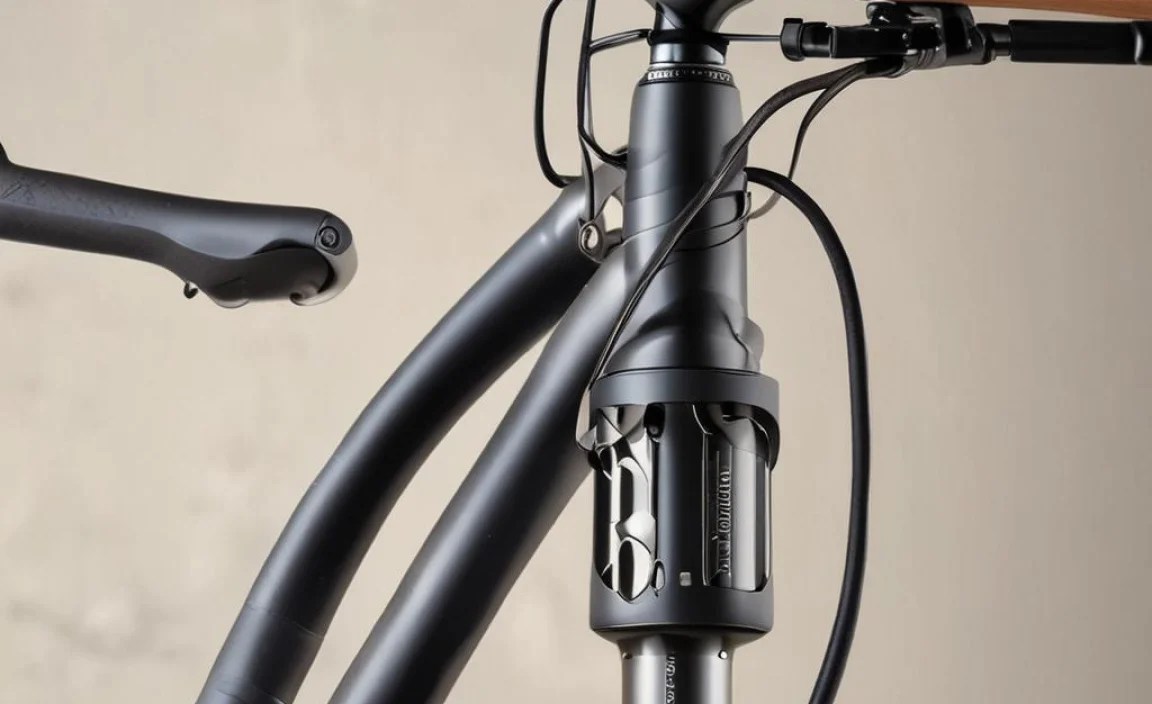
Sometimes, the way your bottle cage is set up can make it hard to reach your water bottle. This often happens on bikes with smaller frames or unusual designs. The frame might not have much space for a regular bottle cage. When the mount blocks bottle cage access, it can be annoying and even dangerous while riding. Imagine trying to grab a drink and almost falling! That’s why understanding the problem is the first step. We need to look at the type of cage you have, where it’s placed, and if there’s anything else blocking it. Maybe the frame design is the main issue, or perhaps the cage is just in the wrong spot. Knowing this helps us find the best way to fix it. Taking a close look at your bike will help you figure out the right solution.
- Small bike frames can cause bottle access problems.
- Check if the bottle cage is too close to other parts.
- See if the frame design limits bottle space.
- Consider the size of your water bottle.
- Think about how easily you can reach the bottle.
One common issue is that standard bottle cages are designed for larger frames. On a smaller bike, the top tube or seat tube might get in the way. This means you can’t pull the bottle straight up. Another problem is the location of the mounting bolts. If they’re too high or too low, they can also block access. Sometimes, other bike parts like the front derailleur or rear suspension can also be in the way. That’s why it’s important to look at the whole setup. Think about how your hand moves when you try to grab the bottle. Is anything stopping you? Once you know what’s causing the problem, you can start to think about solutions. A little bit of investigation can save you a lot of frustration on your rides.
Fun Fact or Stat: Did you know that bottle cage designs have been around since the early days of cycling? They have evolved a lot to fit different bike styles and rider needs!
Why is My Bottle Cage So Hard to Reach?
Ever wondered why some bottle cages seem like they’re playing hide-and-seek? Sometimes, it’s not about the cage itself, but where it’s placed. Many bikes have limited space inside the frame, especially smaller ones. The distance between the top tube and the seat tube might be too short. This means a standard bottle cage just won’t fit properly, and you struggle to get your bottle out. The position of the mounting bolts also matters. If they’re too high or too low, they can restrict your hand movement. Plus, other bike parts like the front derailleur or rear suspension can add to the challenge. It’s like trying to fit a puzzle piece in the wrong spot! Understanding these limitations is the first step to finding a solution that works for your bike and your riding style.
Could My Bike Frame Be the Problem?
Imagine trying to wear shoes that are two sizes too small. Uncomfortable, right? The same can happen with bottle cages on certain bike frames. Some frames simply don’t have enough room for a standard cage and bottle. Smaller frames, full-suspension mountain bikes, and bikes with unusual designs often face this issue. The angles of the tubes, the placement of suspension components, and even the overall geometry can limit your options. It’s like trying to park a big truck in a tiny garage! You might need to get creative with your setup. This could mean using a smaller bottle, a side-loading cage, or even relocating the cage altogether. Knowing your frame’s limitations helps you choose the right gear to stay hydrated on your rides.
What Role Do Other Bike Parts Play?
Think of your bike as a team working together. Each part has a job to do, but sometimes they can get in each other’s way. The front derailleur, for example, helps you shift gears. But it can also block access to your bottle cage, especially if it’s positioned close to the seat tube. Similarly, rear suspension components on mountain bikes can limit space. Cables, hoses, and even your saddle height can also play a role. It’s like trying to build a tower with too many blocks in the way! That’s why it’s important to look at the whole picture. Make sure nothing is interfering with your ability to reach your water bottle. A clear path to hydration means a safer and more enjoyable ride.
Adjusting the Bottle Cage Position
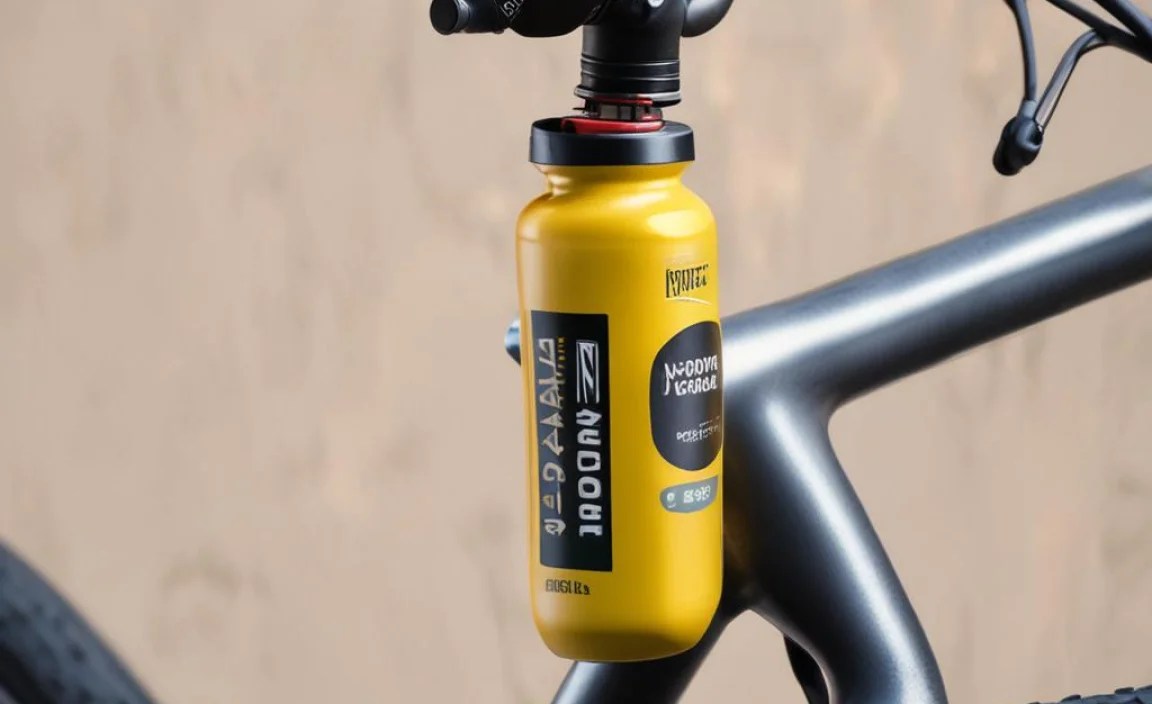
Sometimes, the easiest way to fix mount that blocks bottle cage access is to move the cage. Many bottle cages have some wiggle room. You can loosen the bolts and slide the cage up or down. Even a small change can make a big difference. Try moving the cage as far away from the frame as possible. This can give you more space to grab your bottle. If your cage has slotted holes, you have even more options. These let you adjust the position more precisely. You might also consider using adaptors. These little devices can help you mount the cage in a different spot. Play around with different positions until you find one that works. The goal is to make it easy to get your bottle without hitting anything. Small adjustments can make a big difference in your comfort and safety.
- Loosen the bolts on the bottle cage.
- Slide the cage up or down slightly.
- Try moving the cage away from the frame.
- Use slotted holes for more precise adjustments.
- Consider bottle cage adaptors for new mounting spots.
When you’re adjusting the bottle cage, think about how you naturally reach for your water bottle. Do you tend to grab it from the side or from the top? This can help you decide where to position the cage. Also, make sure the cage doesn’t interfere with your legs while pedaling. You don’t want to accidentally kick your water bottle! Another tip is to tighten the bolts gradually. Don’t crank them down all the way at once. This lets you make small adjustments as you go. Once you find the perfect spot, tighten the bolts securely. But be careful not to overtighten them, as this can damage the frame or the cage. A little bit of patience and tweaking can help you find the ideal position for your bottle cage.
Fun Fact or Stat: Some professional cyclists use multiple bottle cages on their bikes, even in races. Staying hydrated is super important for performance!
Can I Really Move the Cage That Much?
Have you ever played with LEGOs and realized you could build something completely different just by shifting a few blocks? Adjusting your bottle cage can feel like that! Many cages have slotted holes, which allow for surprising flexibility. You can often move the cage up, down, or even sideways a bit. This can create just enough space to make grabbing your bottle easier. The key is to loosen the bolts and experiment. Don’t be afraid to try different positions. You might be surprised at how much of a difference a small adjustment can make. It’s all about finding the sweet spot where the cage is both secure and accessible. So, get your Allen wrench ready and start experimenting!
What Are These “Adaptors” You Mentioned?
Imagine having a magic tool that lets you put things where they don’t normally fit. That’s kind of what bottle cage adaptors do! These handy little devices come in various shapes and sizes. They allow you to mount your bottle cage in places you couldn’t before. Some adaptors attach to your seat post, while others clamp onto your handlebars. Some even let you mount two cages in the space of one! They’re like the Swiss Army knife of bottle cage mounting. If you’re struggling to find a good spot for your cage, an adaptor might be the perfect solution. They open up a whole new world of possibilities for staying hydrated on your rides.
How Do I Know if It’s in the Right Place?
Imagine trying to catch a ball while blindfolded. Pretty tough, right? Knowing if your bottle cage is in the right place is all about feel. After adjusting it, take your bike for a short ride. Try grabbing your water bottle while you’re moving. Is it easy to reach without looking down? Does the bottle come out smoothly? Does the cage interfere with your legs or knees? If the answer to these questions is “yes,” then you’ve probably found the sweet spot. If not, keep tweaking the position until it feels natural and comfortable. Remember, the goal is to stay hydrated without having to think too much about it. A well-placed bottle cage should feel like a natural extension of your bike.
Using Side-Loading Bottle Cages
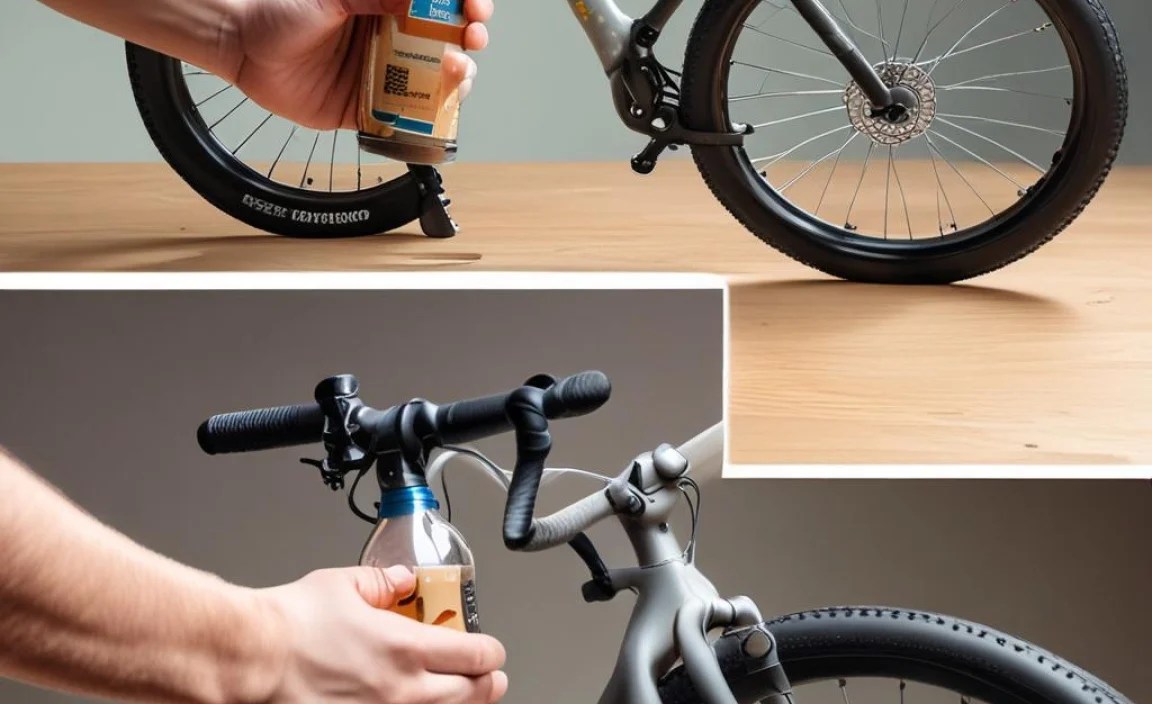
When standard cages don’t work, side-loading bottle cages can be a lifesaver. These cages let you take out your bottle from the side. This is super helpful if the mount blocks bottle cage access from above. Side-loading cages are great for bikes with small frames. They also work well if you have limited space because of other bike parts. Some riders even use them on full-suspension mountain bikes. They make it easier to grab your bottle without hitting the frame. There are different types of side-loading cages. Some let you take the bottle out from the left, and others from the right. Choose the one that works best for you. Side-loading cages can make a big difference in your riding comfort.
- Side-loading cages let you grab bottles from the side.
- They are great for bikes with small frames.
- They work well with limited space.
- Choose left or right-side loading based on comfort.
- They can improve your riding experience.
Think about which hand you use to grab your bottle. If you’re right-handed, a left-side loading cage might be easier. This lets you use your dominant hand to pull the bottle out. If you’re left-handed, a right-side loading cage might be better. Also, consider the direction you twist the bottle when you take it out. Some cages are designed to work best with a certain twisting motion. Try out different cages to see which one feels the most natural. Side-loading cages can take some getting used to. But once you get the hang of it, they can make staying hydrated much easier. They are a great solution for tight spaces and tricky bottle access problems.
Fun Fact or Stat: Many professional cyclists use side-loading cages on their mountain bikes. This helps them stay hydrated on rough trails!
Left or Right: Which Side Is Best for Me?
Imagine you’re reaching for your favorite snack. Which hand do you use? The answer can help you choose the right side-loading bottle cage. If you’re right-handed, a cage that loads from the left side might feel more natural. This allows you to use your dominant hand to grab the bottle. If you’re left-handed, a right-side loading cage could be a better fit. It’s all about what feels most comfortable and efficient. Think about which hand you naturally use to reach for things while riding. That’s the side you should consider first. A little bit of thought can make a big difference in your riding experience.
Are Side-Loading Cages as Secure as Regular Ones?
Think of your water bottle as a precious cargo. You want to make sure it stays put, even on bumpy roads. Side-loading cages are designed to hold your bottle securely. They often have features like extra grips or tighter fits. Some even have adjustable retention systems. These help keep your bottle from bouncing out. Of course, the level of security can vary from cage to cage. It’s a good idea to read reviews and choose a reputable brand. Also, make sure you’re using the right size bottle for the cage. A bottle that’s too small might be more likely to slip out. With the right cage and bottle combo, you can ride with confidence knowing your hydration is secure.
Can I Use a Side-Loading Cage on Any Bike?
Think of side-loading bottle cages as the chameleons of the bike world. They’re adaptable and can fit in many different situations. While they’re especially helpful on small frames and full-suspension bikes, they can be used on almost any bike. The key is to make sure they don’t interfere with your legs or other bike parts. Also, consider the overall aesthetic of your bike. Some riders prefer the look of traditional cages, while others like the sleek design of side-loaders. Ultimately, the decision is up to you. If you’re struggling with bottle access, a side-loading cage is definitely worth a try. It might just be the perfect solution for your bike.
Using Bottle Cage Adaptors or Extenders
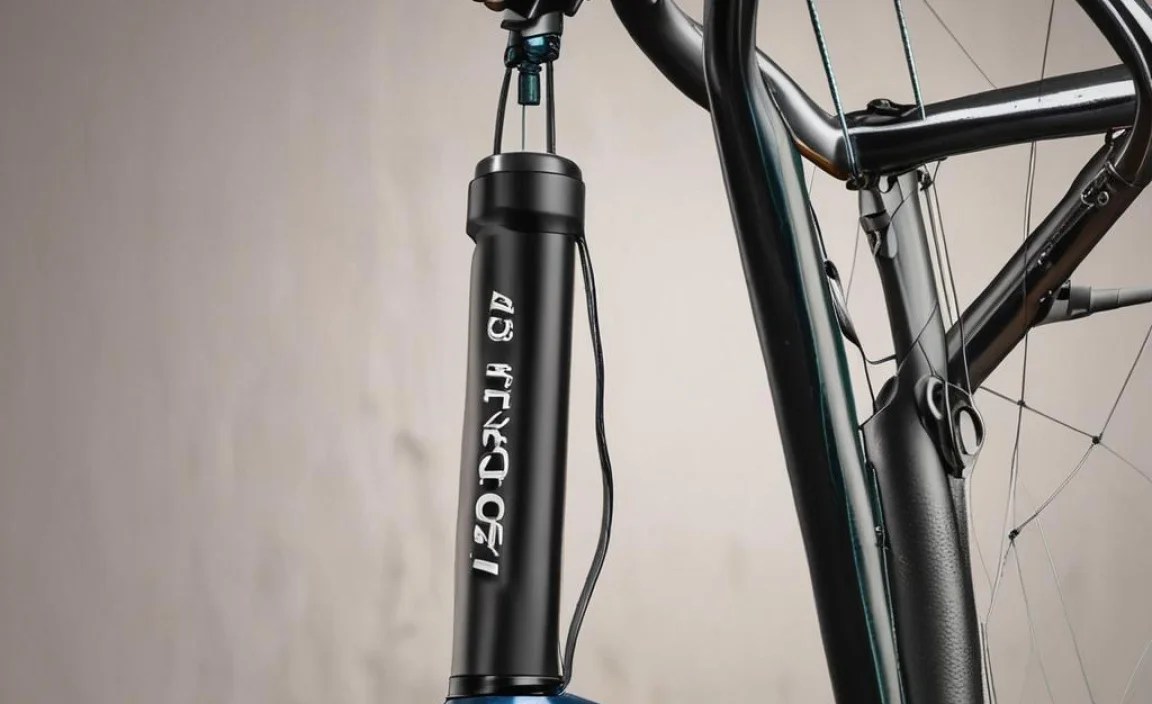
Sometimes, you need a little extra help to fix mount that blocks bottle cage access. That’s where bottle cage adaptors and extenders come in. These are like little helpers that give you more options. Adaptors let you mount your bottle cage in different places. You can attach them to your seatpost or handlebars. Extenders move the cage away from the frame. This gives you more room to grab your bottle. These tools are great if your frame is small or has odd shapes. They can also help if other bike parts are in the way. With adaptors and extenders, you can customize your bottle cage setup.
| Adaptor/Extender Type | Best For | Pros | Cons |
|---|---|---|---|
| Seatpost Adaptor | Full-suspension bikes | Keeps bottle out of the way | Can interfere with saddle adjustments |
| Handlebar Mount | Touring/Long rides | Easy access while riding | Can affect steering |
| Frame Extender | Small frames | Creates extra space | May look bulky |
| Offset Adaptor | Tight spaces | Moves bottle to the side | May affect balance |
- Adaptors let you mount cages in new places.
- Extenders move the cage away from the frame.
- They are great for small or oddly shaped frames.
- They help when other bike parts are in the way.
- You can customize your bottle cage setup.
When choosing an adaptor or extender, think about where you want the bottle to be. Do you want it closer to your hands? A handlebar mount might be best. Do you need to keep it away from the suspension? A seatpost adaptor could work. Also, consider the weight of the bottle. Make sure the adaptor is strong enough to hold a full bottle of water. Some adaptors are made of plastic, while others are made of metal. Metal ones are usually stronger, but they can also be heavier. Read reviews to see what other riders think. With the right adaptor or extender, you can find the perfect spot for your bottle cage. This will make your rides more comfortable and enjoyable.
Fun Fact or Stat: Some adaptors even let you carry two water bottles in the same spot! This is great for long rides.
Seatpost or Handlebar: Where Should I Mount It?
Imagine you’re setting up your dream workspace. Where would you put your coffee? Close at hand, right? The same idea applies to mounting your bottle cage. A seatpost mount keeps the bottle out of the way of your legs. It’s a good option if you have limited space on your frame. However, it might be a bit harder to reach while riding. A handlebar mount puts the bottle right in front of you. This makes it easy to grab a drink without taking your eyes off the road. But it can also affect your steering and balance. Think about what’s most important to you: convenience or stability. Your answer will help you choose the best mounting location.
Are These Adaptors Strong Enough to Hold a Full Bottle?
Think of your water bottle as a small but mighty weight. When it’s full, it can put a lot of stress on the adaptor. That’s why it’s important to choose an adaptor that’s built to last. Look for models made from strong materials like aluminum or carbon fiber. Check the weight limit to make sure it can handle a full bottle. Read reviews to see what other riders have to say about its durability. Also, make sure the adaptor is properly installed. Tighten the bolts securely, but don’t overtighten them. With a sturdy adaptor and careful installation, you can ride with confidence knowing your bottle is safe and secure.
Will an Extender Make My Bike Look Weird?
Imagine adding a spoiler to your car. It might improve performance, but it could also change the way it looks. The same can happen with bottle cage extenders. Some riders love the look of extenders, while others find them a bit bulky. It really comes down to personal preference. If you’re concerned about aesthetics, look for sleek, low-profile extenders. These are designed to blend in with your bike’s frame. You can also choose an extender that matches the color of your bike. Ultimately, the most important thing is functionality. If an extender makes it easier to reach your bottle, it’s worth considering, even if it changes the look of your bike a bit.
Choosing a Smaller Water Bottle
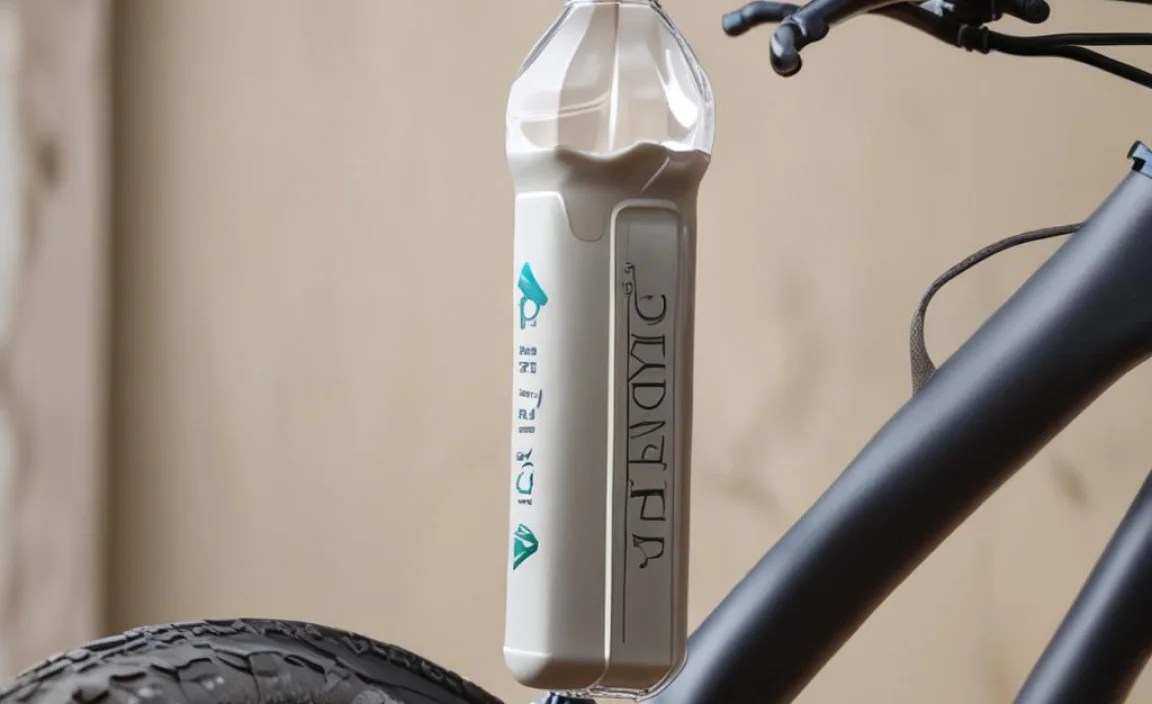
Sometimes, the best way to fix mount that blocks bottle cage access is to use a smaller water bottle. A smaller bottle takes up less space. This can make it easier to grab, even if the mount is in a tricky spot. Smaller bottles are great for shorter rides. They are also good for bikes with limited space. You can find water bottles in many different sizes. Try a few to see what works best for you. Remember to choose a bottle that fits securely in your cage. A loose bottle can bounce out while you’re riding. A smaller bottle can make a big difference in your comfort.
- Smaller bottles take up less space.
- They are easier to grab in tight spots.
- They are good for shorter rides.
- Choose a bottle that fits securely in your cage.
- A smaller bottle can improve your comfort.
Think about how long your typical ride is. If you usually ride for an hour or less, a smaller bottle might be enough. If you ride for longer, you might need a bigger bottle, or two smaller ones. Also, consider the weather. On hot days, you’ll need more water. On cooler days, you can get away with less. Another tip is to look for bottles with good insulation. These will keep your water cold for longer. Smaller bottles are often lighter than bigger ones. This can make your bike feel more nimble and easier to handle. With a little bit of planning, you can find the perfect size water bottle for your needs.
Fun Fact or Stat: Some professional cyclists use very small water bottles during races. This helps them save weight!
How Small Is Too Small for a Water Bottle?
Imagine trying to brush your teeth with a doll-sized toothbrush. It would take forever, right? The same idea applies to water bottles. A bottle that’s too small might not hold enough water for your needs. Before switching to a smaller bottle, think about how much you typically drink on a ride. If you usually finish a full-sized bottle, a smaller one might leave you thirsty. On the other hand, if you only drink half a bottle, a smaller one could be perfect. It’s all about finding the right balance between size and hydration. Don’t be afraid to experiment to see what works best for you.
Are Smaller Bottles Less Secure in the Cage?
Think of your water bottle as a puzzle piece. It needs to fit snugly in the cage to stay put. A bottle that’s too small might rattle around or even fall out. To avoid this, choose a bottle that’s designed to fit your cage. Some cages have adjustable grips that can accommodate different sizes. You can also try using a bottle cage insert. These are small pieces of rubber or foam that fill the gap between the bottle and the cage. They help create a more secure fit. With a little bit of effort, you can make sure your smaller bottle stays put, even on bumpy roads.
Can I Still Stay Hydrated with a Smaller Bottle?
Imagine you’re packing for a trip. You want to bring everything you need, but you also want to travel light. Staying hydrated with a smaller water bottle is all about planning ahead. If you’re going on a long ride, consider bringing two smaller bottles instead of one large one. You can also plan your route to include water stops. This will allow you to refill your bottle along the way. Another tip is to drink more water before you start your ride. This will help you stay hydrated for longer. With a little bit of preparation, you can stay hydrated, even with a smaller water bottle.
Regularly Inspecting Your Bottle Cage Area
To prevent problems, check your bottle cage area often. Look for loose bolts or cracks in the cage. Make sure the cage is securely attached to the frame. If you see any problems, fix them right away. This can help you avoid issues with bottle access. A little bit of maintenance can go a long way. Clean the bottle cage and the frame around it. Dirt and grime can make it harder to adjust the cage. Regular checks will keep your bottle cage working well. This will make your rides safer and more enjoyable. Don’t wait until the mount blocks bottle cage access. Keep an eye on it!
- Check for loose bolts regularly.
- Look for cracks in the bottle cage.
- Make sure the cage is securely attached.
- Clean the cage and frame regularly.
- Fix any problems right away.
When you’re checking your bottle cage, pay attention to the mounting bolts. Are they tight? Are they the right size? Sometimes, the wrong bolts can damage the frame. Also, check the threads on the frame. Make sure they’re not stripped or damaged. If they are, you might need to have them repaired. Another tip is to use a torque wrench when tightening the bolts. This will help you avoid overtightening them. Overtightening can damage the frame or the cage. A little bit of care can help you keep your bottle cage in good condition. This will prevent problems and keep you hydrated on your rides.
Fun Fact or Stat: Some bike shops offer bottle cage maintenance services. They can help you keep your cage in top shape!
What Should I Look for During an Inspection?
Imagine you’re a detective searching for clues. When you inspect your bottle cage area, you’re looking for signs of trouble. Start by checking the bolts. Are they tight? Are they rusty? Next, examine the cage itself. Are there any cracks or bends? Also, check the frame around the cage. Are there any signs of damage? Look for loose cables or hoses that might be interfering with the cage. Finally, try grabbing your water bottle. Does it come out smoothly? Does the cage feel secure? By paying attention to these details, you can catch problems early and prevent them from becoming bigger issues.
How Often Should I Check My Bottle Cage?
Think of your bottle cage as a hardworking teammate. It’s there for you on every ride, so it deserves a little attention. A quick check before each ride can help you spot any obvious problems. A more thorough inspection every month or so is also a good idea. This will give you a chance to clean the cage and check for wear and tear. If you ride frequently or on rough terrain, you might need to inspect your cage more often. The key is to be proactive. By making regular inspections a habit, you can keep your bottle cage in top condition and avoid surprises on the road.
What Tools Do I Need for Bottle Cage Maintenance?
Imagine you’re a mechanic getting ready to work on a car. You need the right tools for the job. The same is true for bottle cage maintenance. A basic set of Allen wrenches is essential. These will allow you to tighten and loosen the mounting bolts. A torque wrench is also a good investment. This will help you avoid overtightening the bolts. You might also want to have some degreaser and a clean cloth on hand. These will help you clean the cage and frame. With these simple tools, you can keep your bottle cage in good working order.
Seeking Professional Help
If you’ve tried everything and still can’t fix mount that blocks bottle cage access, it’s time to ask for help. A bike shop mechanic can offer advice. They can help you find the right solution for your bike. Mechanics have seen all kinds of bottle cage problems. They can quickly diagnose the issue. They can also install adaptors or modify your cage. Don’t be afraid to ask for help. A professional can make sure your bottle cage is safe and secure. They can also help you stay hydrated on your rides. Getting expert advice is always a good idea.
- A bike shop mechanic can offer advice.
- They can help you find the right solution.
- Mechanics have seen many bottle cage problems.
- They can install adaptors or modify your cage.
- Getting expert advice is always a good idea.
When you go to the bike shop, be ready to explain the problem. Show the mechanic how the mount blocks bottle cage access. Bring your water bottle with you. This will help the mechanic see how it fits in the cage. Also, tell them about your riding style. Do you ride mostly on roads, or on trails? This can help them recommend the best solution. The mechanic might suggest a different type of cage. They might also recommend a different mounting location. Be open to their suggestions. They have a lot of experience. With their help, you can find a solution that works for you.
Fun Fact or Stat: Some bike shops offer free bottle cage adjustments. This is a great way to get help without spending a lot of money!
When Is It Time to Visit a Bike Shop?
Imagine you’re trying to fix a leaky faucet, but the wrench keeps slipping. After a while, you realize it’s time to call a plumber. The same idea applies to bottle cage problems. If you’ve tried adjusting the cage, using adaptors, and even switching to a smaller bottle, but nothing seems to work, it’s time to visit a bike shop. Also, if you notice any damage to the frame or cage, it’s best to get it checked out by a professional. They can assess the situation and recommend the best course of action. Don’t wait until the problem gets worse. A quick trip to the bike shop can save you time, money, and frustration in the long run.
What Can a Mechanic Do That I Can’t?
Think of a bike mechanic as a doctor for your bicycle. They have the knowledge, skills, and tools to diagnose and treat a wide range of problems. They can identify underlying issues that you might not be aware of. They can also perform tasks that require specialized equipment, such as repairing damaged frame threads. A mechanic can also offer expert advice on the best way to set up your bottle cage for your specific bike and riding style. They can help you choose the right cage, adaptor, and mounting location. With their help, you can be sure your bottle cage is safe, secure, and easy to access.
How Much Does It Cost to Get Professional Help?
Imagine you’re taking your car to a mechanic for an oil change. You know it’s going to cost some money, but it’s worth it to keep your car running smoothly. The cost of getting professional help with your bottle cage can vary depending on the issue. A simple adjustment might be free or cost just a few dollars. Installing an adaptor or replacing a damaged cage will likely cost more. It’s a good idea to call your local bike shop and ask about their rates. Also, be sure to ask for an estimate before they start working on your bike. This will help you avoid any surprises. Remember, investing in professional help can save you money in the long run by preventing bigger problems.
Summary
How to fix mount that blocks bottle cage access can be simple. First, try adjusting the cage position. Loosen the bolts and slide the cage up or down. If that doesn’t work, consider a side-loading cage. These let you grab your bottle from the side. Bottle cage adaptors and extenders can also help. They let you mount the cage in different places. Sometimes, a smaller water bottle is the answer. It takes up less space and is easier to grab. Regularly check your bottle cage area. Look for loose bolts or cracks. If you still have problems, ask a bike shop mechanic for help. They can offer expert advice.
Conclusion
Getting your water bottle easily is important for safe bike rides. We learned how to fix mount that blocks bottle cage access. Try adjusting the cage, using side-loading cages, or adding adaptors. You can also use a smaller bottle. Regular checks will keep your cage working well. If you need help, ask a bike shop mechanic. A little effort makes a big difference. Now you can enjoy your rides without water bottle problems!
Frequently Asked Questions
Question No 1: Why is my water bottle cage so hard to reach?
Answer: Sometimes, the design of your bike frame makes it hard to reach the water bottle cage. Smaller frames or full-suspension bikes often have limited space. This means the bottle cage is too close to other parts. The position of the mounting bolts can also be a problem. If they are too high or too low, they can block access. Also, consider if other bike parts like the front derailleur are in the way. Understanding these limitations can help you find a solution. You might need to adjust the cage position or use a different type of cage to make it easier to grab your water bottle.
Question No 2: Can I move my bottle cage to a different spot on my bike?
Answer: Yes, you can often move your bottle cage to a different spot. Many bottle cages have some wiggle room. You can loosen the bolts and slide the cage up or down slightly. This can create more space for your hand. If your cage has slotted holes, you have even more options. These let you adjust the position more precisely. You can also use bottle cage adaptors. These allow you to mount the cage on your seatpost or handlebars. Experiment with different positions until you find one that works for you. The goal is to make it easy to grab your bottle without hitting anything or feeling uncomfortable while pedaling.
Question No 3: What is a side-loading bottle cage, and how does it help?
Answer: A side-loading bottle cage is a type of cage that lets you take out your water bottle from the side. This is different from regular cages, where you pull the bottle straight up. Side-loading cages are super helpful if the mount blocks bottle cage access from above. They are great for bikes with small frames or limited space. They also work well on full-suspension mountain bikes. To use a side-loading cage, you simply twist the bottle to the side and pull it out. This can make it much easier to grab your water bottle while riding, especially in tight spaces.
Question No 4: Are there any tools that can help me move my bottle cage?
Answer: Yes, there are tools that can help you move your bottle cage. The most important tool is a set of Allen wrenches. These are used to loosen and tighten the bolts that hold the cage in place. You might also want to use a torque wrench. This helps you avoid overtightening the bolts, which can damage the frame. Bottle cage adaptors and extenders can also be helpful. These devices allow you to mount the cage in different places or move it away from the frame. With the right tools, you can easily adjust your bottle cage to make it more accessible.
Question No 5: Is it okay to use a smaller water bottle on my bike?
Answer: Yes, it’s perfectly okay to use a smaller water bottle on your bike. A smaller bottle takes up less space, which can make it easier to grab, especially if the mount blocks bottle cage access. Smaller bottles are great for shorter rides or for bikes with limited space. Just make sure the bottle fits securely in your cage. A loose bottle can bounce out while you’re riding. Also, consider how much water you typically drink on a ride. If you need a lot of water, you might want to use two smaller bottles instead of one large one.
Question No 6: How can I prevent my bottle cage from becoming blocked in the future?
Answer: To prevent your bottle cage from becoming blocked in the future, you should regularly inspect the area around it. Check for loose bolts or cracks in the cage. Make sure the cage is securely attached to the frame. Clean the bottle cage and the frame regularly. Dirt and grime can make it harder to adjust the cage. If you notice any problems, fix them right away. This can help you avoid issues with bottle access. Also, consider using a side-loading cage or bottle cage adaptors to create more space. By taking these steps, you can keep your bottle cage working well and avoid frustration on your rides. You can use these tips to how to fix mount that blocks bottle cage access.


