
How to Choose Gauge for Road Bike Tyres: Smart Guide

Road bikes are fast. They help you zoom around town. Do you know what keeps them rolling? It is the tires! Tires need air. Too much or too little air can cause problems. So, how do you know how to choose gauge for road bike tires? Let’s find out together!
Good tire pressure makes riding fun. It keeps you safe. This guide will help you pick the right gauge. You will learn how to keep your tires perfect.
Key Takeaways
- Using the right gauge helps you set the best tire pressure for road bikes.
- A good gauge ensures your tires are not over or under-inflated.
- Different gauges offer various features like digital displays or pressure release valves.
- Knowing how to choose gauge for road bike tires improves your ride quality and safety.
- Always check your tire pressure before each ride to avoid accidents and flats.
How to Choose Gauge for Road Bike Tyres: Basics

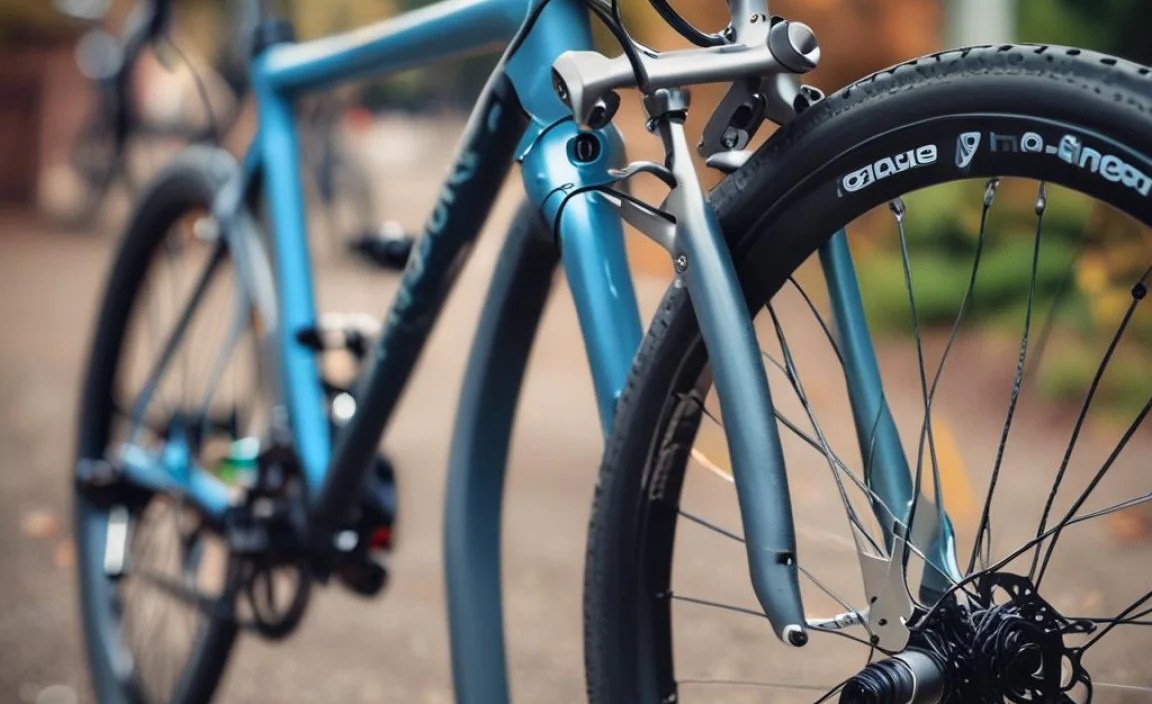

Choosing the right gauge for your road bike tires is super important. A gauge helps you measure the air pressure in your tires. Air pressure is measured in PSI (pounds per square inch). Getting the right PSI makes your ride smoother and faster. It also helps prevent flats. A good gauge will give you an accurate reading. This means you can be sure your tires are just right. Using the wrong gauge, or not using one at all, can lead to problems. Your tires could be too soft, making it hard to pedal. Or, they could be too hard, making the ride bumpy and unsafe. So, let’s learn how to pick the best gauge for your needs.
- A gauge measures air pressure in PSI.
- Correct PSI improves ride quality.
- Avoid flats by using a gauge.
- Accuracy is key for safe riding.
- Too much or too little air is bad.
Think of your tires like balloons. If you blow up a balloon too much, it might pop! If you don’t blow it up enough, it will be floppy. Bike tires are the same. You need the right amount of air. A good gauge is like a helper. It tells you when the air is just right. Some gauges are simple and easy to use. Others have fancy features like a digital screen. No matter what kind you choose, make sure it’s easy for you to read and use. This will make your bike rides more fun and safe. It’s all about finding the right tool for the job!
What is PSI?
Have you ever wondered what PSI means? PSI stands for pounds per square inch. It’s a way to measure how much air is inside your tire. Imagine you have a square box that is one inch on each side. PSI tells you how many pounds of force are pushing on that box. For example, if your tire says it needs 100 PSI, that means there are 100 pounds of force pushing on every square inch of the tire. This number helps you know how to choose gauge for road bike tires. Keeping your tires at the right PSI is important. It makes your bike roll smoothly and helps you go faster. Too little PSI, and your tire will feel soft. Too much, and it will feel hard and bumpy.
Why is Accurate PSI Important?
Accurate PSI is super important for a few reasons. First, it affects how well your bike rolls. When your tires have the right amount of air, they roll faster and easier. This means you don’t have to work as hard to pedal. Second, accurate PSI helps prevent flats. If your tires are too soft, they can get pinched when you hit a bump. This can cause a flat tire. Third, accurate PSI makes your bike safer. Overinflated tires can burst, especially on a hot day. Using a good gauge ensures your tires are just right. It keeps you safe and makes your ride more fun. It also helps your tires last longer. That way, you won’t have to buy new tires as often!
Different Types of Gauges
There are a few different types of gauges you can use for your road bike tires. One type is a stick gauge. This is a simple gauge that looks like a small ruler. You press it onto the tire valve, and a little bar pops out to show the PSI. Another type is a dial gauge. This gauge has a round face with a needle that points to the PSI. Dial gauges are often more accurate than stick gauges. Then there are digital gauges. These gauges have a screen that shows the PSI in numbers. Digital gauges are usually the most accurate and easy to read. Some gauges also have a built-in inflator. This means you can pump up your tires and check the pressure with the same tool.
Fun Fact or Stat: Did you know that professional cyclists check their tire pressure before every race to ensure peak performance?
Types of Gauges: Which One is Best?

When you’re figuring out how to choose gauge for road bike tyres, knowing the different types is key. There are mainly two kinds: analog and digital. Analog gauges are the traditional ones with a needle that moves on a scale. They’re simple and don’t need batteries. Digital gauges show the pressure on a screen. They’re often more accurate and easier to read. Some gauges are built into your pump. Others are separate, handheld devices. Each type has its pros and cons. It depends on what you need. Are you looking for something simple and reliable? Or do you want something super accurate and easy to read? Let’s look closer at each type to help you decide.
- Analog gauges are simple and reliable.
- Digital gauges offer precise readings.
- Pump gauges combine inflation and measurement.
- Handheld gauges are portable and easy to use.
- Consider accuracy and ease of reading.
Imagine you’re baking a cake. You need to measure the ingredients carefully. If you guess, the cake might not turn out right. It’s the same with tire pressure. An accurate gauge is like a measuring cup. It helps you get the pressure just right. Some people like analog gauges because they’re simple and don’t need batteries. Others prefer digital gauges because they’re easier to read. Think about where you’ll be using the gauge. If you’re on the road a lot, a small, handheld gauge might be best. If you’re mostly at home, a gauge built into your pump could be a good choice. The right gauge can make a big difference in your ride!
Analog Gauges Explained
Analog gauges are simple and reliable. They don’t need batteries, so they’re always ready to go. These gauges use a needle that moves along a scale to show the pressure. Many cyclists like analog gauges because they’re easy to use. You just attach the gauge to the tire valve, and the needle shows the pressure. Analog gauges are often less expensive than digital gauges. However, they can be harder to read. The scale might be small, and it can be hard to see the exact pressure. Despite this, many people still prefer analog gauges for their simplicity and dependability. When thinking about how to choose gauge for road bike tyres, an analog option is always a solid choice.
Digital Gauges: Are They Worth It?
Digital gauges are known for their accuracy and ease of use. They show the tire pressure on a digital screen, making it easy to read. Many digital gauges also have extra features, like the ability to switch between PSI, BAR, and kPa. This can be useful if you’re used to a different unit of measurement. Digital gauges usually cost more than analog gauges. They also need batteries, which you’ll need to replace from time to time. But for many cyclists, the accuracy and convenience of a digital gauge are worth the extra cost. These gauges can help you fine-tune your tire pressure for the best possible ride. Remember to always check the battery level before heading out for a ride!
Pump Gauges vs. Handheld Gauges
Pump gauges are built into your bike pump. This means you can inflate your tires and check the pressure at the same time. This can be very convenient, especially if you’re at home. Handheld gauges are separate devices that you attach to the tire valve to check the pressure. These gauges are small and portable, making them great for taking with you on rides. Some cyclists prefer pump gauges because they’re all-in-one tools. Others like handheld gauges because they can use them to check the pressure even when they’re not pumping up the tires. Both types of gauges have their pros and cons. It depends on what you need and what you find most convenient. Think about how often you check your tire pressure and where you usually do it.
Fun Fact or Stat: Some high-end digital gauges can measure pressure with an accuracy of +/- 0.5 PSI!
Factors Affecting Tire Pressure

Many things can change your tire pressure. Understanding these factors helps you know how to choose gauge for road bike tyres and use it correctly. Your weight matters. Heavier riders need more air. Lighter riders need less. The type of road you ride on also makes a difference. Smooth roads need higher pressure. Rough roads need lower pressure. The weather plays a role too. Hot weather can increase pressure. Cold weather can decrease it. Even the type of tire you have affects the best pressure. Wider tires can handle lower pressure. Narrower tires need higher pressure. Knowing these things helps you adjust your tires for the best ride.
- Rider weight affects needed tire pressure.
- Road surface impacts optimal pressure.
- Weather conditions change tire pressure.
- Tire width influences pressure settings.
- Adjust pressure based on these factors.
Imagine you’re going for a hike. Would you wear the same shoes on a rocky trail as you would on a smooth path? Probably not! It’s the same with your tires. If you’re riding on a bumpy road, you want your tires to be a little softer. This will help absorb the bumps and make the ride more comfortable. If you’re riding on a smooth road, you can pump your tires up a little more. This will make you go faster. Think about where you’ll be riding most often. Then, adjust your tire pressure accordingly. Also, remember to check your tire pressure regularly. It can change over time, even if you’re not riding. A good gauge will help you keep your tires in top shape.
How Rider Weight Impacts Pressure
Your weight has a big impact on the right tire pressure. Heavier riders need more pressure to prevent flats. When you’re heavier, your tires get squished more. This can lead to pinch flats, where the tire gets pinched against the rim. Lighter riders can use less pressure. This makes the ride more comfortable. Less pressure lets the tire absorb bumps better. A good rule is to add or subtract about 1 PSI for every 10 pounds of weight difference. So, if you’re 20 pounds heavier than the recommended weight, add 2 PSI. Always check the maximum PSI on your tire. Don’t go over that number!
Road Conditions and Tire Pressure
The type of road you’re riding on affects the best tire pressure. Smooth roads like pavement need higher pressure. This makes your bike roll faster. Rough roads like gravel need lower pressure. Lower pressure helps your tires absorb bumps. It also gives you more grip. Riding on gravel with high pressure can be uncomfortable. It can also make your tires more likely to slip. Experiment with different pressures to find what works best for you. A good starting point is to lower the pressure by about 10-15 PSI for rough roads. Remember to always stay within the recommended range on your tire. Knowing how to choose gauge for road bike tyres also means knowing how to adjust the pressure based on the road.
Weather’s Effect on Tire Pressure
Weather can change your tire pressure. Hot weather increases pressure. The air inside your tires expands when it gets hot. Cold weather decreases pressure. The air inside your tires contracts when it gets cold. This means you might need to adjust your tire pressure depending on the weather. If it’s a hot day, check your tires before you ride. They might be overinflated. Let some air out if needed. If it’s a cold day, your tires might be underinflated. Add some air to get them to the right pressure. Keep a gauge handy so you can make these adjustments easily. This will help you have a safe and comfortable ride, no matter the weather.
Fun Fact or Stat: Tire pressure can change by as much as 5 PSI due to temperature changes during a ride!
Step-by-Step Guide to Checking Tire Pressure

Checking your tire pressure is easy. First, get your gauge. Make sure it’s the right type for your tire valve. Next, remove the cap from the valve. Then, press the gauge onto the valve. Make sure it’s on tight. Look at the gauge to see the pressure. Compare it to the recommended pressure on your tire. If the pressure is too low, add air. If it’s too high, let some air out. Use your gauge to check again. Keep adjusting until the pressure is right. Put the cap back on the valve. Now you’re ready to ride! Knowing how to choose gauge for road bike tyres is just the first step. You also need to know how to use it!
- Gather your tire pressure gauge.
- Remove the valve cap from the tire.
- Press the gauge onto the valve firmly.
- Read the pressure on the gauge.
- Adjust air as needed and recheck.
Imagine you’re checking the oil in a car. You wouldn’t just guess how much oil is in there. You’d use a dipstick to measure it. Checking your tire pressure is the same. You need a gauge to get an accurate reading. Some people try to guess the pressure by squeezing the tire. But this isn’t very accurate. A gauge will give you a precise number. This helps you make sure your tires are just right. It’s a quick and easy step that can make a big difference in your ride. So, take a few minutes to check your tire pressure before each ride. It’s worth it!
Gathering Your Tools
Before you start, make sure you have everything you need. You’ll need a tire pressure gauge. Choose one that’s easy for you to read and use. You’ll also need a pump. A floor pump is best for home use. A small hand pump is good for taking on rides. Check your tires to find the recommended pressure. It’s usually printed on the sidewall of the tire. Having all these things ready will make the process smooth and easy. It also ensures you have everything you need to properly inflate your tires. Remember, being prepared is key!
Reading the Gauge Correctly
Reading the gauge correctly is super important. If you’re using an analog gauge, look closely at the needle. It will point to a number on the scale. That number is the PSI. If you’re using a digital gauge, the PSI will be displayed on the screen. Make sure you’re looking at the right unit. Some gauges can show pressure in PSI, BAR, or kPa. Compare the reading to the recommended pressure on your tire. If the reading is lower than the recommended pressure, you need to add air. If it’s higher, you need to let some air out. Practice reading the gauge a few times so you get comfortable with it. Knowing how to choose gauge for road bike tyres also means understanding how to read it properly.
Adjusting Air Pressure
Adjusting the air pressure is the final step. If your tires need more air, attach the pump to the valve. Pump until the gauge shows the right pressure. If your tires have too much air, press the valve to release some air. Check the pressure again with the gauge. Keep adjusting until the pressure is just right. Don’t be afraid to add or release small amounts of air at a time. It’s better to be a little patient and get it perfect. Once the pressure is right, remove the pump and put the valve cap back on. Now you’re ready to enjoy your ride! Always double-check the pressure before heading out.
Fun Fact or Stat: A properly inflated tire can reduce rolling resistance by up to 10%, making you faster!
Common Mistakes to Avoid
Many people make mistakes when checking tire pressure. One mistake is not using a gauge at all. Guessing the pressure is not accurate. Another mistake is using the wrong type of gauge. Make sure your gauge fits your tire valve. Overinflating or underinflating your tires is also a problem. Always stay within the recommended range. Forgetting to check your tires regularly is another mistake. Check them before each ride. Lastly, not knowing how to choose gauge for road bike tyres that’s accurate leads to problems. Using a cheap or broken gauge can give you wrong readings.
- Avoid guessing tire pressure; use a gauge.
- Use the correct gauge for your valve type.
- Do not over or under inflate tires.
- Check tire pressure before every ride.
- Use an accurate, reliable gauge.
Imagine you’re driving a car. You wouldn’t drive with your eyes closed, would you? That would be dangerous! It’s the same with your bike tires. Riding with the wrong tire pressure can be dangerous. Overinflated tires can burst. Underinflated tires can cause flats. It’s important to pay attention to your tires and check them regularly. A good gauge is like a pair of glasses. It helps you see clearly what the pressure is. Don’t skip this important step. It can save you from accidents and make your ride more enjoyable. A little attention to detail goes a long way!
Not Using a Gauge
Not using a gauge is a big mistake. Some people try to guess the pressure by squeezing the tire. This is not accurate at all. You might think your tires are fine, but they could be way off. Using a gauge gives you a precise reading. This helps you make sure your tires are at the right pressure. It’s a small investment that can save you from flats and accidents. Plus, it makes your ride more comfortable and efficient. So, always use a gauge to check your tire pressure. It’s the only way to be sure!
Overinflating or Underinflating
Overinflating or underinflating your tires can cause problems. Overinflating can make your tires burst. It can also make the ride bumpy and uncomfortable. Underinflating can cause flats. It can also make it harder to pedal. Always stay within the recommended pressure range on your tire. This will help you avoid these problems. Use a gauge to check the pressure and adjust as needed. Remember, the right pressure is key for a safe and comfortable ride. It’s like finding the perfect balance. Not too much, not too little, but just right!
Neglecting Regular Checks
Forgetting to check your tires regularly is another common mistake. Tire pressure can change over time. It can decrease due to small leaks. It can also change with the weather. Checking your tires before each ride is a good habit. It only takes a few minutes. It can save you from a lot of trouble. Make it part of your routine. Grab your gauge and check your tires before you hop on your bike. It’s like brushing your teeth before you leave the house. It’s a small step that makes a big difference.
Fun Fact or Stat: Underinflated tires can increase your risk of a flat by 25%!
Choosing the Right Gauge for Your Needs
How to choose gauge for road bike tyres depends on your needs. Think about how often you ride. If you ride a lot, get a good quality gauge. Consider where you will use it. A handheld gauge is good for on-the-go. A floor pump gauge is good for home. Look at the features. Do you want a digital display? Do you need a pressure release valve? Think about your budget. Gauges range in price. Pick one that fits your needs and your wallet. Reading reviews can also help. See what other riders say about different gauges.
- Consider your riding frequency.
- Think about where you’ll use the gauge.
- Look for desired features like digital displays.
- Set a budget for your gauge purchase.
- Read reviews before making a decision.
Imagine you’re buying a new backpack. You wouldn’t just grab the first one you see, would you? You’d think about what you need it for. Do you need it for school? For hiking? For travel? It’s the same with a tire gauge. Think about how you’ll be using it. If you’re a serious cyclist who rides every day, you’ll want a high-quality gauge that’s accurate and durable. If you only ride occasionally, a simpler gauge might be fine. Think about your budget too. Gauges can range from cheap to expensive. Find one that fits your needs and your wallet. The right gauge will make checking your tire pressure easy and accurate.
Frequency of Riding
If you ride your road bike every day, a high-quality gauge is a must. You’ll be using it often, so you want something that’s accurate and durable. A digital gauge might be a good choice. They’re easy to read and very precise. If you only ride once in a while, a simpler gauge might be fine. An analog gauge is a good option. They’re less expensive and still accurate enough for occasional use. Think about how much you value accuracy and convenience. This will help you choose the right gauge for your riding habits.
Portability vs. Home Use
Think about where you’ll be using the gauge. If you want to check your tires on the road, get a portable gauge. Handheld gauges are small and easy to carry. They’re perfect for taking with you on rides. If you only check your tires at home, a floor pump gauge is a good choice. These gauges are built into the pump. They’re easy to use when you’re inflating your tires. Some cyclists have both types of gauges. A portable one for rides and a floor pump gauge for home. Consider your needs and choose the best option for you.
Budget Considerations
Gauges range in price from cheap to expensive. Set a budget before you start shopping. This will help you narrow down your choices. Cheap gauges might not be very accurate. They might also break easily. More expensive gauges are usually more accurate and durable. But you don’t have to spend a lot of money to get a good gauge. There are plenty of affordable options that are still reliable. Read reviews and compare prices to find the best gauge for your budget. Remember, a good gauge is an investment in your safety and comfort.
Fun Fact or Stat: The most expensive tire pressure gauges can cost over $200 and are used in professional racing!
Maintaining Your Tire Pressure Gauge
Taking care of your gauge is important. It helps it last longer. Keep it clean. Wipe it with a soft cloth. Store it in a safe place. This prevents damage. Check the accuracy regularly. Compare it to another gauge. Replace batteries if needed. This is important for digital gauges. Don’t drop your gauge. This can break it. By following these tips, your gauge will stay accurate. It will help you keep your tires in top shape. Knowing how to choose gauge for road bike tyres includes knowing how to maintain it.
- Keep your gauge clean and dry.
- Store it in a safe, protected place.
- Check the gauge’s accuracy regularly.
- Replace batteries in digital gauges.
- Avoid dropping or mishandling the gauge.
Imagine you have a favorite toy. You want to keep it in good condition so you can play with it for a long time. You wouldn’t leave it outside in the rain, would you? You’d keep it clean and store it in a safe place. It’s the same with your tire gauge. It’s a tool that helps you keep your bike running smoothly. If you take care of it, it will last longer and work better. A little bit of maintenance can go a long way. So, take a few minutes to clean and store your gauge after each use. It will pay off in the long run.
Cleaning Your Gauge
Keeping your gauge clean is easy. Just wipe it with a soft cloth after each use. This will remove any dirt or grime. Avoid using harsh chemicals or solvents. These can damage the gauge. If your gauge gets wet, dry it off right away. Moisture can cause rust and corrosion. Pay special attention to the valve connector. This is the part that attaches to your tire valve. Make sure it’s clean and free of debris. A clean gauge will give you more accurate readings. It will also last longer.
Storage Tips
Storing your gauge properly is important. Keep it in a safe place where it won’t get damaged. A toolbox or drawer is a good option. Avoid leaving it in direct sunlight or extreme temperatures. This can affect its accuracy. If you have a digital gauge, remove the batteries if you’re not going to use it for a while. This will prevent corrosion. A small case or bag can help protect your gauge from dust and scratches. Proper storage will keep your gauge in good working condition for years to come.
Checking for Accuracy
Over time, gauges can lose their accuracy. It’s a good idea to check your gauge regularly. Compare it to another gauge to see if the readings match. If your gauge is inaccurate, you might need to replace it. Some bike shops can calibrate gauges. This means they can adjust the gauge to make it more accurate. If you’re not sure how to do this, take it to a professional. An accurate gauge is essential for safe and comfortable riding. So, take the time to check it regularly and keep it in good working condition.
Fun Fact or Stat: A study found that up to 20% of tire pressure gauges are inaccurate by 3 PSI or more!
Summary
Knowing how to choose gauge for road bike tyres is key for safe and fun riding. The right gauge helps you keep your tires at the correct pressure. This improves your bike’s performance and prevents flats. There are different types of gauges. Analog gauges are simple and reliable. Digital gauges are accurate and easy to read. Pump gauges combine inflation and measurement. Choose a gauge that fits your needs and budget. Consider factors like riding frequency and portability. Remember to check your tire pressure before each ride. This ensures your tires are properly inflated. Taking care of your gauge will help it last longer and stay accurate.
Maintaining proper tire pressure has many benefits. It makes your ride smoother and faster. It also improves your bike’s handling and control. By using a gauge regularly, you can avoid common problems. Overinflating can lead to a burst tire. Underinflating can cause pinch flats. A good gauge is a small investment that can make a big difference in your cycling experience. So, take the time to choose the right gauge and use it properly. Your bike and your body will thank you!
Conclusion
Choosing the right tire pressure gauge is a small thing. It can have a big impact on your road biking. The right gauge will help you keep your tires inflated just right. This makes your rides safer, faster, and more fun. Remember to consider your needs and budget when you decide how to choose gauge for road bike tyres. Take care of your gauge. Use it regularly. It will help you enjoy many happy miles on your road bike.
Frequently Asked Questions
Question No 1: How often should I check my tire pressure?
Answer: You should check your tire pressure before every ride. Tire pressure can decrease over time due to small leaks. It can also change with the weather. Checking before each ride ensures your tires are at the correct pressure. This helps prevent flats and improves your ride. It only takes a few minutes to check. It’s a simple step that can make a big difference. Make it a habit to check before you hop on your bike. This will help you stay safe and comfortable on the road.
Question No 2: What PSI should my road bike tires be?
Answer: The recommended PSI for your road bike tires depends on a few things. Your weight, the road conditions, and the type of tire all play a role. The best place to find the recommended PSI is on the sidewall of your tire. Look for a range, like 80-120 PSI. Start with the lower end of the range if you’re lighter or riding on rough roads. Use the higher end of the range if you’re heavier or riding on smooth roads. Experiment to find what feels best for you. Always stay within the recommended range to avoid problems.
Question No 3: Can I use a car tire gauge on my road bike?
Answer: You can use a car tire gauge on your road bike, but it might not be the best option. Car tire gauges are often less accurate at the higher pressures that road bike tires require. They’re also usually larger and bulkier than bike-specific gauges. A bike-specific gauge will give you a more accurate reading. It will also be easier to use on the small valves of road bike tires. If you have a car tire gauge handy, it’s better than nothing. But consider investing in a good bike gauge for better results. This is important for knowing how to choose gauge for road bike tyres and getting the best performance.
Question No 4: How do I know if my tire pressure gauge is accurate?
Answer: There are a few ways to check if your tire pressure gauge is accurate. One way is to compare it to another gauge. If the readings are different, one of the gauges might be inaccurate. Another way is to take your gauge to a bike shop. Some shops have tools to calibrate gauges. This means they can adjust the gauge to make it more accurate. If you’re not sure how to do this, ask a professional for help. An accurate gauge is essential for safe and comfortable riding. So, take the time to check it regularly and keep it in good working condition.
Question No 5: What are the benefits of using a digital tire pressure gauge?
Answer: Digital tire pressure gauges offer several benefits. They’re easy to read. The pressure is displayed on a screen in numbers. They’re usually more accurate than analog gauges. They often have extra features like the ability to switch between PSI, BAR, and kPa. Some digital gauges also have a built-in light. This makes it easier to check your tires in the dark. Digital gauges usually cost more than analog gauges. But for many cyclists, the accuracy and convenience are worth the extra cost. Knowing how to choose gauge for road bike tyres includes considering the benefits of digital options.
Question No 6: What should I do if I overinflate my tires?
Answer: If you accidentally overinflate your tires, don’t panic. It’s easy to fix. Simply press the valve on the tire to release some air. Use your tire pressure gauge to check the pressure. Keep releasing air until the pressure is within the recommended range on your tire. Don’t release too much air at once. Check the pressure frequently to avoid underinflating. It’s better to release small amounts of air at a time and get it just right. Once the pressure is correct, you’re good to go. Always remember to check after adjusting, especially when considering how to choose gauge for road bike tyres.


