
Vibrelli Dual Head Chuck Tutorial: Easy Inflation!

Quick Summary: Using a Vibrelli dual head chuck is simple! First, identify if you have a Presta or Schrader valve. Then, select the corresponding chuck head on your Vibrelli pump. Press the chuck firmly onto the valve, ensuring a tight seal. Finally, inflate your tire to the desired pressure. That’s it—you’re ready to ride!
Ever struggled with your bike pump, unsure if you’re using the right nozzle or getting a proper seal? You’re not alone! Many cyclists find bike pumps confusing, especially when dealing with different valve types. A faulty connection means wasted effort and deflated tires. But don’t worry, the Vibrelli dual head chuck is designed to make this process super easy.
This guide will walk you through each step, showing you how to properly use your Vibrelli pump’s dual head chuck. We’ll cover identifying your valve type, selecting the correct nozzle, and achieving a secure, airtight connection. By the end, you’ll be inflating your tires like a pro, ready to hit the road or trail with confidence.
Understanding Your Vibrelli Dual Head Chuck

The Vibrelli dual head chuck is a versatile tool designed to work with both Presta and Schrader valves. Knowing the difference between these valves is the first step to successful inflation.
Presta vs. Schrader Valves: What’s the Difference?
Presta and Schrader valves are the two main types you’ll encounter on bicycle tires. They differ in appearance and how they function.
- Presta Valves: These are narrower and usually found on higher-end bikes. They have a valve core that you need to unscrew before inflating.
- Schrader Valves: These are wider, similar to car tire valves, and are common on mountain bikes, hybrid bikes, and kids’ bikes.
Identifying your valve type is crucial for selecting the correct head on your Vibrelli pump.
Key Features of the Vibrelli Dual Head Chuck
The Vibrelli dual head chuck is designed for ease of use and reliability. Here are some of its key features:
- Dual Head Design: One side is specifically for Presta valves, and the other is for Schrader valves.
- Secure Connection: The chuck is designed to create an airtight seal, minimizing air leakage during inflation.
- Durable Construction: Made from robust materials, the Vibrelli chuck is built to last.
- Easy to Use: The simple design makes it easy to switch between valve types.
Step-by-Step Guide to Using the Vibrelli Dual Head Chuck

Now, let’s dive into the step-by-step instructions for using your Vibrelli dual head chuck effectively.
Step 1: Identify Your Valve Type
Before you start pumping, take a close look at your bike’s valve. Is it narrow with a small nut to unscrew (Presta), or wider like a car tire valve (Schrader)? Knowing this will determine which side of the chuck you’ll use. If you are unsure, you can always check online guides with pictures to help you identify the valve type.
Step 2: Prepare the Valve
Depending on your valve type, you’ll need to prepare it slightly differently:
- Presta Valve: Unscrew the small nut at the top of the valve. Gently push the valve core to release a small amount of air. This ensures the valve isn’t stuck.
- Schrader Valve: Simply remove the valve cap. No need to loosen or adjust anything.
Step 3: Select the Correct Chuck Head
Examine your Vibrelli pump’s dual head chuck. One side will be smaller for Presta valves, and the other will be larger for Schrader valves. Choose the head that matches your valve type.
Step 4: Connect the Chuck to the Valve
This is where you need to ensure a secure connection to prevent air leakage:
- Position the Chuck: Align the correct chuck head directly with the valve.
- Press Firmly: Push the chuck straight onto the valve. You should feel it engage securely. Some Vibrelli pumps have a lever to lock the chuck in place; ensure it’s engaged.
- Check the Seal: Listen for any hissing sounds. Hissing indicates an air leak, meaning the chuck isn’t properly seated. Readjust if necessary.
Step 5: Inflate the Tire
With the chuck securely connected, you’re ready to start pumping:
- Use a Smooth Motion: Pump with a steady, full stroke. Avoid jerky or rapid movements.
- Monitor the Pressure: Keep an eye on the pressure gauge on your pump. Inflate to the recommended pressure indicated on your tire’s sidewall.
- Take Breaks: If you’re inflating to a high pressure, take short breaks to avoid overheating the pump.
Step 6: Remove the Chuck
Once you’ve reached the desired pressure, carefully remove the chuck:
- Disengage the Lever (If Applicable): If your pump has a locking lever, disengage it.
- Pull Straight Off: Gently pull the chuck straight off the valve. Avoid bending or twisting it.
- Presta Valve: Screw the small nut back down on the Presta valve to prevent dirt and debris from entering.
- Replace the Valve Cap: Replace the valve cap on both Presta and Schrader valves to keep them clean.
Troubleshooting Common Issues
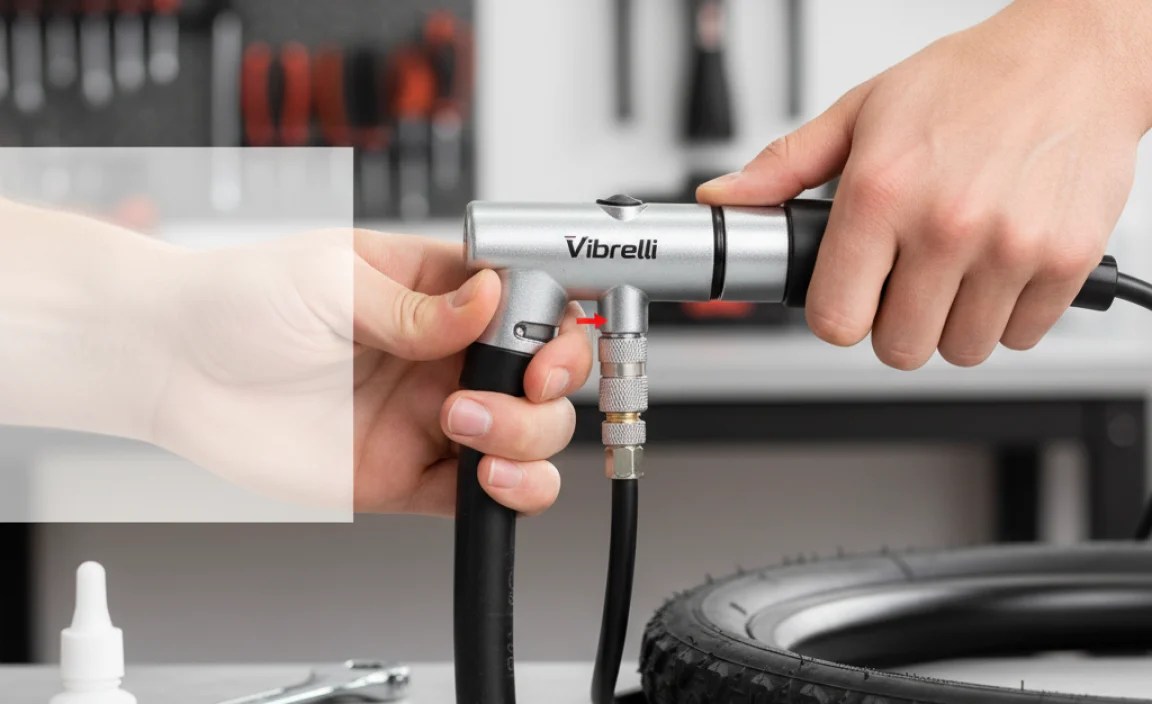
Even with a great pump like the Vibrelli, you might encounter some common issues. Here’s how to troubleshoot them.
Air Leaking During Inflation
Air leakage is a common problem, but usually easy to fix:
- Check the Chuck Connection: Ensure the chuck is firmly pressed onto the valve.
- Inspect the Valve: Look for any damage or debris on the valve. Clean or replace if necessary.
- Replace the Chuck: If the chuck is worn or damaged, consider replacing it.
Pump Not Registering Pressure
If the pressure gauge isn’t moving, here are a few things to check:
- Ensure Proper Connection: Make sure the chuck is securely attached to the valve.
- Check the Gauge: The gauge itself might be faulty. Try a different pump to confirm.
- Inspect the Hose: Look for any kinks or leaks in the pump hose.
Difficulty Attaching the Chuck
If you’re struggling to attach the chuck, try these tips:
- Align Properly: Ensure the chuck is aligned straight with the valve.
- Use a Firm Grip: Apply steady pressure when attaching the chuck.
- Check for Obstructions: Make sure there’s no dirt or debris blocking the valve.
Tips for Maintaining Your Vibrelli Pump
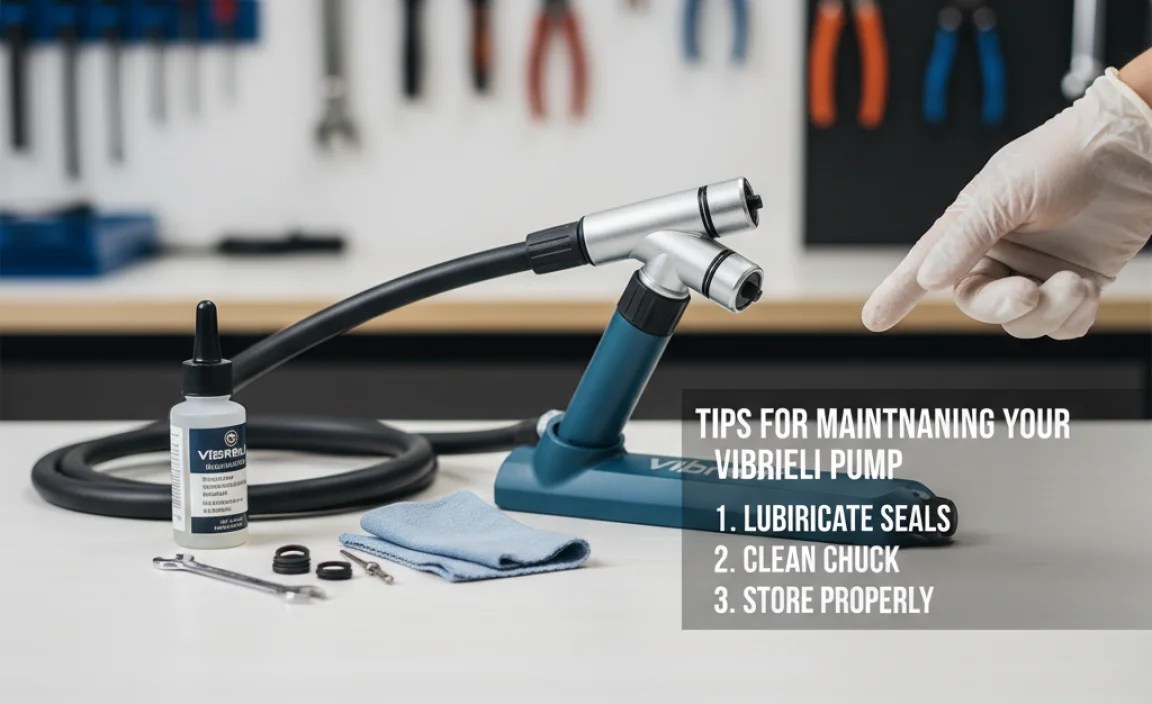
Proper maintenance will keep your Vibrelli pump working smoothly for years.
Regular Cleaning
Keep your pump clean to prevent dirt and debris from causing problems:
- Wipe Down: Regularly wipe down the pump body and hose with a damp cloth.
- Clean the Chuck: Use a small brush to clean the chuck heads, removing any dirt or debris.
Inspect for Wear and Tear
Regularly inspect your pump for signs of wear:
- Check the Hose: Look for cracks or leaks in the hose.
- Inspect the Chuck: Examine the chuck heads for damage or wear.
- Lubricate Moving Parts: Apply a small amount of lubricant to the pump’s moving parts to keep them working smoothly.
Proper Storage
Store your pump in a cool, dry place to protect it from the elements:
- Avoid Direct Sunlight: Prolonged exposure to sunlight can damage the pump’s components.
- Keep it Dry: Moisture can cause corrosion and damage.
Choosing the Right Tire Pressure

Maintaining the correct tire pressure is crucial for performance, comfort, and safety. Here’s what you need to know.
Understanding PSI
PSI stands for “pounds per square inch” and is the unit of measurement for tire pressure. The recommended PSI range is usually printed on the sidewall of your tire.
Factors Affecting Tire Pressure
Several factors can influence the ideal tire pressure:
- Rider Weight: Heavier riders need higher tire pressure.
- Tire Width: Wider tires can be run at lower pressures.
- Terrain: Rougher terrain may require lower pressures for better comfort and grip.
- Riding Style: Aggressive riders may prefer higher pressures for better rolling resistance.
Recommended Tire Pressure Ranges
Here’s a general guideline for tire pressure ranges, but always refer to your tire’s sidewall for specific recommendations:
| Bike Type | Tire Width | Recommended PSI |
|---|---|---|
| Road Bike | 23-25mm | 100-120 PSI |
| Hybrid Bike | 32-38mm | 50-70 PSI |
| Mountain Bike | 2.0-2.5″ | 25-35 PSI |
Vibrelli Pump Models and Compatibility
Vibrelli offers a range of pumps, each with slightly different features. Here’s a quick overview.
Floor Pumps
Floor pumps are ideal for home use and provide greater leverage for easier inflation.
- Vibrelli Performance Floor Pump: A popular model with a large gauge and stable base.
- Vibrelli High-Pressure Floor Pump: Designed for road bikes requiring higher pressures.
Mini Pumps
Mini pumps are compact and portable, perfect for on-the-go inflation.
- Vibrelli Mini Bike Pump: A lightweight and compact option for emergency repairs.
CO2 Inflators
CO2 inflators provide rapid inflation using CO2 cartridges.
- Vibrelli CO2 Inflator: A quick and convenient solution for inflating tires on the road.
Compatibility
Most Vibrelli pumps are compatible with both Presta and Schrader valves thanks to their dual head chucks. Always double-check the product specifications to ensure compatibility with your bike’s valve type.
Alternatives to the Vibrelli Dual Head Chuck
While the Vibrelli dual head chuck is a great option, there are other pumps and chucks available.
Other Pump Brands
Here are a few other reputable pump brands:
- Topeak: Known for their high-quality and durable pumps.
- Lezyne: Offers a range of stylish and innovative pumps.
- Park Tool: A trusted brand among professional mechanics.
Alternative Chuck Designs
Some pumps use different chuck designs:
- Thread-On Chucks: These chucks screw onto the valve for a secure connection.
- Lever-Lock Chucks: These chucks use a lever to create an airtight seal.
FAQ: Vibrelli Dual Head Chuck
Here are some frequently asked questions about using the Vibrelli dual head chuck.
- Q: How do I know which side of the chuck to use?
- A: The smaller side is for Presta valves, and the larger side is for Schrader valves. Presta valves are narrow with a small nut at the top, while Schrader valves are wider, like car tire valves.
- Q: Why is air leaking when I try to pump?
- A: This usually means the chuck isn’t properly seated on the valve. Make sure you’re pressing the chuck firmly and straight onto the valve. Check for any dirt or damage on the valve as well.
- Q: Can I use the Vibrelli pump on car tires?
- A: While the Schrader head *can* fit car tires, floor pumps aren’t made for the higher pressures car tires need. Use a car tire inflator instead for optimal results.
- Q: How often should I check my tire pressure?
- A: Ideally, check your tire pressure before every ride. At a minimum, check it once a week to ensure optimal performance and safety.
- Q: What PSI should I inflate my tires to?
- A: Look for the recommended PSI range printed on the sidewall of your tire. Adjust within that range based on your weight, riding style, and terrain.
- Q: My Presta valve seems stuck. What should I do?
- A: Unscrew the nut and gently push the valve core to release a small amount of air. This often frees up a stuck valve. Be gentle to avoid damaging the valve core.
- Q: How do I maintain my Vibrelli pump?
- A: Wipe down the pump regularly with a damp cloth. Clean the chuck heads with a small brush. Inspect the hose and chuck for wear, and lubricate moving parts as needed.
Conclusion
Mastering the Vibrelli dual head chuck is a simple yet crucial skill for any cyclist. By understanding the difference between Presta and Schrader valves and following the steps outlined in this guide, you’ll be able to inflate your tires quickly and efficiently. Remember to maintain your pump, check your tire pressure regularly, and choose the right pressure for your riding conditions.
With a little practice, you’ll be confidently pumping your tires and enjoying smooth, safe rides. So grab your Vibrelli pump, hit the road or trail, and experience the joy of cycling with perfectly inflated tires!


