
What Makes a Heat Pump Short Cycle on Heat Only? A Simple Guide

Quick Summary: A heat pump short cycles when it turns on and off too frequently, failing to maintain a consistent temperature. Common causes include a dirty air filter restricting airflow, an oversized unit for the space, refrigerant leaks, faulty sensors, or electrical issues. Addressing these problems promptly is crucial to prevent premature wear and ensure efficient heating.
Is your heat pump turning on and off more often than it should? This is called “short cycling,” and it’s a common problem that can leave you feeling cold and frustrated. Not only does short cycling make your home uncomfortable, but it also wastes energy and can damage your heat pump over time. The good news is that many causes of short cycling are easy to diagnose and fix. Let’s dive into the most common culprits and how you can get your heat pump working smoothly again!
Understanding Heat Pump Short Cycling

Short cycling is when your heat pump starts its heating cycle but shuts off before completing it. Instead of running for a normal duration (usually 15-20 minutes), it might only run for a few minutes before turning off. Then, it starts again shortly after. This rapid on-off cycle prevents your home from reaching the set temperature and puts extra strain on the system.
Why is Short Cycling Bad?
Here’s why you should address short cycling promptly:
- Reduced Comfort: Inconsistent temperatures leave your home feeling drafty and uncomfortable.
- Higher Energy Bills: Frequent starts consume more energy than a steady run cycle, leading to increased costs.
- Premature Wear and Tear: The constant starting and stopping put extra stress on the heat pump’s components, shortening its lifespan.
- Potential Damage: Over time, short cycling can lead to compressor failure, a costly repair.
Common Causes of Heat Pump Short Cycling (Heat Only Mode)

Let’s explore the most frequent reasons why your heat pump might be short cycling when it’s in heating mode.
1. Dirty Air Filter
A clogged air filter is one of the most common causes of short cycling. When the filter is dirty, it restricts airflow to the heat pump. This can cause the unit to overheat and shut down prematurely.
Solution:
- Check your air filter monthly: Hold it up to the light. If you can’t see through it easily, it’s time to change it.
- Replace the filter regularly: Most filters should be replaced every 1-3 months, depending on usage and air quality.
- Use the correct filter size: Ensure you’re using the filter size recommended by your heat pump manufacturer.
2. Oversized Heat Pump
If your heat pump is too large for your home, it will heat the space too quickly. This causes the thermostat to reach the set temperature before the heat pump has completed a full cycle, leading to short cycling.
Solution:
- Professional assessment: Have an HVAC professional perform a load calculation to determine the correct size heat pump for your home.
- Consider replacement: If the unit is significantly oversized, replacing it with a properly sized one is the best long-term solution.
3. Refrigerant Leaks
Refrigerant is essential for the heat pump to transfer heat efficiently. If there’s a leak, the heat pump won’t be able to maintain the correct temperature, causing it to short cycle.
Signs of a Refrigerant Leak:
- Ice buildup on the refrigerant lines
- Hissing or bubbling sounds near the unit
- Higher energy bills
- Reduced heating performance
Solution:
- Professional repair: Refrigerant leaks must be repaired by a licensed HVAC technician. They will locate and fix the leak, then recharge the system with the correct amount of refrigerant.
4. Thermostat Issues
A malfunctioning thermostat can cause inaccurate temperature readings, leading to short cycling. The thermostat might signal the heat pump to turn off too early, even if the room hasn’t reached the desired temperature.
Types of Thermostat Problems:
- Incorrect calibration: The thermostat might be reading the temperature incorrectly.
- Faulty wiring: Loose or damaged wires can disrupt the signal to the heat pump.
- Dead batteries: For digital thermostats, dead batteries can cause erratic behavior.
Solution:
- Check the batteries: Replace the batteries in your thermostat, if applicable.
- Recalibrate the thermostat: Follow the manufacturer’s instructions to recalibrate the thermostat.
- Inspect the wiring: Ensure all wires are securely connected. If you’re not comfortable working with electrical wiring, call an electrician.
- Replace the thermostat: If the thermostat is old or faulty, consider replacing it with a new one.
5. Electrical Problems
Electrical issues can prevent the heat pump from running correctly, leading to short cycling. These problems can range from loose wiring to a failing capacitor.
Common Electrical Issues:
- Loose wiring: Loose connections can cause intermittent power supply.
- Failed capacitor: Capacitors help start and run the heat pump’s motors. If they fail, the heat pump may struggle to start or run properly.
- Faulty contactor: The contactor switches the power to the heat pump. If it’s damaged, it can cause the unit to cycle on and off rapidly.
Solution:
- Professional inspection: Electrical problems should be diagnosed and repaired by a qualified electrician or HVAC technician.
- Regular maintenance: Schedule regular maintenance to identify and address potential electrical issues before they cause problems.
6. Frozen Outdoor Unit
In cold weather, the outdoor unit of a heat pump can freeze up due to condensation. While heat pumps have a defrost cycle to melt the ice, a buildup of ice can still cause issues. If the outdoor unit is heavily iced, it can prevent proper airflow and cause the system to short cycle or shut down completely.
Why it Happens:
- Low outdoor temperatures: Heat pumps are more prone to freezing in extremely cold weather.
- Poor airflow: Obstructions around the outdoor unit can reduce airflow and increase the risk of freezing.
- Defrost cycle malfunction: If the defrost cycle isn’t working correctly, ice can accumulate rapidly.
Solution:
- Clear obstructions: Remove any snow, leaves, or debris around the outdoor unit to ensure proper airflow.
- Monitor the defrost cycle: Observe whether the defrost cycle is running regularly. If not, contact an HVAC technician.
- Professional inspection: If the outdoor unit freezes frequently despite these measures, have an HVAC technician inspect the system for underlying issues.
7. Blocked Vents or Registers
If vents or registers are blocked by furniture, rugs, or other obstructions, it can restrict airflow and cause the heat pump to short cycle. Restricted airflow makes it harder for the heat pump to distribute heat evenly throughout your home, leading to temperature imbalances and frequent cycling.
How Blocked Vents Cause Short Cycling:
- Reduced airflow: Blocked vents reduce the overall airflow in the system.
- Uneven heating: Some rooms may not receive enough heat, while others overheat.
- Increased strain: The heat pump has to work harder to compensate for the reduced airflow.
Solution:
- Inspect vents: Check all vents and registers to ensure they are free from obstructions.
- Rearrange furniture: Move furniture away from vents to allow for proper airflow.
- Clean vents: Regularly clean vents to remove dust and debris that can restrict airflow.
8. Ductwork Problems
Problems with your ductwork, such as leaks, disconnections, or improper sizing, can lead to short cycling. Leaky or poorly insulated ducts cause a loss of heated air, forcing the heat pump to work harder and cycle more frequently to maintain the desired temperature.
Types of Ductwork Problems:
- Leaky ducts: Air leaks reduce the efficiency of the system.
- Disconnected ducts: Gaps in the ductwork can cause significant air loss.
- Improper sizing: Undersized ducts restrict airflow, while oversized ducts can lead to uneven heating.
Solution:
- Inspect ductwork: Look for visible leaks or damage in accessible areas.
- Seal leaks: Use duct tape or mastic sealant to seal any leaks you find.
- Professional inspection: Have a professional inspect the ductwork for hidden problems and recommend solutions.
- Insulate ducts: Insulate ducts in unconditioned spaces to reduce heat loss.
Troubleshooting Table
Here’s a quick reference table to help you troubleshoot the causes of heat pump short cycling:
| Problem | Possible Cause | Solution |
|---|---|---|
| Short Cycling | Dirty Air Filter | Replace the air filter |
| Short Cycling | Oversized Heat Pump | Professional load calculation; consider replacement |
| Short Cycling | Refrigerant Leak | Professional leak repair and recharge |
| Short Cycling | Thermostat Issues | Check batteries, recalibrate, inspect wiring, replace if needed |
| Short Cycling | Electrical Problems | Professional inspection and repair |
| Short Cycling | Frozen Outdoor Unit | Clear obstructions, monitor defrost cycle, professional inspection |
| Short Cycling | Blocked Vents | Clear obstructions, rearrange furniture |
| Short Cycling | Ductwork Problems | Inspect and seal leaks, professional inspection, insulate ducts |
DIY vs. Professional Help

Some issues, like changing the air filter or clearing obstructions around the outdoor unit, are easy to handle yourself. However, other problems, such as refrigerant leaks or electrical issues, require the expertise of a qualified HVAC technician. When in doubt, it’s always best to call a professional to avoid potential safety hazards and ensure the problem is properly resolved.
When to Call a Professional
Consider calling a professional if:
- You suspect a refrigerant leak.
- You have electrical problems.
- The heat pump is making unusual noises.
- You’ve tried basic troubleshooting steps and the problem persists.
- You’re not comfortable working with electrical or mechanical components.
Preventive Maintenance for Your Heat Pump

Regular maintenance is key to preventing short cycling and other heat pump problems. Here are some essential maintenance tasks:
- Change the air filter regularly: As mentioned earlier, a clean air filter is crucial for proper airflow.
- Clean the outdoor unit: Remove any debris, leaves, or snow from around the outdoor unit.
- Inspect the ductwork: Look for visible leaks or damage and seal them as needed.
- Schedule professional maintenance: Have an HVAC technician inspect and service your heat pump annually.
Heat Pump Efficiency Tips
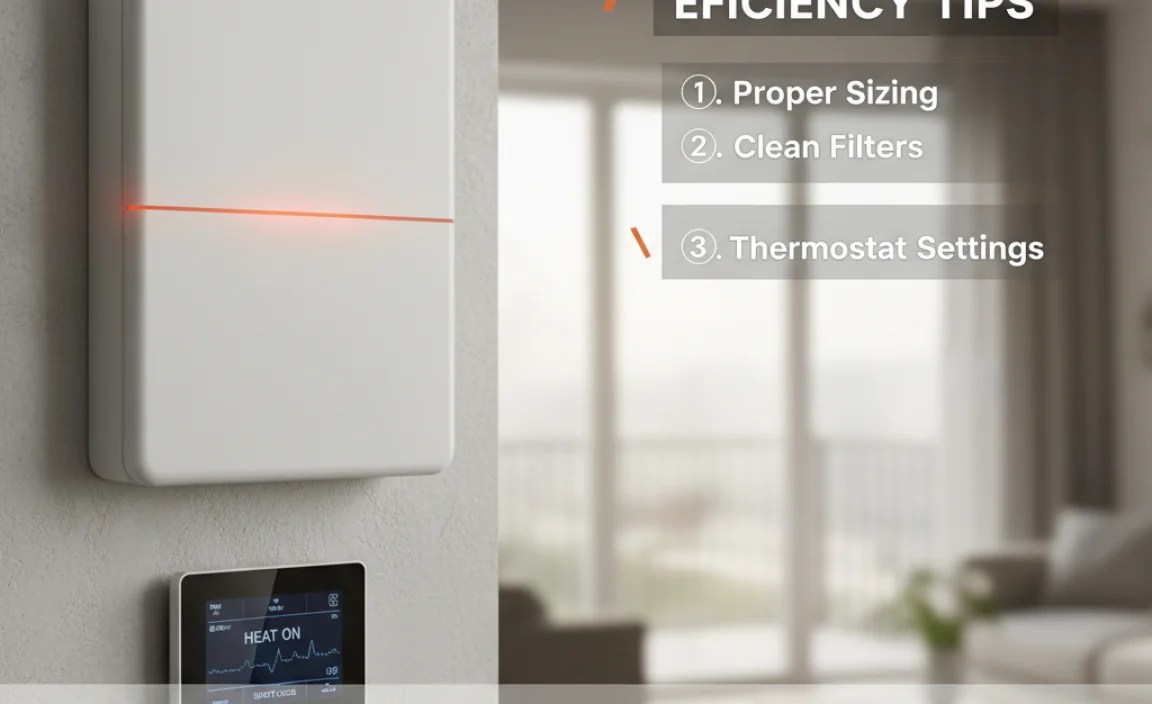
Here are some additional tips to maximize the efficiency of your heat pump and prevent short cycling:
- Use a programmable thermostat: Set the thermostat to lower the temperature when you’re away or asleep.
- Seal air leaks: Caulk and weatherstrip around windows and doors to prevent drafts.
- Improve insulation: Add insulation to your attic, walls, and floors to reduce heat loss.
- Keep vents clear: Ensure that vents and registers are not blocked by furniture or other obstructions.
FAQ About Heat Pump Short Cycling
Here are some frequently asked questions about heat pump short cycling:
- Q: How do I know if my heat pump is short cycling?
- A: If your heat pump turns on and off frequently, running for only a few minutes at a time, it’s likely short cycling. You may also notice that your home isn’t reaching the set temperature.
- Q: Can a dirty air filter really cause short cycling?
- A: Yes, a dirty air filter restricts airflow, which can cause the heat pump to overheat and shut down prematurely.
- Q: Is it safe to try fixing electrical problems myself?
- A: No, electrical problems should always be handled by a qualified electrician or HVAC technician to avoid potential safety hazards.
- Q: How often should I have my heat pump professionally serviced?
- A: It’s recommended to have your heat pump professionally inspected and serviced at least once a year.
- Q: What can I do to prevent my heat pump from freezing up in cold weather?
- A: Clear any obstructions around the outdoor unit, ensure the defrost cycle is working correctly, and consider having a professional inspect the system for underlying issues.
- Q: Can short cycling damage my heat pump?
- A: Yes, short cycling puts extra stress on the heat pump’s components, which can lead to premature wear and tear and potentially costly repairs.
- Q: Will short cycling always cause my energy bills to increase?
- A: Yes, short cycling is inefficient and wastes energy, which will generally lead to higher energy bills.
Conclusion
Heat pump short cycling can be a frustrating issue, but understanding the common causes and solutions can help you get your system back on track. By regularly changing the air filter, keeping the outdoor unit clean, and addressing any potential problems promptly, you can prevent short cycling and ensure your heat pump operates efficiently for years to come. Remember, when in doubt, don’t hesitate to call a qualified HVAC technician for professional assistance. A little maintenance goes a long way in keeping your home comfortable and your energy bills in check!
“`


