
Manufacturing Process of Precision Chucks: Ultimate Guide

Quick Summary: Precision chucks are made through a detailed process. It starts with selecting high-quality steel, followed by machining to create the basic shape. Next, heat treatment hardens the chuck, and precision grinding ensures accuracy. Finally, assembly, testing, and calibration guarantee top performance. This careful process makes precision chucks reliable for holding materials securely.
Ever wondered how those super-accurate precision chucks are made? These essential tools are used in manufacturing to hold materials tightly and accurately. If you’ve struggled with parts slipping or inaccurate cuts, understanding how precision chucks are made can help you appreciate their value. We’ll walk through the entire process, from selecting the right materials to the final testing, so you’ll know what makes these chucks so reliable. Let’s dive in and see how these critical components are manufactured!
What is a Precision Chuck?
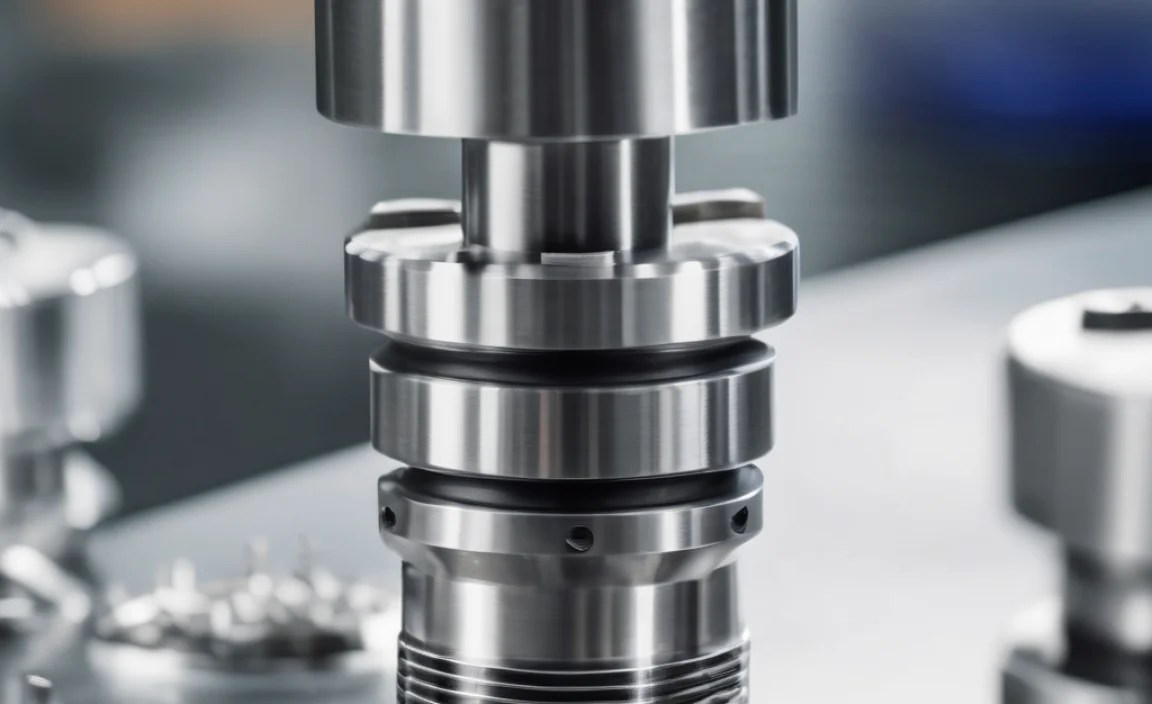
A precision chuck is a specialized tool used to hold an object securely and accurately during machining or other manufacturing processes. Unlike regular chucks, precision chucks are designed to maintain extremely tight tolerances, often measured in microns (millionths of a meter). This accuracy is vital for tasks that require high precision, such as:
- Grinding
- Milling
- Turning
- Inspection
Precision chucks are made to reduce vibration and ensure that the workpiece remains stable throughout the manufacturing process. This stability leads to better surface finishes, tighter tolerances, and higher-quality parts.
Why Precision Chucks are Important
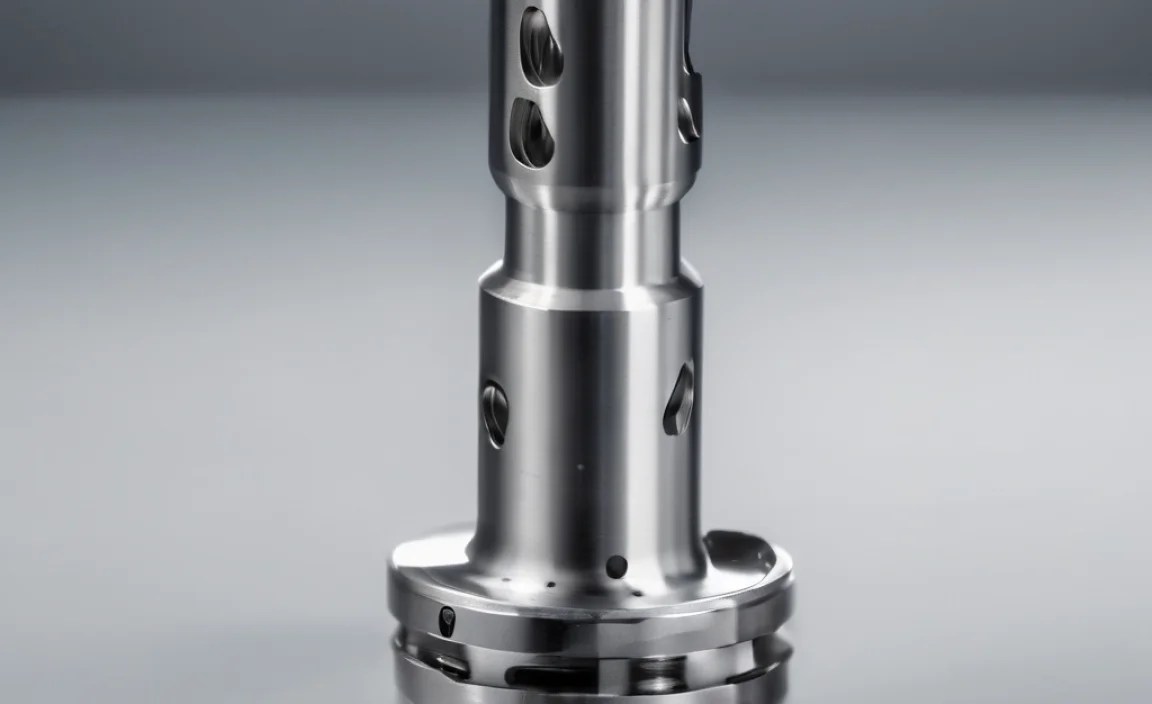
Precision chucks are critical in industries where accuracy and consistency are paramount. Here’s why they matter:
- Accuracy: They ensure the workpiece is held within extremely tight tolerances.
- Repeatability: They provide consistent results across multiple operations.
- Efficiency: They reduce the need for rework by minimizing errors.
- Quality: They improve the surface finish and dimensional accuracy of the final product.
Industries that rely heavily on precision chucks include aerospace, medical device manufacturing, and high-end automotive engineering.
Materials Used in Manufacturing Precision Chucks

The materials used to make precision chucks play a vital role in their performance and durability. The most common material is high-quality steel, often alloyed with other elements to enhance its properties. Here’s a closer look:
- Alloy Steel: Typically used for the body and critical components of the chuck. Common alloys include chromium-molybdenum steel (like 4140 or 4340) due to their high strength, toughness, and wear resistance.
- Hardened Tool Steel: Used for jaws and other parts that require exceptional hardness and wear resistance. Examples include D2 or A2 tool steel.
- Carbide: Sometimes used for jaw inserts to provide even greater wear resistance and grip.
The selection of specific materials depends on the chuck’s intended application, the type of materials it will hold, and the required level of precision. For example, a chuck designed for heavy-duty machining might use a tougher alloy steel, while one used for fine grinding might incorporate carbide inserts.
Step-by-Step Manufacturing Process of Precision Chucks

The manufacturing of precision chucks is a multi-stage process that requires careful attention to detail. Here’s a step-by-step guide:
1. Material Selection
The first step involves selecting the appropriate materials. High-quality alloy steel is chosen based on its strength, hardness, and resistance to wear. The steel must meet strict quality standards to ensure consistent performance.
2. Forging or Casting
The raw material is then shaped into a basic form through forging or casting. Forging involves heating the steel and shaping it using compressive forces, while casting involves pouring molten steel into a mold. Forging generally results in stronger, more durable parts due to the alignment of the steel’s grain structure.
3. Machining
Once the basic shape is formed, machining begins. This involves using various cutting tools to remove excess material and create the precise dimensions required for the chuck. Common machining operations include:
- Turning: Shaping cylindrical parts on a lathe.
- Milling: Using rotary cutters to remove material and create flat surfaces, slots, and other features.
- Drilling: Creating holes with precision.
- Grinding: Achieving very fine surface finishes and tight tolerances.
CNC (Computer Numerical Control) machines are often used to ensure high accuracy and repeatability. These machines follow pre-programmed instructions to guide the cutting tools.
4. Heat Treatment
Heat treatment is a crucial step that enhances the hardness and durability of the chuck. The process typically involves:
- Hardening: Heating the steel to a high temperature and then rapidly cooling it (quenching) to increase its hardness.
- Tempering: Reheating the hardened steel to a lower temperature to reduce brittleness and improve toughness.
- Case Hardening: Applying a hard surface layer to a softer core, providing wear resistance while maintaining overall strength.
The specific heat treatment process depends on the type of steel and the desired properties.
5. Precision Grinding
After heat treatment, the chuck undergoes precision grinding to achieve the final dimensions and surface finish. Grinding uses abrasive wheels to remove small amounts of material, resulting in extremely accurate surfaces. Key areas that are precision ground include:
- Jaw Seats: The surfaces that hold the jaws.
- Tapered Surfaces: For accurate alignment and clamping.
- Mounting Surfaces: To ensure proper fit on the machine tool.
This step is critical for ensuring the chuck’s accuracy and repeatability.
6. Jaw Manufacturing
The jaws, which hold the workpiece, are manufactured separately using similar processes as the chuck body. They are typically made from hardened tool steel or alloy steel and undergo machining, heat treatment, and precision grinding. There are different types of jaws, including:
- Soft Jaws: Made from softer materials like aluminum or mild steel, allowing them to be machined to fit specific workpieces.
- Hard Jaws: Made from hardened steel for greater durability and gripping force.
- Special Jaws: Designed for specific applications, such as holding irregularly shaped parts.
7. Assembly
Once all the components are manufactured, the chuck is assembled. This involves carefully fitting the jaws into the chuck body, along with any other necessary parts such as screws, springs, and adjusting mechanisms. Proper assembly is critical for ensuring the chuck functions smoothly and accurately.
8. Testing and Calibration
After assembly, each chuck undergoes rigorous testing and calibration to ensure it meets the required precision standards. This typically involves:
- Runout Testing: Measuring the amount of wobble or deviation when the chuck is rotated.
- Grip Force Testing: Measuring the force the chuck can exert on a workpiece.
- Accuracy Testing: Verifying the chuck’s ability to hold a workpiece within specified tolerances.
Calibration involves adjusting the chuck to minimize runout and ensure accurate gripping. This may involve adjusting screws, shims, or other components.
9. Finishing and Coating
The final step involves applying a protective coating to the chuck to prevent corrosion and enhance its appearance. Common coatings include:
- Black Oxide: Provides mild corrosion resistance and a black finish.
- Nickel Plating: Offers good corrosion resistance and a bright finish.
- Powder Coating: Provides a durable, scratch-resistant finish in various colors.
The chuck is then inspected one last time before being packaged and shipped.
Tools and Equipment Used in Manufacturing Precision Chucks

Manufacturing precision chucks requires a range of specialized tools and equipment. Here’s an overview:
| Tool/Equipment | Description | Purpose |
|---|---|---|
| CNC Lathes | Computer-controlled machines that rotate the workpiece against cutting tools. | Turning cylindrical parts with high precision. |
| CNC Milling Machines | Computer-controlled machines that use rotary cutters to remove material. | Creating flat surfaces, slots, and other features. |
| Grinding Machines | Machines that use abrasive wheels to achieve very fine surface finishes and tight tolerances. | Precision grinding of critical surfaces. |
| Heat Treatment Furnaces | Equipment used to heat and cool steel to alter its properties. | Hardening, tempering, and case hardening. |
| Testing and Calibration Equipment | Includes runout testers, force gauges, and precision measuring instruments. | Verifying the chuck’s accuracy and performance. |
| Measuring Instruments | Tools like micrometers, calipers, and coordinate measuring machines (CMMs). | Ensuring parts meet dimensional specifications. |
Quality Control in Precision Chuck Manufacturing
Quality control is an integral part of the precision chuck manufacturing process. It ensures that each chuck meets the required standards for accuracy, durability, and performance. Here are some key aspects of quality control:
- Material Inspection: Verifying that the raw materials meet the specified requirements for composition, hardness, and other properties.
- In-Process Inspection: Checking dimensions and surface finishes at each stage of manufacturing.
- Final Inspection: Conducting thorough testing and calibration to ensure the finished chuck meets all performance criteria.
- Statistical Process Control (SPC): Using statistical methods to monitor and control the manufacturing process, identifying and addressing any deviations from the norm.
By implementing rigorous quality control measures, manufacturers can minimize defects and ensure that their precision chucks deliver reliable performance.
Common Issues in Precision Chuck Manufacturing and How to Solve Them
Even with careful planning and execution, some issues can arise during the manufacturing of precision chucks. Here are a few common problems and their solutions:
| Issue | Possible Cause | Solution |
|---|---|---|
| Excessive Runout | Misalignment of components, improper grinding, or damage during handling. | Carefully inspect components for damage, ensure proper alignment during assembly, and re-grind critical surfaces. |
| Insufficient Grip Force | Improper heat treatment, worn jaws, or incorrect assembly. | Verify heat treatment parameters, replace worn jaws, and ensure proper assembly and lubrication. |
| Poor Surface Finish | Dull cutting tools, incorrect machining parameters, or contamination. | Use sharp cutting tools, optimize machining parameters, and ensure a clean working environment. |
| Dimensional Inaccuracies | Machine tool errors, incorrect programming, or thermal expansion. | Calibrate machine tools, verify CNC programs, and control temperature variations. |
Tips for Maintaining Precision Chucks
To ensure your precision chucks continue to perform at their best, proper maintenance is essential. Here are some tips:
- Regular Cleaning: Clean the chuck regularly to remove chips, dirt, and other contaminants. Use a brush and a mild solvent.
- Proper Lubrication: Lubricate the moving parts of the chuck to reduce friction and wear. Use a high-quality grease or oil recommended by the manufacturer.
- Inspection: Inspect the chuck regularly for signs of wear, damage, or corrosion. Pay close attention to the jaws, screws, and other critical components.
- Storage: Store the chuck in a clean, dry place when not in use. Protect it from impact and vibration.
- Jaw Care: Keep the jaws clean and free of damage. Replace worn or damaged jaws promptly.
The Future of Precision Chuck Manufacturing
The field of precision chuck manufacturing continues to evolve, driven by advancements in technology and increasing demands for accuracy and efficiency. Some trends shaping the future of precision chuck manufacturing include:
- Automation: Increased use of robots and automated systems to improve productivity and reduce labor costs.
- Additive Manufacturing: Using 3D printing to create complex chuck designs with optimized performance characteristics.
- Smart Chucks: Integrating sensors and data analytics to monitor chuck performance and predict maintenance needs.
- Advanced Materials: Exploring new materials with enhanced properties, such as higher strength, wear resistance, and thermal stability.
These advancements promise to make precision chucks even more accurate, reliable, and efficient in the years to come.
FAQ About Manufacturing Process of Precision Chucks
What is the primary material used in making precision chucks?
High-quality alloy steel is the primary material. It’s chosen for its strength, hardness, and resistance to wear.
Why is heat treatment important in the manufacturing process?
Heat treatment enhances the hardness and durability of the chuck. It involves hardening, tempering, and sometimes case hardening.
What is precision grinding, and why is it necessary?
Precision grinding uses abrasive wheels to remove small amounts of material, achieving extremely accurate surfaces and tight tolerances, which is essential for the chuck’s accuracy.
How are the jaws of a precision chuck made?
Jaws are typically made from hardened tool steel or alloy steel, undergoing machining, heat treatment, and precision grinding, similar to the chuck body.
What kind of testing is done on precision chucks after assembly?
After assembly, chucks undergo runout testing, grip force testing, and accuracy testing to ensure they meet precision standards.
Why is quality control so important in precision chuck manufacturing?
Quality control ensures that each chuck meets the required standards for accuracy, durability, and performance, minimizing defects and ensuring reliable performance.
How can I maintain my precision chuck to ensure it lasts longer?
Regular cleaning, proper lubrication, frequent inspections, and careful storage are key to maintaining precision chucks and extending their lifespan.
Conclusion
Understanding the manufacturing process of precision chucks highlights the intricate steps and meticulous quality control measures that ensure their accuracy and reliability. From selecting high-grade alloy steel to precision grinding and rigorous testing, each stage is vital for creating a tool that can hold materials with extreme precision. By knowing the materials, processes, and maintenance required, you can appreciate the value of these essential components in manufacturing. Whether you’re a seasoned machinist or just starting out, this knowledge will help you make informed decisions and ensure optimal performance in your work. Now you know what it takes to make these high-precision tools!


