
How to Lock Air Chuck Securely: The Easy Way

How to Lock an Air Chuck Securely: A Step-by-Step Guide

Quick Summary: Locking an air chuck securely involves choosing the right chuck type (lever or screw-on), ensuring proper valve stem alignment, and using firm, steady pressure. For lever chucks, listen for a solid “click”; for screw-on types, tighten until snug but not overtightened. Regularly inspect and maintain your chuck for wear and tear to guarantee a leak-free connection every time.
Ever struggled with an air chuck that just won’t stay put? You’re not alone! Getting a secure connection between your pump and tire valve can be a real pain. A loose air chuck leads to frustrating leaks, wasted effort, and under-inflated tires. But don’t worry, there’s a simple solution.
In this guide, I’ll walk you through the steps to lock your air chuck securely, whether you’re using a lever-style or screw-on type. We’ll cover how to choose the right chuck, align it properly, and maintain it for long-lasting performance. By the end, you’ll be inflating your tires with confidence and getting back on the road in no time!
Understanding Air Chucks: Types and Features

Before diving into the locking process, let’s understand the different types of air chucks you might encounter. Knowing their features will help you choose the right one and use it effectively.
Lever-Type Air Chucks
Lever-type air chucks are popular for their quick and easy operation. They feature a lever that, when engaged, clamps the chuck onto the valve stem.
- Pros: Fast attachment and detachment, suitable for frequent use.
- Cons: Can sometimes leak if not properly aligned or if the lever mechanism is worn.
Screw-On Air Chucks
Screw-on air chucks provide a more secure connection by threading onto the valve stem. They are ideal for situations where a leak-free seal is crucial.
- Pros: Provides a very secure and leak-free connection.
- Cons: Slower to attach and detach compared to lever-type chucks.
Dual-Head Air Chucks
Dual-head air chucks are designed with two chucks at different angles, making them suitable for hard-to-reach valve stems, such as those on dual wheels or some disc wheels.
- Pros: Versatile for different valve stem orientations.
- Cons: Can be bulkier than other types.
Step-by-Step Guide to Locking an Air Chuck Securely

Now, let’s get into the practical steps for locking your air chuck securely. I’ll cover both lever-type and screw-on chucks to ensure you’re covered no matter what type you have.
Step 1: Preparing Your Valve Stem
Before attaching the air chuck, make sure your valve stem is clean and free of debris. A clean valve stem ensures a better seal and prevents leaks.
- Inspect the Valve Stem: Look for dirt, grime, or damage.
- Clean the Valve Stem: Use a clean cloth to wipe it down.
- Ensure Proper Alignment: Make sure the valve stem is straight and not bent.
Step 2: Locking a Lever-Type Air Chuck
Lever-type chucks are all about quick action. Follow these steps to get a secure lock.
- Position the Chuck: Place the chuck over the valve stem, ensuring it’s aligned straight.
- Apply Pressure: Push the chuck firmly onto the valve stem.
- Engage the Lever: Flip the lever to lock the chuck in place. You should hear a distinct “click.”
- Check for Leaks: Listen for any hissing sounds. If you hear a leak, readjust the chuck and try again.
Step 3: Locking a Screw-On Air Chuck
Screw-on chucks require a bit more finesse but provide a more reliable seal.
- Align the Chuck: Carefully align the chuck with the valve stem.
- Begin Threading: Start screwing the chuck onto the valve stem.
- Tighten Securely: Tighten the chuck until it’s snug. Avoid overtightening, which can damage the valve stem.
- Check for Leaks: Listen for any hissing sounds. If you hear a leak, tighten the chuck a bit more.
Step 4: Ensuring a Secure Connection
Regardless of the chuck type, these tips will help you ensure a secure, leak-free connection.
- Apply Steady Pressure: Maintain consistent pressure while inflating.
- Listen for Leaks: Pay attention to any hissing sounds that indicate a leak.
- Check the Connection: Periodically check the connection during inflation to ensure it remains secure.
Troubleshooting Common Air Chuck Issues
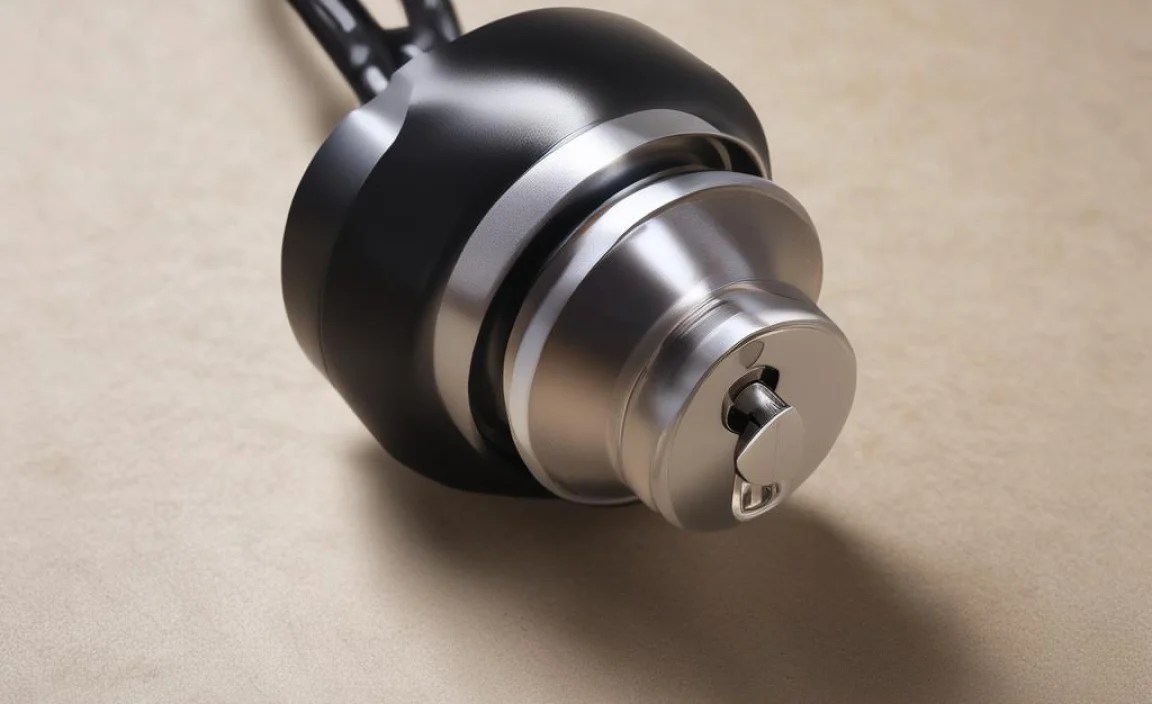
Sometimes, despite your best efforts, you might encounter issues with your air chuck. Here are some common problems and how to fix them.
Problem 1: Air Leaks
Air leaks are the most common issue. Here’s how to address them.
- Cause: Misalignment, worn chuck, or damaged valve stem.
- Solution: Realign the chuck, replace the chuck if worn, or replace the valve stem if damaged.
Problem 2: Difficulty Attaching the Chuck
Struggling to attach the chuck? Here’s what to do.
- Cause: Debris on the valve stem or chuck, damaged threads (for screw-on types).
- Solution: Clean the valve stem and chuck, or replace the chuck if the threads are damaged.
Problem 3: Chuck Won’t Lock
If your lever-type chuck won’t lock, try these steps.
- Cause: Worn lever mechanism, incorrect alignment.
- Solution: Replace the chuck, ensure proper alignment.
Maintaining Your Air Chuck for Longevity

Proper maintenance will extend the life of your air chuck and ensure reliable performance. Here are some maintenance tips.
- Clean Regularly: Wipe down the chuck after each use to remove dirt and debris.
- Lubricate Moving Parts: Use a silicone-based lubricant on the lever mechanism of lever-type chucks.
- Inspect for Wear: Regularly check for wear and tear, such as worn threads or loose levers.
- Store Properly: Store the chuck in a clean, dry place to prevent corrosion.
Choosing the Right Air Chuck for Your Needs
Selecting the right air chuck depends on your specific needs and preferences. Here are some factors to consider.
Valve Stem Type
Consider the type of valve stems on your tires (Presta or Schrader) and choose a chuck that is compatible.
Frequency of Use
If you inflate your tires frequently, a lever-type chuck might be more convenient. For less frequent use, a screw-on chuck can provide a more secure connection.
Budget
Air chucks range in price from a few dollars to more expensive, high-quality models. Set a budget and choose a chuck that offers the best value for your needs.
Recommended Tools and Accessories
Here are some tools and accessories that can make tire inflation easier and more efficient.
- Tire Pressure Gauge: Essential for ensuring accurate inflation.
- Valve Stem Tool: Useful for removing and replacing valve stems.
- Silicone Lubricant: Helps maintain the moving parts of your air chuck.
- Cleaning Cloth: For keeping your valve stems and chuck clean.
Advanced Tips for Optimal Inflation
Once you’ve mastered the basics, here are some advanced tips to optimize your tire inflation process.
Use a High-Quality Pump
A reliable pump with a built-in pressure gauge can make a big difference in accuracy and efficiency. Look for pumps with durable construction and easy-to-read gauges.
Check Tire Pressure Regularly
Regularly checking your tire pressure ensures optimal performance and extends the life of your tires. Aim to check your tire pressure before each ride.
Understand Tire Pressure Recommendations
Refer to the tire manufacturer’s recommendations for optimal tire pressure. These recommendations are usually printed on the sidewall of the tire.
Air Chuck Comparison Table
Here’s a comparison table to help you quickly evaluate different types of air chucks.
| Type of Air Chuck | Pros | Cons | Best Use |
|---|---|---|---|
| Lever-Type | Fast attachment, easy to use | Can leak if not aligned properly | Frequent use, quick adjustments |
| Screw-On | Secure, leak-free connection | Slower to attach and detach | Infrequent use, critical applications |
| Dual-Head | Versatile for different valve angles | Can be bulky | Dual wheels, hard-to-reach valves |
Air Chuck Materials Comparison
Here’s a comparison table to help you quickly evaluate different types of air chuck materials.
| Air Chuck Material | Pros | Cons | Best Use |
|---|---|---|---|
| Brass | Durable, corrosion-resistant | Can be more expensive | Frequent use, wet environments |
| Steel | Strong, long-lasting | Can rust if not maintained | Heavy-duty applications |
| Plastic | Lightweight, inexpensive | Less durable | Occasional use, budget-friendly |
Frequently Asked Questions (FAQs)
Here are some common questions about locking air chucks securely.
Why does my air chuck keep leaking?
A leaking air chuck is often due to misalignment, a worn chuck, or a damaged valve stem. Try realigning the chuck, and if that doesn’t work, consider replacing the chuck or valve stem. Ensuring the valve stem is clean can also help.
How tight should I screw on an air chuck?
Tighten the chuck until it’s snug but not overtightened. Overtightening can damage the valve stem and cause leaks. A gentle, firm tightening is usually sufficient.
Can I use the same air chuck for Presta and Schrader valves?
No, Presta and Schrader valves require different types of chucks. Some chucks are dual-head and can accommodate both types, but you’ll need to ensure you’re using the correct head for your valve type.
How often should I replace my air chuck?
Replace your air chuck when you notice signs of wear, such as worn threads, loose levers, or frequent leaks. With proper maintenance, a good quality air chuck can last for several years.
What type of lubricant should I use on my air chuck?
Use a silicone-based lubricant on the moving parts of your air chuck. Silicone lubricants are safe for rubber and plastic components and won’t attract dirt and grime.
Why is it so hard to attach my air chuck?
Difficulty attaching an air chuck can be due to debris on the valve stem or chuck, or damaged threads (for screw-on types). Clean both the valve stem and chuck, and if the threads are damaged, consider replacing the chuck.
How do I know if my tire is properly inflated?
Use a tire pressure gauge to check the tire pressure. Refer to the tire manufacturer’s recommendations for optimal tire pressure, which is usually printed on the sidewall of the tire. Continental Tires offers helpful guides to understanding appropriate tire pressure.
Conclusion
Locking an air chuck securely is a fundamental skill for any cyclist. By understanding the different types of air chucks, following the step-by-step guides, and practicing regular maintenance, you can ensure a leak-free connection and properly inflated tires every time. So, grab your pump, choose the right chuck, and get ready to enjoy a smoother, more efficient ride. Happy cycling!


