
How to Fix Mount for Older Bike Without Threads: Easy!

Did you find an old bike in your garage? Does it need a new bike mount? Older bikes can be tricky. They sometimes don’t have modern threads for new parts. This means you need to find a way to attach things without those threads. We can figure out how to fix mount for older bike without threads.
This guide will help you learn how. You will learn some easy ways to attach new parts. Let’s get your old bike working like new again! It’s a fun project. Soon you’ll be riding around on your cool, fixed-up bike.
You can learn to fix your bike. It is not as hard as it looks. Let’s learn how to fix mount for older bike without threads. With a few simple steps, you can do it. Your bike will be ready for new adventures.
Key Takeaways
- Using clamps or adapters are great for adding mounts without threads.
- Consider using zip ties or hose clamps for a temporary mounting solution.
- Self-adhesive mounts can work on some surfaces, but test them first.
- When trying to figure out how to fix mount for older bike without threads, safety is key.
- Always double-check your mounting solution to ensure it is stable and secure.
Finding Mount Options for Threadless Bikes
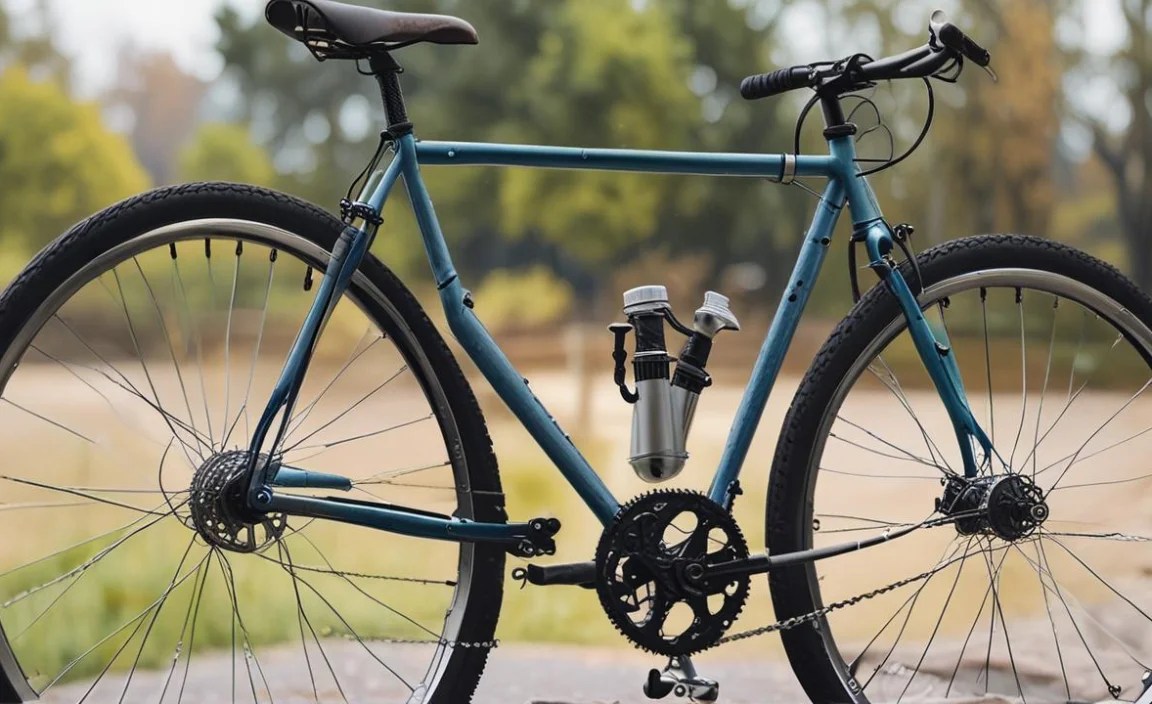
Old bikes are cool, but they can be hard to update. Many older bikes don’t have the threaded holes for new accessories. This means you can’t just screw on a new bike rack or water bottle holder. You need to find other ways to attach things. Luckily, there are many options. You can use clamps, adapters, or even zip ties. These methods let you add new parts without needing threads. It’s like giving your old bike a modern upgrade without changing its classic look. Understanding how to fix mount for older bike without threads opens up a world of possibilities. This lets you enjoy your vintage ride with all the modern conveniences you want. It’s all about getting creative and finding what works best for your bike. Remember to always prioritize safety when choosing your mounting method.
- Use clamps to attach accessories to the frame.
- Try adapters that wrap around the bike frame.
- Zip ties can hold lightweight items.
- Hose clamps are strong and adjustable.
- Self-adhesive mounts work on clean surfaces.
- Check the weight limit of each mounting option.
Choosing the right mounting option depends on what you want to attach. For heavier items like bike racks, you’ll need something strong like clamps or adapters. For lighter items like lights or small bags, zip ties or self-adhesive mounts might work. Always test the mount before you go for a ride. Make sure it’s secure and won’t move around. Think about the look too. Some mounts are more noticeable than others. You might want something that blends in with your bike’s style. No matter what you choose, make sure it’s safe and reliable. Learning how to fix mount for older bike without threads means finding the best balance between function and style for your vintage bicycle.
What are the Best Clamps for Older Bikes?
Have you ever wondered how mechanics attach things to bikes without screws? Clamps are your answer. They grip the bike frame tightly. There are many types of clamps. Some are made of metal, and some are made of plastic. Metal clamps are usually stronger. Plastic clamps can be lighter. Look for clamps that have a rubber lining. This will protect your bike’s paint. Make sure the clamp is the right size for your bike frame. Too big, and it will slip. Too small, and it won’t fit. Always tighten the clamp securely. Check it before each ride. Clamps are great for adding lights or small bags to your bike.
How Do Adapters Help with Threadless Mounts?
Adapters are like magic tools for bikes. They let you attach new things to old bikes. Adapters wrap around the bike frame. They create a place to screw in new parts. Some adapters are made for specific items. For example, there are adapters for water bottle holders. Other adapters are more general. They can hold many different things. When choosing an adapter, make sure it fits your bike frame. Measure the frame carefully. Look for adapters made of strong materials. Metal adapters are usually the most durable. Install the adapter tightly. Check it often to make sure it’s still secure. Adapters can make your old bike feel new again.
Can Zip Ties Really Hold Bike Accessories?
Imagine you’re on a bike ride, and your light falls off. What can you do? Zip ties to the rescue! These little plastic strips can be surprisingly strong. They are great for attaching lightweight items. Think about lights, small bags, or even your bike computer. To use zip ties, wrap them around the accessory and your bike frame. Pull them tight and cut off the extra plastic. Use several zip ties for each item. This will make the mount more secure. Check the zip ties regularly. Replace them if they look worn. Zip ties are a quick and easy way to add accessories. However, they are not the best choice for heavy items. Always use them with caution.
Fun Fact or Stat: The first bicycle with pedals was invented in 1860 by Ernest Michaux, a French blacksmith!
Using Clamps to Attach Accessories Safely

Clamps are a super useful way to add things to your bike. They work great, especially if your bike doesn’t have the holes for screws. But, you have to use them the right way. Getting how to fix mount for older bike without threads with clamps means knowing your stuff. First, pick the right size clamp for your bike frame. If it’s too big, it will slip. Too small, and it won’t fit. Make sure the clamp is strong enough for what you want to attach. A heavy bike rack needs a tougher clamp than a small light. Tighten the clamp well, but don’t overdo it. You don’t want to damage your bike frame. Check the clamp often to make sure it’s still tight. With the right clamps and a little care, you can add all sorts of things to your bike safely.
- Choose the correct clamp size for your frame.
- Use clamps made of strong materials like metal.
- Tighten clamps securely, but avoid over-tightening.
- Check clamps regularly for wear and tear.
- Use rubber liners to protect your bike’s paint.
- Consider the weight limit of the clamp.
Using clamps safely is all about paying attention to detail. Before you even buy a clamp, think about what you need it to do. How heavy is the item you want to attach? Where on your bike will you put it? Once you have the clamp, read the instructions carefully. Follow them step-by-step. When you tighten the clamp, do it slowly. Check that it’s even on both sides. If you’re not sure how tight to make it, ask a bike shop for help. After you install the clamp, give it a good shake. Does it feel solid? If not, adjust it until it does. Remember, safety comes first. Learning how to fix mount for older bike without threads with clamps is easy once you know the tricks.
How Tight Should Clamps Be on a Bike Frame?
Imagine you are tightening a bolt. Too loose, and it wobbles. Too tight, and it snaps. Bike clamps are the same. You want them just right. So, how tight should clamps be on a bike frame? The answer is: snug but not strained. Tighten the clamp until it feels secure. It should not move when you push it. But don’t crank it down with all your might. This can damage your bike frame. Use a torque wrench if you have one. This tool measures how tight you are making the bolt. Follow the manufacturer’s instructions. If you don’t have a torque wrench, tighten by feel. Check the clamp regularly. If it loosens, tighten it a little more. Finding the right tightness takes practice. But it’s important for safety.
What Materials Make the Best Bike Clamps?
What makes a bike clamp strong and reliable? The answer is the material it’s made from. Different materials have different strengths. Metal clamps are usually the strongest. Steel is a popular choice. It’s strong and doesn’t bend easily. Aluminum is lighter than steel. It’s a good choice if you want to save weight. Plastic clamps are also available. They are the lightest option. But they are not as strong as metal. Look for plastic clamps made from durable materials. Nylon is a good choice. It’s strong and can handle different weather conditions. Choose the material that best fits your needs. Consider the weight of the item you’re attaching. Think about how often you’ll be using your bike. This will help you choose the right clamp material.
How Do Rubber Liners Protect Bike Frames?
Have you ever worn shoes that were too tight? They rub and cause blisters. Bike clamps can do the same to your bike frame. That’s where rubber liners come in. These soft pieces of rubber go between the clamp and the frame. They protect the paint from scratches. They also help the clamp grip better. The rubber creates friction. This stops the clamp from slipping. Rubber liners come in different sizes. Choose one that fits your clamp. You can also cut your own liners from a sheet of rubber. Make sure the liner is clean. Dirt can scratch the paint. Replace the liner if it gets worn. Rubber liners are a simple way to protect your bike.
Fun Fact or Stat: The Tour de France, the world’s most famous bicycle race, began in 1903!
Using Adapters for Mounting on Older Bikes

Adapters are like special helpers for your bike. They let you add new things even if your bike is old. They are key to how to fix mount for older bike without threads. Think of them as a bridge between the old and the new. These cool tools wrap around your bike frame. This gives you a spot to screw in new accessories. There are adapters for almost everything. You can find them for water bottle holders, lights, and even bike racks. Picking the right adapter is important. Make sure it fits your bike frame. Measure the frame carefully before you buy. Look for adapters made of strong stuff. Metal is usually the best. Install the adapter tightly, and check it often. With the right adapter, your old bike can do anything a new bike can do.
- Measure your bike frame before buying an adapter.
- Choose adapters made of durable materials like metal.
- Install adapters tightly and check them regularly.
- Use adapters designed for specific accessories.
- Consider the weight limit of the adapter.
- Read reviews to find reliable adapters.
Using adapters is a great way to bring your old bike into the modern age. It’s like giving it a superpower. But, you need to be careful. Not all adapters are created equal. Some are better than others. Do your research before you buy. Read reviews from other bikers. See what they say about different adapters. Pay attention to the weight limit. Don’t put too much weight on the adapter. This could cause it to break. When you install the adapter, follow the instructions. Don’t skip any steps. Tighten the screws carefully. If you’re not sure how to do it, ask a bike shop for help. With the right adapter and a little care, you can add anything you want to your old bike.
What Are the Different Types of Bike Adapters?
Did you know there are many kinds of bike adapters? It’s true! Each one is made for a specific purpose. Some adapters let you attach water bottle holders. Others are for lights or bike racks. There are even adapters for fenders. The most common type is the frame adapter. This wraps around your bike frame. It gives you a place to screw in new accessories. Another type is the seatpost adapter. This lets you change the size of your seatpost. This is useful if you want to use a different seat. There are also handlebar adapters. These let you attach accessories to your handlebars. No matter what you need, there’s probably an adapter for it. Just do some research and find the right one for your bike.
How Do You Install a Frame Adapter Correctly?
Installing a frame adapter might seem tricky. But it’s actually quite easy. First, gather your tools. You’ll need a screwdriver or Allen wrench. The size depends on the adapter. Read the instructions carefully. They will tell you what tools you need. Next, clean the area on your bike frame. Remove any dirt or grease. This will help the adapter grip better. Now, wrap the adapter around the frame. Line it up with the holes for the accessory. Insert the screws and tighten them. Don’t over-tighten. This can damage the adapter or your frame. Check the adapter to make sure it’s secure. Give it a little shake. If it moves, tighten the screws a bit more. That’s it! You’ve successfully installed a frame adapter.
What Should You Do if an Adapter Doesn’t Fit?
Uh oh! Your adapter doesn’t fit. Don’t panic. There are a few things you can try. First, double-check the size. Did you measure your bike frame correctly? Is the adapter the right size for your frame? If the size is wrong, you’ll need to exchange the adapter. If the size is right, try adjusting the adapter. Some adapters have adjustable straps. These can help you get a better fit. If the adapter is still too small, you might need a different model. Look for adapters that are designed for larger frames. If the adapter is too big, you can try adding some padding. Use rubber or foam to fill the gap. This will help the adapter fit more snugly. If all else fails, ask a bike shop for help. They might have some tricks up their sleeves.
Fun Fact or Stat: The first mountain bike was created in the 1970s in Marin County, California!
Using Zip Ties and Hose Clamps Effectively

Sometimes, you need a quick and easy fix. That’s where zip ties and hose clamps come in handy. They are not as fancy as clamps or adapters, but they can get the job done. Understanding how to fix mount for older bike without threads sometimes means using simple solutions. Zip ties are great for lightweight items. Think of lights, small bags, or even your bike computer. Hose clamps are stronger. They can hold heavier items. To use zip ties, wrap them around the accessory and your bike frame. Pull them tight and cut off the extra plastic. Use several zip ties for each item. This will make the mount more secure. For hose clamps, wrap the clamp around the accessory and the frame. Tighten the screw until the clamp is snug. Check both zip ties and hose clamps regularly. Replace them if they look worn.
- Use multiple zip ties for added security.
- Choose the right size hose clamp for a snug fit.
- Check zip ties and hose clamps for wear regularly.
- Avoid over-tightening hose clamps to prevent damage.
- Use zip ties for lightweight items only.
- Consider the weather when using zip ties outdoors.
Using zip ties and hose clamps effectively is all about knowing their limits. Zip ties are great for quick fixes, but they are not a long-term solution for heavy items. Hose clamps are stronger, but they can still break if you overload them. Before you use either one, think about the weight of the item you’re attaching. Also, consider the conditions you’ll be riding in. Will it be hot or cold? Will it be wet or dry? These factors can affect the lifespan of zip ties and hose clamps. When you install them, make sure they are snug but not too tight. Over-tightening can damage your bike frame. Check them regularly to make sure they are still secure. With a little care, zip ties and hose clamps can be a valuable addition to your biking toolkit.
What Are the Best Zip Ties for Bike Accessories?
Not all zip ties are created equal. Some are stronger and more durable than others. When choosing zip ties for bike accessories, look for ones made of nylon. Nylon is a strong and flexible material. It can withstand different weather conditions. Also, consider the width of the zip tie. Wider zip ties are generally stronger. Choose a zip tie that is appropriate for the weight of the item you’re attaching. For lightweight items, a standard zip tie will work fine. For heavier items, use a heavy-duty zip tie. You can find zip ties in different colors. Choose a color that matches your bike. This will make the mount look more professional. Always carry extra zip ties with you on your rides. You never know when you might need them.
How Do You Choose the Right Size Hose Clamp?
Choosing the right size hose clamp is important for a secure fit. Too small, and it won’t fit around the accessory and your bike frame. Too big, and it won’t tighten properly. To choose the right size, measure the diameter of the accessory and the bike frame. Add these measurements together. This will give you the minimum size hose clamp you need. Look for hose clamps that are adjustable. This will give you some flexibility. You can tighten or loosen the clamp as needed. When you install the hose clamp, make sure it’s centered on the accessory and the frame. This will distribute the pressure evenly. Avoid over-tightening the hose clamp. This can damage your bike frame. Check the hose clamp regularly to make sure it’s still tight.
Can You Reuse Zip Ties on a Bike?
Zip ties are designed for one-time use. Once you tighten them, they are difficult to remove without cutting them. However, there are some reusable zip ties available. These zip ties have a release mechanism. You can loosen them and reuse them again. Reusable zip ties are a good choice if you need to adjust the position of your accessories. They are also more environmentally friendly. If you use standard zip ties, you can’t reuse them. Once you cut them, they are no longer usable. It’s always a good idea to have extra zip ties on hand. This way, you can replace them as needed. Remember to dispose of used zip ties properly. Don’t litter! Throw them in the trash.
Fun Fact or Stat: Bicycles are the most efficient form of human-powered transportation!
Exploring Self-Adhesive Mounting Options
Self-adhesive mounts are like stickers for your bike. They stick directly to the frame. This makes them super easy to use. But, are they strong enough? They can be, for lightweight items. Think of small lights or reflectors. Self-adhesive mounts work best on clean, smooth surfaces. Before you stick one on, clean the area well. Use rubbing alcohol to remove any dirt or grease. Press the mount firmly onto the frame. Hold it for a few seconds. This will help the adhesive bond. Give the adhesive some time to cure. Wait at least 24 hours before attaching anything to the mount. Check the mount regularly to make sure it’s still secure. If it starts to peel off, replace it. Self-adhesive mounts are a convenient option. But they are not as strong as clamps or adapters. They are a good choice for light items on smooth surfaces.
- Clean the bike frame thoroughly before applying the mount.
- Choose self-adhesive mounts designed for outdoor use.
- Apply firm pressure when attaching the mount to the frame.
- Allow the adhesive to cure for at least 24 hours.
- Check the mount regularly for signs of peeling.
- Use self-adhesive mounts for lightweight items only.
Using self-adhesive mounts is all about preparation and caution. Before you even buy a mount, think about where you want to put it. Is the surface clean and smooth? Is it exposed to the weather? Some self-adhesive mounts are not designed for outdoor use. They can peel off in the rain or heat. Look for mounts that are specifically made for bikes. These mounts are usually more durable. When you apply the mount, make sure it’s straight. Once it’s stuck on, it’s hard to remove. After you attach the mount, wait before adding anything to it. This will give the adhesive time to bond. Check the mount regularly. If it starts to peel off, replace it right away. With the right preparation and a little care, self-adhesive mounts can be a useful addition to your biking toolkit.
What Surfaces Are Best for Adhesive Mounts?
Adhesive mounts love smooth, clean surfaces. They stick best to metal or plastic. Avoid rough or textured surfaces. These surfaces don’t provide a good grip. Before you apply an adhesive mount, clean the surface well. Use rubbing alcohol to remove any dirt or grease. Let the surface dry completely. This will help the adhesive bond. If the surface is painted, make sure the paint is in good condition. Peeling paint can weaken the bond. Some surfaces are not suitable for adhesive mounts. These include rubber, silicone, and fabric. These materials don’t allow the adhesive to stick. Choose a surface that is smooth, clean, and dry. This will give your adhesive mount the best chance of success.
How Do You Remove Adhesive Mounts Without Damage?
Removing adhesive mounts can be tricky. You don’t want to damage your bike frame. The key is to soften the adhesive. You can do this with heat. Use a hair dryer to warm the mount. Hold the hair dryer a few inches away from the mount. Move it back and forth to avoid overheating. After a few minutes, the adhesive should start to soften. Gently peel the mount away from the frame. Use a plastic scraper to help. Avoid using metal tools. These can scratch the paint. If there is any adhesive residue left, you can remove it with rubbing alcohol. Soak a cloth in rubbing alcohol and rub the area gently. The residue should come off easily. Clean the area with soap and water. Dry it thoroughly.
Are There Weather-Resistant Adhesive Mounts?
Yes! Weather-resistant adhesive mounts are available. These mounts are designed to withstand rain, heat, and cold. They are made with special adhesives that are more durable. Look for mounts that are labeled as “weather-resistant” or “outdoor use.” These mounts will last longer than standard adhesive mounts. When you install a weather-resistant mount, follow the instructions carefully. Make sure the surface is clean and dry. Press the mount firmly onto the frame. Allow the adhesive to cure for at least 24 hours. Check the mount regularly for signs of peeling. If it starts to peel off, replace it right away. Weather-resistant adhesive mounts are a good choice for bikers who ride in all conditions.
Fun Fact or Stat: The longest bicycle in the world is over 117 feet long and requires a team of riders!
Ensuring Safety with Any Mounting Solution
No matter what mounting method you choose, safety is key. This is especially important when learning how to fix mount for older bike without threads. Always double-check your work. Make sure the mount is secure and won’t move around. If you’re using clamps or adapters, tighten the screws properly. If you’re using zip ties or hose clamps, make sure they are snug. If you’re using self-adhesive mounts, check them regularly for peeling. Before each ride, give the mount a good shake. If it feels loose, tighten it or replace it. Don’t overload the mount. Each mount has a weight limit. Exceeding this limit can cause the mount to break. This could lead to an accident. Always prioritize safety. A little extra caution can go a long way.
- Double-check all mounts before each ride.
- Ensure the mount is secure and stable.
- Do not exceed the weight limit of the mount.
- Replace worn or damaged mounts immediately.
- Use reflective tape on mounts for added visibility.
- Consider the mounting location for safety.
Ensuring safety with your mounting solution is an ongoing process. It’s not just a one-time thing. You need to check your mounts regularly, especially after long rides. Vibrations from the road can loosen screws and weaken adhesives. Pay attention to any unusual noises or movements. These could be signs that your mount is failing. If you’re not sure about the safety of your mount, ask a bike shop for help. They can inspect your bike and give you advice. Remember, your safety is worth it. Don’t take any chances. A little extra effort can prevent accidents and injuries. Learning how to fix mount for older bike without threads safely is the most important thing.
What Are the Signs of a Failing Bike Mount?
A failing bike mount can be dangerous. It’s important to recognize the signs. One sign is looseness. If the mount feels wobbly, it’s probably not secure. Another sign is movement. If the accessory moves around while you’re riding, the mount is likely failing. Cracks or breaks in the mount are also a bad sign. These indicate that the mount is weakened. Unusual noises can also be a warning. Clicking or creaking sounds suggest that the mount is under stress. Finally, visual signs of wear are important. Look for peeling adhesive or frayed zip ties. If you notice any of these signs, replace the mount immediately.
How Can You Prevent Mounts From Loosening?
Preventing mounts from loosening is all about proper installation and maintenance. First, make sure you install the mount correctly. Follow the instructions carefully. Tighten all screws and bolts properly. Use a torque wrench if possible. This will help you avoid over-tightening. After installation, check the mount regularly. Tighten any loose screws or bolts. Use threadlocker on screws that tend to loosen. This will help keep them in place. Avoid overloading the mount. Exceeding the weight limit can cause it to loosen. Finally, inspect the mount for wear and tear. Replace it if you notice any cracks or breaks.
What Should You Do in Case of Mount Failure?
If a mount fails while you’re riding, stay calm. Don’t panic. Slow down gradually. Avoid sudden braking or steering. If possible, pull over to the side of the road. Assess the situation. Is the accessory still attached to the bike? If not, try to retrieve it safely. If the accessory is dangling, carefully remove it. Avoid touching any wires or sharp edges. Once you’re safely off the road, inspect the mount. Determine the cause of the failure. Replace the mount with a new one. If you don’t have a spare mount, you can use zip ties or tape to temporarily secure the accessory. Ride slowly and carefully until you can get to a bike shop.
Fun Fact or Stat: The bicycle was initially called a “velocipede”!
Comparing Mounting Options: A Quick Guide
Choosing the right mounting option can be tough. There are so many choices! Here’s a quick guide to help you decide. This will help you figure out how to fix mount for older bike without threads. We will compare clamps, adapters, zip ties, hose clamps, and self-adhesive mounts. Each has its pros and cons. Clamps are strong and versatile. But they can be bulky. Adapters provide a secure connection. But they can be expensive. Zip ties are cheap and easy to use. But they are not very strong. Hose clamps are stronger than zip ties. But they can be difficult to adjust. Self-adhesive mounts are convenient. But they only work on smooth surfaces. Consider your needs and choose the option that best fits your bike and your accessories.
| Mounting Option | Pros | Cons | Best For |
|---|---|---|---|
| Clamps | Strong, versatile | Bulky | Heavy items, various frame shapes |
| Adapters | Secure connection | Expensive | Specific accessories, permanent mounting |
| Zip Ties | Cheap, easy to use | Not very strong | Lightweight items, temporary fixes |
| Hose Clamps | Stronger than zip ties | Difficult to adjust | Heavier items, adjustable fit |
| Self-Adhesive Mounts | Convenient | Only works on smooth surfaces | Lightweight items, smooth frames |
When comparing mounting options, think about the following factors. Weight capacity is important. Make sure the mount can handle the weight of your accessory. Durability is also key. Choose a mount that is made of strong materials. Ease of installation is another factor to consider. Some mounts are easier to install than others. Adjustability is important if you want to be able to change the position of your accessory. Finally, consider the aesthetics. Choose a mount that looks good on your bike. By considering these factors, you can choose the mounting option that is best for you. With the right mount, you can enjoy your bike and your accessories safely and comfortably.
Which Mount is Best for Heavy Accessories?
If you need to mount heavy accessories, strength is key. You want a mount that can handle the weight without breaking. Clamps and adapters are the best choices for heavy items. Clamps are strong and versatile. They can be used on various frame shapes. Adapters provide a secure connection. They are ideal for specific accessories. Avoid using zip ties or self-adhesive mounts for heavy items. These mounts are not strong enough to handle the weight. Choose a mount that is designed for heavy loads. This will ensure your safety and prevent accidents.
Which Mount is Best for Temporary Fixes?
Sometimes, you need a quick and temporary fix. Zip ties are the perfect solution for this. They are cheap, easy to use, and readily available. You can use zip ties to temporarily attach lights, bags, or other accessories. Just wrap the zip ties around the accessory and your bike frame. Pull them tight and cut off the excess. Zip ties are not a long-term solution. But they are great for getting you home safely. Always carry extra zip ties with you on your rides. You never know when you might need them.
Which Mount is Best for a Clean Look?
If you want a clean and streamlined look, self-adhesive mounts are a good choice. These mounts stick directly to your bike frame. They are less bulky than clamps or adapters. Choose self-adhesive mounts that are the same color as your bike frame. This will make them blend in. Make sure the surface is clean and smooth before you apply the mount. This will ensure a strong bond. Self-adhesive mounts are not as strong as other options. But they are great for lightweight accessories. They provide a clean and minimalist look.
Fun Fact or Stat: The “penny-farthing” bicycle, with its large front wheel, was popular in the 1870s and 1880s!
Summary
Fixing a mount on an older bike without threads can seem hard. But it doesn’t have to be. You can use clamps, adapters, zip ties, hose clamps, or self-adhesive mounts. Each option has its own pros and cons. Clamps and adapters are strong and versatile. They work well for heavier items. Zip ties and hose clamps are good for quick fixes. They are easy to use. Self-adhesive mounts are convenient. They work best on smooth surfaces. Understanding how to fix mount for older bike without threads means knowing these options.
Remember to always prioritize safety. Double-check your work. Make sure the mount is secure. Don’t overload the mount. Check the mount regularly for wear and tear. With a little care, you can add new accessories to your old bike. You can make it safer and more fun to ride. So, don’t let the lack of threads stop you. Get creative and find a solution that works for you. You’ll be surprised at how easy it is to upgrade your vintage ride.
Conclusion
Learning how to fix mount for older bike without threads opens up a world of possibilities. You can now add lights, racks, and other accessories to your vintage ride. Choose the mounting option that best fits your needs and your bike. Whether it’s clamps, adapters, or even simple zip ties, there’s a solution for you. Always prioritize safety. Double-check your work and inspect your mounts regularly. Now, get out there and enjoy your upgraded old bike!
Frequently Asked Questions
Question No 1: Can I really use zip ties to hold a water bottle cage?
Answer: Zip ties can be used to hold a water bottle cage, but it’s not the most secure option. They work best for lightweight items. Make sure to use multiple zip ties and check them regularly. For a more secure solution, consider using clamps or adapters specifically designed for water bottle cages. These will provide a stronger and more reliable mount. If you do use zip ties, choose high-quality ones made of durable nylon. This will help them withstand the elements and prevent them from breaking. Remember to replace the zip ties if they show any signs of wear or tear.


