
How to Use Shock Pump on Tubeless Tyre? [Easy Guide]

Do you love riding your bike? Do you want it to be as comfy as possible? Have you ever wondered about how to use a shock pump? You might think it’s just for mountain bikes. But did you know it can also help with tubeless tires?
A shock pump is a special tool. It helps you add air to your bike’s suspension. This makes your ride smoother. It can even help keep your tubeless tires inflated just right. Let’s learn how!
It’s easier than you think. With a few simple steps, you can make your bike ride better. Are you ready to become a bike expert? Let’s get started!
Key Takeaways
- A shock pump lets you fine-tune your bike’s suspension for comfort.
- Using a shock pump on tubeless tires can help maintain the correct pressure.
- Always check your bike and pump’s pressure limits before adding air.
- Practice makes perfect. Don’t be afraid to experiment with small adjustments.
- Learning how to use a shock pump on tubeless tyre? (though more for suspension) can improve your ride.
How to Use a Shock Pump on Bike Suspension

Using a shock pump on your bike’s suspension is important. It helps you adjust the suspension. This makes your ride smoother and more comfortable. The suspension is like a spring. It absorbs bumps in the road. A shock pump adds air to this spring. More air makes it stiffer. Less air makes it softer. Finding the right amount of air is key. It depends on your weight and how you ride. Always start with the recommended pressure. You can find this in your bike’s manual. Then, make small adjustments. Ride your bike and see how it feels. Add or remove air as needed. Remember, small changes make a big difference. Be patient and take your time. You will find the perfect setting for you.
- Find the valve on your bike’s suspension.
- Attach the shock pump to the valve carefully.
- Pump air in slowly, checking the pressure often.
- Don’t over-inflate! Stay within the recommended range.
- Remove the pump and check for leaks.
Now, let’s talk about why this is important. Imagine riding over a bumpy road. Without suspension, you would feel every bump. It would be uncomfortable and tiring. But with properly adjusted suspension, the bumps disappear. Your bike soaks them up. This makes riding much more enjoyable. It also helps you control your bike better. You can steer more easily. You can brake more effectively. So, taking the time to learn how to use a shock pump is worth it. It will make you a better and happier rider. Always remember to check your suspension regularly. Keep it clean and well-maintained. This will help it last longer and perform better.
Fun Fact or Stat: The ideal suspension pressure can improve your cycling efficiency by up to 15%!
Why is Bike Suspension Important?
Have you ever ridden a bike with no suspension? It can be a bumpy ride! Suspension helps absorb bumps. It makes your ride smoother and more comfortable. It also helps you control your bike better. Suspension works like springs. It compresses when you hit a bump. This prevents the bump from jarring you. There are different types of suspension. Some bikes have front suspension. These are called “hardtails.” Other bikes have both front and rear suspension. These are called “full-suspension” bikes. Full-suspension bikes are great for rough terrain. Hardtails are good for smoother trails. No matter what type of bike you have, suspension is important. It makes riding more fun and safer. Make sure to take care of your suspension. Keep it clean and properly adjusted.
How Often Should I Adjust My Suspension?
Do you ever wonder how often to adjust your suspension? It depends on how often you ride. It also depends on the type of riding you do. If you ride every day, check it weekly. If you ride less often, check it monthly. If you ride on rough trails, check it more often. If you ride on smooth roads, check it less often. The best way to know is to pay attention to how your bike feels. If it feels too bouncy, add more air. If it feels too stiff, remove some air. Make small adjustments and see how it feels. Keep a record of your settings. This will help you remember what works best for you. Remember, there is no perfect setting for everyone. It’s all about finding what works best for you and your riding style.
What Happens If I Don’t Use a Shock Pump?
What if you don’t use a shock pump? You might not be able to adjust your suspension properly. A regular tire pump won’t work. Shock pumps have special valves. These valves allow you to add small amounts of air. They also have gauges. These gauges show you the exact pressure. Without a shock pump, your suspension might be too soft. This means it will bottom out easily. Bottoming out is when the suspension compresses all the way. This can damage your suspension. It can also make your ride uncomfortable. Or, your suspension might be too stiff. This means it won’t absorb bumps well. This can make your ride jarring and tiring. Using a shock pump is the best way to keep your suspension working properly.
Using a Shock Pump for Tubeless Tire Pressure

Using a shock pump for tubeless tire pressure is also useful. Tubeless tires don’t have inner tubes. Instead, they seal directly to the wheel. This lets you run lower tire pressures. Lower pressures give you better grip. They also make your ride more comfortable. But you need to be careful. Too little pressure can cause a flat tire. Too much pressure can make your ride harsh. A shock pump helps you dial in the perfect pressure. It allows for small, precise adjustments. This is especially important for tubeless tires. The right pressure depends on your weight and the terrain. Experiment to find what works best. Always check the tire’s pressure rating. Do not exceed the maximum pressure. A shock pump is a great tool for tubeless tire setup.
- Make sure your tubeless tire is properly installed.
- Attach the shock pump to the tire valve.
- Add air slowly, watching the pressure gauge.
- Aim for a pressure slightly lower than you would use with tubes.
- Check the pressure before each ride.
Let’s explore why tubeless tires are gaining popularity. They offer many advantages over traditional tires with tubes. One big advantage is fewer flat tires. Because there’s no tube to pinch, you’re less likely to get a pinch flat. Another advantage is better rolling resistance. Tubeless tires can roll faster than tires with tubes. This is because there’s less friction. The tire can conform better to the road or trail. This gives you a smoother, faster ride. Finally, tubeless tires can be run at lower pressures. This improves grip and comfort. But setting them up correctly is key. That’s where the shock pump comes in. It allows you to fine-tune the pressure for optimal performance.
Fun Fact or Stat: Tubeless tires can reduce rolling resistance by up to 10% compared to traditional tires!
What are the Benefits of Tubeless Tires?
Tubeless tires have many benefits. They reduce the risk of flats. They offer better grip. They also provide a more comfortable ride. With tubeless tires, you can run lower pressures. This allows the tire to conform to the ground better. This increases the contact area. This gives you more traction. This is especially helpful on loose or slippery surfaces. Tubeless tires also eliminate the risk of pinch flats. Pinch flats happen when the tube gets pinched between the tire and the rim. This is a common problem with traditional tires. Tubeless tires also tend to roll faster. This is because there is less friction between the tire and the tube. All of these benefits make tubeless tires a great choice for many riders.
Can I Use a Regular Pump for Tubeless Tires?
Can you use a regular pump for tubeless tires? Yes, you can. But a shock pump is better for fine-tuning pressure. A regular pump adds air quickly. It is harder to get the exact pressure you want. A shock pump adds air slowly. It has a precise gauge. This lets you dial in the perfect pressure. A regular pump is good for inflating tires quickly. A shock pump is good for making small adjustments. If you are setting up tubeless tires for the first time, you might need a special pump. This pump can deliver a large volume of air quickly. This helps to seat the tire bead on the rim. Once the tire is seated, you can use a shock pump to fine-tune the pressure.
How Do I Know What Pressure to Use?
How do you know what pressure to use in your tubeless tires? There are a few things to consider. Your weight is a big factor. Heavier riders need more pressure. Lighter riders need less pressure. The type of terrain you ride on is also important. Rougher terrain requires lower pressure. Smoother terrain allows for higher pressure. The width of your tires also matters. Wider tires can handle lower pressures. Narrower tires need higher pressures. Check the sidewall of your tire. It will have a recommended pressure range. Start within this range. Then, experiment to find what works best for you. Use a shock pump to make small adjustments. Pay attention to how your bike feels. Adjust the pressure until you find the sweet spot.
Understanding Shock Pump Pressure Gauges

Understanding shock pump pressure gauges is important. The gauge tells you how much air is in your suspension or tires. Most gauges show pressure in PSI. PSI stands for pounds per square inch. Some gauges also show pressure in BAR. It is important to know how to read the gauge. Look closely at the numbers. Each line represents a certain amount of pressure. When you pump air, the needle moves. The needle points to the current pressure. Some shock pumps have digital gauges. These are easier to read. They show the pressure in numbers. Whether you have an analog or digital gauge, accuracy is key. A good gauge will give you a precise reading. This helps you make accurate adjustments. Always double-check the pressure before each ride.
- Learn to read the PSI and BAR scales.
- Understand the increments on the gauge.
- Look for a gauge that is easy to read.
- Consider a digital gauge for more precise readings.
- Always double-check the pressure before riding.
Now, let’s consider the different types of gauges available. Analog gauges are the traditional type. They use a needle to indicate pressure. They are simple and reliable. Digital gauges use a digital display to show pressure. They are often more accurate than analog gauges. They can also be easier to read. Some shock pumps have both types of gauges. This gives you the best of both worlds. No matter what type of gauge you choose, make sure it is accurate. An inaccurate gauge can lead to incorrect pressure settings. This can affect your bike’s performance and your safety. So, invest in a good quality shock pump with a reliable gauge.
Fun Fact or Stat: Digital pressure gauges can be accurate to within 0.5 PSI!
Why is Gauge Accuracy Important?
Why is gauge accuracy important? It’s important because it affects your bike’s performance. If your gauge is not accurate, you might not be setting the correct pressure. This can lead to a number of problems. If your suspension is too soft, it will bottom out easily. This can damage your suspension. It can also make your ride uncomfortable. If your suspension is too stiff, it won’t absorb bumps well. This can make your ride jarring and tiring. For tubeless tires, incorrect pressure can lead to flats. It can also affect your grip and rolling resistance. An accurate gauge ensures that you are setting the correct pressure. This will improve your bike’s performance. It will also make your ride more enjoyable.
How Do I Calibrate a Shock Pump Gauge?
How do you calibrate a shock pump gauge? You might not need to. Most shock pump gauges are pre-calibrated. But if you suspect that your gauge is inaccurate, you can check it. Compare it to another gauge that you know is accurate. If the readings are different, your gauge might need to be calibrated. Some bike shops offer gauge calibration services. They have special tools to calibrate gauges accurately. You can also try to calibrate the gauge yourself. But this is not recommended unless you have the right tools and knowledge. It’s usually best to take it to a professional. An accurate gauge is essential for proper suspension and tire pressure. So, it’s worth the effort to make sure your gauge is accurate.
What Do PSI and BAR Mean?
What do PSI and BAR mean? These are units of pressure. PSI stands for pounds per square inch. It measures the force exerted on one square inch of area. BAR is another unit of pressure. It is commonly used in Europe. One BAR is equal to about 14.5 PSI. So, if your gauge shows pressure in BAR, you can convert it to PSI. Multiply the BAR reading by 14.5 to get the PSI reading. Understanding these units is important. It helps you to set the correct pressure in your suspension and tires. Most shock pump gauges show pressure in both PSI and BAR. This makes it easy to switch between the two units. Knowing what these units mean will make you a more informed rider.
Maintaining Your Shock Pump for Longevity
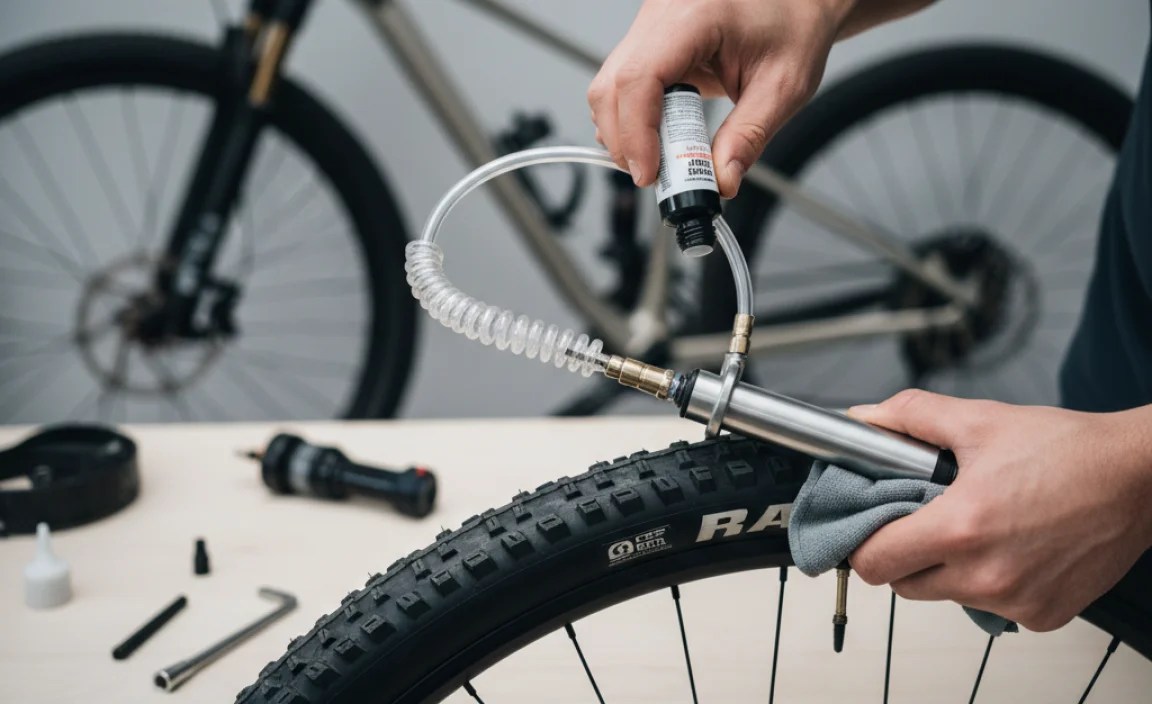
Maintaining your shock pump is important for longevity. A shock pump is a precision instrument. It needs to be taken care of. Keep it clean and dry. Dirt and moisture can damage the seals. This can cause leaks. Always store your shock pump in a safe place. This will prevent it from getting damaged. Check the hose regularly. Look for cracks or wear. Replace the hose if needed. Lubricate the pump mechanism occasionally. Use a silicone-based lubricant. This will keep it working smoothly. By following these simple tips, you can extend the life of your shock pump. A well-maintained shock pump will provide years of reliable service. It is an essential tool for any serious cyclist.
- Clean your shock pump regularly.
- Store it in a dry place.
- Check the hose for damage.
- Lubricate the pump mechanism.
- Replace worn parts as needed.
Let’s discuss the common problems that can occur with shock pumps. One common problem is leaks. Leaks can occur at the hose connection. They can also occur at the valve. If you notice a leak, try tightening the connections. If that doesn’t work, you might need to replace the seals. Another common problem is a sticking pump mechanism. This can be caused by dirt or lack of lubrication. Try cleaning and lubricating the pump mechanism. If that doesn’t work, you might need to disassemble the pump. Clean all the parts and reassemble it. If you are not comfortable doing this, take it to a bike shop. They can repair or replace your shock pump.
Fun Fact or Stat: A well-maintained shock pump can last for over 10 years!
What Type of Lubricant Should I Use?
What type of lubricant should you use on your shock pump? You should use a silicone-based lubricant. Silicone-based lubricants are safe for rubber and plastic parts. They won’t damage the seals in your shock pump. Avoid using petroleum-based lubricants. These can damage the seals. They can also attract dirt and grime. This can cause the pump mechanism to stick. You can find silicone-based lubricants at most bike shops. They are also available online. A small amount of lubricant is all you need. Apply it to the pump mechanism and the hose connections. This will keep your shock pump working smoothly for years to come. Always follow the manufacturer’s instructions for lubrication.
How Do I Know When to Replace My Shock Pump?
How do you know when to replace your shock pump? There are a few signs to look for. If your shock pump is leaking, it might be time to replace it. If the gauge is inaccurate, it might be time to replace it. If the pump mechanism is sticking, it might be time to replace it. If you have tried cleaning and lubricating the pump, and it still doesn’t work properly, it’s time for a new one. A worn-out shock pump can be frustrating to use. It can also lead to inaccurate pressure settings. This can affect your bike’s performance and your safety. So, if your shock pump is not working properly, don’t hesitate to replace it. A new shock pump will make your life much easier.
Can I Repair My Shock Pump Myself?
Can you repair your shock pump yourself? It depends on the problem. Simple problems like leaks can often be fixed. You can try tightening the connections. You can also try replacing the seals. More complex problems might require specialized tools. They might also require knowledge of how the shock pump works. If you are not comfortable working on your shock pump, take it to a bike shop. They have trained technicians who can repair it for you. They can also help you determine if it’s worth repairing or if it’s better to replace it. Remember, a properly functioning shock pump is essential for maintaining your bike’s suspension and tire pressure.
Troubleshooting Common Shock Pump Problems
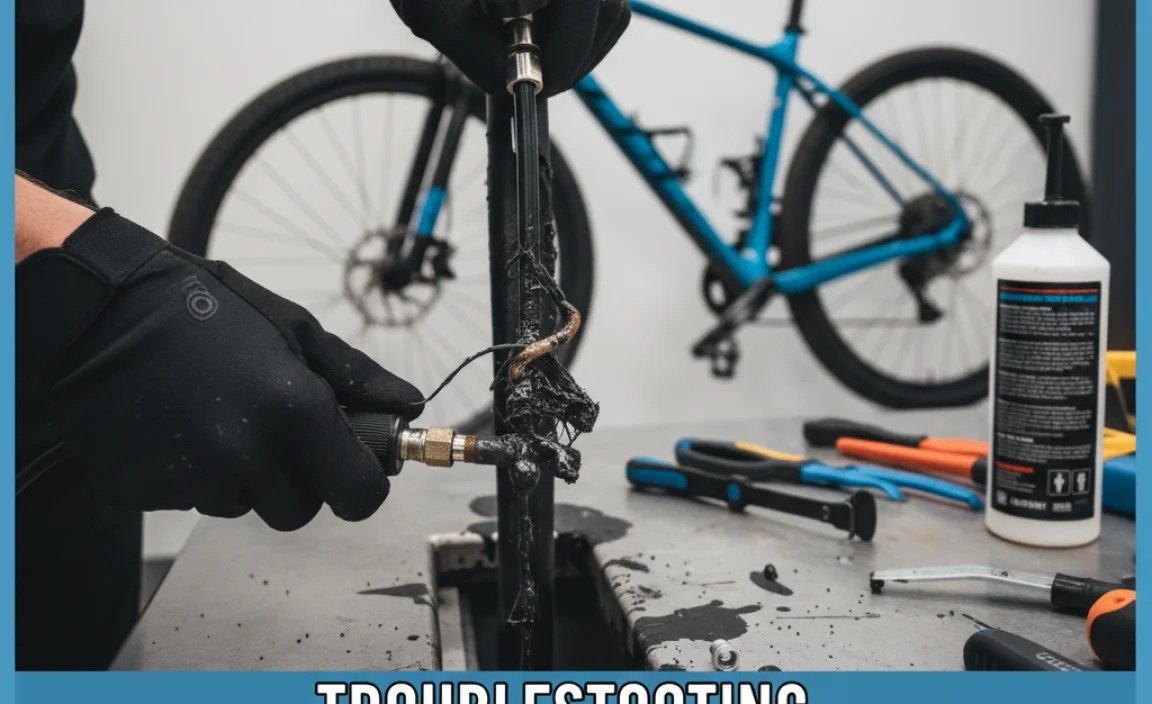
Troubleshooting common shock pump problems is useful. Sometimes, your shock pump might not work as expected. One common problem is difficulty attaching the pump to the valve. Make sure the pump head is properly aligned. Push it firmly onto the valve. Another common problem is air leaking from the valve. This can happen if the valve core is loose. Try tightening the valve core with a valve core tool. If the pump is not building pressure, check the seals. The seals might be worn or damaged. Replace the seals if needed. If the gauge is not reading correctly, try calibrating the gauge. If all else fails, take your shock pump to a bike shop. They can diagnose and repair the problem.
- Check the pump head alignment.
- Tighten the valve core.
- Inspect the seals for damage.
- Calibrate the pressure gauge.
- Seek professional help if needed.
Let’s consider some specific scenarios. Imagine you’re out on a ride. You notice your suspension feels too soft. You pull out your shock pump. But the pump won’t attach to the valve properly. First, check for any dirt or debris in the pump head. Clean it out if necessary. Then, make sure the pump head is fully open. Some pump heads have a lever that needs to be opened. Push the pump head firmly onto the valve. If it still doesn’t attach, the valve might be damaged. Try using a different valve. If that works, you know the problem is with the original valve. Carry spare valves with you on rides. This will help you deal with this problem.
Fun Fact or Stat: Over 80% of shock pump problems are due to simple issues like loose connections or dirty valves!
Why Is My Shock Pump Leaking?
Why is your shock pump leaking? There are several possible reasons. The most common reason is a loose connection. Check the connection between the hose and the pump. Also check the connection between the pump head and the valve. Tighten any loose connections. Another reason could be worn or damaged seals. The seals are small rubber rings that prevent air from escaping. Over time, they can dry out and crack. If you suspect the seals are the problem, replace them. You can buy replacement seal kits at most bike shops. Make sure you get the right kit for your shock pump model. A leaking shock pump can be frustrating. But with a little troubleshooting, you can usually fix the problem.
The Pump Won’t Attach to the Valve! Now What?
The pump won’t attach to the valve! Now what? Don’t panic. This is a common problem. First, make sure you are using the correct type of pump head. Some pumps have different heads for different types of valves. Make sure you are using the correct one. Second, check the valve for damage. If the valve is bent or broken, it might not be able to seal properly. Replace the valve if necessary. Third, check the pump head for dirt or debris. Clean it out if necessary. Fourth, try applying a small amount of lubricant to the valve. This can help the pump head seal better. If you have tried all of these things and the pump still won’t attach, take it to a bike shop. They can help you diagnose the problem.
My Gauge Isn’t Reading Correctly. What’s Wrong?
Your gauge isn’t reading correctly? What’s wrong? The first thing to do is to check the battery. Some shock pumps have digital gauges that require batteries. If the battery is low, the gauge might not read correctly. Replace the battery if necessary. If your shock pump has an analog gauge, it might need to be calibrated. As mentioned earlier, you can compare it to another gauge. If the readings are different, your gauge might need to be calibrated. Another possibility is that the gauge is damaged. If the gauge is cracked or broken, it will not read correctly. Replace the gauge if necessary. An accurate gauge is essential for setting the correct pressure. So, it’s worth the effort to make sure your gauge is working properly.
Choosing the Right Shock Pump for Your Needs
Choosing the right shock pump is essential. There are many different shock pumps on the market. They vary in price, features, and quality. Consider your needs when choosing a shock pump. If you only need to adjust your suspension occasionally, a basic pump might be sufficient. If you adjust your suspension frequently, invest in a high-quality pump. Look for a pump with an accurate gauge. Also, look for a pump that is easy to use. A pump with a long hose and a swivel head can be helpful. Read reviews before buying a shock pump. This will help you choose a pump that is reliable and durable. A good shock pump is an investment that will pay off in the long run.
| Feature | Basic Shock Pump | High-End Shock Pump |
|---|---|---|
| Price | Lower | Higher |
| Gauge Accuracy | Moderate | High |
| Durability | Moderate | High |
| Ease of Use | Good | Excellent |
| Additional Features | Few | Many (e.g., swivel head, long hose) |
Now, let’s consider some popular shock pump brands. Some well-known brands include RockShox, Fox Racing Shox, and Topeak. These brands are known for their quality and reliability. They offer a range of shock pumps to suit different needs and budgets. When choosing a brand, consider the warranty. A good warranty will protect you against defects. Also, consider the availability of replacement parts. If your shock pump breaks down, you want to be able to repair it easily. Research different brands and read reviews before making a decision. This will help you choose a shock pump that will last for years to come.
Fun Fact or Stat: The most popular shock pump brand among professional cyclists is Fox Racing Shox!
What Features Should I Look For?
What features should you look for in a shock pump? An accurate gauge is essential. Look for a gauge that is easy to read. Also, look for a gauge that is accurate to within a few PSI. A long hose can be helpful. It allows you to reach the valve more easily. A swivel head can also be helpful. It allows you to position the pump head at different angles. This can be useful in tight spaces. A bleed valve is a useful feature. It allows you to release small amounts of air. This is helpful for fine-tuning the pressure. A comfortable handle is also important. It will make the pump easier to use. Consider these features when choosing a shock pump.
How Much Should I Spend on a Shock Pump?
How much should you spend on a shock pump? The price of a shock pump can vary. Basic shock pumps can cost as little as $30. High-end shock pumps can cost over $100. The amount you should spend depends on your needs. If you only need to adjust your suspension occasionally, a basic pump might be sufficient. If you adjust your suspension frequently, invest in a high-quality pump. A high-quality pump will be more accurate and durable. It will also be easier to use. Consider your budget and your needs. Choose a shock pump that offers the best value for your money. Remember, a good shock pump is an investment.
Are Digital Shock Pumps Worth the Extra Cost?
Are digital shock pumps worth the extra cost? Digital shock pumps offer several advantages over analog pumps. They are often more accurate. They display the pressure in numbers. This makes them easier to read. They often have additional features. These features can include a backlight and a memory function. However, digital shock pumps are also more expensive. They require batteries. They can also be more fragile. Whether a digital shock pump is worth the extra cost depends on your needs. If you value accuracy and ease of use, a digital pump might be a good choice. If you are on a budget, an analog pump might be more suitable. Consider the pros and cons before making a decision.
Summary
Using a shock pump is important for bike maintenance. It helps you adjust your suspension. It also helps you manage tubeless tire pressure. Learning how to use a shock pump on tubeless tyre? (though more for suspension) can improve your ride. It ensures your bike performs its best. Remember to check your bike’s manual. It will tell you the right pressure. Start with that pressure and adjust it slowly. A shock pump is easy to use. It will make your rides more fun. Keep your shock pump clean. Also, store it well. A good shock pump is a must-have tool for any bike rider.
Conclusion
A shock pump is a valuable tool for any cyclist. It lets you fine-tune your suspension. It also helps you manage tubeless tire pressure. This leads to a smoother, more controlled ride. Understanding how to use a shock pump on tubeless tyre? (though more for suspension) empowers you. You can customize your bike’s performance. Remember to choose the right pump. Also, maintain it well. Enjoy the benefits of a properly adjusted bike.
Frequently Asked Questions
Question No 1: Can I use a regular tire pump on my bike’s suspension?
Answer: No, you should not use a regular tire pump on your bike’s suspension. Regular tire pumps deliver a high volume of air at low pressure. Suspension systems need low volume at high pressure. A shock pump is designed specifically for this purpose. It allows you to add small amounts of air with precision. It also has a gauge that shows the exact pressure. Using a regular tire pump can damage your suspension. It can also be dangerous. Always use a shock pump to adjust your suspension. It’s the right tool for the job. It will help you keep your suspension working properly.
Question No 2: How often should I check the pressure in my suspension?
Answer: You should check the pressure in your suspension regularly. How often depends on how much you ride. If you ride every day, check it weekly. If you ride less often, check it monthly. Also, check it before any long or challenging rides. Temperature can also affect suspension pressure. As the temperature increases, the pressure will increase. As the temperature decreases, the pressure will decrease. Keep this in mind when checking your pressure. Use a shock pump to make small adjustments as needed. A properly maintained suspension will improve your ride. It will also help you control your bike better.
Question No 3: What should I do if my shock pump won’t attach to the valve?
Answer: If your shock pump won’t attach to the valve, don’t force it. First, check to make sure you are using the correct type of pump head. Some pumps have different heads for different types of valves. Second, check the valve for damage. If the valve is bent or broken, it might not seal properly. Third, check the pump head for dirt or debris. Clean it out if necessary. Fourth, try applying a small amount of lubricant to the valve. This can help the pump head seal better. If you have tried all of these things and the pump still won’t attach, take it to a bike shop. They can help you diagnose the problem.
Question No 4: Can I use a shock pump on my tubeless tires, even if I don’t have suspension?
Answer: Yes, you can use a shock pump on your tubeless tires. Even if you don’t have suspension, a shock pump can be useful. It allows you to make small, precise adjustments to your tire pressure. This is especially important for tubeless tires. The right pressure can improve your grip and comfort. It can also reduce the risk of flats. A regular tire pump might add air too quickly. It can be hard to get the exact pressure you want. A shock pump gives you more control. It helps you dial in the perfect pressure for your tubeless tires. It is a great tool to have for any cyclist using tubeless tires.
Question No 5: How do I know what pressure to put in my suspension?
Answer: Finding the right pressure for your suspension takes time. Start by checking your bike’s manual. It will have recommended pressure settings for your weight. If you can’t find the manual, search online. Many manufacturers have manuals available on their websites. Once you have a starting point, experiment. Ride your bike and pay attention to how it feels. If it feels too bouncy, add more air. If it feels too stiff, remove some air. Make small adjustments and see how it feels. Keep a record of your settings. This will help you remember what works best. Remember, there is no perfect setting for everyone. It’s all about finding what works best for you.
Question No 6: My shock pump gauge seems inaccurate. What can I do?
Answer: If your shock pump gauge seems inaccurate, you should check it. Compare it to another gauge that you know is accurate. If the readings are different, your gauge might be inaccurate. Some bike shops offer gauge calibration services. They have special tools to calibrate gauges accurately. You can also try to calibrate the gauge yourself. But this is not recommended unless you have the right tools. If you can’t calibrate it yourself, take it to a professional. An accurate gauge is essential for proper suspension. It also helps manage tubeless tire pressure. So, it’s worth the effort to make sure your gauge is accurate.


