Best Pump for 700C Wheels: Ride Easier!

Pumping up your 700C bike tires doesn’t have to be a struggle! You’ll need a pump that can reach the correct pressure for your tires. A floor pump with a gauge is ideal, but a mini-pump can work in a pinch. Make sure the pump head is compatible with your valve type (Presta or Schrader) and you’re good to go.
Ever feel like you’re fighting a losing battle trying to inflate your 700C road bike tires? You’re not alone! Many cyclists find tire inflation a bit tricky, especially when trying to achieve the right pressure. It’s a common frustration, but don’t worry. Getting your tires properly inflated is crucial for a smooth, efficient, and safe ride.
This guide breaks down everything you need to know about choosing the right pump and inflating your 700C tires like a pro. We’ll cover the different types of pumps, how to identify your valve type, and a simple step-by-step process to get you rolling with confidence. Let’s get started!
Choosing the Right Pump for Your 700C Wheels

Selecting the right pump is the first step to easy inflation. Here’s a breakdown of the most common types and their pros and cons:
Floor Pumps
Floor pumps are the workhorses of the cycling world. They offer stability, efficiency, and often include a pressure gauge for accurate inflation.
- Pros:
- Easy to use and stable.
- Efficient for high-pressure tires.
- Most have built-in pressure gauges.
- Cons:
- Larger and not easily portable.
- More expensive than mini-pumps.
Mini-Pumps
Mini-pumps are compact and portable, making them perfect for on-the-go inflation. They’re a must-have for any cyclist’s toolkit.
- Pros:
- Lightweight and portable.
- Affordable.
- Cons:
- Require more effort to reach high pressures.
- Gauges are rare, so pressure accuracy can be challenging.
CO2 Inflators
CO2 inflators offer a quick burst of air for rapid tire inflation. They use cartridges filled with compressed carbon dioxide.
- Pros:
- Extremely fast inflation.
- Compact and lightweight.
- Cons:
- Each cartridge is single-use.
- Can be expensive in the long run.
- Requires practice to use correctly.
Electric Pumps
Electric pumps are a convenient option for effortless inflation. They’re powered by batteries and can quickly inflate tires with the push of a button.
- Pros:
- Effortless and fast inflation.
- Can be used for multiple tires.
- Cons:
- More expensive than other options.
- Require charging or a power source.
Understanding Valve Types
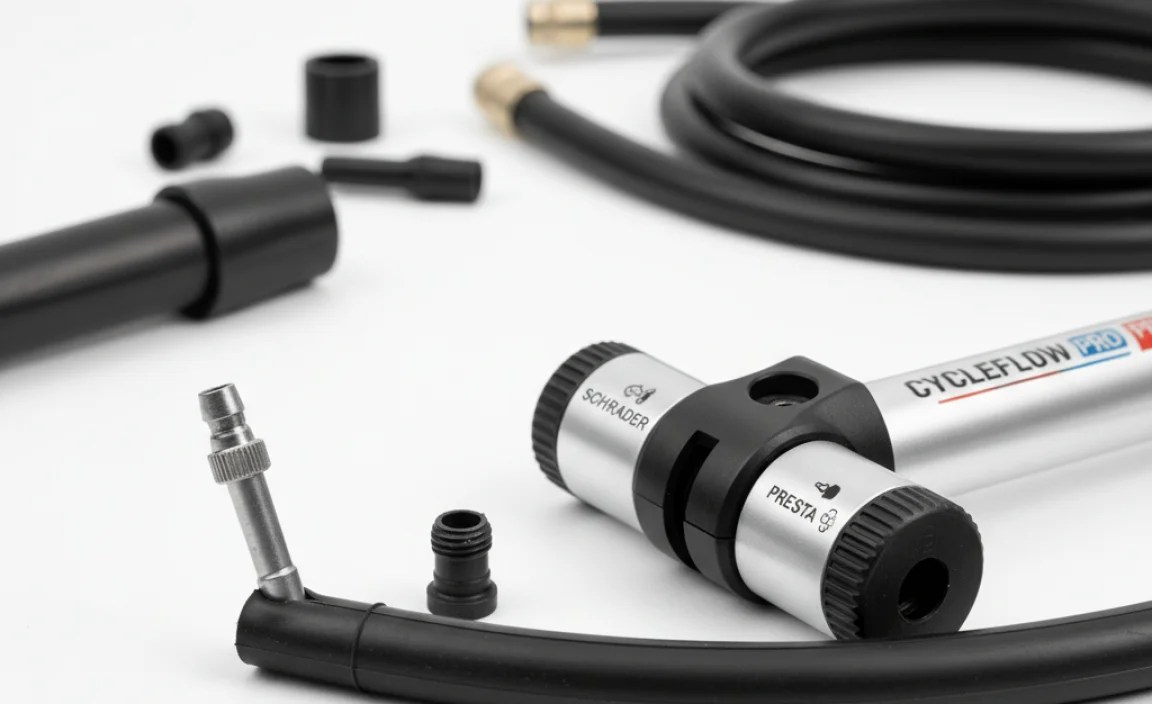
Before you start pumping, you need to know what type of valve your 700C wheels have. The two most common types are Presta and Schrader.
Presta Valves
Presta valves are commonly found on road bikes and high-performance bicycles. They are narrower than Schrader valves and have a locking nut at the tip.
- Identifying Features:
- Narrower than Schrader valves.
- Have a locking nut at the tip that needs to be opened before inflation.
- Pros:
- Better for high-pressure tires.
- More aerodynamic.
- Cons:
- More fragile than Schrader valves.
- Require a specific pump head or adapter.
Schrader Valves
Schrader valves are the same type used on car tires. They are wider than Presta valves and have a spring-loaded pin in the center.
- Identifying Features:
- Wider than Presta valves.
- Have a spring-loaded pin in the center.
- Pros:
- More durable than Presta valves.
- Compatible with most gas station air compressors.
- Cons:
- Not ideal for very high-pressure tires.
- Bulkier design.
Step-by-Step Guide to Pumping 700C Wheels

Now that you know your valve type and have the right pump, let’s get your tires inflated. Follow these steps for a perfect pump every time:
Step 1: Prepare the Valve
For Presta valves, unscrew the locking nut at the tip. Gently press the valve to release a small amount of air – this ensures it isn’t stuck.
For Schrader valves, simply remove the valve cap.
Step 2: Attach the Pump Head
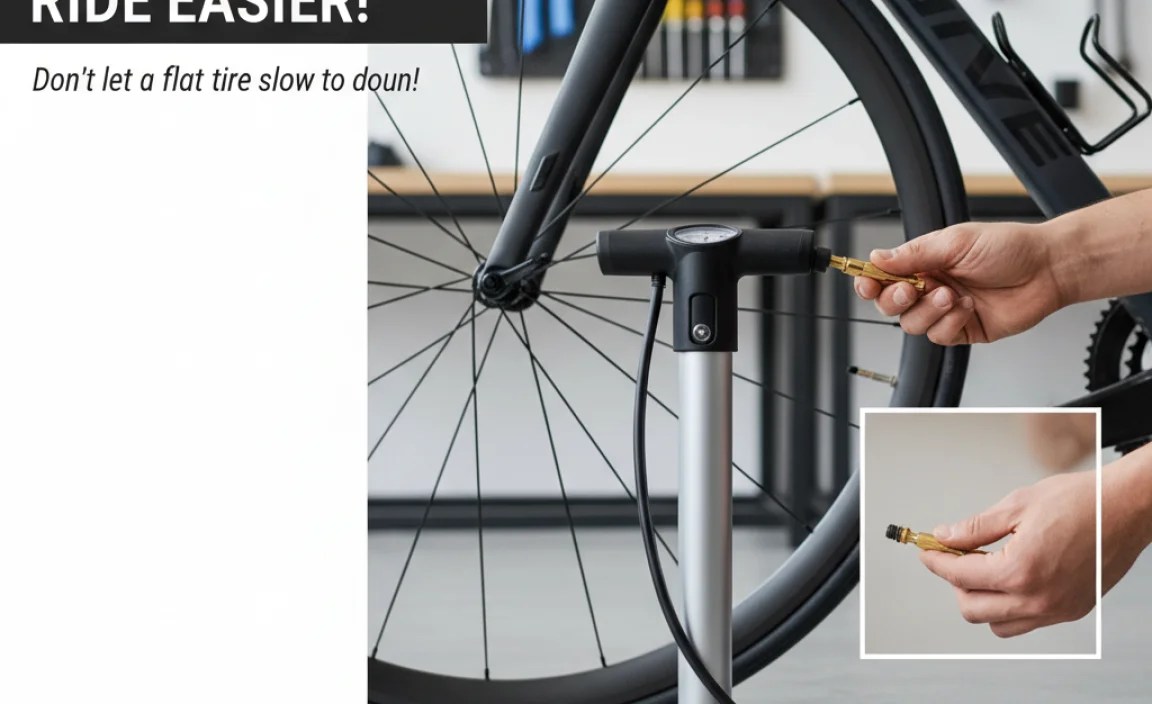
Connect the pump head to the valve. Make sure it’s securely attached to prevent air leaks. Some pump heads have a lever to lock them in place.
- Presta Valve: Firmly press the pump head onto the valve and engage the locking lever if there is one.
- Schrader Valve: Press the pump head straight onto the valve. No lever is usually required.
Step 3: Inflate the Tire
Begin pumping in a smooth, steady motion. Keep an eye on the pressure gauge if your pump has one. Refer to the recommended pressure range printed on the sidewall of your tire. Aim for the middle of the range if you’re unsure.
- Floor Pump: Place your feet on the base of the pump for stability and use your body weight to push the handle down.
- Mini-Pump: Brace the pump against the ground or your leg for stability. Use short, rapid strokes to inflate the tire.
Step 4: Check the Pressure
Once you reach the desired pressure, remove the pump head from the valve. Quickly close the Presta valve locking nut or replace the Schrader valve cap to prevent air from escaping.
Use a separate pressure gauge to double-check the pressure if your pump doesn’t have a reliable gauge.
The Bicycle Rolling Resistance website offers excellent resources for understanding how tire pressure affects performance.
Step 5: Final Check
Inspect the tire for any signs of damage or improper seating on the rim. Spin the wheel to ensure it rotates smoothly and evenly.
Recommended Tire Pressure for 700C Wheels

Finding the right tire pressure is key to performance, comfort, and safety. Here’s a general guide, but always check your tire sidewall for the manufacturer’s recommendations:
| Tire Width (mm) | Recommended Pressure (PSI) |
|---|---|
| 23 | 100-130 |
| 25 | 90-120 |
| 28 | 80-100 |
| 32 | 60-80 |
Note: These are general guidelines. Adjust pressure based on your weight, riding style, and road conditions. Lower pressures provide more comfort and grip, while higher pressures offer lower rolling resistance.
Troubleshooting Common Pumping Problems
Even with the best equipment, you might encounter some issues. Here’s how to troubleshoot common pumping problems:
Air Leaks
If you hear air leaking while pumping, check the connection between the pump head and the valve. Make sure it’s securely attached.
- Possible Causes:
- Loose pump head connection.
- Damaged valve.
- Worn-out pump head gasket.
- Solutions:
- Reattach the pump head firmly.
- Inspect the valve for damage.
- Replace the pump head gasket.
Difficulty Reaching High Pressure
If you’re struggling to reach the desired pressure, make sure you’re using a pump that’s capable of inflating to high pressures. Mini-pumps can be challenging for this.
- Possible Causes:
- Using a low-pressure pump.
- Air leaks.
- Weak pumping technique.
- Solutions:
- Use a floor pump for high-pressure tires.
- Check for and fix any air leaks.
- Use a smooth, steady pumping motion.
Valve Damage
Presta valves can be bent or broken if handled roughly. If your valve is damaged, it may not seal properly.
- Possible Causes:
- Bending or breaking the valve core.
- Stripping the valve threads.
- Solutions:
- Replace the valve core (if possible).
- Replace the entire tube or tire.
Maintaining Your Pump for Longevity
A well-maintained pump will last longer and perform better. Here are some tips to keep your pump in top condition:
- Clean the Pump Head: Regularly clean the pump head to remove dirt and debris that can cause leaks.
- Lubricate Moving Parts: Apply a small amount of lubricant to the pump’s moving parts to keep them working smoothly.
- Store Properly: Store your pump in a dry place to prevent rust and corrosion.
- Replace Worn Parts: Replace any worn-out gaskets or seals to maintain optimal performance.
Essential Tools for Tire Maintenance
Besides a good pump, a few other tools can make tire maintenance easier:
- Tire Levers: For removing and installing tires.
- Pressure Gauge: For accurate pressure readings.
- Patch Kit: For repairing punctures on the road.
- Multi-Tool: A compact tool with various wrenches and screwdrivers for on-the-go repairs.
FAQ About Pumping 700C Wheels
What PSI should my 700C tires be?
The ideal PSI depends on your tire width, weight, and riding conditions. Check the tire sidewall for the manufacturer’s recommended range. A good starting point is 100-120 PSI for 23mm tires, 90-110 PSI for 25mm tires, and 80-100 PSI for 28mm tires.
Can I use a car tire pump on my bike?
Yes, if your bike has Schrader valves. However, car tire pumps often deliver air too quickly, making it difficult to achieve precise pressure. It’s better to use a bike-specific pump for more control.
How often should I pump my bike tires?
Check and inflate your tires before every ride. Tires lose pressure over time, so regular inflation ensures optimal performance and reduces the risk of flats.
What’s the difference between Presta and Schrader valves?
Presta valves are narrow and have a locking nut at the tip, commonly found on road bikes. Schrader valves are wider and have a spring-loaded pin in the center, similar to car tires.
Why is my tire pressure so important?
Correct tire pressure improves rolling efficiency, comfort, and handling. Underinflated tires can lead to pinch flats, while overinflated tires can reduce grip and comfort.
Can I over-inflate my tires?
Yes, over-inflating your tires can cause them to burst, especially in hot weather. Always stay within the recommended pressure range printed on the tire sidewall.
What does “700C” mean?
700C refers to the standard diameter of the wheel, approximately 700mm. It’s a common size for road bikes, hybrids, and some gravel bikes. The “C” indicates the type of tire fitting.
Conclusion
Pumping your 700C wheels doesn’t have to be a chore. With the right pump, a little knowledge about valve types, and a simple step-by-step approach, you can keep your tires properly inflated for a smooth, safe, and enjoyable ride. Remember to check your tire pressure regularly and maintain your pump to ensure it’s always ready when you need it. Now get out there and enjoy the road!