
Floor Bike Pump with Gauge: Get Yours Today!

Have you ever tried to ride a bike with flat tires? It is very hard. You need the right amount of air in your tires. A floor bike pump with gauge can help. It makes pumping your tires easy.
Do you know why a gauge is important? It tells you how much air is in your tires. This helps you have a safe and fun ride. Let’s learn more about these helpful pumps!
Key Takeaways
- A floor bike pump with gauge ensures accurate tire pressure for safe riding.
- Using the correct tire pressure improves bike performance and efficiency.
- A good pump makes inflating tires quick and easy, saving you time.
- The gauge helps prevent over-inflation, which can damage your tires.
- These pumps are durable and reliable, offering long-term value for cyclists.
Why a Floor Bike Pump With Gauge Matters

A floor bike pump with gauge is very important for bike riders. It helps you keep your tires at the right pressure. When your tires have the right amount of air, your bike rides better. It is easier to pedal. You also go faster. A gauge shows you exactly how much air is in your tires. This stops you from putting too much or too little air in them. Too much air can make your tires pop. Too little air makes it hard to ride. A good pump with a gauge helps you have the best and safest ride. It is a tool every bike owner should have. This keeps your bike in great shape.
- Proper tire pressure improves bike handling.
- A gauge ensures accurate inflation every time.
- It prevents flats caused by under-inflation.
- It helps extend the life of your tires.
- Using a pump is good for the environment.
Think of your bike tires like balloons. If you blow up a balloon too much, it pops! If you don’t blow it up enough, it’s floppy and doesn’t fly well. Bike tires are the same. They need just the right amount of air. A floor bike pump with gauge is like a special air machine for your tires. The gauge tells you when you have added just the right amount of air. This makes your ride smooth and safe. It also helps your tires last longer. Using a pump with a gauge is a smart way to take care of your bike.
Fun Fact or Stat: Did you know that properly inflated tires can make you ride up to 10% faster?
What is Tire Pressure?
Tire pressure is how much air is inside your bike tires. We measure it in PSI (pounds per square inch). Each tire has a range of PSI it needs. You can find this number on the side of your tire. Having the right PSI is super important. Too little air makes your tires soft. This slows you down and can damage the wheels. Too much air makes your tires hard. They can pop if you hit a bump. A floor bike pump with gauge helps you get the right amount of air. The gauge shows you the PSI as you pump. You can stop when you reach the right number. This keeps your ride smooth and safe.
Why is PSI Important for Bike Tires?
PSI is very important because it affects how your bike rides. The right PSI makes it easier to pedal. It also helps you go faster. When your tires have the right amount of air, they grip the road better. This means you have more control over your bike. You can turn corners easily. You can stop quickly. The wrong PSI can be dangerous. Soft tires can cause you to lose control. Hard tires can pop and make you fall. Using a floor bike pump with gauge helps you stay safe. You can check the PSI before every ride. This makes sure your tires are ready to go.
How Does a Gauge Help?
A gauge is like a measuring tool for air. It tells you exactly how much air is in your tires. Without a gauge, it’s hard to know if you have enough air. You might pump too much or too little. A gauge shows you the PSI number as you pump. You can watch the number go up. When it reaches the right number, you can stop. This makes sure your tires are perfect every time. Some gauges are digital. They show the number on a screen. Other gauges are analog. They have a needle that points to the number. Both types of gauges help you get the right PSI. A floor bike pump with gauge makes it easy to keep your tires in top shape.
Choosing the Right Floor Bike Pump

Choosing the right floor bike pump with gauge can seem hard. There are many different types. Some pumps are big and strong. Others are small and light. The best pump for you depends on what you need. Think about how often you ride your bike. If you ride every day, you need a strong and reliable pump. If you only ride sometimes, a smaller pump might be okay. Also, think about the type of tires you have. Some tires need more air than others. A good pump will work for all types of tires. Look for a pump with a clear gauge. This will make it easy to see the PSI. Read reviews to see what other people think. This will help you choose the best pump for you.
- Consider the pump’s durability and build quality.
- Check if it works with both Presta and Schrader valves.
- Look for a stable base for easy pumping.
- Read customer reviews to learn about real-world performance.
- Think about the size and weight for storage.
Imagine you are going on a long bike ride. You want to make sure your tires are perfect. You wouldn’t want a pump that breaks after only a few uses. You need a pump that is strong and will last a long time. Look for pumps made from metal, not plastic. Metal pumps are usually more durable. The gauge should be easy to read, even in bright sunlight. The pump should also be easy to use. You don’t want to struggle every time you need to add air. A good floor bike pump with gauge will make your life easier. It will help you enjoy your bike rides more.
Fun Fact or Stat: High-quality bike pumps can last for over 10 years with proper care!
What are Presta and Schrader Valves?
Presta and Schrader valves are types of air valves on bike tires. Schrader valves are like the ones on car tires. They are wider and have a pin in the middle. Presta valves are thinner and have a nut on the end. You need to unscrew the nut to add air. Most floor bike pump with gauge come with adapters. These adapters let you use the pump on both types of valves. Check your tires to see what kind of valves you have. Make sure the pump you choose works with your valves. Using the wrong pump can damage the valve. This can make it hard to add air. A good pump will make it easy to inflate any tire.
What Makes a Pump Durable?
Durability means how long something lasts. A durable floor bike pump with gauge is made from strong materials. It can handle a lot of use without breaking. Look for pumps with metal barrels and bases. Metal is stronger than plastic. Check the hose. A good hose is flexible but also tough. It won’t crack or leak easily. The pump head should also be well-made. This is the part that connects to the tire valve. It should fit snugly and not let air escape. A durable pump might cost more, but it will last longer. This saves you money in the long run. It also means you can count on it when you need it.
How to Read Customer Reviews
Customer reviews are helpful because they tell you what other people think about a product. When you are choosing a floor bike pump with gauge, read the reviews carefully. Look for comments about how easy the pump is to use. See if people say the gauge is accurate. Check if they mention any problems with the pump. Pay attention to reviews that talk about durability. Do people say the pump lasts a long time? Are there any complaints about it breaking? Remember that everyone has different experiences. One bad review doesn’t mean the pump is terrible. But if you see a lot of similar complaints, it’s a sign to be careful. Use reviews to get a good idea of what to expect.
Understanding Gauge Accuracy
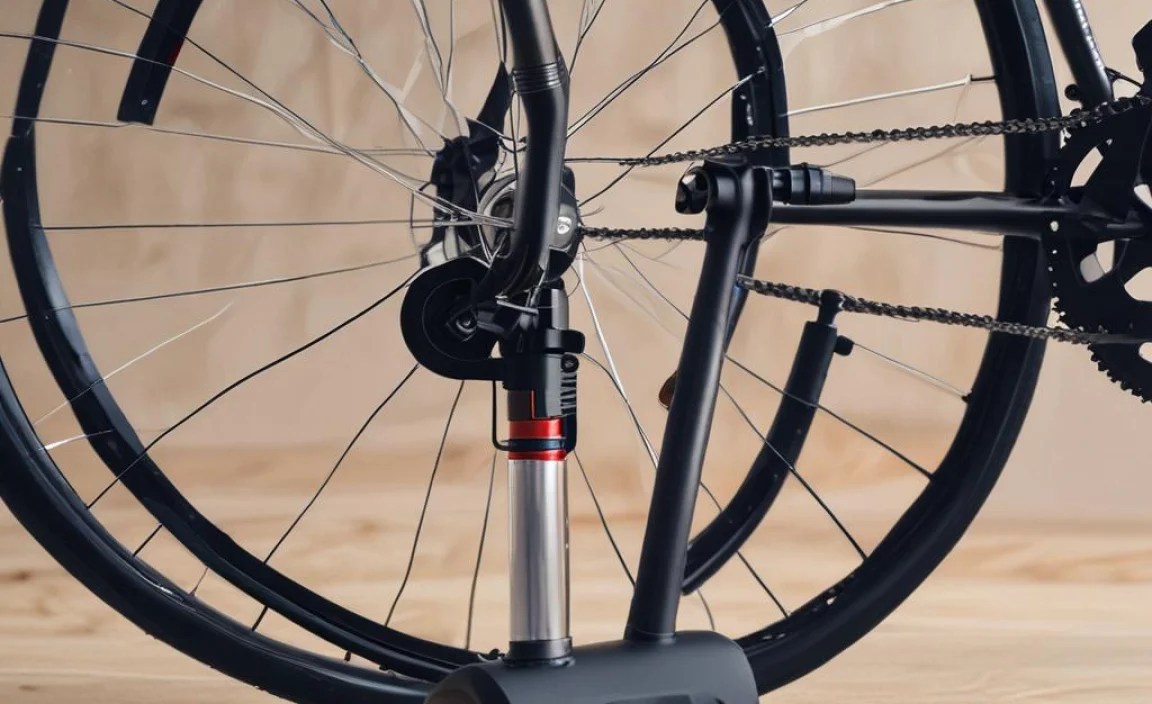
The gauge on a floor bike pump with gauge is very important. It tells you how much air is in your tires. But not all gauges are the same. Some gauges are more accurate than others. An accurate gauge shows the right PSI. This helps you inflate your tires to the perfect pressure. An inaccurate gauge can show the wrong PSI. This can lead to over-inflation or under-inflation. Over-inflation can cause your tires to pop. Under-inflation can make it hard to ride. To make sure your gauge is accurate, you can test it. Compare it to another gauge. If the numbers are different, your gauge might not be accurate. Choose a pump with a reputation for accurate gauges. This will help you keep your tires in good shape.
- Analog gauges are generally less accurate than digital ones.
- A larger gauge is often easier to read accurately.
- Test your gauge against a known accurate gauge.
- Consider a pump with a calibration feature.
- Read reviews about gauge accuracy before buying.
Imagine you are baking a cake. You need to measure the ingredients carefully. If you use too much flour, the cake will be dry. If you use too little sugar, it won’t be sweet. The same is true for your bike tires. You need to measure the air pressure carefully. If you put in too much air, the tire might explode. If you don’t put in enough air, it will be hard to ride. A floor bike pump with gauge helps you measure the air pressure accurately. The gauge tells you exactly how much air is in the tire. This helps you have a safe and comfortable ride. It’s like having a perfect recipe for your tires!
Fun Fact or Stat: Digital gauges are often accurate to within 1 PSI, while analog gauges can vary by 2-3 PSI.
Analog vs. Digital Gauges
Analog gauges have a needle that points to a number. Digital gauges show the number on a screen. Analog gauges are often cheaper. But they can be harder to read accurately. The needle might be small. It can be hard to see the exact number. Digital gauges are usually more accurate. They show the number clearly. Some digital gauges even have extra features. They can remember your favorite PSI settings. They can also switch between different units of measurement. However, digital gauges need batteries. You need to make sure the batteries are working. A good floor bike pump with gauge will have a gauge that is easy to read and accurate.
How to Calibrate a Gauge
Calibration means making sure a gauge is accurate. Some floor bike pump with gauge have a calibration feature. This lets you adjust the gauge if it’s not showing the right PSI. To calibrate a gauge, you need a known accurate gauge. This could be another bike pump gauge or a special calibration tool. Compare the readings of the two gauges. If they are different, use the calibration feature to adjust the first gauge. Follow the instructions that came with your pump. If your pump doesn’t have a calibration feature, you can’t adjust it. You might need to replace the pump if the gauge is very inaccurate. Keeping your gauge calibrated helps you keep your tires in good shape.
Why Accuracy Matters for Different Bikes
Accuracy is important for all bikes, but it’s especially important for some types. Road bikes need high tire pressure. This makes them fast and efficient. Mountain bikes need lower tire pressure. This gives them better grip on the trails. If you have a road bike, an accurate floor bike pump with gauge is essential. You need to make sure you are inflating your tires to the right PSI. Even a small difference can affect your speed and handling. For mountain bikes, accuracy is also important. Too much pressure can make the tires bounce. Too little pressure can cause a flat. No matter what kind of bike you have, an accurate gauge will help you ride safely and comfortably.
Using Your Floor Bike Pump Effectively

Using a floor bike pump with gauge the right way makes a big difference. First, make sure the pump head is securely attached to the tire valve. If it’s loose, air will leak out. This makes it hard to inflate the tire. Also, make sure you are using the right adapter for your valve. Presta valves need a different adapter than Schrader valves. When you start pumping, use smooth, even strokes. Don’t pump too fast. This can overheat the pump. Watch the gauge as you pump. Stop when you reach the desired PSI. After you are done, remove the pump head carefully. Check the tire pressure again after a few minutes. This makes sure there are no leaks. Using your pump correctly will help you keep your tires in top shape.
- Ensure the pump head is securely attached.
- Use smooth, full strokes for efficient pumping.
- Watch the gauge closely to avoid over-inflation.
- Maintain the pump to prolong its life.
- Store the pump in a dry place.
Imagine you are trying to fill a water balloon. If you don’t hold the balloon tightly, water will squirt everywhere. It will take a long time to fill the balloon. The same is true for your bike tires. If you don’t attach the pump head securely, air will leak out. It will take longer to inflate the tire. You might also get tired. A floor bike pump with gauge works best when you use it correctly. Take your time. Make sure everything is connected properly. Use smooth, even strokes. This will help you inflate your tires quickly and easily. It will also make the pump last longer.
Fun Fact or Stat: Regularly lubricating your pump’s internal parts can extend its lifespan by up to 50%!
Attaching the Pump Head Correctly
Attaching the pump head correctly is very important. First, make sure you have the right adapter for your valve. Presta valves have a small nut that you need to unscrew. Schrader valves don’t have a nut. Place the pump head over the valve. Make sure it’s straight. Then, lock the pump head in place. Some pump heads have a lever that you flip. Others have a screw that you tighten. The pump head should fit snugly. There should be no gaps. If you hear air leaking, the pump head isn’t attached correctly. Try again. A secure connection will make pumping much easier. A floor bike pump with gauge is useless if you can’t attach it properly.
Using Smooth, Full Strokes
Smooth, full strokes are the best way to pump your tires. Don’t pump too fast or too hard. This can damage the pump. It can also make you tired. Instead, use long, even strokes. Push the handle all the way down. Then, let it come all the way back up. This will move the most air with each stroke. Watch the gauge as you pump. You will see the PSI increase steadily. If you are using short, choppy strokes, the PSI will increase slowly. This means you are not pumping efficiently. A good floor bike pump with gauge will make it easy to use smooth, full strokes. This will help you inflate your tires quickly and easily.
Maintaining Your Pump for Longevity
Maintaining your pump will help it last longer. After each use, wipe down the pump with a clean cloth. This will remove any dirt or grime. Store the pump in a dry place. This will prevent rust. Check the hose regularly. Look for cracks or leaks. If you see any damage, replace the hose. Lubricate the pump’s moving parts. Use a silicone-based lubricant. This will keep the pump working smoothly. Follow the instructions that came with your pump. Some pumps need more maintenance than others. A well-maintained floor bike pump with gauge will last for many years. This will save you money in the long run.
Troubleshooting Common Pump Issues
Sometimes, your floor bike pump with gauge might not work perfectly. You might have trouble attaching the pump head. Air might leak out. The gauge might not show the right PSI. These problems can be frustrating. But most of them are easy to fix. First, check the pump head. Make sure it’s clean and in good condition. If it’s damaged, replace it. Next, check the hose. Look for cracks or leaks. If you find any, replace the hose. If the gauge is not working, try calibrating it. If that doesn’t work, you might need to replace the pump. With a little troubleshooting, you can keep your pump working properly.
- Check for leaks around the pump head.
- Make sure the hose is not cracked or damaged.
- Verify the gauge is reading accurately.
- Clean the pump head regularly.
- Tighten any loose connections.
Imagine you are trying to start a car. The car won’t start. You check the battery. It’s dead. You replace the battery, and the car starts right up. Sometimes, fixing a problem is as simple as finding the cause. The same is true for your floor bike pump with gauge. If it’s not working, take a close look. Check all the parts. See if anything is broken or loose. Often, the problem is something simple. A loose connection, a cracked hose, or a dirty pump head. By finding and fixing the problem, you can get your pump working again. This will save you time and money.
Fun Fact or Stat: Over 80% of pump issues are due to simple problems like loose connections or dirty pump heads!
Air Leaking from the Pump Head
If air is leaking from the pump head, it means the connection is not tight. First, make sure you are using the right adapter for your valve. Presta valves need a different adapter than Schrader valves. Next, make sure the pump head is securely attached. It should fit snugly over the valve. If it’s loose, try tightening it. Some pump heads have a lever that you flip. Others have a screw that you tighten. If the pump head is damaged, replace it. A new pump head will create a tighter seal. This will stop the air from leaking. A floor bike pump with gauge needs a good seal to work properly.
Gauge Not Reading Correctly
If the gauge is not reading correctly, it might be out of calibration. Some floor bike pump with gauge have a calibration feature. This lets you adjust the gauge. Follow the instructions that came with your pump. If your pump doesn’t have a calibration feature, you can’t adjust it. You can try comparing the gauge to another gauge. If the readings are different, your gauge is not accurate. You might need to replace the pump. An inaccurate gauge can lead to over-inflation or under-inflation. This can damage your tires. It’s important to have an accurate gauge.
Difficulty Attaching the Pump Head
If you are having trouble attaching the pump head, make sure the valve is clean. Dirt and grime can make it hard to get a good connection. Use a clean cloth to wipe the valve. Also, make sure the pump head is in good condition. If it’s damaged, replace it. Some pump heads are easier to attach than others. Look for a pump with a pump head that is easy to use. Practice attaching the pump head a few times. This will help you get the hang of it. A floor bike pump with gauge is only useful if you can attach it properly.
Comparing Different Floor Bike Pumps
Choosing the right floor bike pump with gauge means comparing different models. Some pumps are better for road bikes. Others are better for mountain bikes. Some pumps are more durable. Others are more affordable. Think about what is important to you. Do you need a pump that is very accurate? Or do you need a pump that is easy to use? Read reviews and compare features. This will help you find the best pump for your needs. A good pump will make it easy to keep your tires in top shape. This will help you enjoy your bike rides more.
| Feature | Pump A | Pump B | Pump C |
|---|---|---|---|
| Gauge Type | Analog | Digital | Analog |
| Accuracy | +/- 3 PSI | +/- 1 PSI | +/- 2 PSI |
| Durability | Good | Excellent | Average |
| Price | $30 | $50 | $25 |
Imagine you are buying a new video game. You wouldn’t just buy the first game you see. You would compare different games. You would read reviews. You would watch videos. You would think about what kind of game you like. The same is true for a floor bike pump with gauge. You shouldn’t just buy the first pump you see. You should compare different pumps. You should read reviews. You should think about what features are important to you. This will help you find the best pump for your needs. It will also help you get the most value for your money.
Fun Fact or Stat: The best-selling bike pumps often have over 1,000 positive reviews!
Features to Compare
When comparing floor bike pump with gauge, look at several features. First, check the gauge type. Is it analog or digital? Digital gauges are usually more accurate. Next, check the accuracy of the gauge. How close is it to the actual PSI? Look at the durability of the pump. Is it made from strong materials? Check the pump head. Is it easy to attach? Does it work with both Presta and Schrader valves? Think about the price. How much does the pump cost? Compare these features to find the best pump for you. A good pump will have a combination of accuracy, durability, and ease of use.
Price vs. Value
Price is important, but it’s not the only thing to consider. A cheap floor bike pump with gauge might seem like a good deal. But if it breaks after a few uses, it’s not a good value. A more expensive pump might cost more upfront. But if it lasts for many years, it’s a better value in the long run. Think about how often you will use the pump. If you ride your bike every day, it’s worth investing in a high-quality pump. If you only ride sometimes, a cheaper pump might be okay. Consider the value you will get from the pump. A good pump will make it easy to keep your tires in top shape.
User Reviews and Ratings
User reviews and ratings are a great way to learn about different floor bike pump with gauge. Read the reviews carefully. Look for comments about the pump’s accuracy, durability, and ease of use. Pay attention to any complaints. Do people say the pump breaks easily? Is the gauge inaccurate? Remember that everyone has different experiences. One bad review doesn’t mean the pump is terrible. But if you see a lot of similar complaints, it’s a sign to be careful. Use reviews to get a good idea of what to expect from the pump. This will help you make an informed decision.
Summary
A floor bike pump with gauge is a must-have tool for any bike owner. It helps you keep your tires inflated to the right pressure. This makes your bike ride smoother, faster, and safer. Choosing the right pump can seem hard. There are many different types and features to consider. Look for a pump with an accurate gauge, durable construction, and easy-to-use pump head. Read reviews to see what other people think. By comparing different models, you can find the best pump for your needs.
Using your pump correctly will help it last longer. Make sure the pump head is securely attached to the valve. Use smooth, even strokes. Watch the gauge as you pump. If you have any problems, troubleshoot the issue. Check for leaks, inaccurate readings, or difficulty attaching the pump head. With a little care and maintenance, your floor bike pump with gauge will provide years of reliable service. This will help you enjoy your bike rides to the fullest.
Conclusion
A good floor bike pump with gauge is essential for every cyclist. It helps you maintain the correct tire pressure. This improves your bike’s performance and safety. Choose a durable pump with an accurate gauge. This ensures you get the most out of your rides. Taking care of your tires is easy with the right pump. Happy cycling!
Frequently Asked Questions
Question No 1: Why do I need a floor bike pump with a gauge?
Answer: A floor bike pump with gauge is important because it lets you inflate your tires to the correct pressure. The gauge shows you exactly how much air is in your tires. This prevents over-inflation, which can cause a blowout. It also prevents under-inflation, which can make it hard to ride. The correct tire pressure makes your bike ride smoother and faster. It also helps your tires last longer. Using a pump with a gauge is a smart way to take care of your bike and stay safe.
Question No 2: How do I know what PSI my tires need?
Answer: You can find the recommended PSI (pounds per square inch) for your tires on the sidewall of the tire. Look for a range of numbers, like “35-65 PSI”. This tells you the minimum and maximum pressure your tires can handle. It’s important to stay within this range. Over-inflating can cause the tire to explode. Under-inflating can damage the rim. Use your floor bike pump with gauge to inflate your tires to the correct pressure. Check the pressure before each ride to make sure it’s still within the recommended range.
Question No 3: What’s the difference between Presta and Schrader valves?
Answer: Presta and Schrader valves are two different types of valves used on bike tires. Schrader valves are like the ones on car tires. They are wider and have a spring-loaded pin in the center. Presta valves are thinner and have a nut on the end that you need to unscrew to inflate. Most floor bike pump with gauge come with adapters that allow you to use them with both types of valves. Check your tires to see which type of valve you have. Use the correct adapter to inflate your tires properly.
Question No 4: How often should I check my tire pressure?
Answer: You should check your tire pressure before every ride. Tire pressure can decrease over time due to small leaks. Changes in temperature can also affect tire pressure. Checking before each ride ensures that your tires are properly inflated. This makes your ride safer and more enjoyable. It also helps prevent flats and other tire problems. A quick check with your floor bike pump with gauge only takes a few seconds. It can make a big difference in your riding experience.
Question No 5: What if my pump gauge isn’t accurate?
Answer: If you think your pump gauge isn’t accurate, you can test it against another gauge. Compare the readings of the two gauges. If they are different, your gauge might be inaccurate. Some floor bike pump with gauge have a calibration feature that allows you to adjust the gauge. If your pump doesn’t have this feature, you might need to replace the pump. An inaccurate gauge can lead to over-inflation or under-inflation. This can damage your tires and make your ride unsafe. It’s important to have an accurate gauge.
Question No 6: Can I use a car tire pump on my bike tires?
Answer: You can use a car tire pump on your bike tires if you have a Schrader valve. However, car tire pumps often inflate tires very quickly. This can make it easy to over-inflate your bike tires. It’s best to use a floor bike pump with gauge designed specifically for bikes. These pumps allow you to control the inflation more precisely. They also have gauges that are easier to read at the lower pressures used for bike tires. Using the right pump will help you keep your tires in good condition.


