
CO2 Inflator Altitude Effect – Does It Really Matter?

Did you ever get a flat tire far from home? It can be a real bummer. You might wonder if a CO2 inflator can help. But does the CO2 inflator altitude effect matter? Let’s find out if altitude changes how well they work.
What if you are biking up a mountain? Will your inflator work the same as at sea level? Knowing the answer can save you time and trouble. It might even save your ride!
CO2 inflators use small cartridges of gas to fill your tires. They are quick and easy to use. Many bikers and racers depend on them. But the air is thinner higher up. This might change how well the inflator works. So, does the CO2 inflator altitude effect matter? Keep reading to learn more.
Key Takeaways
- The CO2 inflator altitude effect is minimal, so it doesn’t significantly impact tire pressure.
- Always carry extra CO2 cartridges, no matter the altitude.
- Practice using your CO2 inflator at home before relying on it during a ride.
- Consider the temperature: colder temperatures can slightly reduce pressure.
- Check your tire pressure with a gauge after using a CO2 inflator.
Does CO2 Inflator Altitude Effect Really Matter?
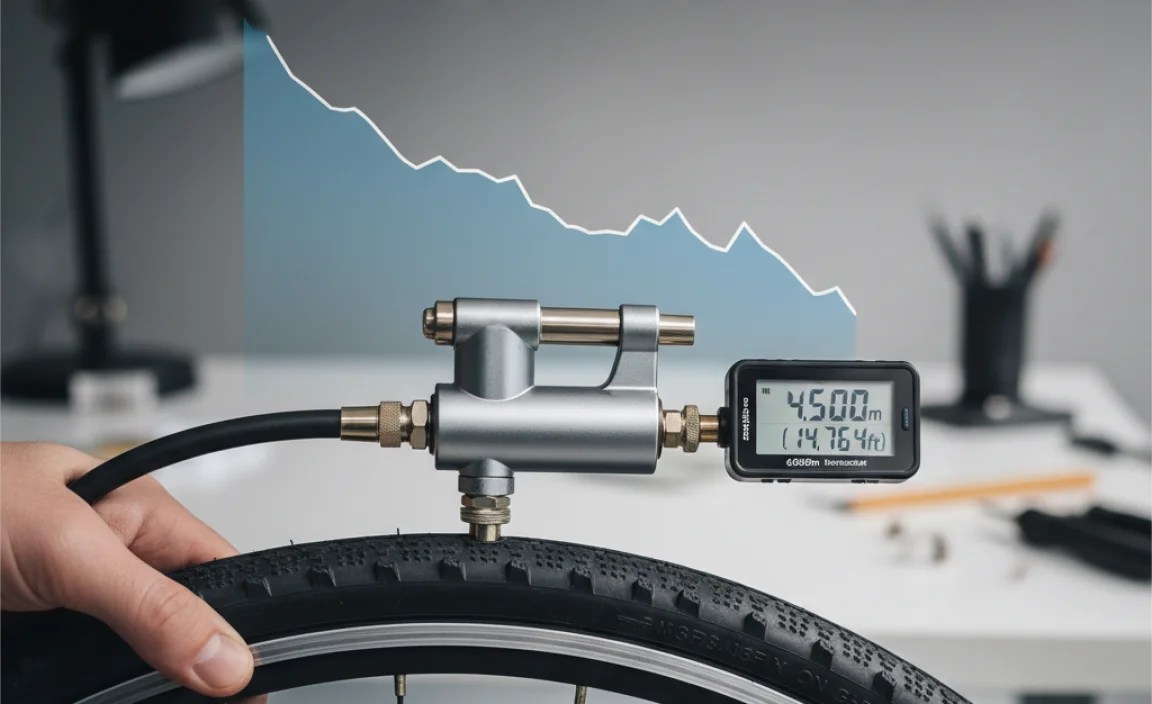
When you’re biking, a flat tire can ruin your day. CO2 inflators are handy tools for quick fixes. They use small cartridges filled with CO2 gas to inflate your tires. But some people worry about altitude. Does the CO2 inflator altitude effect change how well they work? The good news is, not really! The change in air pressure isn’t big enough to cause problems. Cartridges are sealed. They release the same amount of CO2 whether you are at sea level or high in the mountains. So, your inflator should work just fine wherever you are. Still, it’s always good to know how these tools work. Understanding how altitude affects air pressure can help you be prepared. This way, you can fix your tire and get back to riding.
- Altitude changes air pressure.
- CO2 cartridges are sealed.
- They release a consistent amount of gas.
- Temperature can affect pressure more than altitude.
- Always carry extra cartridges.
Even though altitude doesn’t matter much, other things do. Temperature can have a small effect. CO2 cools as it expands. This can lower the pressure a little bit. Make sure you know how to use your inflator. Practice at home before you need it on the road. Always check your tire pressure after using the inflator. A small gauge can help you get the right pressure. Being prepared helps you handle any flat tire. No matter where you are biking, you can ride with confidence. Enjoy the scenery and the ride!
How Does Air Pressure Change with Altitude?
Have you ever climbed a mountain and felt out of breath? That’s because the air is thinner higher up. Air pressure goes down as you gain altitude. There’s less air pushing down on you. But CO2 inflators don’t rely on outside air pressure. They use sealed cartridges. These cartridges have a set amount of CO2 inside. So, the change in air pressure outside doesn’t affect how much CO2 gets released. Think of it like a can of soda. The soda inside stays the same, no matter where you are. The same is true for CO2 cartridges. They give you the same amount of gas. This is why the CO2 inflator altitude effect is usually small.
Why Are Sealed Cartridges Important?
Imagine trying to fill a balloon on top of a mountain. It might seem harder because the air is thinner. But what if you had a pump that pushed air into the balloon? That’s like a CO2 inflator with a sealed cartridge. The cartridge holds a specific amount of CO2. It doesn’t matter if the air outside is thin or thick. The cartridge will still release the same amount of gas. This is why sealed cartridges are important. They make sure your inflator works the same at any altitude. So, you don’t have to worry about the CO2 inflator altitude effect.
Does Temperature Affect CO2 Inflators?
Have you ever noticed how a basketball feels flat in the winter? Cold temperatures can lower air pressure. The same thing can happen with CO2 inflators. When CO2 rushes out of the cartridge, it gets cold. This can slightly lower the pressure in your tire. But the change is usually small. It won’t make a huge difference. If it’s very cold, you might want to add a little extra CO2. But most of the time, you don’t need to worry. Temperature has a smaller effect than you might think. So, the CO2 inflator altitude effect is still the main thing to consider.
Fun Fact or Stat: The air pressure at the top of Mount Everest is about one-third of what it is at sea level!
Understanding CO2 Cartridge Volume and Pressure

When you use a CO2 inflator, you want your tire to fill up properly. The volume of the CO2 cartridge matters. Volume is how much space the gas takes up. The pressure is how hard the gas pushes on the tire. Most cartridges are 16 grams. This is enough to fill a road bike tire. Mountain bike tires need more volume. So, you might need a bigger cartridge. Always check the size of your tire. Then, pick the right CO2 cartridge. This will help you get the right pressure. Understanding CO2 cartridge volume and pressure is key. It helps you avoid over or under-inflating your tires. When used correctly, you don’t have to worry about the CO2 inflator altitude effect.
- CO2 cartridges come in different sizes.
- Road bike tires need less CO2.
- Mountain bike tires need more CO2.
- Check your tire size before choosing a cartridge.
- A 16-gram cartridge is common for road bikes.
- Use a larger cartridge for bigger tires.
It’s important to know what size cartridge to use. Using too small of a cartridge won’t fill your tire enough. This can make riding difficult. Using too big of a cartridge can overinflate your tire. This can cause a blowout. Check your tire’s recommended pressure. It’s usually printed on the side of the tire. Use a pressure gauge to check the pressure after inflating. This will help you get the right pressure. You will have a safe and comfortable ride. Knowing the right volume and pressure is important. It helps you use CO2 inflators effectively. Don’t let the CO2 inflator altitude effect stress you out.
How to Choose the Right Cartridge Size?
Choosing the right CO2 cartridge size is like picking the right size shoes. If they’re too small, they pinch. If they’re too big, they slip off. For road bikes, a 16-gram cartridge often works well. But if you have wider tires, you might need a 20-gram or 25-gram cartridge. Mountain bike tires usually need even bigger cartridges. Look at your tire’s size and recommended pressure. This will help you choose the right cartridge. Don’t guess! Using the right size will make sure your tire is properly inflated. Then, you can focus on enjoying your ride. You won’t need to worry about the CO2 inflator altitude effect.
What is Tire Pressure and Why Does It Matter?
Tire pressure is like the amount of air in a balloon. Too little air, and the balloon droops. Too much air, and it might pop! Tire pressure is measured in PSI (pounds per square inch). The right tire pressure makes riding easier and more comfortable. It also helps prevent flats. Check your tire’s sidewall for the recommended PSI range. Use a tire gauge to measure the pressure after inflating. Getting the right pressure can make a big difference. It will also help you not worry about the CO2 inflator altitude effect.
What Happens if You Overinflate or Underinflate?
Imagine riding a bike with flat tires. It’s hard work! Underinflated tires make it harder to pedal. They also increase the risk of getting a flat tire. Now, imagine your tires are rock hard. Overinflated tires can make the ride bumpy. They can also cause the tire to explode. It’s important to get the pressure just right. Overinflating or underinflating can cause problems. Always check the recommended pressure. Use a gauge to make sure you have the right amount of air. Then, you can ride safely and comfortably. The CO2 inflator altitude effect won’t be a problem.
Fun Fact or Stat: A properly inflated tire can reduce your rolling resistance by up to 20%!
CO2 Inflator Altitude Effect: Real-World Scenarios

Let’s think about some real bike rides. Imagine you’re biking in Death Valley. It’s below sea level and very hot. Then, you ride up to a mountain pass that is over 10,000 feet. Will your CO2 inflator work differently? Not really. The CO2 inflator altitude effect is small. But the temperature change might be noticeable. The hot air in Death Valley could make the pressure a bit higher. The cold air on the mountain pass could lower it a bit. But, sealed CO2 cartridges release the same amount of gas, no matter where you are. So, your inflator will still work. Understanding real-world scenarios can help you prepare. You can ride with confidence, knowing your inflator will do its job.
- Death Valley is below sea level.
- Mountain passes are high altitude.
- Temperature changes affect pressure more than altitude.
- CO2 cartridges are reliable at any altitude.
- Always carry extra cartridges.
Think about another scenario. You are biking in Colorado. You start in Denver, which is a mile high. Then, you climb even higher into the mountains. You get a flat tire. You use your CO2 inflator. Will it work? Yes! The CO2 inflator altitude effect won’t stop it. The cartridge will still fill your tire. But, you might feel the altitude yourself! It might be harder to breathe. So, take your time fixing the tire. Make sure you have enough air in your lungs. Being aware of these real-world scenarios is important. This allows you to prepare for any ride.
Biking at Sea Level vs. High Altitude
Imagine you’re at the beach. The air feels thick and heavy. That’s because the air pressure is higher at sea level. Now, picture yourself on a mountaintop. The air feels thin and light. That’s because the air pressure is lower. But CO2 inflators don’t care about these changes. They use sealed cartridges. The cartridges release the same amount of gas. So, the CO2 inflator altitude effect is small. Whether you’re at sea level or high altitude, your inflator will work. You can focus on enjoying the ride.
Hot Weather vs. Cold Weather and CO2 Inflators
Have you ever left a balloon in a hot car? It might pop! Heat makes air expand. Cold makes it shrink. This can affect CO2 inflators. In hot weather, the CO2 might expand a bit. This could increase the pressure slightly. In cold weather, the CO2 might shrink. This could lower the pressure. But the changes are usually small. They won’t make a huge difference. But keep this in mind when inflating your tires. The CO2 inflator altitude effect is not the only thing to consider.
What to Do If Your CO2 Inflator Fails?
Sometimes, things don’t go as planned. What if your CO2 inflator doesn’t work? Maybe the cartridge is empty. Maybe the inflator is broken. It’s always good to have a backup plan. Carry a small hand pump with you. It takes longer, but it will get the job done. Also, bring extra CO2 cartridges. This way, you have a second chance. Practice using your inflator and pump at home. This will help you be prepared for anything. Don’t let the fear of failure stop you. The CO2 inflator altitude effect won’t be a problem if you are prepared.
Fun Fact or Stat: The highest paved road in North America is Mount Evans Road in Colorado, reaching an elevation of 14,130 feet!
Comparing CO2 Inflators to Hand Pumps

CO2 inflators and hand pumps both fill tires. But they do it in different ways. CO2 inflators are fast and easy. They use a burst of gas to fill the tire. Hand pumps take longer. You have to pump air in by hand. CO2 inflators are good for quick fixes during a race. Hand pumps are better for longer rides. They don’t run out of CO2. CO2 inflators can be affected by temperature. Hand pumps are not. Thinking about these differences can help you choose. Which one is right for you? It depends on your needs. The CO2 inflator altitude effect is something to consider. However, it’s not the only factor.
- CO2 inflators are faster than hand pumps.
- Hand pumps don’t run out of gas.
- CO2 inflators are good for races.
- Hand pumps are good for long rides.
- CO2 inflators can be affected by temperature.
- Hand pumps are not affected by temperature.
Some people like the speed of CO2 inflators. They are great for getting back on the road quickly. Other people prefer the reliability of hand pumps. They know they can always use them. It’s a matter of personal choice. Some riders carry both! This way, they have a backup plan. They can use the CO2 inflator for a quick fix. Then, they can use the hand pump if they need more air. No matter which one you choose, practice using it. This will help you be ready for anything. The CO2 inflator altitude effect is a minor factor. Being prepared matters most.
Speed vs. Reliability: Which Matters More?
Imagine you’re in a bike race. You get a flat tire. Every second counts! A CO2 inflator can fill your tire in seconds. This can get you back in the race quickly. But what if the inflator fails? Then, you’re stuck. A hand pump might take longer. But it’s reliable. It will always work, as long as you have the energy. So, speed or reliability? It depends on what matters most to you. Think about your riding style. This will help you choose the right tool. The CO2 inflator altitude effect is less important than reliability.
Environmental Impact of CO2 Cartridges
CO2 cartridges are convenient, but they have an environmental impact. They are made of metal. They can be recycled, but not everyone does. Hand pumps don’t create waste. They use human power to inflate tires. If you care about the environment, a hand pump might be a better choice. You can also look for ways to recycle your CO2 cartridges. Every little bit helps. The CO2 inflator altitude effect is not the only thing to think about.
Cost Comparison: CO2 Inflators vs. Hand Pumps
CO2 inflators need cartridges. These cost money. Hand pumps don’t need anything extra. Once you buy the pump, it’s free to use. Over time, hand pumps can be cheaper. But CO2 inflators are not too expensive. It depends on how often you use them. If you get a lot of flats, the cost can add up. Think about your budget. This will help you decide which tool is best. The CO2 inflator altitude effect is not related to cost.
| Feature | CO2 Inflator | Hand Pump |
|---|---|---|
| Speed | Very Fast | Slower |
| Reliability | Depends on Cartridge | Very Reliable |
| Cost | Ongoing (Cartridges) | One-Time Purchase |
| Environmental Impact | Higher (Cartridge Waste) | Lower (No Waste) |
| Altitude Sensitivity | Minimal | None |
Fun Fact or Stat: Some CO2 cartridges are made from recyclable materials, reducing their environmental impact!
Best Practices for Using CO2 Inflators
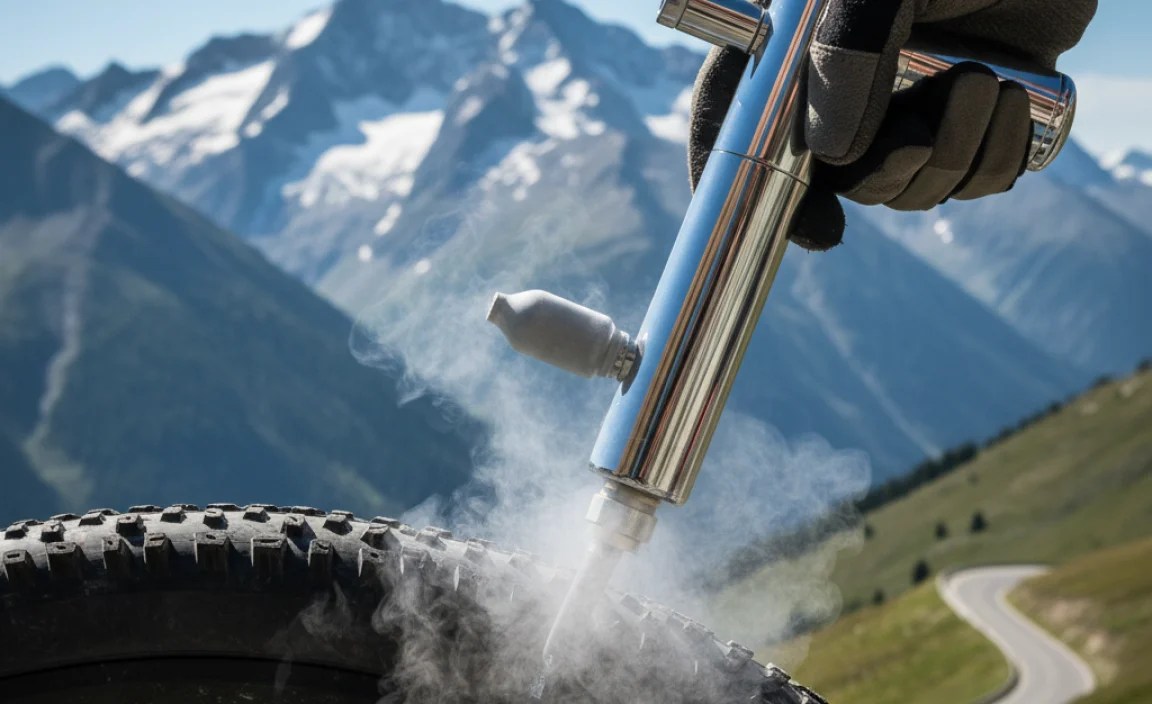
Using a CO2 inflator is easy, but it’s good to know the best way to do it. First, read the instructions. Each inflator is a little different. Second, practice at home. This will help you get comfortable with the tool. Third, carry extra CO2 cartridges. You never know when you might need them. Fourth, check your tire pressure after inflating. Use a gauge to make sure it’s right. Fifth, be careful. CO2 can get very cold. It can burn your skin. Following these best practices will help you use CO2 inflators safely. You can also be sure that the CO2 inflator altitude effect is not an issue.
- Read the instructions carefully.
- Practice using the inflator at home.
- Carry extra CO2 cartridges.
- Check your tire pressure after inflating.
- Be careful of the cold CO2.
- Store cartridges in a safe place.
Remember, safety first! Always point the inflator away from your face. Don’t over-tighten the cartridge. This can damage the inflator. If you’re not sure how to use it, ask a bike shop for help. They can show you the right way to do it. Using a CO2 inflator can be quick and easy. But it’s important to do it safely. This will help you avoid accidents. Enjoy your ride! Don’t let the CO2 inflator altitude effect worry you.
How to Attach the Inflator to the Valve?
Attaching the inflator to the valve is like connecting a hose to a faucet. You want a good seal. This will stop air from leaking out. Most inflators have a screw-on or push-on design. Make sure the inflator is firmly attached. If it’s loose, air will escape. This can waste your CO2 cartridge. Take your time. Get it right. A good connection will make inflating your tire easier. It will also ensure that the CO2 inflator altitude effect is not a problem.
How to Control the CO2 Flow?
Imagine pouring water into a glass. You want to control the flow. You don’t want to spill any. Some CO2 inflators have a control valve. This lets you control how fast the CO2 comes out. Other inflators release all the CO2 at once. If you have a control valve, use it. This will help you avoid over-inflating your tire. If you don’t have a valve, be careful. Release the CO2 in short bursts. This will give you more control. Controlling the flow is important. It helps you get the right pressure. You won’t need to think about the CO2 inflator altitude effect.
What to Do After Inflating Your Tire?
You’ve inflated your tire. Great! But you’re not done yet. First, check the tire pressure. Use a gauge to make sure it’s right. Second, remove the inflator carefully. The cartridge will be very cold. Third, store the used cartridge safely. Don’t leave it on the road. Fourth, double-check the tire for leaks. Make sure there are no punctures. After inflating, take a moment to check everything. This will help you have a safe and enjoyable ride. The CO2 inflator altitude effect is not the only thing to consider.
Fun Fact or Stat: The temperature of CO2 released from an inflator can be as low as -78 degrees Celsius (-108 degrees Fahrenheit)!
Troubleshooting Common CO2 Inflator Problems
Sometimes, CO2 inflators don’t work as expected. Maybe the cartridge is empty. Maybe the inflator is clogged. Maybe the tire still goes flat. It’s good to know how to fix these problems. First, check the cartridge. Is it full? Second, check the inflator. Is it clean? Third, check the tire. Is there a hole? If you can find the problem, you can fix it. Knowing how to troubleshoot can save you time and frustration. It will also help you be prepared for anything. The CO2 inflator altitude effect is usually not the issue.
- Check the CO2 cartridge.
- Check the inflator for clogs.
- Check the tire for punctures.
- Make sure the inflator is properly attached.
- Use a new cartridge if the old one is empty.
- Carry spare cartridges and a patch kit.
If your tire keeps going flat, you might have a thorn or nail in it. Use a patch kit to fix the hole. If you don’t have a patch kit, you can use a dollar bill! Fold it up and put it between the tire and the tube. This will help you get home. Troubleshooting can be tricky. But with a little practice, you can handle it. The CO2 inflator altitude effect is not a common problem. Being prepared and knowing how to fix things is more important. So, you can enjoy your bike ride!
What If the CO2 Cartridge is Empty?
Imagine you’re thirsty. You reach for your water bottle. But it’s empty! That’s how it feels when your CO2 cartridge is empty. You can’t fill your tire. The solution is simple: carry spare cartridges. Always have a few extra with you. This way, you’re prepared. You can quickly replace the empty cartridge. Then, you can inflate your tire. Don’t let an empty cartridge ruin your ride. Carry spares. The CO2 inflator altitude effect is not a concern if you have spares.
Why Is Air Leaking Out After Inflation?
Air leaking out after inflation is like a leaky faucet. It’s annoying. It means you’re losing pressure. There could be a few reasons. Maybe the valve isn’t closed properly. Maybe there’s a hole in the tire. Check the valve first. Make sure it’s tight. If that doesn’t work, check the tire. Look for a puncture. If you find a hole, use a patch kit. Stopping the leak will keep your tire inflated. You won’t need to worry about the CO2 inflator altitude effect.
How to Prevent CO2 Inflator Freezing?
CO2 inflators can get very cold. This can cause them to freeze. The cold can burn your skin. To prevent freezing, wear gloves. This will protect your hands. Also, hold the inflator loosely. Don’t grip it too tightly. This will let air circulate. If the inflator starts to freeze, stop. Let it warm up a bit. Then, continue inflating. Preventing freezing will make using the inflator safer. The CO2 inflator altitude effect is less of a concern than freezing.
Fun Fact or Stat: Rapid CO2 release can cause frostbite in seconds, so always handle with care!
Summary
CO2 inflators are handy tools for fixing flat tires. They are quick and easy to use. But some people worry about the CO2 inflator altitude effect. The good news is, altitude doesn’t matter much. Sealed CO2 cartridges release the same amount of gas. Whether you’re at sea level or high in the mountains, your inflator should work fine. Temperature can have a small effect. Colder temperatures can lower the pressure a bit. Always carry extra cartridges and a hand pump. Also, practice using your inflator at home. This will help you be prepared for anything. Enjoy your ride!
Conclusion
CO2 inflators are great for quick tire repairs. They are especially helpful during races or group rides. While temperature can slightly affect pressure, the CO2 inflator altitude effect is minimal. This means you can rely on your inflator no matter where you are riding. Always be prepared with extra cartridges and a good understanding of how your inflator works. Safe riding!
Frequently Asked Questions
Question No 1: Does altitude affect the performance of CO2 inflators?
Answer: The CO2 inflator altitude effect is minimal. CO2 inflators use sealed cartridges containing a fixed amount of gas. The pressure change due to altitude is not significant enough to impact how well the inflator works. You can rely on them at both low and high altitudes. Remember to always check your tire pressure after inflation. This will help you ensure it is at the correct level.
Question No 2: How does temperature affect CO2 inflators?
Answer: Temperature can have a more noticeable effect than altitude. When CO2 is released, it cools down. This can slightly reduce the tire pressure. In very cold conditions, you might need to add a little extra CO2. In hot conditions, the pressure might be a bit higher. Always check your tire pressure with a gauge to make sure it is correct. Temperature is something to be aware of. However, the CO2 inflator altitude effect remains small.
Question No 3: What size CO2 cartridge should I use for my bike tires?
Answer: The right size depends on your tire size. Road bike tires typically need a 16-gram cartridge. Mountain bike tires often need a 20-gram or 25-gram cartridge. Check your tire’s recommended pressure (PSI). This is usually printed on the sidewall. Choose a cartridge that will get you close to that pressure. It is better to use a slightly larger cartridge than one that is too small.
Question No 4: Can I reuse CO2 cartridges?
Answer: No, CO2 cartridges are single-use only. Once you use a cartridge, it is empty and cannot be refilled. Always carry extra cartridges with you on your rides. This will ensure you are prepared for multiple flat tires. Used cartridges can often be recycled. Check with your local recycling center for guidelines on how to dispose of them properly. Do not attempt to puncture or crush the cartridges yourself.
Question No 5: What are the safety precautions for using CO2 inflators?
Answer: CO2 inflators can get very cold during use. This can cause frostbite. Always wear gloves to protect your hands. Point the inflator away from your face and body. Do not over-tighten the cartridge. This can damage the inflator. Keep CO2 cartridges away from children. Remember that even though the CO2 inflator altitude effect is not a big concern, safety always comes first.
Question No 6: What should I do if my CO2 inflator fails?
Answer: It is always a good idea to have a backup plan. Carry a small hand pump with you in addition to your CO2 inflator. If the inflator fails, you can use the hand pump to inflate your tire. Also, carry extra CO2 cartridges. This gives you another chance to use the inflator. Practice using both the inflator and the hand pump at home. This will help you be prepared for any situation. Don’t let the fear of the CO2 inflator altitude effect or failure hold you back from riding.


