
Inflation Accessories Every Cyclist Should Own: Ultimate Guide

Inflation Accessories Every Cyclist Should Own: Quick Summary
Every cyclist needs reliable inflation tools. Essential inflation accessories include a dependable floor pump for home use, a portable mini-pump or CO2 inflator for rides, spare tubes, tire levers, and a patch kit for quick repairs. A pressure gauge ensures accurate tire inflation, maximizing performance and preventing flats. These items will keep your tires properly inflated and you rolling smoothly!
Have you ever been stuck on the side of the road with a flat tire and no way to inflate a new tube? It’s a cyclist’s worst nightmare! Proper tire inflation is key to a comfortable, efficient, and safe ride. But it’s more than just having a pump. You need the right accessories to get the job done right, whether you’re at home or miles from anywhere.
This guide will walk you through the essential inflation accessories every cyclist should own. We’ll cover everything from floor pumps to CO2 inflators, ensuring you’re prepared for any situation. Get ready to learn how to keep your tires in top shape and enjoy worry-free rides!
Why Proper Tire Inflation Matters

Before we dive into the accessories, let’s quickly cover why proper tire inflation is so important:
- Performance: Properly inflated tires roll faster and more efficiently.
- Comfort: Correct pressure absorbs bumps and vibrations, making your ride smoother.
- Safety: Under-inflated tires increase the risk of pinch flats and poor handling. Over-inflated tires can lead to blowouts.
- Tire Life: Maintaining proper pressure extends the life of your tires.
Now that we know why it matters, let’s explore the essential inflation accessories.
The Essential Inflation Accessories

1. Floor Pump (aka Track Pump)
A floor pump is a must-have for every cyclist’s home. It allows you to quickly and easily inflate your tires to the correct pressure. Look for these features:
- Stable Base: A wide, sturdy base prevents tipping.
- Accurate Gauge: An easy-to-read gauge is crucial for precise inflation.
- Durable Construction: A steel or aluminum barrel will last longer than plastic.
- Dual Head: A head that works with both Presta and Schrader valves is very convenient.
Recommendation: The Topeak JoeBlow Sport III is a popular and reliable option.
How to Use a Floor Pump:
- Attach the pump head to your tire valve, ensuring a secure fit.
- Lock the pump head lever (if applicable).
- Place both feet on the pump base for stability.
- Pump until you reach the desired pressure, as indicated on the gauge.
- Unlock the lever and remove the pump head.
2. Portable Mini-Pump
A mini-pump is essential for on-the-road repairs. It’s small enough to carry in a jersey pocket or saddlebag, but powerful enough to inflate a tire to a rideable pressure. Consider these factors:
- Size and Weight: Look for a compact and lightweight pump.
- Inflation Efficiency: Some mini-pumps require many strokes to inflate a tire. Read reviews to find an efficient model.
- Valve Compatibility: Make sure it works with both Presta and Schrader valves, or choose one specific to your needs.
- Mounting Bracket: A bracket that attaches to your bike frame is a convenient way to carry the pump.
Recommendation: The Lezyne Micro Floor Drive HP is a high-quality mini-pump with a foot peg for easier inflation.
How to Use a Mini-Pump:
- Attach the pump head to your tire valve.
- Lock the pump head lever (if applicable).
- Place the pump on the ground (if it has a foot peg) or hold it firmly.
- Pump until you reach a rideable pressure. This may take some effort!
- Unlock the lever and remove the pump head.
3. CO2 Inflator
A CO2 inflator is a fast and convenient way to inflate a tire. It uses a cartridge of compressed carbon dioxide to quickly fill the tire. Here’s what to look for:
- Controlled Inflation: Look for an inflator with a control valve to regulate the flow of CO2.
- Threaded Cartridges: Threaded cartridges are more reliable and less prone to leaks.
- Insulated Sleeve: CO2 cartridges get very cold when discharged. An insulated sleeve protects your hands.
- Compact Size: Choose a small and lightweight inflator that’s easy to carry.
Recommendation: The Genuine Innovations Ultraflate CO2 Inflator is a popular and reliable option.
How to Use a CO2 Inflator:
- Thread the CO2 cartridge into the inflator head.
- Attach the inflator head to your tire valve.
- Open the control valve (if applicable) to release the CO2.
- Inflate the tire to the desired pressure.
- Remove the inflator head.
Caution: CO2 inflators can be tricky to use. Practice at home before relying on one on the road. Also, CO2 permeates tubes faster than air, so you’ll need to reinflate with a pump as soon as possible.
4. Spare Tubes
Carrying spare tubes is essential for dealing with flats. Make sure you have the correct size and valve type for your wheels. Consider these tips:
- Correct Size: Check your tire sidewall for the correct tube size (e.g., 700x25c).
- Valve Type: Choose Presta or Schrader valves to match your wheels.
- Quality Brand: Reputable brands like Continental and Schwalbe offer reliable tubes.
- Carry Two: It’s always a good idea to carry a spare spare!
Recommendation: Continental Race Tubes are a popular and reliable choice.
How to Install a Spare Tube:
- Remove the wheel from your bike.
- Use tire levers to remove the tire from the rim.
- Remove the punctured tube.
- Inspect the tire for any sharp objects that caused the flat.
- Insert one bead of the tire back onto the rim.
- Insert the new tube into the tire, starting with the valve.
- Carefully seat the remaining tire bead onto the rim, using tire levers if necessary.
- Inflate the tube slightly to ensure it’s properly seated.
- Fully inflate the tube to the recommended pressure.
- Reinstall the wheel on your bike.
5. Tire Levers
Tire levers are essential for removing tires from the rim. Look for these features:
- Strong Material: Plastic or composite levers are less likely to damage your rims than metal levers.
- Ergonomic Design: Levers with a comfortable shape are easier to use.
- Spoke Hook: A hook that attaches to your spokes can hold the lever in place while you work.
- Pack of Three: Three levers are usually enough to remove even tight tires.
Recommendation: Park Tool TL-1.2 Tire Levers are a durable and reliable option.
How to Use Tire Levers:
- Insert one lever under the tire bead and hook it onto a spoke.
- Insert a second lever a few inches away from the first.
- Slide the second lever around the rim to lift the tire bead off the rim.
- Use a third lever if necessary to remove the tire completely.
6. Patch Kit
A patch kit is a cost-effective way to repair small punctures. It’s also a good backup in case you run out of spare tubes. Consider these factors:
- Glueless Patches: Glueless patches are quick and easy to apply.
- Sandpaper: Sandpaper is used to roughen the tube surface for better adhesion.
- Compact Size: Choose a small and lightweight kit that’s easy to carry.
- Reliable Adhesive: If using a traditional patch kit with glue, make sure the adhesive is fresh.
Recommendation: Park Tool GP-2 Super Patch Kit is a popular and reliable option.
How to Use a Patch Kit:
- Locate the puncture in the tube.
- Roughen the tube surface around the puncture with sandpaper.
- Apply glue to the roughened area (if using a traditional patch kit) and let it dry for a few minutes.
- Apply the patch to the glued area, pressing firmly.
- Wait a few minutes for the patch to adhere completely.
- Inflate the tube slightly to check for leaks.
7. Pressure Gauge
An accurate pressure gauge is essential for ensuring your tires are inflated to the correct pressure. This is especially important for maximizing performance and preventing flats. Look for these features:
- Digital or Analog: Digital gauges are more accurate, but analog gauges are more durable.
- Pressure Range: Choose a gauge with a pressure range that matches your tires.
- Valve Compatibility: Make sure it works with both Presta and Schrader valves.
- Easy to Read: A clear and easy-to-read display is essential.
Recommendation: The Topeak SmartGauge D2 is a popular and accurate digital gauge.
How to Use a Pressure Gauge:
- Attach the gauge to your tire valve.
- Read the pressure on the gauge.
- Adjust the pressure as needed.
Choosing the Right Accessories for Your Needs
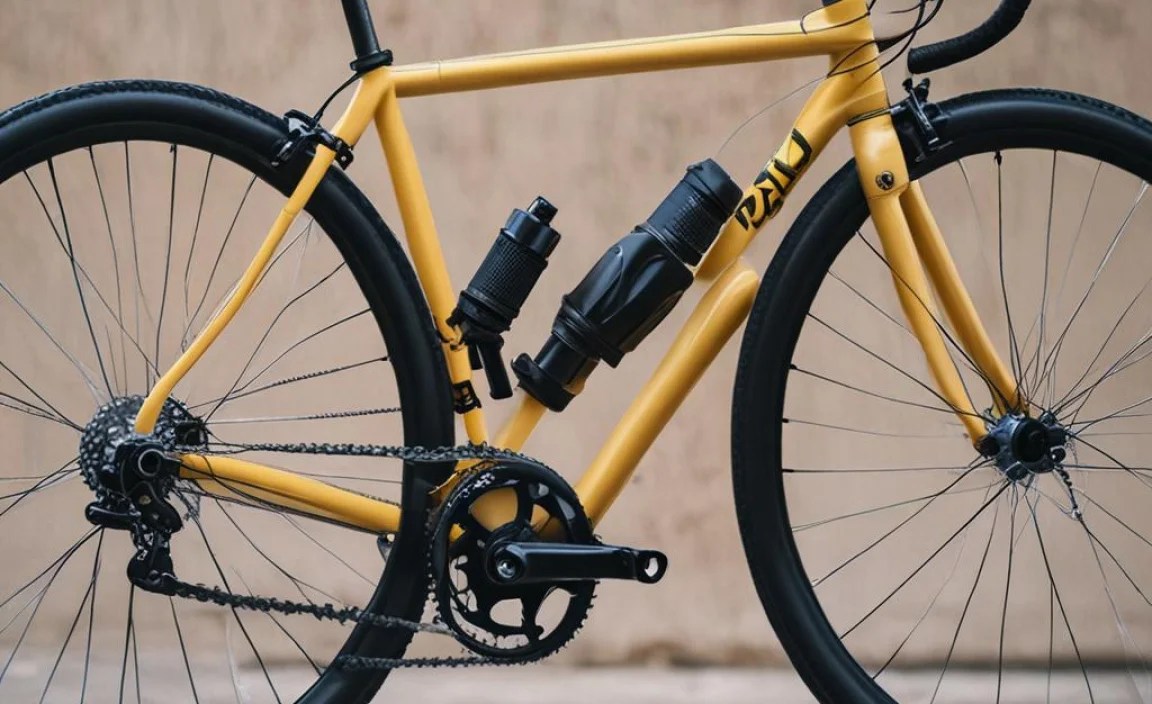
The best inflation accessories for you will depend on your riding style and needs. Here’s a quick guide:
- Commuters: A floor pump, mini-pump, spare tubes, tire levers, and patch kit are essential.
- Road Cyclists: A floor pump, CO2 inflator, spare tubes, tire levers, and pressure gauge are a good choice.
- Mountain Bikers: A floor pump, mini-pump, spare tubes, tire levers, and a low-pressure gauge are recommended.
- Gravel Riders: A floor pump, mini-pump, spare tubes, tire levers, patch kit, and pressure gauge are ideal.
Inflation Accessory Comparison Table

| Accessory | Pros | Cons | Best For |
|---|---|---|---|
| Floor Pump | Easy to use, accurate, durable | Not portable | Home use |
| Mini-Pump | Portable, lightweight | Can be difficult to use, less accurate | On-the-road repairs |
| CO2 Inflator | Fast, convenient | Single use, can be wasteful | Quick inflation on rides |
| Spare Tubes | Reliable, easy to install | Take up space, can be punctured | Flat tire replacement |
| Tire Levers | Essential for removing tires | Can damage rims if used improperly | Tire removal and installation |
| Patch Kit | Cost-effective, reusable | Requires some skill, not always reliable | Small puncture repairs |
| Pressure Gauge | Accurate pressure readings | Requires batteries (for digital gauges) | Ensuring correct tire pressure |
Tips for Maintaining Your Inflation Accessories
To keep your inflation accessories in good working order, follow these tips:
- Store your floor pump in a dry place.
- Check your mini-pump for leaks regularly.
- Replace CO2 cartridges after each use.
- Inspect your spare tubes for damage before each ride.
- Replace tire levers if they become worn or damaged.
- Store your patch kit in a cool, dry place.
- Calibrate your pressure gauge regularly. You can verify the accuracy of your pressure gauge using a known pressure source.
FAQ About Inflation Accessories
Here are some frequently asked questions about inflation accessories:
What is the difference between Presta and Schrader valves?
Presta valves are narrow and have a locking nut at the tip. Schrader valves are wider and similar to those found on car tires.
How much pressure should I put in my tires?
The recommended pressure is usually printed on the tire sidewall. You can also use an online tire pressure calculator to find the optimal pressure for your weight and riding conditions.
Can I use a car tire pump on my bicycle?
Yes, but you’ll need an adapter to connect the pump to your bicycle’s valve. Floor pumps typically work with both Presta and Schrader valves.
How often should I check my tire pressure?
It’s a good idea to check your tire pressure before every ride. Tires lose pressure over time, so regular checks are essential.
What should I do if I get a flat tire on the road?
First, safely pull over to the side of the road. Then, use your tire levers to remove the tire, replace the tube (or patch it), and inflate the tire with your mini-pump or CO2 inflator.
Are tubeless tires more resistant to flats?
Yes, tubeless tires are generally more resistant to punctures than traditional tube-type tires. They also allow you to run lower pressures for better grip and comfort.
What is a tubeless sealant, and how does it work?
Tubeless sealant is a liquid that is injected into tubeless tires. It seals small punctures automatically, preventing air loss and keeping you rolling.
Conclusion
Having the right inflation accessories can make all the difference in your cycling experience. From a reliable floor pump for home use to a portable mini-pump for on-the-road repairs, these tools will help you keep your tires properly inflated and ensure a smooth, safe ride. Don’t leave home without them!
Now you’re equipped with the knowledge to choose the best inflation accessories for your needs. So, gear up, get out there, and enjoy the ride!


