
How to Fix Mount Bracket That Cracks Under Stress? Easy!

Have you ever built something cool, only for it to break? Imagine a swing set. You put it up. Then one day, a mount bracket cracks under stress. It’s sad! These brackets hold things together. Cracks can make things wobbly or fall apart.
Learning to fix these cracks is important. It saves money. It also keeps things safe. So, how do you fix a mount bracket that cracks under stress? Let’s find out.
Key Takeaways
- Knowing how to fix a mount bracket that cracks under stress saves time and money.
- Welding is a strong way to repair metal brackets, but needs skill and safety.
- Using metal epoxy is an easier fix for small cracks in mount brackets.
- Reinforcing brackets with extra metal can prevent future stress cracks.
- Proper tools and safety gear are key when fixing any cracked mount bracket.
Understanding Why Mount Brackets Crack
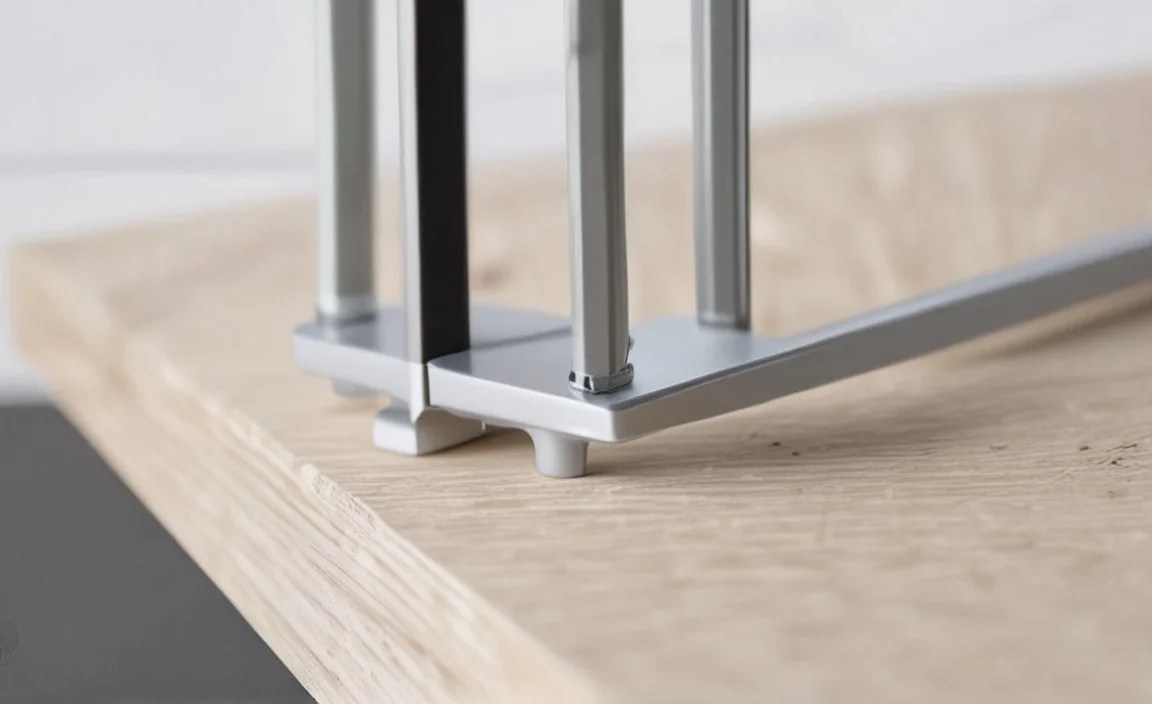
Mount brackets are like the superheroes of holding things up. They connect different parts. They make sure everything stays in place. But, sometimes, even superheroes have problems. Mount brackets can crack. Why does this happen? One big reason is stress. Stress is like a bully. It pushes and pulls on the bracket. Over time, this can make tiny cracks. These cracks grow bigger. Then, the bracket breaks. Another reason is the material. Some metals are stronger than others. If the bracket is made of weak metal, it will crack easier. Weather can also cause cracks. Rain and sun can weaken the metal. This is like the bracket getting old and tired. Knowing why brackets crack helps us fix them better and faster. We can also make sure it doesn’t happen again!
- Stress from heavy loads causes cracks.
- Weak materials break more easily.
- Weather can weaken the bracket over time.
- Poor design can cause stress points.
- Vibrations also lead to cracks.
Think of a paperclip. If you bend it back and forth a lot, it will break. A mount bracket is kind of like that paperclip. Every time something pushes or pulls on it, the bracket bends a little. If it bends too much, it gets weak. Then, one day, it cracks. Fixing a cracked bracket is like giving it a superhero boost. You make it strong again. You help it stand up to the stress. You make sure it can do its job. Understanding why brackets crack is the first step. Now, you’re ready to learn how to fix a mount bracket that cracks under stress and make it super strong again!
What is Metal Fatigue?
Have you ever bent a paperclip back and forth until it broke? That’s kind of like metal fatigue! Metal fatigue happens when metal parts are used over and over. Tiny cracks start to form. These cracks grow slowly. Over time, the part gets weak. Then, it breaks. Metal fatigue is a big problem for things like airplanes and bridges. Engineers work hard to design things that can handle metal fatigue. They use strong materials. They also check for cracks often. This keeps everyone safe. Metal fatigue is one reason mount brackets crack. The constant stress and use make them weak. Fixing these cracks early can stop bigger problems later.
Effects of Corrosion on Brackets
Imagine leaving your bike outside in the rain. What happens? It gets rusty! That rust is called corrosion. Corrosion is like a monster that eats away at metal. It makes the metal weak and brittle. This can cause mount brackets to crack. Saltwater is especially bad for corrosion. That’s why boats and things near the ocean need extra protection. To stop corrosion, people use special paints and coatings. These coatings protect the metal from water and air. Checking your brackets for rust is important. If you see rust, clean it off. Then, add a new coat of paint or coating. This will help your brackets last longer.
Importance of Regular Inspections
Why do doctors check you when you’re not sick? They want to catch problems early! Checking your mount brackets regularly is like that. It helps you find small cracks before they become big problems. Look for rust, bends, or any signs of damage. If you find something, fix it right away. This can save you time and money in the long run. Regular inspections also keep things safe. A broken bracket can cause accidents. So, take a few minutes to check your brackets. It’s a simple way to keep everything working well. Are your brackets in good shape?
Fun Fact or Stat: The Golden Gate Bridge has a team of painters who constantly repaint it to prevent corrosion. This keeps the bridge strong and safe!
Tools and Materials Needed for Repair

To fix a mount bracket that cracks under stress, you need the right tools. It’s like being a superhero. You can’t save the day without your gadgets! First, you’ll need safety glasses. These protect your eyes from flying bits of metal. Next, you’ll need gloves. Gloves keep your hands safe. You might also need a welding machine if the crack is big. A welding machine uses heat to melt metal together. But welding needs practice. If you’re not good at welding, you can use metal epoxy. Metal epoxy is like super glue for metal. It’s easy to use. You’ll also need a wire brush to clean the metal. A clean surface helps the epoxy stick better. Sandpaper is also useful. It helps to smooth rough edges. A clamp can hold the bracket together while the epoxy dries. Having the right tools makes the job easier and safer.
- Safety glasses protect your eyes.
- Gloves protect your hands.
- A welding machine fixes big cracks.
- Metal epoxy is good for small cracks.
- A wire brush cleans the metal.
- Sandpaper smooths rough edges.
- Clamps hold the bracket in place.
Imagine you’re building a Lego castle. You wouldn’t try to build it with just your hands, right? You need the right Lego bricks. Fixing a mount bracket is the same. You need the right tools and materials. Trying to fix it without them is like trying to build a castle with no Legos. It won’t work very well. Also, using the right tools makes the job safer. You don’t want to get hurt while you’re fixing something. So, before you start, make sure you have everything you need. Then, you can fix that cracked mount bracket like a pro!
Choosing the Right Welding Machine
Welding machines are like magic wands for metal. They can join metal pieces together. But, there are different types of welding machines. Some are better for certain jobs. For fixing mount brackets, a MIG welder is often a good choice. MIG welders are easy to use. They also work well on different kinds of metal. But, welding can be dangerous. You need to wear a special mask to protect your eyes. You also need gloves and a welding jacket. Welding is like cooking with fire. It’s powerful, but you need to be careful.
Selecting the Best Metal Epoxy
Metal epoxy is like super glue for metal. It’s a great way to fix small cracks. But, not all metal epoxies are the same. Some are stronger than others. When picking a metal epoxy, look for one that says it’s good for metal. Also, check how strong it is. The label will tell you how much weight it can hold. Make sure it’s strong enough for your bracket. Using the right metal epoxy can make your fixed mount bracket last a long time.
Importance of Safety Gear
Imagine you’re a race car driver. You wouldn’t drive without a helmet, right? Safety gear is super important when fixing things. Safety glasses protect your eyes from flying bits of metal. Gloves protect your hands from cuts and burns. If you’re welding, you need a welding mask and jacket. These protect you from the hot sparks. Always wear the right safety gear. It’s like putting on your superhero costume before you save the day. Safety first!
Fun Fact or Stat: Wearing safety glasses can reduce eye injuries by 90%!
Step-by-Step Guide to Fixing Cracks with Epoxy

Using epoxy to fix a mount bracket that cracks under stress is simple. First, you need to clean the bracket. Use a wire brush to remove any rust or dirt. Make sure the area around the crack is clean. Next, mix the epoxy. Most epoxies come in two parts. You need to mix them together. Follow the instructions on the package. Now, apply the epoxy to the crack. Use a small tool to push it into the crack. Make sure the crack is filled completely. If the crack is big, you can use a clamp to hold the bracket together while the epoxy dries. Let the epoxy dry for the time listed on the package. Don’t touch it while it’s drying. Once the epoxy is dry, you can sand it smooth. Now your bracket is fixed!
- Clean the bracket with a wire brush.
- Mix the two parts of the epoxy.
- Apply the epoxy to the crack.
- Use a clamp if needed.
- Let the epoxy dry completely.
- Sand the epoxy smooth.
- Check the bracket is strong.
Think of fixing a crack with epoxy like patching a hole in a tire. First, you clean the area around the hole. Then, you put on the patch. You press it down firmly. You wait for it to stick. Fixing a bracket with epoxy is the same. You clean the crack. You apply the epoxy. You let it dry. It’s a simple process. But it can make a big difference. A small crack can turn into a big problem. Fixing it with epoxy can save you time and money. Plus, it’s satisfying to fix something yourself!
Preparing the Surface for Epoxy
Why do you wash your hands before you eat? To get rid of germs! Cleaning the mount bracket before applying epoxy is like that. You need to remove any dirt, rust, or grease. These things can stop the epoxy from sticking. Use a wire brush to scrub the bracket. Then, wipe it down with a clean cloth. You can also use sandpaper to rough up the surface. This gives the epoxy something to grip onto. A clean surface is key for a strong repair.
Mixing and Applying Epoxy Correctly
Mixing epoxy is like baking a cake. You need to follow the recipe! Most epoxies come in two parts. You need to mix them together in the right amounts. Too much of one part can make the epoxy weak. Follow the instructions on the package. Mix the epoxy thoroughly. Then, apply it to the crack. Use a small tool to push it into the crack. Make sure the crack is filled completely. Applying epoxy correctly is important for a strong fix on any cracked mount bracket.
Curing Time and Post-Repair Steps
Have you ever waited for cookies to bake? That’s kind of like waiting for epoxy to cure. Curing is when the epoxy gets hard and strong. You need to wait for the epoxy to cure completely. The package will tell you how long to wait. Don’t touch the bracket while the epoxy is curing. Once the epoxy is cured, you can sand it smooth. Then, you can paint the bracket to protect it from rust. Curing and post-repair steps are important for a long-lasting fix.
Fun Fact or Stat: Some epoxies can hold up to 3,000 pounds per square inch!
Welding Techniques for Stronger Repairs

Welding is like being a superhero with a fire-powered tool. It uses high heat to melt metal together. This creates a super strong bond. Welding can fix big cracks in mount brackets. But, it’s not easy. You need to know what you’re doing. First, you need to clean the metal. Remove any rust or dirt. Then, you need to set up your welding machine. Choose the right settings for the type of metal you’re welding. Now, you can start welding. Hold the welding torch steady. Move it slowly along the crack. The heat will melt the metal together. Let the weld cool down slowly. This makes it stronger. Welding is a powerful way to fix cracks. But, always be careful!
- Clean the metal before welding.
- Set up the welding machine correctly.
- Hold the welding torch steady.
- Move the torch slowly along the crack.
- Let the weld cool down slowly.
- Wear safety gear when welding.
- Check the weld for strength.
Imagine you’re building a bridge out of metal. You wouldn’t just glue the pieces together, right? You would weld them. Welding creates a super strong bond. It’s like making the metal pieces one solid piece. Welding is the best way to fix a mount bracket that cracks under stress. It makes the bracket stronger than new. But, welding is also dangerous. You need to wear a special mask to protect your eyes from the bright light. You also need gloves and a welding jacket to protect your skin from the heat. So, if you’re going to weld, be sure to take all the safety precautions. Then, you can weld like a pro!
Understanding Different Welding Methods
There are different ways to weld metal. It’s like having different superpowers! MIG welding is easy to learn. It’s good for welding thin metal. TIG welding is harder. But, it makes very clean welds. Stick welding is good for welding thick metal. Each type of welding has its own strengths and weaknesses. Knowing which type to use is important. If you want to repair mount brackets, MIG welding is a good place to start.
Proper Welding Safety Procedures
Why do firefighters wear special suits? To protect themselves from the fire! Welding safety procedures are like that. They protect you from the dangers of welding. Always wear a welding mask to protect your eyes. Wear gloves and a welding jacket to protect your skin. Work in a well-ventilated area. Welding fumes can be bad for you. Keep flammable materials away from your welding area. Welding is powerful, but it can also be dangerous. Safety first!
Finishing and Grinding Welded Areas
Have you ever seen a blacksmith shape metal? They use a hammer and anvil to make it smooth. Finishing and grinding welded areas is like that. It makes the weld look nice and clean. After you weld, the weld might be rough. You can use a grinder to smooth it out. A grinder is like a power tool for metal. It can remove extra metal and make the surface smooth. Finishing and grinding make the weld look professional. They also make it stronger.
Fun Fact or Stat: The world’s longest weld is over 63 miles long! It’s on a natural gas pipeline in Russia.
Reinforcing Brackets to Prevent Future Cracks

So, you fixed your mount bracket. That’s great! But, what if it cracks again? You need to reinforce it! Reinforcing means making it stronger. There are several ways to do this. One way is to add extra metal. You can weld a metal plate to the bracket. This makes it thicker and stronger. Another way is to use a different material. Use a stronger type of metal. You can also change the design of the bracket. Make it more resistant to stress. Reinforcing brackets helps them last longer. It also keeps things safe. A strong bracket is a happy bracket!
- Add extra metal to the bracket.
- Use a stronger type of metal.
- Change the design of the bracket.
- Use gussets to add support.
- Coat the bracket to prevent rust.
- Regularly inspect the bracket.
- Replace worn brackets.
Think of reinforcing a bracket like building a stronger foundation for a house. The foundation is what holds the house up. If the foundation is weak, the house can crack and crumble. Reinforcing a bracket is like making the foundation stronger. It helps the bracket withstand the stress. It keeps it from cracking. Reinforcing is especially important if the bracket is holding something heavy. A stronger bracket means a safer structure. So, take the time to reinforce your brackets. It’s worth it in the long run. You can prevent a mount bracket that cracks under stress by making it stronger in the first place.
Adding Gussets for Extra Support
Have you ever seen a bridge with extra supports? Those supports are called gussets. Gussets are like superheroes for brackets. They add extra strength and support. You can weld gussets to the sides of the bracket. This helps it handle more weight. Gussets are especially useful for brackets that hold heavy things. Adding gussets is a simple way to reinforce a bracket. It can prevent future cracks.
Choosing Stronger Materials
Why are some toys tougher than others? They’re made of stronger materials! The same is true for mount brackets. Some metals are stronger than others. Steel is stronger than aluminum. Stainless steel is even stronger. When replacing a bracket, choose a stronger material. This will help it last longer. It will also prevent cracks. Choosing the right material is important for a strong repair.
Modifying the Bracket Design
Imagine you’re designing a paper airplane. Some designs fly better than others! The same is true for mount brackets. The design of the bracket can affect how strong it is. A poorly designed bracket can have weak points. These weak points are more likely to crack. If possible, modify the bracket design. Make it more resistant to stress. You can add curves or angles to distribute the weight. A better design can prevent future cracks.
Fun Fact or Stat: Engineers use computer simulations to test bracket designs before they are built.
Preventative Measures to Extend Bracket Life
Want your mount brackets to last a long time? You need to take care of them! This means taking preventative measures. Preventative measures are like giving your brackets a healthy diet and exercise. First, protect them from the weather. Rain and sun can weaken the metal. Paint the brackets or coat them with a protective spray. Next, check them regularly for cracks or rust. Catching problems early can prevent bigger issues later. Also, make sure the brackets aren’t overloaded. Don’t put too much weight on them. Taking these steps can extend the life of your brackets. It also keeps things safe.
- Protect brackets from the weather.
- Check brackets for cracks and rust.
- Don’t overload the brackets.
- Tighten bolts regularly.
- Lubricate moving parts.
- Replace worn brackets.
- Keep the area around brackets clean.
Think of preventative measures like taking care of your teeth. You brush them every day. You go to the dentist for checkups. This keeps your teeth healthy and strong. Taking care of your mount brackets is the same. You protect them from the weather. You check them for problems. This keeps them strong and prevents cracks. A little bit of care can go a long way. By taking preventative measures, you can make your brackets last for years. This saves you time and money. It also keeps things safe.
Applying Protective Coatings
Why do we wear sunscreen? To protect our skin from the sun! Applying protective coatings to mount brackets is like that. It protects them from the weather. Paint is a good protective coating. It keeps water and air away from the metal. You can also use a special protective spray. These sprays create a barrier against rust and corrosion. Applying protective coatings can extend the life of your brackets.
Regular Cleaning and Maintenance
Have you ever cleaned your room? It makes everything look nicer! Regular cleaning and maintenance can also help your mount brackets last longer. Remove any dirt, dust, or debris from the brackets. Use a brush or a cloth. Check for loose bolts or screws. Tighten them if needed. Lubricate any moving parts. Regular cleaning and maintenance keep your brackets in good shape.
Avoiding Overloading Brackets
Imagine you’re carrying a backpack. If you put too much stuff in it, it gets heavy! Overloading mount brackets is like that. It puts too much stress on them. This can cause them to crack. Make sure the brackets are strong enough for the weight they’re holding. Don’t put too much weight on them. If you need to hold more weight, use stronger brackets. Avoiding overloading can prevent cracks.
Fun Fact or Stat: Some bridges have sensors that measure the stress on the supports.
| Repair Method | Cost | Difficulty | Durability |
|---|---|---|---|
| Epoxy Repair | Low | Easy | Medium |
| Welding | Medium | Hard | High |
| Reinforcement | Medium | Medium | High |
| Replacement | High | Easy | High |
Summary
Mount brackets are important for holding things together. They can crack under stress. This can be due to heavy loads, weak materials, or weather. Knowing how to fix these cracks is important. It saves time and money. There are several ways to fix a cracked bracket. You can use epoxy for small cracks. You can weld for bigger cracks. You can also reinforce the bracket to prevent future cracks. Using the right tools and safety gear is important. Taking preventative measures can extend the life of your brackets. This includes protecting them from the weather. It also means checking them for cracks regularly. By following these steps, you can keep your brackets strong and safe. You can learn how to fix mount bracket that cracks under stress and save the day!
Conclusion
Fixing a mount bracket that cracks under stress isn’t hard. You can use epoxy for small cracks. Welding works for bigger problems. Reinforcing the bracket makes it stronger. Always use safety gear. Check your brackets often. Taking care of them helps them last. Now you know how to fix those cracks. Go make your projects strong!
Frequently Asked Questions
Question No 1: Why do mount brackets crack in the first place?
Answer: Mount brackets crack for many reasons. One big reason is stress. Stress is like a bully. It pushes and pulls on the bracket. Over time, this can make tiny cracks. These cracks grow bigger. Then, the bracket breaks. Another reason is the material. Some metals are stronger than others. If the bracket is made of weak metal, it will crack easier. Weather can also cause cracks. Rain and sun can weaken the metal. This is like the bracket getting old and tired. Knowing why brackets crack helps us fix them better and faster.
Question No 2: Can I use regular glue to fix a cracked mount bracket?
Answer: No, you can’t use regular glue. Regular glue isn’t strong enough. It won’t hold the metal together. You need to use metal epoxy. Metal epoxy is like super glue for metal. It’s much stronger than regular glue. It’s designed to bond metal pieces together. Make sure to choose a metal epoxy that’s strong enough for your bracket. Check the label to see how much weight it can hold. Regular glue will not fix a mount bracket that cracks under stress. It’s important to use the right materials for a safe and lasting repair.
Question No 3: Is welding always the best way to fix a cracked bracket?
Answer: Welding is a very strong way to fix cracks. But, it’s not always the best way. Welding needs special tools and skills. If you’re not good at welding, you could make the problem worse. Also, welding can damage the metal if it’s not done right. For small cracks, epoxy is often a better choice. It’s easier to use. It doesn’t require special equipment. But, for big cracks, welding is usually the best option. It creates a super strong bond. It is important to consider all factors before deciding how to fix mount bracket that cracks under stress. The size of the crack and your skill level are important factors.
Question No 4: How can I prevent my mount brackets from cracking in the future?
Answer: There are several things you can do to prevent cracks. First, protect the brackets from the weather. Rain and sun can weaken the metal. Paint the brackets or coat them with a protective spray. Next, check them regularly for cracks or rust. Catching problems early can prevent bigger issues later. Also, make sure the brackets aren’t overloaded. Don’t put too much weight on them. You can also reinforce the brackets. This makes them stronger. By following these steps, you can help your brackets last longer and prevent future cracks. Preventing a mount bracket that cracks under stress is always better than fixing one!
Question No 5: What kind of safety gear do I need when working with mount brackets?
Answer: Safety gear is very important when working with mount brackets. You need safety glasses to protect your eyes. Flying bits of metal can hurt your eyes. You also need gloves to protect your hands. Gloves can prevent cuts and burns. If you’re welding, you need a welding mask and jacket. These protect you from the hot sparks and bright light. Always wear the right safety gear. It’s like putting on your superhero costume before you save the day. Working on how to fix mount bracket that cracks under stress can be dangerous, so protect yourself.
Question No 6: Is it better to repair a cracked bracket or just replace it?
Answer: That depends on the situation! If the crack is small and the bracket is in good condition, repairing it might be fine. Epoxy is often a good choice for small cracks. Welding can fix bigger cracks. But, if the bracket is badly damaged or very old, it’s probably better to replace it. A new bracket will be stronger and more reliable. Also, if you’re not sure how to fix a mount bracket that cracks under stress properly, it’s best to replace it. Safety is always the most important thing. Consider the age, condition, and the size of the crack to decide whether to repair or replace.


