
CO2 Inflator: Smart Safety Tips You Need

Have you ever seen a bike tire go flat? It can be a real bummer! A CO2 inflator can help you fix it fast. But, are you using it the right way? Following safety tips when using a CO2 inflator is super important. It keeps you safe and your tires inflated!
Using a CO2 inflator is not hard. You just need to know what to do. Let’s learn how to use one safely. We will also see why following safety rules matters. Ready to become a CO2 pro? Let’s get started!
Key Takeaways
- Always wear gloves to protect your hands from the cold CO2 cartridge.
- Read the instructions for your specific CO2 inflator before you use it.
- Point the inflator away from your face and body when filling the tire.
- Make sure the tire is properly seated on the rim before inflating it.
- Following safety tips when using a CO2 inflator helps prevent accidents.
Understanding CO2 Inflators: Safety First

A CO2 inflator is a small tool. It helps fill bike tires with air quickly. It uses a cartridge filled with carbon dioxide (CO2). This CO2 rushes into the tire when you use the inflator. This makes the tire inflate fast. CO2 inflators are handy for cyclists. They can fix a flat tire on the road. But, using them needs care. You must know safety tips when using a CO2 inflator.
Why is safety so important? CO2 cartridges get very cold when used. This can cause frostbite if you touch them with bare skin. Also, tires can explode if you over-inflate them. This can cause injury. Always read the instructions. Wear gloves to protect your hands. Point the inflator away from yourself. Following these safety tips when using a CO2 inflator will keep you safe. It will also help you fix your tire properly.
Using a CO2 inflator can be a quick fix. But, it is not a replacement for a pump. CO2 leaks out of tires faster than air. So, you will need to pump up your tire again soon. Knowing how to use a CO2 inflator safely is a great skill. It helps you get back on your bike fast!
- Always read the instructions before using a CO2 inflator.
- Wear gloves to protect your hands from the cold.
- Point the inflator away from your face and body.
- Check the tire pressure after inflating.
- Dispose of used cartridges properly.
Imagine you are on a long bike ride. Suddenly, you hear a hissing sound. Your tire is flat! You pull out your CO2 inflator. You remember the safety tips. You put on your gloves. You point the inflator away from yourself. You carefully fill the tire. In minutes, you are back on your bike. This is why knowing how to use a CO2 inflator safely is so helpful. It gets you back to riding quickly and safely! Safety tips when using a CO2 inflator are there to keep you safe.
Fun Fact or Stat: CO2 cartridges can reach temperatures as low as -78 degrees Celsius (-108 degrees Fahrenheit) during use! That’s why gloves are a must!
Why Read the Instructions?
Have you ever tried to build a Lego set without instructions? It can be tough! The same is true for CO2 inflators. Each inflator is a little different. Some have special features. Some need to be used in a certain way. The instructions tell you everything you need to know. They explain how to attach the cartridge. They show you how to inflate the tire. They also give you important safety warnings. Reading the instructions is the first step. It ensures you use the inflator correctly. It also helps you avoid accidents. Following safety tips when using a CO2 inflator starts with reading the manual.
The Right Way to Attach a Cartridge
Attaching the CO2 cartridge seems easy. But, it needs to be done right. Make sure the cartridge is screwed in tightly. If it is loose, CO2 will leak out. This means your tire will not inflate properly. It also wastes the cartridge. Some inflators have a special locking mechanism. This helps prevent leaks. Always follow the instructions for your inflator. This will help you attach the cartridge correctly. Think of it like closing a water bottle tightly. You don’t want any spills! This is why it’s important to follow safety tips when using a CO2 inflator.
Checking for Leaks
After attaching the cartridge, check for leaks. Listen for a hissing sound. This means CO2 is escaping. If you hear a hiss, tighten the cartridge more. If it still leaks, remove the cartridge. Check the threads for damage. Sometimes, the cartridge is faulty. You might need to use a new one. Checking for leaks is important. It ensures you are not wasting CO2. It also prevents the inflator from freezing up. Remember, safety tips when using a CO2 inflator include checking for leaks.
Wearing Gloves: Protecting Your Hands

Using a CO2 inflator can be a cold experience. Literally! When CO2 rushes out of the cartridge, it gets very cold. Touching the cartridge or inflator with bare skin can cause frostbite. Frostbite is when your skin freezes. It can be painful and dangerous. That’s why wearing gloves is so important. Gloves protect your hands from the cold. They create a barrier between your skin and the cold metal. Any gloves are better than no gloves. But, thick gloves work best. Leather or insulated gloves are a good choice. Following safety tips when using a CO2 inflator includes wearing gloves. It keeps your hands safe and warm.
Imagine you are changing a tire on a cold day. The wind is blowing. Your hands are already cold. You touch the CO2 cartridge without gloves. Ouch! Your fingers start to feel numb. This is not a good feeling. Wearing gloves prevents this from happening. It allows you to focus on fixing your tire. It keeps you comfortable and safe. Remember, safety tips when using a CO2 inflator protect your health.
Don’t have gloves with you? Use something else to protect your hands. A rag, a piece of clothing, or even your jacket sleeve will work. Wrap it around the cartridge before you touch it. This will provide some insulation. It will help prevent frostbite. It’s always better to be safe than sorry. Even if you think it’s not that cold, wear something. Following safety tips when using a CO2 inflator is always a good idea.
- Always wear gloves when using a CO2 inflator.
- Thick gloves offer the best protection.
- If you don’t have gloves, use a rag or clothing.
- Protect your hands from the cold metal.
- Frostbite can be painful and dangerous.
Once, a cyclist didn’t wear gloves while using a CO2 inflator. His fingers got so cold. He couldn’t feel them for hours. He learned his lesson the hard way. Now, he always keeps gloves in his bike bag. He knows that safety tips when using a CO2 inflator are there for a reason. They protect you from harm.
Fun Fact or Stat: Frostbite can occur in as little as 30 seconds of contact with extremely cold surfaces! Glove up!
What Kind of Gloves Should I Use?
Not all gloves are created equal. Some gloves offer better protection than others. Thick gloves are the best choice. They provide the most insulation. Leather gloves are a good option. They are durable and offer good protection. Insulated gloves are also a great choice. They are designed to keep your hands warm in cold conditions. Thin gloves, like cycling gloves, may not be enough. They might not provide enough insulation. Choose gloves that will keep your hands warm and protected. This is an important part of safety tips when using a CO2 inflator.
What If I Forgot My Gloves?
Sometimes, you forget things. It happens to everyone. What if you forget your gloves? Don’t panic! There are other ways to protect your hands. Use a rag, a piece of clothing, or even your jacket sleeve. Wrap it around the CO2 cartridge. This will provide some insulation. It will help prevent frostbite. You can also ask a friend if they have extra gloves. Being resourceful is important. It helps you stay safe. Remembering safety tips when using a CO2 inflator is key.
How Do Gloves Prevent Frostbite?
Gloves create a barrier. This barrier keeps the cold metal away from your skin. This prevents frostbite. Frostbite happens when your skin freezes. This can damage your skin and tissues. Gloves keep your skin warm. They allow you to handle the CO2 inflator safely. They let you focus on fixing your tire. They ensure you don’t get hurt. Following safety tips when using a CO2 inflator protects your health.
Pointing the Inflator Away From You

When using a CO2 inflator, direction matters. Always point the inflator away from your face and body. Why? Because things can go wrong. The tire could explode. The inflator could malfunction. CO2 could spray out unexpectedly. Pointing the inflator away from you reduces the risk of injury. It protects your eyes, face, and skin. It’s a simple step. But, it can make a big difference. Following safety tips when using a CO2 inflator includes proper direction.
Imagine you are inflating your tire. Suddenly, the tire bursts. Pieces of rubber fly everywhere. If you are pointing the inflator at your face, you could get hit. This could cause serious injury. But, if you are pointing the inflator away, you are much safer. The pieces of rubber will fly in a different direction. You will be protected. This is why direction is so important. Safety tips when using a CO2 inflator are there to keep you safe.
Think of it like shooting a water gun. You wouldn’t point the water gun at your face, would you? You would point it away from yourself. The same is true for a CO2 inflator. Always be mindful of the direction. It’s a simple habit to develop. It can prevent serious accidents. Knowing safety tips when using a CO2 inflator can save you from injury.
- Always point the inflator away from your face and body.
- A tire can explode during inflation.
- The inflator could malfunction.
- CO2 could spray out unexpectedly.
- Proper direction reduces the risk of injury.
A young cyclist learned this lesson the hard way. He was inflating his tire. He pointed the inflator at his face. The tire exploded. A piece of rubber hit him in the eye. He had to go to the hospital. Now, he always remembers to point the inflator away from himself. He understands the importance of safety tips when using a CO2 inflator.
Fun Fact or Stat: A tire explosion can send rubber shrapnel flying at speeds of up to 30 mph!
What If I Need to See What I’m Doing?
Sometimes, you need to see what you’re doing. This can make it hard to point the inflator away from you. Find a good angle. Position yourself so you can see the tire. But, still keep the inflator pointed away from your face. You can also ask a friend for help. They can hold the tire. You can focus on inflating it safely. Teamwork is important. It helps you stay safe. Following safety tips when using a CO2 inflator is easier with help.
Why Is CO2 Dangerous If Sprayed On Skin?
CO2 is very cold when it comes out of the cartridge. It can cause frostbite if it touches your skin. Frostbite is when your skin freezes. This can damage your skin and tissues. That’s why it’s important to avoid spraying CO2 on your skin. Point the inflator away from yourself. Wear gloves. These steps will protect you from the cold CO2. Understanding safety tips when using a CO2 inflator protects your health.
How Far Away Should I Point the Inflator?
There is no specific distance. Just make sure the inflator is not pointed directly at your face or body. A few feet is usually enough. The goal is to protect yourself from potential hazards. A tire explosion can send debris flying. CO2 can cause frostbite. Keep a safe distance. This will help you avoid injury. Following safety tips when using a CO2 inflator keeps you safe.
Checking Tire Pressure: Avoiding Over-Inflation
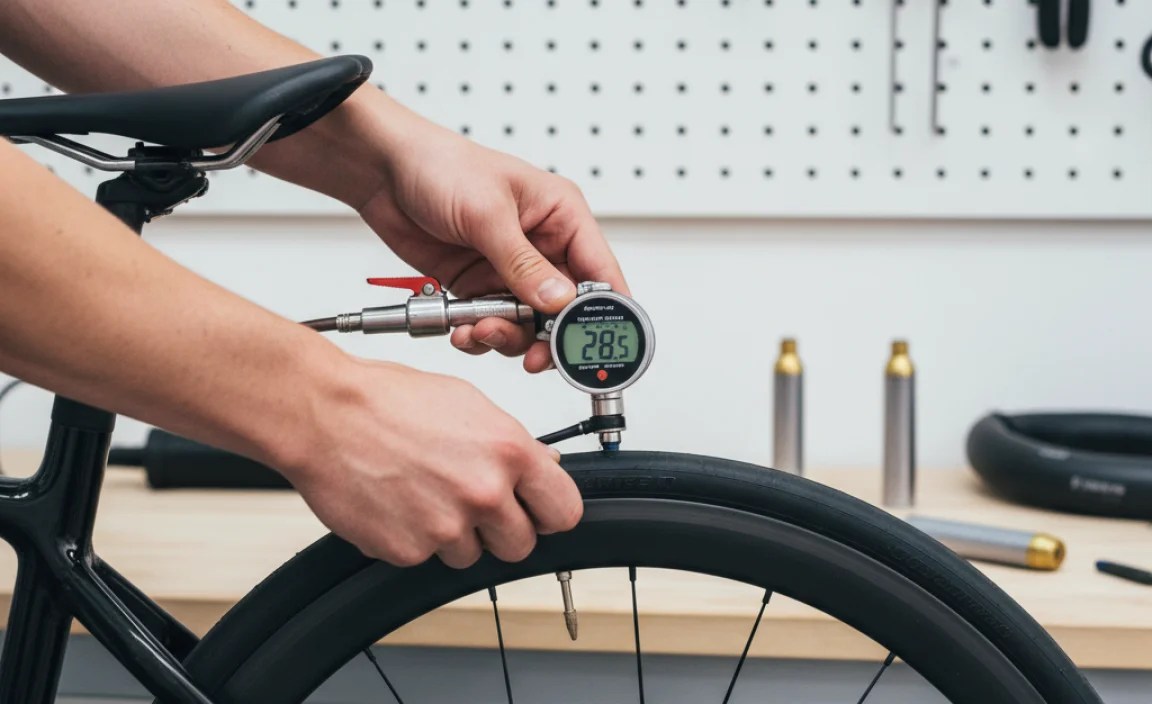
Inflating your tire is not just about filling it with air. It’s about filling it to the right pressure. Too little air, and your tire will be soft. Too much air, and your tire could explode. That’s why checking tire pressure is so important. Most tires have a recommended pressure range printed on the sidewall. This tells you how much air to put in. Use a tire pressure gauge to check the pressure. Inflate the tire to the correct pressure. This will ensure a safe and comfortable ride. Following safety tips when using a CO2 inflator includes checking tire pressure.
Imagine you are inflating your tire. You don’t check the pressure. You just keep adding air. Suddenly, you hear a loud bang! The tire explodes. You are lucky you weren’t hurt. This is why checking tire pressure is so important. It prevents over-inflation. It keeps you safe. Safety tips when using a CO2 inflator are there to protect you.
A tire pressure gauge is a small tool. It measures the amount of air in your tire. There are many different types of gauges. Some are digital. Some are analog. Choose one that is easy for you to use. Keep it in your bike bag. This way, you can always check your tire pressure. Being prepared is important. It helps you stay safe. Knowing safety tips when using a CO2 inflator makes you a responsible cyclist.
- Check the recommended pressure range on your tire.
- Use a tire pressure gauge to measure the pressure.
- Avoid over-inflating the tire.
- Too much pressure can cause the tire to explode.
- Proper tire pressure ensures a safe ride.
A group of cyclists went on a long ride. One of them didn’t check his tire pressure. His tire was over-inflated. It exploded during the ride. He had to walk several miles to get help. The other cyclists learned a valuable lesson. They always check their tire pressure now. They understand the importance of safety tips when using a CO2 inflator.
Fun Fact or Stat: Over-inflating a tire by just 10 PSI can increase the risk of a blowout by 50%!
How Do I Read a Tire Pressure Gauge?
Reading a tire pressure gauge is easy. Most gauges have a scale with numbers. These numbers represent the pressure in PSI (pounds per square inch). Place the gauge on the tire valve. Press down firmly. The gauge will show the pressure. Compare the reading to the recommended range on your tire. Add or release air as needed. Practice makes perfect. You will become a pro at reading a tire pressure gauge. This is an important part of safety tips when using a CO2 inflator.
What Happens If I Over-Inflate My Tire?
Over-inflating your tire is dangerous. It can cause the tire to explode. This can lead to serious injury. It can also damage your bike. Always check the tire pressure. Avoid over-inflation. If you accidentally over-inflate your tire, release some air. Use the tire pressure gauge to check the pressure. Adjust it as needed. Being careful is important. It keeps you safe. Understanding safety tips when using a CO2 inflator protects your health.
Why Does Tire Pressure Matter?
Tire pressure affects your ride. It affects your comfort. It affects your safety. Proper tire pressure ensures a smooth ride. It reduces the risk of flats. It improves your handling. It makes cycling more enjoyable. Check your tire pressure regularly. Keep it within the recommended range. This will help you get the most out of your bike. Following safety tips when using a CO2 inflator enhances your cycling experience.
Proper Cartridge Disposal: Being Responsible

After using a CO2 cartridge, what do you do with it? Don’t just throw it in the trash! CO2 cartridges are made of metal. They can be recycled. Recycling helps protect the environment. It conserves resources. It reduces waste. Check with your local recycling center. See if they accept CO2 cartridges. If not, you may need to dispose of them separately. Always follow local regulations. Being responsible is important. It shows you care about the planet. Following safety tips when using a CO2 inflator includes proper disposal.
Imagine you are at a park. You see a used CO2 cartridge on the ground. It’s an eyesore. It could also be dangerous. A child could pick it up. They could get hurt. Proper disposal prevents this from happening. It keeps our parks and trails clean. It protects our community. Safety tips when using a CO2 inflator extend to the environment.
Some bike shops offer cartridge recycling programs. They collect used cartridges. They send them to a recycling facility. This is a convenient way to dispose of your cartridges. Ask your local bike shop if they have a program. Support businesses that care about the environment. Knowing safety tips when using a CO2 inflator makes you a responsible citizen.
- Recycle used CO2 cartridges whenever possible.
- Check with your local recycling center.
- Some bike shops offer recycling programs.
- Proper disposal protects the environment.
- Don’t just throw cartridges in the trash.
A cycling club organized a cleanup event. They collected trash along their favorite bike trail. They found many used CO2 cartridges. They realized the importance of proper disposal. They started educating their members. They encouraged them to recycle their cartridges. They understood that safety tips when using a CO2 inflator include environmental responsibility.
Here is a table showing different cartridge disposal methods:
| Disposal Method | Description | Pros | Cons |
|---|---|---|---|
| Recycling Center | Take cartridges to a local recycling facility. | Environmentally friendly, conserves resources. | May not be accepted everywhere. |
| Bike Shop Program | Drop off cartridges at a bike shop with a recycling program. | Convenient, supports local businesses. | Not all bike shops offer this. |
| Household Hazardous Waste | Some areas classify as hazardous waste. | Safe, compliant disposal. | Inconvenient, requires special trips. |
| Proper Disposal | Find a designated metal recycling or disposal bin. | Easy, accessible. | Not as environmentally friendly as recycling. |
Fun Fact or Stat: Recycling aluminum, the main component of CO2 cartridges, uses 95% less energy than creating new aluminum!
Why Is Recycling Important?
Recycling is important for many reasons. It conserves natural resources. It reduces pollution. It saves energy. It helps protect the environment. When you recycle CO2 cartridges, you are doing your part. You are helping to create a more sustainable future. You are showing that you care about the planet. Following safety tips when using a CO2 inflator includes environmental stewardship.
What If My Recycling Center Doesn’t Accept Cartridges?
Not all recycling centers accept CO2 cartridges. If yours doesn’t, don’t give up! Contact your local bike shop. Ask if they have a recycling program. Search online for other recycling options. You may need to dispose of the cartridges separately. Follow local regulations. Be resourceful. Find a way to recycle them. Being persistent is important. It shows you are committed to the environment. Knowing safety tips when using a CO2 inflator makes you a responsible cyclist.
Can I Reuse CO2 Cartridges?
No, you cannot reuse CO2 cartridges. They are designed for single use only. Once they are empty, they cannot be refilled. Attempting to refill them is dangerous. It could cause them to explode. Always dispose of used cartridges properly. Never try to reuse them. Safety is the top priority. Following safety tips when using a CO2 inflator protects you from harm.
Storing Inflators Safely: Preventing Accidents
How you store your CO2 inflator matters. Store it in a safe place. Keep it away from children. Keep it away from heat sources. Keep it away from direct sunlight. These precautions prevent accidents. They ensure the inflator is ready when you need it. A safe storage location is cool and dry. It is also out of reach of little hands. Following safety tips when using a CO2 inflator includes safe storage.
Imagine a child finds your CO2 inflator. They start playing with it. They accidentally activate it. CO2 sprays out. They get frostbite. This is why safe storage is so important. It prevents accidents. It protects children. Safety tips when using a CO2 inflator are there to protect the most vulnerable.
A good place to store your inflator is in your bike bag. This keeps it with your other cycling gear. It keeps it out of reach of children. Make sure the bag is stored in a safe place. A garage, a shed, or a closet are good options. Avoid storing it in your car. The heat can cause the cartridge to explode. Knowing safety tips when using a CO2 inflator makes you a responsible adult.
- Store CO2 inflators in a safe place.
- Keep them away from children.
- Avoid heat and direct sunlight.
- A bike bag is a good storage option.
- Safe storage prevents accidents.
A family went on a camping trip. They left their CO2 inflator in their tent. The sun heated up the tent. The cartridge exploded. It scared everyone. Luckily, no one was hurt. They learned a valuable lesson. They always store their inflator in a safe place now. They understand the importance of safety tips when using a CO2 inflator.
Fun Fact or Stat: The pressure inside a CO2 cartridge can reach over 800 PSI at room temperature!
Why Should I Keep Inflators Away From Heat?
Heat can cause the pressure inside the CO2 cartridge to increase. This can lead to an explosion. An explosion can cause serious injury. That’s why it’s important to keep inflators away from heat. Avoid storing them in your car. Avoid storing them in direct sunlight. Choose a cool, dry place. This will help prevent accidents. Following safety tips when using a CO2 inflator protects you from harm.
What If I Have Young Children?
If you have young children, be extra careful. Store your CO2 inflator in a locked cabinet. Keep it out of reach of children. Educate your children about the dangers of CO2 inflators. Teach them not to play with them. Supervision is important. It helps prevent accidents. Following safety tips when using a CO2 inflator protects your family.
How Long Can I Store a CO2 Cartridge?
CO2 cartridges have a long shelf life. They can be stored for many years. Just make sure they are stored in a safe place. Avoid heat and direct sunlight. Check the cartridges periodically. Look for signs of damage. If you see any damage, dispose of the cartridge properly. Being proactive is important. It helps you stay safe. Knowing safety tips when using a CO2 inflator makes you a responsible cyclist.
Choosing the Right Inflator: Matching Your Needs
Not all CO2 inflators are the same. They come in different sizes. They have different features. Choosing the right inflator is important. It ensures you can inflate your tire properly. Consider the size of your tires. Consider the type of valve you have. Consider your personal preferences. Read reviews. Ask for recommendations. Choose an inflator that meets your needs. Following safety tips when using a CO2 inflator starts with choosing the right tool.
Imagine you are trying to inflate your tire. Your inflator is too small. It doesn’t have enough CO2. You can’t fill the tire completely. You are stuck with a flat tire. This is why choosing the right inflator is so important. It ensures you have enough CO2 to inflate your tire. It gets you back on the road quickly. Safety tips when using a CO2 inflator help you prepare for emergencies.
Some inflators have a built-in pressure gauge. This allows you to check the tire pressure while inflating. This is a convenient feature. It helps you avoid over-inflation. Other inflators have a control valve. This allows you to control the flow of CO2. This can help you inflate the tire gradually. Choose features that will make inflating your tire easier and safer. Knowing safety tips when using a CO2 inflator empowers you to make informed decisions.
- Choose an inflator that matches your tire size.
- Consider the type of valve you have.
- Read reviews and ask for recommendations.
- Look for features that enhance safety.
- The right inflator makes tire inflation easier.
A group of cyclists were preparing for a race. They realized they all had different inflators. Some had small inflators. Some had large inflators. They compared their inflators. They realized some were better suited for certain tires. They all chose inflators that matched their needs. They were prepared for the race. They understood the importance of safety tips when using a CO2 inflator.
Fun Fact or Stat: CO2 inflator cartridges come in sizes ranging from 12g to 25g, each suited for different tire volumes!
What Size Cartridge Do I Need?
The size of the cartridge you need depends on the size of your tires. Larger tires require larger cartridges. Smaller tires require smaller cartridges. Check the recommendations on the cartridge packaging. This will tell you which tires it is suitable for. Using the right size cartridge ensures you can inflate your tire properly. It prevents you from running out of CO2. Following safety tips when using a CO2 inflator includes using the correct equipment.
What Is a Presta Valve?
A Presta valve is a type of valve used on some bike tires. It is narrower than a Schrader valve. It requires a special inflator. Make sure your inflator is compatible with Presta valves. Some inflators have adapters. These allow you to use them with both Presta and Schrader valves. Checking compatibility is important. It ensures you can inflate your tire. Knowing safety tips when using a CO2 inflator makes you a well-prepared cyclist.
What Is a Schrader Valve?
A Schrader valve is another type of valve used on bike tires. It is wider than a Presta valve. It is the same type of valve used on car tires. Most CO2 inflators are compatible with Schrader valves. Just make sure the inflator fits snugly on the valve. This will prevent leaks. Proper fit is important. It ensures you can inflate your tire efficiently. Following safety tips when using a CO2 inflator helps you get back on the road quickly.
Summary
Using a CO2 inflator can be a quick and easy way to fix a flat tire. But, it’s important to use it safely. Always read the instructions. Wear gloves to protect your hands from the cold. Point the inflator away from your face and body. Check the tire pressure to avoid over-inflation. Dispose of used cartridges properly. Store the inflator in a safe place. Choose the right inflator for your needs.
Following these safety tips when using a CO2 inflator will help you avoid accidents. It will keep you safe and get you back on your bike quickly. Remember, safety is always the top priority. Be prepared. Be responsible. Be a safe cyclist.
Conclusion
CO2 inflators are great for quick tire fixes. They help you get back to riding fast. Always remember to use them the right way. Follow all the safety tips when using a CO2 inflator. This will keep you safe from potential harm. Always wear gloves. Point the inflator away from you. Check your tire pressure. Dispose of cartridges properly. Be a smart and safe cyclist!
Frequently Asked Questions
Question No 1: Why is it important to wear gloves when using a CO2 inflator?
Answer: Wearing gloves is very important because the CO2 cartridge gets extremely cold when the gas is released. Touching the cold cartridge with your bare hands can cause frostbite. Frostbite is when your skin freezes, and it can be painful and even cause permanent damage. Gloves provide a layer of insulation that protects your hands from the cold, making it safer and more comfortable to use the inflator. So, always remember to wear gloves as a key safety tip when using a CO2 inflator.
Question No 2: What should I do if I don’t have gloves with me when I need to use a CO2 inflator?
Answer: If you find yourself without gloves, don’t worry! You can still protect your hands by using something else as a barrier. A rag, a piece of clothing, or even your jacket sleeve can work in a pinch. Wrap the material around the CO2 cartridge to create a layer of insulation between the cold metal and your skin. This will help reduce the risk of frostbite. It’s always better to have some protection than none at all. Improvising is a key part of safety tips when using a CO2 inflator when you’re on the go.
Question No 3: Why is it important to point the CO2 inflator away from my face and body?
Answer: Pointing the CO2 inflator away from your face and body is crucial for safety. The tire could explode during inflation, and pieces of rubber could fly out. The inflator itself could malfunction, or the CO2 could spray out unexpectedly. Any of these situations could cause serious injury to your eyes, face, or skin. By pointing the inflator away from yourself, you reduce the risk of being hit by flying debris or exposed to the cold CO2. Following this safety tip when using a CO2 inflator is a simple but effective way to protect yourself.
Question No 4: How do I know how much air to put in my tire with a CO2 inflator?
Answer: Knowing the correct tire pressure is essential for a safe and comfortable ride. Look for the recommended pressure range printed on the sidewall of your tire. This range tells you how much air to put in. Use a tire pressure gauge to check the pressure as you inflate the tire. Add air in short bursts, checking the pressure after each burst. Avoid over-inflating the tire, as this can cause it to explode. Checking tire pressure is one of the most important safety tips when using a CO2 inflator.
Question No 5: What should I do with the empty CO2 cartridge after I use it?
Answer: It’s important to dispose of used CO2 cartridges properly. They are made of metal and can be recycled. Check with your local recycling center to see if they accept CO2 cartridges. Some bike shops also offer cartridge recycling programs. If you can’t recycle the cartridge, dispose of it in a designated metal recycling bin. Never just throw it in the trash, as this can harm the environment. Being responsible with disposal is a key part of following safety tips when using a CO2 inflator and caring for our planet.
Question No 6: Where is the best place to store my CO2 inflator when I’m not using it?
Answer: Storing your CO2 inflator in a safe place is essential for preventing accidents. Keep it away from children, as they may not understand the dangers of playing with it. Also, avoid storing it in areas that get very hot, such as in direct sunlight or in a car on a hot day. Heat can cause the pressure inside the cartridge to increase, which could lead to an explosion. A good place to store your inflator is in your bike bag or in a cool, dry place out of reach of children. Following these safety tips when using a CO2 inflator ensures the tool remains safe and ready for use.


