
CO2 Inflator Compatibility with Presta to Schrader Adapter: Easy Guide

Do you know how to pump up a bike tire? Sometimes, you need air fast. A CO2 inflator can help. But what if your bike has a different type of valve? Can a CO2 inflator work with both Presta and Schrader valves?
Have you ever been stuck with a flat tire? It’s not fun. You might need a Presta to Schrader adapter. This little tool can be a lifesaver. It helps different pumps work with different tires. Let’s learn more about how they work together.
Key Takeaways
- Using the correct adapter ensures proper inflation with your CO2 inflator.
- A Presta to Schrader adapter lets you use Schrader pumps on Presta valves.
- Always check your CO2 inflator compatibility with Presta to Schrader adapter before use.
- Different adapters have varying quality; choose durable options for reliability.
- Understanding valve types helps you choose the right inflator setup every time.
Understanding Valve Types and CO2 Inflators

Bike tires use two main types of valves: Presta and Schrader. Presta valves are thin and have a locking nut. Schrader valves are wider and look like car tire valves. CO2 inflators release compressed carbon dioxide gas. This gas quickly fills your tire. Knowing the valve type is key for using a CO2 inflator. Some inflators only work with one type of valve. Others can work with both, sometimes with an adapter. The adapter lets you connect the inflator to the valve. This makes it easy to inflate your tire on the go. Using the wrong inflator or adapter can damage the valve. It can also cause the tire to not inflate properly. Always double-check the valve type and inflator before you start. This will help you get back on your bike quickly and safely.
- Presta valves are common on road bikes.
- Schrader valves are often on mountain and kids’ bikes.
- CO2 inflators provide a quick burst of air.
- Adapters bridge the gap between valve types.
- Always check the valve type before inflating.
Imagine you are on a long bike ride. Suddenly, your tire goes flat. You have a CO2 inflator but your friend has a different valve. A Presta to Schrader adapter can save the day! This small tool makes your inflator work. It’s important to know how each valve works. This knowledge helps you choose the right tools. Always carry an adapter if you ride with friends. This way, you can help anyone with a flat tire. This will make your rides safer and more fun. Remember to practice using your inflator and adapter at home. This way, you’ll be ready when you need it on the road.
Why Valve Type Matters for Inflation?
Why does valve type matter so much for inflation? The answer lies in the design of each valve. Presta valves are designed for high-pressure tires. They have a smaller diameter, making them lighter. They also have a valve core that needs to be opened before inflation. Schrader valves are more robust and can handle lower pressures. They have a spring-loaded core that opens when air is applied. Using the wrong inflator on a valve can cause damage. This can lead to leaks or complete failure. The adapter ensures a secure connection. This allows the CO2 inflator to work correctly. Understanding these differences helps you choose the right tools. It also prevents costly repairs.
How CO2 Inflators Work?
CO2 inflators use small cartridges filled with compressed carbon dioxide. When you activate the inflator, the CO2 rushes out. This quickly fills your tire with air. These inflators are popular among cyclists. They are lightweight and easy to carry. They are also much faster than hand pumps. However, CO2 can leak out of the tire faster than regular air. It’s important to check the tire pressure after inflation. Add more air with a hand pump if needed. Always follow the inflator’s instructions. This ensures safe and effective use. Remember, CO2 inflators are a quick fix. They are not a permanent solution for flat tires.
What to Do If You Don’t Have an Adapter?
What if you find yourself without a Presta to Schrader adapter? This can be a tricky situation, but not hopeless. First, check if anyone nearby has a pump. Another cyclist or a local bike shop might be able to help. If you’re carrying a spare tube, use it. This ensures the valve matches your pump. As a last resort, you could try using a small stick. Gently depress the Presta valve to release some air. This might get you enough pressure to limp home. However, this method is risky and can damage the valve. Always carry an adapter and a small hand pump. This prepares you for any situation on the road.
Fun Fact or Stat: About 70% of road bikes use Presta valves, while 80% of mountain bikes use Schrader valves!
CO2 Inflator Compatibility Explained
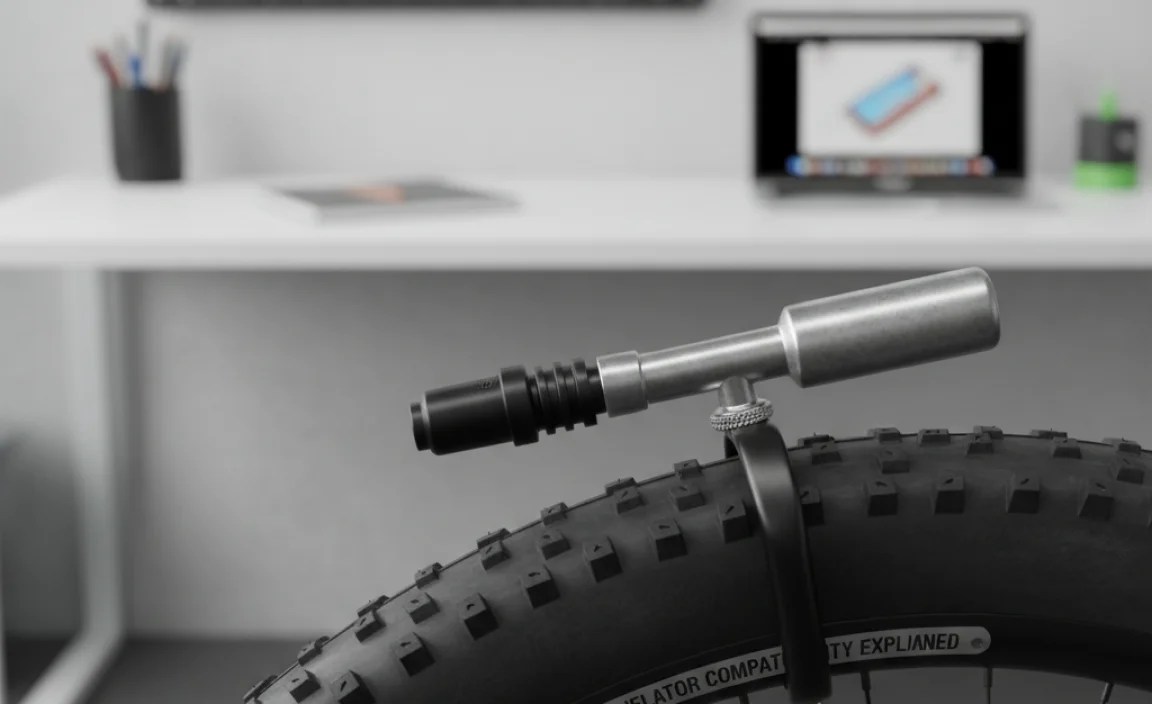
CO2 inflator compatibility refers to how well an inflator works with different valve types. Some inflators are designed for both Presta and Schrader valves. These often have a switch or a reversible head. Other inflators are only compatible with one type. Using an adapter can solve this problem. The adapter changes the valve type that the inflator can connect to. It’s important to check the inflator’s specifications. This ensures it is compatible with your bike’s valves. Using the wrong inflator can damage the valve. It can also waste the CO2 cartridge. Always read the instructions and practice at home. This helps you understand how the inflator works with your valves. This ensures you are prepared for any flat tire situation.
- Check the inflator’s manual for valve compatibility.
- Some inflators have a dual-head design.
- Adapters make inflators more versatile.
- Practice using the inflator at home first.
- Incorrect use can damage the valve or inflator.
Imagine you bought a new CO2 inflator online. You are excited to try it on your bike. But when it arrives, you notice something. The inflator only works with Schrader valves. Your bike has Presta valves! Don’t worry, a Presta to Schrader adapter can help. This small device lets you use the inflator. It’s important to check compatibility before buying. This saves you time and frustration. Always read product reviews. This helps you understand other users’ experiences. This ensures you get the right inflator for your bike. Remember, a little research goes a long way. This will save you from future headaches.
How to Identify Valve Compatibility?
Identifying valve compatibility is easy. Look at the inflator’s packaging. It should clearly state which valves it supports. Many inflators have a symbol for Presta and Schrader. If you’re unsure, check the manufacturer’s website. They often have detailed specifications. You can also ask a local bike shop. They can help you identify the valve type. They can also recommend the right inflator. Always double-check before buying. This ensures you get the right tool for the job. This also prevents damage to your valves or inflator.
What Happens If You Use the Wrong Inflator?
Using the wrong inflator can lead to several problems. First, you might not be able to connect the inflator. The valve and inflator might not fit together properly. Second, you could damage the valve. Forcing the wrong inflator can bend or break the valve stem. Third, you could waste the CO2 cartridge. The gas might leak out without inflating the tire. Always use the correct inflator or adapter. This prevents these problems. This also ensures your tire inflates properly. Remember, safety is the most important thing.
Are All CO2 Inflators Universal?
No, not all CO2 inflators are universal. Some are designed for specific valve types. Others come with adapters for versatility. Always check the product description. See if it supports both Presta and Schrader valves. If not, you’ll need an adapter. Some high-end inflators have adjustable heads. These can switch between valve types. These are more convenient. However, they can also be more expensive. Choose the inflator that best fits your needs and budget. Remember to always prioritize compatibility.
Fun Fact or Stat: Some professional cyclists carry two CO2 inflators during races in case of multiple flats!
Using a Presta to Schrader Adapter Correctly

Using a Presta to Schrader adapter is simple. First, screw the adapter onto the Presta valve. Make sure it is snug but not too tight. Then, connect your CO2 inflator to the adapter. Inflate the tire as you normally would. After inflating, remove the inflator first. Then, unscrew the adapter from the Presta valve. Some adapters stay on the valve. Others are removed each time. Always follow the adapter’s instructions. This ensures proper use. It also prevents damage to the valve. Practice using the adapter at home. This way, you’ll be ready when you need it on the road. It also helps you get used to the process.
- Screw the adapter onto the Presta valve.
- Connect the CO2 inflator to the adapter.
- Inflate the tire to the correct pressure.
- Remove the inflator before the adapter.
- Practice using the adapter at home.
Imagine you’re teaching a friend how to use a Presta to Schrader adapter. You show them how to screw it on. Then, you demonstrate how to attach the CO2 inflator. You explain why it’s important to remove the inflator first. This prevents air from escaping. Your friend tries it, and it works perfectly! Teaching others is a great way to learn. It reinforces your own knowledge. Always share your biking tips with friends. This makes your rides safer and more fun. Remember, helping others is part of being a good cyclist. It creates a sense of community.
Step-by-Step Guide to Using the Adapter
Here is a step-by-step guide to using a Presta to Schrader adapter. First, locate the Presta valve on your tire. Remove the valve cap. Unscrew the locking nut on the valve. Second, screw the adapter onto the valve. Make sure it is secure. Third, attach the CO2 inflator to the adapter. Fourth, inflate the tire to the desired pressure. Fifth, remove the inflator. Sixth, unscrew the adapter. Seventh, tighten the Presta valve’s locking nut. Replace the valve cap. This ensures the valve stays clean. This process is simple. It makes your inflator more versatile.
Common Mistakes to Avoid
Several common mistakes can occur when using a Presta to Schrader adapter. One mistake is over-tightening the adapter. This can damage the Presta valve. Another mistake is forgetting to tighten the Presta valve nut. This can cause air to leak out. A third mistake is using the wrong type of inflator. Always make sure the inflator is compatible with the adapter. Avoiding these mistakes ensures proper inflation. It also prevents damage to your equipment. Remember, practice makes perfect.
Tips for Maintaining Your Adapter
To maintain your Presta to Schrader adapter, follow these tips. First, keep it clean. Wipe it with a cloth after each use. This removes dirt and grime. Second, store it in a safe place. This prevents damage. Third, check it regularly for wear and tear. Replace it if you see any cracks or damage. Fourth, lubricate the threads occasionally. This makes it easier to screw on and off. Proper maintenance extends the life of your adapter. It also ensures it works reliably when you need it.
Fun Fact or Stat: A high-quality Presta to Schrader adapter can last for years with proper care!
Choosing the Right CO2 Inflator Adapter

Choosing the right CO2 inflator adapter is important. Look for adapters made from durable materials. Aluminum or brass are good choices. Avoid plastic adapters. They can break easily. Check the adapter’s threads. Make sure they are smooth and well-defined. This ensures a secure connection. Read reviews online. See what other cyclists say about the adapter. Consider the adapter’s size and weight. A smaller, lighter adapter is easier to carry. A good adapter makes inflating your tires easier. It also prevents frustration on the road. It is an investment in your cycling safety and enjoyment.
- Choose adapters made from durable materials.
- Check the threads for a secure connection.
- Read online reviews before buying.
- Consider the size and weight of the adapter.
- A good adapter is worth the investment.
Imagine you are in a bike shop. You see many different Presta to Schrader adapters. Some are cheap plastic. Others are shiny metal. Which one do you choose? The metal one looks more durable. It feels heavier in your hand. The shop owner recommends it. They say it lasts longer. Investing in quality is often worth it. You don’t want your adapter to break. Especially when you need it most. Always choose reliable equipment. This gives you peace of mind on your rides. It also saves you money in the long run.
Material Matters: Aluminum vs. Plastic
The material of your CO2 inflator adapter matters. Aluminum adapters are lightweight and strong. They are also resistant to corrosion. Plastic adapters are cheaper. However, they are less durable. They can crack or break under pressure. Aluminum is a better choice for long-term use. It can withstand more wear and tear. It is also more reliable in different weather conditions. While plastic might save you money upfront, aluminum is a better value. It will last longer and perform better. Consider the material when choosing an adapter.
Checking the Threads for a Secure Fit
Checking the threads of your adapter is crucial. The threads must be clean and well-defined. This ensures a secure fit. Damaged or worn threads can cause leaks. They can also make the adapter difficult to use. Before buying an adapter, inspect the threads. Run your finger along them. They should feel smooth. If they feel rough or damaged, choose a different adapter. A secure fit prevents air loss. It also ensures the inflator works properly. Always prioritize quality threads.
Reading Reviews and Recommendations
Reading reviews and recommendations is a great way to choose an adapter. See what other cyclists say about the adapter. Look for reviews that mention durability. Also, check for reviews that mention ease of use. A good adapter should be easy to screw on and off. It should also provide a secure connection. Pay attention to any negative reviews. See if there are any common problems. Use this information to make an informed decision. Reviews can help you avoid buying a bad adapter. They can also help you find a high-quality one.
Fun Fact or Stat: Some high-end adapters come with a lifetime warranty!
Troubleshooting CO2 Inflator and Adapter Issues

Sometimes, you might have problems with your CO2 inflator and adapter. The tire might not inflate. The CO2 might leak out. The adapter might get stuck. These problems can be frustrating. But they are usually easy to fix. Check the adapter connection. Make sure it is tight. Check the inflator. Make sure it is working properly. If the tire still doesn’t inflate, try a new CO2 cartridge. If the adapter gets stuck, use pliers to gently remove it. Always be careful not to damage the valve. Troubleshooting common issues can save you time and frustration. It also helps you get back on your bike quickly.
- Check the adapter connection for tightness.
- Make sure the CO2 inflator is working.
- Try a new CO2 cartridge if needed.
- Use pliers to gently remove a stuck adapter.
- Be careful not to damage the valve.
Imagine you are on a group ride. Someone gets a flat tire. You offer to help with your CO2 inflator and adapter. But the tire won’t inflate! You check the connection. It seems fine. You try a new CO2 cartridge. Still nothing. Then, you realize the adapter is clogged. A small piece of dirt is blocking the airflow. You clean the adapter. The tire inflates perfectly! This shows how important it is to troubleshoot. Small problems can cause big headaches. Always be prepared to diagnose and fix issues. This makes you a valuable member of the cycling community.
Why Isn’t My Tire Inflating?
If your tire isn’t inflating, several things could be wrong. First, check the CO2 cartridge. It might be empty. Second, check the adapter connection. It might be loose. Third, check the valve. It might be damaged. Fourth, check the tire for punctures. There might be a large hole. Fifth, make sure you are using the inflator correctly. Follow the instructions carefully. By checking these things, you can find the problem. Then, you can fix it and inflate your tire.
CO2 Leaking from the Adapter
If CO2 is leaking from the adapter, the connection is likely loose. Tighten the adapter. Make sure it is securely screwed onto the valve. Also, check the adapter’s threads. Damaged threads can cause leaks. If the threads are damaged, replace the adapter. Sometimes, the valve core is loose. Tighten the valve core with a valve core tool. This can also stop the leak. A secure connection prevents CO2 loss. It also ensures efficient inflation.
Adapter Stuck on the Valve
If the adapter is stuck on the valve, don’t force it. This can damage the valve. Try using pliers to gently remove the adapter. Wrap a cloth around the adapter. This protects it from scratches. Gently wiggle the adapter back and forth. This can help loosen it. You can also try lubricating the threads. Use a small amount of oil or grease. This can make it easier to remove. If all else fails, take it to a bike shop. They have tools and expertise to remove the adapter. Always be careful to avoid damaging the valve.
Fun Fact or Stat: A small O-ring inside the adapter can often be the cause of leaks!
Safety Tips for Using CO2 Inflators and Adapters
Using CO2 inflators and adapters can be dangerous if you’re not careful. Always wear gloves. The CO2 cartridge can get very cold. This can cause frostbite. Point the inflator away from your face and body. The gas can be released with great force. Don’t over-inflate the tire. Check the recommended pressure on the tire sidewall. Dispose of used CO2 cartridges properly. They are recyclable. Keep CO2 cartridges out of reach of children. Store them in a cool, dry place. Following these safety tips can prevent accidents. It also makes using CO2 inflators safer and more enjoyable.
- Wear gloves to protect your hands.
- Point the inflator away from your face.
- Don’t over-inflate the tire.
- Dispose of used CO2 cartridges properly.
- Keep cartridges away from children.
Imagine you are teaching a group of young cyclists about bike safety. You show them how to use a CO2 inflator safely. You emphasize the importance of wearing gloves. You explain why they should point the inflator away from their face. You also teach them how to check the tire pressure. The kids are excited to learn. They practice using the inflator with your supervision. This shows how important it is to educate young cyclists. It helps them stay safe on the road. Remember, safety education is crucial for all cyclists.
Protecting Your Hands from the Cold
CO2 cartridges get very cold when used. This can cause frostbite. Always wear gloves when using a CO2 inflator. Full-finger gloves are best. They provide the most protection. If you don’t have gloves, use a cloth. Wrap it around the cartridge. This provides some insulation. Avoid touching the cartridge directly. This prevents frostbite. Protecting your hands is important for safety. It also allows you to use the inflator comfortably.
Avoiding Over-Inflation
Over-inflating your tire can be dangerous. It can cause the tire to explode. This can lead to a serious accident. Check the recommended pressure on the tire sidewall. Use a tire pressure gauge to measure the pressure. Inflate the tire to the correct pressure. Don’t exceed the maximum pressure. Over-inflation can also damage the tire. It can reduce its lifespan. Always be careful not to over-inflate your tire.
Proper Disposal of CO2 Cartridges
Used CO2 cartridges are recyclable. Check your local recycling guidelines. Some areas require you to puncture the cartridge. This releases any remaining gas. Other areas allow you to recycle them as is. Don’t throw cartridges in the regular trash. They can be dangerous. They can explode if exposed to heat. Proper disposal protects the environment. It also prevents accidents. Always recycle your CO2 cartridges responsibly.
Fun Fact or Stat: CO2 cartridges can reach temperatures as low as -78 degrees Celsius!
Summary
CO2 inflators are useful for quick tire inflation. Understanding valve types is essential. Presta and Schrader valves require different approaches. A Presta to Schrader adapter allows a Schrader inflator to work on a Presta valve. Choosing the right adapter is important. Look for durable materials and secure threads. Proper use and maintenance are key. Always follow safety tips to prevent accidents. Troubleshooting common issues can save time and frustration. Knowing how to use a CO2 inflator and adapter properly ensures you’re prepared for flat tires. It also makes your cycling experience safer and more enjoyable.
Conclusion
Knowing about CO2 inflators and adapters is important for cyclists. These tools can help you fix a flat tire quickly. Understanding valve types helps you choose the right equipment. A Presta to Schrader adapter can make your inflator more versatile. Always follow safety tips when using CO2 inflators. With the right knowledge and tools, you can handle flat tires. This will keep you riding safely and confidently.
Frequently Asked Questions
Question No 1: What is the difference between Presta and Schrader valves?
Answer: Presta valves are narrow and have a locking nut. They are common on road bikes. Schrader valves are wider and look like car tire valves. They are often found on mountain and kids’ bikes. Knowing the difference is important. It helps you choose the right pump or inflator. You might need a Presta to Schrader adapter. This lets you use a Schrader pump on a Presta valve. Always check your valve type before inflating. This prevents damage and ensures proper inflation. Using the wrong inflator can be frustrating. It can also damage the valve.
Question No 2: Can I use a CO2 inflator on both Presta and Schrader valves?
Answer: Yes, you can use a CO2 inflator on both valve types. Some inflators have a dual head. This works with both Presta and Schrader valves. Others require an adapter. A Presta to Schrader adapter allows you to use a Schrader inflator on a Presta valve. Always check the inflator’s compatibility. If needed, use the correct adapter. This ensures proper inflation. It also prevents damage to the valve. Always read the inflator’s instructions. This helps you use it safely and effectively. Knowing about valve types and adapters is important for cyclists.
Question No 3: How do I use a Presta to Schrader adapter with a CO2 inflator?
Answer: First, unscrew the Presta valve nut. Then, screw the Presta to Schrader adapter onto the Presta valve. Make sure it is snug but not too tight. Next, attach the CO2 inflator to the adapter. Inflate the tire to the desired pressure. Remove the inflator first. Then, unscrew the adapter from the Presta valve. Finally, tighten the Presta valve nut. This process is simple. It makes your inflator more versatile. Practice at home before using it on the road. This ensures you are comfortable with the process.
Question No 4: What are the benefits of using a CO2 inflator?
Answer: CO2 inflators are lightweight and easy to carry. They inflate tires very quickly. This is especially helpful during races or group rides. They are also more compact than hand pumps. This makes them ideal for carrying in a saddlebag. However, CO2 can leak out of the tire faster than regular air. It’s important to check the tire pressure after inflation. Add more air with a hand pump if needed. CO2 inflators are a quick and convenient solution for flat tires. They are not a permanent solution.
Question No 5: What should I do if my CO2 inflator is not working?
Answer: First, check the CO2 cartridge. It might be empty. Replace it with a new one. Second, check the inflator’s connection to the valve. Make sure it is secure. Third, check the valve for damage. A damaged valve can prevent inflation. Fourth, if using a Presta to Schrader adapter, check the adapter. Make sure it is properly attached. Fifth, try a different inflator. Your inflator may be faulty. If none of these steps work, consult a bike mechanic. They can diagnose and fix the problem. Always troubleshoot carefully before giving up.
Question No 6: Are there any safety precautions I should take when using a CO2 inflator?
Answer: Yes, always wear gloves when using a CO2 inflator. The cartridge gets very cold and can cause frostbite. Point the inflator away from your face and body. The gas can be released with force. Don’t over-inflate the tire. Check the recommended pressure on the tire sidewall. Dispose of used CO2 cartridges properly. Keep cartridges out of reach of children. Following these safety tips can prevent accidents. It also makes using CO2 inflators safer. Using a Presta to Schrader adapter adds another step. Make sure the adapter is secure before inflating. Always be careful.


