
CO2 Inflator for Triathlon Bikes – Travel Friendly Secret

Have you ever seen a flat tire ruin a race? It can be very sad. A quick fix is a must for triathletes. That is where a CO2 inflator for triathlon bikes – travel friendly comes in handy. It helps you get back on the road fast.
Do you know how to choose the right one? It needs to be easy to carry. It also needs to work well when you need it. Let’s learn more about these helpful tools.
Key Takeaways
- A CO2 inflator for triathlon bikes – travel friendly helps fix flats quickly during races.
- Look for inflators that are lightweight and easy to pack for travel.
- Make sure the inflator is compatible with your bike’s valve type.
- Practice using your CO2 inflator before a race to avoid problems.
- Consider buying extra CO2 cartridges. This ensures you have enough for emergencies.
Finding the Right CO2 Inflator for Travel

Picking the right CO2 inflator for triathlon bikes – travel friendly is important. You want one that is small and light. It should not take up too much space in your bag. Think about how often you travel. A reliable inflator can save you time and stress. Some inflators are easier to use than others. Read reviews to see what other athletes say. Look for one that has good grip. This will help you use it even when your hands are wet or tired. Consider the size of the CO2 cartridges it uses. Smaller cartridges are easier to pack. But they might not fill your tire as much as you need.
- Choose a compact and lightweight inflator.
- Read reviews from other triathletes.
- Check for good grip and easy use.
- Consider the size of CO2 cartridges.
- Make sure it fits your bike’s valve type.
Think about where you will store the inflator. Some attach to your bike frame. Others fit in a saddlebag. Make sure it is easy to reach during a race. Practice using the inflator before your race. This will help you feel confident. You will know how to use it quickly if you get a flat. A good inflator can be a lifesaver. It can help you finish your race strong. It is a small tool with a big impact. Always check airline rules about carrying CO2 cartridges.
What Size Cartridge Do I Need?
Have you ever wondered what size CO2 cartridge to use? It depends on your tire size. Road bikes usually need smaller cartridges. Mountain bikes need bigger ones. Check your tire’s PSI rating. This tells you how much air it needs. A 16-gram cartridge works for most road bike tires. A 20 or 25-gram cartridge is better for mountain bikes. It is always good to have a little extra. Under-inflated tires can slow you down. They can also make you more likely to get another flat. Practice with different sizes to see what works best for you. Make sure you know how to attach the cartridge properly. This will prevent leaks and wasted CO2. Always read the instructions that come with your inflator.
How Many Cartridges Should I Carry?
Imagine you get two flat tires in one race. Would you be prepared? It is smart to carry extra CO2 cartridges. Two is a good number for most races. This gives you a backup if something goes wrong. Cartridges are small and light. They won’t add much weight to your gear. Think about the length of your race. Longer races might need more cartridges. Also, consider the course. If it has rough roads, you are more likely to get a flat. Keep your cartridges in a safe place. You don’t want them to get damaged. A saddlebag or a small pouch works well. Always check your cartridges before a race. Make sure they are full and ready to use.
Can I Reuse a CO2 Inflator?
Can you use a CO2 inflator more than once? The inflator itself can be reused. But the CO2 cartridge is only good for one use. Once you use a cartridge, it is empty. You need to replace it with a new one. Some inflators have features that help you control the CO2 flow. This can help you use the cartridge more efficiently. It can also prevent you from over-inflating your tire. Read the instructions for your inflator. It will tell you how to use it properly. Always carry extra cartridges. This way, you are ready for any flats. Taking care of your inflator will make it last longer. Clean it after each use. This will keep it working well.
Fun Fact or Stat: Did you know that using a CO2 inflator can fill a tire in seconds? This is much faster than using a hand pump!
CO2 Inflator Features and Compatibility
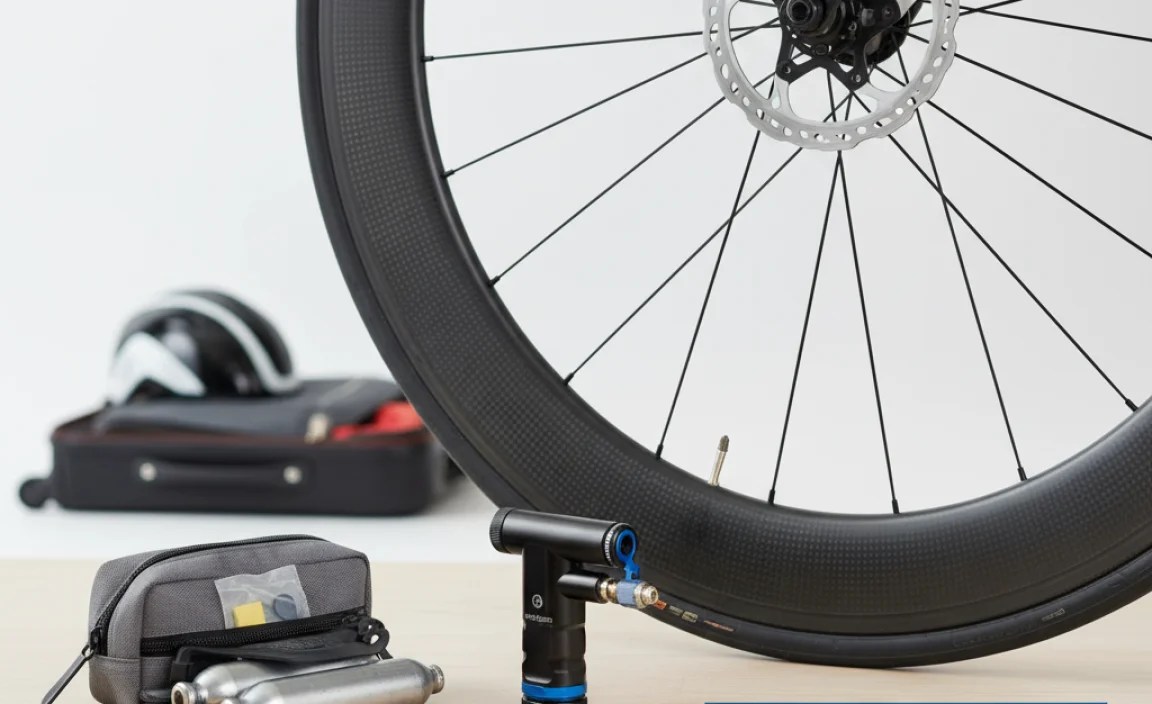
When you look for a CO2 inflator for triathlon bikes – travel friendly, check its features. Some inflators have a pressure gauge. This helps you see how much air is in your tire. Others have a control valve. This lets you control the flow of CO2. Make sure the inflator is compatible with your bike’s valves. There are two main types: Presta and Schrader. Presta valves are common on road bikes. Schrader valves are like the ones on car tires. Some inflators work with both types. Read the product details to be sure. Think about how easy the inflator is to use. Can you attach it quickly? Can you use it with gloves on? These things can make a big difference during a race.
- Check for a pressure gauge.
- Look for a control valve.
- Make sure it fits your valve type.
- Consider ease of use with gloves.
- Read product details carefully.
- See if it has any safety features.
Consider the material of the inflator. Metal inflators are usually more durable. Plastic ones are lighter. Think about what is more important to you. Also, check the size and shape. Some inflators are smaller and easier to carry. Others are bigger and easier to grip. Some inflators come with extra tools. These might include a tire lever or a small wrench. These can be helpful if you need to fix other things on your bike. Remember to practice using your inflator before your race. This will help you be prepared for anything. A little research can help you find the perfect inflator for your needs.
Is My Inflator Presta or Schrader?
Do you know if you have Presta or Schrader valves? Look at your tire. Presta valves are thin and have a small nut at the top. You need to unscrew the nut before you pump air. Schrader valves are wider and look like car tire valves. Most road bikes use Presta valves. Mountain bikes often use Schrader valves. Check your bike before you buy an inflator. Some inflators only work with one type of valve. Others work with both. If you are not sure, ask your local bike shop. They can help you figure out what kind of valves you have. Using the wrong inflator can damage your valve. It is important to get the right one.
What is a Control Valve?
Have you heard of a control valve on a CO2 inflator? This little feature can make a big difference. A control valve lets you control how much CO2 goes into your tire. This helps prevent over-inflation. Over-inflated tires can be dangerous. They can burst or make your ride uncomfortable. A control valve gives you more control. You can add a little CO2 at a time. This is especially helpful if you are not sure how much air you need. Some control valves have a gauge. This shows you the pressure in your tire. This makes it even easier to get the right amount of air. Look for an inflator with a control valve. It can make inflating your tires much easier and safer.
What Material Is Best for an Inflator?
What should your CO2 inflator be made of? Metal and plastic are common choices. Metal inflators are often stronger. They can handle more wear and tear. They might be a little heavier. Plastic inflators are very light. This can be important if you are trying to save weight. However, they might not be as durable. Some inflators use a mix of both materials. They might have a metal body with plastic parts. This can give you the best of both worlds. Think about how often you will use the inflator. If you use it a lot, metal might be better. If you only use it occasionally, plastic might be fine. Choose the material that best fits your needs.
Fun Fact or Stat: Some CO2 inflators weigh less than 30 grams! That’s lighter than a small pack of gum.
Safety Tips for Using CO2 Inflators
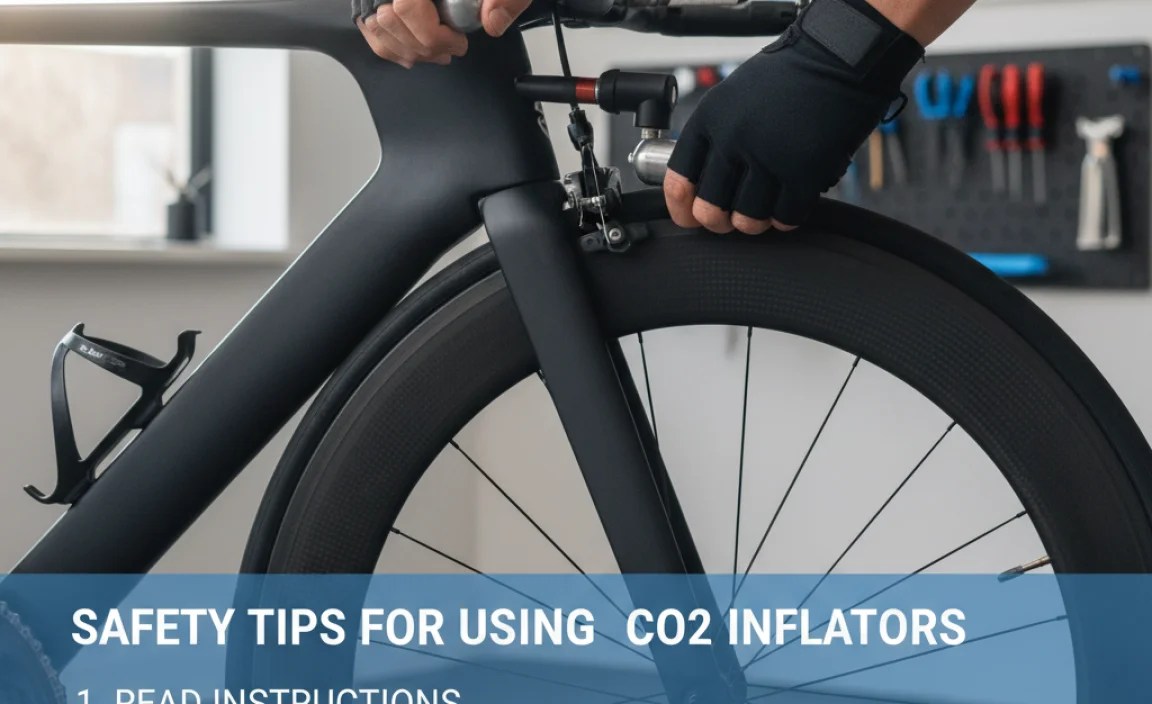
Using a CO2 inflator for triathlon bikes – travel friendly is usually safe. But it is important to know some safety tips. Always wear gloves when using a CO2 inflator. The cartridge can get very cold. This can burn your skin. Point the inflator away from your face and body. Sometimes, CO2 can spray out. Do not over-inflate your tires. Check the recommended pressure on your tire. Do not try to refill CO2 cartridges. They are designed for one-time use. Dispose of empty cartridges properly. Do not leave them on the road. Practice using your inflator before a race. This will help you avoid mistakes. If you are not sure how to use it, ask for help. A bike shop can show you the right way.
- Always wear gloves to protect your hands.
- Point the inflator away from yourself.
- Do not over-inflate your tires.
- Only use cartridges once.
- Dispose of empty cartridges properly.
- Practice using the inflator beforehand.
Keep CO2 cartridges away from children. They are not toys. Store them in a cool, dry place. Avoid storing them in direct sunlight. This can cause them to leak. Check your inflator regularly. Make sure it is in good working order. Replace any parts that are worn or damaged. If you have any questions, read the instructions. Or ask a bike expert. Being careful will help you stay safe. It will also help you enjoy your ride. Remember, safety first!
Why Wear Gloves?
Why should you wear gloves when using a CO2 inflator? The CO2 cartridge gets very cold when you use it. This is because the gas inside is under high pressure. When the gas is released, it expands quickly. This expansion causes the cartridge to cool down a lot. It can get cold enough to cause frostbite on your skin. Gloves protect your hands from this extreme cold. Any gloves will work. Even thin gloves are better than nothing. Some inflators come with special gloves. These are designed to insulate your hands. Always wear gloves when you use a CO2 inflator. It will keep your hands safe and comfortable.
What Happens If I Over-Inflate?
What happens if you put too much air in your tire? Over-inflating can be dangerous. It can cause your tire to burst. This can happen suddenly and without warning. A burst tire can make you lose control of your bike. This can lead to an accident. Over-inflating can also make your ride uncomfortable. The tire will be very hard and bumpy. It won’t absorb shocks from the road. This can make your hands and body tired. Always check the recommended pressure on your tire. Do not go above that number. If you are using an inflator with a control valve, be careful. Add air slowly and check the pressure often. It is better to under-inflate than over-inflate.
How to Dispose of Cartridges?
What should you do with empty CO2 cartridges? You can’t just throw them in the trash. They are made of steel. They can be recycled. Check with your local recycling program. Some programs accept steel cartridges. Others do not. If you can’t recycle them, you can dispose of them safely. First, make sure the cartridge is completely empty. You can do this by attaching it to your inflator and releasing any remaining gas. Then, puncture the cartridge with a nail or screwdriver. This will prevent it from accidentally exploding. Wrap the cartridge in tape or paper. This will protect anyone who handles it. Now you can throw it in the trash. Always follow your local regulations for waste disposal.
Fun Fact or Stat: CO2 cartridges are made of steel, which is one of the most recycled materials in the world!
Airline Rules for CO2 Inflators and Cartridges

Flying with a CO2 inflator for triathlon bikes – travel friendly needs some planning. Airlines have rules about CO2 cartridges. Most airlines allow you to bring them. But there are limits. You can usually bring a few small cartridges. Check with your airline before you fly. They can tell you the exact rules. Some airlines require you to have the cartridges in your carry-on bag. Others want them in your checked bag. The rules can be different for each airline. It is important to know them. Pack your inflator and cartridges carefully. Put them in a clear plastic bag. This makes it easier for security to see them. Bring a copy of the airline’s rules with you. This can help if there are any questions. Being prepared can make your travel easier.
| Airline | CO2 Cartridge Limit | Carry-On or Checked | Notes |
|---|---|---|---|
| United Airlines | 2 small cartridges | Carry-on or checked | Must be declared at check-in |
| American Airlines | 2 small cartridges | Carry-on or checked | Must be in a life vest or self-inflating device |
| Delta Airlines | 2 small cartridges | Carry-on or checked | Must be declared at check-in |
| Southwest Airlines | No specific limit | Checked baggage only | Contact airline for details |
- Check with your airline before you fly.
- Pack cartridges in a clear bag.
- Bring a copy of the airline’s rules.
- Declare cartridges at check-in if needed.
- Follow the airline’s size and weight limits.
- Store cartridges safely to prevent leaks.
Think about buying CO2 cartridges when you arrive. This can save you the trouble of flying with them. Many bike shops sell them. You can also order them online. Just make sure they will arrive before your race. If you do fly with cartridges, pack them carefully. Protect them from damage. Use bubble wrap or foam. This will keep them safe. Remember, airline rules are there for a reason. They help keep everyone safe. Following the rules will make your travel smoother. It will also give you peace of mind.
Why Do Airlines Have Rules?
Why do airlines have rules about CO2 cartridges? The rules are for safety. CO2 is a compressed gas. It can be dangerous if it leaks or explodes. Airlines want to prevent accidents. They limit the number of cartridges you can bring. They also have rules about how you pack them. These rules help keep the plane safe. They protect passengers and crew. Airlines follow international regulations. These regulations are set by aviation authorities. The rules can change. It is important to check them before you fly. Following the rules helps everyone have a safe flight. It also prevents delays and problems at the airport.
What Happens If I Break the Rules?
What happens if you don’t follow the airline’s rules? Your CO2 cartridges might be taken away. The airline might not let you bring them on the plane. This can be frustrating. It can also delay your trip. In some cases, you could face a fine. Airlines take safety very seriously. They want to make sure everyone follows the rules. If you are not sure about the rules, ask. Contact the airline before you travel. They can answer your questions. They can also help you understand the rules. It is better to be safe than sorry. Following the rules will make your trip easier and more enjoyable.
Can I Ship CO2 Cartridges?
Can you mail CO2 cartridges to your destination? It depends on the shipping company. Some companies allow it. Others do not. Check with the shipping company before you send them. There are rules about how to pack them. You need to use special packaging. This will protect them during shipping. You also need to label the package clearly. This will let the shipping company know what is inside. Shipping CO2 cartridges can be expensive. It might be cheaper to buy them at your destination. Consider all your options before you decide. Make sure you follow all the rules. This will prevent delays and problems.
Fun Fact or Stat: Some airlines allow CO2 cartridges only in devices like life vests, where the cartridge is essential for the device to function!
Practicing with Your CO2 Inflator
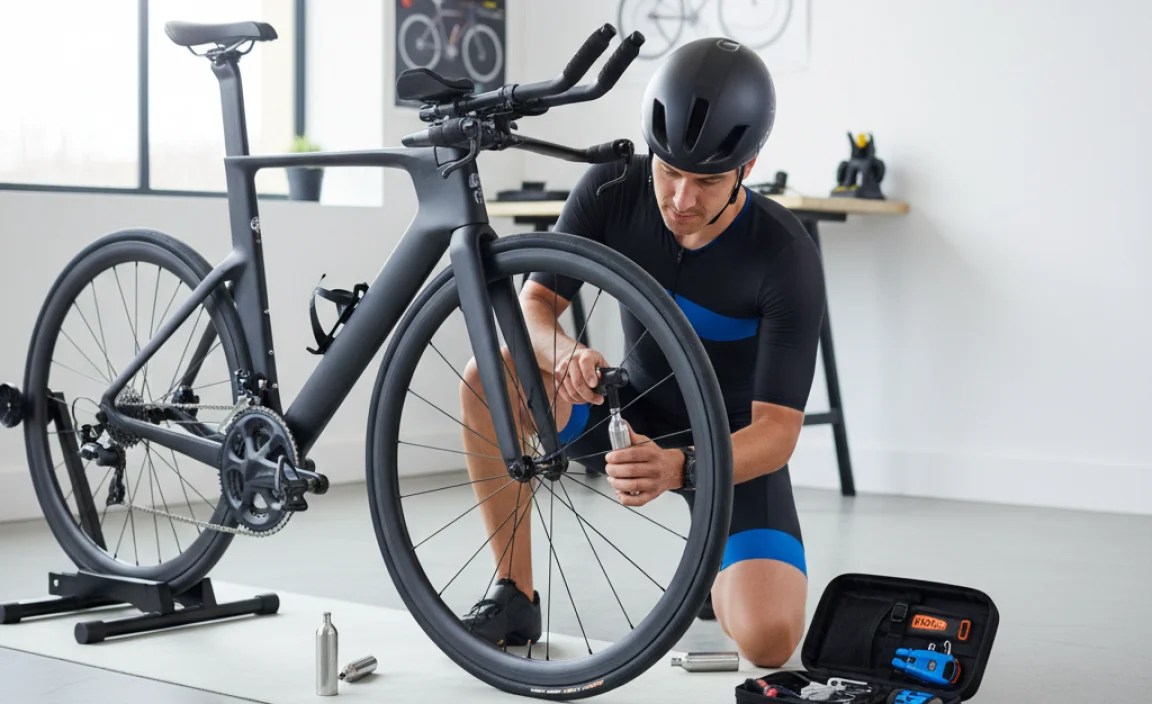
Before your big race, practice using your CO2 inflator for triathlon bikes – travel friendly. This will help you feel confident. Find a safe place to practice. Your garage or backyard is good. Put on your gloves. Read the instructions carefully. Attach the inflator to your tire valve. Release the CO2. Watch the tire inflate. Check the pressure. Remove the inflator. Do it again. Practice until you feel comfortable. This will help you do it quickly during a race. If you have any problems, ask for help. A friend or bike shop can show you how. Practicing will make you a pro.
- Find a safe place to practice.
- Read the instructions carefully.
- Attach the inflator to your tire valve.
- Release the CO2 and watch the tire inflate.
- Check the pressure to avoid over-inflation.
- Repeat until you feel comfortable.
Try practicing in different conditions. Practice when it is hot. Practice when it is cold. This will help you get used to the inflator. It will also help you learn how much CO2 to use. Practice with different tires. Some tires are easier to inflate than others. Practice with different valves. Some valves are tricky. The more you practice, the better you will be. This will help you avoid problems during a race. It will also give you peace of mind. You will know you can fix a flat quickly and easily.
Where Should I Practice?
Where is the best place to practice using your CO2 inflator? You need a safe and open area. Your garage or backyard is a good choice. You want a place where you can make a mess. CO2 can sometimes spray out. You also want a place where you can work without distractions. Kids and pets can get in the way. Choose a time when you won’t be disturbed. Make sure you have all the tools you need. This includes your inflator, cartridges, and gloves. A bike stand can also be helpful. It will hold your bike while you work. Practicing in the right place will make it easier and safer.
What If I Mess Up?
What should you do if you make a mistake while practicing? Don’t worry! Everyone makes mistakes. The important thing is to learn from them. If you over-inflate the tire, let some air out. If you don’t inflate it enough, add more CO2. If the inflator doesn’t work, check the instructions. Make sure you are using it correctly. If you still have problems, ask for help. A friend or bike shop can give you advice. Don’t get discouraged. Keep practicing. The more you try, the better you will get. Mistakes are part of the learning process. They help you understand how the inflator works.
Can I Practice on a Real Flat?
Should you practice fixing a real flat tire? This is a great idea! It will give you real-world experience. Take off your wheel. Remove the old tube. Put in a new tube. Inflate it with your CO2 inflator. This will help you learn how to change a tire quickly. It will also help you learn how to use your inflator. You can practice patching a tube too. This will save you money. You can reuse the old tube. Practicing on a real flat will make you feel more confident. You will know you can handle any flat on race day. It is a great way to prepare.
Fun Fact or Stat: Many professional triathletes practice changing tires with their eyes closed to prepare for quick fixes during races!
Choosing Between CO2 and Hand Pumps
When you are deciding how to inflate your tires, you have choices. A CO2 inflator for triathlon bikes – travel friendly is one option. A hand pump is another. CO2 inflators are fast. They can fill a tire in seconds. Hand pumps take longer. CO2 inflators are small and light. They are easy to carry. Hand pumps can be bulky. But hand pumps don’t need cartridges. You can use them over and over. CO2 inflators need new cartridges each time. Think about what is important to you. If you want speed and convenience, choose a CO2 inflator. If you want reliability and don’t mind a little work, choose a hand pump. Some people carry both. This gives them a backup plan.
- CO2 inflators are faster than hand pumps.
- CO2 inflators are smaller and lighter.
- Hand pumps don’t need cartridges.
- Hand pumps can be used repeatedly.
- Consider carrying both for a backup.
- Think about your needs and preferences.
Consider the cost. CO2 inflators need cartridges. This can add up over time. Hand pumps are a one-time purchase. They don’t need any extra supplies. Think about the environment. CO2 cartridges create waste. Hand pumps are more eco-friendly. They don’t create any waste. Think about your riding style. If you race, a CO2 inflator is a good choice. It will help you fix flats quickly. If you ride for fun, a hand pump might be better. It will give you a workout. It will also save you money. Choose the option that best fits your needs.
What Are the Pros of CO2 Inflators?
What are the good things about CO2 inflators? They are very fast. They can inflate a tire in seconds. This is important during a race. You don’t want to waste time fixing a flat. They are also small and light. They are easy to carry in your pocket or saddlebag. They don’t take up much space. They are easy to use. Even beginners can learn how to use them. They are a good choice for anyone who wants a quick and easy way to inflate their tires. They are also great for emergencies. You can use them to fix a flat on the side of the road.
What Are the Pros of Hand Pumps?
What are the good things about hand pumps? They don’t need cartridges. You can use them over and over. This saves you money. They are also reliable. They don’t depend on CO2. You can use them anytime, anywhere. They are good for the environment. They don’t create any waste. They are a good choice for anyone who wants a sustainable way to inflate their tires. They are also great for everyday riding. You can use them to top off your tires before a ride.
Which Is Better for Travel?
Which is better for travel: a CO2 inflator or a hand pump? It depends on how you travel. If you fly, a hand pump might be easier. You don’t have to worry about airline rules for CO2 cartridges. If you drive, a CO2 inflator might be better. It is small and easy to pack. Think about your destination. If you will have access to bike shops, CO2 cartridges are easy to find. If you will be in a remote area, a hand pump might be better. You won’t have to worry about running out of cartridges. Consider all these factors when you decide.
Fun Fact or Stat: Some professional cyclists use both CO2 inflators and mini-pumps during races for extra security!
Summary
A CO2 inflator for triathlon bikes – travel friendly is a great tool. It helps triathletes fix flat tires quickly. This gets them back in the race fast. When choosing an inflator, look for one that is small and light. It should be easy to pack for travel. Make sure it works with your bike’s valves. Practice using it before your race. This will help you avoid problems. Always carry extra CO2 cartridges. This ensures you have enough for emergencies. Remember to check airline rules if you fly with cartridges.
Consider the safety tips. Wear gloves to protect your hands. Do not over-inflate your tires. Dispose of empty cartridges properly. Think about whether a CO2 inflator or a hand pump is better for you. CO2 inflators are fast and convenient. Hand pumps are reliable and eco-friendly. Choose the option that best fits your needs. With the right inflator, you will be ready for anything.
Conclusion
Choosing the right CO2 inflator for triathlon bikes – travel friendly can make a big difference. It helps you fix flats quickly during races. This can save you time and frustration. Look for inflators that are lightweight and easy to use. Practice using your inflator before your race. Always follow safety tips. Consider airline rules if you plan to fly. With the right inflator, you will be ready to handle any flat. You can focus on enjoying your race. You will be able to cross the finish line strong.
Frequently Asked Questions
Question No 1: What is a CO2 inflator, and why do triathletes use them?
Answer: A CO2 inflator is a small device. It uses compressed carbon dioxide to quickly inflate a bicycle tire. Triathletes use them because they are much faster than hand pumps. During a race, every second counts. A CO2 inflator can get you back on the road quickly after a flat tire. They are also lightweight and easy to carry. This makes them a popular choice for triathletes who want to travel light. A CO2 inflator for triathlon bikes – travel friendly ensures minimal disruption to your race.
Question No 2: How do I choose a travel-friendly CO2 inflator for my triathlon bike?
Answer: When choosing a CO2 inflator for triathlon bikes – travel friendly, consider size and weight. Look for a compact and lightweight inflator. It should fit easily in your saddlebag or pocket. Check the inflator’s compatibility with your bike’s valve type. Some inflators work with Presta valves. Others work with Schrader valves. Some work with both. Read reviews from other triathletes. This can give you an idea of the inflator’s reliability and ease of use. Choose an inflator that is easy to operate, even when your hands are wet or tired.
Question No 3: Are there any restrictions on flying with CO2 inflators and cartridges?
Answer: Yes, most airlines have restrictions on flying with CO2 inflators and cartridges. The rules vary by airline. Some airlines allow you to carry a limited number of small CO2 cartridges in your carry-on or checked baggage. Other airlines require you to declare them at check-in. It is important to check with your airline before you fly. They can tell you the specific rules for CO2 cartridges. Pack your inflator and cartridges in a clear plastic bag. This makes it easier for security to inspect them. Always bring a copy of the airline’s rules with you.
Question No 4: How do I use a CO2 inflator safely and effectively?
Answer: To use a CO2 inflator safely, always wear gloves. The CO2 cartridge gets very cold when you use it. This can burn your skin. Point the inflator away from your face and body. Do not over-inflate your tire. Check the recommended pressure on your tire. Attach the inflator to your tire valve. Release the CO2 in short bursts. Check the pressure frequently. Remove the inflator when the tire is fully inflated. Dispose of the empty cartridge properly. Practice using your CO2 inflator for triathlon bikes – travel friendly before your race. This will help you avoid mistakes.
Question No 5: What are the benefits of using a CO2 inflator compared to a hand pump?
Answer: CO2 inflators offer several benefits over hand pumps. They are much faster. They can inflate a tire in seconds. This is important during a race. They are also smaller and lighter. This makes them easier to carry. CO2 inflators are convenient. They are easy to use, even for beginners. However, hand pumps have their advantages too. They don’t require cartridges. They can be used repeatedly. They are also more environmentally friendly. A CO2 inflator for triathlon bikes – travel friendly is preferred for speed and convenience in races.
Question No 6: What should I do with empty CO2 cartridges after using them?
Answer: Empty CO2 cartridges should be disposed of properly. They are made of steel. They can be recycled. Check with your local recycling program. Some programs accept steel cartridges. Others do not. If you can’t recycle them, you can dispose of them safely. First, make sure the cartridge is completely empty. Then, puncture the cartridge with a nail or screwdriver. Wrap the cartridge in tape or paper. This will protect anyone who handles it. Throw it in the trash. Always follow your local regulations for waste disposal. Consider purchasing a CO2 inflator for triathlon bikes – travel friendly that emphasizes responsible cartridge disposal.


