
CO2 Inflator Problems & How to Fix Them: Easy Guide

Have you ever seen a flat tire ruin a fun bike ride? It can be super frustrating. CO2 inflators are great for quick fixes. But, sometimes they don’t work right. Let’s learn about CO2 inflator problems and how to fix them. This way, you can get back to riding fast!
Key Takeaways
- Knowing common CO2 inflator problems and how to fix them keeps you riding.
- Always check the inflator and cartridge threads for damage before use.
- Make sure the cartridge is screwed in tightly to avoid leaks.
- Use the right type of CO2 cartridge for your inflator head.
- Carry spare cartridges and tools in case of a CO2 inflator failure.
Understanding CO2 Inflator Problems and Solutions
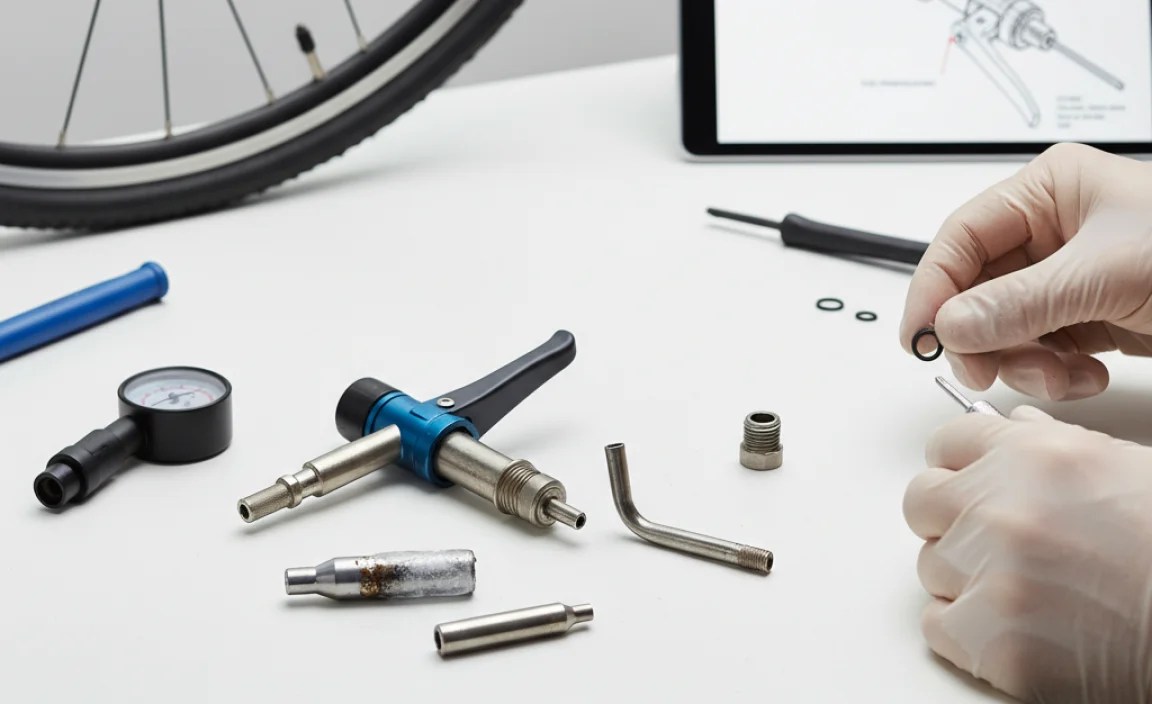
CO2 inflators are handy tools for bikers. They quickly fill tires with CO2 gas. But, what happens when they don’t work? Many things can go wrong. The cartridge might be empty. The inflator head could be clogged. Maybe you didn’t screw it on tight enough. Knowing these problems helps. It lets you fix them fast. This means less time fixing and more time riding. CO2 inflators use compressed gas. This can be dangerous if not handled well. Always follow safety rules. Wear gloves to protect your hands from the cold. Be careful when removing the cartridge. A little knowledge goes a long way. Are you ready to learn more about bike-fixing superpowers?
- CO2 cartridges can be empty or punctured.
- Inflator heads may get clogged with dirt.
- Threads can be damaged, causing leaks.
- Incorrect installation leads to gas escaping.
- Some inflators don’t work with all valves.
Learning to fix your CO2 inflator is worthwhile. It saves time and frustration. Imagine you are on a long ride. Your tire goes flat miles from home. You pull out your CO2 inflator, but it fails. Now what? If you know the common problems, you can check them. Maybe the cartridge is loose. Maybe the nozzle is blocked. You can fix it quickly. With a working inflator, you are back on the road in minutes. This makes you a more confident rider. You’ll be ready for anything the road throws your way. Plus, you’ll be a hero to your friends with flat tires!
Fun Fact or Stat: Did you know that a 16-gram CO2 cartridge can inflate a road bike tire to about 120 psi?
Why Isn’t My CO2 Inflator Working?
Have you ever wondered why your CO2 inflator sometimes fails? There are many reasons. One common issue is an empty cartridge. Sometimes, the cartridge has been used before. Other times, it might have a leak. Always check the cartridge before you start. Another problem is a blocked inflator head. Dirt and debris can get inside. This stops the CO2 from flowing. Keeping your inflator clean helps. Also, make sure you screw the cartridge in tight. If it’s loose, the gas will leak out. This wastes the cartridge. Knowing these things can save you time. It can save you from being stranded with a flat tire.
Checking for Leaks in Your Inflator
Leaks are a big problem with CO2 inflators. A leak means the CO2 is escaping. You won’t be able to fill your tire. How do you check for leaks? Listen closely when you screw in the cartridge. Do you hear a hissing sound? That’s a sign of a leak. Feel around the connection point. Can you feel air escaping? That’s another sign. Check the threads on the cartridge and inflator. Are they clean and undamaged? Dirty or damaged threads can cause leaks. If you find a leak, stop. Don’t waste the rest of the cartridge. Fix the problem first. This will save you time and money.
How Often Should I Replace Cartridges?
CO2 cartridges are for single use only. Once you use one, it is empty. You need to replace it. It’s a good idea to carry extra cartridges. This way, you’re ready for more than one flat. How many should you carry? That depends on your ride. For a short ride, two might be enough. For a long ride, take three or four. Check your cartridges before each ride. Make sure they are full and undamaged. Storing them in a cool, dry place helps. This keeps them ready when you need them. Replacing cartridges regularly ensures your inflator works. Always be prepared!
Common CO2 Cartridge Issues and Fixes

CO2 cartridges are simple, but they can cause problems. One common issue is an empty cartridge. Always check the weight. A full cartridge feels heavier. Another issue is damaged threads. If the threads are bad, the cartridge won’t seal. This causes leaks. Be careful when storing cartridges. Don’t let them get banged up. Temperature can also affect cartridges. Extreme heat or cold can change the pressure. Keep them at room temperature if you can. Using the right size cartridge is important. Some inflators need specific sizes. If you use the wrong size, it might not work. Knowing these things keeps your CO2 inflator ready. It keeps you rolling smoothly.
- Empty cartridges won’t inflate tires.
- Damaged threads cause gas leaks.
- Extreme temperatures affect pressure.
- Using the wrong size can cause problems.
- Rust can weaken the cartridge.
- Cartridges can expire over long periods.
Imagine you are racing to beat your friend. Suddenly, your tire goes flat. You grab your CO2 inflator and cartridge. But, the cartridge is empty! All that effort and excitement, wasted. This is why checking your cartridges is so important. It takes just a few seconds. Make sure they are full and in good shape. Store them properly. Keep extra ones with you. If you do this, you are ready for anything. You can fix your tire fast. You can get back to racing your friend. You might even win!
Fun Fact or Stat: A CO2 cartridge contains liquid CO2 under pressure. When released, it turns into gas.
What If My Cartridge Is Empty?
An empty CO2 cartridge is useless. It won’t inflate your tire. What do you do? The first thing is to check if it really is empty. Sometimes, you think it’s empty. But, it might just be leaking. If it’s truly empty, replace it. That’s why carrying spare cartridges is important. Keep them in your bike bag. Make sure they are easy to reach. When replacing the cartridge, be careful. The inflator head might be cold. CO2 gets very cold when it expands. Wear gloves to protect your hands. With a new cartridge, you can quickly inflate your tire. You’ll be back on your way in no time.
How Do I Store CO2 Cartridges Properly?
Storing CO2 cartridges the right way is important. It keeps them in good condition. Don’t leave them in direct sunlight. Heat can increase the pressure inside. This can make them unsafe. Keep them in a cool, dry place. Moisture can cause rust. Rust weakens the cartridge. This can make it fail. Avoid storing them with sharp objects. Sharp objects can damage the cartridge. This can cause leaks. A good place to store them is in a bike bag. Keep them separate from tools. This protects them from damage. Proper storage keeps your cartridges ready when you need them.
Can CO2 Cartridges Expire?
CO2 cartridges don’t really “expire.” But, they can degrade over time. The metal can weaken. The seal can dry out. This is more likely if they are stored poorly. How can you tell if a cartridge is too old? Look for signs of rust. Check for dents or damage. If you see any of these, replace the cartridge. It’s better to be safe than sorry. Using an old, damaged cartridge can be dangerous. It might fail when you need it most. Replacing them regularly ensures your inflator works. Always be prepared for flat tires.
Addressing CO2 Inflator Head Problems
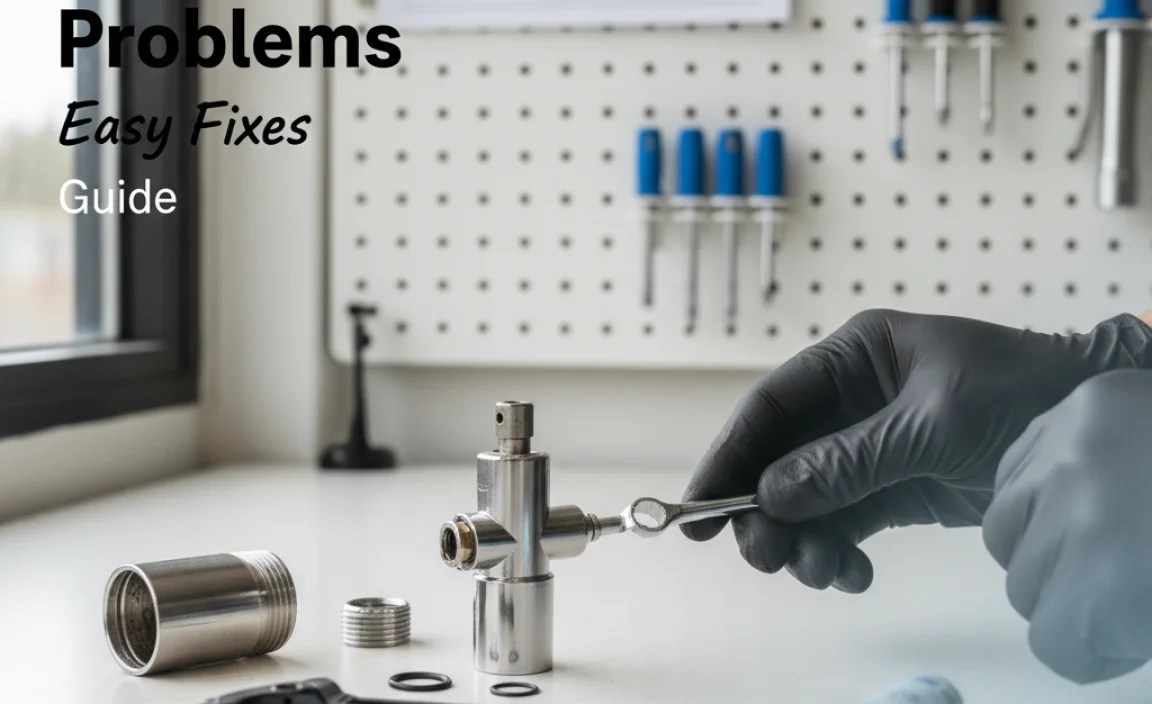
The inflator head is a key part of your CO2 system. It connects the cartridge to your tire valve. If it’s not working right, you won’t inflate your tire. One common problem is a clogged head. Dirt and debris can block the nozzle. This stops the CO2 from flowing. Cleaning the head regularly helps. Another problem is a damaged valve connector. This can cause leaks. Check the connector for cracks or bends. Make sure it fits your tire valve properly. Some inflator heads work with both Presta and Schrader valves. Others only work with one. Using the wrong head can damage the valve. Knowing these things keeps your inflator head in good shape. It keeps you rolling smoothly.
- Clogged heads block CO2 flow.
- Damaged valve connectors cause leaks.
- Incorrect head type damages valves.
- Loose parts prevent proper inflation.
- Corrosion can affect performance.
Imagine you are trying to inflate your tire. You screw in the CO2 cartridge. You press the inflator head onto the valve. But nothing happens! You check everything. The cartridge is full. The valve seems okay. Then you look closely at the inflator head. It’s clogged with dirt! No wonder the CO2 won’t flow. You clean the head with a small tool. Now the CO2 flows freely. You inflate your tire in seconds. You are back on the road, thanks to a clean inflator head. This shows why regular cleaning is so important. It saves time and frustration.
Fun Fact or Stat: Some CO2 inflator heads have built-in pressure gauges. This helps you avoid over-inflating your tires.
How to Clean a Clogged Inflator Head
A clogged inflator head stops CO2 from flowing. How do you clean it? First, remove the CO2 cartridge. Make sure the inflator is empty. Use a small brush or toothpick. Gently clean out any dirt or debris. Pay attention to the nozzle. That’s where the CO2 comes out. Compressed air can help. Blow out any remaining particles. Check the threads for dirt. Clean them with a brush. After cleaning, test the inflator. Screw in a new cartridge. Make sure the CO2 flows freely. Cleaning the head regularly keeps it working well. It prevents future clogs.
Repairing Damaged Valve Connectors
Damaged valve connectors cause leaks. This means your tire won’t inflate. Can you repair a damaged connector? Sometimes, yes. If it’s just a little bent, you can try to straighten it. Use pliers carefully. Don’t bend it too much. If it’s cracked or broken, you need to replace it. Some inflator heads have replaceable parts. You can buy a new connector. If not, you might need a new inflator head. Check the connector regularly. Look for signs of wear and tear. Replacing it early prevents problems. A good connector ensures a good seal. This keeps your tires inflated.
Why Does My Inflator Head Keep Leaking?
A leaking inflator head wastes CO2. It also means your tire won’t inflate fully. Why does this happen? One reason is a bad seal. The seal might be worn out or damaged. Another reason is loose parts. Check all the connections. Make sure they are tight. Dirt can also cause leaks. Clean the inflator head regularly. Sometimes, the valve on your tire is the problem. Make sure it’s clean and in good shape. If the leak continues, replace the inflator head. It’s better to have a working inflator. This ensures you can fix your tire quickly.
Proper CO2 Inflator Installation Techniques
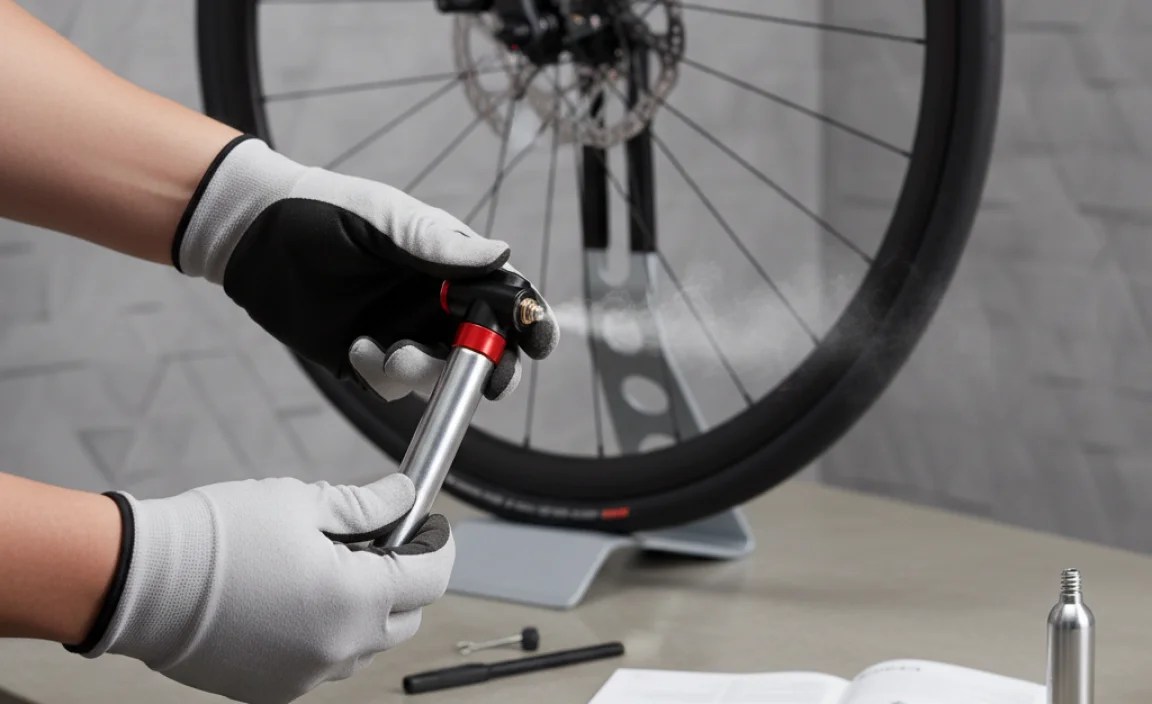
Installing your CO2 inflator correctly is key. If you don’t, it won’t work. You might even damage your tire valve. First, check your tire valve type. Is it Presta or Schrader? Make sure your inflator head matches. Screw the CO2 cartridge in tightly. Don’t over-tighten it. This can damage the threads. Press the inflator head firmly onto the valve. Make sure it’s a good seal. If it’s leaking, adjust the position. Release the CO2 slowly. Inflate the tire to the right pressure. Check the pressure with a gauge. Over-inflating can cause a blowout. Under-inflating can cause a flat. Knowing these things ensures a safe and effective inflation. It keeps you riding smoothly.
- Match inflator head to valve type.
- Tighten the cartridge securely.
- Ensure a good seal on the valve.
- Release CO2 slowly and steadily.
- Check tire pressure after inflation.
Imagine you are in a hurry to get to a race. Your tire is flat. You quickly grab your CO2 inflator. You screw in the cartridge and press it onto the valve. But, you do it wrong. You damage the valve! Now you can’t inflate the tire at all. You miss the race. This shows why proper installation is important. Take your time. Follow the steps carefully. Make sure everything is connected right. A little patience can save you a lot of trouble. You’ll be able to inflate your tire quickly and safely. You won’t miss any races!
Fun Fact or Stat: Using a CO2 inflator is much faster than using a hand pump. It can inflate a tire in seconds.
Matching Inflator Heads to Valve Types
Matching your inflator head to your valve type is important. There are two main types of valves. Presta valves are thin and have a locking nut. Schrader valves are wider, like those on cars. Some inflator heads work with both types. They have a dual head. Others only work with one type. Using the wrong head can damage the valve. It can also cause leaks. Check your valve type before you start. Choose the right inflator head. If you’re not sure, ask a bike shop. They can help you find the right one. Using the correct head ensures a good seal. This keeps your tires inflated properly.
How Tight Should I Screw In the Cartridge?
Screwing in the CO2 cartridge correctly is important. Too loose, and it will leak. Too tight, and you can damage the threads. How tight should it be? Screw it in until it’s snug. You should feel some resistance. Don’t force it. If it’s leaking, tighten it a little more. But, be careful not to over-tighten. Over-tightening can strip the threads. This makes the inflator useless. If you’re not sure, start loose and tighten gradually. Check for leaks as you go. A snug fit is all you need. This ensures a good seal and prevents damage.
Releasing CO2 Slowly for Best Results
Releasing CO2 slowly is better than releasing it all at once. Why? Releasing it too fast can cause the CO2 to freeze. This can damage the inflator head. It can also make it harder to control the pressure. Release the CO2 in short bursts. Check the tire pressure as you go. This helps you avoid over-inflating. If the tire gets too cold, stop. Let it warm up a little. Then, continue inflating. Releasing CO2 slowly gives you more control. It also protects your inflator and tires. This ensures a safe and effective inflation.
| Problem | Possible Cause | Solution |
|---|---|---|
| No inflation | Empty cartridge | Replace cartridge |
| Leaking | Loose connection | Tighten connection |
| Clogged head | Dirt or debris | Clean inflator head |
| Damaged valve | Incorrect installation | Replace valve/inflator |
| Tire over-inflation | Too much CO2 | Release some air |
Safety Tips for Using CO2 Inflators
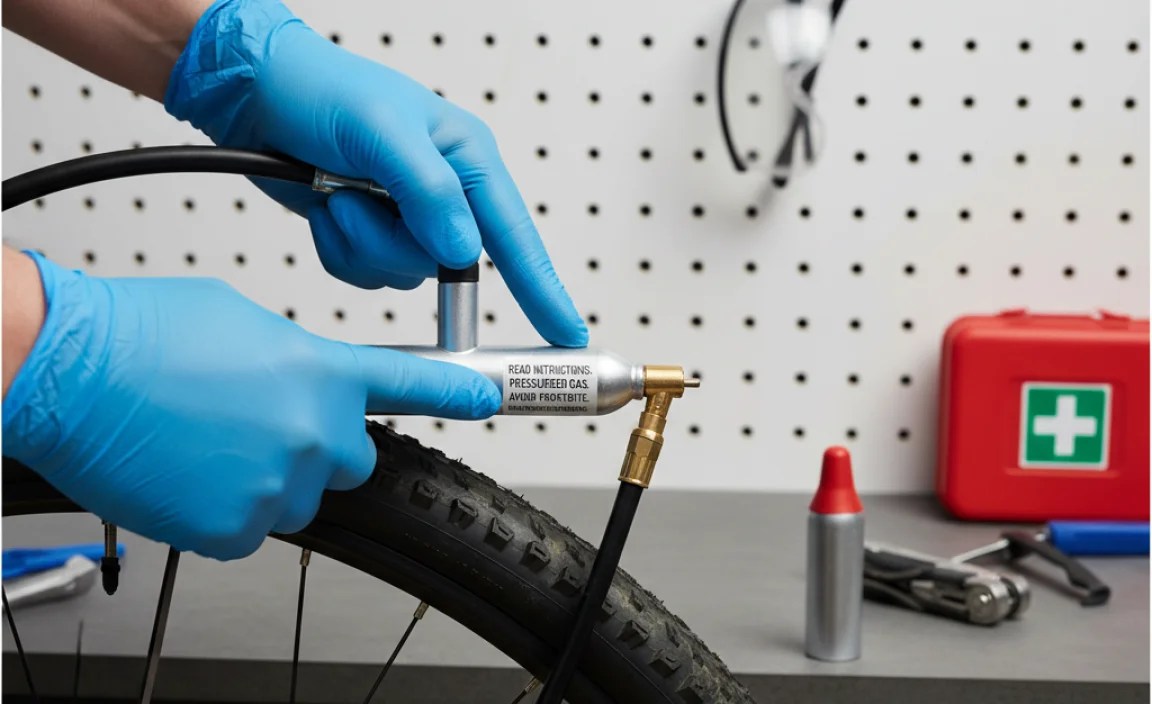
Using CO2 inflators is quick and easy. But, it’s important to be safe. CO2 is a compressed gas. It can be dangerous if not handled correctly. Always wear gloves. The CO2 can get very cold. This can cause frostbite. Point the inflator away from your face and body. If it leaks, the gas can hurt your eyes. Don’t over-inflate your tires. Check the recommended pressure. Over-inflating can cause a blowout. Dispose of used cartridges properly. They are made of metal and can be recycled. Keep CO2 cartridges away from children. They are not toys. Following these safety tips keeps you safe. It makes your bike rides more enjoyable.
- Wear gloves to protect your hands.
- Point the inflator away from yourself.
- Check tire pressure to avoid over-inflation.
- Dispose of used cartridges properly.
- Keep cartridges away from children.
Imagine you are inflating your tire. You forget to wear gloves. The CO2 leaks onto your hand. It feels very cold, very fast. Your skin starts to hurt. You realize you have frostbite! This shows why wearing gloves is so important. They protect your hands from the cold. They prevent serious injuries. Always remember to wear gloves when using a CO2 inflator. It’s a simple step that makes a big difference. You’ll be able to inflate your tire safely and comfortably. You can get back to riding without any worries.
Fun Fact or Stat: CO2 is used in many things, like soda and fire extinguishers. But, it can also be used to inflate your bike tires.
Why You Should Always Wear Gloves
Wearing gloves protects your hands from the cold. CO2 gets extremely cold when it expands. This can cause frostbite. Frostbite can damage your skin. It can be very painful. Gloves provide a barrier between your skin and the cold. They keep your hands warm and safe. Any type of gloves will work. But, thicker gloves are better. They provide more insulation. Keep a pair of gloves in your bike bag. This way, you always have them when you need them. Wearing gloves is a simple safety measure. It prevents serious injuries.
Avoiding Over-Inflation with CO2 Inflators
Over-inflating your tires can be dangerous. It can cause a blowout. A blowout can lead to a crash. How do you avoid over-inflation? Check the recommended tire pressure. It’s printed on the side of the tire. Use a tire pressure gauge. This tells you how much air is in the tire. Release CO2 in short bursts. Check the pressure after each burst. Stop when you reach the recommended pressure. It’s better to under-inflate slightly than to over-inflate. Over-inflation is a serious safety risk. Always check your tire pressure.
Proper Disposal of Used CO2 Cartridges
Used CO2 cartridges are made of metal. They can be recycled. Don’t just throw them in the trash. This is bad for the environment. Check with your local recycling center. They can tell you how to recycle metal cartridges. Some bike shops also recycle cartridges. They might have a collection bin. Before recycling, make sure the cartridge is empty. Puncture it with a tool. This releases any remaining gas. Be careful when puncturing the cartridge. Wear gloves and eye protection. Recycling cartridges helps protect the environment. It’s a responsible thing to do.
Preventive Maintenance for CO2 Inflators
Taking care of your CO2 inflator keeps it working well. Regular maintenance prevents problems. Check the inflator head for dirt. Clean it with a brush. Inspect the threads for damage. Make sure they are clean and smooth. Lubricate the moving parts. This keeps them working smoothly. Store the inflator in a dry place. Moisture can cause rust. Replace the CO2 cartridges regularly. Even if they haven’t been used. Over time, they can leak. Check the seals and O-rings. Replace them if they are worn. These simple steps keep your inflator ready. They help you avoid flat tires.
- Clean the inflator head regularly.
- Inspect threads for damage.
- Lubricate moving parts.
- Store in a dry place.
- Replace cartridges regularly.
Imagine you are getting ready for a big race. You grab your CO2 inflator. But, it’s all rusty and dirty. The threads are damaged. You can’t use it! You have to use a hand pump. It takes forever to inflate your tires. You miss the start of the race. This shows why maintenance is important. A little care can prevent big problems. Keep your inflator clean and in good shape. You’ll be able to inflate your tires quickly and easily. You won’t miss any races.
Fun Fact or Stat: Some CO2 inflators come with a small case. This helps protect them from dirt and damage.
Cleaning Your CO2 Inflator Regularly
Cleaning your CO2 inflator is easy. It keeps it working well. Use a small brush or cloth. Wipe away any dirt or debris. Pay attention to the inflator head. That’s where dirt can build up. Clean the threads with a brush. Make sure they are smooth. Use a mild cleaner if needed. But, avoid harsh chemicals. They can damage the inflator. After cleaning, let it dry completely. Then, store it in a dry place. Cleaning your inflator regularly keeps it ready. It helps you avoid clogs and leaks.
Inspecting Threads and Seals for Damage
Inspecting the threads and seals is important. Damaged threads can cause leaks. Worn seals can do the same. Check the threads for rust or damage. Make sure they are clean and smooth. Check the seals for cracks or wear. If you see any damage, replace the parts. You can buy replacement seals at a bike shop. Use a small brush to clean the threads. Lubricate the seals with silicone grease. This keeps them flexible. Inspecting and replacing parts keeps your inflator working. It prevents leaks and failures.
Lubricating Moving Parts for Smooth Operation
Lubricating the moving parts keeps your inflator working smoothly. Use a silicone-based lubricant. This type of lubricant won’t damage the inflator. Apply a small amount to the moving parts. Work the parts back and forth. This spreads the lubricant evenly. Wipe away any excess lubricant. Avoid using oil-based lubricants. They can attract dirt. Lubricating the moving parts prevents them from sticking. It also protects them from wear. This keeps your inflator working smoothly. It makes it easier to inflate your tires.
Summary
CO2 inflators are great for fixing flat tires fast. However, they can have problems. These problems include empty cartridges, clogged heads, and leaks. Knowing how to fix these issues is important. Always check your cartridges. Clean your inflator head regularly. Make sure all connections are tight. Use the right inflator head for your valve type. Follow safety tips to avoid injuries. Store your inflator and cartridges properly. Replace cartridges regularly. With a little care, your CO2 inflator will always be ready. You can fix flat tires quickly and get back to riding.
Conclusion
CO2 inflators are useful tools for cyclists. They help you fix flat tires quickly. Knowing about common problems is important. Understanding how to fix them makes you a better rider. It keeps you safe and prepared. Always follow safety guidelines. Keep your inflator in good condition. By understanding CO2 inflator problems and how to fix them, you can enjoy your rides. You will have less flat-tire stress.
Frequently Asked Questions
Question No 1: Why is my CO2 inflator not working at all?
Answer: There could be several reasons why your CO2 inflator isn’t working. First, check if the CO2 cartridge is empty. Sometimes, they are used or have leaked. Second, make sure the inflator head is not clogged with dirt. Clean it with a small brush. Third, ensure the cartridge is screwed in tightly. A loose connection will cause leaks. Fourth, check if the inflator head matches your tire valve type. Using the wrong type can prevent inflation. Finally, make sure the valve on your tire isn’t damaged.
Question No 2: How can I prevent leaks when using a CO2 inflator?
Answer: Preventing leaks is important for efficient inflation. First, make sure the threads on the CO2 cartridge and inflator head are clean. Dirt can cause leaks. Second, screw the cartridge in tightly, but don’t over-tighten it. Over-tightening can damage the threads. Third, ensure the inflator head is properly seated on the tire valve. It should create a tight seal. Fourth, use a small amount of sealant tape on the threads. This can help create a better seal. Regularly check your equipment. This ensures proper function.
Question No 3: What type of CO2 cartridge should I use for my inflator?
Answer: The type of CO2 cartridge you need depends on your inflator. Check your inflator’s manual. It will tell you the correct size and type. Most inflators use either 12-gram or 16-gram cartridges. Some require threaded cartridges. Others use unthreaded ones. Using the wrong type can damage the inflator. It can also cause leaks. Always use the recommended cartridge. It ensures safe and effective inflation. Using the wrong cartridge can cause CO2 inflator problems and how to fix them can be tricky.
Question No 4: Is it safe to touch the CO2 cartridge while inflating a tire?
Answer: CO2 gets very cold when it is released. It can cause frostbite if it touches your skin. It is always a good idea to wear gloves when using a CO2 inflator. Gloves protect your hands from the cold. They prevent injuries. If you don’t have gloves, be careful not to touch the cartridge directly. Hold the inflator head instead. If the CO2 does touch your skin, stop inflating. Warm your hand immediately. Taking these precautions helps prevent injuries. It keeps your bike rides safe.
Question No 5: How do I know if my tire is properly inflated after using a CO2 inflator?
Answer: After using a CO2 inflator, it’s important to check your tire pressure. Use a tire pressure gauge. This will tell you the exact pressure. Check the recommended pressure on the side of your tire. Inflate the tire to that pressure. Over-inflating can cause a blowout. Under-inflating can cause a flat. Checking the pressure ensures a safe ride. It also improves your bike’s performance. Also, knowing how to fix common CO2 inflator problems and how to fix them, can help keep you safe.
Question No 6: Can I reuse a CO2 cartridge after it has been used once?
Answer: No, CO2 cartridges are designed for single use only. Once you use a cartridge, it is empty. You cannot refill it. Trying to reuse a cartridge is dangerous. It might not have enough gas. It could also leak. Always use a new cartridge each time you inflate a tire. Carry spare cartridges with you. This way, you are prepared for multiple flats. Using fresh cartridges ensures proper inflation. Plus, you can avoid CO2 inflator problems and how to fix them with a fresh cartridge.


