
CO2 Inflator Head: How it Works – Easy Guide

Have you ever seen a bike tire go flat? It can be a big problem. You might be far from home. A CO2 inflator head can help. It is a small tool. It fills your tire with air fast. Let’s learn how it works.
A CO2 inflator can save the day. Imagine you are racing your bike. Suddenly, your tire goes flat. You don’t have much time. A CO2 inflator head can fill your tire. Then you can finish the race!
Do you know how a CO2 inflator works? It uses a small CO2 cartridge. The inflator head controls the gas flow. It lets you fill your tire quickly. Let’s explore this tool. We will learn all about it. We will see how it works.
Key Takeaways
- A CO2 inflator head offers a fast way to inflate bicycle tires on the go.
- CO2 inflators use small cartridges filled with compressed carbon dioxide gas.
- The inflator head precisely controls the release of CO2 into the tire.
- Different types of inflator heads are available, including threaded and push-on models.
- Always carry spare CO2 cartridges and practice using the inflator head at home.
Understanding the CO2 Inflator Head: How It Works

The CO2 inflator head is a simple device. It attaches to a CO2 cartridge. It also connects to your bike tire’s valve. When you open the valve on the inflator head, CO2 gas flows into the tire. This happens very quickly! The inflator head has a few important parts. There is a puncture pin. This pin pierces the CO2 cartridge. There is also a valve. This valve controls the flow of gas. Some inflator heads have a pressure regulator. This helps you control how much air goes into the tire. Using a CO2 inflator is faster than a hand pump. It’s great for emergencies. It’s also good for races. Many bikers carry one with them. They are small and easy to use. This makes them helpful on long rides. Understanding how it works can make biking easier.
- CO2 inflators are small and easy to carry.
- They fill tires much faster than hand pumps.
- Inflator heads connect to CO2 cartridges and tire valves.
- Some models have pressure regulators for better control.
- Practice using your inflator at home before using it on the road.
The CO2 inflator head is essential for quick tire inflation. It simplifies the process. You don’t need to pump air by hand. Just attach the inflator, and the tire fills up. This is especially useful during races. It helps you get back on the road fast. The design is simple. Yet, it is effective. The inflator head makes biking more convenient. CO2 inflators have become very popular. Many cyclists now use them. Knowing how it works is very useful. You can fix your flat tire quickly. This will get you back to riding. The inflator head is a great invention. It helps bikers everywhere.
Fun Fact or Stat: CO2 inflators can fill a tire in seconds, whereas a hand pump can take several minutes!
What is a CO2 Cartridge?
Have you ever wondered what’s inside a CO2 cartridge? It’s full of carbon dioxide gas. This gas is under high pressure. The cartridge is made of metal. It is strong enough to hold the gas. When you use a CO2 inflator head, it pierces the cartridge. This releases the gas. The gas then rushes into your tire. CO2 cartridges come in different sizes. The size you need depends on your tire size. Road bikes need smaller cartridges. Mountain bikes need bigger ones. It’s important to choose the right size. This will ensure your tire is fully inflated. Using CO2 cartridges is convenient. But, they are single-use items. You need to replace them after each use. Always carry spare cartridges with you. This way, you’re always prepared for a flat tire.
How Does the Puncture Pin Work?
Imagine trying to open a can without a can opener. The puncture pin on a CO2 inflator head is like that can opener. It’s a small, sharp point. This pin is inside the inflator head. When you attach the CO2 cartridge, the pin pierces it. This creates a hole. The CO2 gas can then escape. The design of the pin is important. It needs to be sharp enough to pierce the metal. It also needs to be strong. This prevents it from breaking. Some inflator heads have adjustable pins. This allows you to control how deep the pin goes. This can help prevent leaks. The puncture pin is a small part. Yet, it is very important. It makes the whole system work.
Why Use a Pressure Regulator?
Have you ever tried to fill a balloon too quickly? It might pop! A pressure regulator on a CO2 inflator head does the same thing. It controls the flow of CO2 gas. It stops the tire from over-inflating. This can prevent the tire from bursting. Regulators let you add air slowly. This gives you more control. Some inflator heads don’t have regulators. These can be tricky to use. It’s easy to put too much air in the tire. A regulator makes the process safer. It also makes it easier. You can fill your tire to the right pressure. This will give you a better ride. Pressure regulators are a great feature.
Types of CO2 Inflator Heads

There are different types of CO2 inflator heads. Some screw onto the CO2 cartridge. These are called threaded inflators. Others use a push-on design. These are easier to attach quickly. Threaded inflators are more secure. They are less likely to leak. Push-on inflators are faster to use. This makes them good for races. Some inflator heads are universal. They work with both Presta and Schrader valves. Other inflators only work with one type. Presta valves are common on road bikes. Schrader valves are like car tire valves. When choosing an inflator, check the valve type. Make sure it matches your bike. Knowing the different types will help. You can choose the best one for you. Each type has its pros and cons. Consider what is important to you. Is it speed, security, or versatility?
- Threaded inflators screw onto the CO2 cartridge securely.
- Push-on inflators offer faster attachment for quick use.
- Universal inflators work with both Presta and Schrader valves.
- Some inflators have built-in pressure gauges.
- Consider valve type, speed, and security when choosing an inflator.
When you understand the types of CO2 inflator heads, you can make a better choice. Threaded inflators are reliable. They provide a secure connection. This reduces the risk of leaks. Push-on inflators are quick and easy. They are perfect for emergencies. Universal inflators offer flexibility. They work with different types of valves. The best inflator head depends on your needs. Think about how you will use it. Do you need speed or security? Do you need it for different bikes? By considering these questions, you can find the right one. This will make your biking experience better. It will also make fixing flat tires easier.
Fun Fact or Stat: Universal inflators can save you from carrying multiple inflators for different bikes!
Threaded vs. Push-On: Which is Better?
Imagine you are changing a lightbulb. Do you screw it in, or push it in? Threaded and push-on CO2 inflator heads are similar. Threaded inflators screw onto the CO2 cartridge. This makes them very secure. They are less likely to leak. Push-on inflators just push onto the cartridge. This is faster, but not as secure. So, which is better? It depends on what you need. If you want the most secure connection, choose threaded. If you want speed, choose push-on. Many racers like push-on inflators. They need to fix flats quickly. For everyday riding, threaded inflators are a good choice. They offer a balance of security and ease of use.
Presta vs. Schrader: What’s the Difference?
Have you ever noticed different types of valves on bike tires? Presta and Schrader are the two main types. Presta valves are thin and have a locking nut. Schrader valves are wider and look like car tire valves. Most road bikes use Presta valves. Many mountain bikes and kids’ bikes use Schrader valves. When you use a CO2 inflator head, it needs to match your valve type. Some inflators are universal. They work with both types. Others only work with one. Make sure you know what type of valve your bike has. This will help you choose the right inflator. Using the wrong inflator can be frustrating. It might not work at all!
How to Choose the Right Inflator for Your Bike
Choosing the right CO2 inflator head can seem tricky. But, it’s actually quite simple. First, check your valve type. Is it Presta or Schrader? Next, think about how you will use the inflator. Do you need speed for racing? Or, do you want a secure connection for everyday riding? If you want speed, choose a push-on inflator. If you want security, choose a threaded inflator. Also, consider a universal inflator. This will work with both valve types. Finally, read reviews. See what other bikers say about different inflators. This will help you make a good choice. The right inflator will make fixing flats much easier.
Step-by-Step Guide: Using a CO2 Inflator
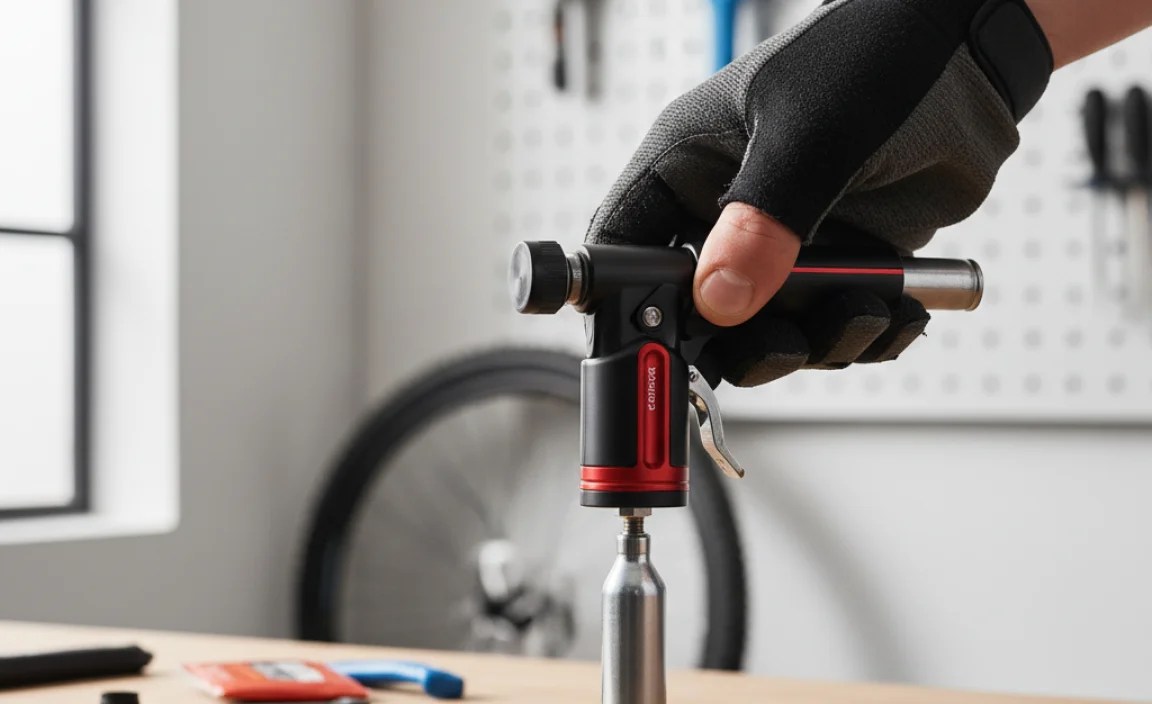
Using a CO2 inflator head is easy. But, it’s important to do it right. First, protect your hands. CO2 cartridges get very cold when used. Wear gloves or use a sleeve. Next, attach the inflator head to the CO2 cartridge. If it’s a threaded inflator, screw it on tightly. If it’s a push-on inflator, push it on firmly. Then, attach the inflator head to your tire valve. Make sure it’s secure. Now, open the valve on the inflator head. The CO2 gas will rush into your tire. Be careful not to over-inflate it. Check the pressure with your fingers. Once the tire is firm, close the valve. Remove the inflator head. You’re ready to ride! Practice at home first. This will make you comfortable using it on the road.
- Protect your hands from the cold CO2 cartridge.
- Attach the inflator head securely to the cartridge.
- Connect the inflator head to the tire valve tightly.
- Control the flow of CO2 to avoid over-inflation.
- Practice using the inflator at home before riding.
Knowing how to use a CO2 inflator head properly is very important. It can save you time and frustration. The steps are simple. But, each one is crucial. Protecting your hands prevents burns. Attaching the inflator securely prevents leaks. Controlling the gas flow prevents over-inflation. Practicing at home builds confidence. When you follow these steps, you can fix a flat tire quickly. This will get you back to enjoying your ride. A CO2 inflator is a great tool. But, it’s only effective if you know how to use it correctly. This guide will help you be prepared for any flat tire situation.
Fun Fact or Stat: CO2 cartridges can reach freezing temperatures in seconds, so always protect your hands!
Preparing for Inflation
Before you use a CO2 inflator head, get ready! Make sure you have everything you need. This includes the inflator head, a CO2 cartridge, and gloves. Check your tire valve. Is it Presta or Schrader? Make sure your inflator matches. Also, check your tire for any damage. Remove any sharp objects. This will prevent another flat. Practice attaching the inflator at home. This will make it easier on the road. Knowing what to do will help you stay calm. You will fix the flat quickly. Being prepared is the key to success. This will make the whole process smoother.
Attaching the Inflator Head
Imagine you are connecting a hose to a faucet. You need to make sure it’s tight. Attaching the CO2 inflator head is similar. First, make sure the inflator is clean. Remove any dirt or debris. Then, attach it to the CO2 cartridge. If it’s a threaded inflator, screw it on tightly. If it’s a push-on inflator, push it on firmly. Next, attach the inflator to your tire valve. Make sure it’s secure. If it’s not tight, air will leak. This will waste the CO2. A good connection is important. It ensures all the gas goes into the tire. Take your time and do it right.
Controlling the CO2 Flow
Have you ever opened a soda bottle too fast? It fizzes everywhere! Controlling the CO2 flow with a CO2 inflator head is important. You don’t want to over-inflate your tire. This can cause it to burst. Most inflator heads have a valve. This valve controls the flow of gas. Open it slowly. Watch the tire as it fills. Check the pressure with your fingers. When the tire is firm, close the valve. Some inflators have a pressure gauge. This helps you see the pressure. Controlling the flow is key. It prevents over-inflation. This will keep you safe on the road.
Safety Tips for Using CO2 Inflators
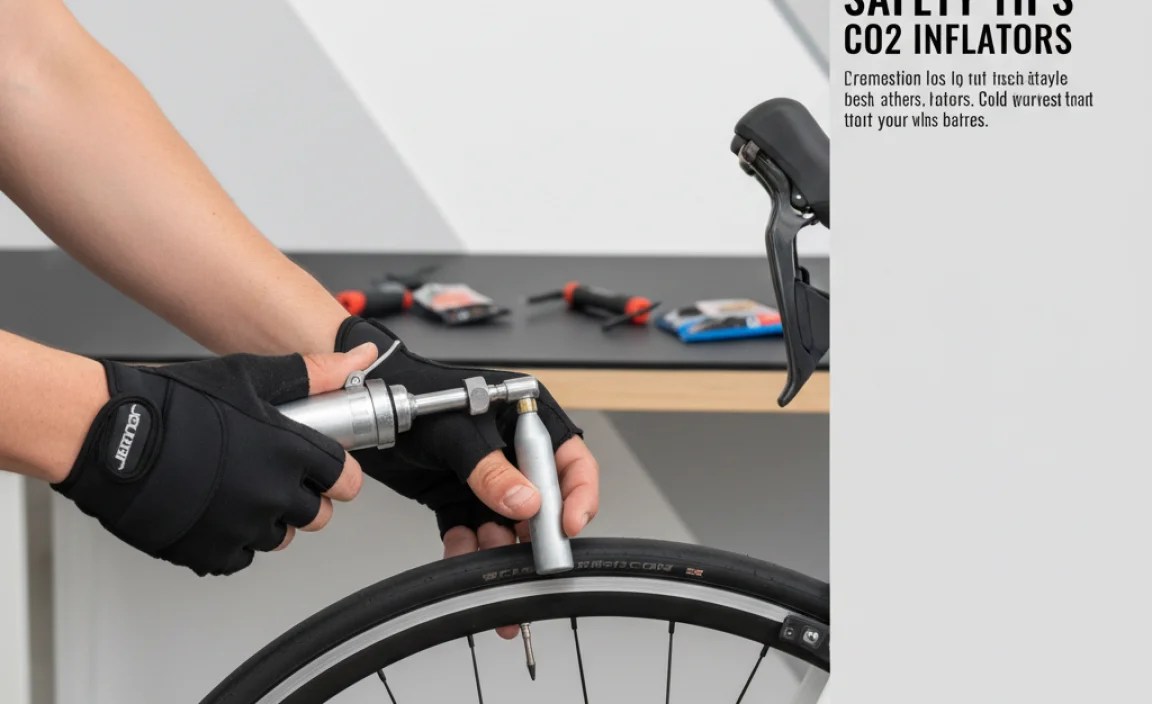
CO2 inflator heads are very useful. But, you need to use them safely. First, always protect your hands. The CO2 cartridges get very cold. They can cause frostbite. Wear gloves or use a sleeve. Second, don’t over-inflate your tire. This can cause it to burst. Check the pressure with your fingers. Third, only use CO2 inflators in well-ventilated areas. CO2 gas can be dangerous if you breathe too much of it. Fourth, keep CO2 cartridges away from children. They are not toys. Finally, practice using the inflator at home. This will make you comfortable with it. Safety is always the most important thing. Follow these tips to stay safe.
- Always wear gloves to protect your hands from the cold.
- Avoid over-inflating the tire to prevent bursting.
- Use CO2 inflators in well-ventilated areas.
- Keep CO2 cartridges out of reach of children.
- Dispose of used cartridges properly and responsibly.
Knowing the safety tips for CO2 inflator heads is crucial. It will keep you safe. The cold cartridges can cause burns. Over-inflating the tire can cause accidents. CO2 gas can be harmful in enclosed spaces. Children should never play with cartridges. Proper disposal protects the environment. By following these safety tips, you can use a CO2 inflator with confidence. You can also avoid potential dangers. Safety should always be your top priority. This will ensure a smooth and safe biking experience. It will also help you enjoy your ride without worry.
Fun Fact or Stat: A CO2 cartridge can get as cold as -78 degrees Celsius, which is colder than dry ice!
Protecting Your Hands
Imagine touching ice for too long. It can hurt your skin! CO2 inflator heads use CO2 cartridges. These cartridges get very cold when you use them. The cold can burn your skin. This is why it’s important to protect your hands. Wear gloves when you use the inflator. You can also use a special sleeve. This sleeve goes around the cartridge. It keeps your hands from getting too cold. Protecting your hands is easy. It’s also very important. It will prevent burns and make the process safer.
Avoiding Over-Inflation
Have you ever blown up a balloon until it popped? Over-inflating your bike tire is similar. It can cause the tire to burst. This can be dangerous. When you use a CO2 inflator head, be careful. Don’t put too much air in the tire. Check the pressure with your fingers. The tire should feel firm, but not too hard. Some inflators have a pressure gauge. This helps you see the pressure. Avoiding over-inflation is important. It will keep you safe. It will also prevent damage to your tire.
Proper Disposal of Cartridges
When you finish using a CO2 cartridge, don’t just throw it away! CO2 cartridges are made of metal. They can be recycled. Check with your local recycling center. See if they accept CO2 cartridges. If not, you may need to find a special recycling program. Some bike shops will take used cartridges. Proper disposal is important. It helps protect the environment. It also prevents waste. Make sure you dispose of your cartridges responsibly.
| Safety Aspect | Why It Matters | How to Ensure |
|---|---|---|
| Hand Protection | Prevents frostbite burns | Wear gloves or use a sleeve |
| Avoid Over-Inflation | Prevents tire bursts | Check pressure, use a gauge |
| Ventilation | Avoid CO2 inhalation | Use in open areas |
| Child Safety | Prevents misuse/injury | Store out of reach |
Troubleshooting Common Issues
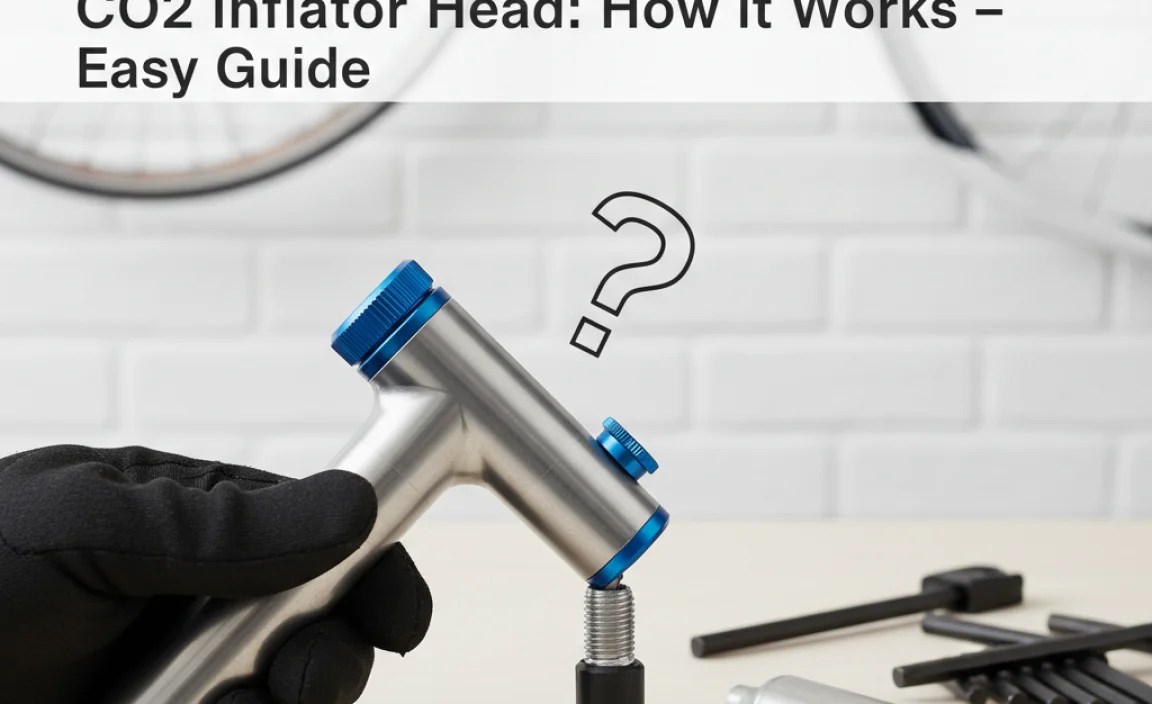
Sometimes, things don’t go as planned. You might have problems with your CO2 inflator head. One common problem is leaks. Air might escape when you attach the inflator. Make sure the connection is tight. Another problem is the cartridge not piercing. Check if the puncture pin is clean. It might be blocked. Sometimes, the tire doesn’t inflate. Make sure the valve is open. Also, check the CO2 cartridge. It might be empty. Knowing how to fix these problems will help you. You can fix the flat quickly. This will get you back on the road. Don’t get discouraged. With a little practice, you can solve most issues.
- Check for leaks at the connection points.
- Ensure the puncture pin is clean and sharp.
- Verify the tire valve is open properly.
- Make sure the CO2 cartridge is not empty.
- Practice troubleshooting at home before riding.
Being able to troubleshoot common issues with a CO2 inflator head is very useful. It can save you time and frustration. Leaks are a common problem. Make sure the inflator is tightly connected. A blocked puncture pin can prevent the cartridge from piercing. Clean the pin carefully. A closed valve will stop air from flowing. Make sure it’s open. An empty cartridge won’t inflate the tire. Replace it with a new one. By knowing how to fix these problems, you can be prepared. You will be able to handle any situation. This will make your biking experience better. It will also give you more confidence.
Fun Fact or Stat: A small piece of dirt can prevent the puncture pin from working properly!
Why is My Inflator Leaking?
Imagine a water hose with a hole in it. Water sprays everywhere! A leaking CO2 inflator head is similar. Air escapes from the connections. This wastes the CO2. It also prevents the tire from inflating. The most common cause is a loose connection. Make sure the inflator is screwed on tightly. Also, check the O-rings. These are small rubber rings that seal the connections. If they are damaged, replace them. A clean connection is also important. Dirt can prevent a good seal. Clean the inflator and the valve. This will help prevent leaks.
Why Won’t the Cartridge Pierce?
Have you ever tried to open a bottle with a dull opener? It’s very difficult! A CO2 inflator head needs a sharp puncture pin. This pin pierces the CO2 cartridge. If the pin is dull or blocked, it won’t work. Check the pin carefully. Is it clean? Is it sharp? If it’s dull, you might need to replace the inflator. If it’s blocked, clean it with a small brush. Make sure the cartridge is pushed in all the way. Sometimes, it just needs a little extra force. A sharp, clean pin is essential. It allows the CO2 to flow freely.
What if the Tire Still Won’t Inflate?
You’ve checked for leaks. The cartridge is pierced. But, the tire still won’t inflate. What’s wrong? First, make sure the tire valve is open. Some valves need to be unscrewed. Check the CO2 cartridge. Is it empty? If so, replace it. Also, check the inflator head. Is it clogged? Clean it with a small brush. Sometimes, the tire has a big hole. A CO2 inflator can’t fix a big hole. You might need a tire patch or a new tube. Don’t give up. Keep trying. You’ll figure it out!
Maintaining Your CO2 Inflator Head
Like any tool, a CO2 inflator head needs care. This will keep it working well. After each use, clean the inflator. Remove any dirt or debris. Use a small brush. Check the O-rings. These are the small rubber rings that seal the connections. If they are damaged, replace them. Store the inflator in a dry place. This will prevent rust. Also, check the puncture pin. Make sure it’s sharp. If it’s dull, replace the inflator. A little maintenance will go a long way. It will keep your inflator working for years. This will save you money in the long run.
- Clean the inflator head after each use.
- Check and replace O-rings regularly.
- Store the inflator in a dry place to prevent rust.
- Ensure the puncture pin remains sharp.
- Inspect the inflator for any signs of damage.
Proper maintenance of your CO2 inflator head is essential. It ensures it’s ready when you need it. Cleaning the inflator removes dirt. This prevents blockages. Replacing O-rings prevents leaks. Storing it in a dry place prevents rust. Checking the puncture pin ensures it works. Regular inspection helps you find problems early. By taking care of your inflator, you can extend its life. You will also have peace of mind. You’ll know it will work when you need it most. Maintenance is a small task. But, it makes a big difference.
Fun Fact or Stat: Regular maintenance can double the lifespan of your CO2 inflator head!
Cleaning the Inflator
Imagine your toothbrush after brushing your teeth. It needs to be cleaned! A CO2 inflator head also needs cleaning. After each use, dirt and debris can build up. This can block the air flow. Use a small brush to clean the inflator. Pay attention to the puncture pin. Make sure it’s clean and sharp. Also, clean the connections. Remove any dirt that could cause leaks. A clean inflator will work better. It will also last longer. Cleaning is a simple task. It’s worth the effort.
Replacing O-Rings
Have you ever seen a leaky faucet? The O-rings might be worn out! O-rings are small rubber rings. They seal the connections on a CO2 inflator head. Over time, they can dry out or crack. This causes leaks. Check the O-rings regularly. If they look damaged, replace them. You can buy replacement O-rings at most bike shops. Replacing O-rings is easy. It can prevent leaks. It will also save you money. New O-rings will keep your inflator working well.
Storing Your Inflator Properly
Imagine leaving your bike out in the rain. It will rust! Storing your CO2 inflator head properly is important. It prevents rust and damage. Store the inflator in a dry place. A toolbox or a drawer is ideal. Avoid storing it in direct sunlight. This can damage the O-rings. Also, keep it away from chemicals. These can corrode the metal. Proper storage will extend the life of your inflator. It will also keep it working smoothly.
Summary
A CO2 inflator head is a small tool. It can quickly inflate your bike tire. It uses a CO2 cartridge. The inflator head controls the flow of gas. There are different types of inflator heads. Some are threaded, and some are push-on. Always protect your hands when using a CO2 inflator. The cartridges get very cold. Don’t over-inflate your tire. This can cause it to burst. Use the inflator in a well-ventilated area. This will keep you safe. Practice using the inflator at home. This will make you comfortable with it. Regular maintenance will keep your inflator working well. A CO2 inflator head can be a lifesaver on the road. Knowing how it works will help you stay prepared.
Conclusion
A CO2 inflator head is a great tool for bikers. It helps you fix flat tires fast. You can get back to riding quickly. It is important to know how to use it safely. You must also take care of it. With a little practice, anyone can use a CO2 inflator. Make sure you carry one with you on your rides. You will be ready for any flat tire emergency. Understanding how it works will make biking more fun.
Frequently Asked Questions
Question No 1: What is a CO2 inflator head?
Answer: A CO2 inflator head is a device. It helps you fill your bike tire with air quickly. It uses a small CO2 cartridge. The inflator head controls the gas flow. It attaches to the cartridge and your tire valve. When you open the valve, the gas rushes into the tire. This fills it up fast. CO2 inflators are small and easy to carry. They are great for emergencies. They are also good for races.
Question No 2: How does a CO2 inflator head work?
Answer: A CO2 inflator head works by releasing compressed CO2 gas. This gas is stored in a small cartridge. The inflator head has a puncture pin. This pin pierces the cartridge. This releases the gas. The gas then flows through the inflator head. It goes into your tire. Some inflator heads have a valve. This valve controls the flow of gas. This helps you avoid over-inflating the tire. The whole process is very quick. It can fill your tire in seconds.
Question No 3: What are the different types of CO2 inflator heads?
Answer: There are two main types of CO2 inflator heads. Threaded inflators screw onto the CO2 cartridge. This makes them very secure. They are less likely to leak. Push-on inflators just push onto the cartridge. This is faster, but not as secure. Some inflators are universal. They work with both Presta and Schrader valves. Others only work with one type. Choose the type that best fits your needs.
Question No 4: Is it safe to use a CO2 inflator head?
Answer: Yes, it is safe to use a CO2 inflator head. But, you need to follow some safety tips. Always protect your hands. The CO2 cartridges get very cold. They can cause frostbite. Don’t over-inflate your tire. This can cause it to burst. Use the inflator in a well-ventilated area. This will prevent you from breathing too much CO2 gas. Keep the cartridges away from children. If you follow these tips, you can use a CO2 inflator safely.
Question No 5: How do I maintain my CO2 inflator head?
Answer: Maintaining your CO2 inflator head is easy. After each use, clean it with a small brush. This will remove any dirt or debris. Check the O-rings. These are the small rubber rings that seal the connections. If they are damaged, replace them. Store the inflator in a dry place. This will prevent rust. Check the puncture pin. Make sure it’s sharp. Regular maintenance will keep your inflator working well.
Question No 6: Where can I buy a CO2 inflator head?
Answer: You can buy a CO2 inflator head at most bike shops. You can also buy them online. Many websites sell bike parts and accessories. Look for a reputable brand. Read reviews before you buy. This will help you choose a good inflator. Compare prices from different stores. This will help you get the best deal. Make sure the inflator is compatible with your bike’s valve type.


