
Beginner Guide to CO2 Inflators: Easy Tire Fixes!

Have you ever had a flat tire? It can be a big problem. Especially if you are far from home. A beginner guide to CO2 inflators can help. It teaches you how to fix your tire quickly. This guide will make things easier.
CO2 inflators are tools for bike tires. They use compressed gas. This gas fills the tire fast. No more pumping for a long time! Are you ready to learn more? Let’s get started with this beginner guide to CO2 inflators.
Key Takeaways
- A beginner guide to CO2 inflators helps you fix flat tires quickly and easily.
- Always carry extra CO2 cartridges and know how to use your inflator.
- Practice using your CO2 inflator at home before you need it on the road.
- Control the gas flow to avoid over-inflating or freezing the cartridge.
- CO2 inflators are lightweight and small, making them easy to carry on rides.
Beginner Guide: What is a CO2 Inflator?

A CO2 inflator is a small device. It helps cyclists fill their tires quickly. It uses a CO2 cartridge. This cartridge contains compressed carbon dioxide gas. When you have a flat tire, you attach the inflator. Then, you release the gas. The gas fills the tire fast. This is much faster than using a hand pump. CO2 inflators are small and light. You can easily carry them in your bike bag. They are very useful for quick repairs on the road. Many riders use them during races. This helps them get back to riding fast. CO2 inflators come in different styles. Some have a simple push button. Others have a control valve. The valve lets you control the gas flow. Using a CO2 inflator can be tricky at first. But with practice, it becomes easy. This beginner guide to CO2 inflators will teach you all you need to know.
- CO2 inflators fill tires quickly.
- They use compressed CO2 gas.
- They are small and lightweight.
- Many types are available.
- Practice makes them easy to use.
Using a CO2 inflator is a great skill for any cyclist. It saves time and energy when you get a flat tire. Imagine you are riding in a race. Suddenly, your tire goes flat. With a CO2 inflator, you can fix it fast. You can get back to the race quickly. Without one, you might have to use a hand pump. This can take a long time and tire you out. CO2 inflators are a valuable tool. They help you keep riding without much delay. Just remember to practice using it first. This beginner guide to CO2 inflators is here to help. So, you can use it confidently when you need it most. Always carry extra cartridges. Then you will be ready for any flat tire.
Fun Fact or Stat: CO2 inflators can fill a tire in just seconds, whereas a hand pump might take several minutes!
Why Use a CO2 Inflator?
Why should you use a CO2 inflator? They offer many benefits. First, they are very fast. You can fill a tire in seconds. Hand pumps take much longer. Second, they are lightweight. You won’t even notice it in your bag. Third, they are easy to use once you practice. Even kids can learn to use them. Fourth, they save energy. Pumping by hand can be tiring. Especially after a long ride. CO2 inflators do the work for you. Imagine you are on a long bike ride. The sun is hot, and you are tired. You get a flat tire. Would you rather pump by hand? Or use a CO2 inflator? The choice is clear. A CO2 inflator is the better option. This beginner guide to CO2 inflators will give you more reasons to use one.
What are the Downsides?
Even with their benefits, CO2 inflators have some downsides. One downside is the cost of cartridges. You need to buy new ones after each use. This can add up over time. Another downside is the cold. The CO2 gas gets very cold when released. It can freeze your fingers. Some inflators have a sleeve to protect your hand. Also, you need to be careful not to over-inflate the tire. Too much pressure can cause a blowout. Finally, CO2 leaks out of tires faster than air. You might need to add more air later. Despite these downsides, many cyclists still prefer CO2 inflators. The speed and convenience are worth it for them. This beginner guide to CO2 inflators helps you weigh the pros and cons.
Different Types of Inflators
There are different types of CO2 inflators. Some are simple and basic. They just have a button to release the gas. Others are more advanced. They have a control valve. This valve lets you control the gas flow. Some inflators also have a pressure gauge. This shows you how much pressure is in the tire. Some are designed for specific types of valves. Make sure the inflator matches your bike’s valves. Presta valves are common on road bikes. Schrader valves are like car tire valves. Some inflators work with both types. Choose the type that works best for you. This beginner guide to CO2 inflators will help you choose the right one.
How Does a CO2 Inflator Work?
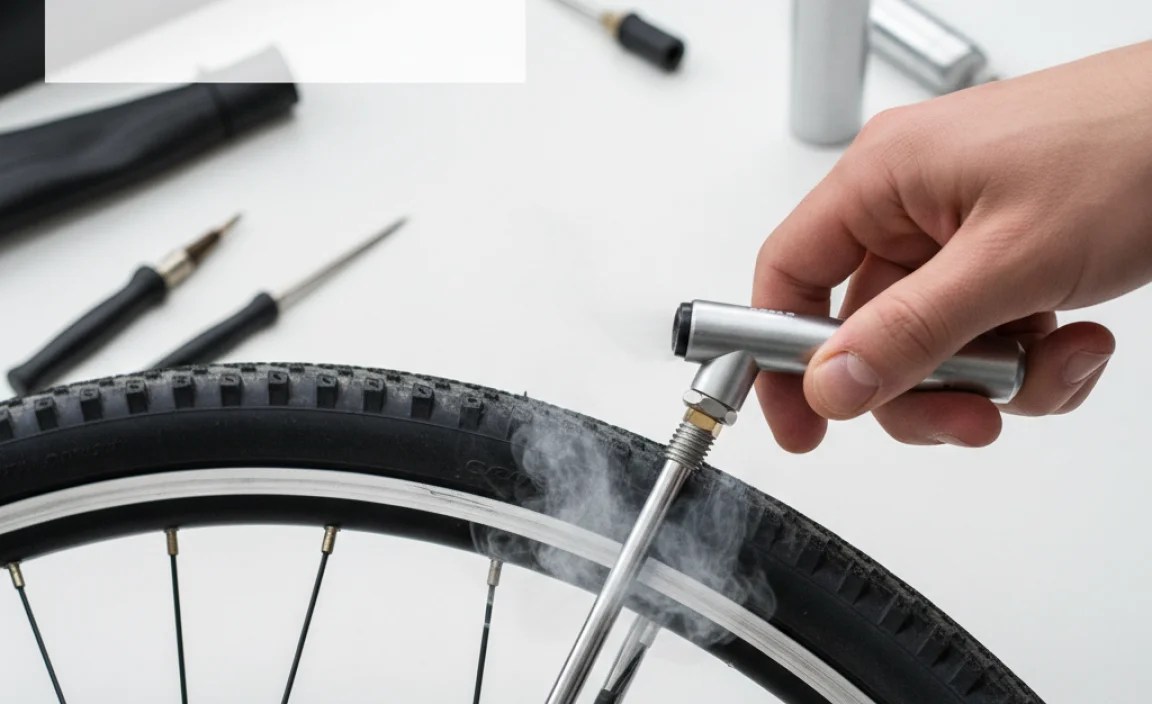
Understanding how a CO2 inflator works is simple. The inflator connects to a CO2 cartridge. This cartridge holds compressed gas. When you activate the inflator, it punctures the cartridge. This releases the gas. The gas flows into your tire. The inflator has a nozzle. This nozzle fits onto your tire’s valve. You press the inflator against the valve. Then, you release the gas. Some inflators have a button. Others have a twist valve. The valve controls how fast the gas flows. Be careful not to release too much gas at once. This can over-inflate the tire. Always check the tire pressure after using the inflator. With a little practice, you’ll get the hang of it. This beginner guide to CO2 inflators will show you the steps. It will help you become an expert.
- The inflator punctures the CO2 cartridge.
- Compressed gas flows into the tire.
- The nozzle fits onto the tire valve.
- A button or valve releases the gas.
- Control the gas flow carefully.
- Check tire pressure afterward.
Imagine you’re on a bike ride with friends. Suddenly, you hear a “hiss” sound. You have a flat tire! Don’t worry. You have a CO2 inflator. First, take out the inflator and a new CO2 cartridge. Screw the cartridge into the inflator head. Make sure it’s tight. Then, remove the cap from your tire valve. Press the inflator nozzle onto the valve. If your inflator has a button, press it gently. If it has a valve, twist it slowly. The gas will start flowing into the tire. Watch the tire carefully. Stop when it feels firm. Remove the inflator. Check the tire pressure. Now you’re ready to ride again! This beginner guide to CO2 inflators makes it simple. It shows you how easy it is.
Fun Fact or Stat: A 16-gram CO2 cartridge can inflate a road bike tire to about 120 PSI!
Attaching the Inflator to the Cartridge
Attaching the inflator to the cartridge is easy. First, find the threaded end of the inflator head. Next, take a new CO2 cartridge. Most cartridges have threads on one end. Screw the cartridge into the inflator head. Turn it until it’s snug. Don’t overtighten it. This can damage the threads. Some inflators have a piercing mechanism. This punctures the cartridge when you screw it in. Others require you to push a button. This releases the gas. Make sure you know how your inflator works. Always hold the cartridge with a cloth or glove. The gas can make it very cold. Now you are ready to inflate your tire. This beginner guide to CO2 inflators makes it simple.
Releasing the CO2 Gas
Releasing the CO2 gas is the key step. Once the cartridge is attached, get ready. Find the valve on your tire. Remove the valve cap. Now, attach the inflator nozzle to the valve. Press it firmly. Make sure there are no leaks. If your inflator has a button, press it gently. If it has a valve, twist it slowly. The CO2 gas will rush into the tire. Watch the tire carefully. Stop when it feels firm. Don’t over-inflate it. This can cause a blowout. Some inflators have a control valve. This lets you control the gas flow. Use it to avoid over-inflation. This beginner guide to CO2 inflators will help you master it.
Checking Tire Pressure
Checking tire pressure is important. After inflating the tire, don’t just ride off. Use a tire pressure gauge. This will tell you the exact pressure. Most tires have a recommended pressure range. It’s printed on the sidewall. Make sure your tire pressure is within this range. Too little pressure can cause a flat. Too much pressure can cause a blowout. If the pressure is too high, release some air. If it’s too low, add more CO2. Some inflators have a built-in pressure gauge. This makes it easy to check the pressure. This beginner guide to CO2 inflators stresses safety. Always check your tire pressure.
Choosing the Right CO2 Inflator

Choosing the right CO2 inflator can feel tricky. There are many options. Think about what matters most to you. Do you want something simple? Or something with more features? Consider the type of valve on your bike. Some inflators only work with Presta valves. Others work with both Presta and Schrader valves. Look at the size and weight of the inflator. You want something easy to carry. Read reviews from other cyclists. See what they recommend. Some inflators are better quality than others. Also, think about the price. You don’t need to spend a lot of money. This beginner guide to CO2 inflators will help you decide. It can guide you to the perfect choice.
- Consider your valve type.
- Think about size and weight.
- Read reviews from other users.
- Compare prices and features.
- Choose a reliable brand.
Imagine you are at your local bike shop. You see many different CO2 inflators. One is small and shiny. Another has a pressure gauge. A third one is very cheap. Which one should you choose? Start by checking your bike’s valves. Are they Presta or Schrader? Choose an inflator that works with your valves. Next, pick up the inflators. Which one feels the most comfortable in your hand? Which one is the lightest? Read the descriptions on the packaging. What features does each inflator have? Does it have a control valve? Does it come with extra cartridges? Ask the shop owner for advice. They can help you choose the best inflator for your needs. This beginner guide to CO2 inflators can help you make the right choice.
Fun Fact or Stat: Some CO2 inflators come with a foam sleeve to protect your hands from the cold!
Valve Compatibility
Valve compatibility is very important. There are two main types of valves. Presta valves are common on road bikes. They are thin and have a small nut on top. Schrader valves are like car tire valves. They are wider and have a spring-loaded pin. Some CO2 inflators only work with one type of valve. Others work with both. Check your bike’s valves before buying an inflator. If you have Presta valves, choose an inflator that supports them. If you have Schrader valves, choose one that supports them. If you want to be prepared, choose an inflator that works with both. This beginner guide to CO2 inflators explains the difference.
Size and Weight
Size and weight matter when choosing a CO2 inflator. You want something easy to carry on your rides. A big, heavy inflator will take up too much space. It will weigh you down. Look for a small, lightweight inflator. Many inflators are made of aluminum. This makes them strong and light. Some inflators are very compact. They can fit in your pocket or saddlebag. Consider the size of the CO2 cartridges too. Smaller cartridges are lighter. But they might not fill your tire completely. This beginner guide to CO2 inflators helps you find the best size.
Features and Price
Think about the features and price. Some CO2 inflators have extra features. A control valve lets you control the gas flow. A pressure gauge shows you the tire pressure. Some inflators come with a protective sleeve. This keeps your hands from getting cold. These features can be helpful. But they also increase the price. You don’t need to buy the most expensive inflator. There are many good options at a lower price. Read reviews and compare features. Find an inflator that fits your needs and budget. This beginner guide to CO2 inflators helps you compare.
Step-by-Step Guide to Using a CO2 Inflator

Using a CO2 inflator is simple. Follow these steps. First, gather your supplies. You need a CO2 inflator, a CO2 cartridge, and a spare tube. Also, bring tire levers. These help you remove the old tire. Next, remove the wheel from your bike. Use the tire levers to take off the old tire. Insert the new tube. Put the tire back on the rim. Now, attach the CO2 cartridge to the inflator. Make sure it’s tight. Then, attach the inflator to the tire valve. Release the CO2 gas. Fill the tire to the correct pressure. Finally, put the wheel back on your bike. You are ready to ride again! This beginner guide to CO2 inflators makes it easy. Just follow these steps.
- Gather your supplies first.
- Remove the wheel and old tire.
- Insert a new tube and tire.
- Attach the CO2 cartridge.
- Inflate the tire and check pressure.
- Reinstall the wheel on your bike.
Imagine you are on a mountain bike trail. You hit a sharp rock. Your tire goes flat. Don’t panic. You have your CO2 inflator. First, stop your bike safely. Take out your tools. Use the tire levers to remove the tire. Pull out the old tube. Check the tire for sharp objects. Make sure nothing is stuck inside. Put in the new tube. Carefully put the tire back on the rim. Now, screw the CO2 cartridge into the inflator. Push the inflator onto the tire valve. Press the button to release the gas. Watch the tire fill up. Check the pressure with your gauge. Put the wheel back on your bike. Tighten the bolts. You are ready to continue your ride. This beginner guide to CO2 inflators helps you be prepared.
Fun Fact or Stat: Some professional cyclists can change a tire and inflate it with a CO2 inflator in under a minute!
Removing the Flat Tire
Removing the flat tire is the first step. Use tire levers to pry the tire off the rim. Insert one lever under the tire bead. Hook it onto a spoke. Insert a second lever a few inches away. Pry that part of the tire off too. Now, you can slide one lever around the rim. This will remove one side of the tire. Pull out the old tube. Check the tire for any sharp objects. Remove anything that could cause another flat. This beginner guide to CO2 inflators shows you how to do it.
Inserting a New Tube
Inserting a new tube is the next step. Take a new tube out of its package. Inflate it slightly. This will help it hold its shape. Insert the valve stem into the hole in the rim. Now, carefully tuck the tube inside the tire. Start at the valve. Work your way around the tire. Make sure the tube isn’t twisted. Gently push the tire back onto the rim. Use your thumbs to push the tire bead over the rim. Be careful not to pinch the tube. This beginner guide to CO2 inflators makes it easy.
Inflating with the CO2 Inflator
Inflating with the CO2 inflator is the final step. Attach the CO2 cartridge to the inflator head. Screw it in tightly. Remove the valve cap from the tube. Press the inflator nozzle onto the valve. Make sure it’s secure. Push the button or twist the valve to release the CO2. The tire will inflate quickly. Watch the tire pressure. Don’t over-inflate it. Use a pressure gauge to check. Remove the inflator. Replace the valve cap. You are ready to ride. This beginner guide to CO2 inflators helps you master it.
Safety Tips for Using CO2 Inflators
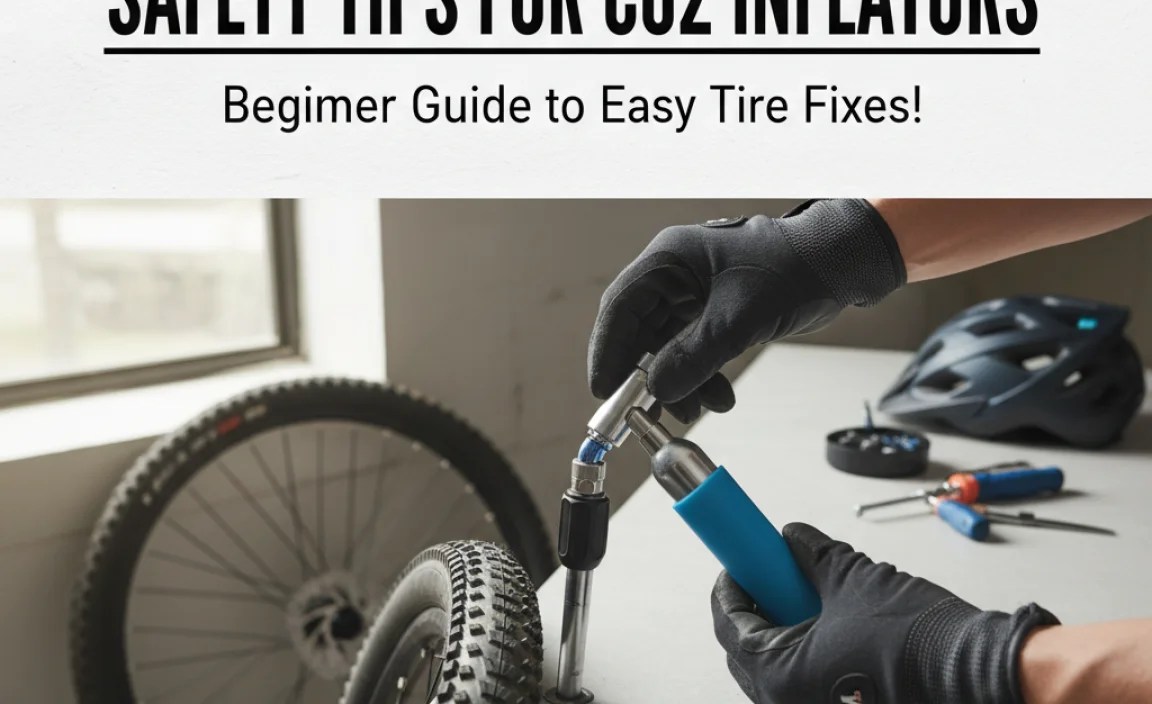
Safety is key when using CO2 inflators. Always wear gloves. The CO2 cartridge can get very cold. This can freeze your skin. Point the inflator away from your face and body. The gas comes out with force. Be careful not to over-inflate the tire. This can cause a blowout. Check the tire pressure after inflating. Make sure it’s within the recommended range. Dispose of used cartridges properly. They are recyclable. Practice using the inflator at home. This way, you’ll be ready when you need it. This beginner guide to CO2 inflators stresses safety first.
| Safety Tip | Why It’s Important |
|---|---|
| Wear gloves | Protects hands from freezing. |
| Point away from face | Avoids injury from gas. |
| Don’t over-inflate | Prevents tire blowouts. |
| Check tire pressure | Ensures proper inflation. |
Imagine you are helping a friend fix their flat tire. You grab the CO2 inflator. You forget to wear gloves. The cartridge freezes your hand! It hurts a lot. You also point the inflator towards your face. The gas shoots out. It stings your eyes. Your friend reminds you to be careful. They show you how to use the inflator safely. Always wear gloves. Point the inflator away from your face. Check the tire pressure. Practice at home first. This beginner guide to CO2 inflators will keep you safe. Remember these tips.
Fun Fact or Stat: CO2 cartridges can reach temperatures as low as -78 degrees Celsius when used!
Protecting Your Hands
Protecting your hands is important. CO2 cartridges get very cold when used. This can cause frostbite. Always wear gloves when using a CO2 inflator. Cycling gloves work well. You can also use a rag or cloth. Wrap it around the cartridge. Some inflators come with a foam sleeve. This provides insulation. It keeps your hands warm. Be careful not to touch the cartridge directly. This beginner guide to CO2 inflators reminds you to be safe.
Avoiding Over-Inflation
Avoiding over-inflation is also important. Too much pressure can cause a blowout. This can be dangerous. Check the recommended tire pressure. It’s printed on the tire sidewall. Use a pressure gauge to check the pressure. Some CO2 inflators have a control valve. This lets you control the gas flow. Use it to avoid over-inflation. If you don’t have a control valve, release the gas in short bursts. Check the pressure frequently. This beginner guide to CO2 inflators helps you stay safe.
Proper Disposal of Cartridges
Proper disposal of cartridges matters too. Used CO2 cartridges are recyclable. Check with your local recycling center. See if they accept them. Some bike shops also recycle CO2 cartridges. Don’t throw them in the trash. This can be harmful to the environment. Puncture the cartridge before recycling it. This releases any remaining gas. This beginner guide to CO2 inflators promotes responsibility.
Practicing with Your CO2 Inflator
Practicing with your CO2 inflator is a great idea. Don’t wait until you have a flat tire. Practice at home first. This will help you become familiar with the inflator. You’ll learn how to attach the cartridge. You’ll learn how to release the gas. You’ll also learn how to check the tire pressure. Use an old tire and tube for practice. This way, you won’t waste your good ones. Practice a few times until you feel comfortable. Then, you’ll be ready for anything. This beginner guide to CO2 inflators suggests practice.
- Practice at home first.
- Use an old tire and tube.
- Attach and detach the cartridge.
- Release the gas in short bursts.
- Check the tire pressure.
Imagine you are getting ready for a big race. You want to be prepared for anything. You decide to practice using your CO2 inflator. You take out an old tire and tube. You gather your tools. You attach the CO2 cartridge to the inflator. You practice releasing the gas. You watch the tire fill up. You check the pressure with your gauge. You do this several times. You become very comfortable with the process. Now you know you are ready for the race. If you get a flat tire, you can fix it quickly. This beginner guide to CO2 inflators shows you the value of practice.
Fun Fact or Stat: Practicing tire changes can reduce your flat-fixing time by up to 50%!
Setting Up a Practice Station
Setting up a practice station is simple. Find a clean, flat surface. This could be your garage or driveway. Gather your tools. You’ll need tire levers, a CO2 inflator, and a CO2 cartridge. You’ll also need an old tire and tube. A tire pressure gauge is also helpful. Lay out all your tools. Make sure everything is within reach. This will make the practice easier. This beginner guide to CO2 inflators helps you get ready.
Simulating a Flat Tire
Simulating a flat tire is easy. Just remove the air from the tube. Use a tire lever to pry one side of the tire off the rim. Pull out the tube. Now you have a “flat tire.” This is a good way to practice the entire process. From removing the tire to inflating it again. This beginner guide to CO2 inflators helps you practice.
Repeating the Process
Repeating the process is key. Practice makes perfect. Do the entire process several times. Remove the tire. Insert the tube. Inflate the tire. Check the pressure. Do it again and again. Each time, you’ll get faster and more comfortable. This beginner guide to CO2 inflators stresses repetition.
Summary
This beginner guide to CO2 inflators has covered a lot. We discussed what a CO2 inflator is. We talked about how it works. We looked at different types. We also covered safety tips. Using a CO2 inflator can be a great way to fix flat tires quickly. They are lightweight and easy to carry. But they can be tricky to use at first. That’s why practice is important. Make sure you understand how your inflator works. Always follow the safety tips. With a little practice, you’ll be able to fix flat tires in no time. This guide should help you feel confident using a CO2 inflator.
Conclusion
CO2 inflators are useful tools for cyclists. They help you fix flat tires fast. This beginner guide to CO2 inflators taught you the basics. Now you know how they work. You also know how to use them safely. Practice using your CO2 inflator. This way, you’ll be ready for any flat tire. Enjoy your rides!
Frequently Asked Questions
Question No 1: What is a CO2 inflator used for?
Answer: A CO2 inflator is used to quickly fill a bicycle tire with air. It uses compressed carbon dioxide gas from a small cartridge. This is much faster than using a hand pump. CO2 inflators are small and lightweight. They are easy to carry on bike rides. Many cyclists use them during races. This helps them get back to riding quickly after a flat tire. Knowing how to use a CO2 inflator is a valuable skill for any cyclist. This beginner guide to CO2 inflators can help you learn more.
Question No 2: How do I attach a CO2 cartridge to the inflator?
Answer: Attaching a CO2 cartridge to the inflator is easy. First, find the threaded end of the inflator head. Next, take a new CO2 cartridge. Most cartridges have threads on one end. Screw the cartridge into the inflator head. Turn it until it’s snug. Don’t overtighten it. This can damage the threads. Some inflators have a piercing mechanism. This punctures the cartridge when you screw it in. Others require you to push a button. Make sure you know how your inflator works. Always hold the cartridge with a cloth or glove. The gas can make it very cold.
Question No 3: Is it safe to use a CO2 inflator?
Answer: Yes, it is safe to use a CO2 inflator if you follow the safety tips. Always wear gloves. The CO2 cartridge can get very cold. This can freeze your skin. Point the inflator away from your face and body. The gas comes out with force. Be careful not to over-inflate the tire. This can cause a blowout. Check the tire pressure after inflating. Make sure it’s within the recommended range. Dispose of used cartridges properly. Practice using the inflator at home. This beginner guide to CO2 inflators stresses safety first.
Question No 4: Can I reuse a CO2 cartridge?
Answer: No, you cannot reuse a CO2 cartridge. Once you use it, it is empty. You need to replace it with a new cartridge. Always carry extra cartridges with you on your rides. This way, you’ll be prepared for any flat tire. CO2 cartridges are relatively inexpensive. You can buy them at most bike shops. This beginner guide to CO2 inflators reminds you to always have spares.
Question No 5: What type of valve do I need for a CO2 inflator?
Answer: There are two main types of valves on bike tires. Presta valves are common on road bikes. Schrader valves are like car tire valves. Some CO2 inflators only work with one type of valve. Others work with both. Check your bike’s valves before buying an inflator. If you have Presta valves, choose an inflator that supports them. If you have Schrader valves, choose one that supports them. If you want to be prepared, choose an inflator that works with both. This beginner guide to CO2 inflators explains the difference.
Question No 6: How much does a CO2 inflator cost?
Answer: CO2 inflators vary in price. Simple inflators can cost as little as $10. More advanced inflators with features like pressure gauges can cost $30 or more. The price also depends on the brand. CO2 cartridges typically cost $1 to $3 each. Consider the cost of cartridges when budgeting for a CO2 inflator. You can find good deals online or at your local bike shop. This beginner guide to CO2 inflators helps you find the best value.


